
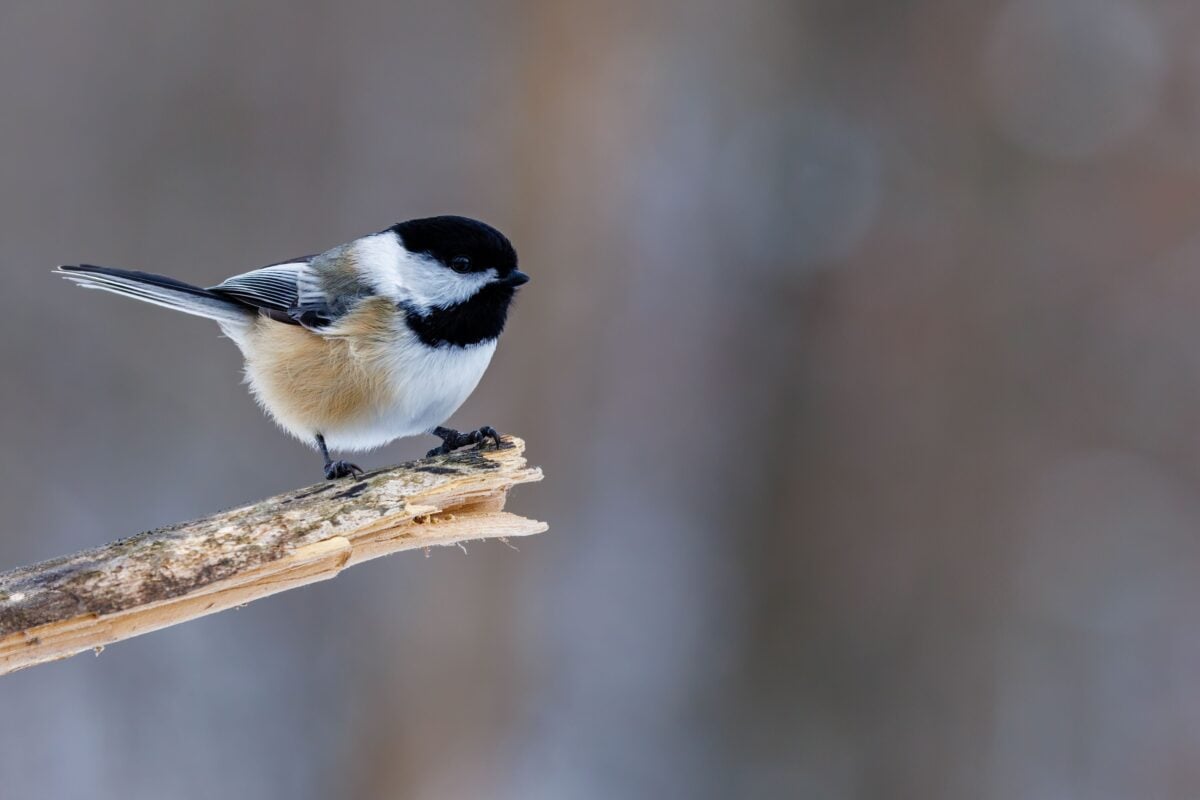
Chickadees look cute and carefree, but behind those bright black eyes is a serious memory machine. These tiny birds build detailed mental maps of your yard, track which feeders pay off, and even remember which humans can be trusted. If you’ve ever wondered why some yards buzz with chickadees while others stay oddly quiet, it rarely comes down to luck. It usually comes down to what the birds remember about you and your setup. I still remember the first winter I put out a feeder and thought, “Food is food, what’s the big deal?” The chickadees proved me wrong. They sampled, watched, disappeared, then slowly returned once I got a few key things right. Over time, it became obvious: once they decided my feeder was reliable, they treated it almost like a favorite grocery store. Here are nine specific things chickadees are very likely logging away about your backyard buffet – often for months or even years.
1. Where the Food Is – Down to the Exact Spot
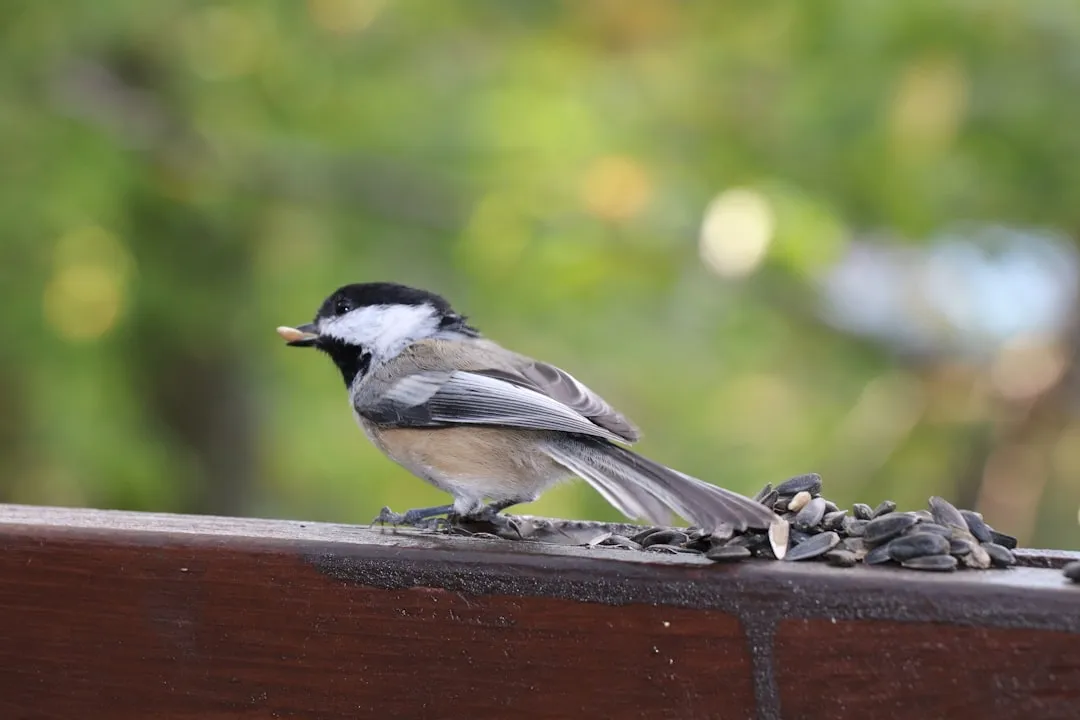
One of the most impressive things about chickadees is their ability to remember exact locations. They are scatter-hoarders, meaning they tuck away thousands of seeds in tiny hiding spots and later relocate many of them from memory. That same spatial skill helps them remember precisely where your feeder is, even after storms, long nights, or weeks of not visiting as often.
Think about it like your mental map of a grocery store you visit regularly: even if the outside looks different, you know where your favorite aisle is. Chickadees do something similar with your yard. Once they’ve locked in the feeder’s position, they can return quickly and confidently, which is one reason moving a feeder too often can temporarily confuse them.
2. Which Feeders Offer the Best Seeds
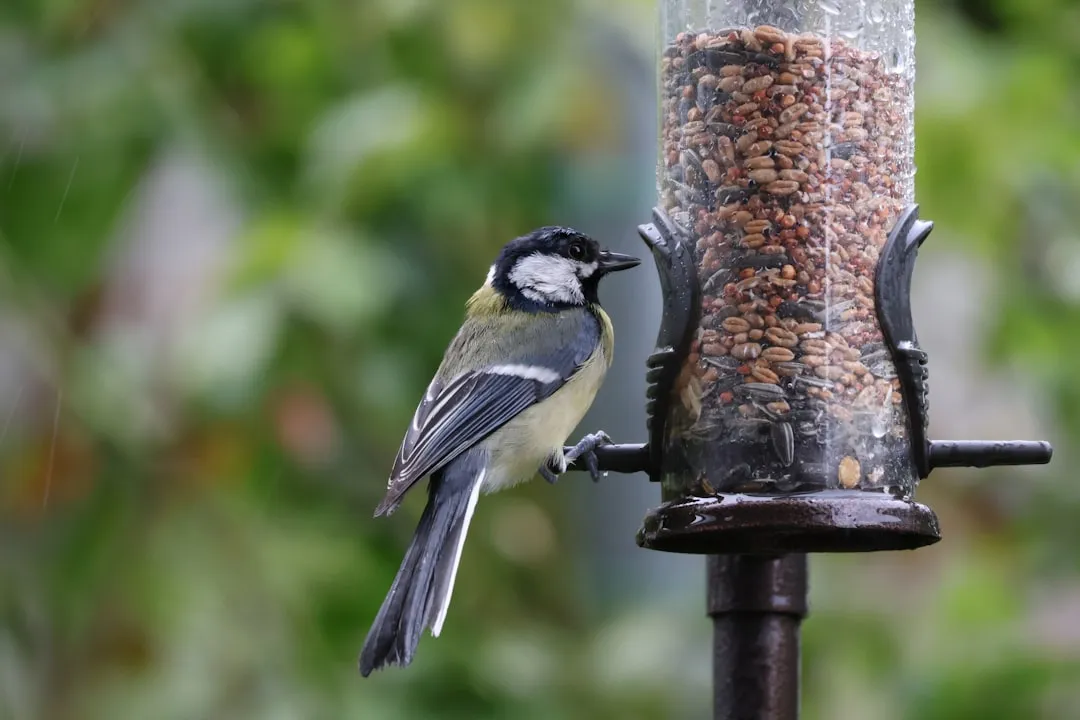
Chickadees are not politely grateful for whatever you put out; they are selective. They quickly learn which feeders consistently offer high-quality food such as black oil sunflower seeds, hulled sunflower hearts, or quality mixed seeds with very little filler. Over time, they remember which spots are worth the energy and which are basically the fast-food equivalents of empty calories.
If you watch closely, you’ll see them grab a seed, fly off, and often come right back if the food is good. That back-and-forth speeds up when they find a truly reliable source. If a feeder keeps switching between quality seed and low-value filler like mostly cracked corn or heavy millet, chickadees will notice – and they’ll remember that inconsistency as clearly as you remember which café keeps watering down its coffee.
3. How Safe It Feels Around Your Feeder
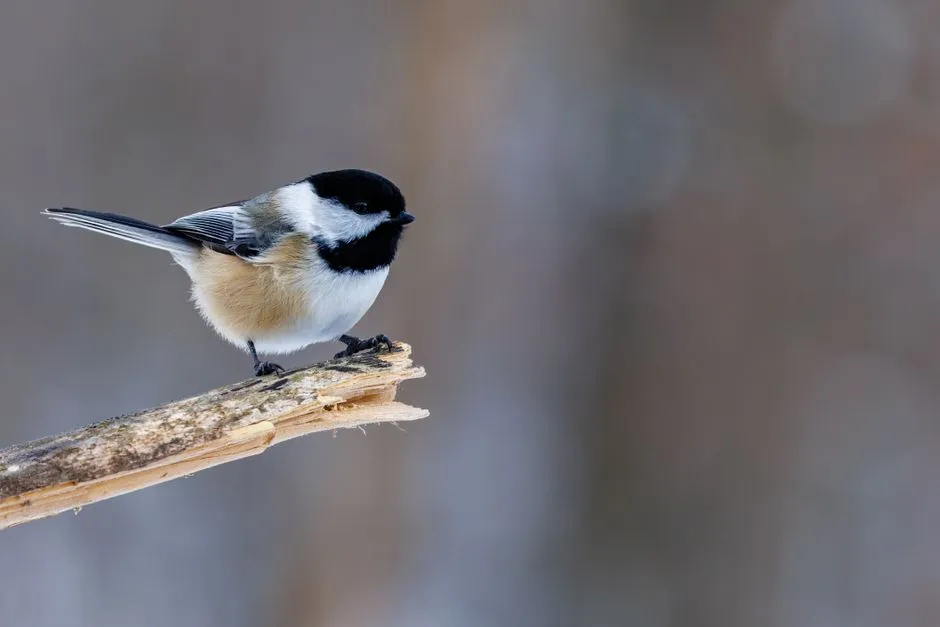
For a tiny bird that weighs less than a handful of coins, safety matters just as much as food quality. Chickadees pay close attention to how exposed a feeder is, how close it sits to cover like shrubs and trees, and whether predators or sudden threats are common in that area. A feeder hung in the open with nowhere to dart for cover can easily be labeled as risky in their mental checklist.
They also seem to factor in repeated experiences: if a hawk frequently buzzes the area or a neighborhood cat lurks under the feeder, chickadees may downgrade that spot in their memory, even if the seed is excellent. On the other hand, a feeder near dense branches or evergreen cover creates a “grab and dash” path that feels safer, and birds will remember that sense of security when choosing where to feed next time.
4. Your Consistency: Is the Buffet Open or Closed?
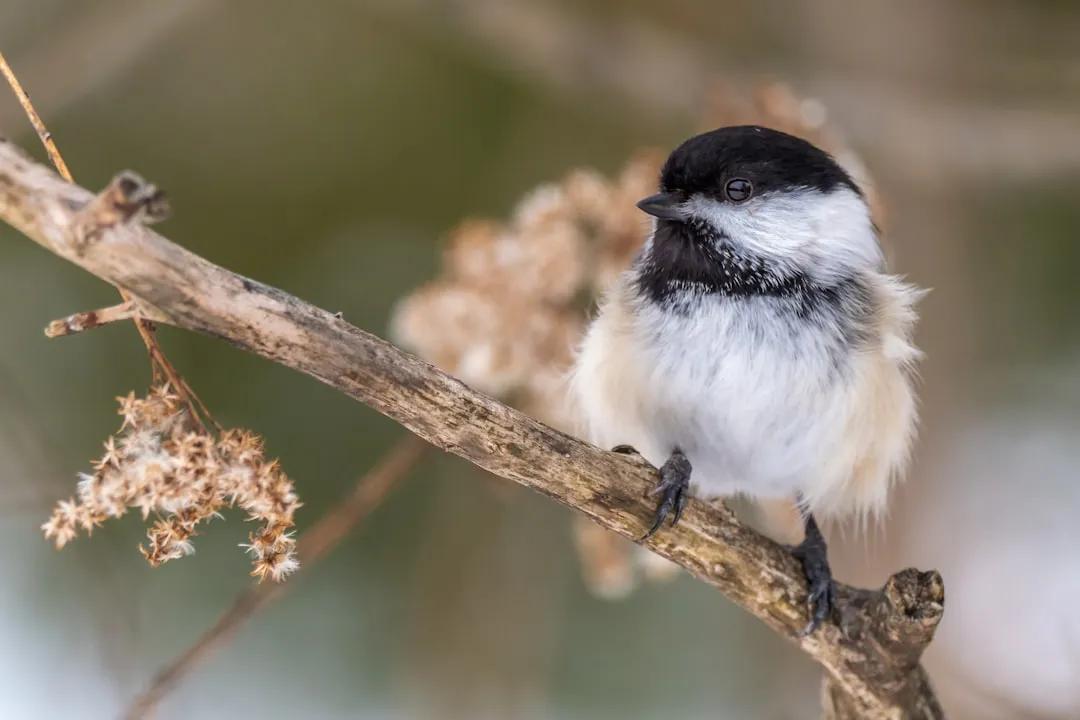
Chickadees rely heavily on memory to plan their daily routes, and reliability is a huge part of that calculation. If you keep your feeder stocked most days, especially during colder months, they start treating your yard like a dependable stop. They remember that they rarely encounter an empty tray and adjust their visits accordingly, sometimes swinging by several times in a single hour on cold days.
On the flip side, a feeder that’s constantly empty or sporadically filled becomes a low-priority stop. Imagine driving to a restaurant that is closed every other time you go – it does not take long before you stop trying. Chickadees do the same mental math. They log the pattern of “usually full” or “usually empty” and invest their time and energy where the odds are better.
5. Human Behavior Around the Feeder
Research on chickadees and related songbirds suggests they are surprisingly good at distinguishing between different levels of threat. Over time, they seem to learn that some humans are just background noise while others are cause for alarm. If you consistently move slowly, refill the feeder calmly, and do not chase or startle them, they gradually catalog you as low risk.
In contrast, repeated loud noises, fast movements, or kids running and yelling by the feeder can leave a very different impression. Chickadees remember places where they felt frequently disturbed or forced to flush away. You might notice that they retreat to the edges of the yard or wait silently in nearby shrubs until the “storm” of human activity passes, and then cautiously return once things calm down – an adjustment driven by how they’ve learned to interpret you.
6. Seasonal Patterns and When Food Appears
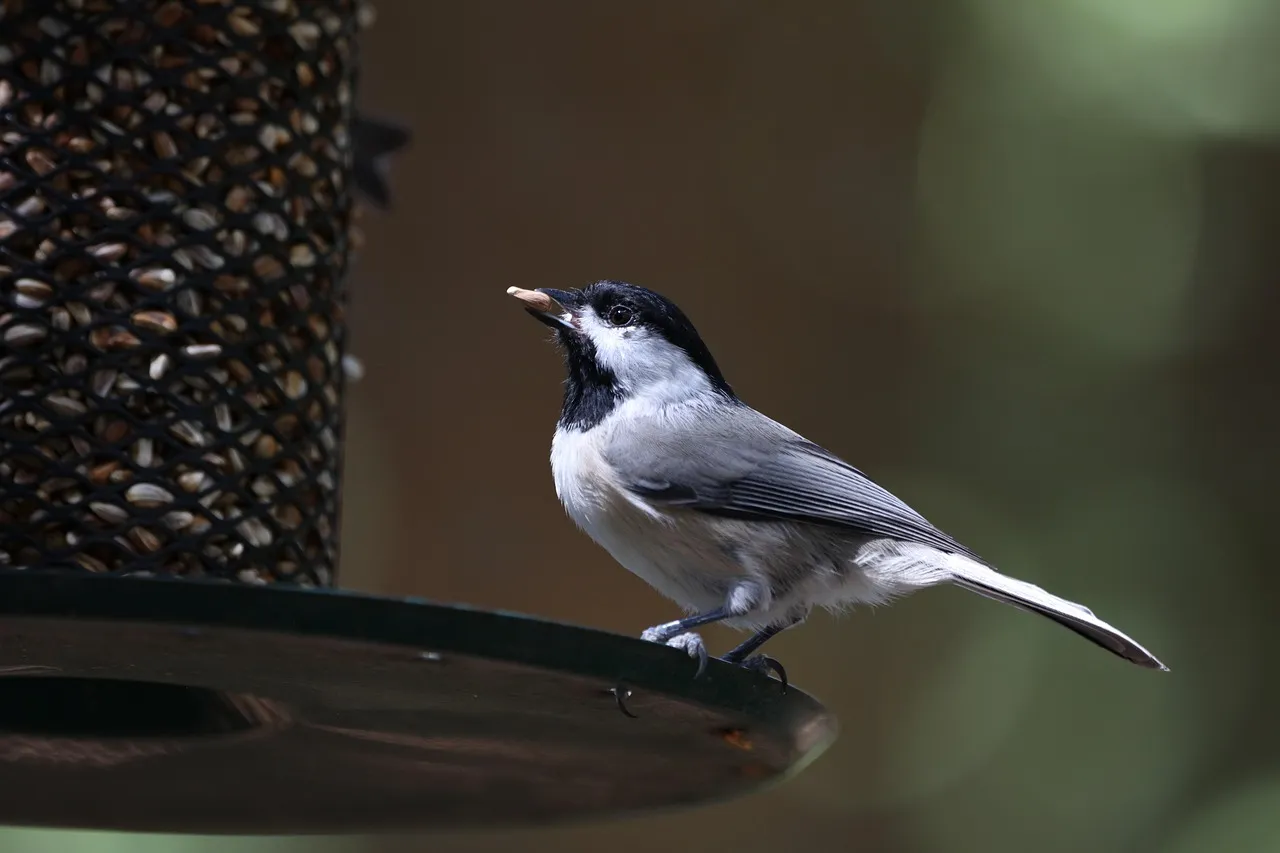
Chickadees live year-round in many northern and temperate regions, so they experience your yard in all four seasons. Over time, they seem to learn rough patterns: maybe your feeder magically gets refilled every weekend, or it appears only in late fall and disappears once spring flowers bloom. These birds link time of year with likelihood of finding food in specific spots.
That means a feeder that appears reliably every winter becomes part of their cold-weather survival plan. They may check less frequently in summer when insects and natural food are plentiful, then ramp up their visits as temperatures drop and natural seeds dwindle. In a way, they treat your feeding schedule like you treat seasonal sales at your favorite store: they remember when it tends to get good and show up more often then.
7. The Social Scene: Who Else Feeds Here
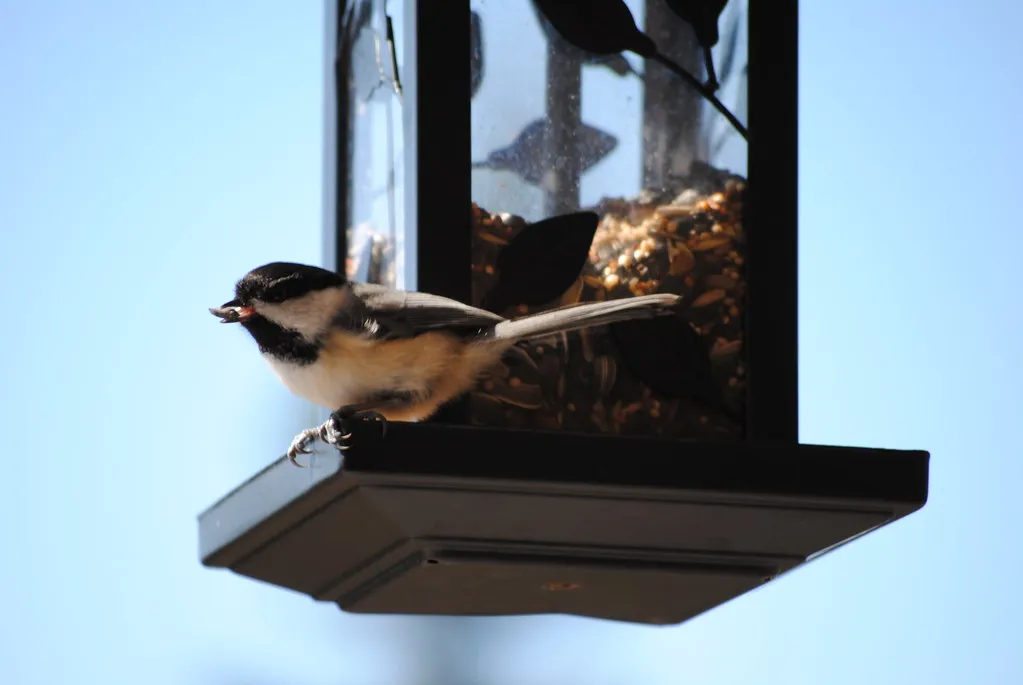
Chickadees are social birds, often traveling in mixed-species flocks with nuthatches, titmice, and other small birds. They appear to take mental notes not only about the feeder itself but about what happens there socially. A feeder that regularly attracts a calm, diverse group of small birds can feel like a safe community hub, reinforcing its value in their minds.
However, if every visit turns into a constant battle with aggressive species or pushy flocks, that chaos shapes the memory of the place. While chickadees can be surprisingly bold, they are also realistic about energy costs. Having to fight for every seed or dodge much larger birds may push them to favor other spots with fewer confrontations, even if the seed is technically just as good.
8. The Feeder Design and Ease of Access
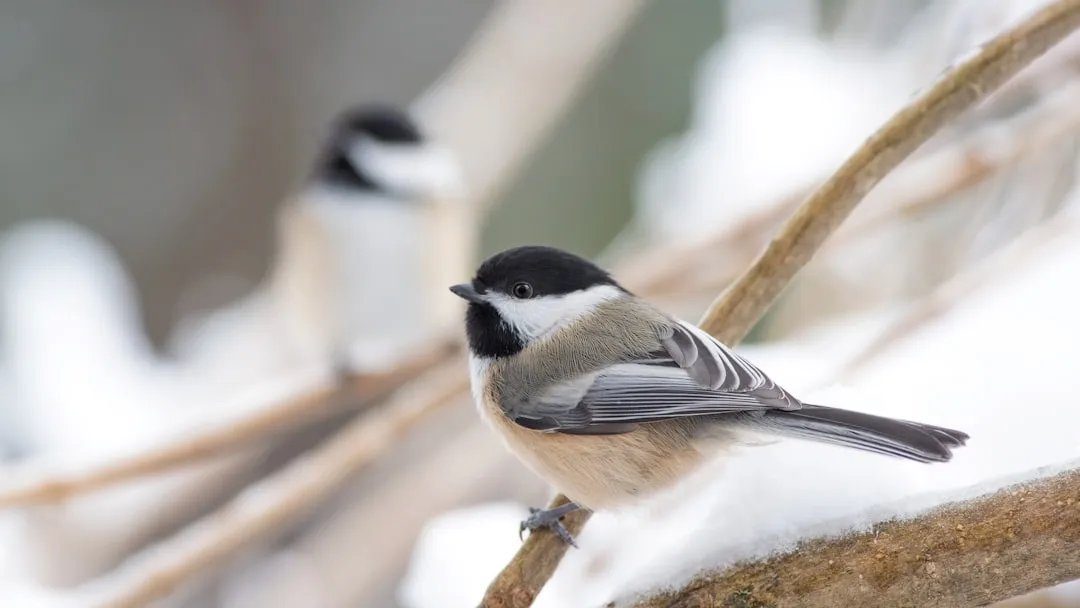
Not all feeders are created equal from a chickadee’s perspective. They remember which designs are tricky, slippery, or crowded and which allow quick, easy access. Tube feeders with small perches, hopper feeders with edges perfect for quick land-and-grab maneuvers, or trays where they can snatch and run all play differently in their mental scoring system of effort versus reward.
If a feeder constantly swings wildly in the wind, clogs with wet seed, or forces them into awkward positions, they notice – and they may rank it lower than a more stable, predictable alternative in the same yard. Over time, their memory of how easy or frustrating a particular feeder is will influence how often they choose it, just like you naturally gravitate toward a door that doesn’t jam every other time you open it.
9. Places That Help Them Survive the Hard Days
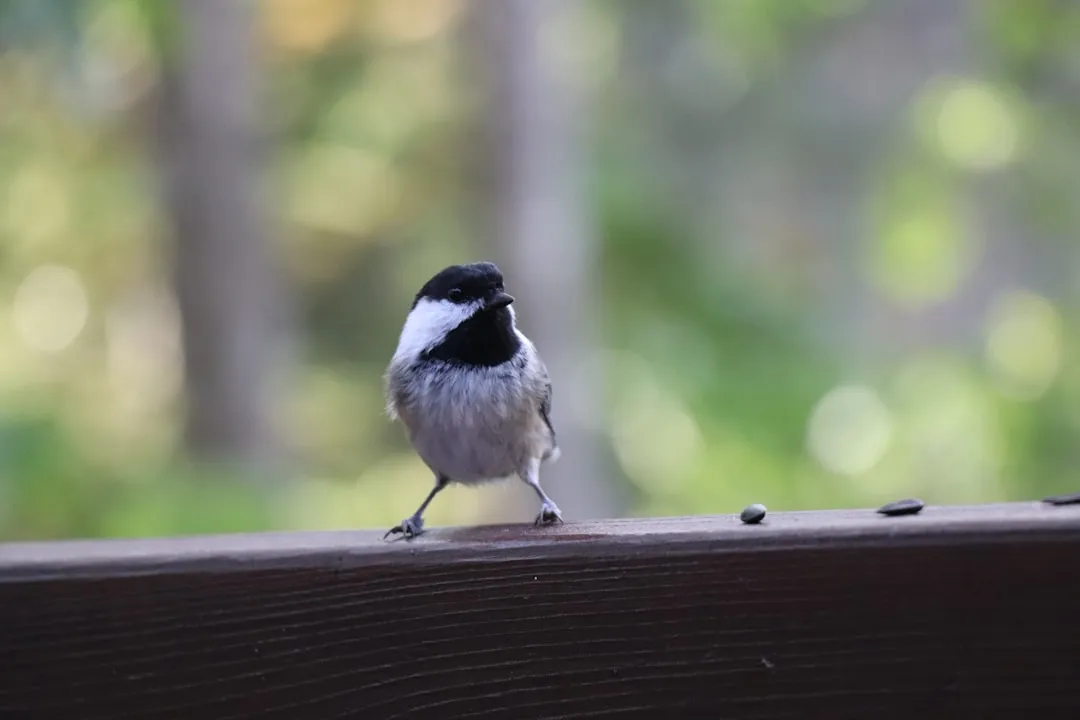
In harsh winters or during food shortages, the stakes for chickadees are incredibly high. They burn through energy quickly to stay warm and must eat frequently just to see the next morning. When a feeder proves reliable during these toughest stretches, that memory seems to stick in a powerful way. A spot that “came through” in a bad cold snap can essentially become a core part of their survival strategy.
From a human perspective, it is humbling to realize that your backyard might literally be part of a bird’s life-or-death plan. When chickadees remember that a certain feeder delivered steady calories during a brutal freeze, they are far more likely to keep that place in their regular circuit. That long-lasting association between your feeder and survival is one of the strongest “reviews” a wild bird can give you.
Conclusion: Your Feeder Is Part of Their Story
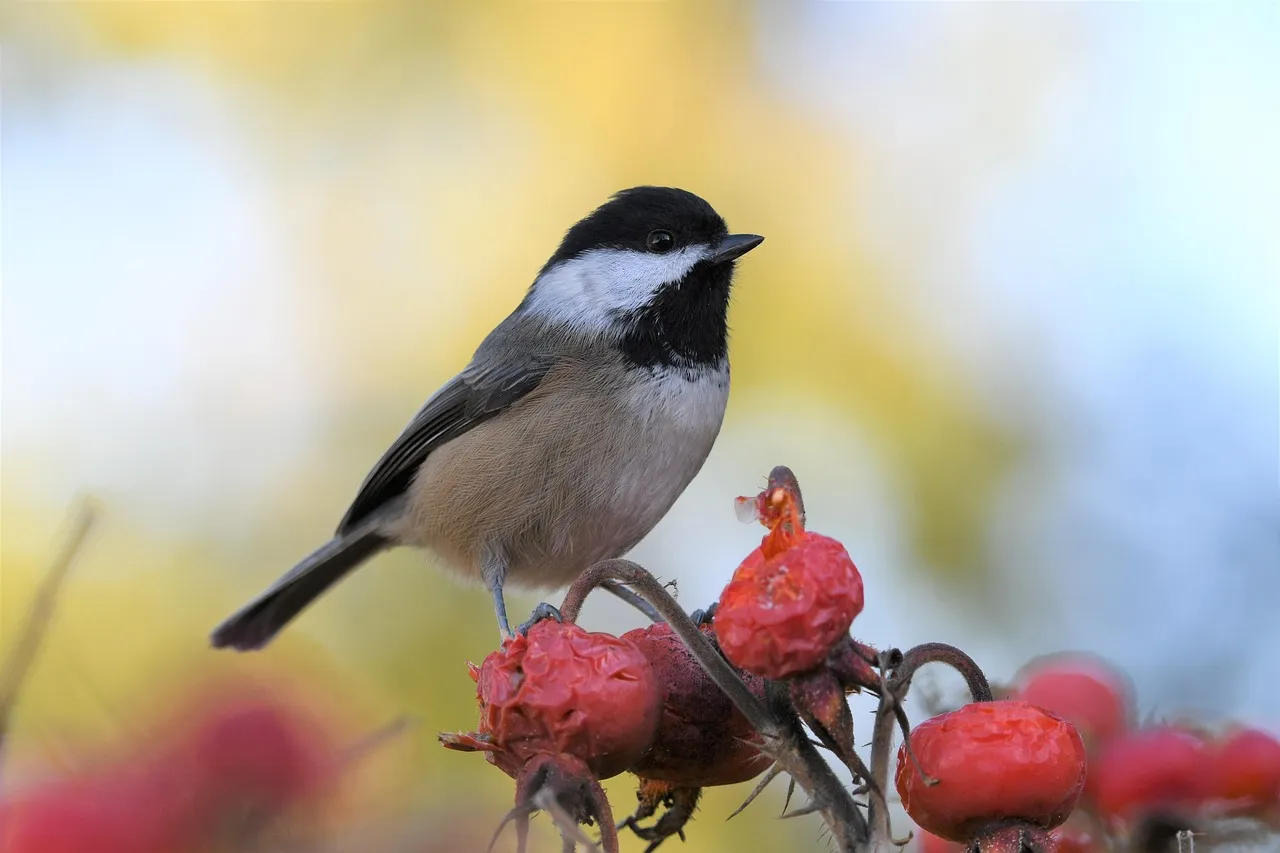
When you zoom out, it is clear that chickadees are not just randomly flitting to whatever feeder they see. They are building a detailed, experience-based map of their world – logging where food is, how safe it feels, who shows up, and how reliable everything is over time. In my opinion, that makes backyard feeding a lot more meaningful than just throwing out some seed; you are quietly shaping the daily decisions and survival odds of real wild creatures.
If you treat your feeder like a promise – good food, consistent refills, reasonable safety, calm human behavior – chickadees will remember, and they will vote with their wings. Over time, your yard can become part of a trusted network of places they depend on, year after year. Next time one lands, looks around, and confidently grabs a seed, it might be worth asking yourself: how much of that tiny bird’s trust did you earn without even realizing it?

- 8 Reasons Cedar Waxwings Pass Berries From Beak to Beak - July 26, 2026
- 8 Backyard Trees That Owls Prefer After Sunset - July 26, 2026
- 9 Things Chickadees Remember About Reliable Backyard Feeders - July 26, 2026