
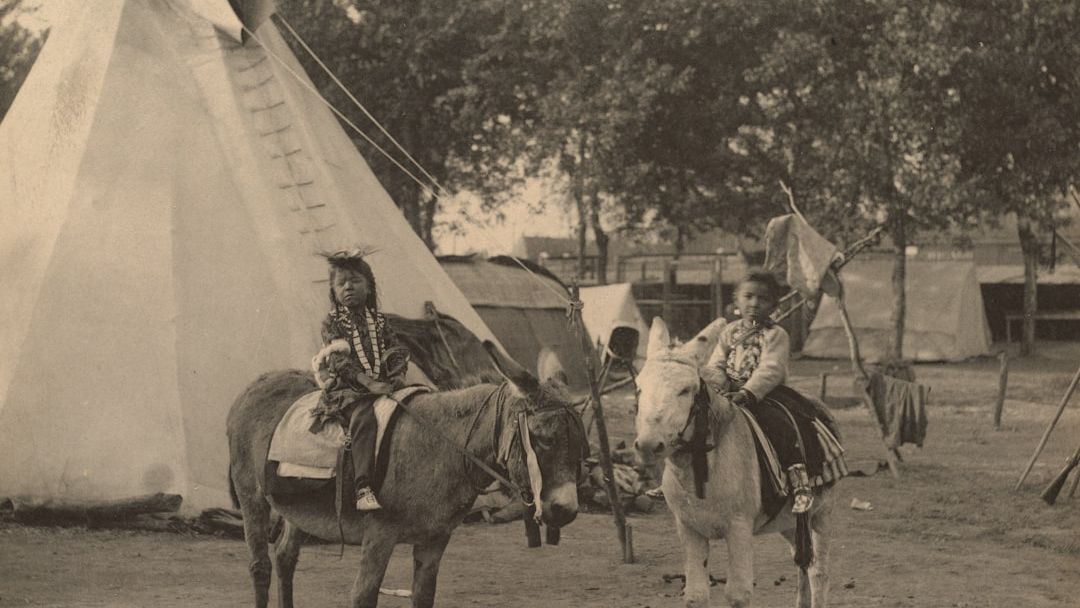
The Cherokee Nation stands as a remarkable testament to resilience and cultural preservation in American history. What makes their story even more captivating is how they’ve not only survived but thrived through centuries of immense challenges. From forced relocations to cultural suppression attempts, the Cherokee people have maintained their identity while adapting to an ever changing world.
With their unique government structure, innovative language preservation efforts, and rich cultural heritage, the Cherokee Nation continues to shape both Native American politics and modern American society. Their journey from ancient southeastern settlements to becoming the largest federally recognized tribe offers fascinating insights into survival, innovation, and determination.
The Cherokee Nation Has The Largest Tribal Enrollment in America
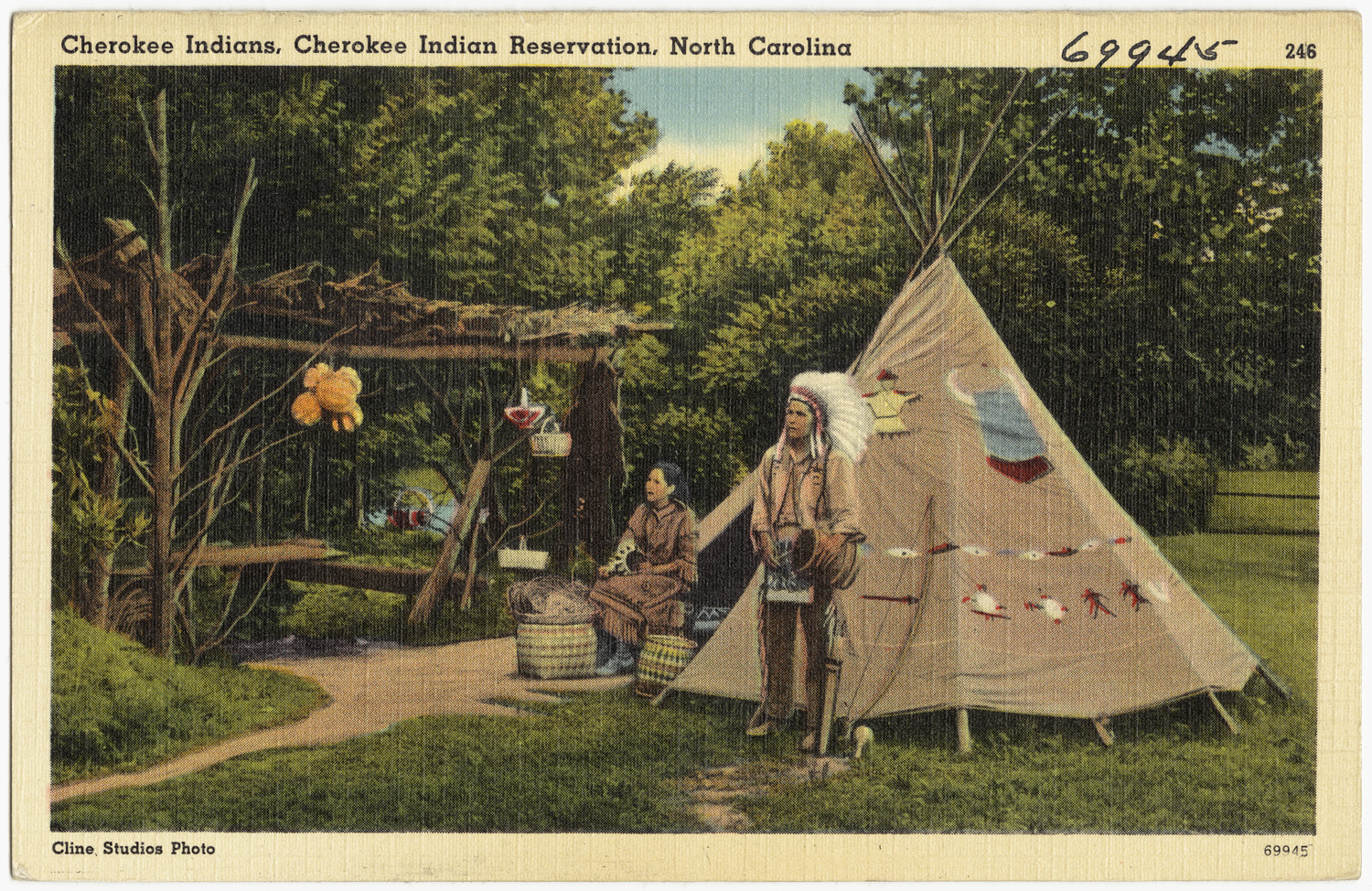
As of 2024, over 463,000 people were enrolled in the Cherokee Nation, making them the largest tribe in the United States with more than 450,000 tribal citizens worldwide. This massive enrollment reflects both the tribe’s historical prominence and their successful efforts to maintain tribal identity across generations.
More than 141,000 Cherokee Nation citizens reside within the tribe’s reservation boundaries in northeastern Oklahoma. The remaining tribal members are scattered across the United States and internationally, yet they maintain strong connections to their Cherokee heritage through various cultural and governmental programs.
Their Territory Spans Fourteen Counties in Oklahoma
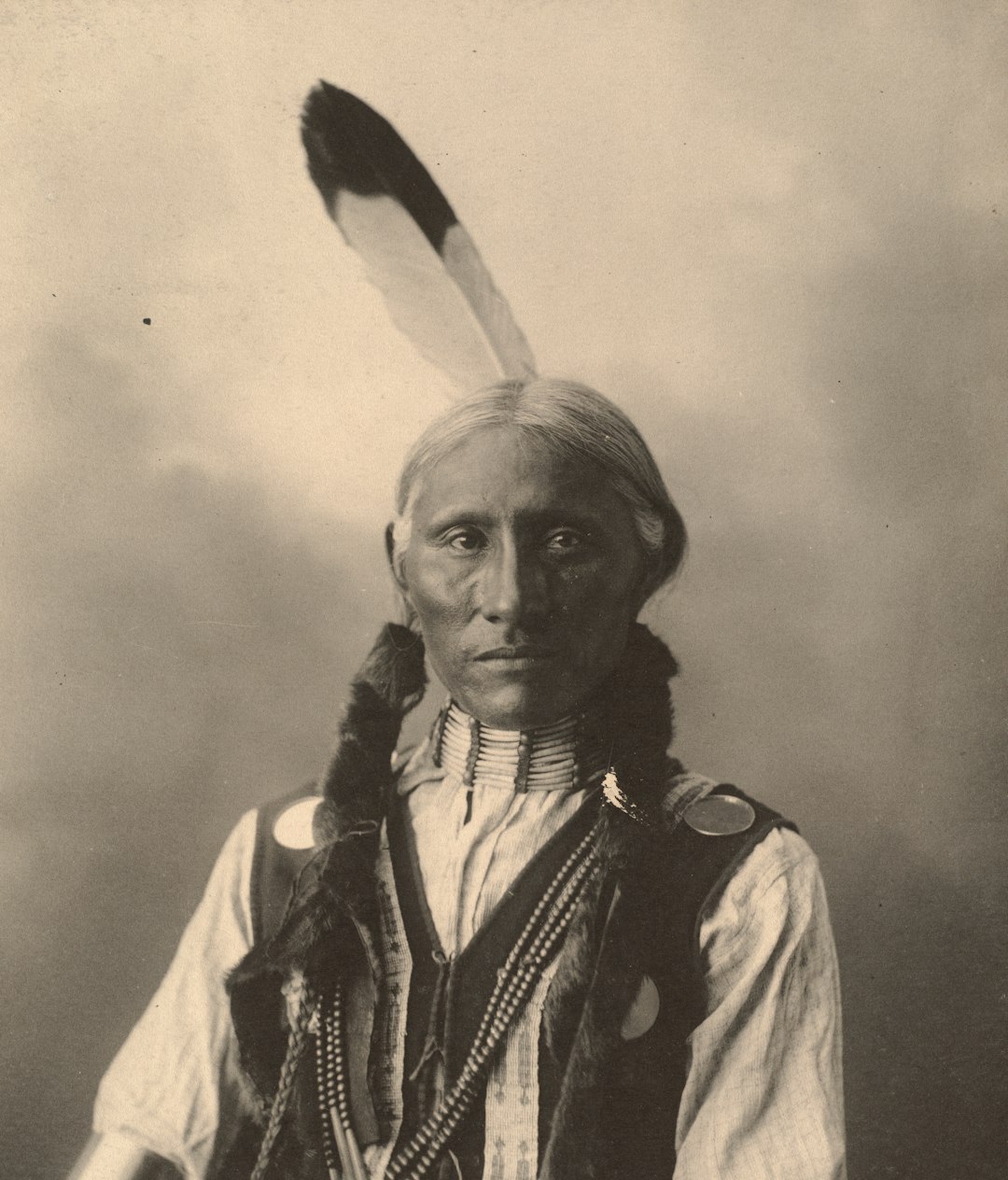
Headquartered in Tahlequah, Oklahoma, the Cherokee Nation has a reservation spanning 14 counties in the northeastern corner of Oklahoma, including Adair, Cherokee, Craig, Delaware, Mayes, McIntosh, Muskogee, Nowata, Ottawa, Rogers, Sequoyah, Tulsa, Wagoner, and Washington counties. This extensive territory covers thousands of square miles and represents one of the largest tribal jurisdictional areas in the country.
What’s particularly interesting is that this isn’t technically a traditional reservation but rather a jurisdictional service area. Although the territory is not a reservation, the U.S. government holds it in trust and considers it a Jurisdictional Service Area. This unique status gives the Cherokee Nation significant governmental authority while maintaining federal recognition and trust relationships.
Sequoyah Created The Only Indigenous Writing System in North America
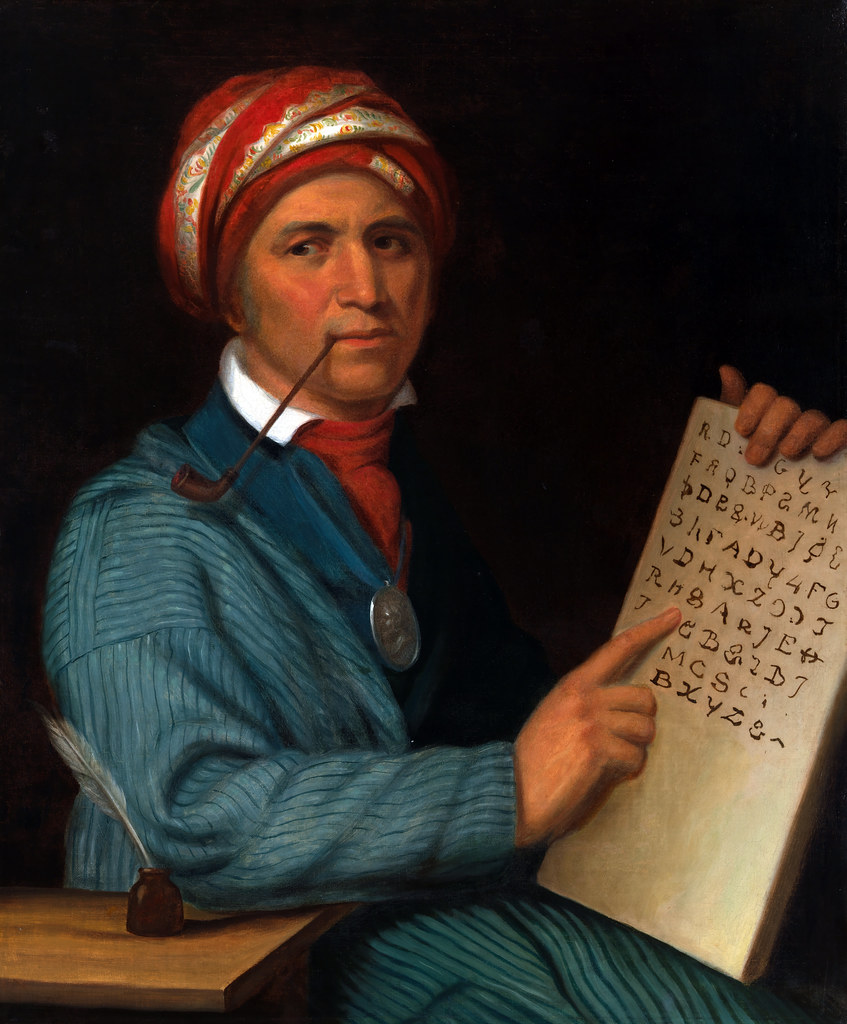
In 1821, Sequoyah completed his Cherokee syllabary, enabling reading and writing in the Cherokee language, and the Cherokee Nation officially adopted the syllabary in 1825, helping to unify a forcibly divided nation with new ways of communication and a sense of independence. Sequoyah’s creation of the Cherokee syllabary is among the few times in recorded history that an individual member of a pre-literate group created an original, effective writing system.
Sequoyah’s syllabary contained 86 characters (later reduced to 85) which represented each syllable in the Cherokee language. A huge advantage to Sequoyah’s system was its purposeful simplicity, and within six months of its completion, about one-fourth of the Cherokee people had already learned to read and write.
They Achieved Near Perfect Literacy Before The Trail of Tears
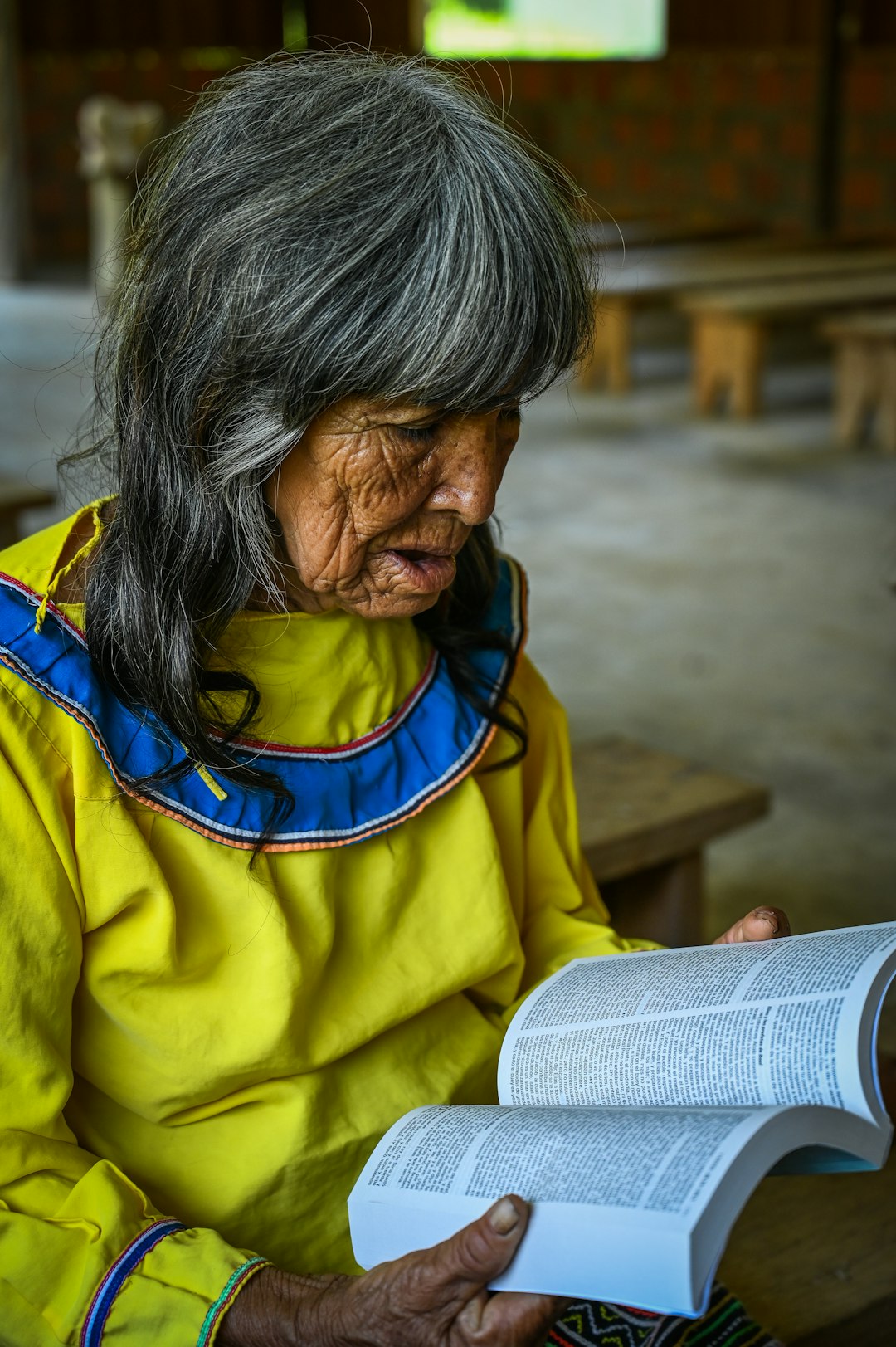
The Cherokee Nation’s commitment to education produced extraordinary results. Within a quarter-century, the Cherokee Nation had reached a literacy rate of almost 100%, surpassing that of surrounding European-American settlers, and by 1830, as many as 90% of Cherokees were literate in their own language. This achievement was unprecedented among Native American tribes and remarkable for any population at that time.
At the time of its removal, the Cherokee Nation was well-established with a successful government, an agricultural economy, a tribal religion and spoken and written languages, with the tribe having a 90 percent literacy rate. This high literacy rate became a crucial tool for resistance and cultural preservation during the challenging years leading up to forced removal.
The Trail of Tears Claimed Thousands of Lives
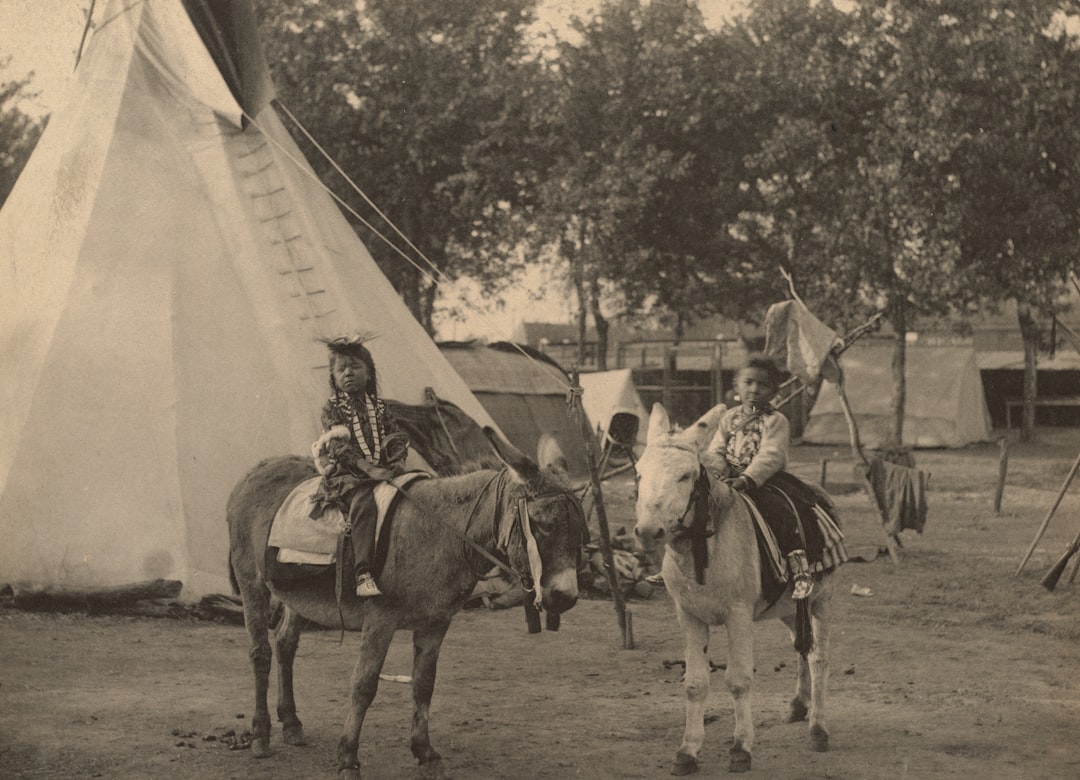
In 1838, the United States deployed troops under General Winfield Scott to forcibly round up the Cherokee people into relocation camps and from there remove them overland to the Reservation west of the Mississippi on what would come to be known as the Trail of Tears, and some 4,000 Cherokees who were forcibly removed from their homes (about one-fourth of the population) perished in camps or along the Trail of Tears.
The brutal trek over 1,000 miles through rough terrain and terrible weather was made mostly on foot, with sickness running rampant including whooping cough, typhus, dysentery, cholera, and starvation striking down many Cherokee along the way, and it’s estimated that some 4,000 Cherokee died during the tragic Trail of Tears relocation process. The magnitude of this loss represents one of the darkest chapters in American history.
They Built America’s First Native American Newspaper
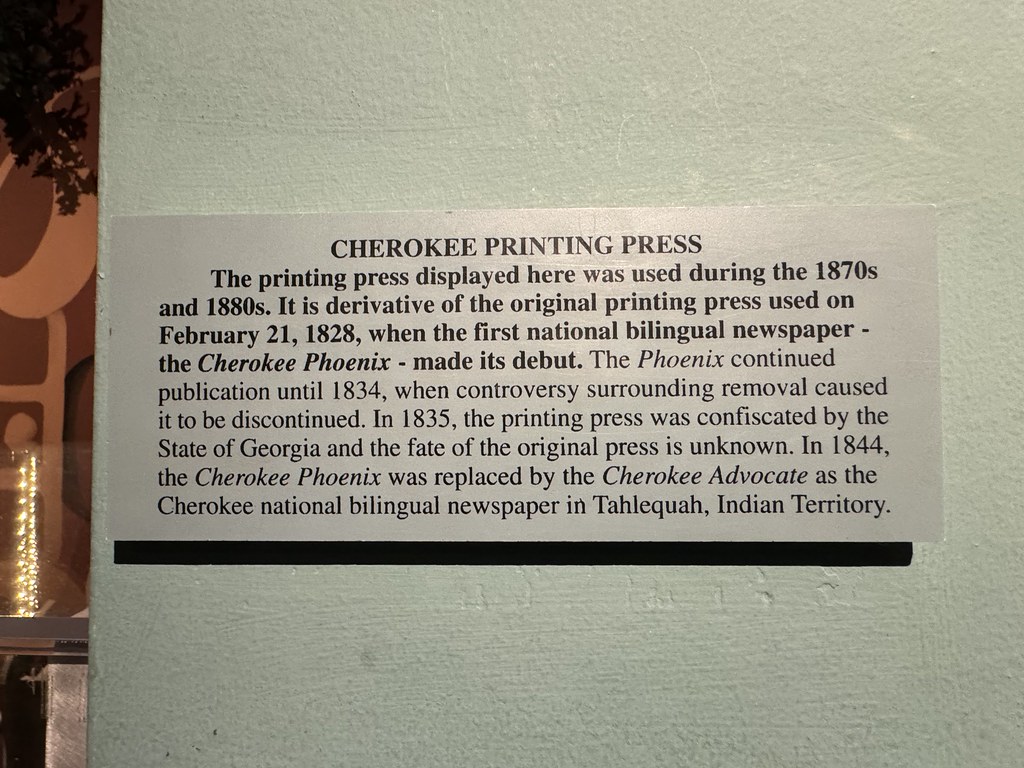
Through the work of white, Christian missionary Samuel Worcester, the Cherokee obtained a printing press and launched the Cherokee Phoenix in 1828, which was the first bilingual newspaper in U.S. history, printed in English and a slightly modified version of the Cherokee syllabary. Native Americans’ first newspaper, the Cherokee Phoenix, began publication in February 1828.
Chief writer Elias Boudinot wrote in both English and Cherokee, using the syllabary created by Sequoyah, and the newspaper quickly became the primary method of communication among the Cherokee Nation. This groundbreaking publication served not only as a news source but also as a powerful tool for political resistance and cultural preservation during the tumultuous removal period.
Their Government Predates Oklahoma Statehood by Decades
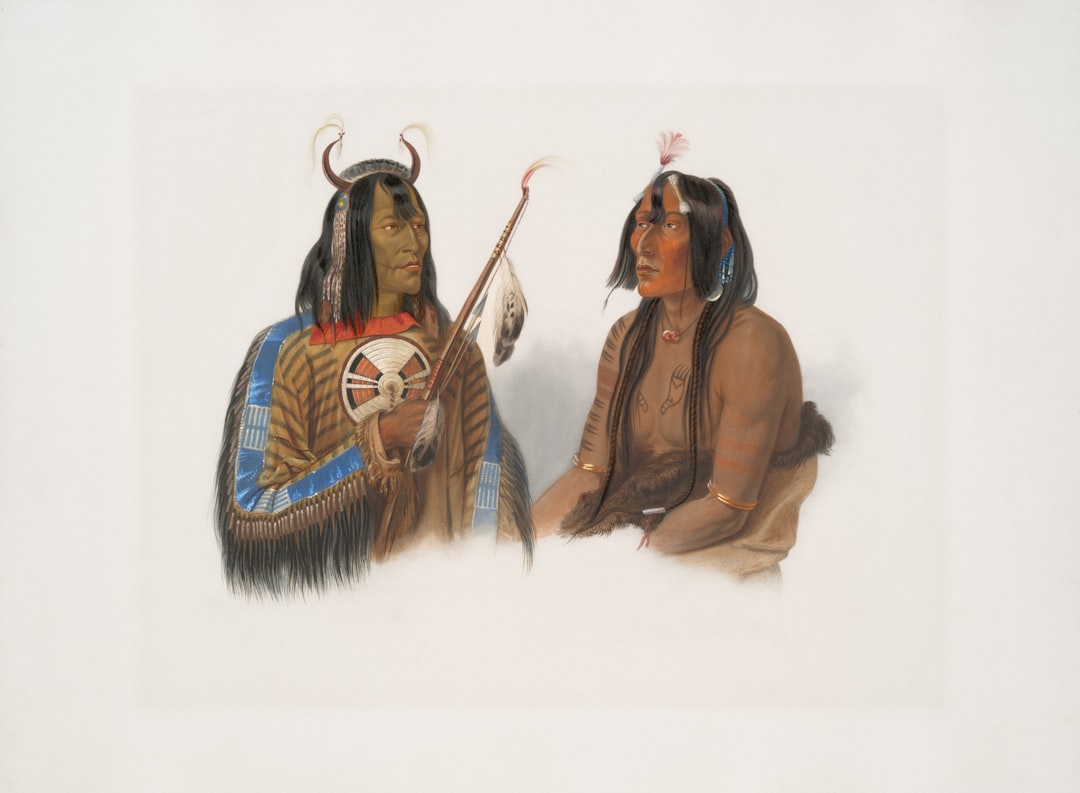
Upon settling in Indian Territory (present-day Oklahoma) after the Indian Removal Act, the Cherokee people established a new government in what is now the city of Tahlequah, Oklahoma, and a constitution was adopted on September 6, 1839, 68 years prior to Oklahoma’s statehood. This demonstrates the Cherokee Nation’s sophisticated political development and commitment to self governance.
The Nation’s current system of government was established by the constitution of 1999, which was adopted by tribal citizens in 2003, and implemented in 2006. Their governmental structure continues to evolve while maintaining core principles of Cherokee sovereignty and democratic representation that have guided the nation for nearly two centuries.
Cherokee Women Traditionally Held Significant Political Power
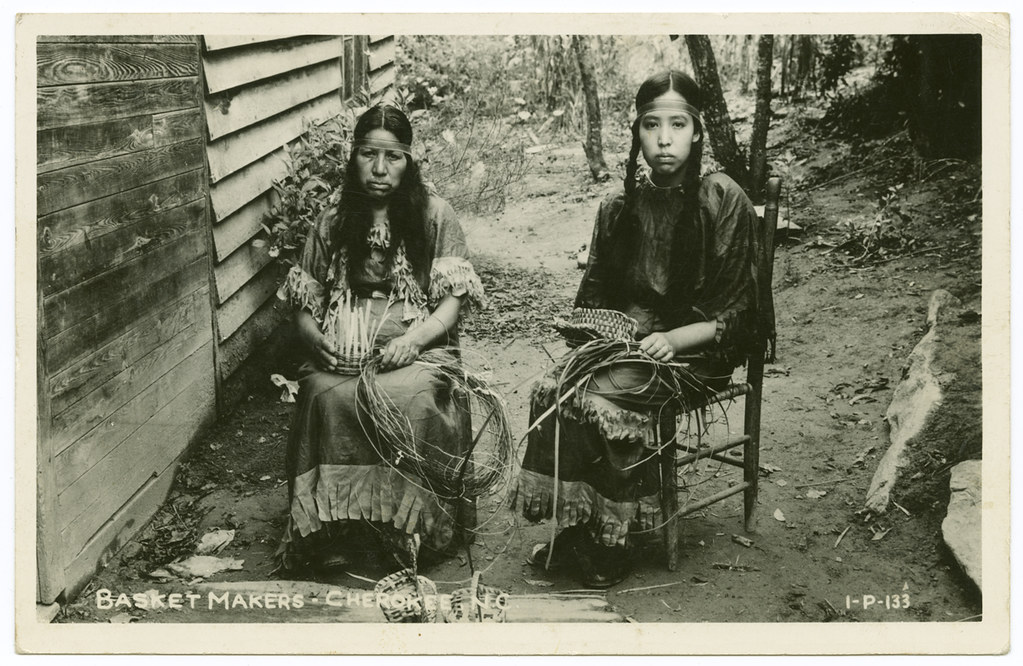
The tribe was matrilineal with women having use of the land and one’s clan membership coming through the mother, and a “beloved woman” and Council of Women had substantial power, including the right to declare war, which led the British to call the tribe “a petticoat government”. This matrilineal structure gave Cherokee women authority that was uncommon in many other cultures of the time.
As givers and nurturers of life via childbirth and the growing of plants, and community leaders as clan mothers, women are traditionally community leaders in Cherokee communities, and Cherokee women are regarded as tradition-keepers and responsible for cultural preservation. Though European influence later altered these traditional gender roles, Cherokee women continue to play vital roles in cultural and political leadership today.
Language Preservation Remains a Critical Priority
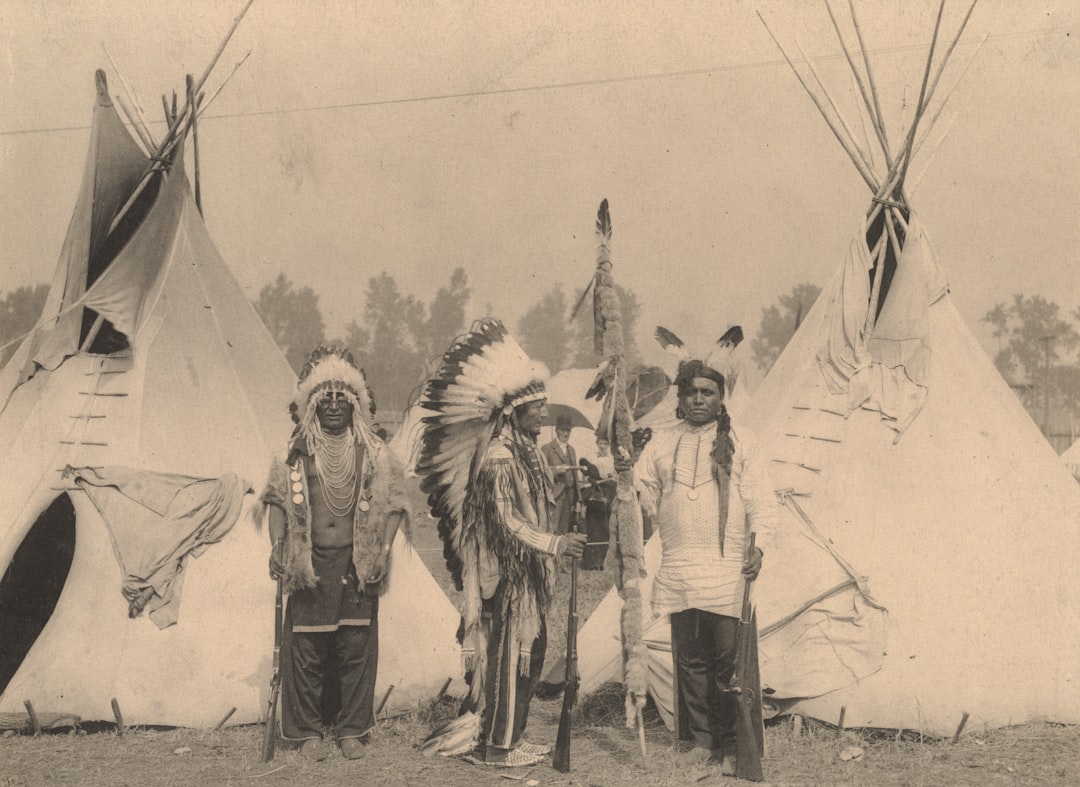
According to the Cherokee Nation, there are an estimated 2,000 first language Cherokee Speakers, with several thousand more considered beginner or proficient speakers through the tribe’s language programs, and the Cherokee Nation holds onto a crucial piece of tribal culture through its remaining 2,000 native speakers, a majority of whom are 50 and older, with the youngest fluent Cherokee speaker being 35, which means the language faces potential extinction as older members die.
The Cherokee Nation instigated a 10-year language preservation plan that involved developing new fluent speakers of the Cherokee language from childhood on up through school immersion programs, as well as a collaborative community effort to use the language at home, with this plan being part of an ambitious goal so that in 50 years, 80% or more of the Cherokee people will be fluent in the language, and the Cherokee Preservation Foundation has invested $3 million into opening schools, training teachers, and developing curricula for language education.
The Cherokee Nation Operates as a Major Economic Force
With approximately 11,000 employees, Cherokee Nation and its subsidiaries are one of the largest employers in northeastern Oklahoma, and the tribe had a more than $2.16 billion economic impact on the Oklahoma economy in fiscal year 2018. This economic influence extends far beyond gaming and includes healthcare, education, construction, and various business enterprises.
The Cherokee Nation has constructed health clinics throughout Oklahoma, contributed to community development programs, built roads and bridges, constructed learning facilities and universities for its citizens, instilled the practice of Gadugi and self-reliance, revitalized language immersion programs for its children and youth, and is a powerful and positive economic and political force in Eastern Oklahoma. Their comprehensive approach to community development serves as a model for tribal economic sovereignty nationwide.
The Cherokee Nation’s journey from ancient southeastern settlements to becoming America’s largest tribe represents one of the most compelling stories of survival and adaptation in human history. Through devastating losses and remarkable recoveries, they’ve maintained their cultural identity while embracing innovation and change. Their success in areas ranging from language preservation to economic development demonstrates that traditional values and modern progress can coexist beautifully.
What strikes me most about the Cherokee story is their unwavering commitment to education and self governance, principles that have guided them through their darkest hours and brightest achievements. Did you expect that a tribe forced from their homeland would emerge as such a powerful force in modern America?

- The 5 Best Birdwatching Spots in Arizona - August 14, 2026
- Wildlife Biology Says Bobcats Often Live Within Sight of Busy Neighborhoods - August 14, 2026
- Wildlife Biology Says River Otters Return Before Most Rivers Are Fully Restored - August 14, 2026