

The sarcastic fringehead looks like something out of a deep sea nightmare when it decides to show off. This small Pacific fish can suddenly flare its jaws into a massive, colorful display that seems wildly out of proportion to its body. What drives such an extreme reaction in a creature that spends most of its time tucked into a shell or burrow?
Its behavior reveals a lot about survival in a competitive underwater world where shelter means everything. The fish turns a simple threat response into a sophisticated visual signal. Understanding the details behind that gaping mouth changes how the whole scene reads.
Fact 10: Shelter Scarcity Turns Everyday Competition Into High Stakes Battles
🔥 Would you like to save this?
We'll email this post to you, so you can come back to it later!
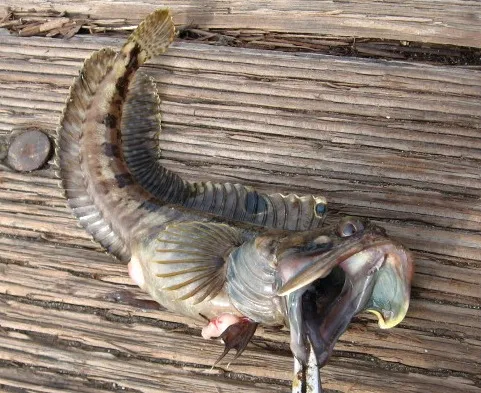
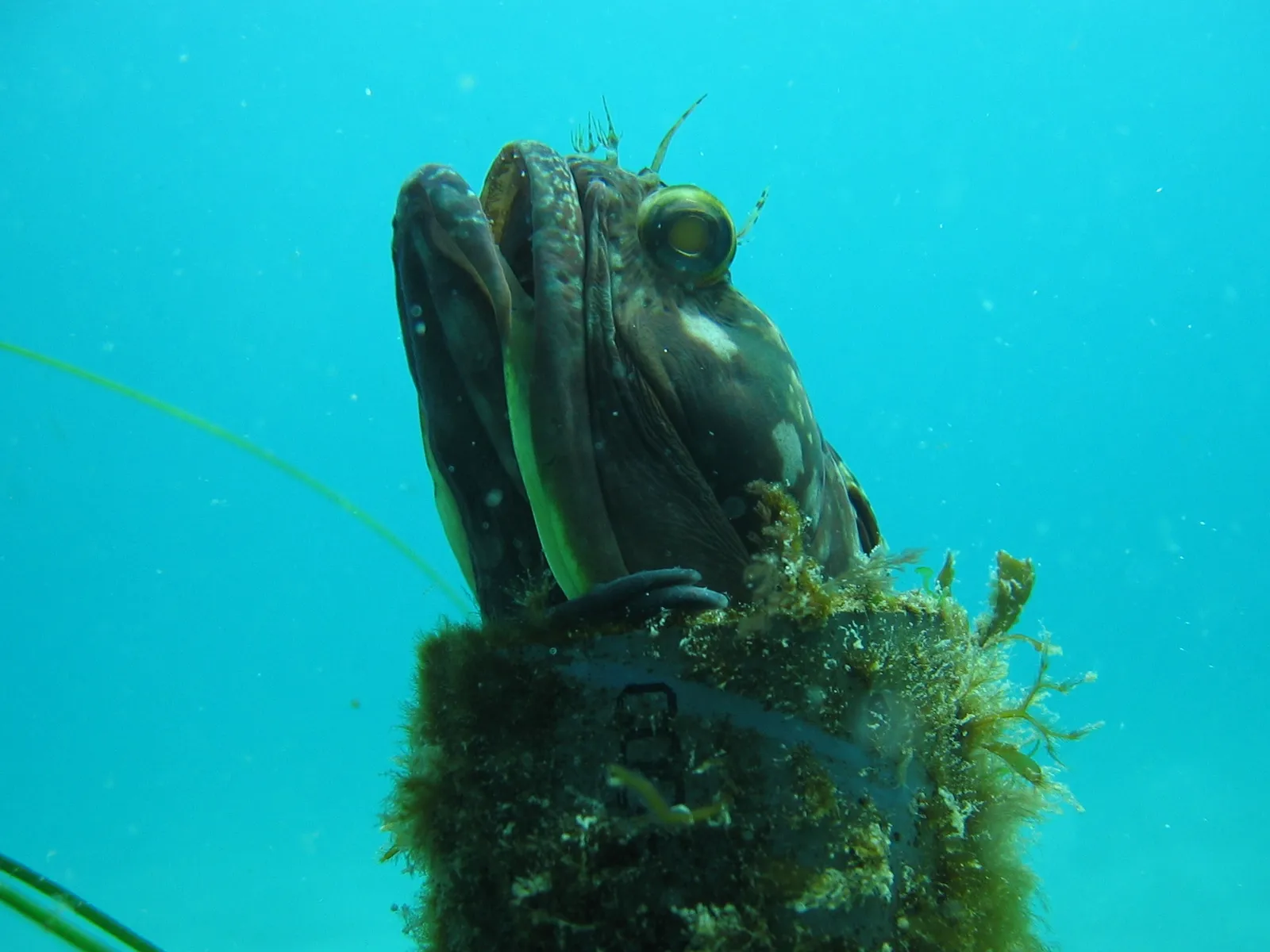
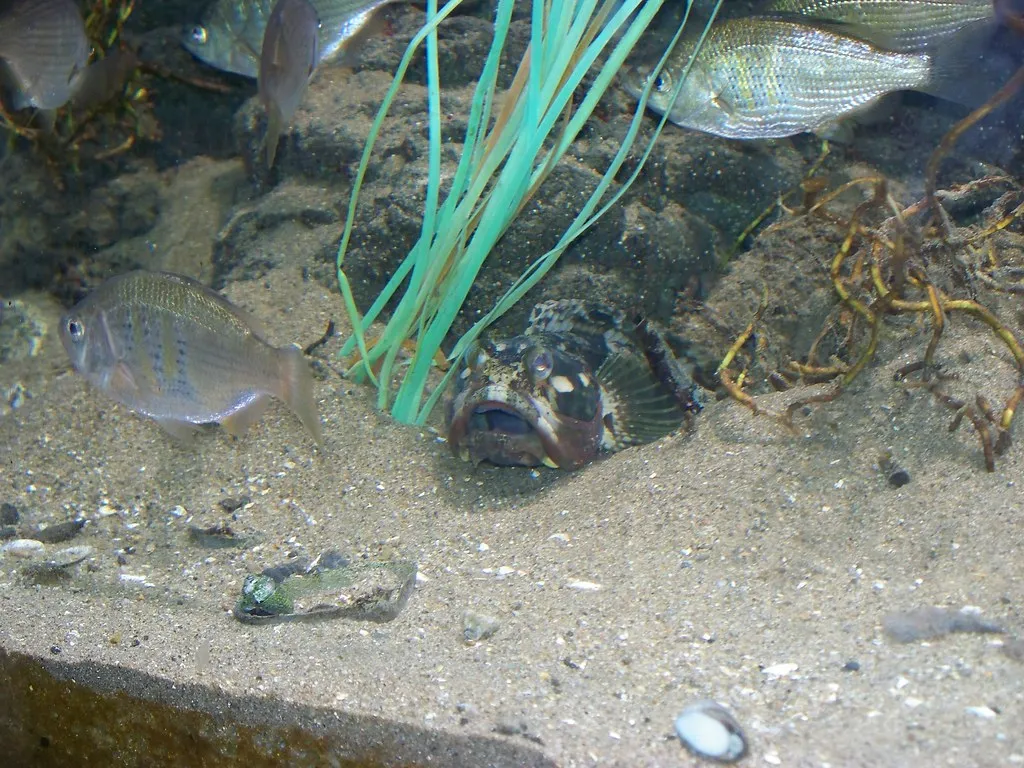
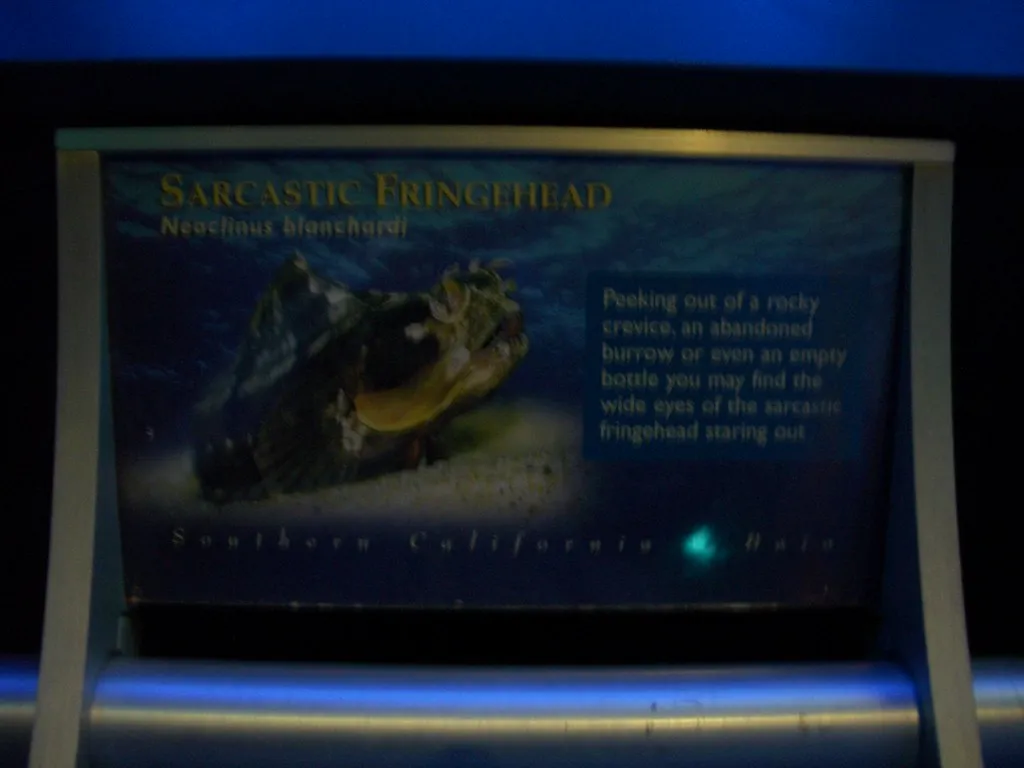
Sarcastic fringeheads live along the Pacific coast from San Francisco down to central Baja California. They occupy depths from about three to seventy three meters on sandy or muddy bottoms. Good hiding spots like empty clam shells, rock crevices, or even discarded bottles are limited, so males defend them fiercely.
Without a secure shelter a male cannot attract a mate or guard eggs successfully. This pressure makes every intruder a potential threat to reproductive success. The fish backs into its home tail first and keeps only its head exposed, ready to react at the first sign of trouble.
Fact 9: An Elongated Upper Jawbone Creates the Signature Wide Gape
🔥 Would you like to save this?
We'll email this post to you, so you can come back to it later!
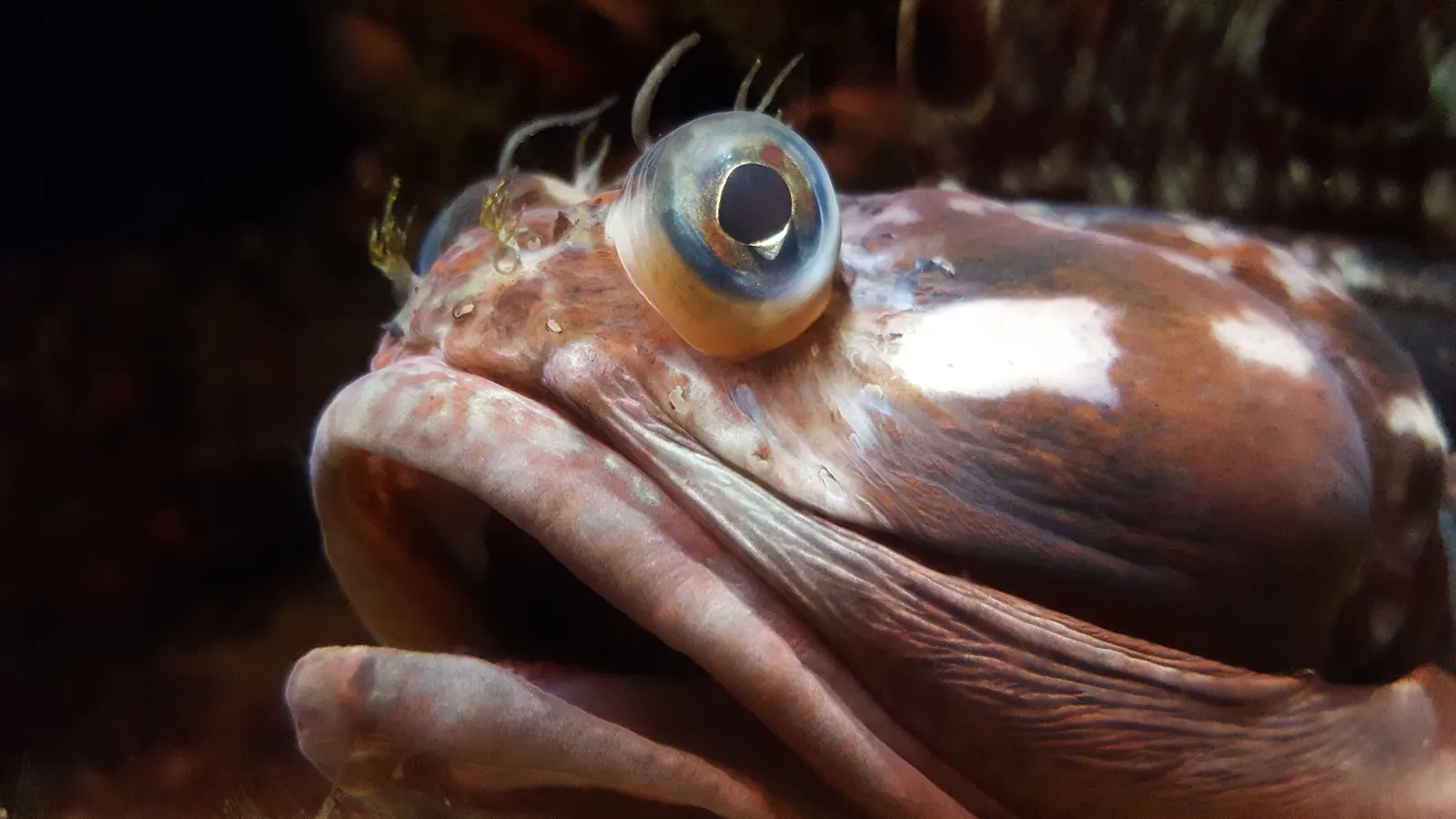
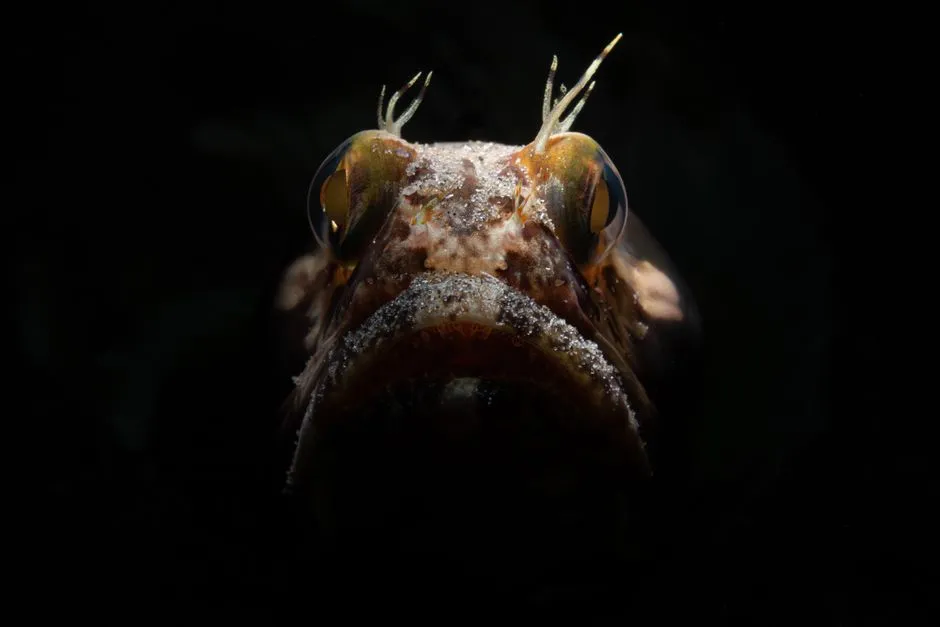
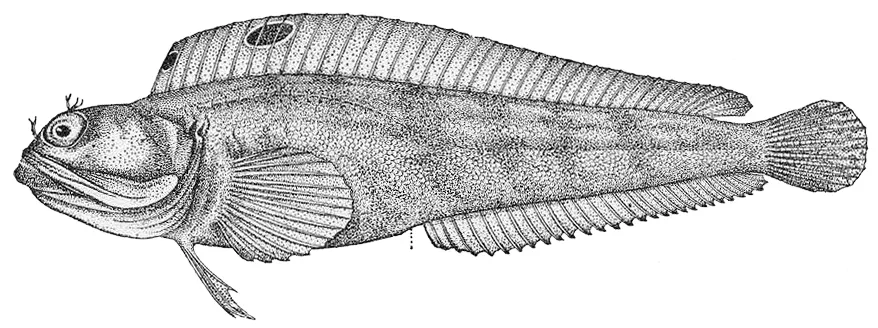
The sarcastic fringehead possesses an unusually long upper jawbone that flares outward when the mouth opens. This structure lets the gape expand dramatically, sometimes reaching four times the closed size. The result is a mouth that can appear wider than the fish itself.
Big cheek membranes stretch like sails from those bones and add to the visual impact. The adaptation allows the fish to project size and strength without moving its whole body. Researchers have noted that this jaw mobility stands out even among related blenny species.
Fact 8: Bright Fluorescent Colors Inside the Mouth Amplify the Warning
🔥 Would you like to save this?
We'll email this post to you, so you can come back to it later!
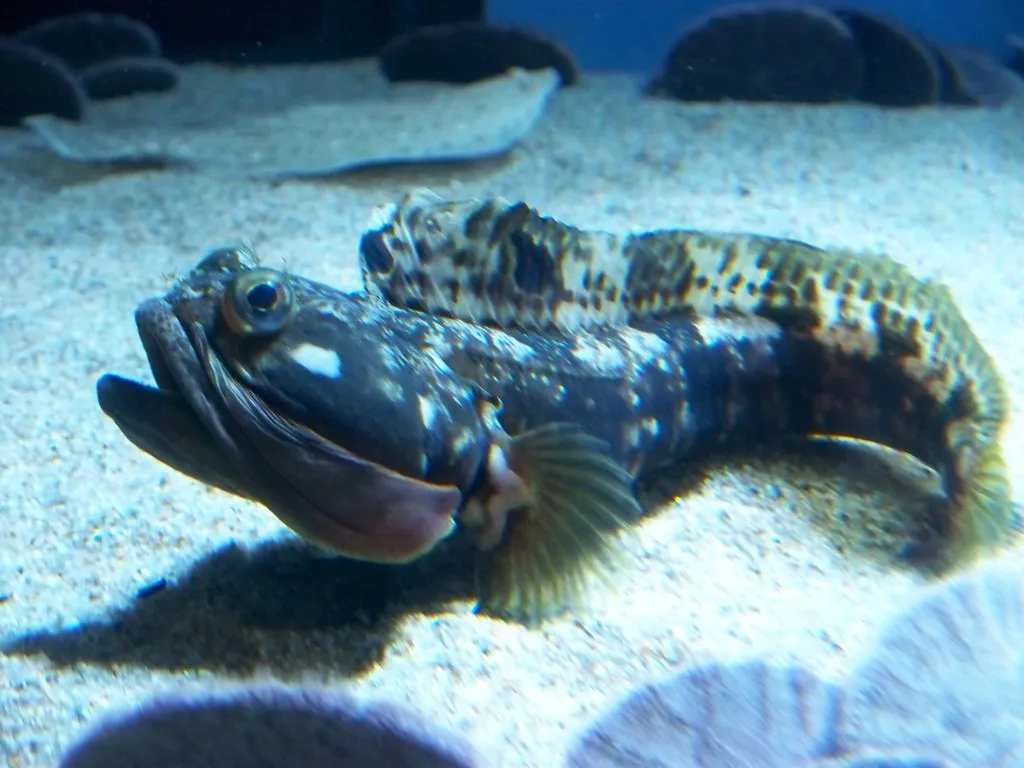
When the jaws spread wide the interior reveals yellow rims and areas that reflect ultraviolet light. These colors stand out in the murky coastal waters where the fish lives. The display turns the open mouth into a sudden flash of vivid patterns.
The effect resembles a miniature version of a lionfish warning or other aposematic signals. It draws attention precisely when the fish needs to deter rivals quickly. The coloration is not random but tied directly to the aggressive context of male encounters.
Fact 7: The Display Serves Male to Male Competition Exclusively
🔥 Would you like to save this?
We'll email this post to you, so you can come back to it later!
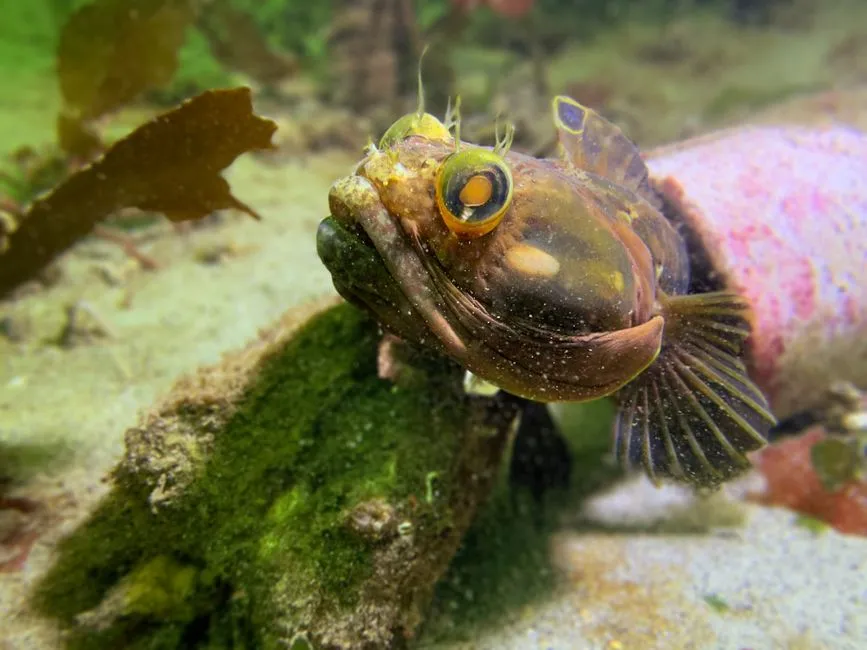
Observations show that sarcastic fringeheads reserve the full gaping behavior for other males of their own species. They charge and nip at different fish or octopuses but rarely perform the colorful mouth flare against them. Courtship looks different, involving head shakes with the mouth mostly closed.
This specificity indicates the signal evolved for resource contests rather than general defense or mating attraction. In lab tests and field studies the pattern held consistently across dozens of interactions. The behavior helps sort dominance without unnecessary energy expenditure on the wrong targets.
Fact 6: Larger Jaws Often Decide the Winner Before Any Contact Occurs
🔥 Would you like to save this?
We'll email this post to you, so you can come back to it later!
Bigger males with longer jaws tend to prevail in these standoffs. The display lets each fish assess the other quickly and decide whether to retreat. In many cases the visual signal alone ends the encounter without further escalation.
Studies of staged competitions over empty shells confirmed that jaw length correlates strongly with victory. The resident fish usually initiates the gape first when another male approaches. This assessment phase reduces the risk of injury for both participants.
Fact 5: Mouth to Mouth Wrestling Follows When the Display Fails
🔥 Would you like to save this?
We'll email this post to you, so you can come back to it later!
If neither fish backs down the encounter can shift to direct contact. The two press their open mouths together in a pushing match that looks almost like a kiss from a distance. They continue until one manages to bite the other on the head or body.
Bites can lead to infections and real harm, which explains why the initial display is so valuable. The larger fish usually forces the smaller one to yield during this phase. Such fights remain relatively rare because the visual warning works most of the time.
Fact 4: The Name Reflects Both Appearance and Aggressive Tendencies
🔥 Would you like to save this?
We'll email this post to you, so you can come back to it later!
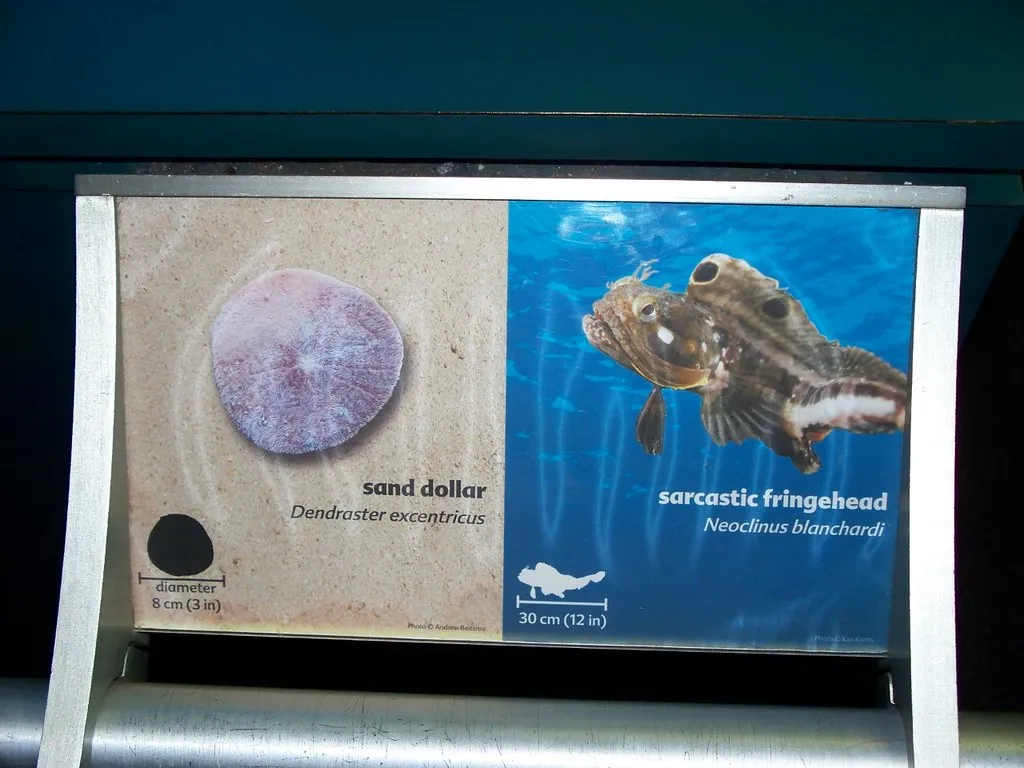
Early observers noted the fish’s closed mouth expression seemed almost mocking or sardonic. The term sarcastic may also trace back to a Greek root meaning to tear flesh, which fits its biting habits. Either way the label captures the contrast between its small size and bold attitude.
Fringehead refers to the cirri or fleshy flaps that hang over the eyes like a fringe. These features add to the distinctive look but play less of a role in the mouth display itself. The full common name therefore bundles several striking traits into one memorable phrase.
Fact 3: The Fish Remains an Ambush Predator Even While Defending Territory
🔥 Would you like to save this?
We'll email this post to you, so you can come back to it later!
While the dramatic gape gets the most attention the sarcastic fringehead is also an effective hunter. It waits in its shelter and darts out to grab passing crustaceans or other small prey. The same powerful jaws that serve in displays help secure meals.
Its needle like teeth and quick movements allow it to tackle items that seem large relative to its body. The territorial lifestyle keeps it in prime ambush positions along the seafloor. This dual use of the mouth underscores how the display fits into a broader survival strategy.
Fact 2: Males Guard Eggs After Females Deposit Them in the Shelter
🔥 Would you like to save this?
We'll email this post to you, so you can come back to it later!
Once a male secures a good home he may attract a female through subtler courtship moves. She lays thousands of eggs inside the burrow or shell and leaves the male to fertilize and protect them. He continues his aggressive displays to keep intruders away during this vulnerable period.
Guarding lasts until the larvae hatch and drift away. The investment in territory defense directly supports reproductive output. Without the shelter and the ability to hold it the entire cycle would collapse.
Fact 1: The Behavior Represents a Refined Form of Visual Communication
🔥 Would you like to save this?
We'll email this post to you, so you can come back to it later!
Far from random aggression the mouth display functions as a clear signal of fighting ability and motivation. It conveys information about size, strength, and willingness to escalate. Both participants benefit when the weaker one retreats early.
Similar gaping occurs in other blennies but the sarcastic fringehead takes it further with its flared maxillae and internal colors. The trait likely evolved under strong pressure from shelter competition in its coastal range. This makes the terrifying display a practical solution rather than mere spectacle.
Looking Beyond the Gape
🔥 Would you like to save this?
We'll email this post to you, so you can come back to it later!
The sarcastic fringehead shows how extreme traits can arise from straightforward ecological demands. Its oversized mouth and colorful warning evolved because good homes are worth fighting for in a crowded seafloor environment. The result is a fish that punches well above its weight in both appearance and attitude.
Watching the behavior in videos or during a dive leaves a lasting impression of precision rather than chaos. The display saves energy and reduces injury risk while still settling disputes effectively. In that sense the tiny monster mouth is less about terror and more about efficient living in a tough neighborhood.

- 23 Warm Corners an Elderly Cat Keeps Returning To All Winter - October 29, 2026
- 16 Behaviours Showing a Cat Considers a House Permanent Now - October 29, 2026
- 15 Wildlife Programmes a Lifetime Pass Holder Over 62 Can Join Free - October 29, 2026