
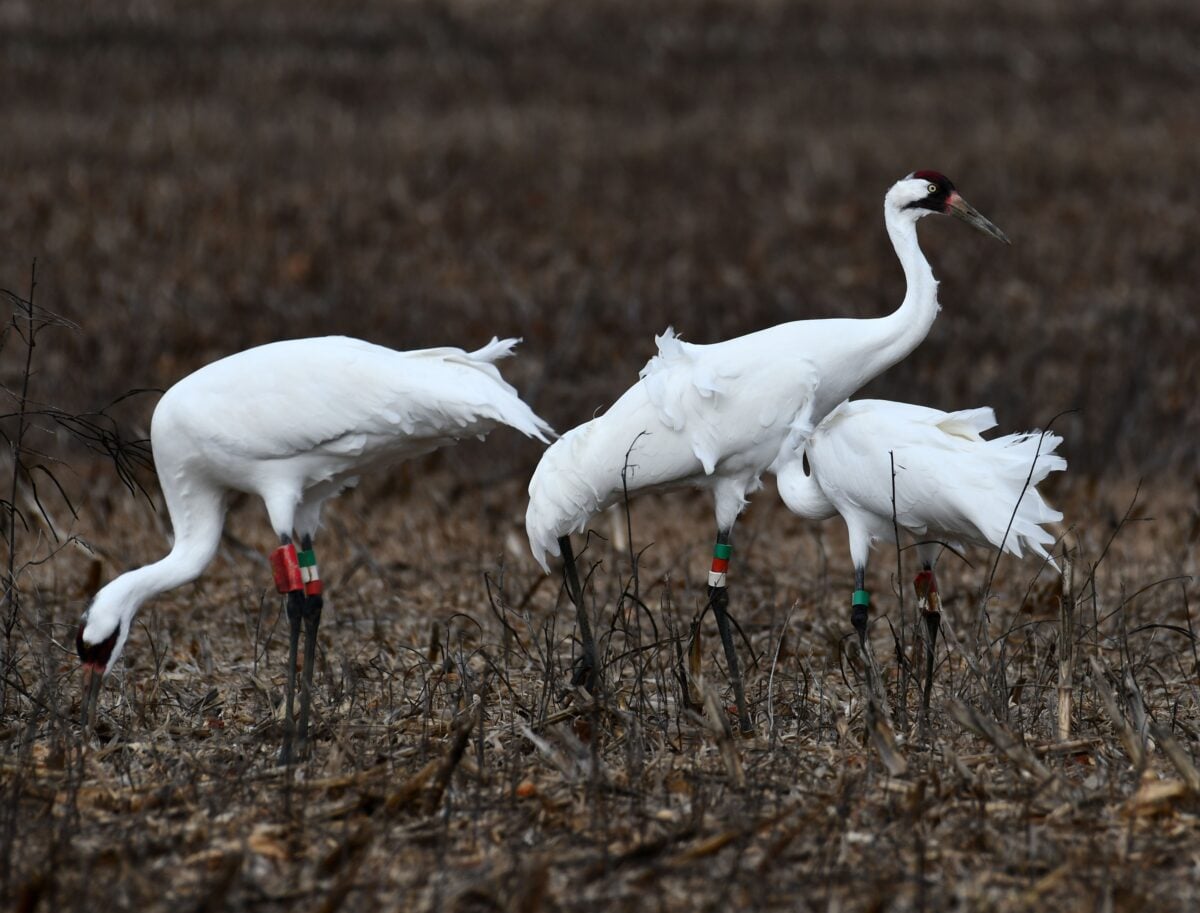
The story of the whooping crane is one of those rare environmental tales that feels almost impossible: a species brought to the razor’s edge of extinction, then slowly pulled back by a mix of stubborn science, trial‑and‑error, and people who just refused to give up. Not that long ago, the entire wild population could have fit into a single living room. Today, you can actually stand on a marsh shoreline and watch a wild flock of these birds glide in like pale ghosts out of the sky. What makes their journey back so compelling is that nothing about it was simple or guaranteed. Every small win for the cranes came with setbacks, controversy, and some downright bizarre experiments. If you think conservation is just about fencing off land and writing a few laws, the whooping crane will change your mind. Their comeback is messy, emotional, and still unfinished – and that’s exactly why it matters.
1. From hundreds of thousands to barely more than a dozen
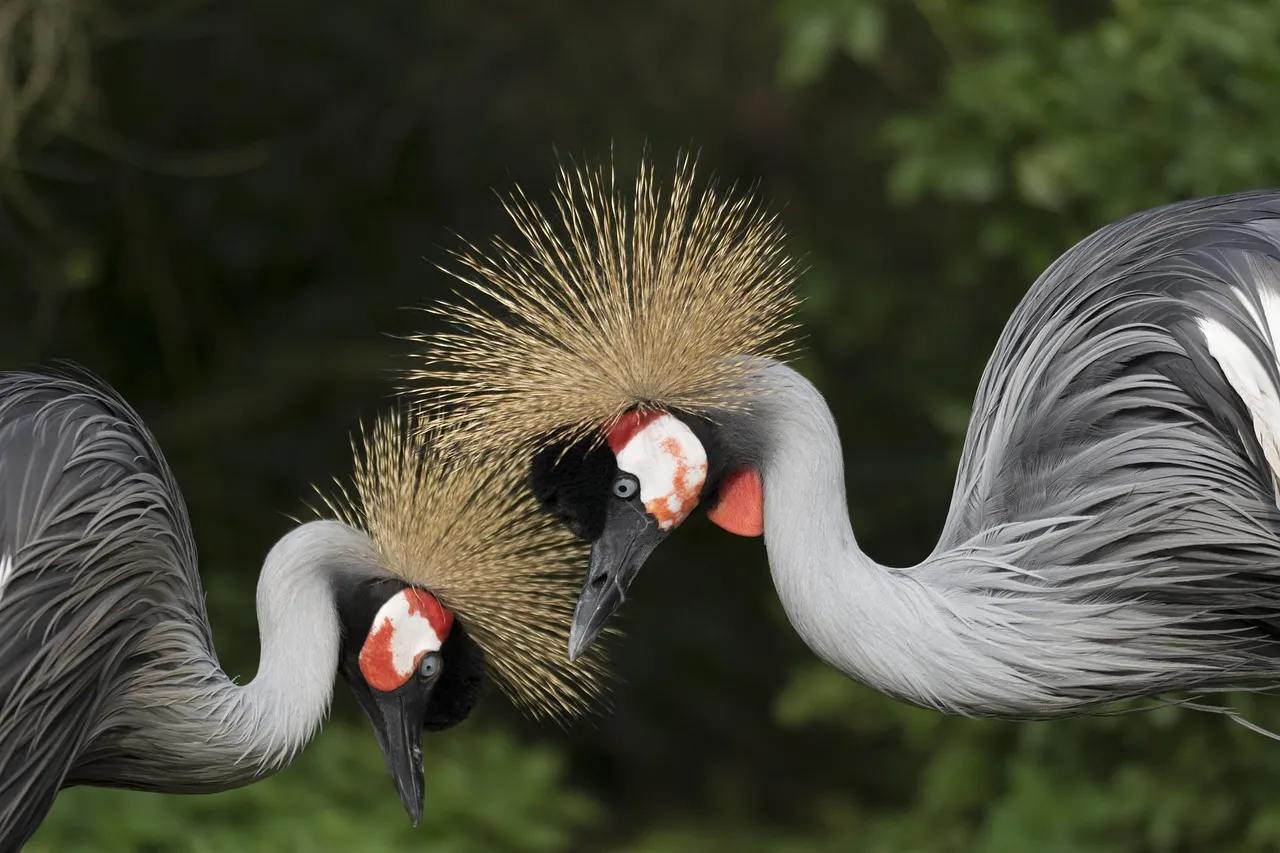
At one time, whooping cranes likely numbered in the tens of thousands across North America’s wetlands and prairies. By the middle of the twentieth century, after decades of unregulated hunting, egg collection, and the draining of wetlands, the wild population had crashed to a tiny fraction of that original number. The most sobering estimate puts the low point in the early 1940s at fewer than two dozen wild birds. Think about that for a second: a species that once filled the skies was, in practical terms, one storm, one oil spill, or one bad winter away from disappearing forever. It was not some abstract “endangered” label; it was a tiny, fragile group of individuals hanging on in the wild. When people talk about the whooping crane’s survival, they are talking about rescuing a species that was already half a step into the grave.
2. A single wild migration route became their last lifeline
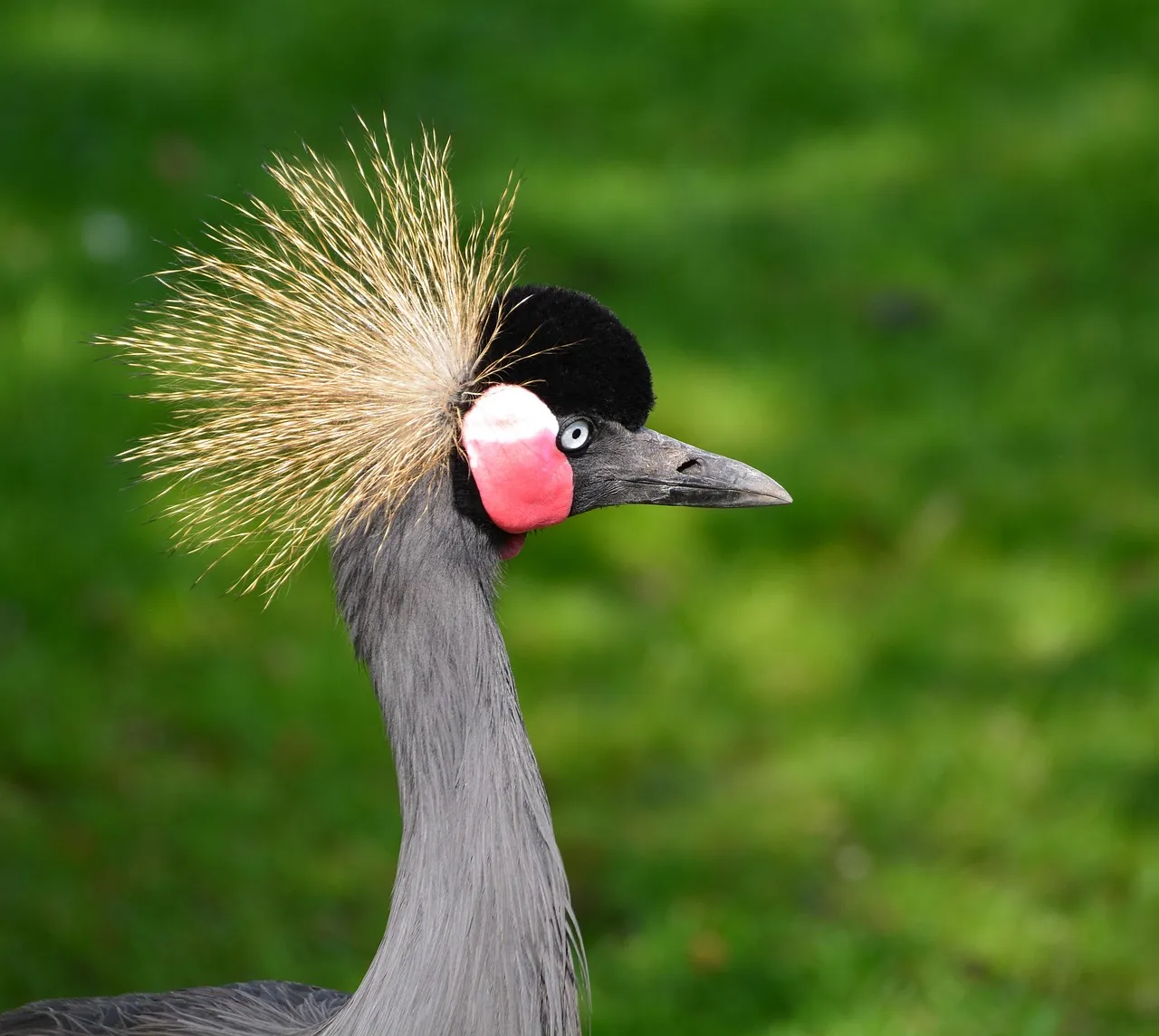
By mid‑century, all that remained in the wild was essentially one migratory flock. These cranes nested in remote wetlands in northern Canada and flew thousands of kilometers south to winter along the Texas coast. That one route, from breeding grounds in boreal marshes to coastal estuaries, was the entire wild story of the species for years. Relying on a single flock and one migration corridor made the cranes astonishingly vulnerable. Any major disaster along that flyway – severe storms, industrial pollution, habitat destruction – could have wiped them out in one blow. Conservationists realized that saving the whooping crane meant not only protecting individual birds, but also shielding an entire cross‑continental highway in the sky.
3. Habitat loss was the slow, quiet killer
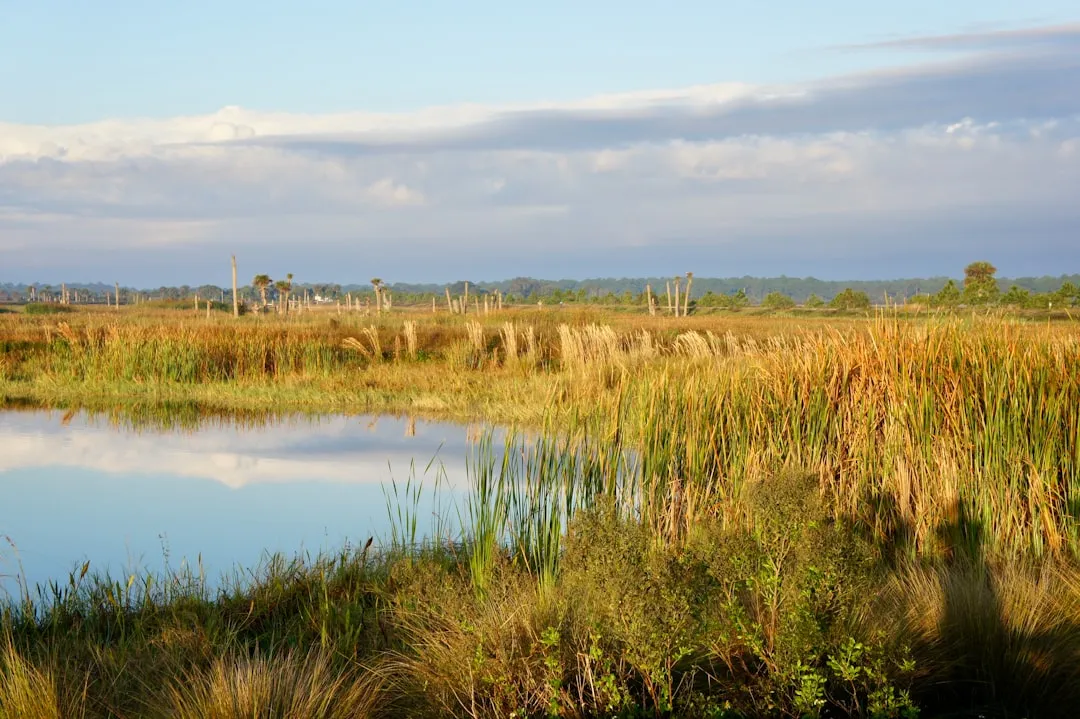
It is tempting to blame the cranes’ decline purely on hunting, because it feels like a clear‑cut villain. But the less dramatic, day‑to‑day loss of wetlands was at least as deadly. Ditches, dams, drainage projects, and agricultural expansion gradually erased the shallow marshes and wet meadows the birds needed for nesting and feeding. You do not always see a single moment of destruction; you see thousands of small cuts adding up. A whooping crane cannot just choose any random lake or field and call it home. It needs specific kinds of wetlands with shallow water, good visibility for spotting predators, and enough space to keep its distance from other pairs. When those places vanish, birds are forced into sub‑par habitats, where nests fail more often, food is scarce, and chicks do not survive. The cranes’ collapse was not just about bullets; it was about slowly running out of livable space.
4. Captive breeding was controversial, clumsy… and essential
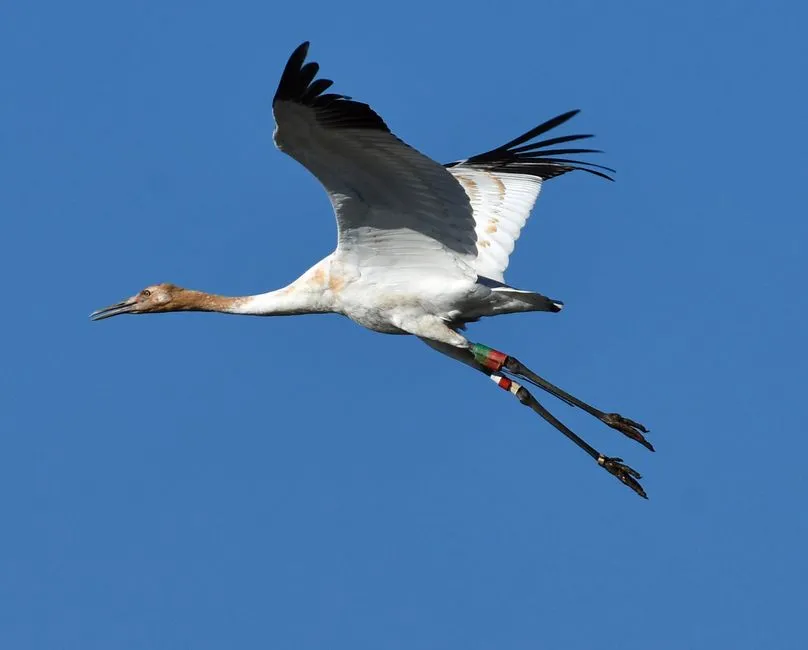
When biologists decided to start taking eggs from wild nests to hatch in captivity, not everyone was thrilled. There was a very real fear that meddling too much might harm the already tiny wild flock. But the cold math was hard to ignore: without a backup population, one disaster could wipe out the species completely. Captive breeding was a gamble, but doing nothing was a bigger one. The early days were far from glamorous. Raising crane chicks in captivity meant figuring out everything from diet to disease prevention to social behavior. People used crane‑shaped puppets and costumes to avoid chicks imprinting on humans. Some attempts flopped; some chicks failed to thrive. Yet over time, captive breeding centers started producing healthy young cranes, turning a handful of fragile eggs into a slowly growing safety net.
5. Teaching cranes to migrate required humans to act like birds
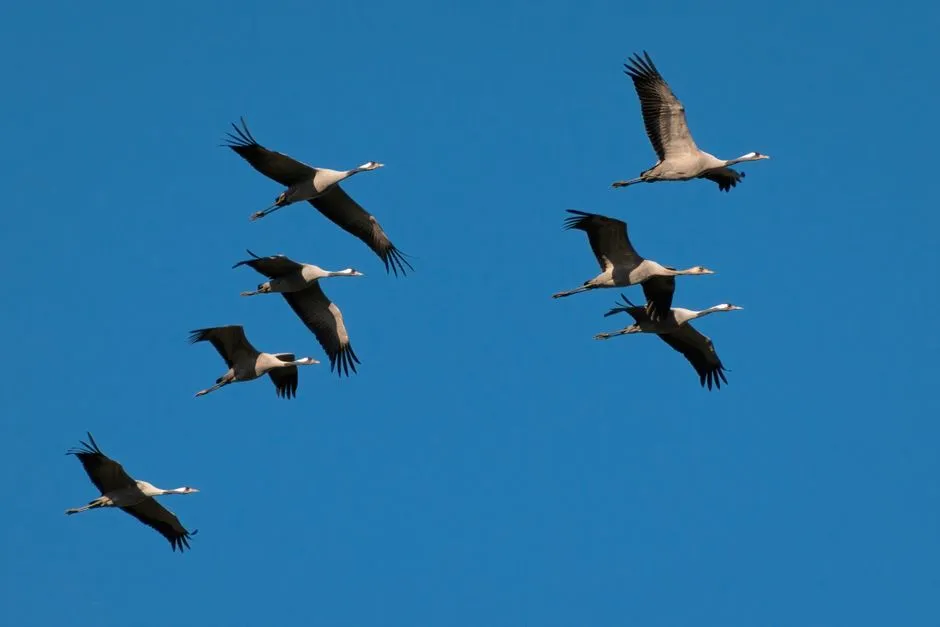
One of the most surreal chapters in this story is the effort to create new migratory flocks from captive‑bred birds. Young cranes do not automatically know where to fly for the winter; they traditionally learn it by following their parents. So if you release captive birds without experienced adults to lead them, you have a sky full of confused teenagers with wings. The solution was straight out of a strange dream: humans in ultralight aircraft guiding flocks of young cranes along a new migration route. Pilots in special suits would coax the birds into following the small plane, teaching them a safe path between summer and winter grounds. It was emotional, exhausting work, and it made for some of the most iconic images in modern conservation – lines of white cranes trailing behind a fragile, buzzing aircraft at dawn.
6. Genetics became a quiet battlefield for the species’ future
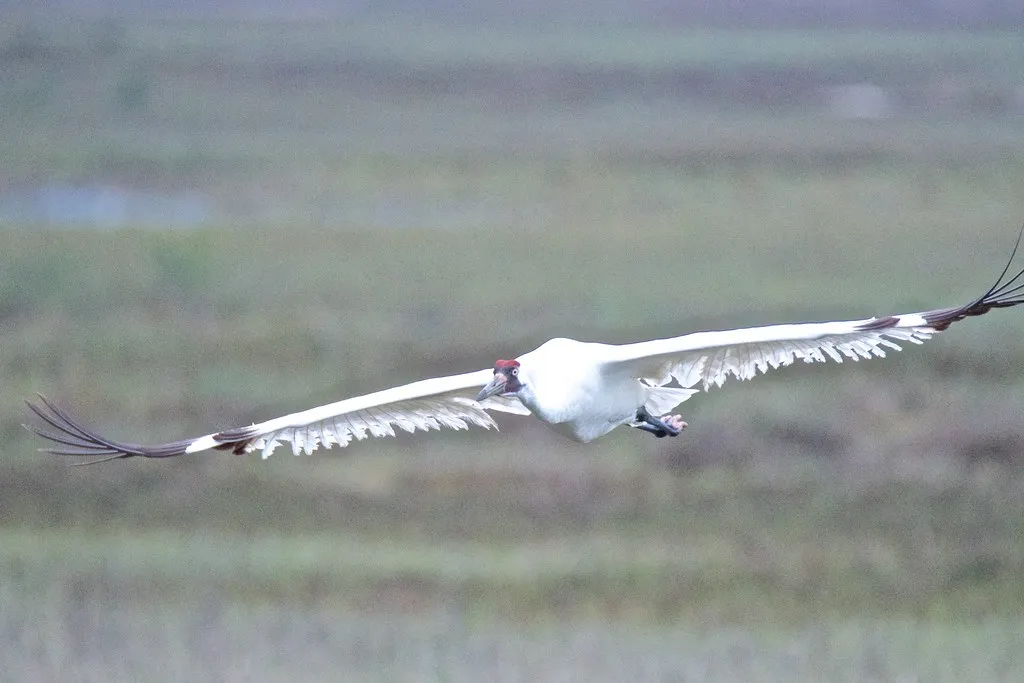
Starting from such a tiny number of birds created a massive genetic bottleneck for the whooping crane. With so few founders, the species carries a higher risk of inbreeding, genetic defects, and reduced resilience to disease and environmental change. This is not a quick, dramatic threat; it is the kind that plays out over generations, silently shifting the odds. To fight back, scientists carefully track the ancestry of individual birds, pairing them strategically in captive programs to preserve as much remaining genetic diversity as possible. It is like managing a living, breathing family tree with enormous stakes. The cranes’ long‑term survival will not be decided only by how many birds we have, but by how robust and varied their genes are. In a way, the real battle now is not simply numbers, but depth.
7. Every human decision along their flyway still matters
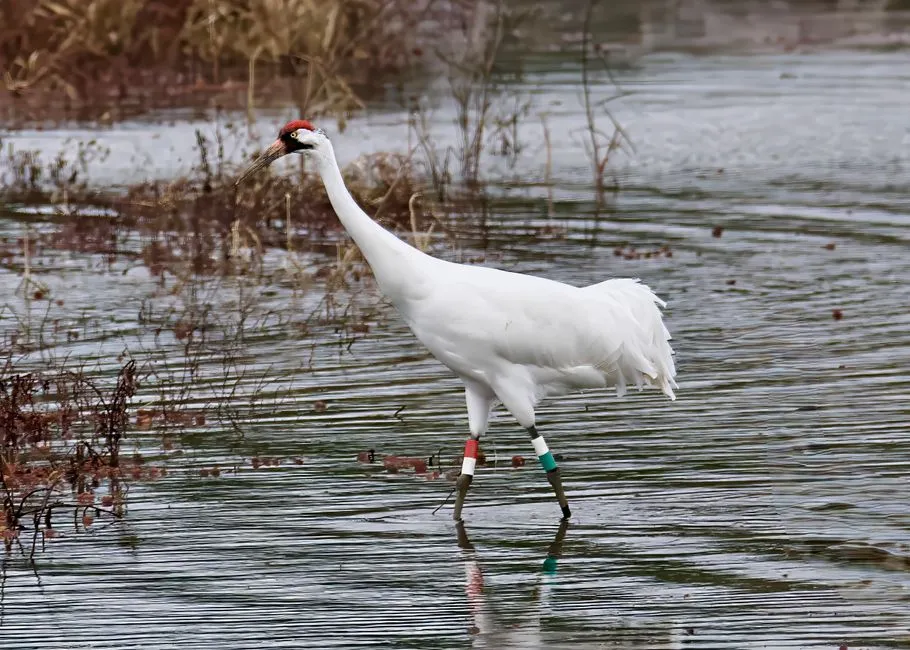
It is easy to breathe a sigh of relief when a species begins to recover and assume the crisis is over. For whooping cranes, that would be a dangerous illusion. Their migration routes still pass near oil and gas development, power lines, wind farms, and expanding suburbs. Each of those elements can add new forms of risk, from collisions to habitat disturbance to pollution. On the flip side, small human decisions in the right direction can have outsized benefits. Protecting a key wetland, burying or marking power lines in high‑risk areas, and managing water flows more thoughtfully all stack the deck in the cranes’ favor. I remember the first time I saw a photo of a marked power line specifically modified to help cranes see it in flight; it was a reminder that sometimes saving a species is literally a matter of inches and paint.
8. Climate change is rewriting the rules under their feet
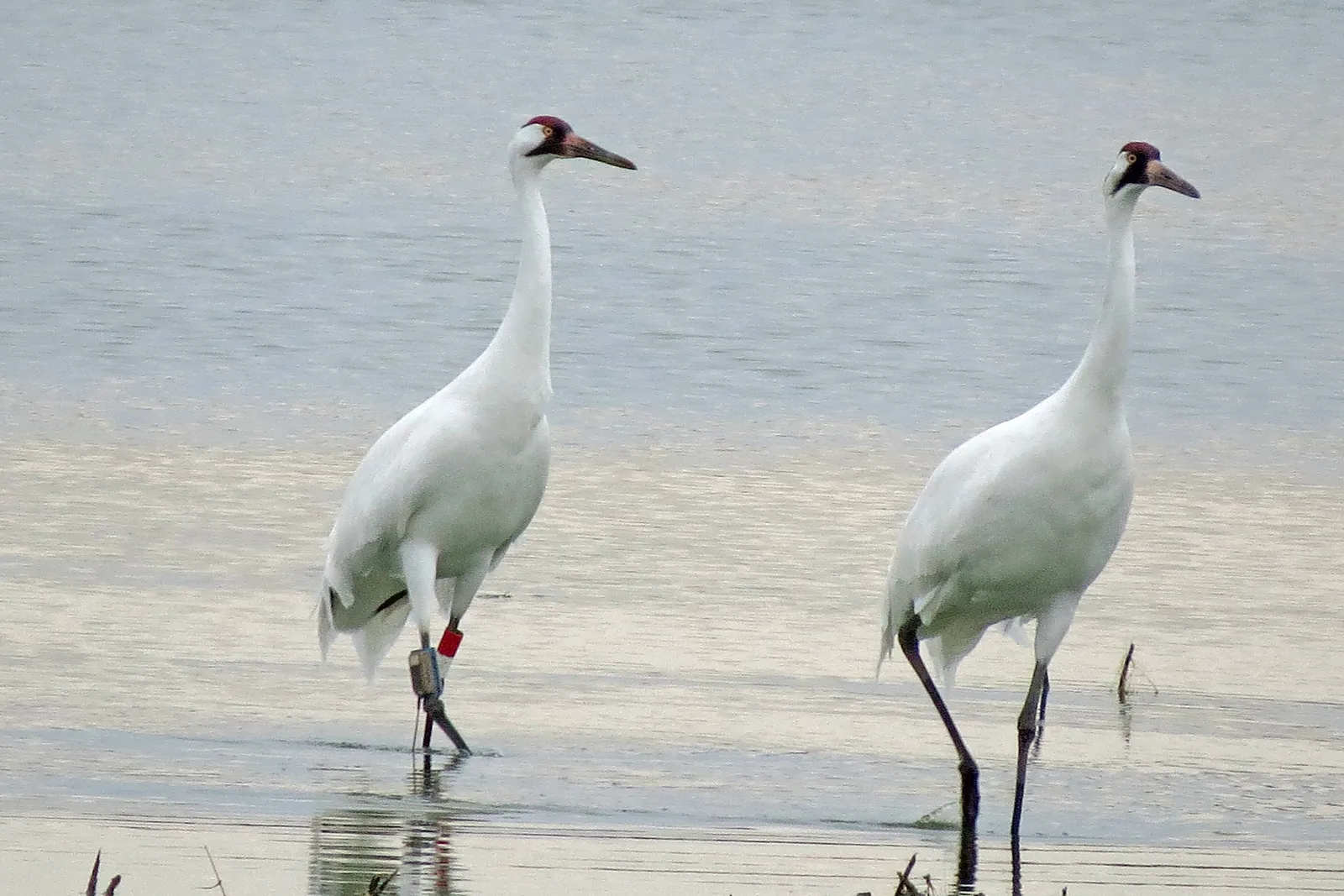
Even as traditional threats are slowly being addressed, climate change is moving the goalposts. Rising sea levels and stronger storms threaten coastal wintering grounds, while shifting rainfall patterns transform inland wetlands. A marsh that was ideal crane habitat thirty years ago might be salt‑soaked, dried out, or choked with different vegetation today. This means conservation plans for whooping cranes cannot be static checklists. Managers have to think in terms of future landscapes: where will suitable wetlands exist in twenty or fifty years, and can those places be protected now? The cranes are essentially trying to survive on a board where someone keeps rearranging the tiles. Our willingness to think ahead, not just react, will determine whether this comeback story keeps going.
9. Public fascination has become one of their strongest defenses
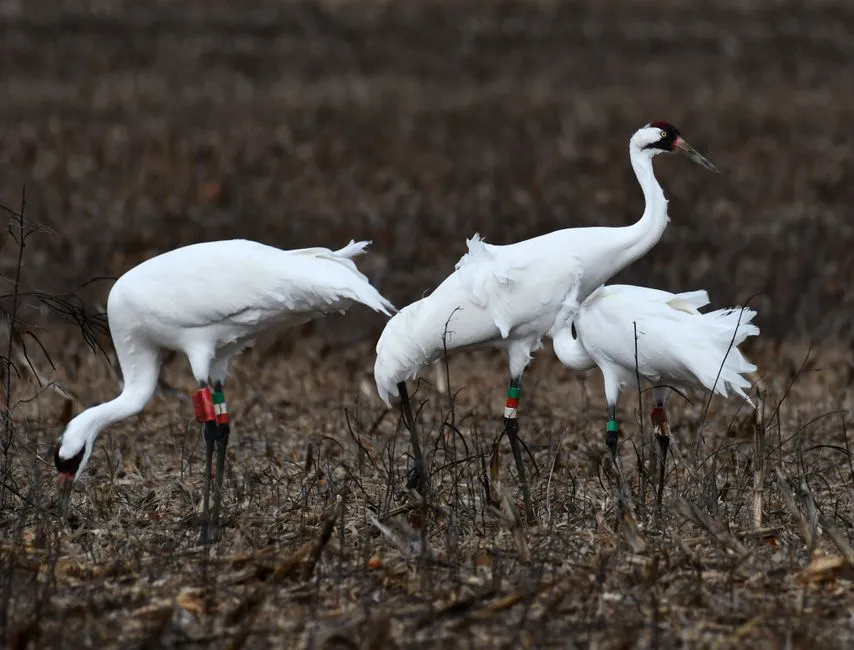
Whooping cranes are not just biologically impressive; they are visually unforgettable. Tall as a small child, gleaming white with black wingtips and a crimson crown, they look like living sculptures. When people see them in the wild – or even in a photograph – they tend to remember. That emotional hook has turned out to be one of the species’ most powerful assets. School programs, wildlife festivals, and local tourism tied to crane watching have all helped build a sense of pride and responsibility in the communities along their routes. When a town starts to see the cranes as “our birds” instead of distant, abstract wildlife, attitudes shift. Money, votes, and local decisions often follow that feeling. In a way, the cranes have become ambassadors, reminding people that wildness can still exist side by side with farms, towns, and highways.
10. Their recovery is real – but it is not a victory lap
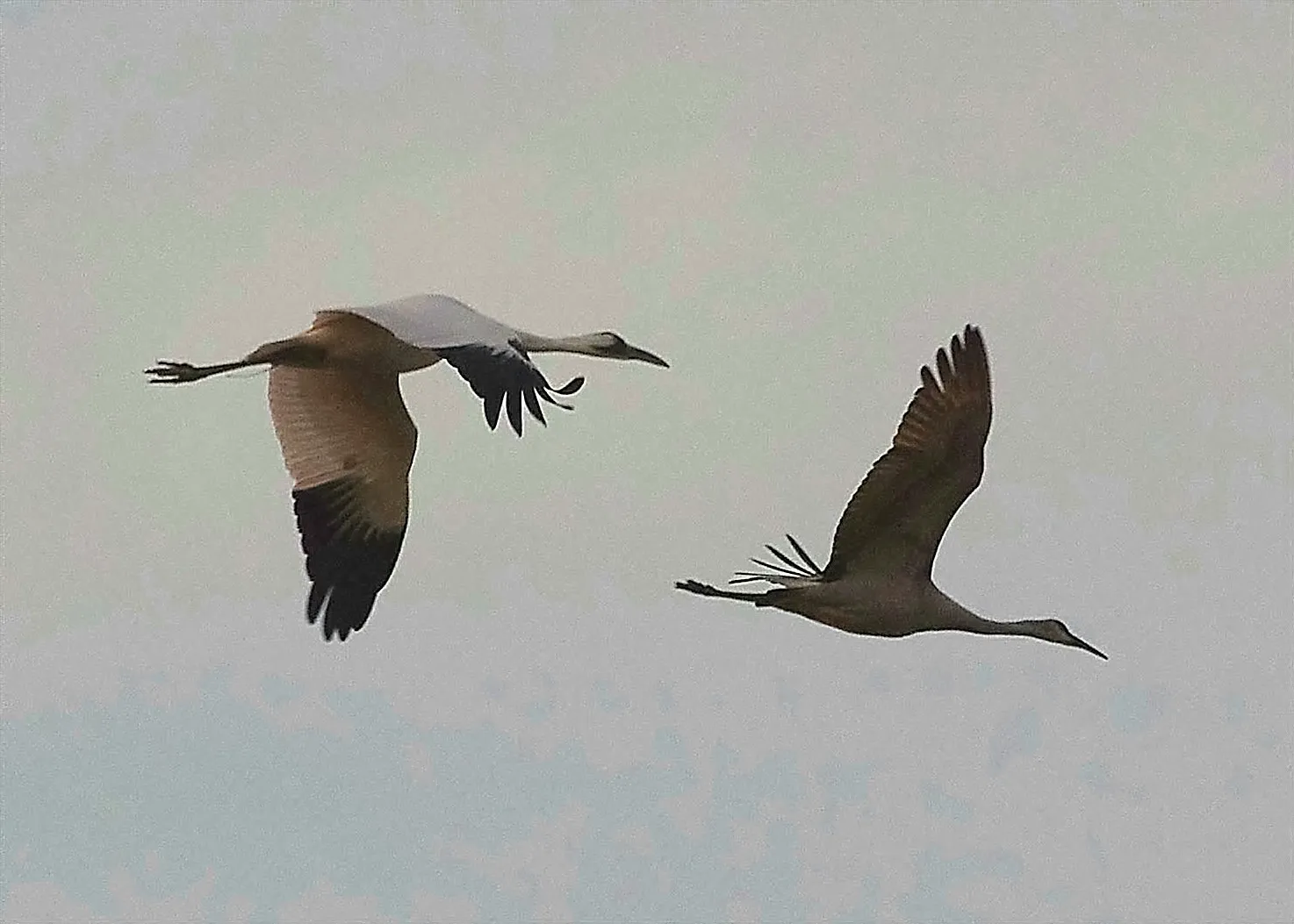
Compared to that terrifying low point in the twentieth century, today’s whooping crane numbers feel almost miraculous. There are now several hundred wild birds and additional individuals in captivity, with multiple flocks rather than a single desperate line of survivors. Seeing them on the landscape again is proof that intense, long‑term conservation can work, even for a species that was hanging by a thread. But we should be honest: this is not a species that can be tossed on a “problem solved” list. Their populations are still small, still vulnerable, and still dependent on a web of protections, funding, and public interest that could fray if people lose focus. My own opinion is that the whooping crane’s story should permanently change the baseline of what we consider acceptable for wildlife. If we were willing to pour this much effort into saving one tall, ghost‑white bird, what excuse do we really have for shrugging at the loss of less famous species?
Conclusion: A fragile miracle we have to keep choosing
The whooping crane’s long road back is not a neat morality tale with a clean happy ending; it is more like a series of cliffhangers we keep choosing to pull through. At every step – protecting habitat, managing genetics, guiding migrations, rethinking energy and infrastructure – people decided that letting this bird vanish was simply not an option. Those decisions were not cheap, simple, or politically convenient, but they were a powerful statement about what kind of world we want to live in. If there is one opinion I have firmly landed on, it is this: the cranes’ survival is not just about them. It is a test of our willingness to care about something beyond our immediate, personal gain. The birds are still out there, tracing old sky roads over a changing continent, because enough people said yes, again and again, when it would have been easier to walk away. The real question now is whether we will keep saying yes – for the cranes and for all the other species waiting at their own cliff edges. What kind of story do you want to be able to tell about us fifty years from now?

- 10 Facts About the Whooping Crane's Long Road Back - August 6, 2026
- 10 Fascinating Facts About the Petrified Forest's Stone Trees - August 6, 2026
- 7 Things Skunks Do Before They Spray - August 6, 2026