


In the late 1950s, the United States and Soviet Union were locked in an intense competition for supremacy in space exploration, commonly known as the Space Race. Following the Soviet Union’s successful launch of Sputnik in 1957, the American space program accelerated its efforts through Project Mercury, which aimed to put a human in orbit around Earth. Before risking human lives, however, NASA determined that sending animals into space would provide crucial data about the effects of spaceflight on living organisms.
While the Soviets had already sent dogs into space, including the famous Laika aboard Sputnik 2, the American program chose to work with chimpanzees due to their biological similarities to humans. These intelligent primates share approximately 98% of their genetic makeup with humans, making them ideal test subjects for evaluating the physiological and psychological impacts of space travel. This decision would eventually lead to the historic flight of Ham the chimpanzee, a milestone that helped pave the way for human spaceflight.
Ham’s Early Life and Selection

Born in July 1957 in the French Cameroons (present-day Cameroon), Ham was captured in the wild as an infant and brought to the Holloman Air Force Base Aeromedical Research Laboratory in New Mexico in 1959. Originally named #65, he was one of 40 chimpanzees acquired for the space program. The name “Ham” was only given after his successful flight, standing for “Holloman Aerospace Medical Center,” where he was trained. This delayed naming was intentional—NASA officials wanted to avoid the public relations disaster of giving a name to an animal that might not survive the mission.
Among the candidate chimps, Ham stood out for his intelligence, adaptability, and relatively calm demeanor. The selection process was rigorous, with all chimpanzees undergoing extensive medical examinations and psychological evaluations. The animals were tested for their ability to perform tasks under stressful conditions and their overall health resilience. At just three years old when selected for his historic flight, Ham demonstrated exceptional aptitude during training, making him the prime candidate for America’s first primate spaceflight.
Rigorous Training Program
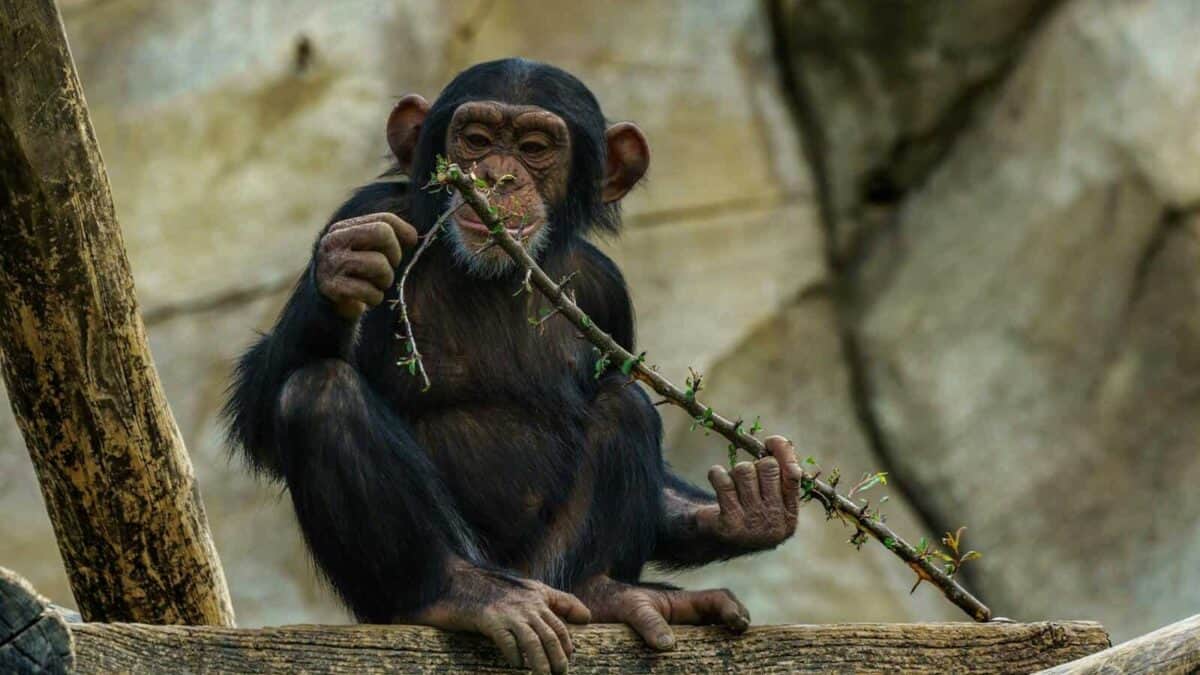
Ham’s preparation for spaceflight involved an intensive training regimen designed to teach him to respond to various stimuli and perform specific tasks while experiencing the extreme conditions of space travel. The training utilized operant conditioning methods developed by psychologist B.F. Skinner. Ham learned to pull levers in response to flashing lights and received banana pellets as rewards for correct responses or mild electric shocks to the soles of his feet for incorrect ones. This system would later be used to evaluate his performance during the actual flight.
The training sessions gradually increased in complexity and duration, simulating various aspects of spaceflight. Ham was conditioned to remain calm in confined spaces, withstand loud noises similar to rocket launches, and endure periods of weightlessness during parabolic airplane flights. He was also acclimated to wearing a pressurized space suit and sitting in a specially designed contoured couch that would protect him during the high g-forces experienced during launch and reentry. By January 1961, after approximately 18 months of training, Ham was deemed ready for his historic mission.
The Historic MR-2 Mission
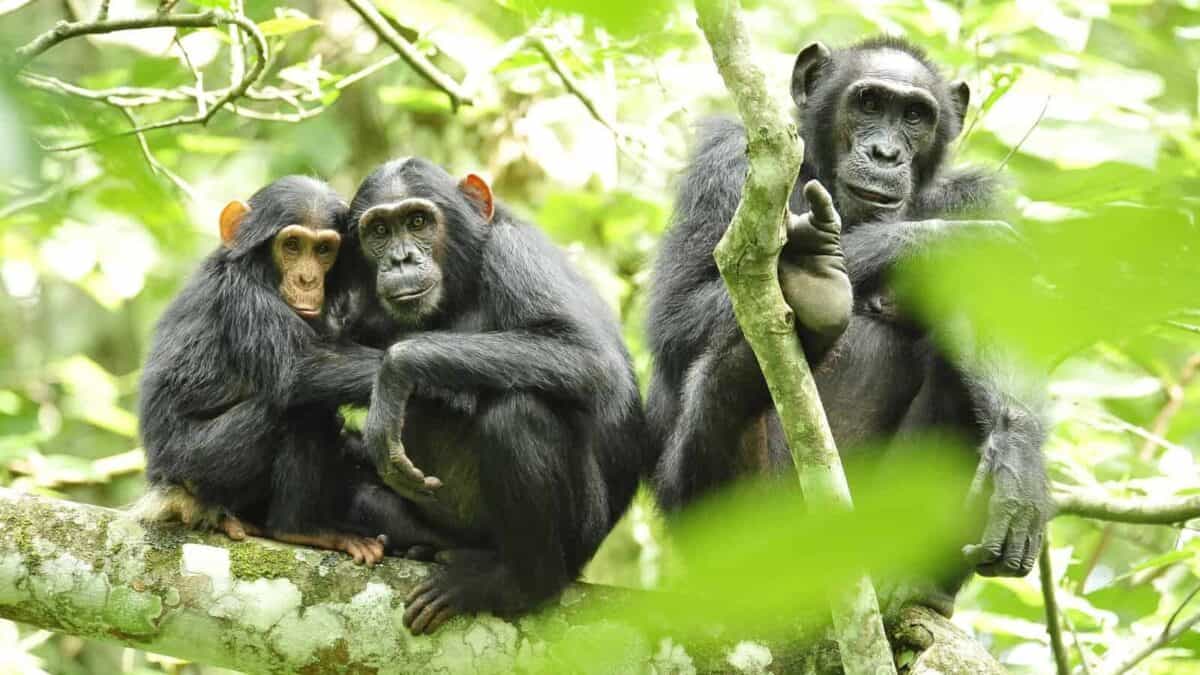
On January 31, 1961, Ham was secured inside a Mercury capsule atop a Redstone rocket at Cape Canaveral, Florida. The mission, designated Mercury-Redstone 2 (MR-2), was designed as a suborbital flight to test the capsule’s systems and evaluate the effects of spaceflight on a living being before sending an American astronaut on a similar journey. Ham was fitted with sensors to monitor his vital signs, and his special biopack container included devices to record his pulse, blood pressure, respiration, and body temperature throughout the flight.
The launch occurred at 11:55 AM EST, but it wasn’t without complications. A technical malfunction caused the rocket to fly higher and faster than planned, subjecting Ham to 14.7 g-forces instead of the expected 12 g-forces. The capsule also experienced a partial loss of cabin pressure, though Ham’s space suit maintained proper pressure. Despite these challenges, Ham’s flight reached an altitude of 157 miles and a speed of 5,857 mph before splashing down in the Atlantic Ocean, 422 miles from the launch site. The entire mission lasted 16 minutes and 39 seconds, with approximately 6.6 minutes of weightlessness.
Ham’s Performance in Space

Perhaps the most remarkable aspect of Ham’s mission was his ability to perform his trained tasks while experiencing the extreme conditions of spaceflight. Throughout the mission, Ham was required to pull a lever within five seconds after seeing a flashing blue light. This test was designed to determine whether humans could perform basic functions during spaceflight, particularly under the stress of launch, weightlessness, and reentry. Despite the unexpected g-forces and other technical issues, Ham successfully completed these tasks with only a slight decrease in performance compared to his ground training.
His reaction times during the flight averaged just 0.82 seconds, marginally slower than his pre-flight average of 0.8 seconds, demonstrating that complex motor functions could be maintained in space. This performance was particularly impressive considering the physical stresses Ham endured. The data collected from his physiological responses proved invaluable to NASA scientists, confirming that the human body could function effectively in the space environment and that the Mercury capsule systems could support life during a suborbital flight. Ham’s success directly contributed to NASA’s decision to send Alan Shepard on his historic suborbital flight just three months later.
Recovery and Public Reception

Following splashdown, Ham’s capsule took on water and began sinking, creating a tense situation for recovery teams. The USS Donner retrieved the spacecraft approximately 27 minutes after it landed in the Atlantic Ocean. When the capsule was opened, Ham was found to be tired but in good condition, showing no immediate signs of physical distress beyond fatigue and mild dehydration. His only visible injury was a bruised nose, which occurred when he hit the inside of the capsule during reentry. Upon recovery, Ham was offered an apple, which he promptly ate, and then posed for cameras with apparent composure.
Ham’s successful mission generated tremendous public interest and media coverage. Newspapers across the country featured his photograph on their front pages, and he became an instant celebrity. The public’s fascination with the “astrochimp” reflected both the nation’s growing enthusiasm for the space program and the natural appeal of seeing a non-human primate accomplish such a remarkable feat. Ham’s flight was celebrated as a significant victory in the Space Race and a crucial step toward human spaceflight. For many Americans, Ham personified the courage and pioneering spirit that characterized the early space program.
Scientific Impact of Ham’s Mission

The data collected during Ham’s flight provided critical insights that significantly influenced the development of human spaceflight. Physiological measurements taken throughout the mission confirmed that living organisms could survive the stresses of launch, weightlessness, and reentry without significant detrimental effects. The successful demonstration that Ham could perform complex tasks during all phases of flight answered one of NASA’s most pressing questions: whether a human astronaut would be able to function effectively enough to control a spacecraft and respond to emergencies while in space.
Beyond the immediate implications for Project Mercury, Ham’s mission contributed valuable knowledge about the broader biological effects of spaceflight. Scientists analyzed changes in his blood chemistry, cardiac function, muscle coordination, and psychological state, establishing baseline data for future space medicine research. The mission also validated numerous technical systems within the Mercury capsule, including life support, environmental controls, and the ability of the spacecraft to protect its occupant from the extreme temperatures and radiation of space. These findings directly influenced the design and execution of subsequent human missions, making Ham’s flight a pivotal moment in aerospace medicine and engineering.
Life After Spaceflight

Following his historic mission, Ham never returned to space. NASA officials decided that the valuable chimpanzee had served his purpose and deserved a more comfortable life. Initially, he was returned to the colony at Holloman Air Force Base, where he lived for several years. In 1963, he was transferred to the National Zoological Park in Washington, D.C., where he became a popular attraction. Visitors flocked to see America’s first space primate, and Ham seemed to adjust well to his new environment, though some observers noted he appeared less sociable than other chimpanzees.
In 1980, seeking to provide Ham with a more natural environment and the company of other chimpanzees, the Smithsonian Institution transferred him to the North Carolina Zoo in Asheboro. There, Ham lived the remainder of his life in a spacious enclosure with other chimps, including females with whom he could socialize. Zoo staff reported that he enjoyed playing with toys, particularly rubber tires, and seemed to appreciate the more naturalistic setting. Throughout his post-flight life, Ham remained under special observation, providing scientists with ongoing data about the long-term effects of spaceflight on primates.
Ham’s Legacy in Space Exploration

Ham’s successful mission represented a crucial stepping stone between unmanned tests and human spaceflight. Just three months after Ham’s flight, on May 5, 1961, astronaut Alan Shepard became the first American in space, completing a similar suborbital flight aboard Freedom 7. The confidence NASA gained from Ham’s mission directly contributed to the decision to proceed with Shepard’s flight. Many of the Mercury astronauts, including Shepard himself, acknowledged their debt to Ham and the other animal pioneers who tested the boundaries of space travel before humans ventured beyond Earth’s atmosphere.
The broader legacy of Ham’s mission extends to the ethical considerations surrounding animal testing in scientific research. While the use of animals in the space program was controversial even in the 1960s, Ham’s flight highlighted both the scientific necessity of such testing and the responsibility to treat test animals humanely. His post-flight care and retirement set precedents for the ethical treatment of animals used in research. Today, Ham’s contribution is commemorated in various space museums, and his story continues to be taught as an important chapter in the history of space exploration, representing both scientific achievement and the ethical complexities of using animals to advance human knowledge.
Comparison with Soviet Space Primates

While Ham made history as America’s first chimpanzee in space, the Soviet Union had its own primate space program running in parallel. Unlike NASA, which chose to work primarily with chimpanzees, the Soviets primarily used rhesus monkeys and other smaller primates. In 1983, over two decades after Ham’s flight, the Soviet Union sent monkeys named Abrek and Bion on a record-breaking 5-day orbital mission. The Soviet approach generally involved sending pairs of animals, while the American program typically sent individual animals on shorter missions.
There were significant differences in how the two superpowers publicized their animal astronauts. The United States made Ham a public figure, releasing details about his training, personality, and post-flight life. In contrast, the Soviet Union was notably more secretive about their animal cosmonauts, often not releasing information about missions until after they were completed, and sometimes not at all if they were unsuccessful. These different approaches reflected the broader information policies of the two Cold War rivals and their distinctive strategies for using space achievements as propaganda tools in the global competition for technological supremacy.
Ham’s Final Years and Death

Ham spent his final years at the North Carolina Zoo, where caretakers described him as having a gentle, curious personality. Though he never learned to socialize completely normally with other chimpanzees—likely due to his early separation from his mother and his unique upbringing among humans—he did form relationships with several female chimpanzees in his enclosure. Zoo records indicate that he enjoyed a diet of fresh fruits and vegetables, with bananas remaining his favorite treat throughout his life, a preference that began during his training days at Holloman Air Force Base.
On January 19, 1983, at the estimated age of 26, Ham died of combined liver and heart failure at the North Carolina Zoo. His death prompted an outpouring of tributes from the space community and the general public. Initially, the Smithsonian Institution considered preserving and displaying his body, as they had done with Able, another space monkey. However, following objections from the scientific community and animal rights advocates, only Ham’s skeleton was preserved for scientific study at the National Museum of Health and Medicine, while the remainder of his remains were respectfully buried at the International Space Hall of Fame in Alamogordo, New Mexico, near where he had trained for his historic mission.
Ham’s Enduring Place in History

Ham the chimpanzee occupies a unique place in the annals of space exploration as a pioneering figure who helped open the frontier of space to human exploration. His 16-minute journey broke the boundary between Earth and space at a crucial moment in the Cold War space race, demonstrating that complex organisms could not only survive but function effectively in the alien environment of space. The data gathered from his mission directly contributed to NASA’s confidence in proceeding with human spaceflight, making Ham an unsung hero of America’s space program whose contributions enabled the later achievements of Mercury, Gemini, and Apollo missions.
Beyond the scientific significance, Ham’s story continues to resonate because it embodies both the spirit of exploration and the complex relationship between humans and animals in scientific research. His journey represents both the ingenuity of human science and the ethical questions that accompany scientific progress. Modern space agencies now rely primarily on robotic exploration rather than animal testing, partly due to ethical considerations that evolved from early programs like Project Mercury. In museums, books, and educational programs around the world, Ham is remembered not just as a test subject, but as a brave pioneer who helped humanity reach for the stars.
Conclusion

Ham the chimpanzee’s historic spaceflight on January 31, 1961, marked a pivotal moment in America’s space program, proving that complex organisms could survive and function in the challenging environment of space. His successful completion of tasks during the Mercury-Redstone 2 mission provided NASA with the confidence to send Alan Shepard on his suborbital flight just three months later, accelerating the timeline for American human spaceflight during the intense Cold War space race. From his capture in Cameroon to his training at Holloman Air Force Base, through his groundbreaking mission and subsequent life in captivity, Ham’s journey reflects both the scientific ambitions and ethical complexities of the early space age.
The legacy of this remarkable chimpanzee extends far beyond the 16 minutes and 39 seconds he spent in space, influencing spacecraft design, astronaut training protocols, and our understanding of aerospace medicine. While Ham could never comprehend the historical significance of his flight, his contribution to human knowledge and exploration was immeasurable, helping to open the door to humanity’s ongoing journey into space. As we continue to push the boundaries of space exploration in the 21st century, Ham’s pioneering flight remains a testament to the careful, methodical approach that made human spaceflight possible and a reminder of the non-human pioneers whose contributions helped humanity reach for the stars.

From exploring the marine wonders in the Azores and witnessing the vast savannas of Kenya, to delving deep into the rich biodiversity of South Africa and traversing iconic landscapes in Australia and the US like Yellowstone, Chris's experiences are vast.
With a penchant for diving alongside sharks, the ocean holds a special place in his heart.
Through his academic insights, he champions wildlife conservation, striving with 'Animals Around The Globe' to cultivate a profound connection between humans and animals, enhancing our mutual appreciation.
Connect with him at Feedback@animalsaroundtheglobe.com.
- Ham the Chimp: America’s First Space Primate - August 6, 2026
- What Happens If You Stare Down a Wild Predator? - August 6, 2026
- 10 Newly Discovered Species That Prove Nature’s Creativity Has No Bounds - August 6, 2026
Leave a comment
You must be logged in to post a comment.