
You might think you know goldfish. Maybe you had one as a kid, swimming in circles in a small bowl. Perhaps you associate them with short attention spans and even shorter memories. That tiny orange fish probably didn’t seem particularly remarkable, right? Think again.
Goldfish are far more complex, intelligent, and downright extraordinary than most people realize. These little swimmers have secrets that would make even the most seasoned fish enthusiast do a double take. From their hidden talents to their surprising abilities, goldfish are about to shatter every preconception you’ve ever had about them. Ready to discover what your childhood pet was really capable of? Let’s dive in.
1. Their Memory Lasts Months, Not Seconds
Let’s start by dismantling the biggest myth about goldfish. You’ve probably heard that goldfish have a memory span of just three seconds. Complete nonsense.
Studies have shown that goldfish can remember things for up to five months, which honestly puts them ahead of some humans trying to recall where they left their keys. Goldfish are also good problem solvers and have been taught to escape nets and navigate mazes, and they can even remember how to repeat these tasks weeks, and even months, later.
Research involving goldfish found that the average time for the goldfish to find food in the maze after an absence of six months was 12.82 seconds, which was less than half of the time taken on the last day of training 16 months earlier. That’s genuinely impressive cognitive ability for such a small creature.
Japanese researchers used two pieces of classical music by different composers to test the goldfish’s knowledge of the arts, training goldfish to bite a red bead during Bach’s music and the other half during Stravinsky’s music, and after 100 music lessons, 75% of the time they chose the right one. Looks like goldfish might appreciate classical music more than you do.
The myth probably persists because it makes us feel less guilty about keeping them in inadequate conditions. If they forget everything instantly, surely they can’t suffer, right? Wrong.
2. They Can See Colors Humans Can’t
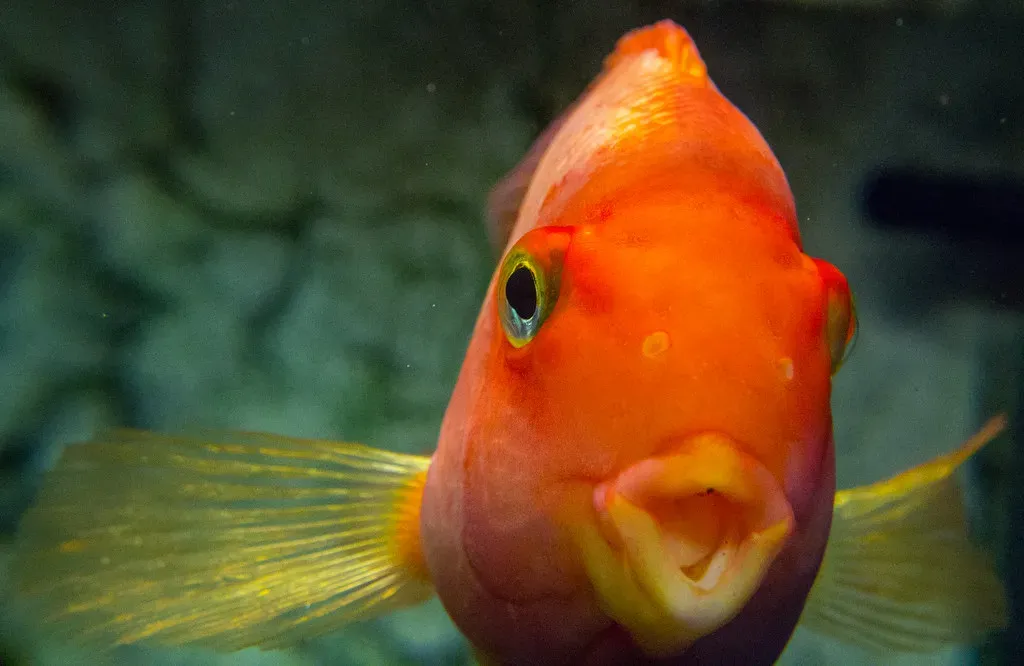
Goldfish are better at seeing a wider range of colors and have the ability to detect ultraviolet and infrared lights, allowing them to see combinations of four different colors, not just the three our eyes can pick up. While humans are trichromatic, goldfish are tetrachromatic.
With such complex vision, goldfish can see a combination of red, green, blue, and ultraviolet light. This extra visual dimension helps them hunt for food more effectively and navigate their environments with precision.
Here’s where it gets really interesting. However, goldfish don’t actually have good eyesight because their eyes are on the sides of their head, there is a blind spot in front of their face, and they cannot see very far. Despite their superior color perception, they’re actually a bit nearsighted.
Goldfish do not have eyelids, which means they cannot close their eyes and sleep. Instead, they rest with their eyes wide open, which can be slightly unsettling if you’re watching them at night. But don’t worry, they’re just resting.
3. Goldfish Can Live Over 40 Years
If you’ve ever had a goldfish die within a few weeks or months, that wasn’t normal. The average lifespan of a goldfish is 10 to 15 years, with some varieties living into their thirties when properly cared for, however, one male goldfish named Tish lived to the remarkable age of 43, making him the world’s oldest goldfish ever.
Tish was won as a prize at a fairground roll-a-penny stall in 1956 by seven-year-old Peter Hand from North Yorkshire, UK, and Peter looked after Tish until he got married and left the family home, whereafter his mother, Hilda, dutifully took care of Tish. Imagine owning a fish for longer than most people keep their cars.
George finally passed two years later at the grand old age of 44, making him the second oldest goldfish ever. These fish can genuinely outlive cats and dogs if given proper care.
The problem is that most goldfish are kept in terrible conditions. Small bowls, infrequent water changes, and poor diets drastically shorten their lifespans. For goldfish cooped up in a little bowl or small tank, kept in unclean water containing significant amounts of waste, or not given a varied diet, the average life expectancy is 2 to 5 years. That’s a tragedy, frankly.
Over the years, as he aged, Tish’s scales turned from bright orange to silver, matching the colour of Hilda’s hair. Even goldfish get gray hair, apparently.
4. They Can Grow to Nearly Two Feet Long
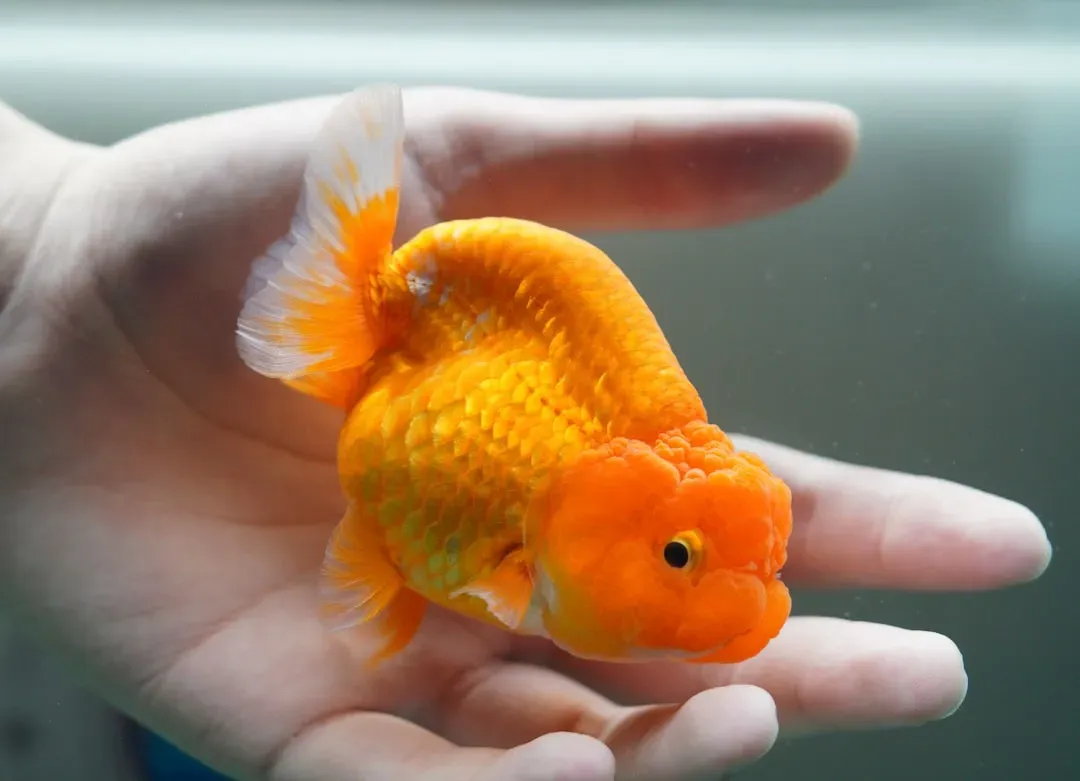
That tiny goldfish in the pet store? The fish’s size is usually constrained by the size of its tank, but with enough food, proper water temperatures, and ample room to roam, goldfish can balloon and people around the world occasionally pull in monster goldfish.
According to the Guinness Book of World Records, the world’s longest pet goldfish is 18.7 inches and is owned by a man in the Netherlands. That’s nearly as long as a standard ruler. Imagine trying to keep that in a bowl.
In the wild, these fish might grow up to 12 to 14 inches in length, and the largest ever recorded goldfish, owned by a man in the Netherlands, measured 18.7 inches. These aren’t small fish by any stretch of the imagination.
Released into lakes and ponds, goldfish transform into something almost unrecognizable. Outside the confinement of a small aquarium, goldfish can adapt to their environment and grow to be much larger than they would in a fish tank, and as a result, they can become almost unrecognizable in both size and colour. They often lose their bright orange hue and revert to a more natural brownish or greenish shade.
5. Goldfish Don’t Have Stomachs
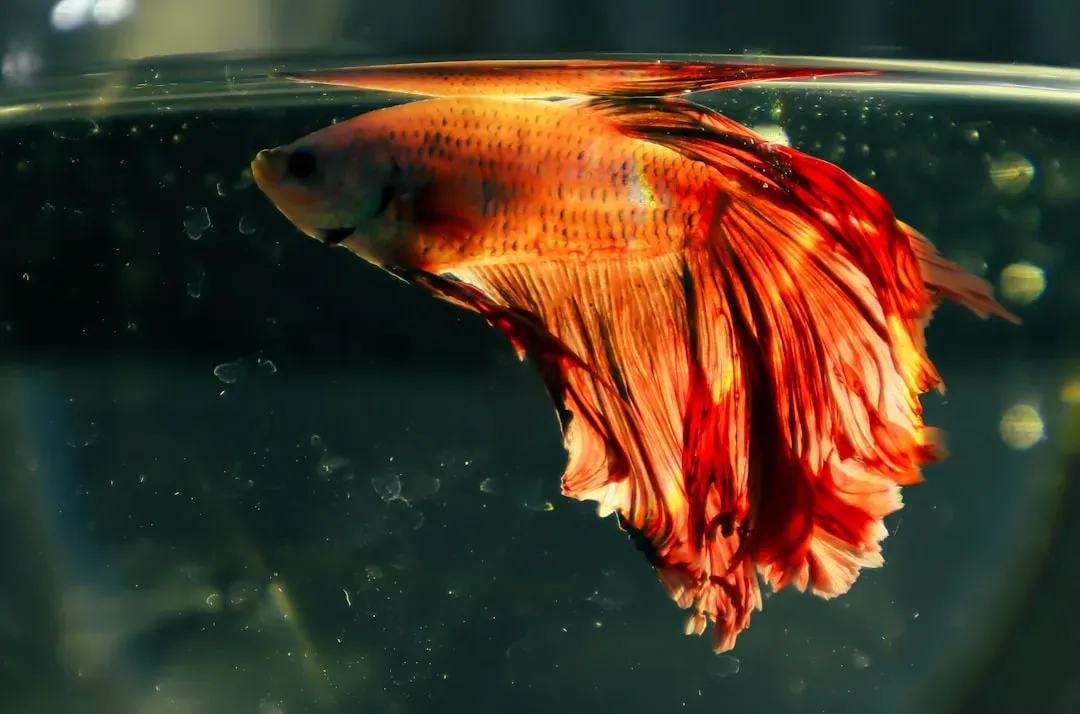
Here’s a bizarre anatomical fact. Goldfish don’t have a stomach and instead, they typically digest their food through different parts of the intestine, so the duration of the digestion is relatively minor, leaving them hungry quite frequently than most of the other fish species.
This explains why goldfish seem to eat constantly. They’re not being greedy; they’re genuinely always hungry because their digestive system processes food incredibly quickly. Without a stomach to store and slowly break down food, they need to eat small amounts frequently.
They also don’t have teeth and instead crush their food in their throats. Goldfish possess pharyngeal teeth located at the back of their throats, which grind down food before it moves through their intestive tract.
This unique digestive system also means goldfish produce a lot of waste, which is why proper filtration is absolutely essential in any goldfish tank. They’re messy eaters and messy… well, you get the idea.
6. They Make Sounds You Can’t Hear
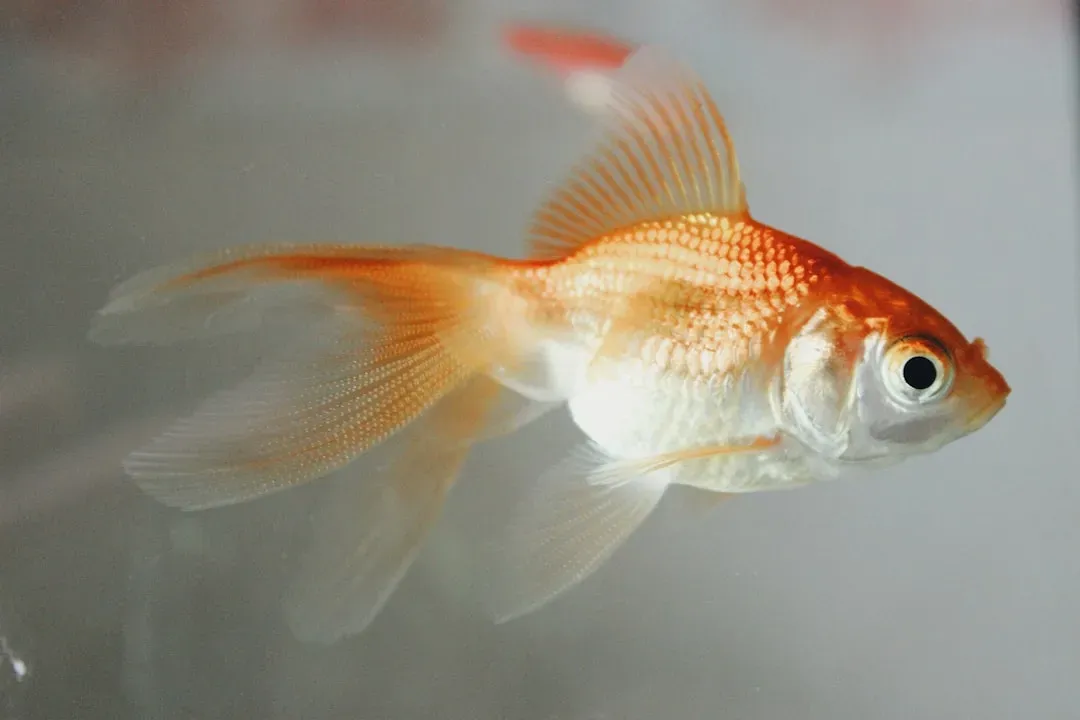
Using unique technology, researchers detected goldfish making noises through their noses, and the noises were comparable to squeals or grunting, and they are most commonly heard during eating and fighting. Who knew goldfish were chatty?
These vocalizations are ultrasonic, meaning they’re beyond the range of human hearing. Goldfish communicate with each other through these sounds, though we’re only just beginning to understand what they’re actually saying. Are they gossiping? Arguing over food? Complaining about their tank mates? We may never know.
Goldfish have all of the five human senses, plus one more, as they can detect changes in pressure, such as vibrations and currents, because of a lateral line, which is a tiny row of dots that runs down their side. This sixth sense helps them navigate and avoid predators.
You may have noticed a row of tiny dots down each side of your goldfish, which is called the lateral line, an organ that actually gives a goldfish the ability to feel pressure changes in the water like vibration and currents, and it’s like hearing, touch, balance, and sonar all in one. Pretty sophisticated for a simple pet fish.
7. Goldfish Were Once Reserved for Royalty
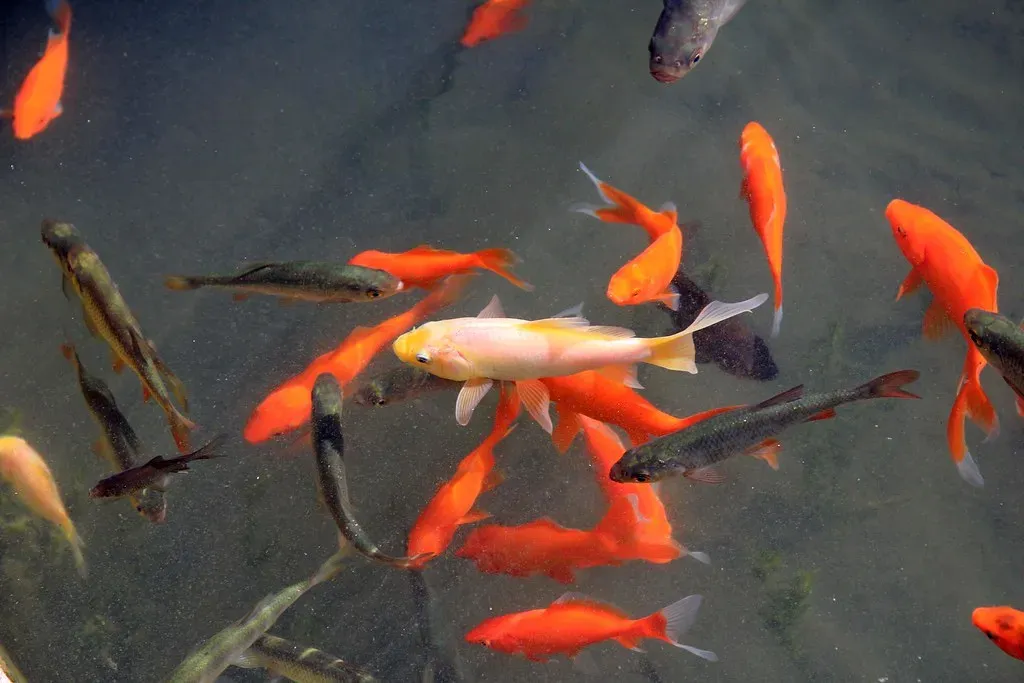
The Chinese are responsible for today’s beloved aquarium mainstay, the goldfish, as a type of carp, goldfish were domesticated nearly 2,000 years ago for use as ornamental fish in ponds and tanks, and they were seen as a symbol of luck and fortune, and they could only be owned by members of the Song Dynasty.
Common people weren’t allowed to own yellow or golden colored fish. Only royalty had that privilege. During the 1620s, goldfish were highly regarded in southern Europe because of their metallic scales, and symbolized good luck and fortune, and it became a tradition for married men to give their wives a goldfish on their first anniversary, as a symbol for the prosperous years to come.
Goldfish weren’t always, well, gold, as Prussian carp, from which goldfish were domesticated, are traditionally a dull, gray-green hue, but mutations and breeding over the years created goldfish’ signature orange, red, and yellow pigments found in the over a hundred varieties of the fish today.
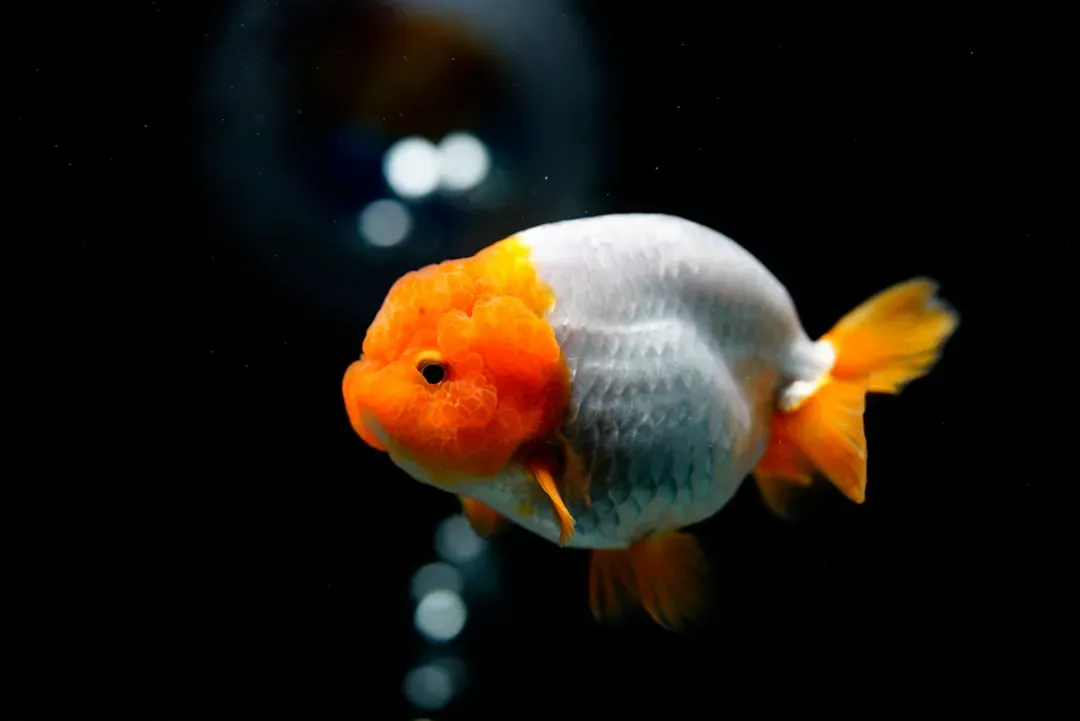
Today there are more than 125 breeds of goldfish, ranging from the common goldfish to fancy varieties with bulging eyes, flowing fins, and unusual body shapes. The transformation from dull carp to vibrant ornamental fish took centuries of selective breeding.
8. They’re Smarter Than Most People Think
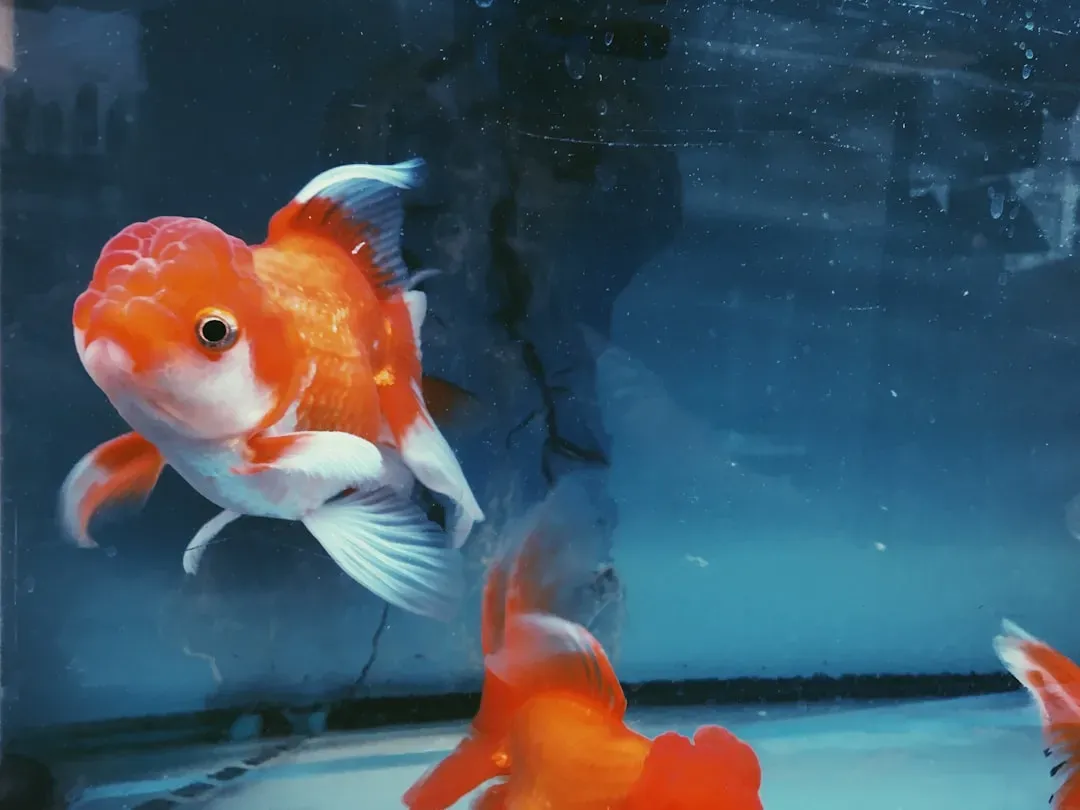
Israeli researchers from Ben Gurion University of the Negev taught goldfish to move a robotic cart on wheels, the cart was attached to a camera that recorded the direction in which the fish was pointed as it swam and triggered the cart to move in that direction, and the fish moved the tank to strike a coloured goal, which resulted in the animal receiving a treat.
Let’s pause and appreciate that. Goldfish learned to drive a fish tank on wheels. They understood cause and effect, spatial navigation, and goal-oriented behavior. Surprisingly, it doesn’t take the fish a long time to learn how to drive the vehicle.
Experiments have determined that goldfish have the capacity to store and recall information for anywhere from 1 to 3 months, and goldfish are also able to remember the faces of people who feed them, even after extended periods of separation. They recognize their owners, which suggests a level of social intelligence often underestimated.
Goldfish can tell different faces apart and are able to distinguish between different shapes, colors, and sounds. This isn’t instinct or random behavior; this is learned, deliberate cognition.
Since research began looking into the intelligence and memory capacity of goldfish, findings have consistently suggested that they are capable of forming long-term memories, social learning, tool use, spatial awareness, and problem-solving. Tool use? In fish? Absolutely.
9. They Can Survive Extreme Conditions
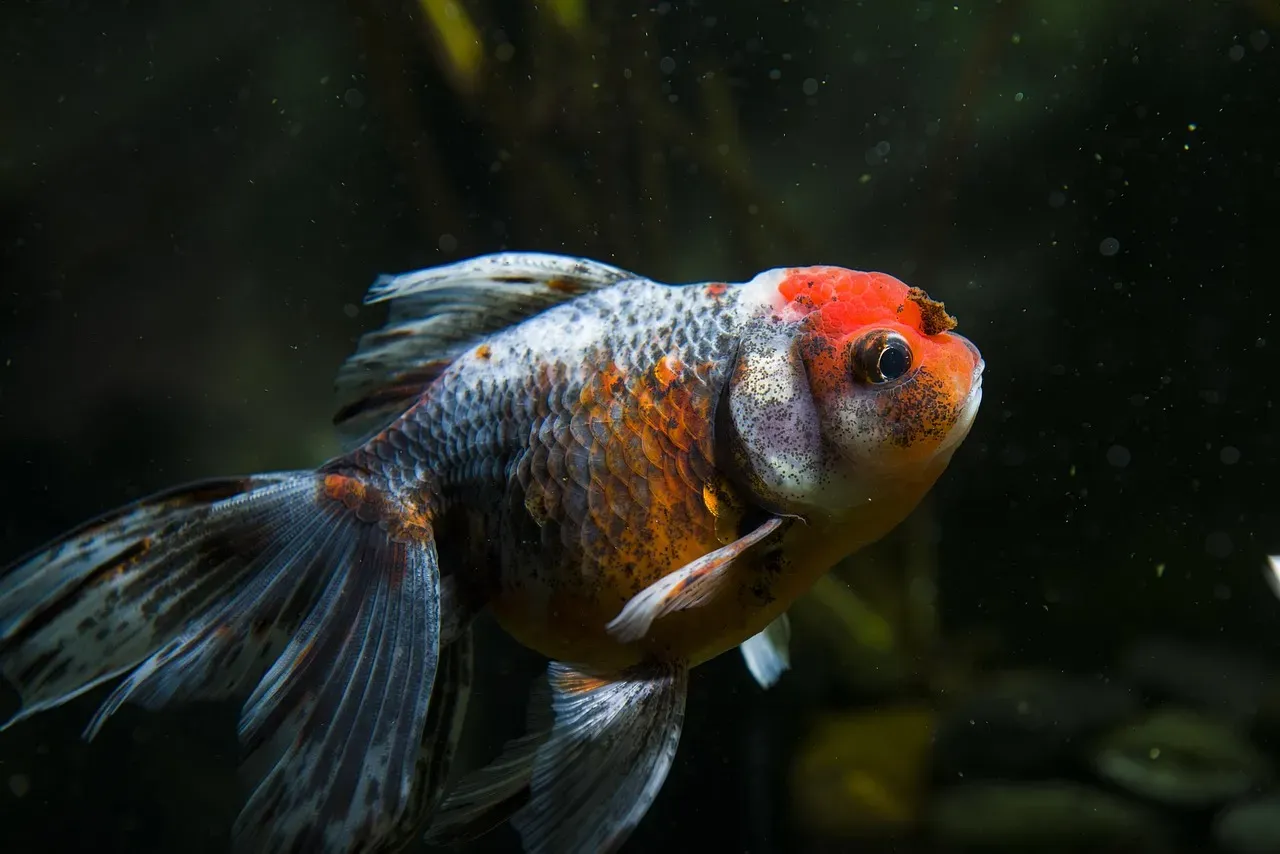
Part of the reason that goldfish can live so long is that they can withstand a lot, for example, they can live in temperatures as high as 100 degrees Fahrenheit, winter ice, or toxic water. Their hardiness is both impressive and concerning when they’re released into the wild.
Goldfish are unique in that they can survive in bodies of water that have anoxic conditions (little to no oxygen available), and research has shown that goldfish can survive without oxygen for three to five months, and are even able to survive in bodies of water that freeze solid during winter months. They do this by converting lactic acid into alcohol, essentially getting drunk to survive.
If you keep your goldfish outside during the winter, it will hibernate, which involves the goldfish slowing down its heart rate and stopping eating before going to sleep, and after the winter ends, the goldfish will be ready to spawn. They’re basically nature’s ultimate survivor.
This resilience is why goldfish make such successful invasive species when released into natural water bodies. They can tolerate conditions that would kill most other fish, allowing them to spread rapidly and dominate ecosystems.
10. They’re Devastating Invasive Species
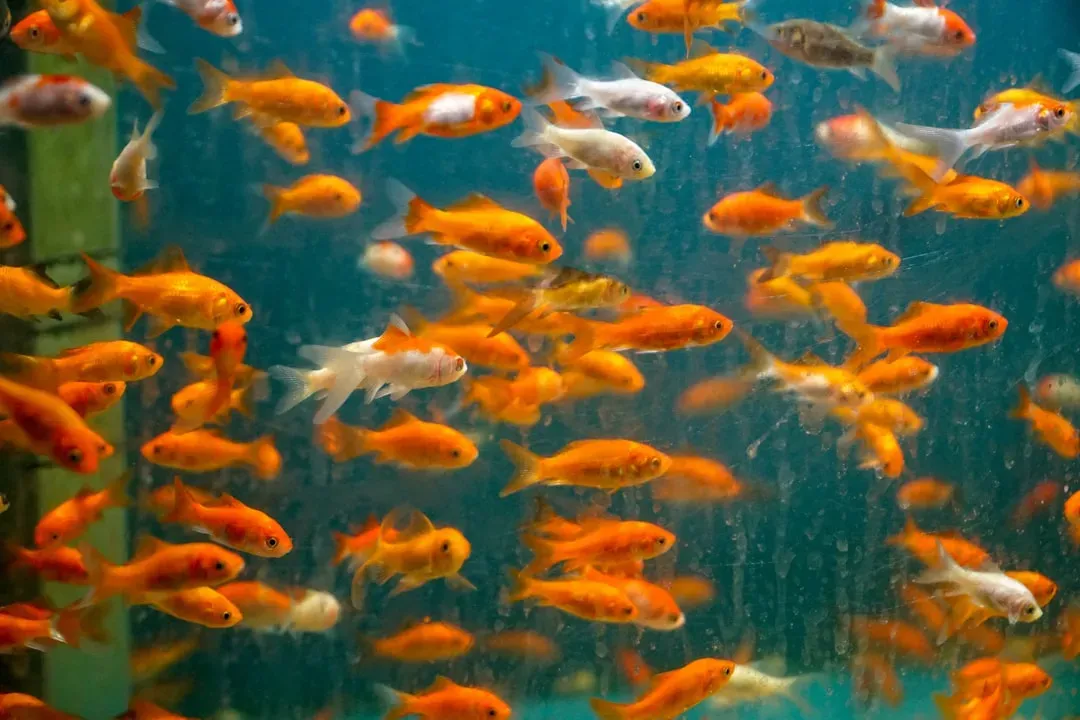
Goldfish, when released into the wild, are an invasive species in North America, native to eastern Asia including China, Hong Kong, Japan and the Republic of Korea, goldfish threaten Canadian waterways by preying on native species and outcompeting with them for food, as their feeding preferences consist of fish eggs, fish larvae, and aquatic plants.
Between 3,000 and 4,000 goldfish were discovered in a lake near Boulder, Colorado, in 2015, and researchers have even found large goldfish in Lake Tahoe. These populations wreak havoc on local ecosystems.
Goldfish belong to the carp and minnow family and, like their counterparts, can increase the turbidity (lower the clarity) of water through their feeding activity, which reduces the amount of sunlight reaching underwater plants which subsequently leads to habitat loss for native species. They essentially destroy aquatic vegetation by stirring up sediment constantly.
The team deemed the goldfish a high risk as an invasive species and a high priority for management, and in the United States, goldfish have been found to grow more than one foot in length in some water systems. Their combination of hardiness, rapid reproduction, and voracious appetites makes them ecological disasters waiting to happen.
The Carver County Water Management agency in Minnesota recently removed 50,000 pounds of goldfish from a tributary to one single lake. That’s roughly 25 tons of invasive goldfish from just one location. The scale of the problem is staggering.
Conclusion
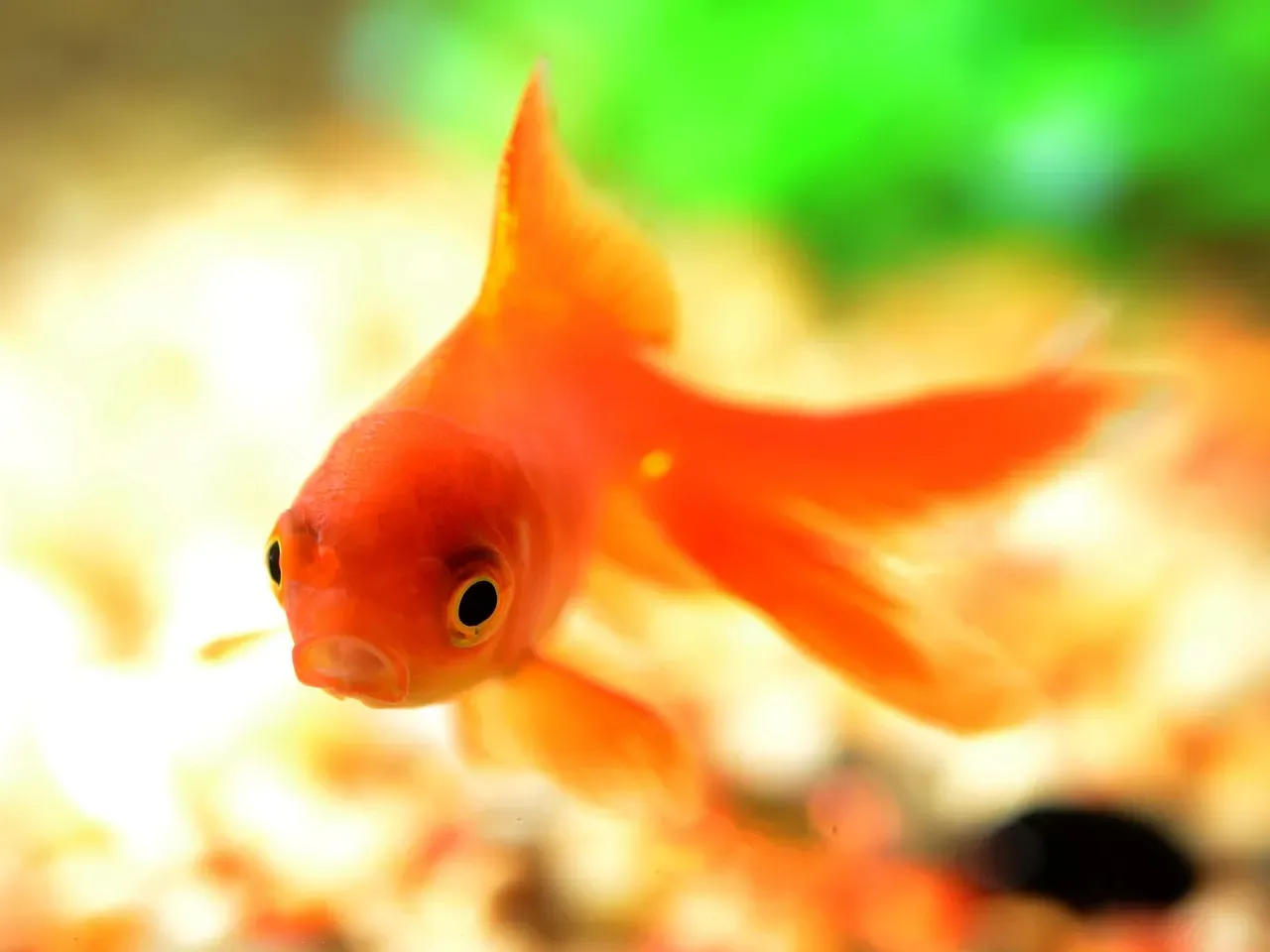
Goldfish are so much more than carnival prizes or starter pets for kids. They’re sophisticated creatures with remarkable memories, advanced sensory abilities, and surprising intelligence. They can live for decades, grow to impressive sizes, and adapt to extreme environmental conditions. Unfortunately, that same adaptability makes them dangerous when released into the wild.
The next time you see a goldfish, remember that you’re looking at an animal that can remember your face for months, see colors you can’t perceive, and potentially outlive your dog. They deserve far better care than a tiny bowl and flakes sprinkled on the surface.
Honestly, after learning all this, it’s hard to look at goldfish the same way again. These little swimmers are extraordinary survivors, intelligent navigators, and accidental ecological menaces. Did any of these facts surprise you? What do you think about goldfish now?

- 7 Apex Predators That Are Actually Afraid of One Specific Animal Smaller Than Themselves and the Encounters That Confirmed It - July 18, 2026
- 10 Animals That Researchers Confirmed Can Recognize Themselves in a Mirror – and the One Near the Bottom of the List That Rewrote the Criteria Entirely. - July 18, 2026
- 6 Most Shark-Dense Coastlines Outside the United States That Tourism Boards Have Been Very Quiet About - July 18, 2026