
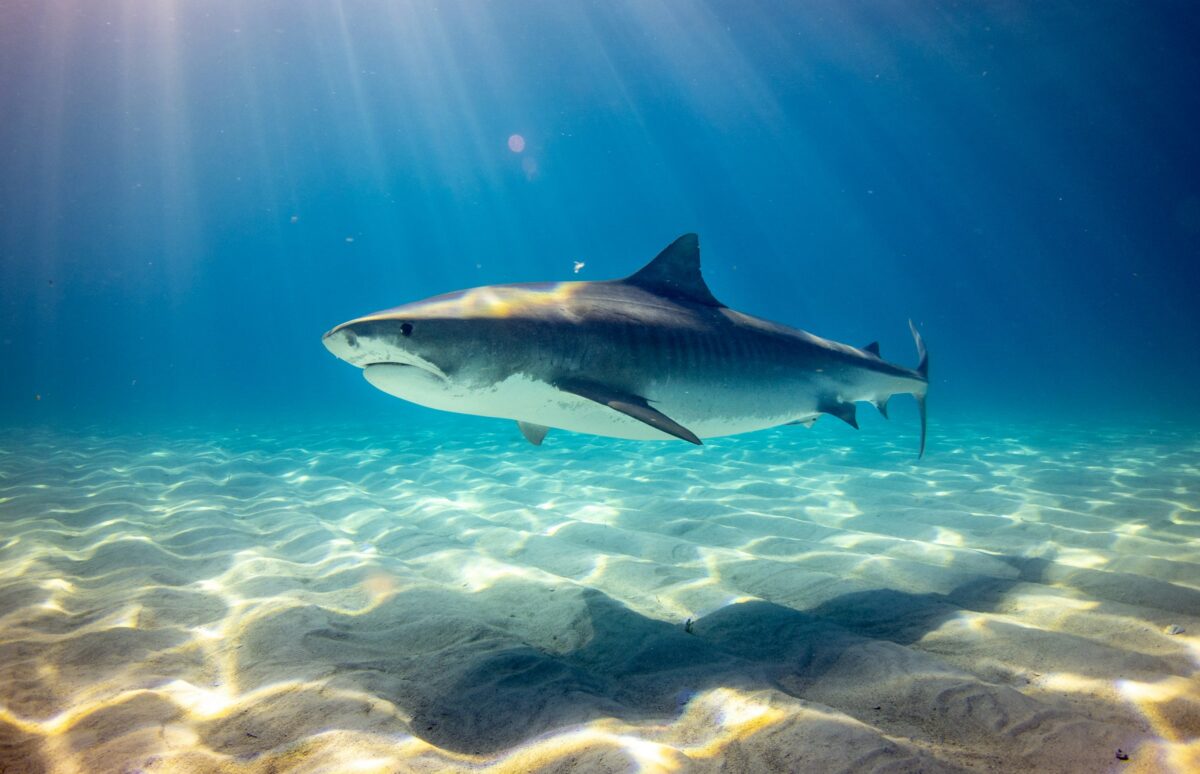
Sharks have long captured the human imagination, often evoking a mix of awe and apprehension. While the United States frequently dominates headlines with its shark encounters, several other coastlines around the world harbor dense shark populations that remain less publicized. Here are six such regions where the convergence of marine life and human activity creates notable shark hotspots.
Australia’s Eastern Seaboard: A Surfer’s Paradise with Hidden Dangers
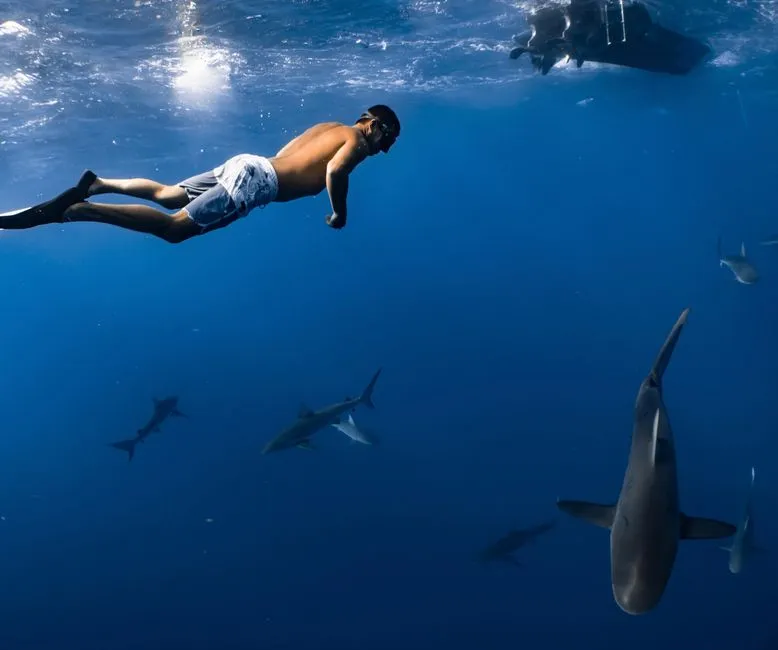
Australia’s eastern coastline, particularly areas like New South Wales and Queensland, is renowned for its pristine beaches and world-class surfing spots. However, these waters are also home to significant shark activity. In 2025, Australia reported 21 unprovoked shark attacks, with five resulting in fatalities. This underscores the presence of species such as the great white, tiger, and bull sharks in these regions.
The interplay between abundant marine life and popular human activities like surfing and swimming increases the likelihood of encounters. Despite this, local tourism boards often emphasize the idyllic nature of these beaches, sometimes downplaying the risks to maintain their appeal.
South Africa’s Cape Coast: A Meeting Point of Currents and Predators
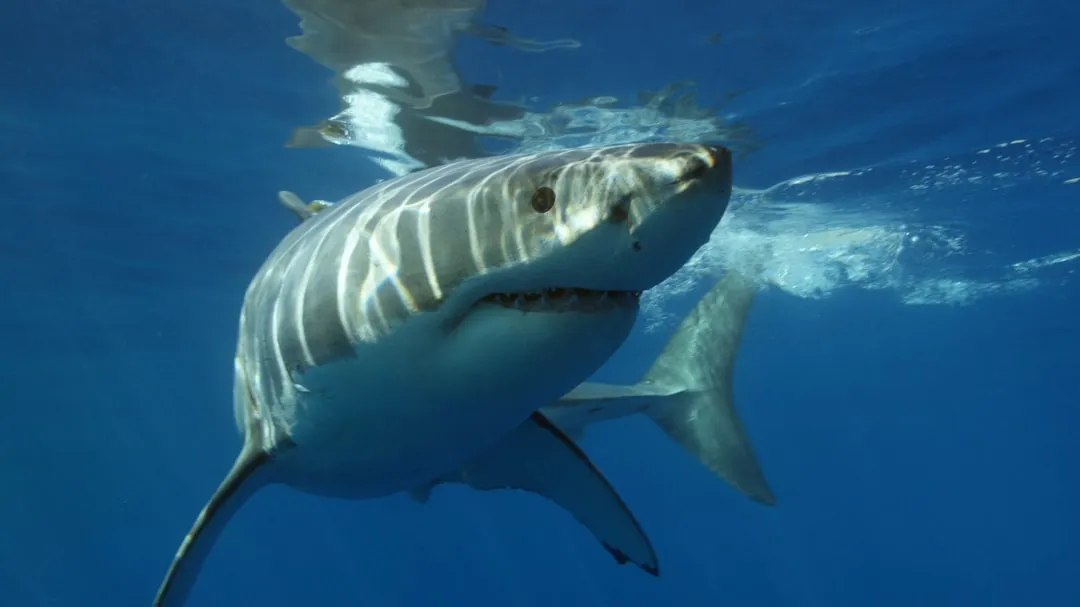
The waters off South Africa’s Cape Coast are a confluence of the Atlantic and Indian Oceans, creating a rich marine ecosystem that attracts a variety of shark species. Notably, the region has recorded 600 unprovoked shark attacks, with 96 being fatal. The presence of great white sharks is particularly prominent, especially around Seal Island, where they are known for their dramatic hunting behaviors.
While shark cage diving has become a popular tourist attraction, offering an adrenaline-fueled glimpse into the world of these apex predators, the inherent risks are often under-communicated. Tourism promotions tend to focus on the thrill and uniqueness of the experience, sometimes glossing over the potential dangers involved.
Brazil’s Recife: Urban Beaches with a Hidden Threat
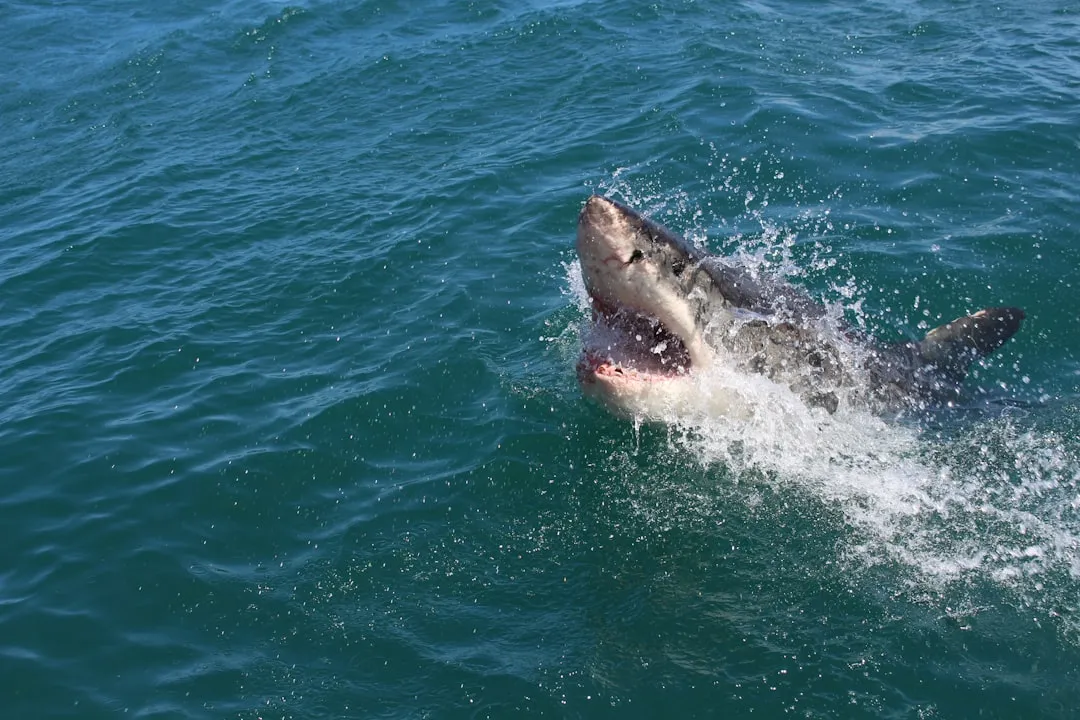
Recife, a vibrant city in northeastern Brazil, boasts beautiful urban beaches that draw both locals and tourists. However, the region has a history of shark attacks, with 126 unprovoked incidents recorded, 30 of which were fatal. The construction of the Suape Port in the 1980s disrupted local marine habitats, leading to increased shark activity near the shore.
Despite efforts to mitigate risks, including warning signs and restricted swimming areas, the allure of Recife’s beaches often overshadows these concerns. Tourism campaigns frequently highlight the city’s cultural and natural attractions, with less emphasis on the potential hazards lurking beneath the waves.
New Zealand’s Bay of Plenty: Serene Waters with Unseen Inhabitants
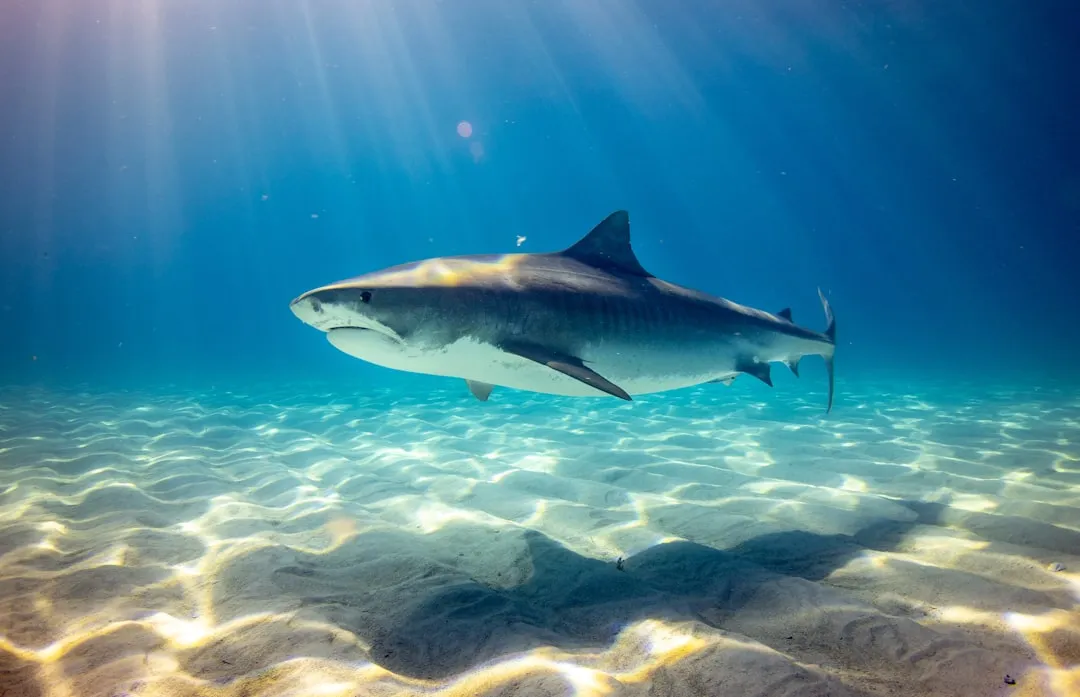
New Zealand’s Bay of Plenty is celebrated for its stunning coastal scenery and abundant marine life. The area has recorded 79 unprovoked shark attacks, with 24 resulting in fatalities. Species such as the bronze whaler and great white sharks are known to inhabit these waters, drawn by the rich feeding grounds.
The region’s popularity for water sports and fishing increases the potential for human-shark interactions. However, local tourism narratives often focus on the bay’s natural beauty and recreational opportunities, with minimal mention of the risks posed by its shark population.
Reunion Island: A Tropical Paradise with a Dark Side
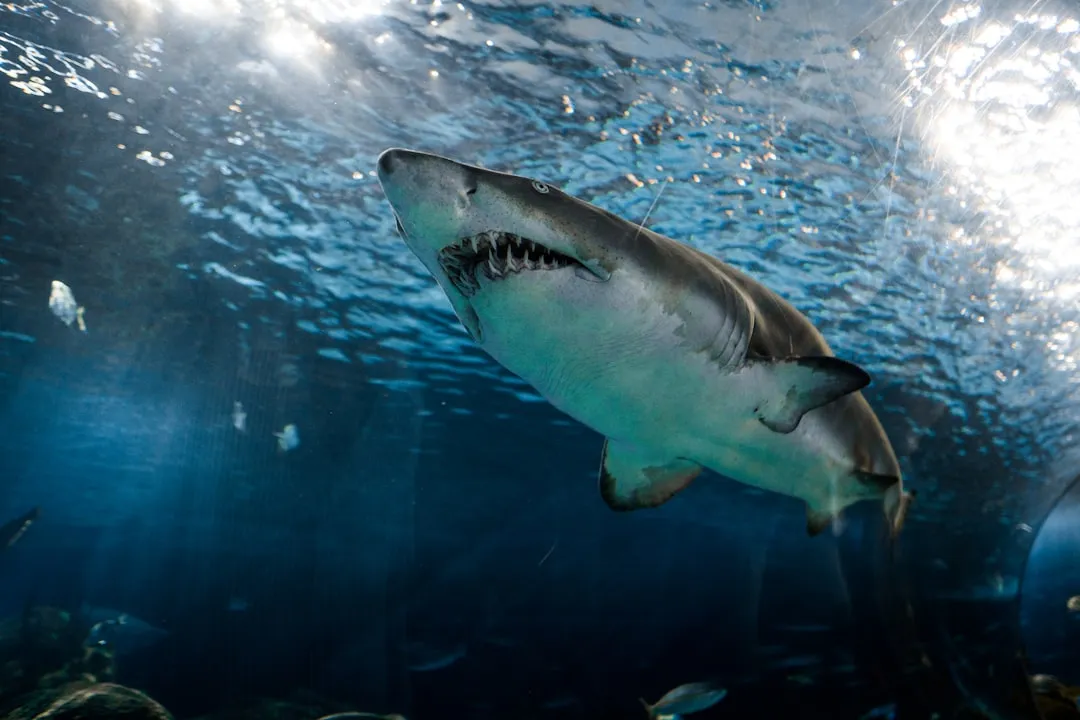
Reunion Island, a French overseas territory in the Indian Ocean, is famed for its volcanic landscapes and surf-friendly beaches. Yet, it has one of the highest rates of shark attacks per capita, with 55 unprovoked incidents, 26 of which were fatal. The presence of bull and tiger sharks in the island’s waters has led to numerous beach closures and surfing bans.
Despite these measures, the island’s tourism industry continues to promote its coastal attractions, often underplaying the severity of the shark threat. This has led to tensions between public safety concerns and economic interests tied to tourism.
Egypt’s Red Sea Resorts: Crystal Waters with Hidden Perils
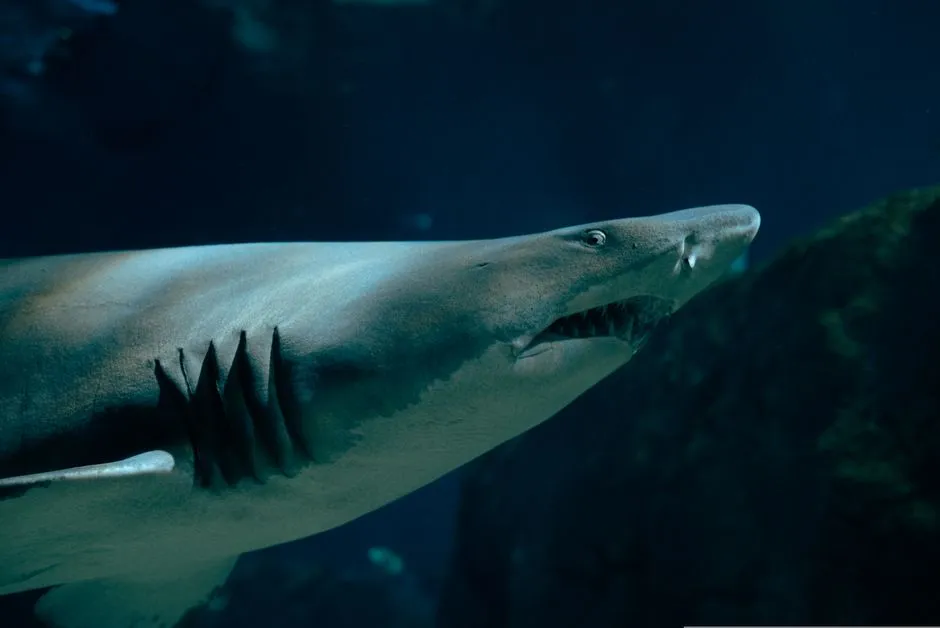
Egypt’s Red Sea resorts, such as Sharm El Sheikh, are renowned for their clear waters and vibrant coral reefs, attracting divers and snorkelers worldwide. The region has recorded 34 unprovoked shark attacks, with nine fatalities. Species like the oceanic whitetip and mako sharks are known to frequent these waters.
While the tourism industry heavily markets the Red Sea’s underwater wonders, incidents of shark attacks are often downplayed or attributed to unusual circumstances. This approach aims to preserve the area’s reputation as a premier diving destination, sometimes at the expense of full transparency regarding potential risks.
In conclusion, while these regions offer breathtaking natural beauty and unique experiences, it’s crucial for tourists to be aware of the inherent risks associated with their waters. Local tourism boards, in their quest to attract visitors, may not always provide comprehensive information about shark activity. Therefore, travelers should exercise caution, stay informed through multiple sources, and adhere to local safety guidelines to ensure a safe and enjoyable experience.

- 7 Apex Predators That Are Actually Afraid of One Specific Animal Smaller Than Themselves and the Encounters That Confirmed It - July 18, 2026
- 10 Animals That Researchers Confirmed Can Recognize Themselves in a Mirror – and the One Near the Bottom of the List That Rewrote the Criteria Entirely. - July 18, 2026
- 6 Most Shark-Dense Coastlines Outside the United States That Tourism Boards Have Been Very Quiet About - July 18, 2026