
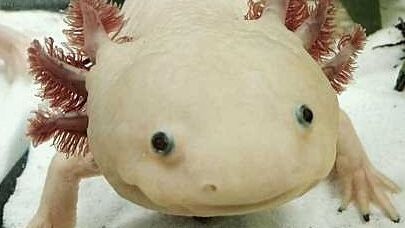
There is a creature living in the ancient canals of Mexico City that seems to exist outside the normal rules of biology. It smiles at you. It keeps the feathery gills of a baby for its entire life. It can rebuild a limb from scratch. It carries the name of an Aztec god. Honestly, the more you learn about the axolotl, the more you wonder how something this extraordinary has managed to stay hidden in plain sight for so long.
This is not just a cute internet animal or a quirky pet. The axolotl is a biological marvel that has been puzzling scientists, inspiring myths, and quietly reshaping our understanding of medicine for centuries. What it holds within its tiny, smiling body may one day transform how humans heal from injury. Let’s dive in.
A Name Born from Aztec Mythology
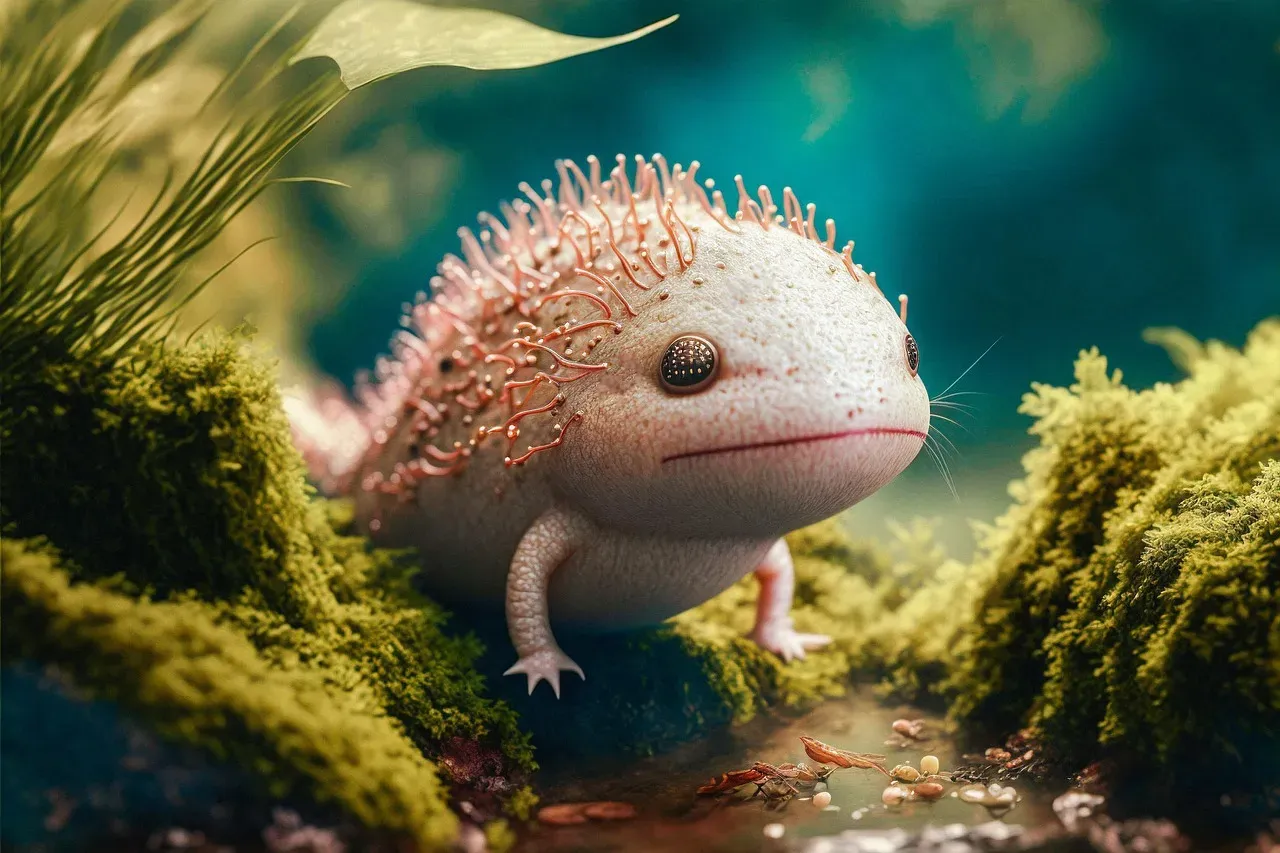
Long before any scientist ever looked at an axolotl under a microscope, the Aztec people had already given it a sacred identity. The term “axolotl” is a Nahuatl word which has been translated variably, interpreted as “water slave,” “water servant,” “water sprite,” “water player,” “water monstrosity,” “water twin,” or “water dog.” That is quite a resume for one word.
According to Aztec mythology, the god Xolotl, twin of the feathered serpent Quetzalcoatl, transformed into an axolotl to escape sacrifice. Xolotl was unwilling to die in order to give movement to the new Sun, so he transformed himself into a young maize plant with two stalks, a doubled maguey plant, and an amphibious animal that later became known as the axolotl.
The Aztecs revered the animal as sacred, yet also relied on it as a nutritious food source. There is something almost poetic about a creature that is simultaneously a fallen god and a dinner ingredient. The Aztecs, it seems, had complicated feelings about their axolotls too.
The Peter Pan of the Animal Kingdom
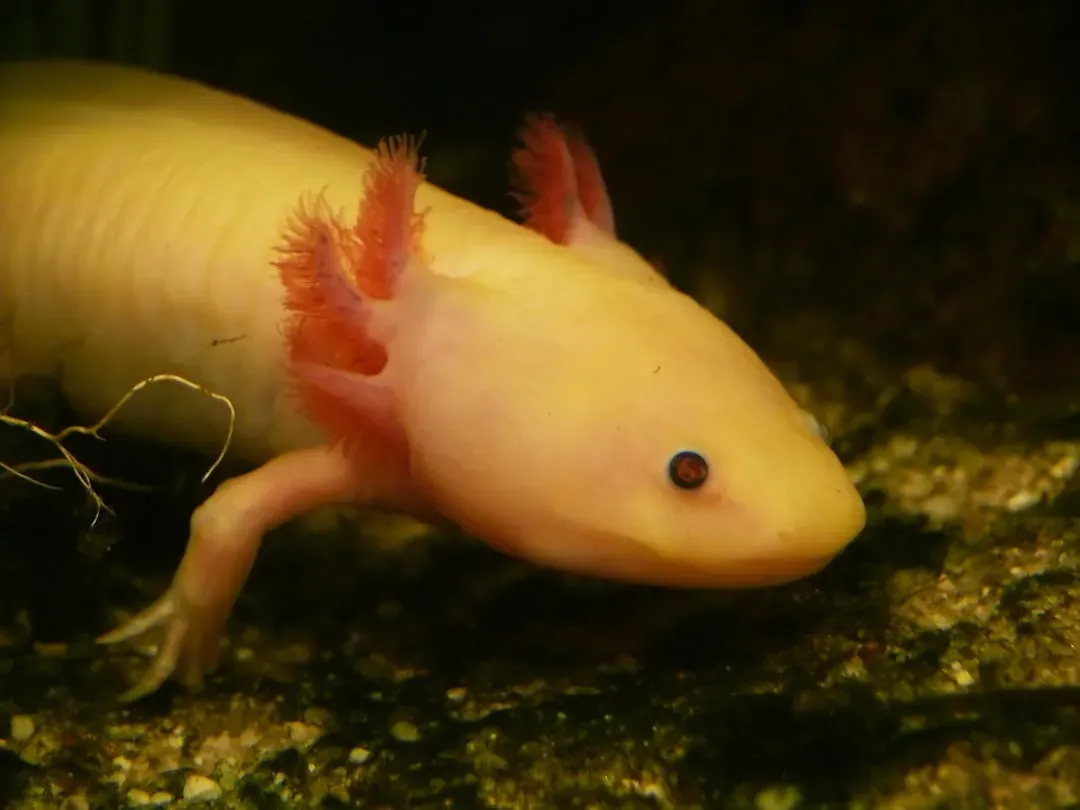
Here is the thing that makes the axolotl genuinely unlike almost anything else on the planet. It never grows up. Not because it is stunted, but because it has evolved to stay in its juvenile form forever. Axolotls can regenerate lost limbs and have a life cycle that allows them to stay “young” their whole lives, a phenomenon called neoteny.
Unlike most other amphibious salamanders, axolotls are neotenic animals that retain juvenile traits throughout their lifetime. Their close relatives, like the tiger salamander, undergo metamorphosis as they mature, losing the fringed gills and caudal fin that make axolotls so distinctive. Their neoteny is possible because axolotls lack thyroid-stimulating hormone, a precursor to thyroxine: the necessary component to kick-start metamorphosis.
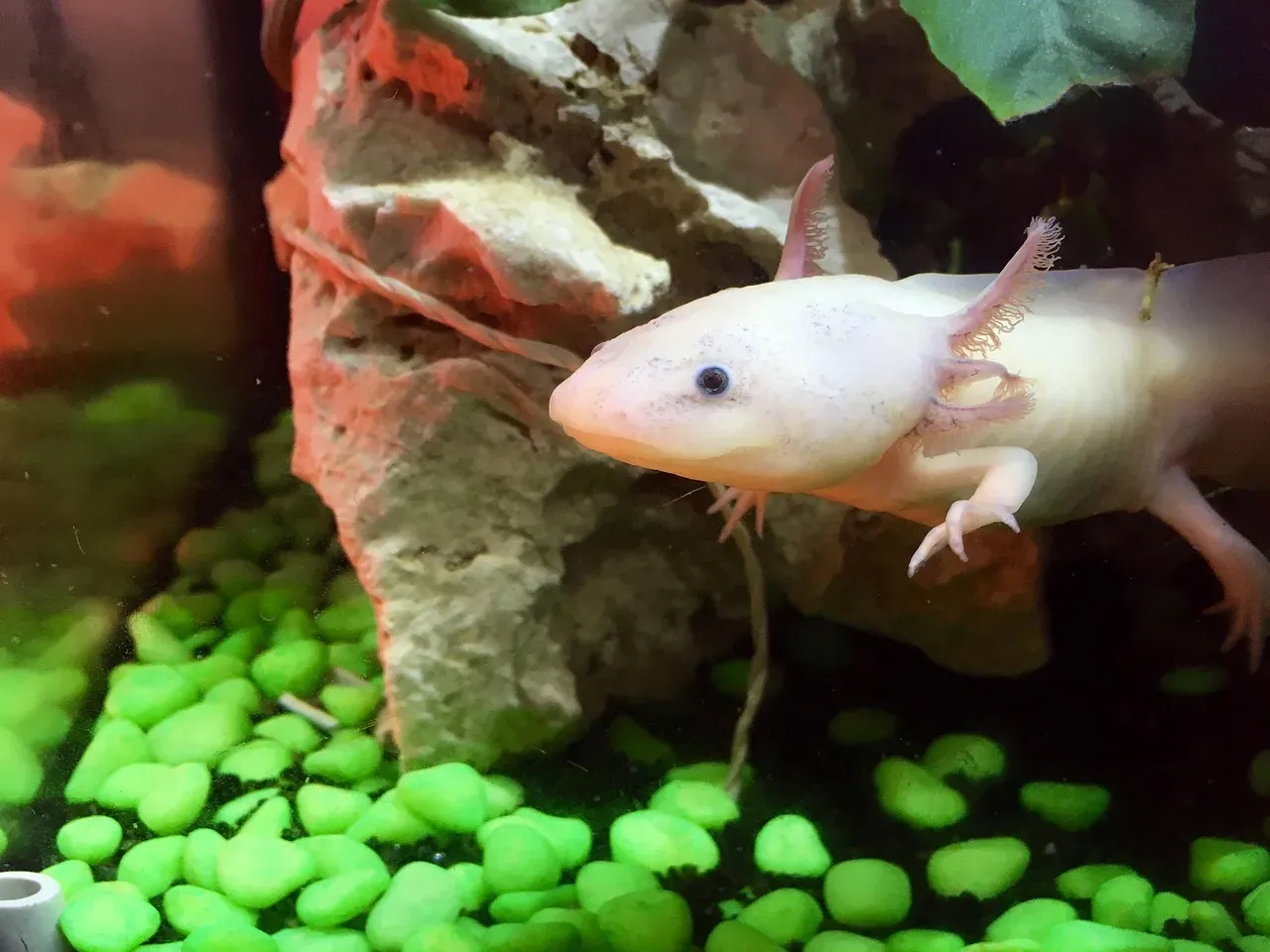
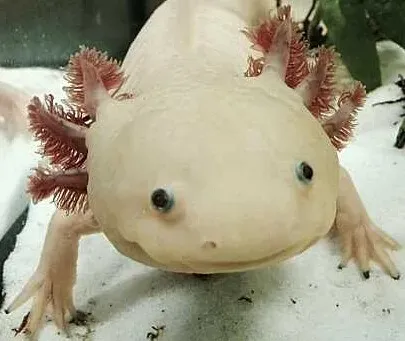
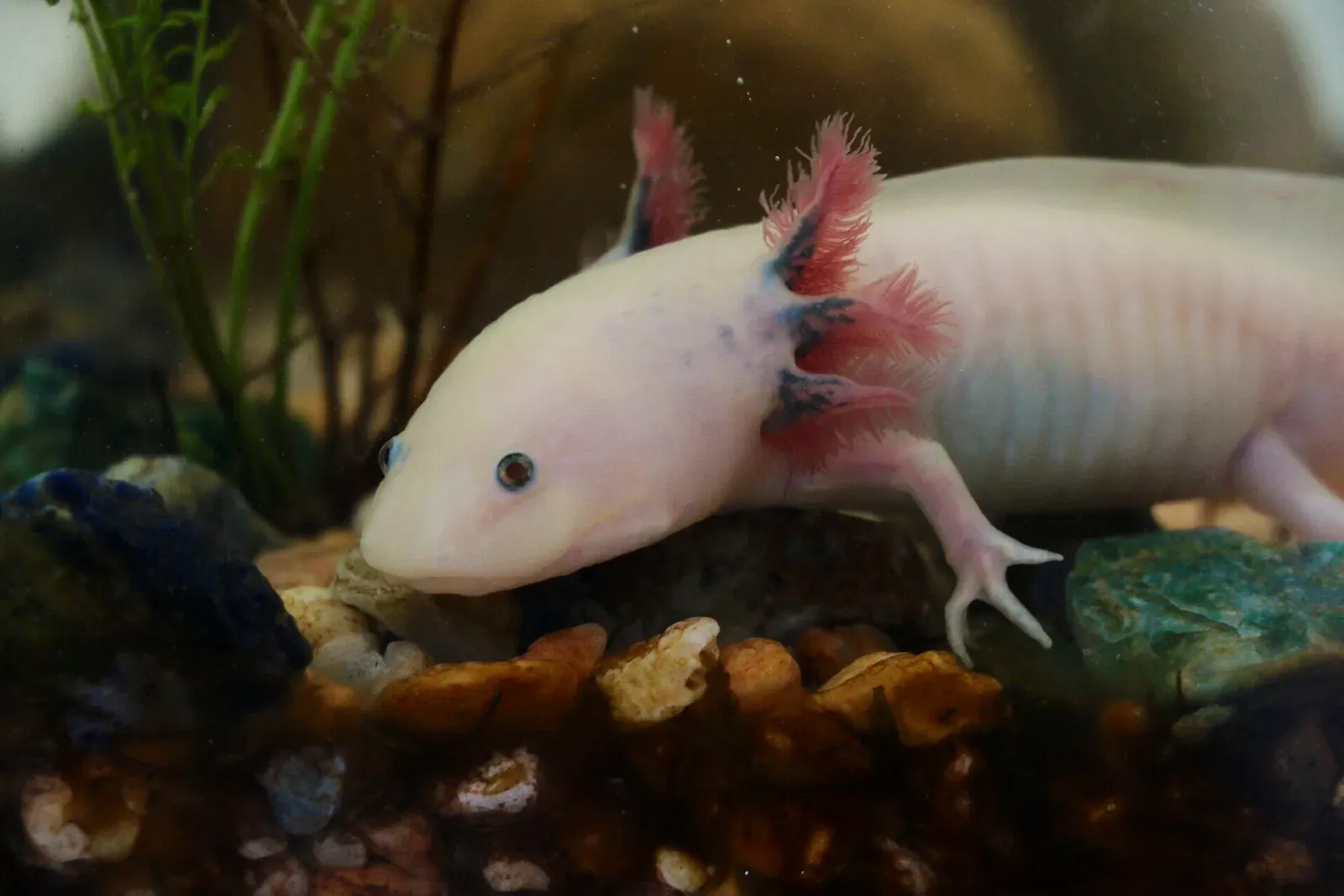
Their youthful traits include feathery gills sprouting from their heads like a mane, webbed feet, a dorsal fin that runs down the length of their body, and a tail. Though they keep these external gills, adults also have functional lungs and can breathe through their skin. Think of it like never leaving the larval stage but still being fully capable of reproduction. It sounds impossible, but that is exactly what this creature does.
The Superpower of Regeneration
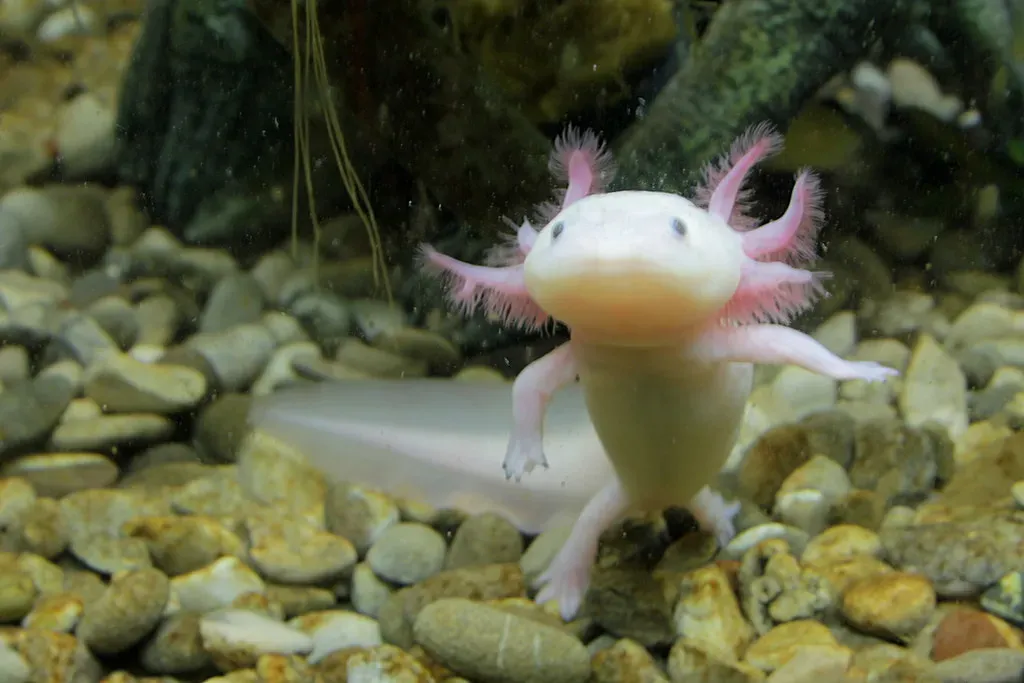
This is where the axolotl stops being merely interesting and starts being almost unbelievable. The axolotl can regenerate almost any body part, including brain, heart, jaws, limbs, lungs, ovaries, spinal cord, skin, and tail. Read that list again slowly. It is not a typo.
The feature of the axolotl that attracts most attention is its healing ability: the axolotl does not heal by scarring, but is capable of tissue regeneration. Entire lost appendages such as limbs and the tail can regrow over a period of months. They can even restore parts of their central nervous system, such as less vital parts of their brains. Moreover, they can readily accept transplants from other individuals, including eyes and parts of the brain, restoring these “alien organs” to full functionality.
In special cases, axolotls have been known to repair a damaged limb while also regenerating an additional one, ending up with an extra appendage which makes them attractive to pet owners as a novelty. I think that last detail is both fascinating and a little unsettling. An extra limb as a bonus feature. Nature is wild.
How the Body Knows What to Grow Back
Scientists have long scratched their heads over one central mystery: how does an axolotl know exactly which body part to regenerate in the right place? The answer, researchers have recently started to uncover, is surprisingly elegant. Retinoic acid could be the key to the axolotl’s incredible ability to know which limb to regrow where. By examining axolotls, researchers discovered the animals have a gradient of retinoic acid signaling. In the arm, for example, axolotls have more retinoic acid in their shoulders and less of the enzyme CYP26B1 that breaks it down, and less retinoic acid in their hands.
The retinoic acid acts as a cue to the regenerative cells, called fibroblasts, telling them what to grow back and how much to grow back. Think of it as a molecular GPS system, a chemical map embedded into the body that tells each cell: “You are here, and this is what needs to come back.”
Amputating an axolotl’s arm or leg causes cells to proliferate in distant parts of the body as well as near the wound. In cases when an axolotl loses two limbs in quick succession, losing the first primes axolotls to regenerate the second lost limb faster. The whole body mobilizes. It is not just local repair. It is a full system-wide response.
A Genome Ten Times Bigger Than Ours
You might assume that a small aquatic salamander would have a modest, manageable genome. You would be magnificently wrong. The 32 billion base pair long sequence of the axolotl’s genome was published in 2018; it was the largest animal genome completed at the time. It revealed species-specific genetic pathways that may be responsible for limb regeneration.
Although the axolotl genome is about 10 times as large as the human genome, it encodes a similar number of proteins: 23,251, compared to about 20,000 in the human genome. So most of that enormous extra size is not extra instructions. The size difference is mostly explained by a large fraction of repetitive sequences, which also contribute to increased median intron sizes that are 13 to 25 times that observed in humans, mice, and Tibetan frogs.
It is a bit like having a book ten times the length of the human instruction manual but with the same number of chapters. Most of it is what geneticists call “junk,” though scientists are increasingly suspicious that “junk” is doing more than it lets on. In 2018, February 1 was declared National Day of the Mexican Axolotl by the Senate of the Republic of Mexico, thanks in part to a study in the journal Nature which revealed the axolotl genome has 32 billion base pairs in its DNA.
A Remarkably Low Cancer Rate
Here is a fact that surprises almost everyone. An animal capable of rapidly multiplying cells on demand to rebuild entire organs should, logically, be a cancer disaster waiting to happen. Yet the opposite is true. The regeneration process in axolotls is completed without tumorigenesis, and cancer incidence in these animals is also surprisingly low.
According to evolutionary biologists, the limited regeneration potential of higher organisms, including most mammals, is probably due to the trade-off between regenerative capacity and cancer development. The altered gene expression profile needed to stimulate proliferation, migration, and activation of progenitor cells during regeneration is quite risky and resembles the activities in tumors.
The axolotl somehow sidesteps this trade-off entirely. It is hard to say for sure exactly how, and researchers are still working on it. This underexplored phenomenon holds the promise to explain the factors influencing cancer development or resistance and why it varies across species, making it a priority research area for axolotl geneticists.
A Living Lesson for Human Medicine
The reason scientists around the world maintain laboratories full of axolotls is not just academic curiosity. The stakes are genuinely enormous. Understanding the signal for regeneration is a major step toward applying these lessons to humans. Humans have retinoic acid and fibroblasts too, but unlike the axolotl’s body, where signals are getting sent between all these biological players, the cells in the human body are just not listening in the same way.
When we injure an arm, our fibroblasts lay down collagen and start making a scar. In axolotls, the fibroblasts listen to retinoic acid and “turn back time just a little bit,” growing a new skeleton. That gap, between a scar and a new limb, is what regenerative medicine is racing to close.
The molecular and cellular pathways researchers are investigating in axolotls also exist in humans, and the limb buds from which arms and legs grow during human embryonic development bear some resemblance to blastemas, from which axolotls regenerate lost limbs. We were all capable of this once, during development. The axolotl never forgot how.
An Incredible Coloring Range and a Signature Smile
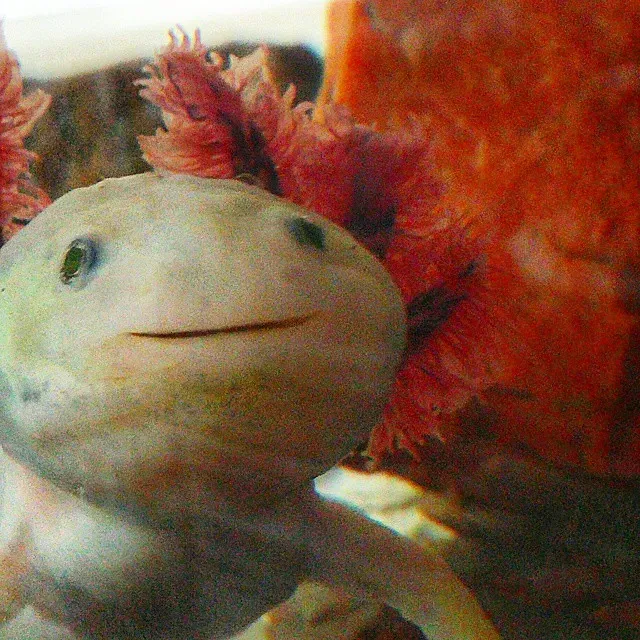
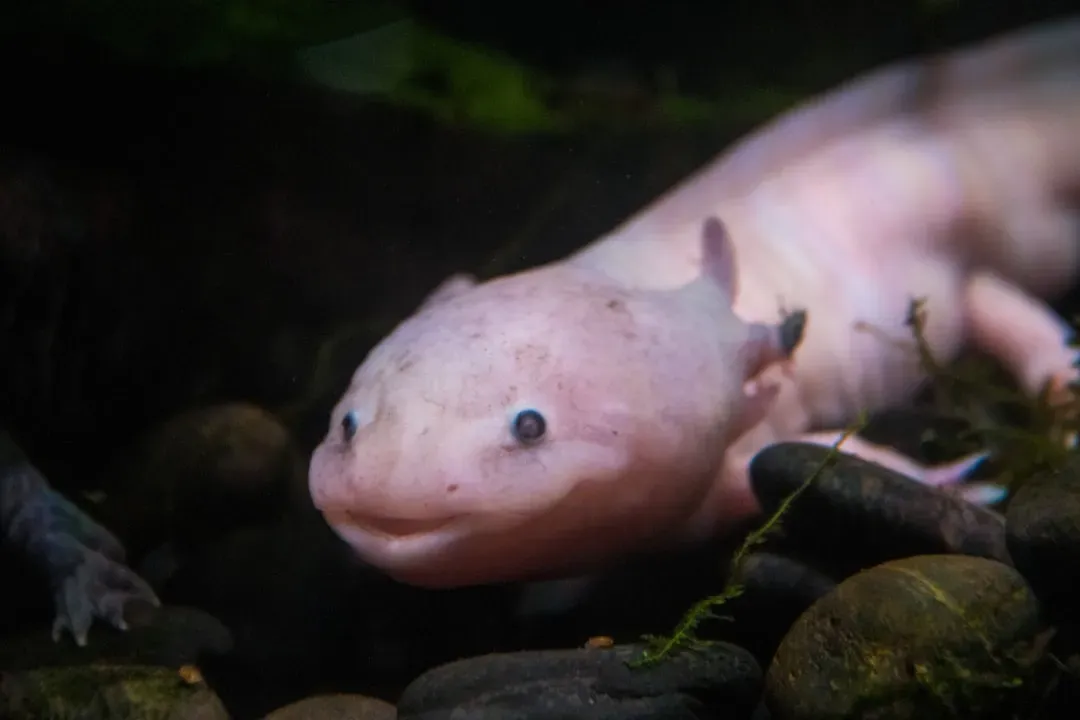
Beyond their biology, axolotls have a look that is genuinely unforgettable. That permanent upturned mouth, the wide lidless eyes, the crown of feathery gills. As if being forever-babies didn’t make them cute enough, they wear a permanent Mona Lisa smile. It is a feature that has made them one of the most recognized exotic animals in the world.
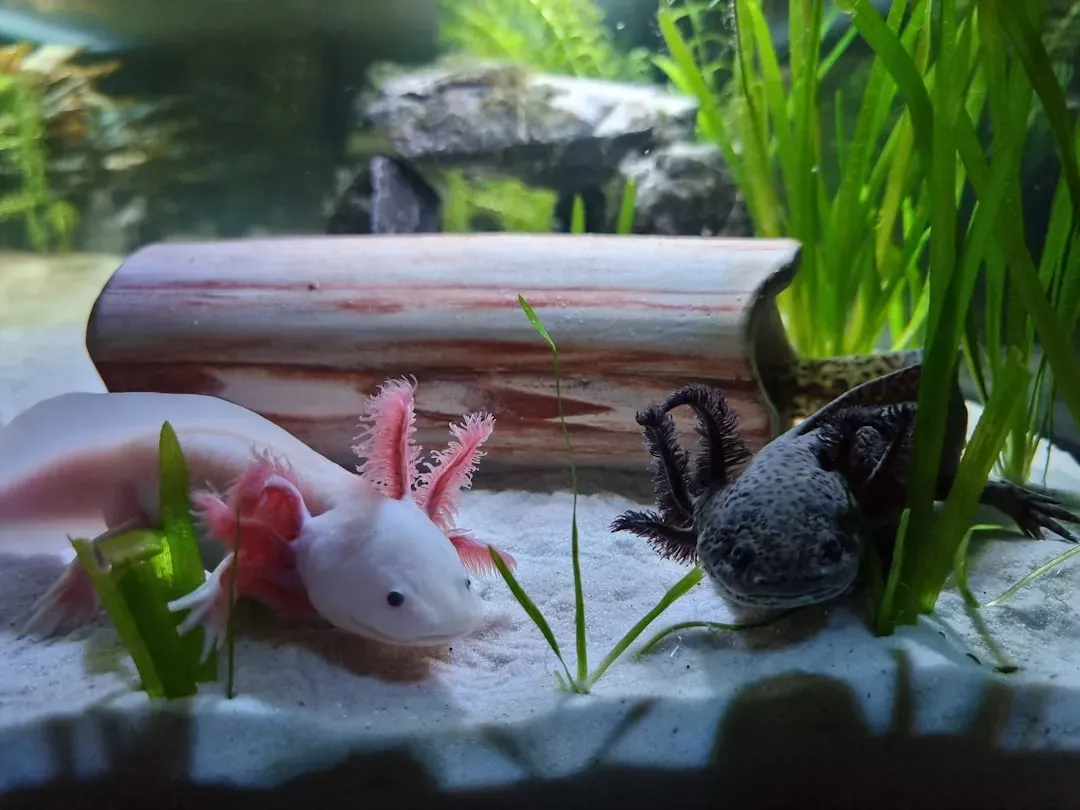
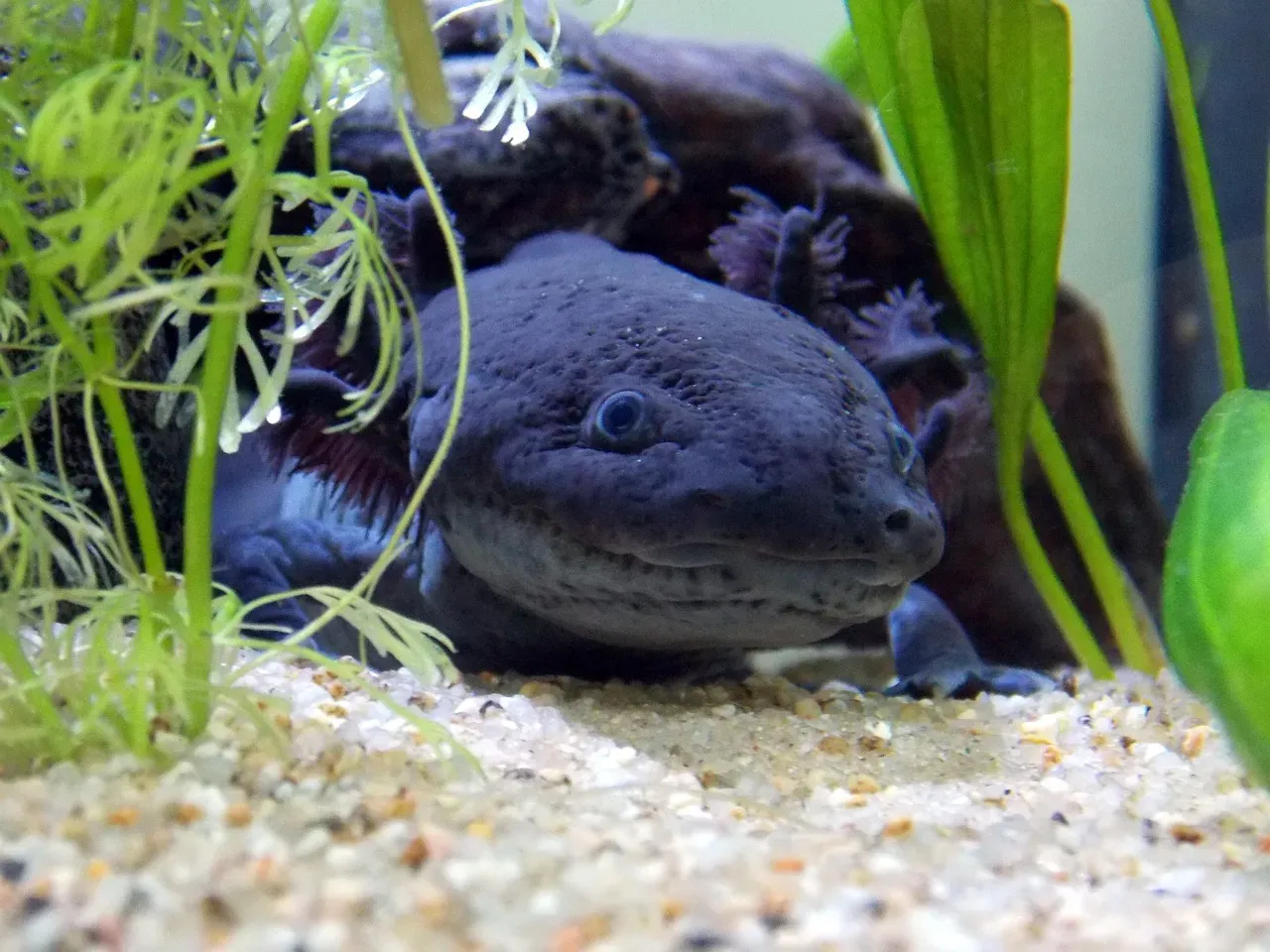
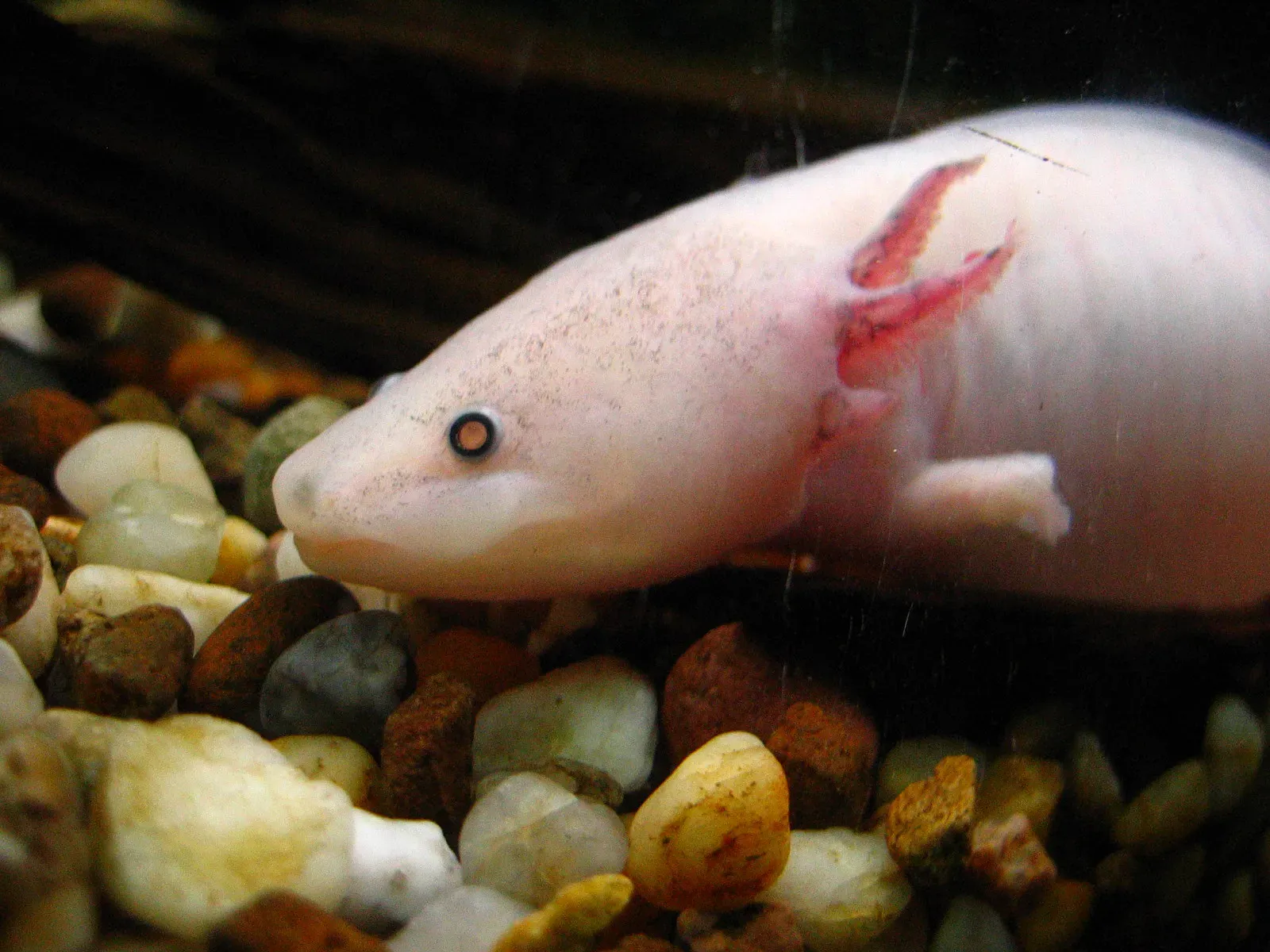
Most wild axolotls are a dark grayish brown. The famous pink axolotls, as well as other color variants such as white, blue, yellow, and black, are genetic anomalies that are rare in the wild but selectively bred for in the pet trade. The pink and white versions that most people picture are, in a sense, a captive invention, shaped over generations by human preference.
Most of the animals in the pet trade have very small genetic variance. Pet axolotls tend to be inbred and lack the wide flow of different genes that makes up a healthy population in the wild. Their cuteness has made them globally famous, yet that same popularity has created a complicated situation for their conservation.
A Species on the Edge of Extinction in the Wild
Here is where things get genuinely heartbreaking. The animal inspiring regenerative medicine breakthroughs across the globe is vanishing from the one place on Earth it calls home. This aquatic salamander, found nowhere else on Earth, has witnessed its population crash by 99.4 percent in less than two decades. Axolotl numbers fell catastrophically from approximately 6,000 individuals per square kilometer in 1998 to just 100 by 2008, then further to 36 by 2014.
The primary threats to axolotls include pollution from urban runoff and untreated sewage which have severely degraded water quality in Xochimilco, non-native fish introduced for human consumption that prey on axolotls and compete for food, and urbanization and agricultural expansion that have fragmented their natural habitats.
The species’ plight is regarded as a conservation paradox: although abundant in captivity, rampant habitat degradation and disturbance has rendered the species critically endangered in the wild. Countless specimens sit in labs and pet tanks worldwide, while the wild population teeters on the very edge of collapse.
A Glimmer of Hope from Conservation Science
The situation is bleak, but it is not without rays of light. Critically endangered axolotls that were captive-bred then released into wetlands in Mexico City have successfully adapted to the wild, a new study has found, giving new hope to scientists trying to save the species from extinction.
Scientists achieved a conservation milestone in 2025 when captive-bred axolotls survived and thrived after release into wild habitats. A study published in PLOS One tracked 18 captive-bred axolotls released into Lake Xochimilco’s restored chinampas and an artificial wetland at La Cantera Oriente. The amazing news, according to study lead author Alejandra Ramos, is that they all survived, and not only that, but the ones that were recaptured had gained weight, showing they were actively hunting.
In an effort to reverse the decline, conservationists are working with chinamperos, traditional farmers, to create pesticide-free sanctuaries within the canals. These areas mimic the axolotl’s natural habitat, providing safe spaces for them to breed and thrive. A 2025 study also confirmed the viability of releasing captive-bred axolotls into the wild, with recaptured animals putting on weight since their release. It is a fragile victory, but a real one.
Conclusion
The axolotl is genuinely one of a kind. It refuses to grow up, smiles at you through the glass, rebuilds its own brain, carries the name of an Aztec god, and holds secrets inside its enormous genome that researchers are still working hard to decode. It is an animal that makes you rethink what biology is capable of.
Yet this extraordinary creature clings to survival in just a few surviving canals of Lake Xochimilco, battling pollution, invasive species, and a rapidly shrinking habitat. The creature that may one day help humans regenerate limbs is itself on the brink of disappearing forever from the wild.
If there is one thought worth taking away from all of this, it is that the most scientifically important animals are not always the largest or most dramatic. Sometimes they are a small, eternally smiling salamander quietly swimming through ancient Mexican canals. What would you be willing to do to make sure it keeps swimming? Tell us your thoughts in the comments.
