

There are birds that impress you with their songs, birds that dazzle with their colors, and then there is the secretary bird – a creature so wonderfully bizarre, so astonishingly capable, that it almost feels like nature was showing off the day it designed one. Tall as a child, lethal as a trained fighter, and elegant as a runway model, this African raptor carries a presence that demands attention.
Most people have never heard of it. Fewer still know what it’s truly capable of. What you’re about to read might change the way you think about birds entirely. Let’s dive in.
It Belongs to a Family All Its Own
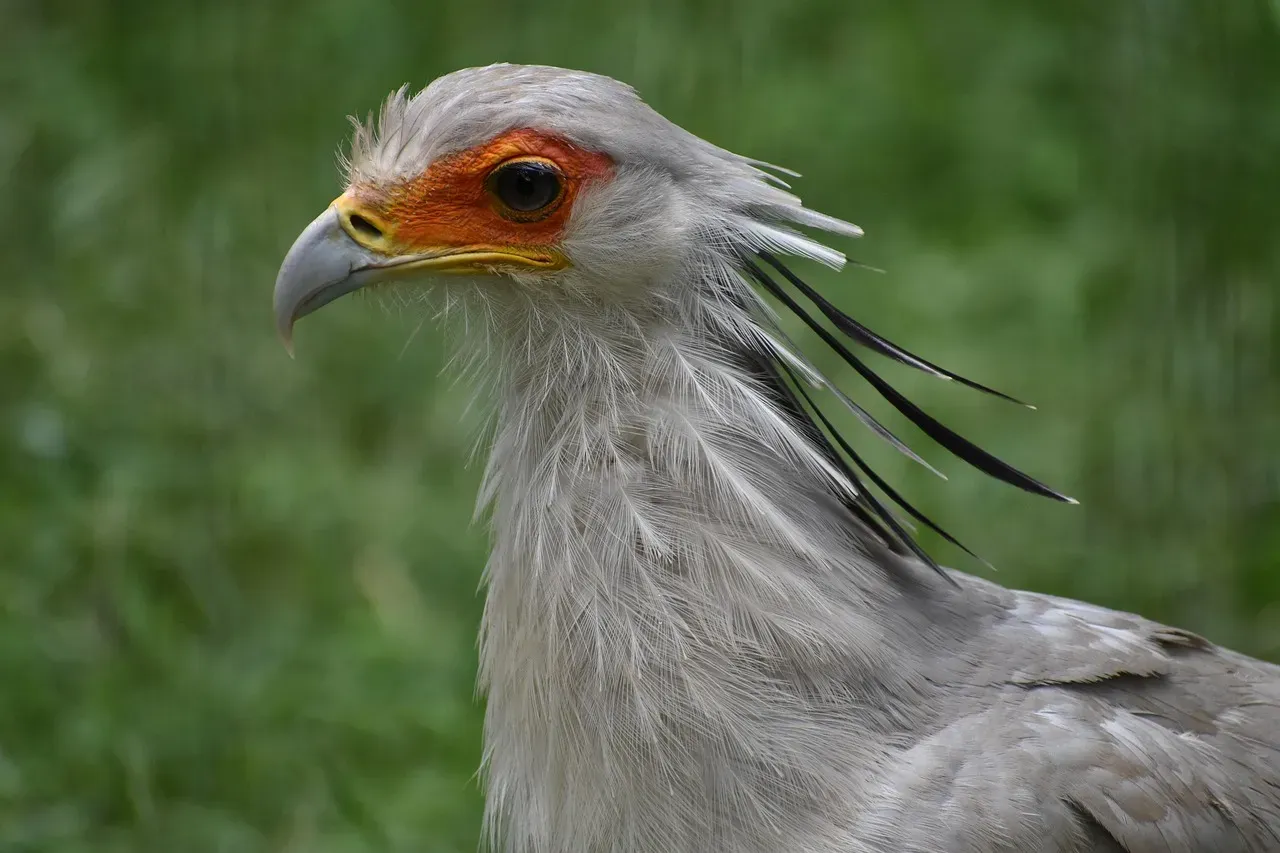
The secretary bird, scientifically known as Sagittarius serpentarius, is a large bird of prey that is endemic to Africa. Here’s the thing though – it doesn’t quite fit neatly into the world of raptors as you might imagine it. A member of the order Accipitriformes, which also includes eagles, hawks, kites, vultures, and harriers, it is placed in its own family, the Sagittariidae.
Native to savannahs and grasslands in sub-Saharan Africa, secretary birds are the one and only members of their family. That’s right – it’s the only one. Think of it like being the last surviving member of a dynasty. Lonely perhaps, but undeniably unique.
The evolutionary relationship of the secretarybird to other raptors had long puzzled ornithologists. The species was usually placed in its own family within the order Falconiformes. A large molecular phylogenetic study published in 2008 concluded that the secretarybird was sister to a clade containing ospreys and the kites, hawks, and eagles in the family Accipitridae. Science took a long time to figure this bird out. Honestly, can you blame them?
The Name Is a Delicious Mystery
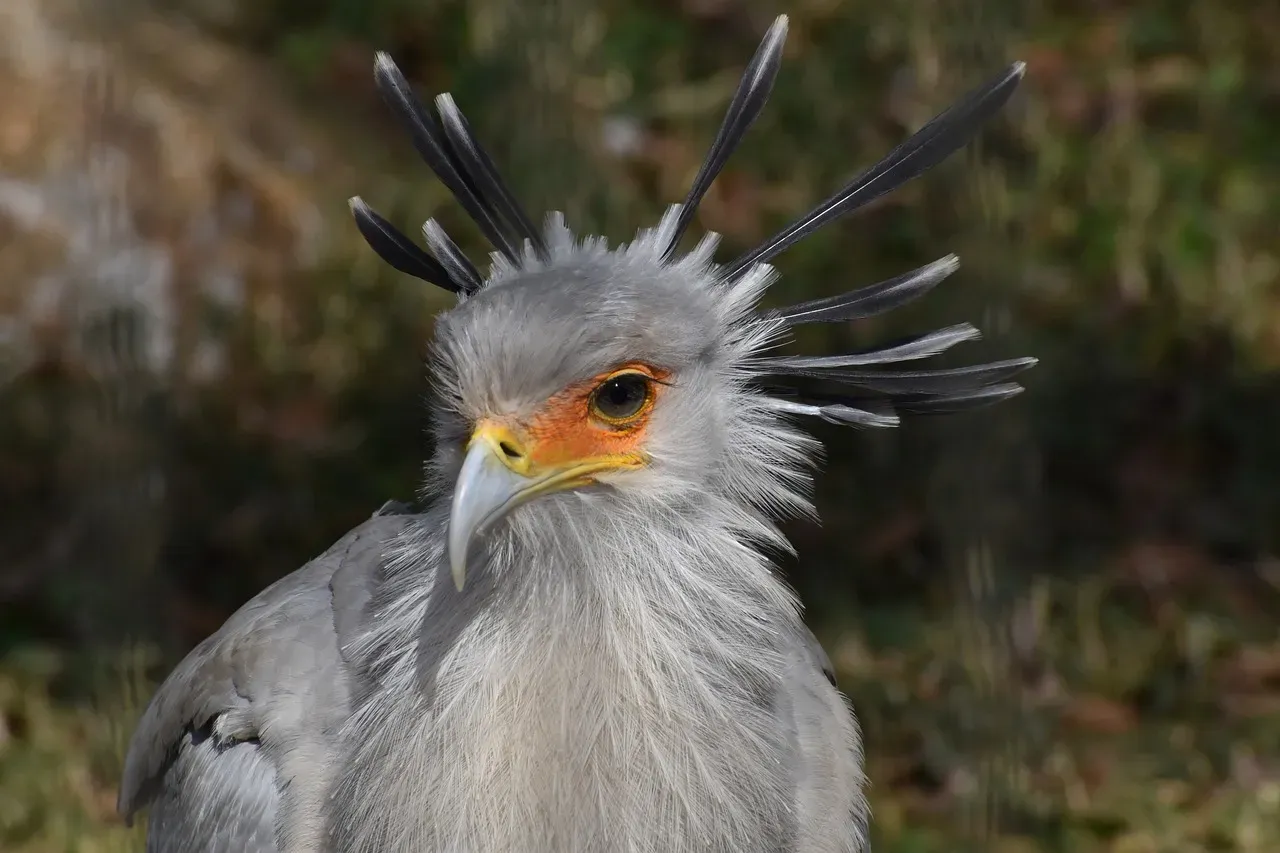
One of the most entertaining rabbit holes in ornithology is trying to figure out where this bird actually got its name. It’s not known for sure where the name “secretary bird” originated. There are at least two compelling theories, and neither one is boring.
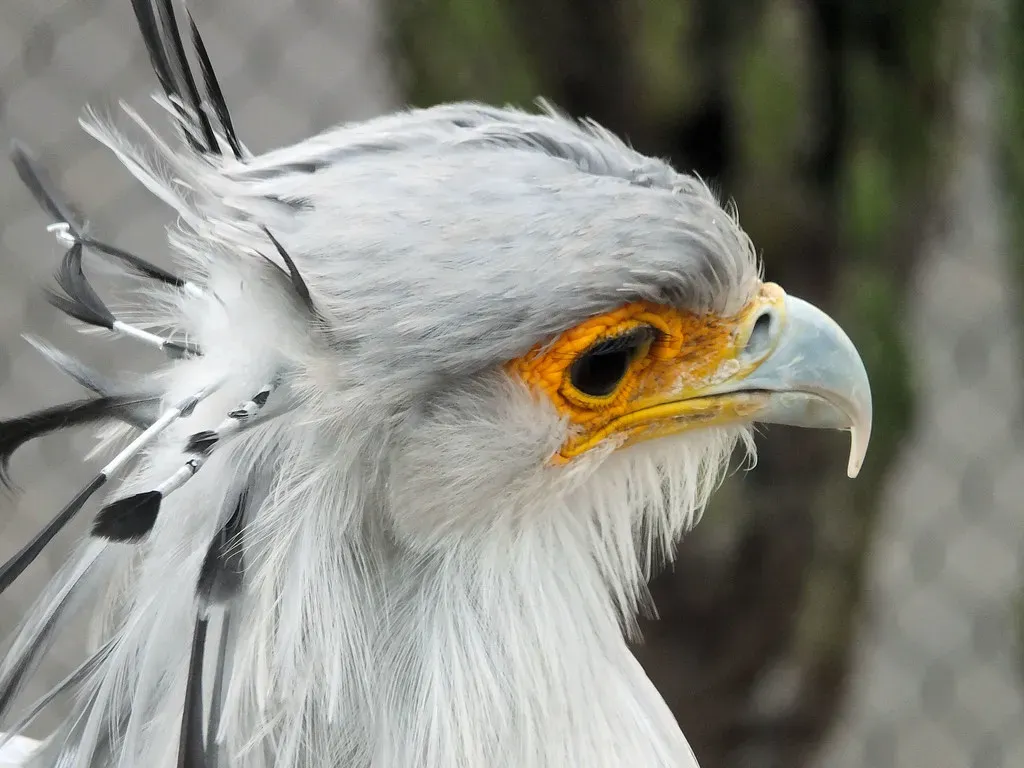
The secretary bird’s English name was once thought to come from the 1800s, when Europeans first spotted these birds. Back then, male secretaries wore gray tailcoats and dark knee-length pants. They also used goose-quill pens that they carried behind their ears. This long-legged bird shares many of these same physical features: long, dark quills at the back of the head; long, gray wing and tail feathers that resemble a tailcoat; and black feathers that go midway down the legs like short pants.
It is more likely, however, that the name derives from the Arabic “saqr-et-tair” or “hunter bird.” I think both theories are charming, and the truth is we may never fully settle this debate. What’s certain is that few birds in history have earned a more intriguing title.
It Is Built Like Nothing Else in the Sky
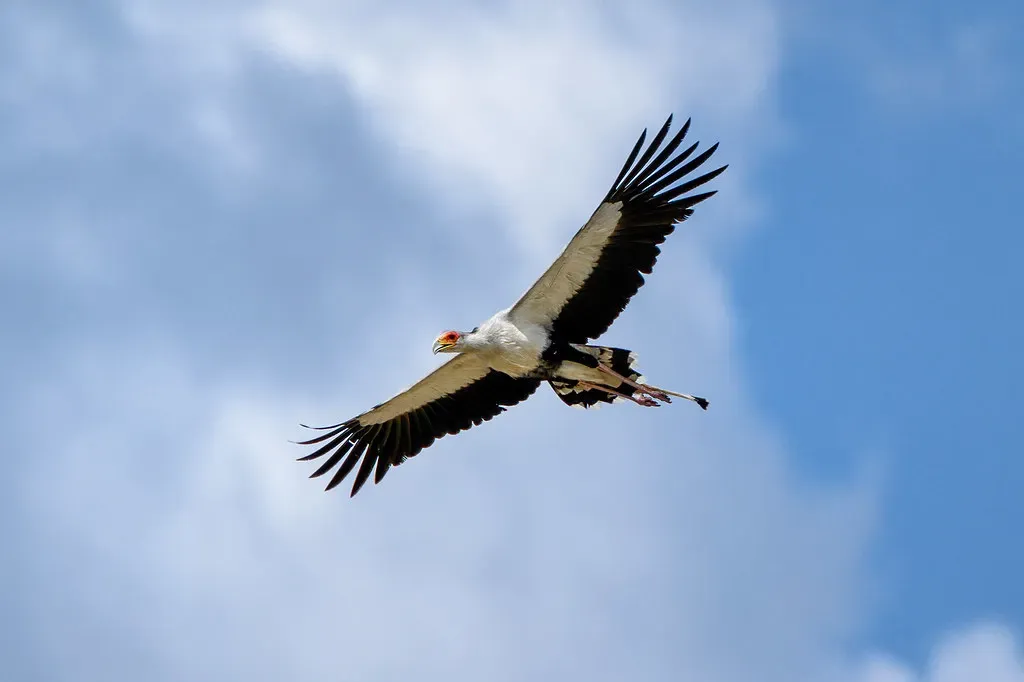
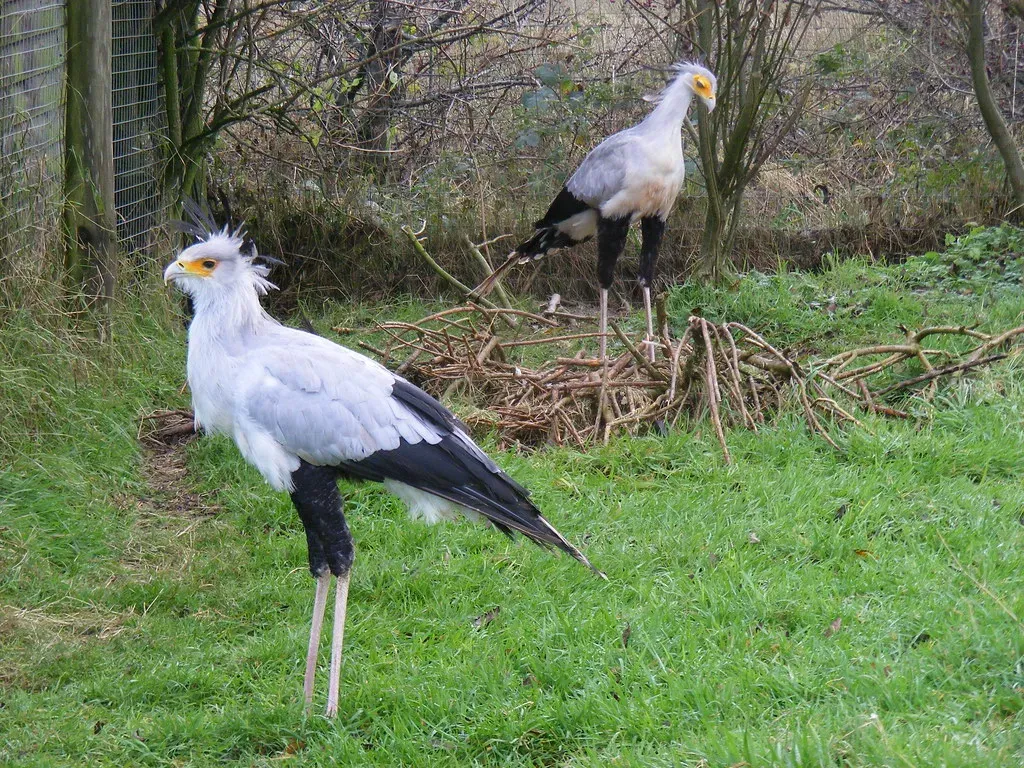
The secretarybird is instantly recognisable as a very large terrestrial bird with an eagle-like head and body on crane-like legs. It stands about 1.3 metres tall. To put that into perspective, that’s roughly the height of a seven-year-old child – strutting around the African savanna like it owns the place.
It has a length of between 1.1 and 1.5 metres and a wingspan between 1.9 and 2.1 metres. Its weight ranges from 3.74 to 4.27 kilograms. The secretary bird has the longest legs of any bird of prey. That combination – massive wingspan, towering height, those impossibly long legs – makes it look less like a bird and more like a sci-fi creation.
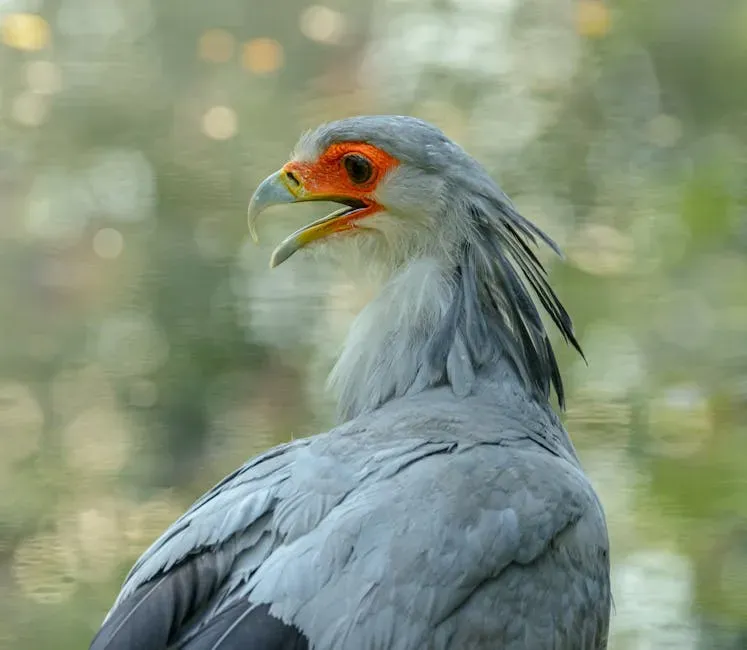
The secretary bird is distinguished by its long legs and a dramatic black crest of feathers on the back of its head. Its body is covered in whitish-gray feathers, with two long, black-tipped tail feathers. Its bare face is usually yellow, orange or red. The top half of its long legs has black feathers, so it looks a bit like it’s wearing bicycle shorts. Honestly, bicycle shorts. Nature has a sense of humor.
Its Kick Could End You – Literally
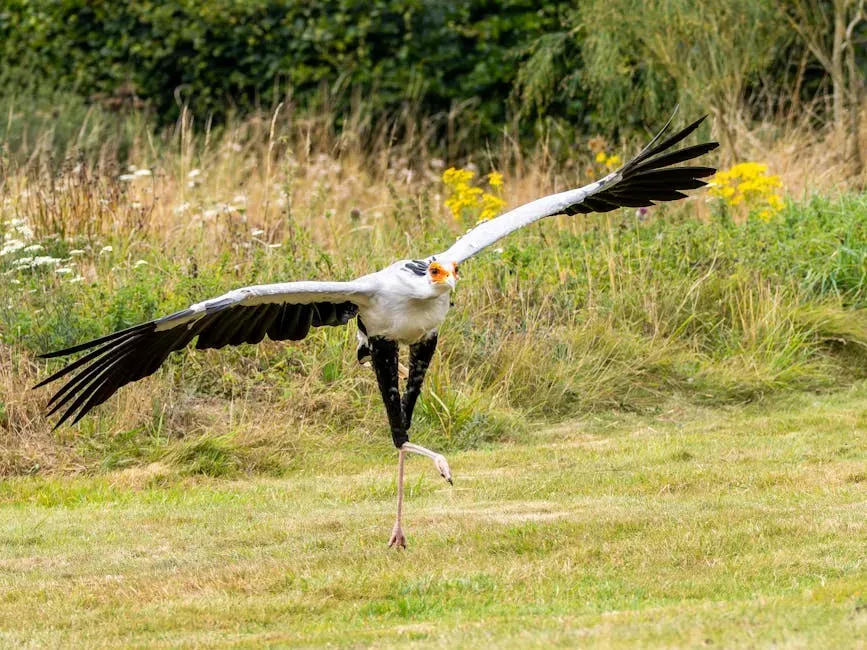
This is where things get genuinely jaw-dropping. A team of scientists from Royal Holloway, University of London, the Royal Veterinary College and the Hawk Conservancy Trust discovered that secretary birds can kick with 195 Newtons, which is equivalent to five times their own body weight, when they attack and kill their prey. The contact time between the bird’s feet and the snake is delivered extremely quickly – on average just 15 milliseconds.
To put that into perspective, it takes you around 150 milliseconds to blink your eyes – in just a fraction of that time, the secretary bird can easily incapacitate a deadly mamba. Let that sink in. The entire lethal strike is complete before your eye has even finished closing. That’s not hunting. That’s performance art.
As secretary birds hunt venomous snakes, a missed strike could have deadly consequences, so the birds are capable of delivering fast, forceful and accurate foot strikes that are sufficient to stun and kill prey. The exceptionally rapid strike contact duration is roughly a tenth of the time it takes to blink an eye. The birds are using visual targeting and feed-forward motor control – pre-planned movements – during strike events. They essentially plan the whole move in advance. There’s no improvising when the opponent has fangs.
Snakes Are Just the Beginning of the Menu
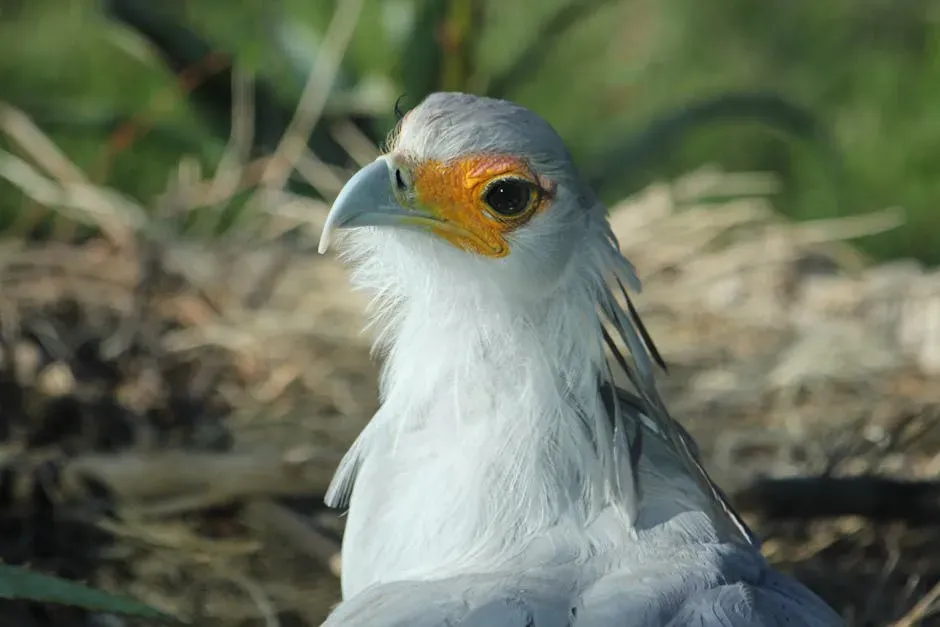
Pop culture loves to paint the secretary bird as Africa’s great snake slayer. It is – but that’s only part of the story. Prey may consist of insects such as locusts, grasshoppers, wasps, and beetles, as well as millipedes, spiders, scorpions, and freshwater crabs. Secretarybirds are also known to hunt rodents, frogs, lizards, small tortoises, eggs, and birds such as warblers, larks, and doves.
They occasionally prey on larger mammals, such as hedgehogs, mongooses, small felids such as cheetah cubs, striped polecats, young gazelles, and both young and full-grown hares. Cheetah cubs. Let that sink in. This bird will go after baby cheetahs. It is not messing around.
The importance of snakes in the diet has been exaggerated in the past, although snakes can be locally important, and venomous species such as adders and cobras are regularly among the types preyed upon. So yes, the snake-killing reputation is real – just not the whole picture.
Its Feathers Are Actually Weapons and Armor
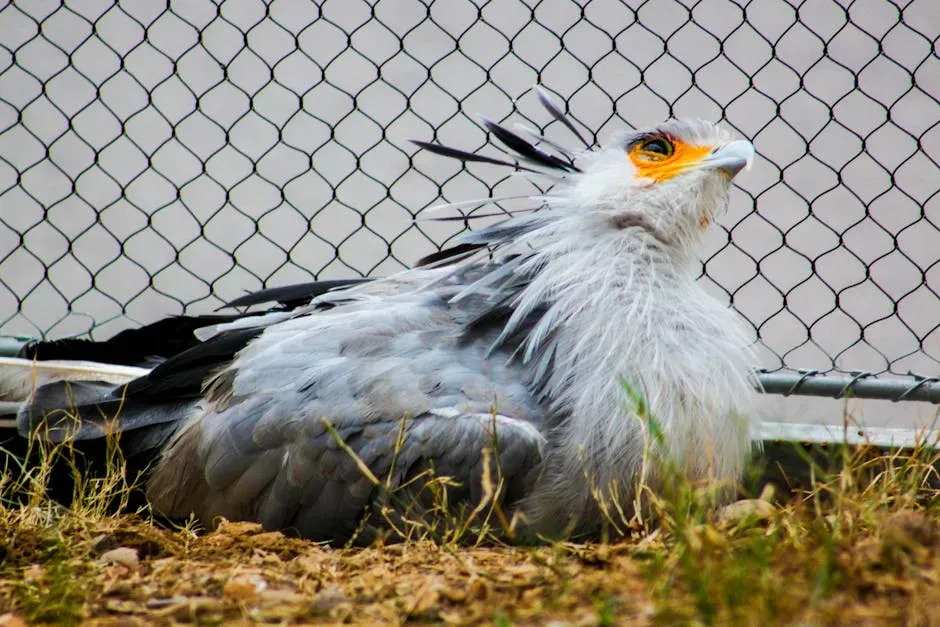
When a venomous snake lunges at the secretary bird, you might expect disaster. Instead, the bird turns its own beauty into a defense strategy. A venomous snake might try to bite the secretary bird’s flapping feathers, but they serve as safe distractions or targets, since a bite to a hollow feather wouldn’t hurt the bird at all.
When hunting, these birds shake their tail and wing feathers to distract snakes from biting their legs. In addition, they can raise their head feathers during the hunt. This strategy serves to scare the target and provide shade for the bird’s face when hunting.
Secretary birds have exquisite eyelashes. These are modified feathers that prevent dust particles from getting into the bird’s eyes when stomping and kicking up dust. After all, sight is one of its most important senses and its vision must be protected. So those gorgeous lashes are not just for looking pretty – they are functional safety gear. Stunning, really.
It Walks More Than It Flies – By a Lot
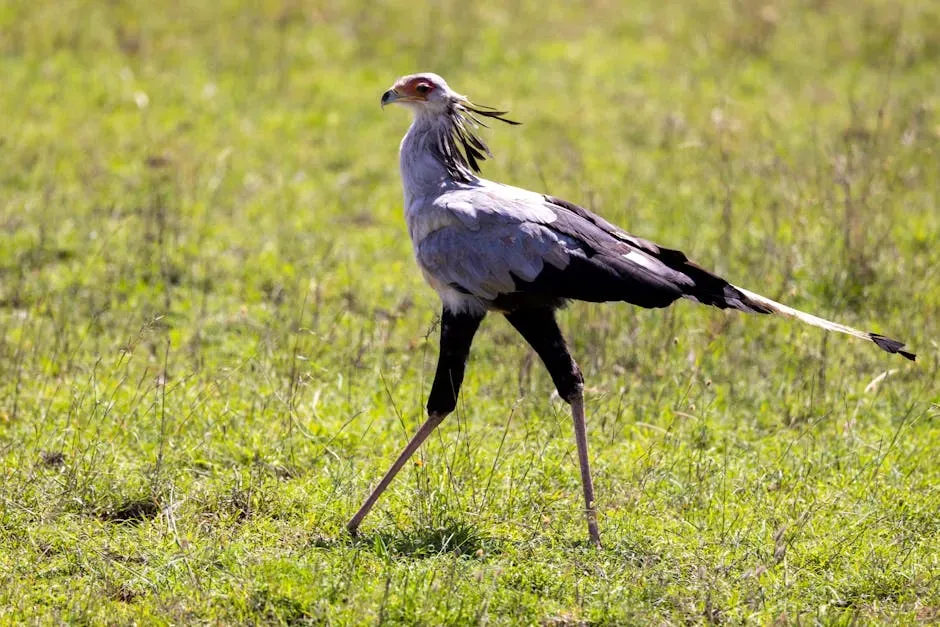
Here’s something that surprises most people. Despite those enormous wings, the secretary bird is fundamentally a walker. A few hours after dawn, secretary birds drop down to the ground from their nighttime roost to start the daily hunt. Pairs of secretary birds keep track of what’s happening in their territory, which can be up to 19 square miles in size. They are known to cover more than 20 miles in a day of hunting.
Secretary birds and caracaras are the only two birds of prey that hunt on the ground instead of from the air. That’s an elite club of exactly two. Every other raptor is up in the sky – these two are down here, walking the earth like they have something to prove.
They may spend their days on the ground, but secretary birds are good fliers and nest and roost high up in acacia trees at night. So they fly when it matters, and they walk when there’s work to do. Honestly, a relatable philosophy.
It Is a National Symbol on Two Continents
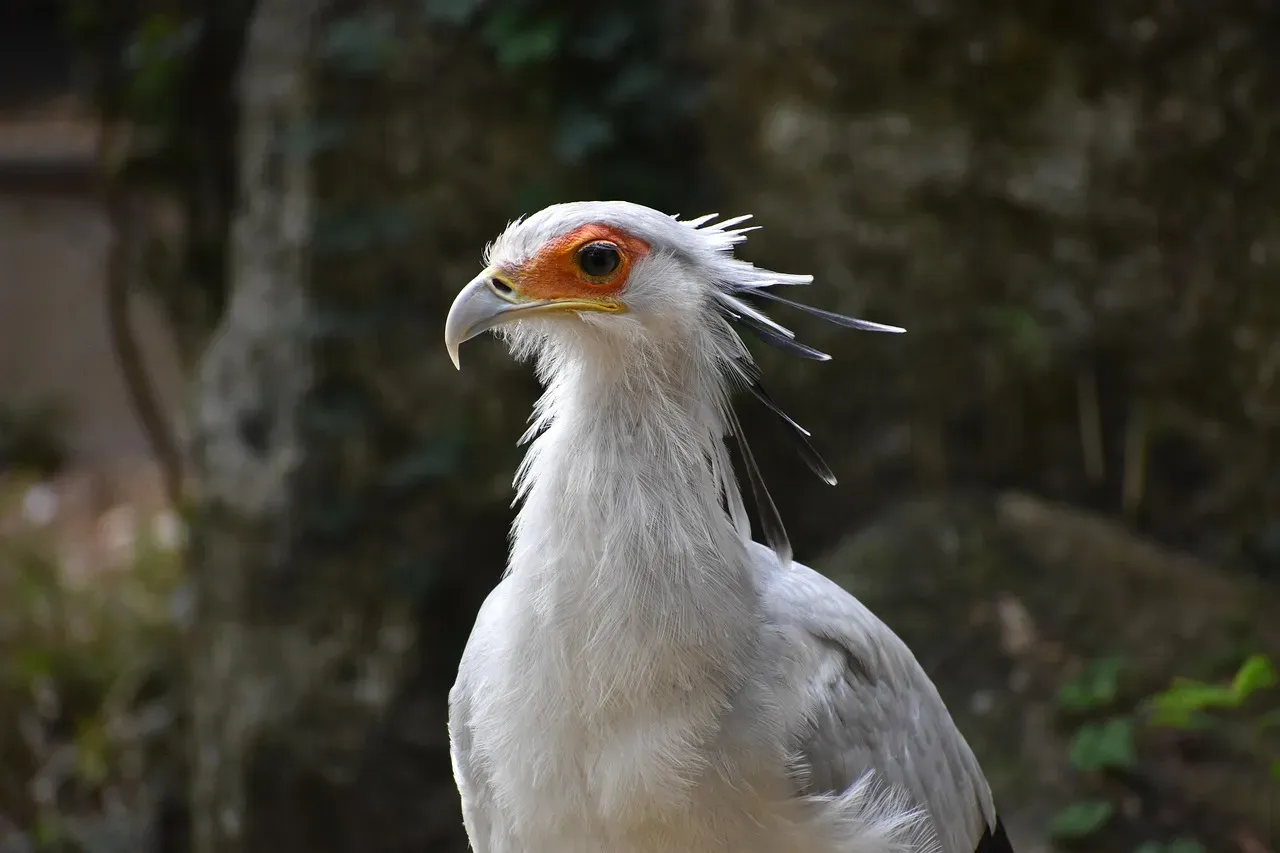
Not many birds can claim a place on the coat of arms of a nation. The secretary bird has claimed two. The secretary bird appears on the coat of arms of two nations: Sudan and South Africa. That level of cultural prestige puts it in extremely rare company in the animal world.
It is a prominent feature on the coat of arms of South Africa, which was adopted in 2000. With its wings outstretched, it represents growth, and its penchant for killing snakes is symbolic as the protector of the South African state against enemies.
The secretarybird has been a common motif for African countries on postage stamps, with over a hundred stamps from 37 different issuers known. The Maasai people call it “ol-enbai nabo,” or “one arrow,” referring to its crest feathers. In traditional African folklore, the bird is often portrayed as a guardian spirit that keeps evil – represented by snakes – at bay. In some cultures, seeing a secretary bird is considered a good omen, signaling safety from danger or resolution of conflict.
It Is a Devoted, Lifelong Partner
Underneath all that ferocity is a surprisingly tender side. Secretary birds mate for life. That’s a commitment most creatures simply don’t make. Courtship displays take place both in the air, where the pair soar in wide circles and perform swoops and downward plunges sometimes with talons clasped, and on the ground, where they dance with outstretched wings.
The male and female secretary bird work together to build a large platform nest, which can reach up to 8 feet across. Mating pairs build their nest of sticks together, usually in an acacia tree. They’ll use the same nest for years, continuing to add to it season after season. Imagine returning to the same home every year, expanding it together. There’s something quietly beautiful about that.
Both parents help incubate the eggs and then care for the chicks, including feeding them regurgitated prey. Secretary bird chicks fledge after about three months in the nest, though they remain around the nest tree for another few months. During this time, they forage for food alongside their parents and learn how to hunt, kick, and fly. The whole family, working together. Wild Africa’s version of a tight-knit household.
It Is Now Vulnerable – and That Should Worry Us
For all its power and symbolic strength, the secretary bird faces a very real threat in the modern world. Human encroachment on secretary birds’ natural habitat has led the species to be classified as vulnerable to extinction. Some of its grasslands habitat has been burned and cleared for livestock. Those open areas leave little protection for prey animals, making it hard for secretary birds to find food.
Despite their fearsome reputation, secretary birds are classified as Vulnerable by the IUCN Red List. Their population has declined by over half in the past three decades due to habitat loss, agricultural expansion, and collisions with power lines. They require large territories – up to 50 square kilometers per pair – and are sensitive to land-use changes.
In 1968, the secretary bird was protected under the Africa Convention on the Conservation of Nature and Natural Resources. Protection on paper is one thing. What the secretary bird truly needs is the wild, open savanna it was born to stride across – uninterrupted, unbroken, and free. Without it, one of nature’s most spectacular creatures risks becoming a memory.
Conclusion
The secretary bird is, without question, one of the most extraordinary animals on Earth. A lethal kick faster than a blink, a romantic bond that lasts a lifetime, a name wrapped in centuries of mystery, and a silhouette so unusual it has graced the flags of nations – this bird carries multitudes.
It is a reminder that nature’s most impressive creations often go unnoticed while we focus on the lions and elephants of the world. The secretary bird has been striding across the African savanna for millions of years, quietly perfecting the art of survival in its own magnificent way.
Next time someone asks you to name the world’s most fascinating bird, you know exactly what to say. What would you have guessed before today?

- 10 Fascinating Facts About The Secretary Bird You Never Knew - August 11, 2026
- 12 Amazing Facts About Ancient Egypt Not Everyone Knows - August 11, 2026
- 10 Fascinating Facts About Sea Turtles That Will Change How You See the Ocean - August 11, 2026