
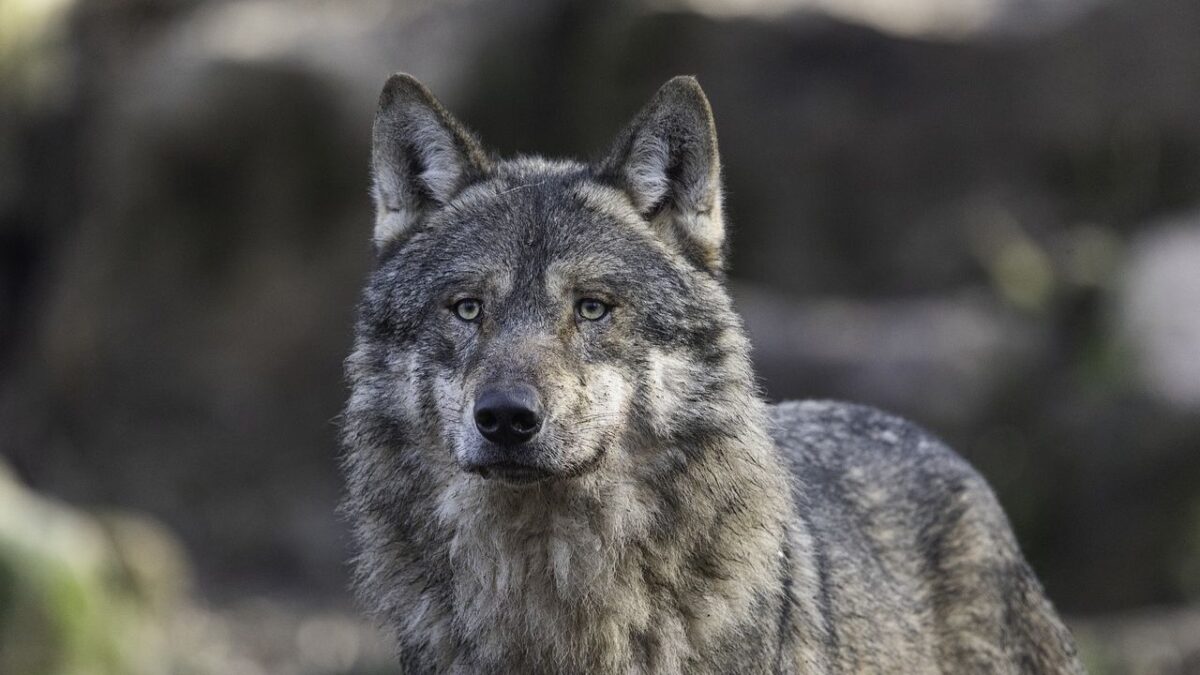
There’s something about wolves that stops people in their tracks. Maybe it’s the howl carrying through a winter night, or those pale amber eyes staring back from a documentary. For centuries, humans have feared them, worshipped them, hunted them nearly to extinction, and then desperately tried to bring them back. The result is one of the most complicated, mythologized relationships between our species and any other animal on Earth.
The problem is, most of what we think we know about wolves isn’t quite right. The fierce alpha fighting for dominance? The lone predator that prefers solitude? The beast that howls at the moon? These are pop culture inventions, not biological reality. The truth is both stranger and more compelling than any myth.
#1: Wolf Packs Are Actually Families, Not Dominance Hierarchies
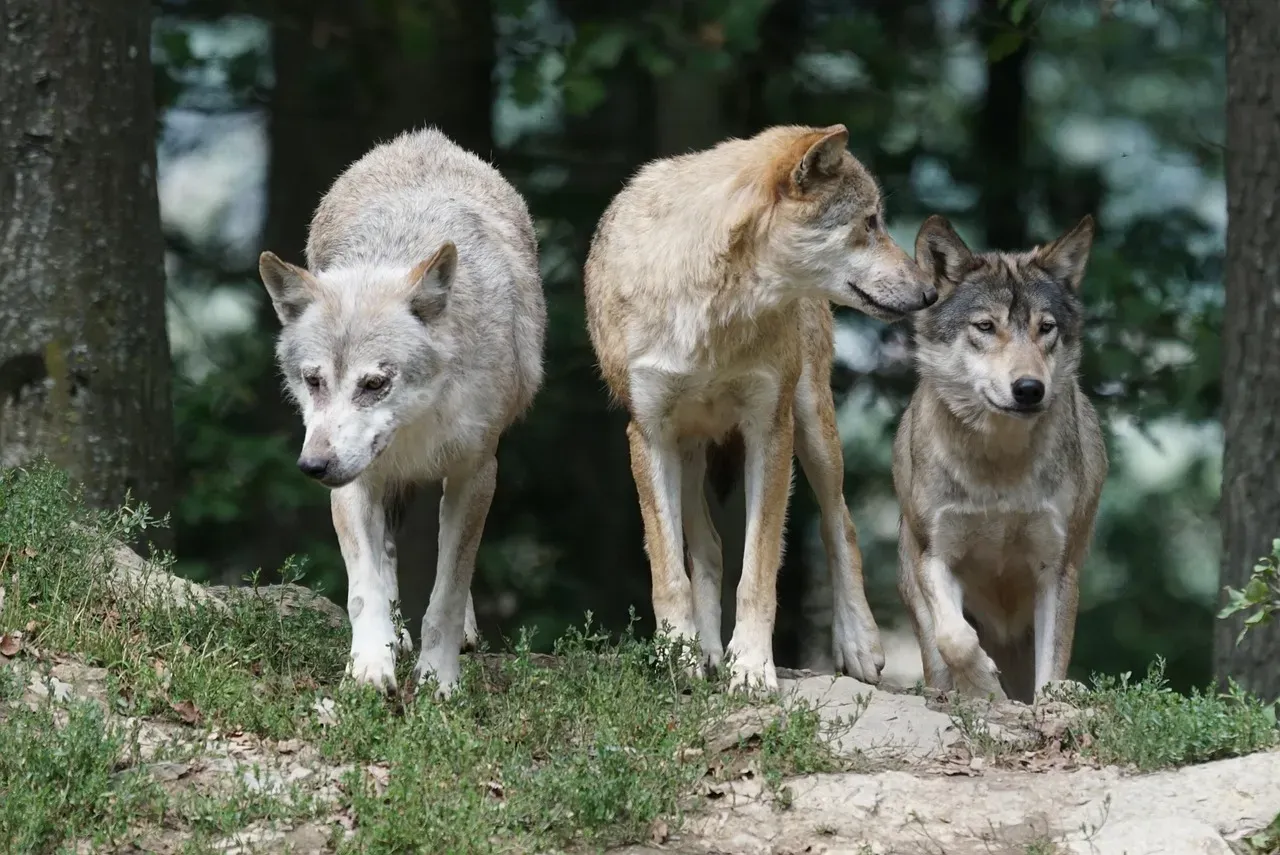
For decades, the “alpha wolf” idea dominated public understanding of how packs function. It came from studies conducted on groups of unrelated captive wolves thrown together in enclosures. The concept of a ruthless alpha fighting its way to the top of the pack emerged from mid-20th-century studies of wolves in captivity, where researchers threw together unrelated adult wolves and a dominance hierarchy emerged – much like what might happen in an artificial, high-stress environment. The resulting power struggles looked dramatic and violent, and the term “alpha” stuck in the public imagination for decades.
Terms like “beta” and “alpha” to describe wolf dynamics have largely fallen out of use among researchers, who have discovered that wolf packs function more like a family than a strict hierarchy. A wolf pack is a family unit, typically built around a breeding pair and their offspring from the past few years, with the average pack having six or seven members. Far from the rigid military hierarchy that pop culture suggests, a wolf pack functions more like a human household: parents lead, and younger wolves follow until they’re old enough to leave and start families of their own.
#2: Only One Pair in a Pack Usually Breeds
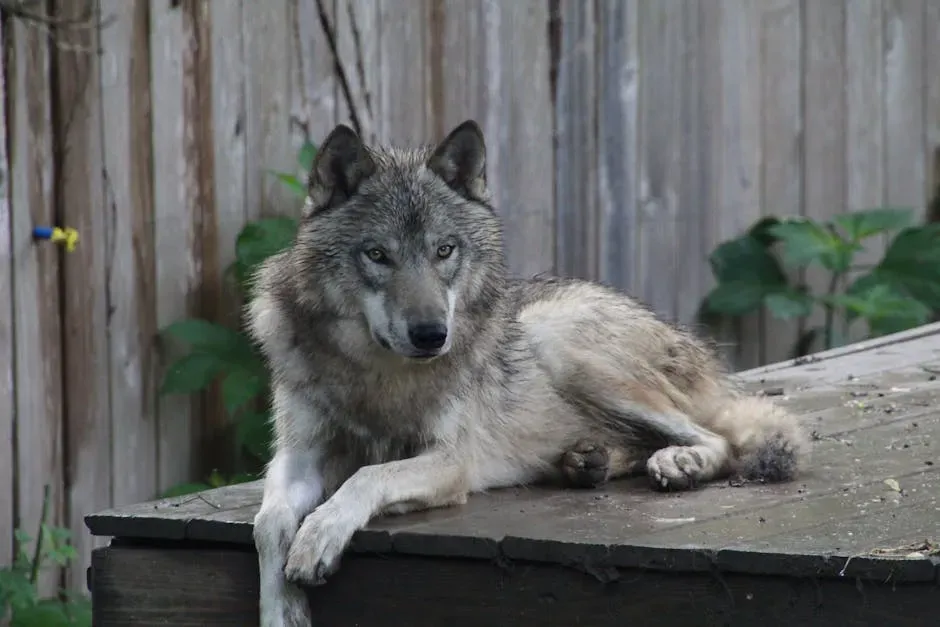
Wolves have a defined breeding season that typically occurs from February to March, and only the alpha pair of the pack will mate. After mating, the alpha female prepares for the arrival of her pups by seeking out a suitable den. This isn’t an act of suppression by the dominant pair – it’s a biological arrangement that ensures the pack’s resources are concentrated on raising one litter with the best possible chance of survival.
Other adult pack members, often referred to as helpers, play an active role in raising the pups – a practice known as alloparenting. These helpers contribute to feeding, guarding, and socializing the young, which increases the pups’ chances of survival. Gray wolf pups are babysat by older siblings, who help feed, guard, and play with them while the parents hunt. The whole family, not just the parents, is invested in each new generation.
#3: A Wolf’s Sense of Smell Is Extraordinarily Powerful
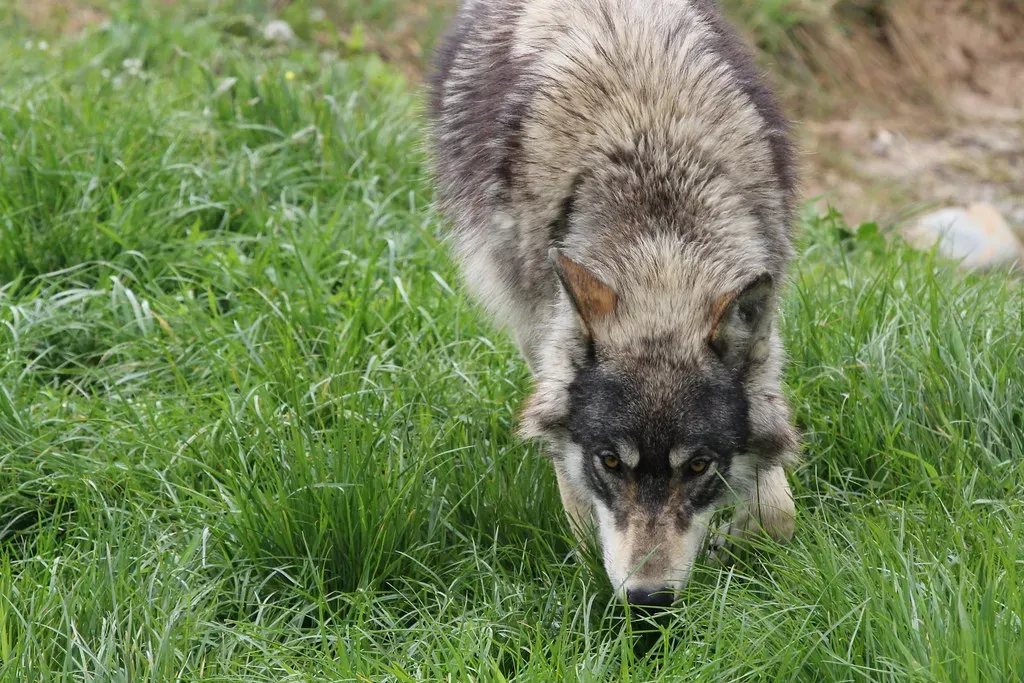
Humans have about five million scent cells, while wolves have around 200 million. The olfactory center in a human brain is roughly the size of a pea, while a wolf’s is the size of a fist. That is not a small difference. Smell is so central to wolf life that it effectively functions as their primary language for navigating the world.
Each nostril can be moved independently, allowing wolves to determine which direction a particular scent is coming from. Inside the broad snout are approximately 280 million scent receptors, a substantial amount when compared to a German shepherd’s 225 million and humans’ scant five to six million. A wolf can recognize a member of their pack just by scent, and their specialized scent glands are as unique as a human’s fingerprint.
#4: Wolves Are Remarkable Long-Distance Travelers
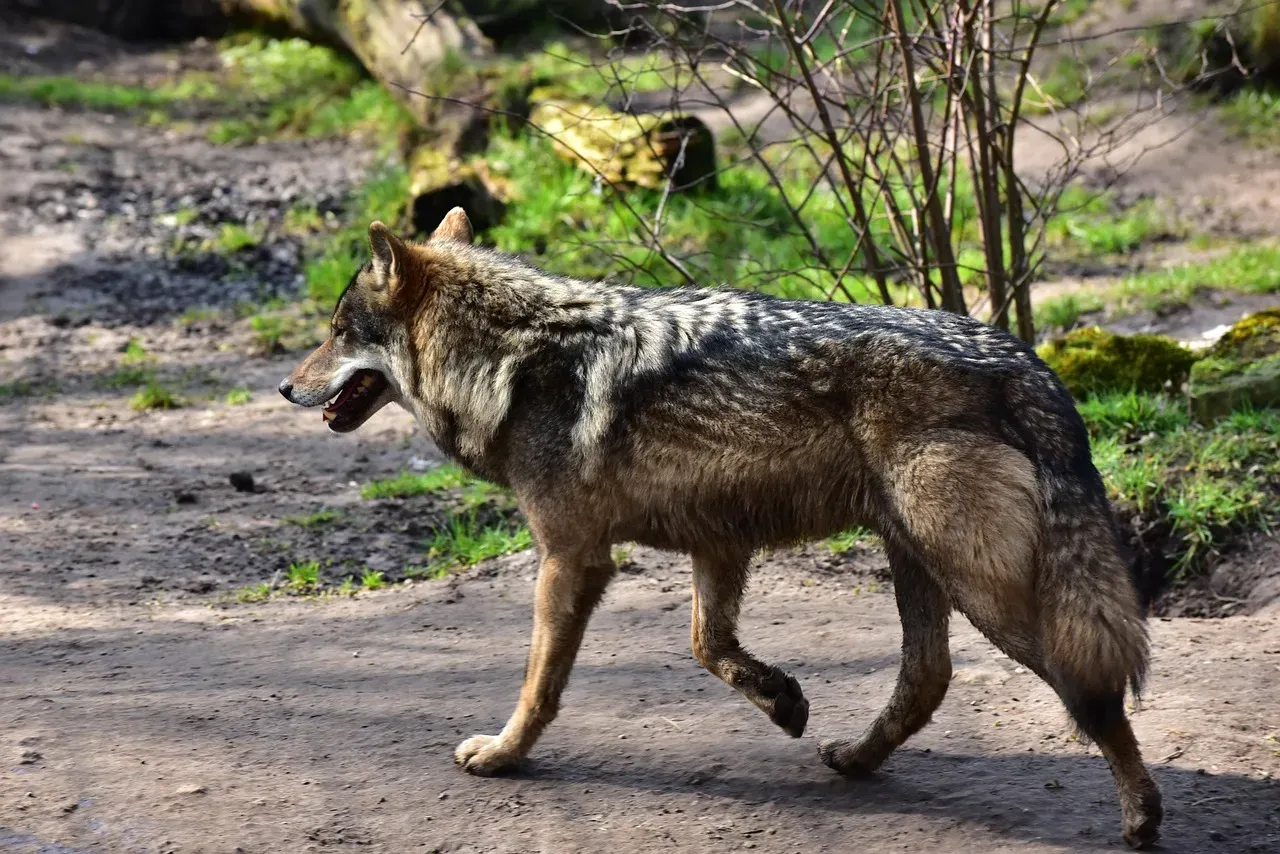
Wolves often travel long distances, covering ranges of up to 124 miles per day. They travel at regular speeds of about 5 mph but can reach running speeds of up to 34 to 43 mph. What makes them truly impressive, though, isn’t top speed – it’s endurance. They’re built to go and go and go.
Many wolf populations can trot for four hours at a steady pace and cover up to 120 miles in a single day. Although wolves are not the fastest land predator around, they are ultra-marathon endurance hunters who have been known to track and stalk their prey for hours, well into the night. In rural areas of Canada and Alaska, a pack’s territory may extend 300 to 1,000 square miles. That is a vast amount of ground to cover on four legs.
#5: Wolves Communicate in Ways That Go Far Beyond Howling
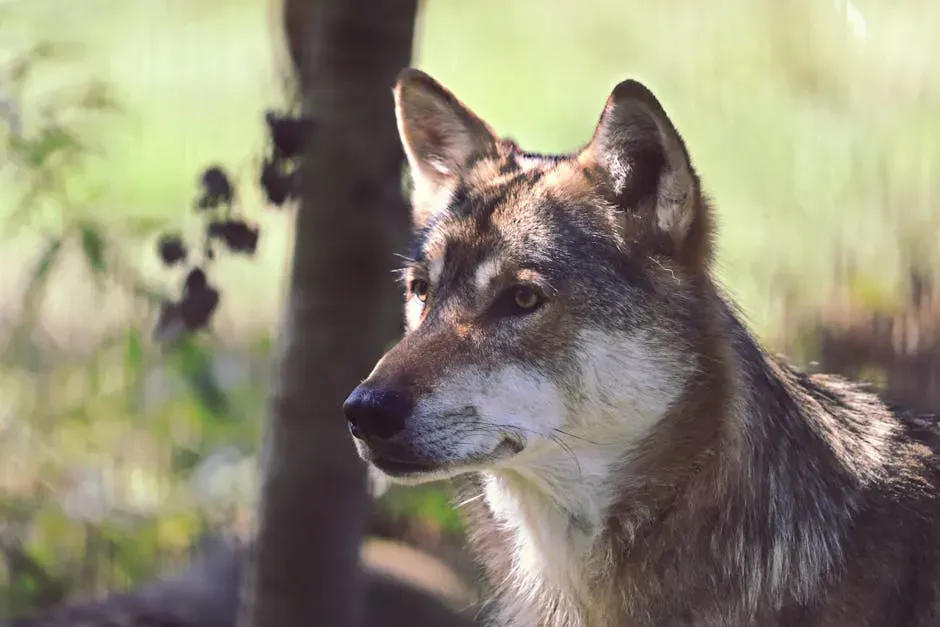
Howling is the most recognizable form of vocal communication, serving multiple purposes including long-distance assembly and territorial declaration. A single howl can carry for up to six miles, allowing pack members to locate each other across vast distances or warning neighboring packs to stay away. Most people know this part. What they don’t realize is how much more is happening beneath the surface.
Body language provides immediate, nuanced information about an individual’s emotional state and social status. A wolf expressing submission will lower its body, flatten its ears, and tuck its tail, sometimes rolling over to expose its vulnerable belly. In contrast, a wolf asserting confidence will stand tall with an erect posture, a high head, and a raised tail. Subtle facial expressions, including the position of the ears and the baring of teeth, communicate intent and help prevent physical conflict. It is a full, layered social language.
#6: The “Lone Wolf” Is Mostly a Myth
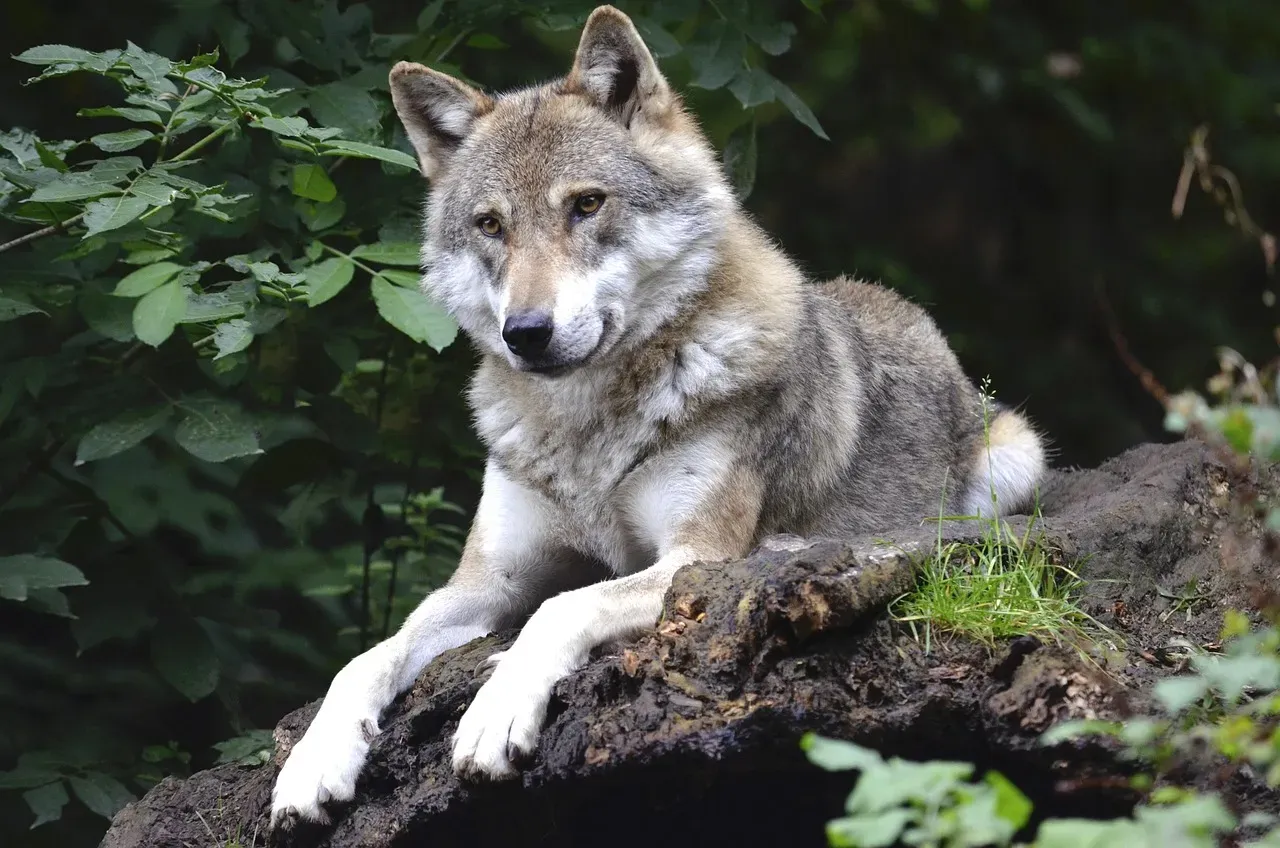
The superiority of the “lone wolf” is a myth. Gray wolves are deeply social animals, and solitary wolves are usually dispersing to find a mate and start a new pack – not loners by choice – and they often have a much harder time surviving. The image of the independent, solitary wolf is largely a human projection, not an accurate picture of wolf behavior.
A lone wolf must hunt without the cooperative advantage of a pack, with no guarantee of finding a mate. Crossing into another pack’s territory can be fatal, and dispersing wolves often find that suitable habitat is already claimed by established packs. As it turns out, few wolves would choose to live in true solitude. Wolves, males and females alike, may go through periods alone, but they’re not interested in lives of permanent isolation.
#7: Wolves Are Genuinely Monogamous
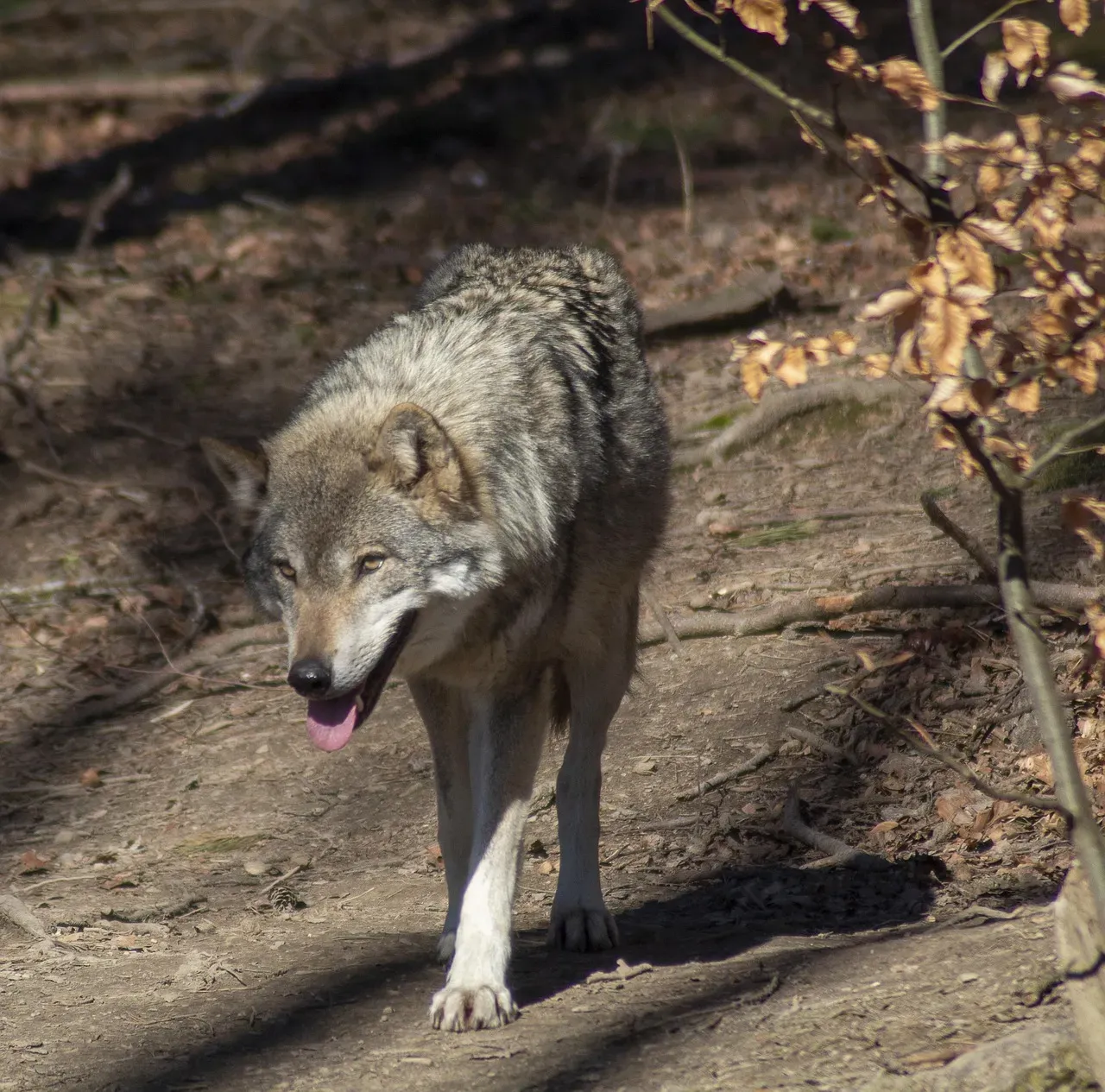
Gray wolves typically mate for life. A breeding pair of wolves leads a pack of their offspring, who stick with them for about one to three years. As a breeding pair, these wolves are in charge of the pack and determine where the pack hunts and who gets to eat first. If one wolf of a breeding pair dies, only then will the other wolf seek a new mate.
The breeding pair stays close together most of the time – one researcher found that in more than 70% of GPS readings tracking wolf pairs, the two wolves remained within 100 metres of each other. Wolves develop such strong social bonds with their family and loved ones that they have been known to sacrifice themselves for the survival of the pack and family unit. That kind of devotion is rare in the animal kingdom.
#8: Wolves Reshape Entire Ecosystems
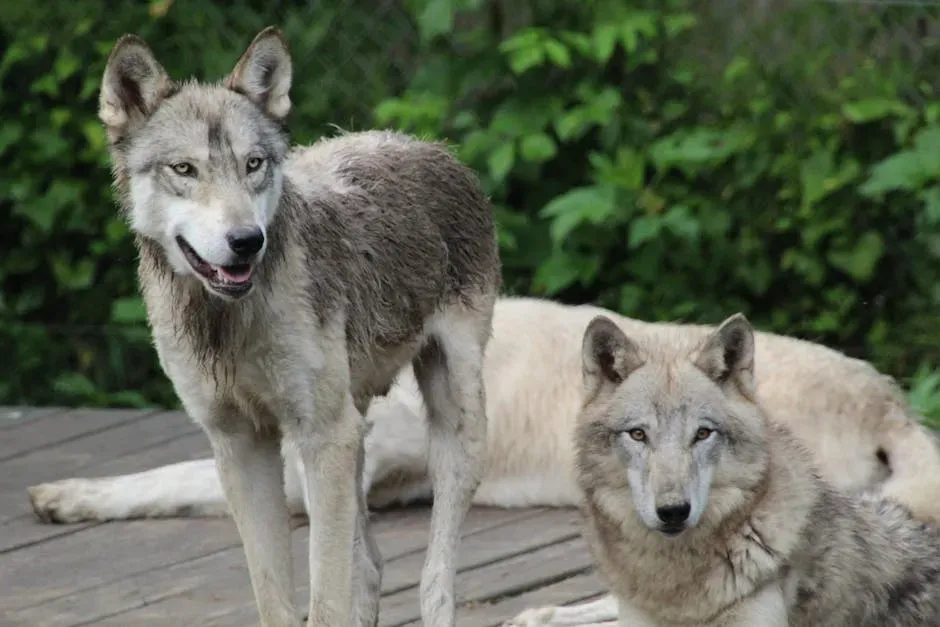
Gray wolves were reintroduced into Yellowstone National Park in 1995, resulting in a trophic cascade through the entire ecosystem. After the wolves were driven extinct in the region nearly 100 years ago, scientists began to fully understand their role in the food web as a keystone species. The changes that followed were sweeping, and in some respects, deeply surprising.
Wolves changed elk behavior, reducing overbrowsing of willows and aspens along riverbanks. This allowed vegetation to recover, stabilizing riverbanks and creating habitat for beavers, songbirds, and other species. Beaver dams created wetlands that supported amphibians and fish, while wolf kills provided food for scavengers like ravens, eagles, and bears. Scientists documented improvements in biodiversity throughout the ecosystem, demonstrating wolves’ role as a keystone species. One predator. Cascading consequences across the entire park.
#9: Wolves Are Feast-or-Famine Eaters
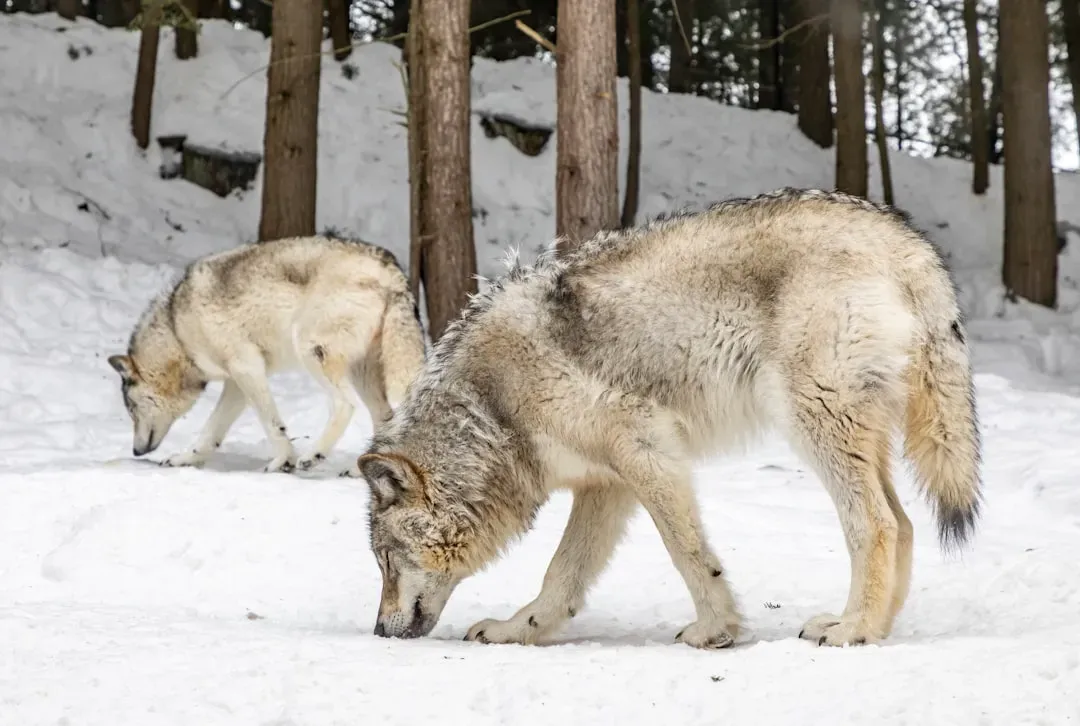
Wolves can survive on around two and a half pounds of food per day, but require about five to seven pounds per day to reproduce successfully. Wolves are estimated to eat around ten pounds of food per day on average, but they don’t actually eat every day. They live a feast-or-famine lifestyle, going several days without a meal and then gorging on over 20 pounds of meat when a kill is made.
Gray wolves also consume a variety of smaller mammals, including beavers, hares, and rodents, and occasionally birds and even fish. The Pacific Northwest population occupying coastal Vancouver is considered a separate subspecies called “sea wolves” for their semi-aquatic lifestyle and fishing habits. Gray wolves are also known to scavenge carrion and, in some cases, consume fruits and berries when animal prey is scarce. This opportunistic feeding behavior allows wolves to adapt to different environments and prey availabilities.
#10: Wolves Have Already Lost a Significant Portion of Their Range
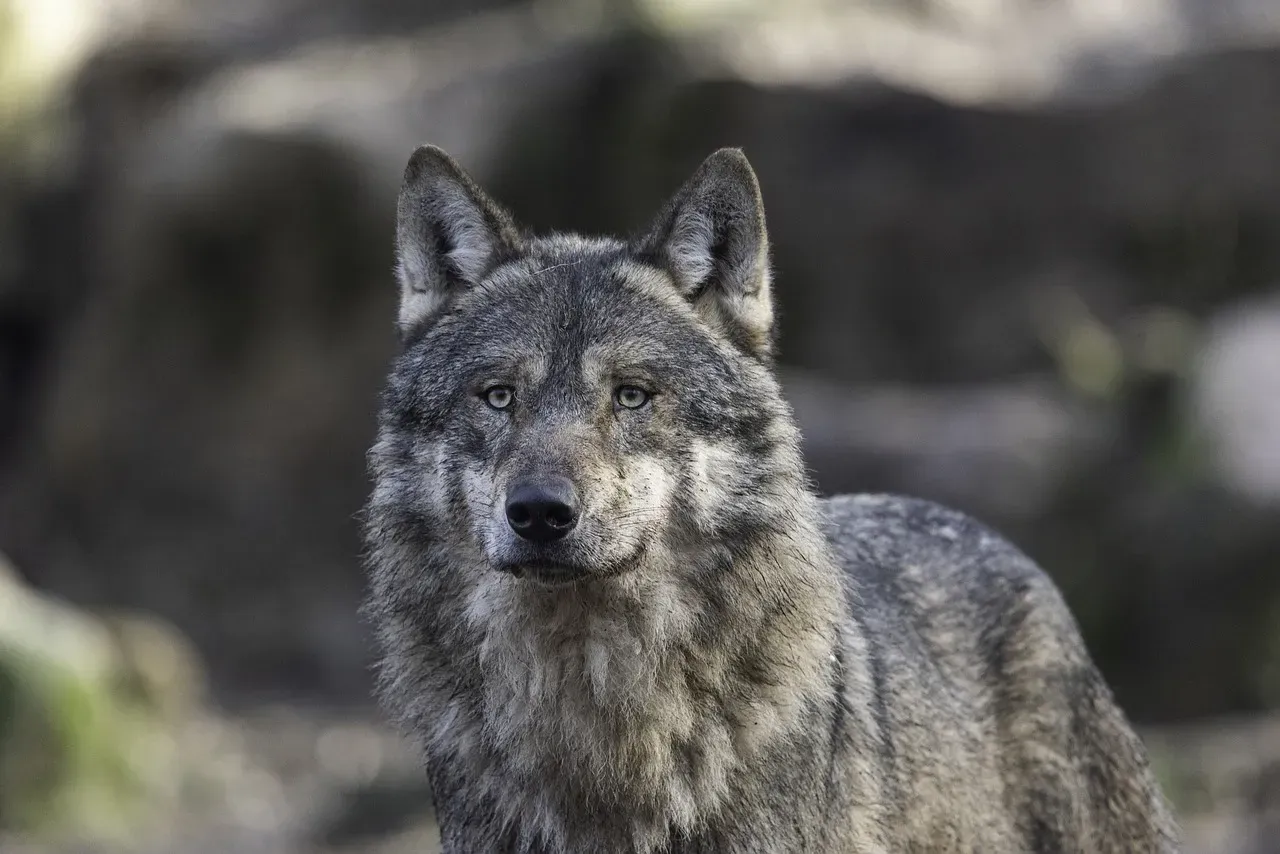
The gray wolf was once the most widely distributed mammal on Earth, but persecution by humans and habitat destruction have reduced its range by about one-third. A number of gray wolf subspecies have become extinct, including the Florida black wolf, the Great Plains wolf, the Mississippi Valley wolf, and the Texas wolf, as well as Old World subspecies such as the Japanese wolf, the Hokkaido wolf, and the Sicilian wolf.
Despite their ecological importance, wolves face significant threats including habitat loss, human-wildlife conflicts, and illegal hunting. Urban expansion and agriculture fragment their natural territories, making it harder for wolves to maintain genetic diversity and healthy populations. Gray wolves are one of the most widely distributed land mammals still remaining in the world, but because they are found in so many ecosystems and sit at the top of the food chain, the health of wolf populations is a key factor in the ongoing health of our planet.
Why Wolves Still Matter
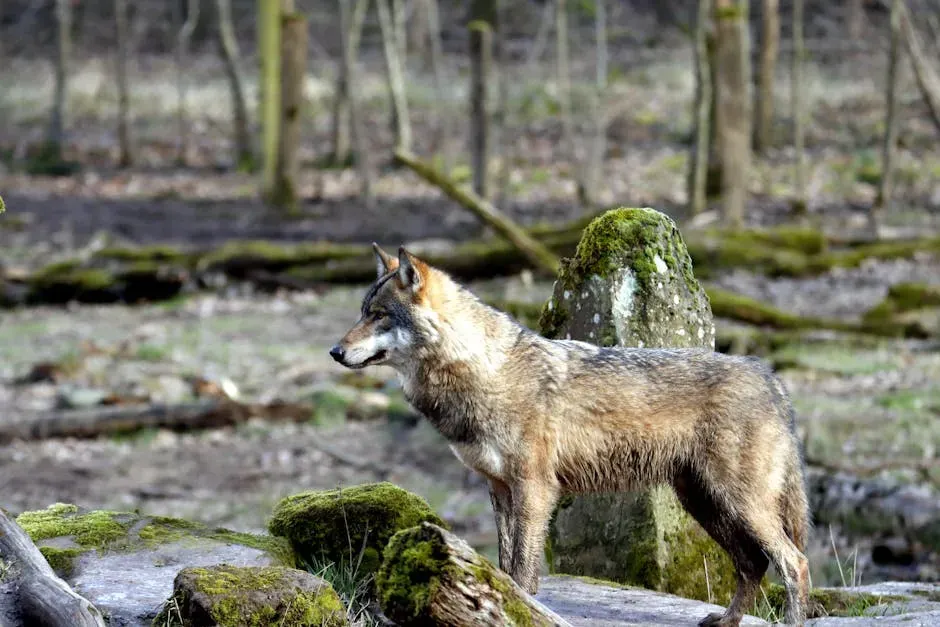
Wolves are inconvenient animals. They require space, wild prey, and a certain tolerance from the humans who share their range. They resist easy categorization as either villain or saint. The science on them, though, is consistent: remove them, and ecosystems begin to fray in ways that ripple outward in unexpected directions.
What’s striking about wolves isn’t just their intelligence or their social bonds, as remarkable as those are. It’s the fact that one species, living its ordinary wolf life, can hold a landscape together. That’s not mythology. That’s ecology. And it’s worth knowing.

- Has Your Rescue Dog Finally Chosen You? 14 Signs It Sees You as Home. - July 22, 2026
- 8 of the World’s Rarest Raptors and Where You Might See Them - July 22, 2026
- The Rarest Bird in North America – Can It Still Be Saved? - July 22, 2026