
Ever stopped to think about how the world would crumble without creatures you can barely see? Those little winged beings you swat away at picnics or step over on the sidewalk are actually holding together the very fabric of our environment. I’m talking about insects, the unsung heroes working tirelessly beneath our feet and among the flowers.
Most people don’t realize how much we depend on these tiny organisms. From the food on our plates to the air we breathe, insects are constantly working behind the scenes. Without them, entire ecosystems would collapse faster than you’d imagine. Here’s the thing, though: a conservative estimate of the annual value of ecological services provided by insects in the United States is at least $88 billion. Let that sink in for a moment.
The Rusty Patched Bumble Bee
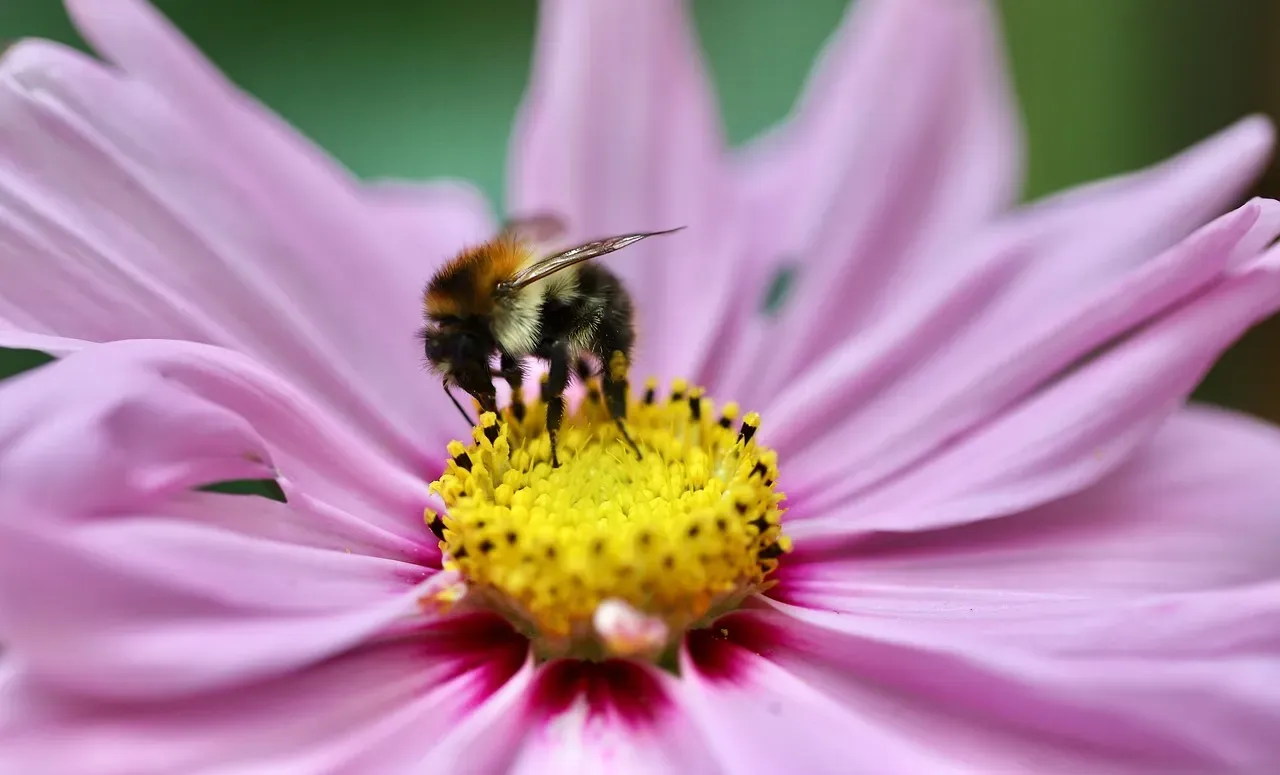
Picture a fuzzy bee with a distinctive rusty patch on its back, darting from flower to flower in early spring. The rusty patched bumble bee once thrived across the eastern and midwestern United States, but its population has plummeted dramatically in recent decades. Bees are responsible for 90 percent of all the world’s pollination, making them absolutely critical to our food systems.
This particular species is special because it emerges earlier in spring and stays active later into fall than many other native bees. That extended season means it pollinates crops and wildflowers when few other pollinators are around. Think about your local farmer’s market overflowing with tomatoes, peppers, and squash. For many tomatoes, bumble bees are 40 to 60 times more effective than honey bees, yielding larger fruits.
The Monarch Butterfly
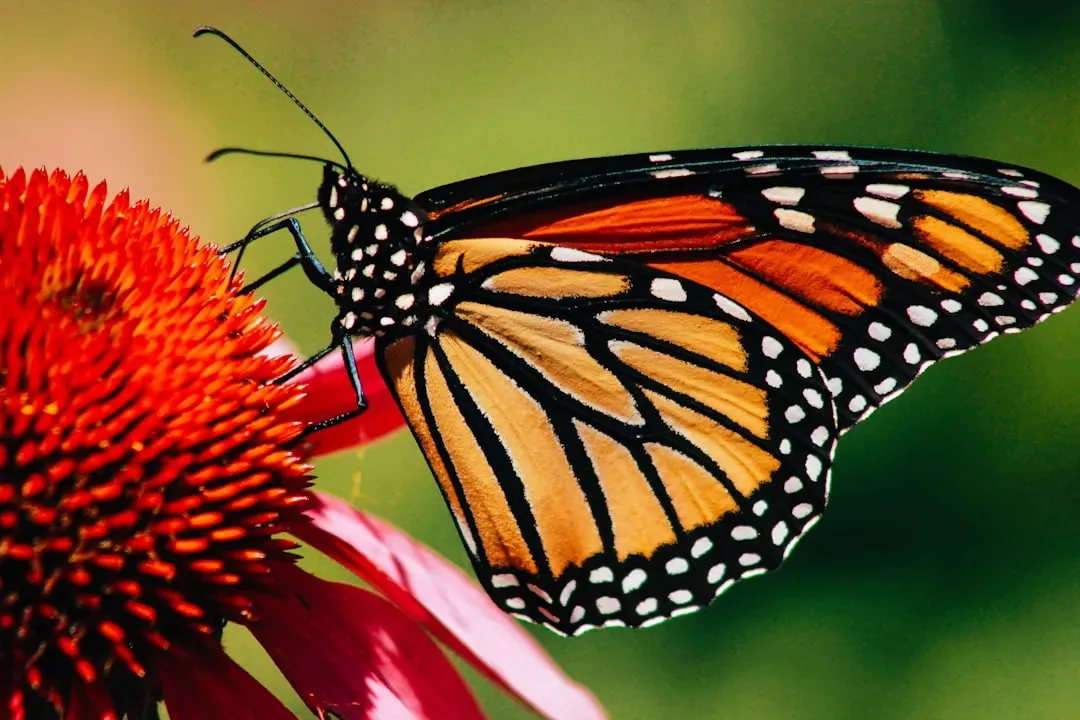
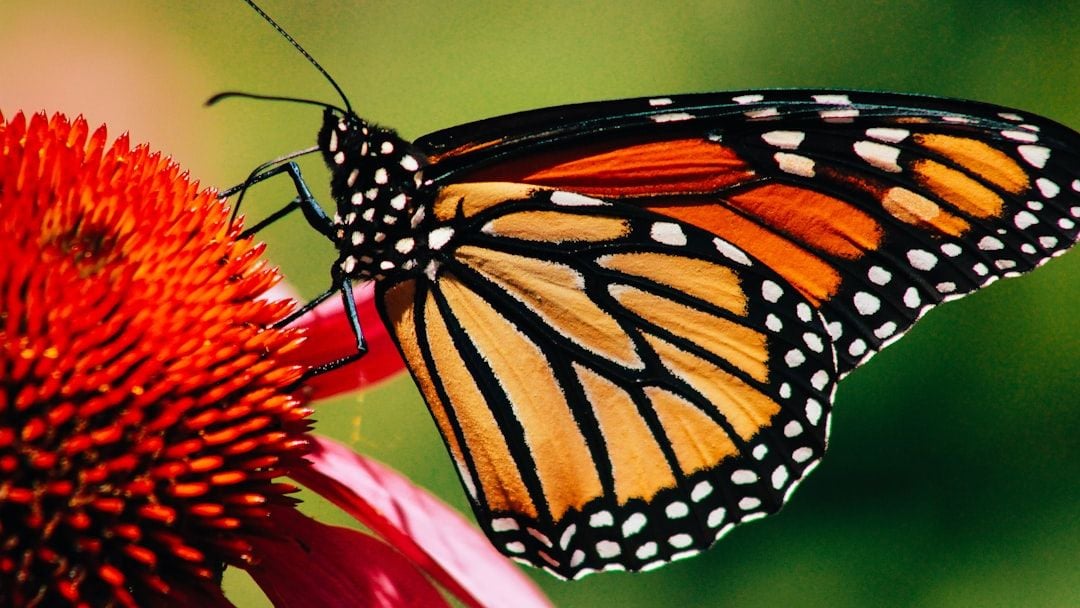
You’ve probably seen those stunning orange and black wings fluttering through gardens or featured in nature documentaries. Monarchs are more than just pretty faces, though. Butterflies and moths are valuable pollinators, supporting the health of ecosystems and agriculture. What makes monarchs truly remarkable is their epic migration journey spanning thousands of miles between Mexico and Canada.
During their travels, they pollinate countless wildflowers and plants, creating corridors of life across the continent. 19% of butterflies and moths are at risk of extinction, including the iconic monarch butterfly, which has experienced dramatic declines. Yet they keep flying, keep pollinating, keep connecting ecosystems that would otherwise remain isolated.
Dung Beetles
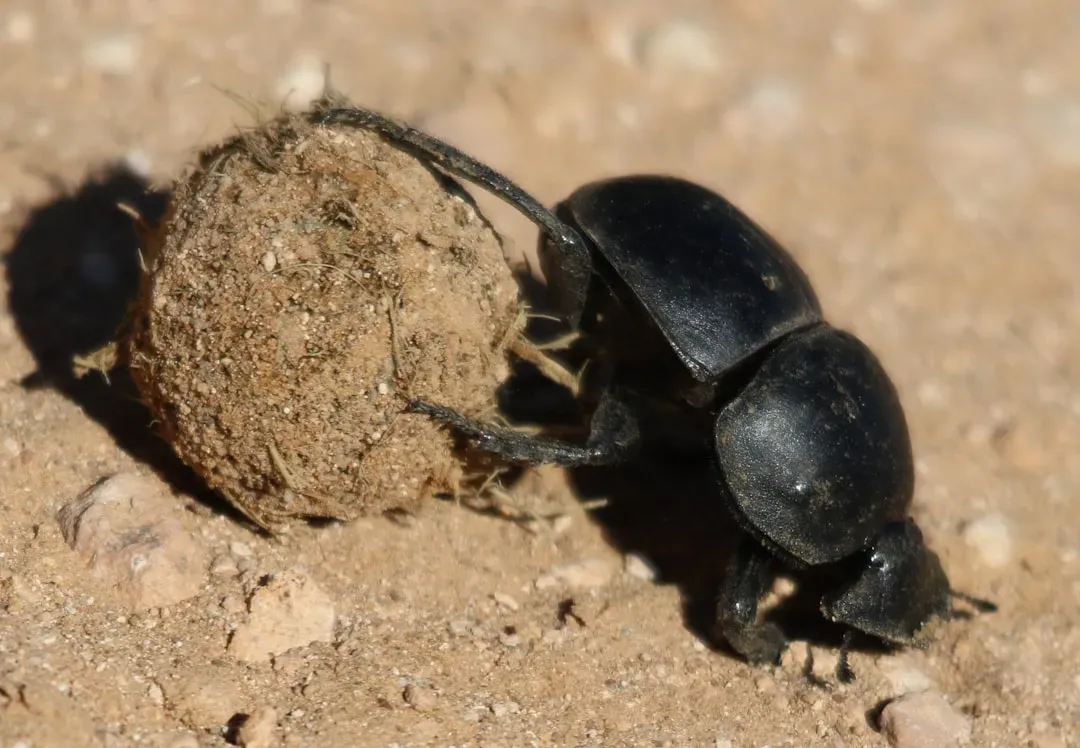
Let’s be real, the name isn’t glamorous. Dung beetles literally roll and bury animal waste for a living. Beetles such as dung beetles help decompose animal faecal thus enhancing soil nutrient content. Without these industrious insects, pastures would be covered in manure, breeding grounds for disease and pests would multiply, and valuable nutrients would sit on the surface instead of enriching the soil.
By burying and feeding on dung, these beetles help soil health by breaking manure down quickly, cycling nutrients, mixing up soil particles, and improving water infiltration rates. Some ranchers have noticed that when dung beetle populations are healthy, they need less fertilizer. The beetles do the work for free, transforming waste into rich soil amendments while simultaneously reducing fly populations and harmful pathogens.
Ground Beetles
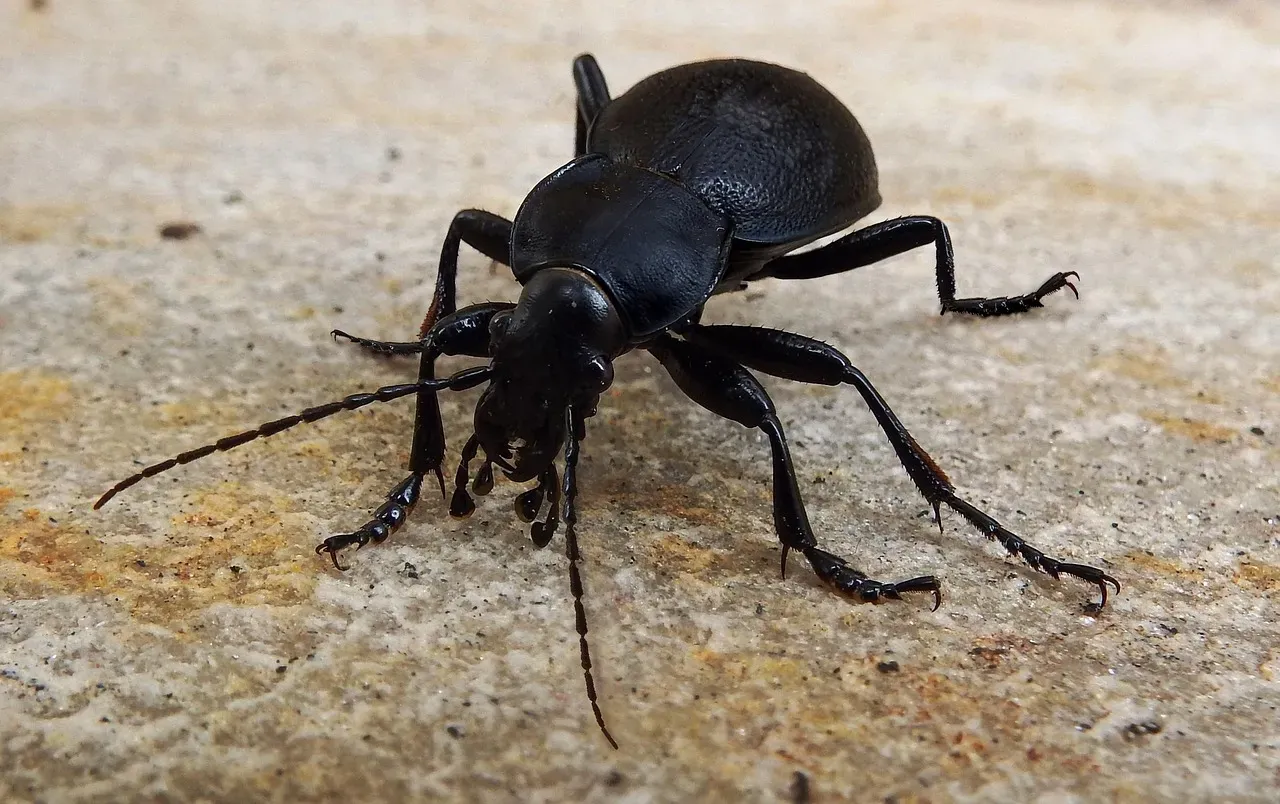
These sleek, dark beetles scurry across garden paths and forest floors, often going unnoticed. Ground beetles are fierce predators that hunt at night, consuming slugs, snails, cutworms, and other crop pests. Beetles contribute significantly to soil health through their roles as decomposers of plant material, carrion, dung and fungi, as predators of other soil animals, and as burrowers in the soil.
Farmers who maintain healthy ground beetle populations can dramatically reduce their reliance on chemical pesticides. One beetle might eat dozens of pest larvae in a single night. Multiply that by thousands of beetles across a field, and you’ve got a natural pest control army that costs nothing and harms nothing except the pests themselves.
Ladybugs
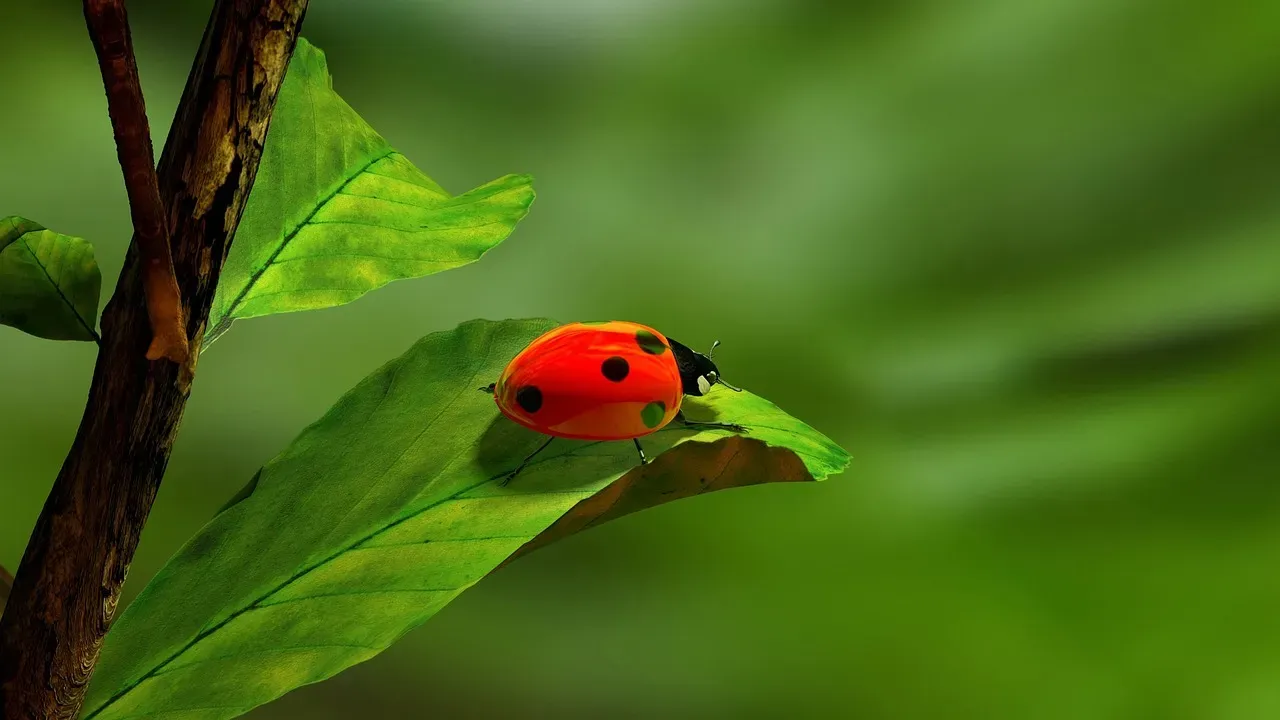
Those cheerful red beetles with black spots are childhood favorites for good reason. Ladybugs, or lady beetles as they’re properly called, are voracious predators of aphids and other soft-bodied pests. A single ladybug can devour up to 50 aphids per day, and their larvae are even more aggressive hunters.
Wasps and other beneficial insects are counted among the many beneficial insects that can be utilized for conservation and biological control, and ladybugs fit perfectly into this category. Gardeners who spot ladybugs in their vegetable patches should celebrate. These little beetles are providing free pest control while avoiding the environmental damage that chemical sprays would cause. Honestly, they’re one of nature’s most efficient and adorable pest management systems.
Rove Beetles
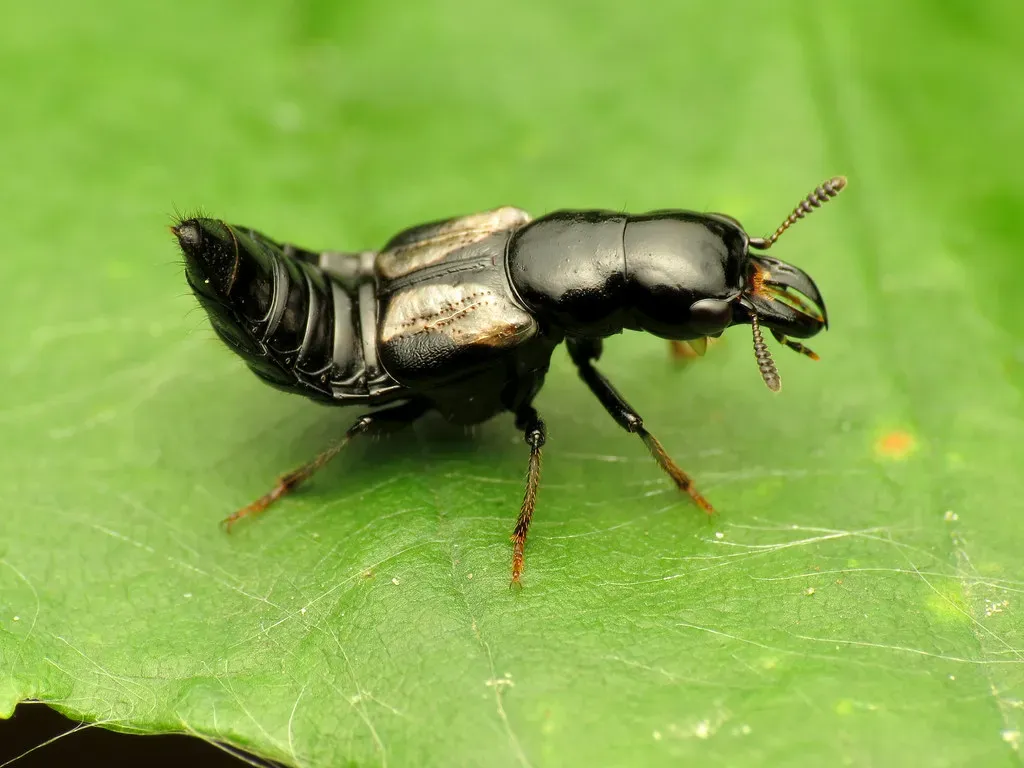
With their short wing covers and elongated bodies, rove beetles might look a bit unusual. Rove beetles are important predators of soil life, contributing to the decomposition of plant and animal matter and some mixing of soil. They’re incredibly diverse, with thousands of species adapted to different environments from forest floors to agricultural fields.
These beetles hunt fly larvae, mites, and other small invertebrates that can damage crops or spread disease. Some rove beetle species have even adapted to living in compost piles and manure, where they help break down organic matter while hunting pest species. They can also contribute to crop pest control. It’s hard to say for sure, but their contribution to healthy soils might be vastly underappreciated.
Hover Flies
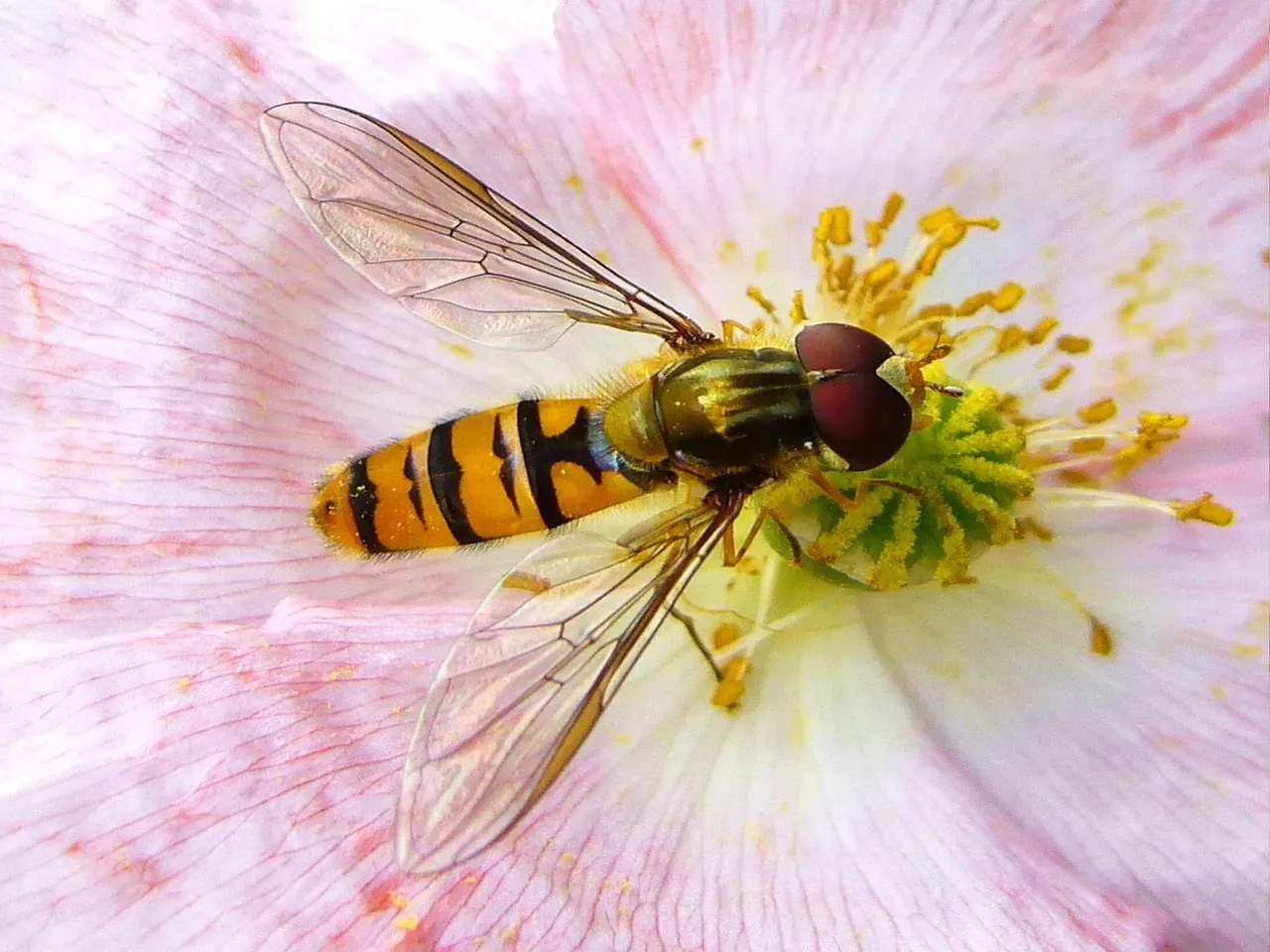
These insects are masters of disguise, mimicking bees and wasps to avoid predators while actually being harmless flies. Many flies are beneficial, from the aquatic midges that serve as an abundant food source for migratory birds to the fly pollinators of apples, peppers, mangoes and cashews. Adult hover flies visit flowers for nectar and pollen, providing valuable pollination services.
The larvae are where things get really interesting. Most hover fly larvae are predators that feast on aphids, scale insects, and thrips. A single larva might consume hundreds of aphids during its development. Because flies are generalist foragers, they don’t get much credit as significant pollinators, however they can be important pollinators for specific plants. Next time you see a fly hovering near your roses, take a closer look. It might be a hover fly doing double duty as pollinator and pest controller.
Termites
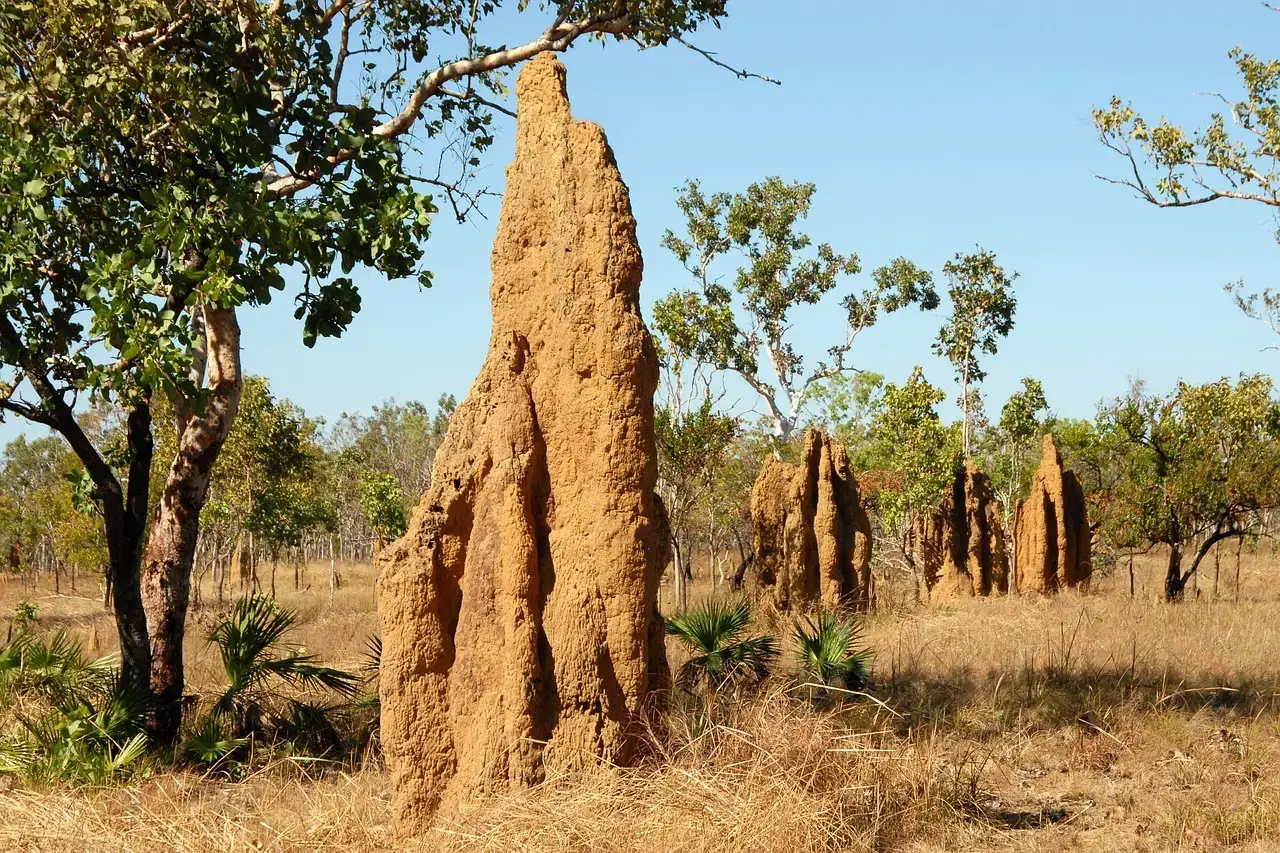
Most people think of termites as destructive pests that eat houses. In natural ecosystems, however, termites are essential decomposers. Termites play a crucial role in wood decomposition, feeding on dead wood and breaking it into smaller pieces so bacteria and fungi can decompose further. Without termites, dead trees and fallen branches would accumulate, locking away nutrients instead of recycling them back into the soil.
This process releases nutrients essential for plant growth, particularly in forest ecosystems with abundant dead wood. In some ecosystems, termites move more soil than earthworms, creating channels that improve water infiltration and aeration. They’re basically tiny earth movers that never sleep, constantly restructuring the underground environment to benefit countless other organisms.
Ants
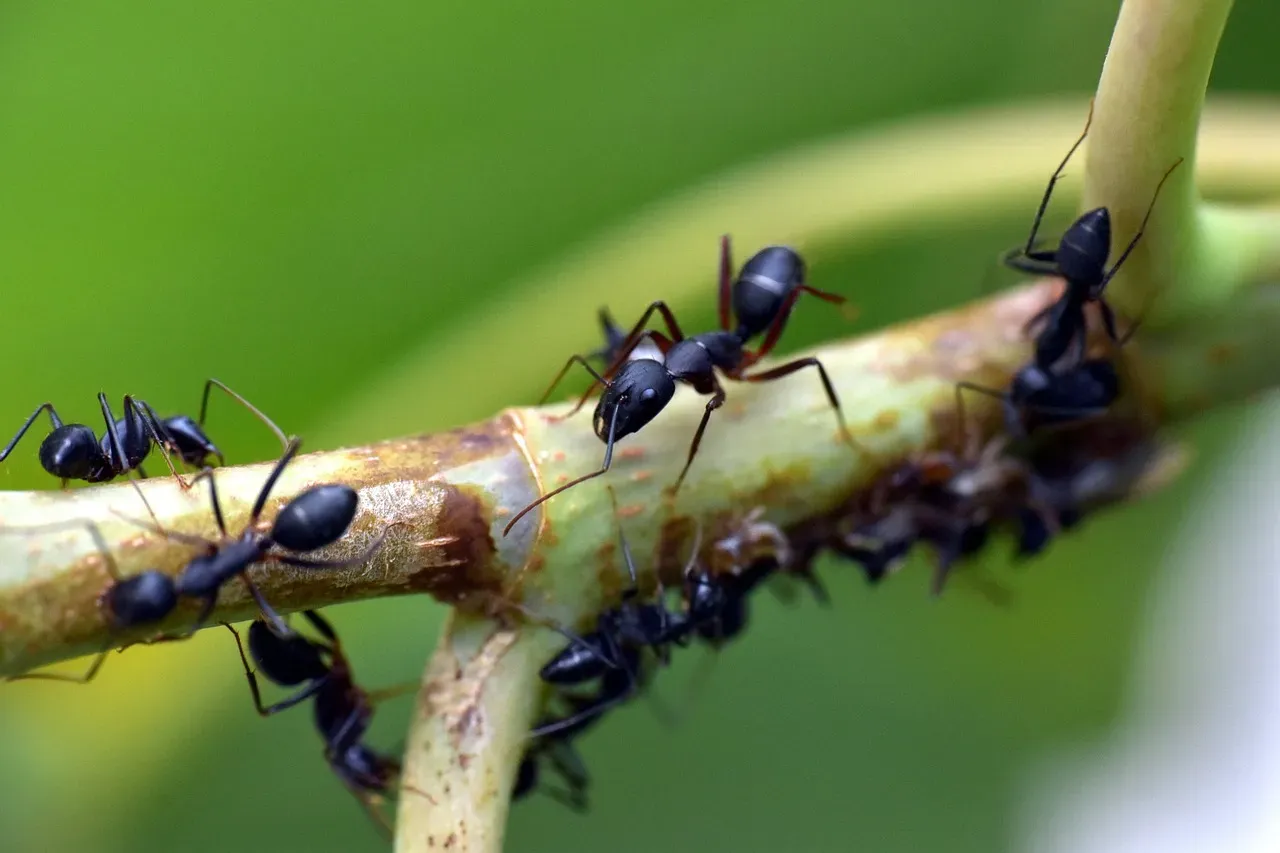
These social insects form complex colonies that can number in the millions. Species such as beetles, flies, and ants help break down dead organisms, waste, and plant matter, returning nutrients to the soil and maintaining ecosystem health. Different ant species specialize in different roles, from harvesting seeds to farming fungus to hunting other insects.
Ants aerate the soil as they dig their extensive tunnel systems, improving water infiltration and root penetration. Some ant species protect plants from herbivores in exchange for nectar or shelter. Insects like beetles and ants help break down leaf litter, animal carcasses, and plant debris, fragmenting organic material and making it easier for microbes to complete the decomposition process. Their colonies can persist for decades, providing stable ecosystem services year after year.
Native Bees
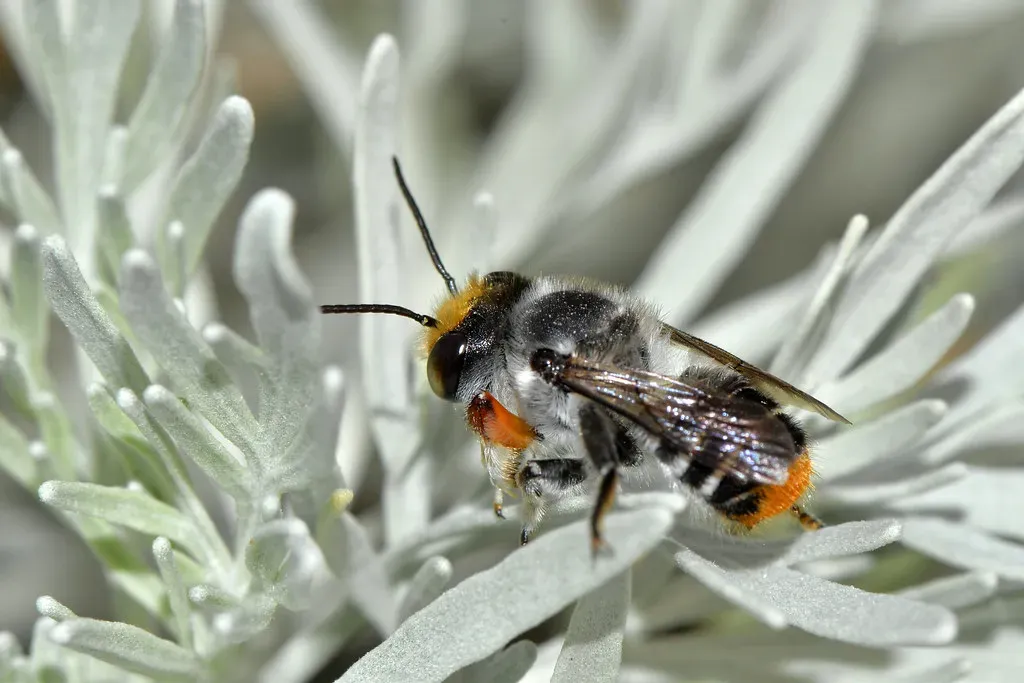
While honeybees get most of the attention, more than 3,500 species of native bees help increase crop yields across the United States. These include mason bees, carpenter bees, sweat bees, and mining bees, each with unique characteristics and ecological niches. Worldwide, there are an estimated 20,000 species of bees, and approximately 3,600 bee species are native to the United States and Canada alone, with more than 90% leading solitary lives.
One blue orchard bee is more effective than 25 honey bees at pollinating almonds. Many native bees are more efficient pollinators than honeybees for specific crops, and they’re often more resilient to local weather conditions. Unlike honeybees, native bees don’t require managed hives or human intervention. They nest in hollow stems, underground burrows, or old beetle holes in dead wood.
Conclusion
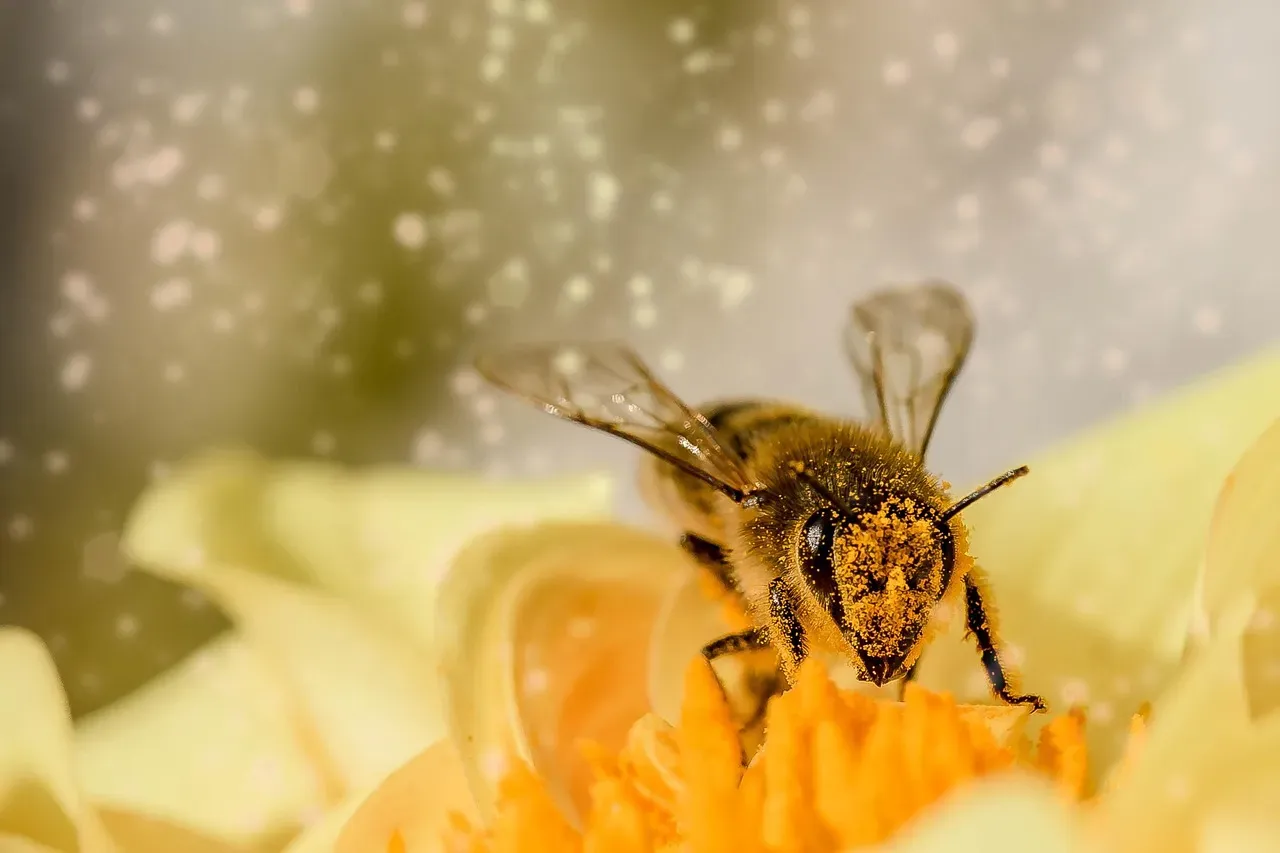
The ten insect species we’ve explored represent just a fraction of the incredible diversity working tirelessly in American ecosystems. Insects drive the production of essential seeds, fruits, and vegetables via pollination, and are necessary decomposers of organic matter. From pollinating our food crops to recycling nutrients through decomposition, from controlling pest populations to maintaining soil health, these tiny creatures perform tasks that would cost billions of dollars if we had to replicate them artificially.
Next time you’re tempted to swat away every flying insect or reach for the pesticide spray, pause for a moment. Consider whether that creature might be one of nature’s hardworking allies. The health of our ecosystems and the future of our food supply depend on these often overlooked species continuing to thrive. What small changes could you make in your own yard or garden to support these vital insects? Your local ecosystem might thank you in ways you never expected.
