


The underwater world is as diverse as it is mysterious, hosting fish species that have adapted to wildly different habitats. While some fish thrive in the boundless expanse of open waters, basking in sunlight and riding currents, others have evolved to live in perpetual darkness, making their homes in the secluded chambers of underwater caves. These contrasting environments have shaped not only the physical characteristics of these fish but also their behaviors, feeding patterns, and reproductive strategies. In this fascinating exploration, we’ll dive into the lives of ten fish species that flourish in open waters and six remarkable cave-dwellers that have adapted to life without light.
The Appeal of Open Waters

Open water environments offer fish species several advantages. The vast space allows for unimpeded movement, crucial for species that migrate or hunt over long distances. Sunlight penetrates these waters, supporting phytoplankton growth which forms the base of many marine food chains. Additionally, open waters often feature varied temperatures and oxygen levels, creating diverse microhabitats within the larger ecosystem.
Fish that evolved for open water typically share certain characteristics: streamlined bodies for efficient swimming, well-developed vision, and often silver or blue coloration that provides camouflage from both predators above and prey below. Many open-water species are also highly social, forming schools that offer protection and improve hunting efficiency. These adaptations have allowed them to thrive in environments where visibility extends for hundreds of feet and predators can approach from virtually any direction.
10. Yellowfin Tuna The Open Ocean Speedster
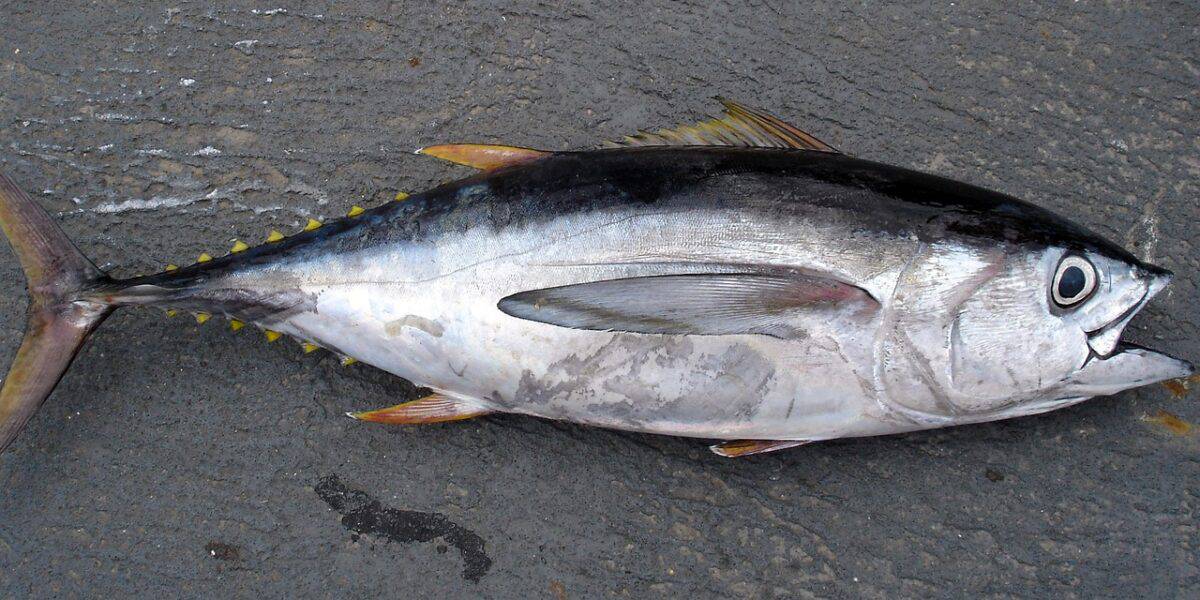
Yellowfin tuna (Thunnus albacares) epitomize open water adaptation with their torpedo-shaped bodies that can reach speeds up to 50 mph. Distinguished by their bright yellow fins and silver bodies with a metallic blue back, these powerful fish can grow to over 400 pounds and stretch to seven feet in length. They’re found in tropical and subtropical oceans worldwide, typically preferring waters between 68°F and 88°F.
What makes yellowfin tuna remarkable is their physiology—they maintain body temperatures warmer than the surrounding water through a specialized circulatory system called a countercurrent heat exchanger. This adaptation allows them to hunt in deeper, colder waters while maintaining optimal muscle performance. Highly migratory, yellowfin tuna can travel thousands of miles annually, following temperature gradients and food sources across entire ocean basins, making them true masters of the open water realm.
9. Atlantic Sailfish The Surface Hunter

The Atlantic sailfish (Istiophorus albicans) is instantly recognizable by its spectacular dorsal fin that can be taller than the fish’s body depth. This sail-like feature not only gives the species its name but serves multiple functions: it helps with rapid direction changes, can be used to herd prey, and when fully extended, may even intimidate predators. With a streamlined body that can exceed 10 feet in length and reach speeds up to 68 mph, the sailfish is one of the fastest fish in the ocean.
These pelagic predators primarily inhabit the upper layers of tropical and subtropical Atlantic waters, rarely diving below 650 feet. They’re often found in groups, working cooperatively to encircle schools of smaller fish like sardines and anchovies. When hunting, sailfish exhibit remarkable coordination—they take turns charging through the prey ball, striking with their bills to stun fish before circling back to consume the injured prey. Their preference for surface waters makes them a frequent sight for offshore anglers, with their dramatic leaps and aerial displays making them a prized game fish.
8. Blue Marlin The Ocean Wanderer

The blue marlin (Makaira nigricans) stands as one of the ocean’s most iconic open-water predators, characterized by its cobalt-blue top side, silvery-white belly, and distinctive spear-like upper jaw. These massive fish can reach lengths of 14 feet and weights exceeding 1,900 pounds, with females typically growing much larger than males. Their bodies are perfectly designed for life in the open ocean—powerful, streamlined, and capable of bursts exceeding 50 mph when pursuing prey or escaping threats.
Blue marlins are true oceanic nomads, traveling vast distances throughout tropical and subtropical waters worldwide. Satellite tagging studies have revealed individual marlins covering thousands of miles in just a few months, often following warm oceanic currents. They typically hunt in the upper water column but can dive to depths of 1,800 feet in pursuit of prey like tuna, mackerel, and squid. Their exceptional eyesight allows them to spot prey at considerable distances, while their bill serves as both a weapon and a tool—they slash through schools of fish, stunning or injuring their targets before circling back to consume them.
7. Mahi-Mahi The Colorful Sprinter
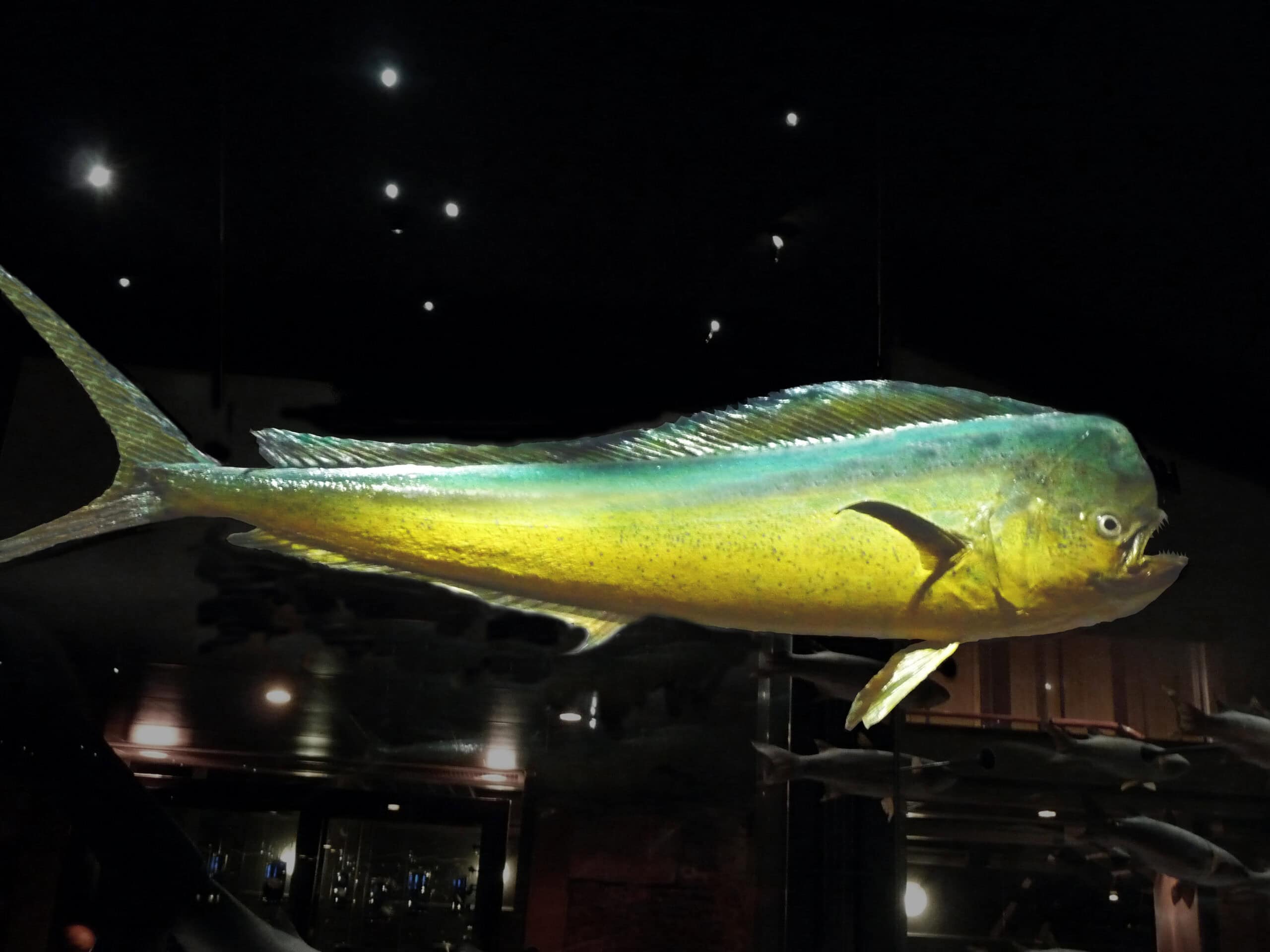
Mahi-mahi (Coryphaena hippurus), also known as dorado or dolphinfish, are among the most visually striking open-water species. Males feature a prominent, squared-off forehead and display spectacular colors—electric blues, vibrant greens, and golden yellows that fade rapidly after death. Their streamlined bodies can grow to over 5 feet and weigh up to 85 pounds, though most specimens are considerably smaller. What sets mahi-mahi apart is their incredible growth rate—they can reach sexual maturity in just 4-5 months and rarely live beyond four years.
These fish thrive in tropical and subtropical surface waters worldwide, often congregating around floating objects, from natural debris to man-made fish aggregating devices (FADs). This behavior has evolved because floating objects attract smaller prey fish and provide reference points in the otherwise featureless open ocean. Mahi-mahi are voracious predators with remarkable speed and agility, capable of short bursts up to 57 mph when chasing flying fish, squid, and other prey. Their preference for warm surface waters (typically above 68°F) and their association with floating debris make them particularly vulnerable to both recreational and commercial fishing pressure.
6. Bluefin Tuna The Ocean Giant

Atlantic bluefin tuna (Thunnus thynnus) represent the pinnacle of open-water fish evolution. These massive predators can exceed 1,500 pounds and measure over 10 feet in length, with streamlined, torpedo-shaped bodies built for sustained high-speed swimming. Unlike most fish, bluefin tuna are warm-blooded—they can maintain body temperatures up to 20°F warmer than surrounding waters through a specialized circulatory system. This adaptation allows them to hunt in colder waters that would incapacitate their prey and most competitors.
These remarkable fish undertake some of the most extensive migrations of any fish species, crossing entire ocean basins between feeding and spawning grounds. Eastern Atlantic bluefin spawn in the Mediterranean Sea, while western Atlantic populations reproduce in the Gulf of Mexico, with both populations mixing throughout the North Atlantic during feeding migrations. Their exceptional swimming efficiency allows them to cruise at 5-10 mph continuously, but they can achieve bursts over 40 mph when hunting. Bluefin primarily target smaller schooling fish and squid, using their speed and size to herd prey into tightly packed groups before charging through to feed. Unfortunately, their high commercial value—a single fish can sell for hundreds of thousands of dollars—has led to severe overfishing, making them a critical conservation concern.
5. Swordfish The Depth Traveler

The swordfish (Xiphias gladius) stands apart from other open water predators with its most distinctive feature—an elongated, flattened bill that can represent up to one-third of its total body length. Unlike billfish such as marlins, the swordfish lacks pelvic fins and possesses a single dorsal fin as an adult. These powerful fish can reach lengths of 15 feet and weights exceeding 1,400 pounds, though typical specimens are considerably smaller. Their muscular bodies taper dramatically toward the tail, creating an efficient form for high-speed swimming.
What makes swordfish truly exceptional is their daily vertical migration pattern. During daylight hours, they often descend to depths exceeding 1,800 feet where they hunt in near-freezing waters. At night, they return to surface waters less than 300 feet deep. To accomplish these dramatic depth changes, swordfish possess a specialized heating organ near their eyes that keeps their brain and eyes up to 50°F warmer than the surrounding water, maintaining visual acuity and neural function in the cold depths. This adaptation allows them to exploit food resources unavailable to most other predators. They use their bills not to spear prey as once believed, but to slash through schools of fish, stunning their targets before returning to consume them. Found in tropical, temperate, and sometimes even cold waters worldwide, swordfish epitomize the adaptability of open-water predators.
4. Flying Fish The Aerial Escapists

Flying fish (family Exocoetidae) have evolved one of the most remarkable adaptations among open-water species—the ability to escape predators by launching themselves into the air and gliding considerable distances. These fish possess enormously enlarged pectoral fins that function as wings, along with a forked tail where the lower lobe is larger than the upper one, providing powerful thrust for takeoff. Various species range from 7 to 12 inches in length, with four-winged species (having enlarged pelvic fins as well) capable of more complex aerial maneuvers than two-winged varieties.
When threatened, flying fish can accelerate underwater to nearly 37 mph before breaking the surface. Once airborne, they spread their “wings” and can glide for distances up to 650 feet, occasionally beating their tails against the water to extend their flight. Some species can even make multiple consecutive glides, reaching cumulative distances over a quarter-mile. This extraordinary adaptation evolved specifically for life in the open ocean, where there are no physical structures to provide refuge from predators like tuna, mahi-mahi, and marlin. Flying fish inhabit the epipelagic zone (surface to 200 meters depth) of all tropical and subtropical oceans, feeding primarily on plankton and small crustaceans. Their specialized lifestyle represents a fascinating evolutionary response to the challenges of surviving in the exposed environment of the open sea.
3. Ocean Sunfish The Floating Giant

The ocean sunfish (Mola mola) defies conventional fish design with its bizarre, truncated appearance—a massive disc-shaped body with elongated dorsal and anal fins but no true tail. Instead, its caudal fin has evolved into a rudder-like structure called a clavus. Despite this seemingly awkward design, ocean sunfish are perfectly adapted to their open-water lifestyle. They can reach weights up to 5,000 pounds and lengths of 14 feet from fin tip to fin tip, making them the heaviest bony fish in the world.
These gentle giants inhabit temperate and tropical oceans worldwide, often seen basking at the surface—a behavior that gives them their common name. This surface orientation serves an important purpose: after diving to depths of 2,000 feet or more to feed on jellyfish and other gelatinous zooplankton, sunfish return to warm surface waters to thermoregulate and allow seabirds to pick parasites from their skin. Their open-water lifestyle is supported by several adaptations, including thick, leathery skin that protects against jellyfish stings and massive pectoral fins that, while not particularly fast, provide steady propulsion. Female sunfish are incredible reproducers, capable of releasing up to 300 million eggs at once—the highest number of any known vertebrate—a strategy that compensates for the high mortality rate of offspring in the unprotected open ocean environment.
2. Great White Shark The Open Ocean Predator

The great white shark (Carcharodon carcharias) stands as perhaps the most iconic open-water predator on Earth. Reaching lengths of 20 feet and weights exceeding 4,000 pounds, these apex predators possess a streamlined, torpedo-shaped body perfectly evolved for both sustained cruising and explosive acceleration. Their distinctive coloration—dark gray or blue on top and white underneath—provides camouflage from both above and below, a classic adaptation for open-water hunting. Like tuna, great whites are partially warm-blooded, maintaining muscle temperatures up to 25°F above ambient water temperature, allowing them to hunt efficiently in cooler waters.
Contrary to their coastal hunting reputation, satellite tracking has revealed that great whites are truly pelagic animals that undertake vast oceanic migrations. Some individuals travel over 12,000 miles annually, with documented journeys between Australia and South Africa or California and Hawaii. During these open-ocean phases, they spend much of their time diving between the surface and depths of 3,000 feet, following the deep scattering layer of organisms that rises toward the surface at night. Their hunting strategy shifts between coastal areas, where they target marine mammals from below, and open ocean, where they pursue squid, tuna, and other pelagic fish. This adaptability, combined with exceptional sensory capabilities—including electroreception that can detect a single heartbeat—has made great whites supremely successful open-water predators for millions of years.
1. Atlantic Herring The Schooling Specialist
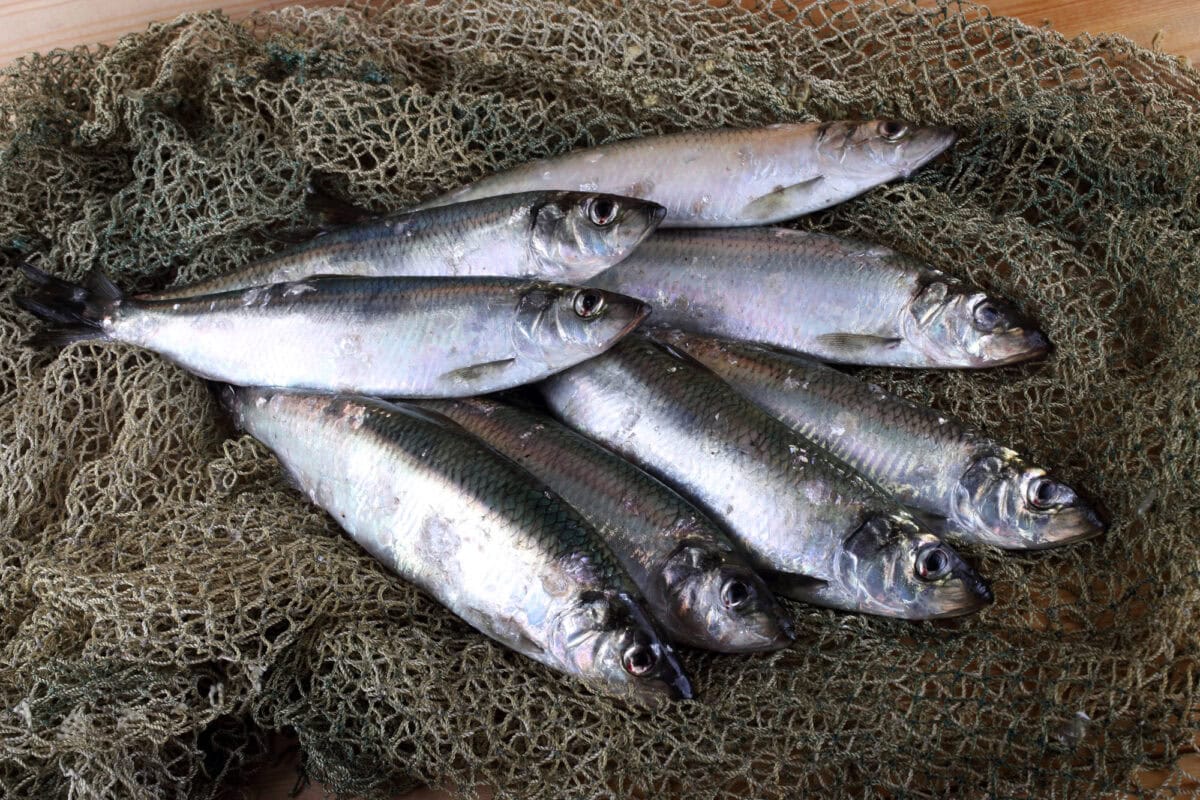
Atlantic herring (Clupea harengus) exemplify a different but equally successful strategy for open-water living—safety in numbers. These relatively small, silvery fish rarely exceed 17 inches in length, but what they lack in individual size they make up for in collective biomass. Schools can contain billions of individuals and stretch for miles, creating one of the ocean’s most impressive biological phenomena. Their slender, compressed bodies are optimized for efficient schooling, with large eyes for maintaining visual contact with neighbors and specialized sensory canals (the lateral line system) that detect pressure changes from nearby fish.
These filter-feeders primarily consume zooplankton, swimming with their mouths open to strain tiny organisms from the water. While their range encompasses much of the North Atlantic, different populations undertake distinct migrations between feeding, wintering, and spawning grounds. During spawning, females release between 20,000 to 100,000 eggs that sink to the seafloor where they adhere to gravel or vegetation. This massive reproductive output helps compensate for predation pressure from virtually every larger open-water predator, from fish and seabirds to marine mammals. Despite being heavily fished for centuries, Atlantic herring remain abundant in many areas, demonstrating the remarkable resilience of their open-water, schooling lifestyle. Their ecological importance cannot be overstated—they transfer energy from plankton to larger predators, serving as a critical link in oceanic food webs.
Life in Darkness Cave-Dwelling Fish

Cave environments present fish with challenges that are diametrically opposed to those of open waters. In these lightless habitats, photosynthesis is impossible, food is scarce, and spatial orientation becomes extremely difficult. Yet several fish species have not only adapted to these harsh conditions but have evolved specialized traits that allow them to thrive where most fish would perish. Cave-dwelling fish, known as troglobites, typically show convergent evolutionary traits regardless of their taxonomic relationships.
Most cave fish have lost pigmentation, developing pale or translucent bodies due to the absence of selective pressure for camouflage in dark environments. Many species have reduced or completely lost their eyes, redirecting that developmental energy to enhance other senses. They typically develop elongated fins and barbels with increased sensitivity to touch and water movement, while their lateral line systems—specialized organs that detect pressure changes in water—become highly refined. Some species have evolved slower metabolisms and longer lifespans to cope with food scarcity, while others have developed novel feeding strategies to exploit the limited resources available in subterranean ecosystems.
1. Mexican Blind Cavefish The Evolution Marvel

The Mexican blind cavefish (Astyanax mexicanus) represents one of the most studied examples of cave adaptation in vertebrates. What makes this species particularly fascinating is that it exists in two forms: a surface-dwelling form with normal pigmentation and vision, and multiple cave-dwelling populations that have independently evolved eyelessness and albinism. These different populations can still interbreed, making them invaluable for studying the genetic basis of evolutionary adaptation. Cave forms have undergone dramatic changes beyond just losing their eyes.
Conclusion:

Fish occupy nearly every imaginable niche in aquatic environments, and their preferences for open water or shadowy caves reflect incredible evolutionary adaptations. Open-water species like tuna, sardines, and silver dollars thrive in fast-moving, well-lit areas where speed, schooling, and streamlined bodies give them survival advantages. These fish rely on agility, vision, and coordination to navigate the vast, often predator-filled expanses of rivers, lakes, and oceans.
In contrast, cave-dwelling fish have developed an entirely different set of traits—such as reduced pigmentation, heightened sensory organs, and even blindness—to survive in perpetual darkness. Species like the Mexican tetra and cave loaches demonstrate how life can flourish in isolation and under extreme conditions. Together, these two groups show the remarkable range of behaviors and biology found in fish, shaped by the very different worlds they inhabit—one of light and motion, the other of silence and shadow.

As a little kid, I fell in love with nature, wildlife, and animals. Living in the USA, South Africa, Italy, China and Germany gave me the opportunity to discover the world's Wildlife. My favorite animals are Mountain Gorillas, Siberian Tigers, and Great White Sharks.
I'm a certified PADI Open Water Diver, went to Everest Base Camp and Trekked Gorillas in Uganda. I hold a Master of Science in Economics and Finance.
Please send any feedback to feedback@animalsaroundtheglobe.com
- 13 Cat Breeds That Get Along with Dogs - July 20, 2026
- The 12 Largest Dog Breeds That Still Love to Cuddle - July 20, 2026
- 12 Pet Habits That Secretly Mean They Love You - July 20, 2026