

#1 Lavender (Lavandula spp.)
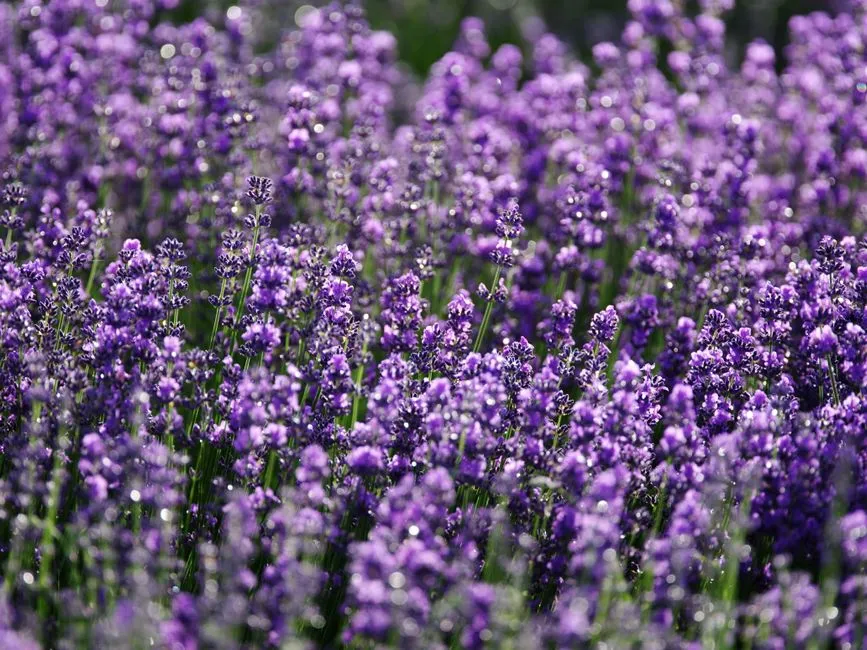
Lavender is one of those rare plants that pulls off being genuinely beautiful while also being thoroughly unwelcome to foraging rabbits. This herb may smell wonderful to us, but the strong scent scares away deer and rabbits. There’s something pleasingly poetic about that: the very quality that makes lavender so beloved in gardens, its signature fragrance, is the same quality that sends rabbits in the opposite direction.
Most lavender grows as a perennial in USDA zones 5 through 8. To keep it looking its best, it does require a bit of pruning, but the reward is flowers that attract many pollinators and plants not eaten by rabbits. Lavender prefers sunny conditions and is drought-tolerant. Spacing lavender 2 to 3 feet apart from other blooms and giving it plenty of sunshine, roughly 6 to 8 hours per day, will help it thrive. Planted along a garden border, it creates a fragrant line of defense that looks as intentional as it is practical.
#2 Marigold (Tagetes spp.)
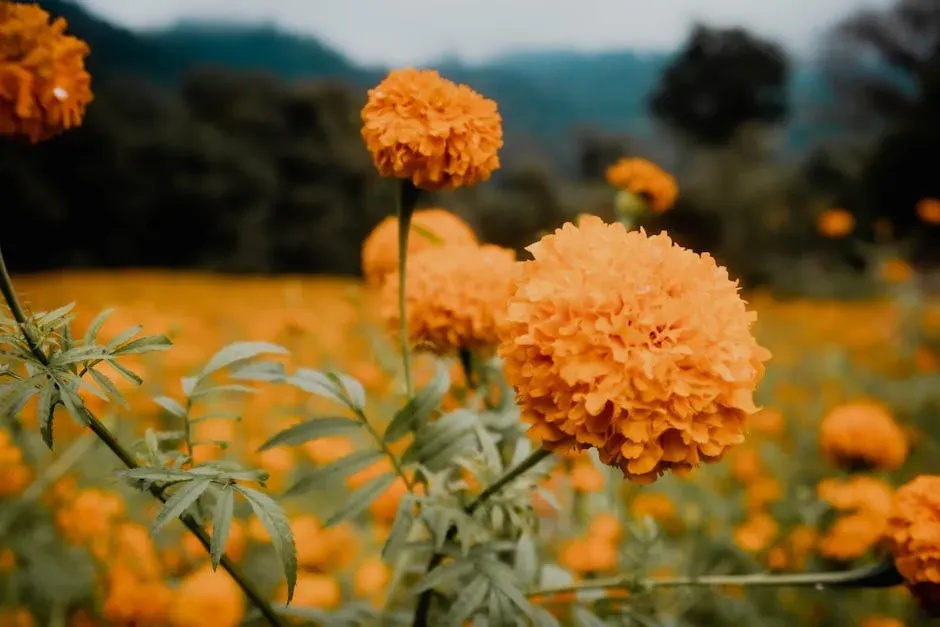
Marigolds have earned their reputation as one of the garden’s great multitaskers. Marigolds are the classic choice for deterring rabbits. Their pungent aroma is unappealing, and their foliage has a bitter edge that rabbits quickly reject. These cheerful flowers come in warm shades of yellow, orange, and red, brightening borders and beds all summer.
Beyond their rabbit resistance, marigolds pull double duty as companion plants. They repel aphids and nematodes, making them excellent partners for vegetables like tomatoes and peppers. They are easy to grow from seed sown directly in the garden after all threat of frost has passed in the spring, and they bloom from mid-summer all the way through fall. For vegetable gardeners particularly, planting a ring of marigolds around a raised bed is one of the simplest, most cost-effective protective strategies around.
#3 Rosemary (Salvia rosmarinus)
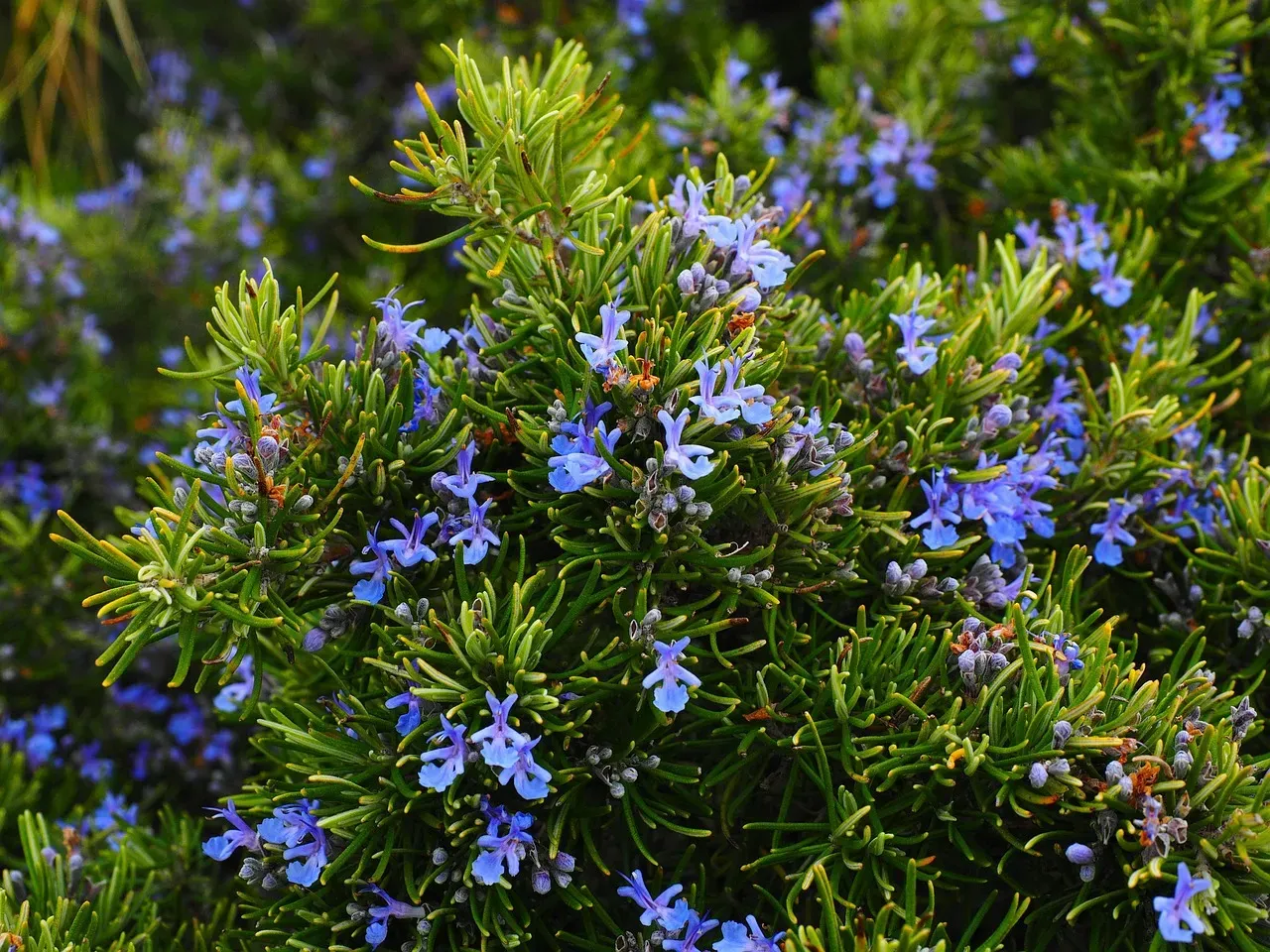
Rosemary is a garden staple that does double duty in the kitchen and at the garden gate. Most herbs have a pungent scent and taste that rabbits dislike, and rosemary is firmly on that list. Its woody stems and needle-like, resinous leaves make it unappealing in both texture and scent, a combination that discourages casual nibbling by most garden visitors.
Dispersing extra-fragrant plants like rosemary among your vegetables can work well because it creates scents that rabbits tend to avoid. You can also surround your entire garden with a border of these plants. Rosemary tends to be hardier and more drought-tolerant once established, thriving in full sun with well-draining soil. It works especially well planted near the perimeter where it intercepts rabbits before they reach more vulnerable plants deeper in the bed.
#4 Sage (Salvia officinalis)
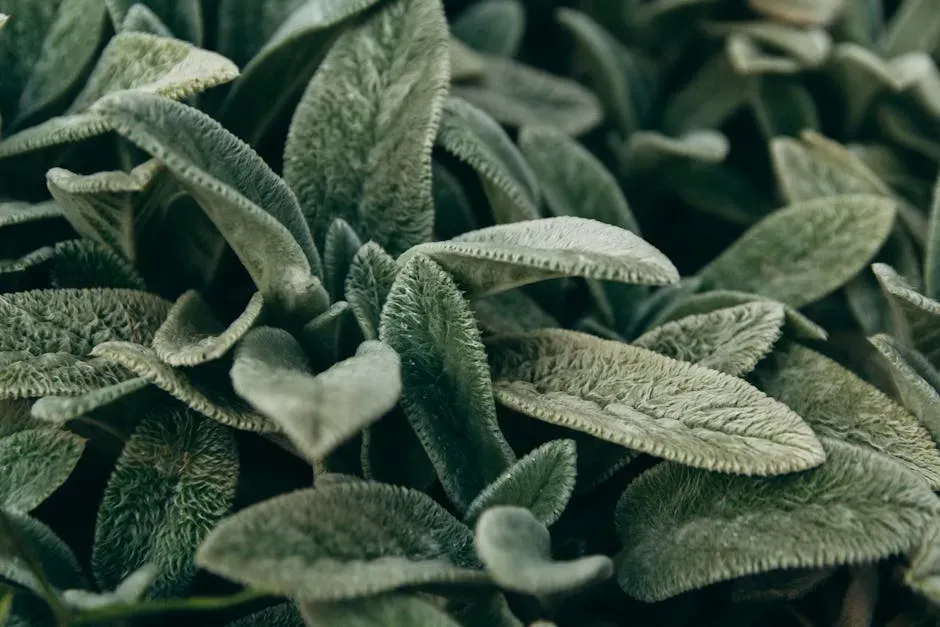
Sage carries a distinctive intensity that is hard to miss, whether you’re cooking with it or brushing against a leaf in passing. If you burn sage often as part of a cleaning ceremony, you’re already aware of its potency. Rabbits aren’t big fans of it, and the fuzzy, leathery texture of the leaves further discourages any interest. It’s one of those plants where both the smell and the feel work together against the rabbit’s instincts.
Fragrant, pinkish or bluish-purple flowers bloom in summer, drawing in pollinators. To minimize disease pressure, plant sage in a well-draining site with full sun exposure. If you rub a sage leaf and put it to your nose, you’ll notice a minty scent since sage belongs to the mint family, and that same strong scent that seems pleasant to you actually keeps the critters away. It’s a compact, tidy grower that fits naturally into both herb beds and ornamental borders.
#5 Thyme (Thymus spp.)
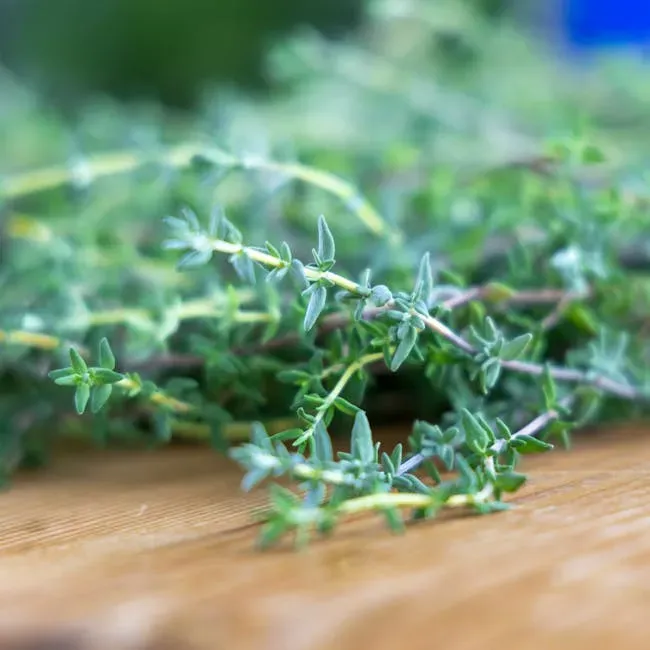
Thyme is genuinely one of the most versatile rabbit deterrents in this list, largely because it can serve so many functions at once. You can use it to discourage rabbits, as they despise its smell, without turning away nectar-eating butterflies and bees. Depending on the variety, thyme works as a flowering groundcover or a low-growing evergreen specimen in zones 5 through 9, suitable for rocky or sandy soils and drought-prone areas.
Thyme thrives in full sun exposure and may require an occasional trim to prevent legginess. Fragrant herbs like thyme can be added to a garden to make it more bunny-proof. The compounds in most mint-family plants are quite distasteful to bunnies. As a low-growing plant, thyme works particularly well as an edging along paths and borders, creating a scent-barrier right where rabbits typically enter from ground level.
#6 Oregano (Origanum spp.)
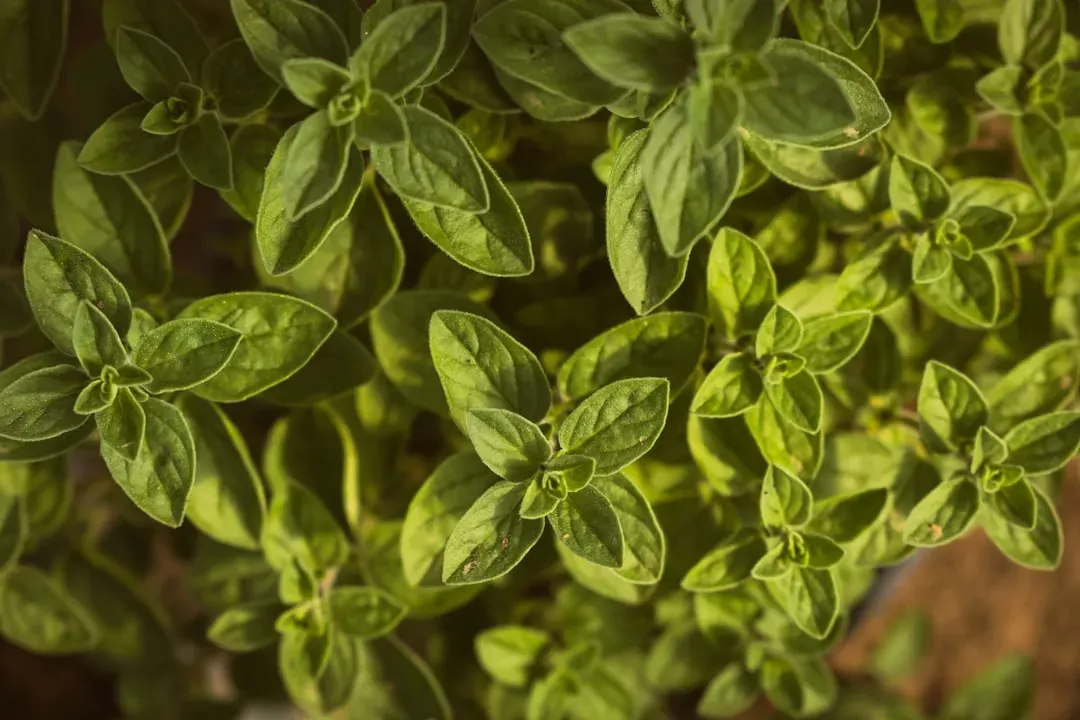
Oregano is perhaps the most underrated rabbit deterrent in common cultivation. Those with alkaline soils may find it especially worthwhile to grow oregano. Its strong smell, apart from elevating any number of dishes, conceals the presence of other plants that bunnies enjoy, creating an excellent protective barrier. That last point is worth pausing on. Oregano doesn’t just repel rabbits on its own terms; it can actually mask nearby plants that rabbits would otherwise target.
Oregano is highly versatile in that it can handle erosion, heat, drought, and soil leaching, though it does draw the line at poor drainage. This quick grower prefers dry soil and full sun, and can be planted as a border or a ground cover to deter rabbits as they approach. Its spreading habit makes it ideal for filling in gaps along the front edge of a garden bed, and it rewards you with harvestable leaves throughout the growing season.
#7 Allium (Allium spp.)
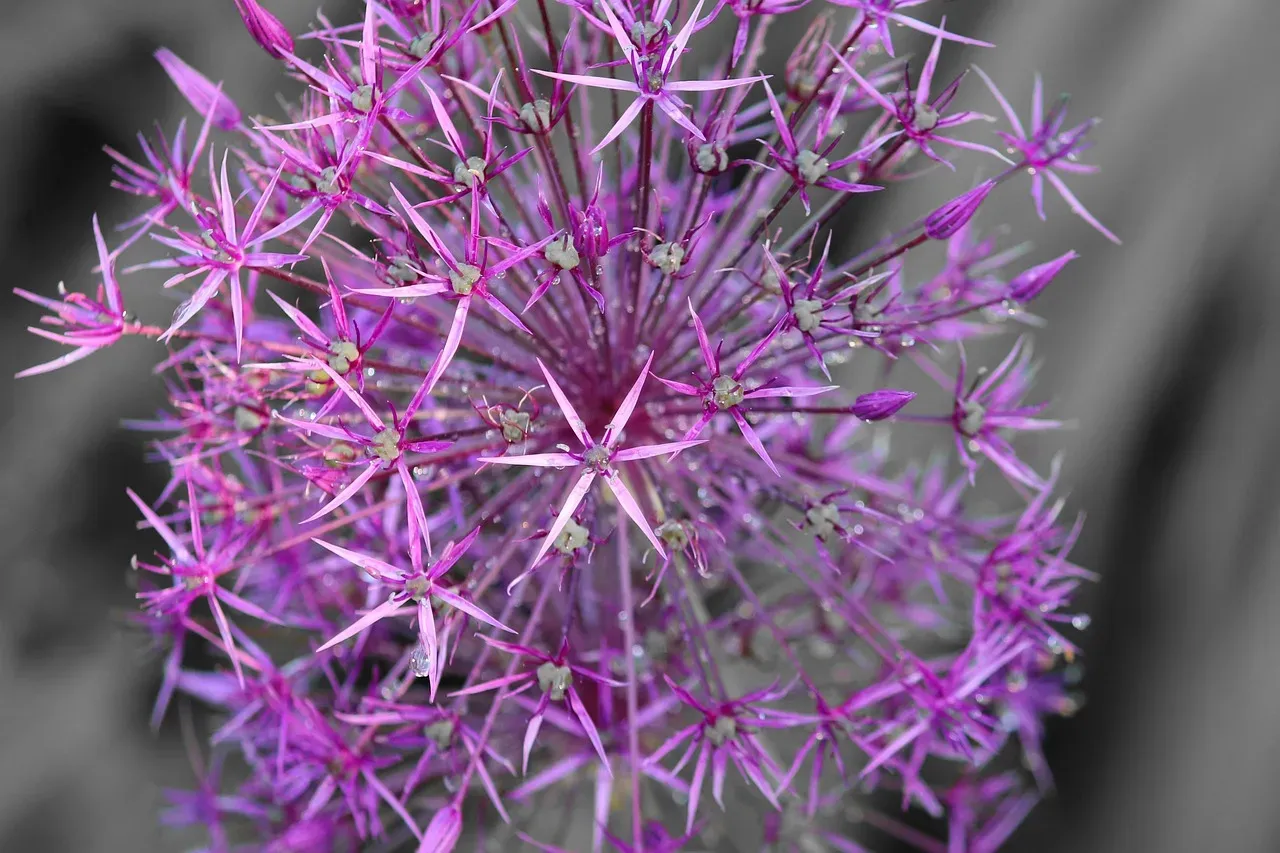
Alliums include everything from ornamental globe flowers to chives and garlic, and the whole family tends to send rabbits the other way. These flowers are perfect plants to discourage roaming bunnies, as the pungent onion odor emitted from the stems and leaves is too much for rabbits, and squirrels and chipmunks will also stay clear. The scent, which registers as pleasant or at least neutral to most people, is simply overwhelming to a rabbit’s far more sensitive nose.
Allium is a genus that includes many ornamental flowers, plus onions and chives. Ornamental alliums range in size from a foot to several feet tall and bloom in spring to mid-summer, and most are hardy in USDA Hardiness Zones 3 through 9. Pollinators like honeybees thrive on the nectar produced by the flowers. Plant the bulbs in fall between September and November, ensuring they are about 4 inches deep in the soil with full sun exposure. The dramatic spherical blooms also add genuine visual interest to a garden long after the deterrence work is done.
#8 Catmint (Nepeta spp.)
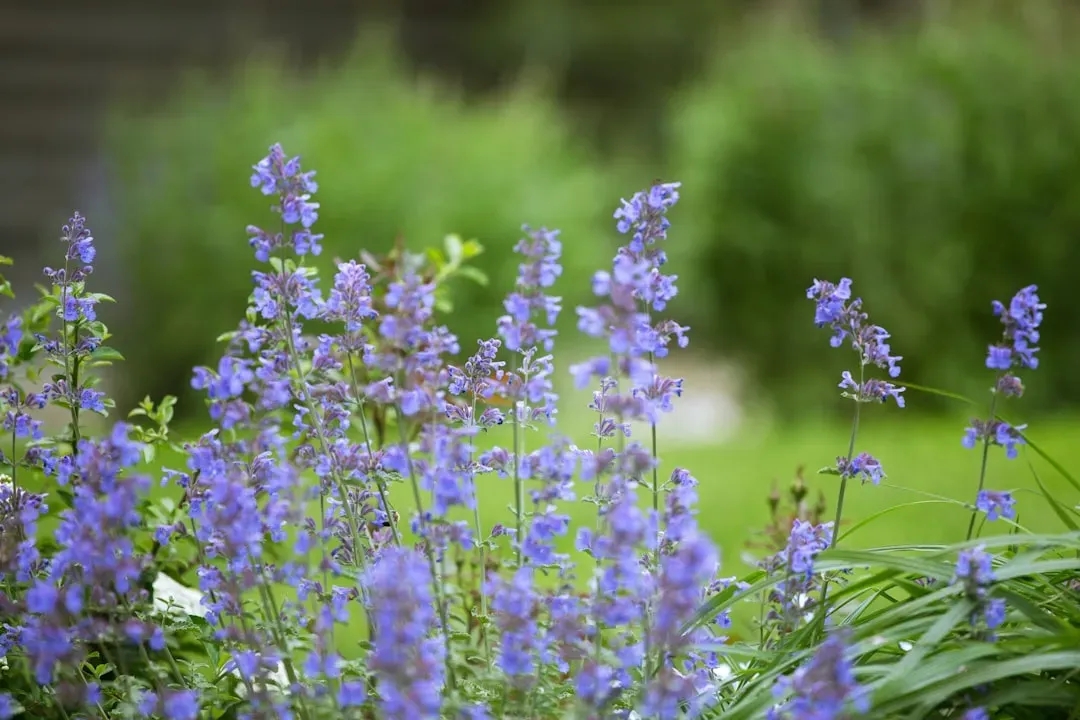
Catmint occupies a peculiar position in the garden world. It attracts cats, but it repels rabbits, which makes it a surprisingly useful ally depending on your local wildlife situation. Rabbits are especially repelled by catmint, making it a good addition to the herb garden. The compounds in most mint-family plants are quite distasteful to bunnies. The foliage carries a sharp, herby fragrance that is persistent enough to act as a genuine deterrent even when the plant isn’t in active bloom.
Catmint is also rabbit-proof and very attractive to pollinators. As a companion plant, catmint is a solid choice because rabbits aren’t as inclined to eat it, and it can be tall enough to block a rabbit’s view of lettuce and other vulnerable plants. It’s a hardy, low-maintenance perennial that produces waves of soft purple flowers, looks good through much of the growing season, and rarely asks for much in return. Few plants offer that combination of ornamental appeal and pest-deterrent function so reliably.
#9 Geranium (Pelargonium / Geranium spp.)
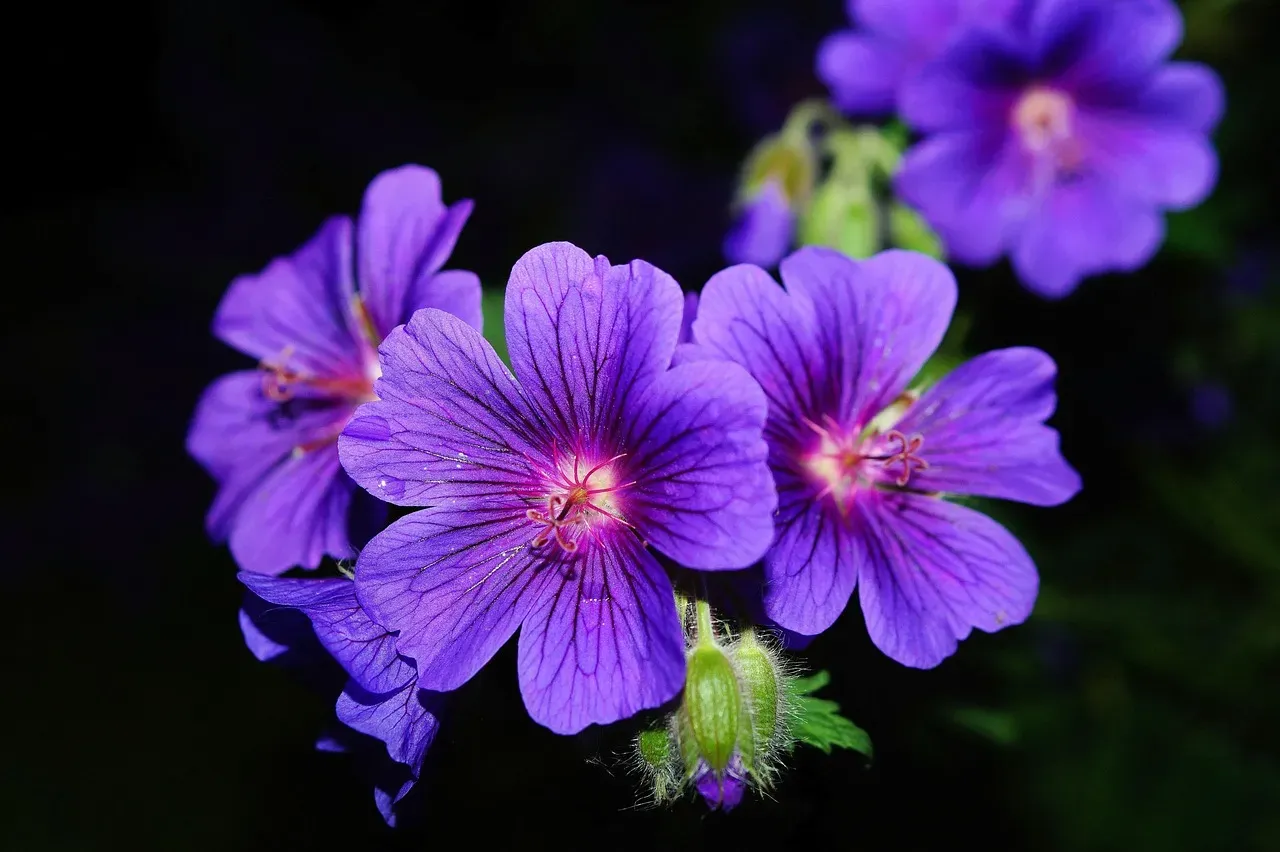
Both the tender annual geraniums (Pelargonium) and the hardy perennial cranesbill (Geranium) make useful additions to a rabbit-resistant garden, each for slightly different reasons. Rabbits tend to leave cranesbill alone due to mildly toxic compounds, an unpleasant taste, and the rough or hairy texture of the leaves. Rabbits also dislike common geraniums, making the whole family a reasonably consistent deterrent across garden types.
Cranesbill, also known as hardy geranium, is a tough perennial that thrives in a wide range of growing conditions, producing attractive dissected foliage and cup-shaped flowers in spring and summer. Geraniums do well in full sun to partial shade, are easy to grow, and prefer well-drained soil with regular watering. For gardeners looking for a plant that delivers color across a long season without demanding much attention, and that also happens to keep rabbits from lingering nearby, geraniums are a genuinely practical option.
#10 Daffodil (Narcissus spp.)
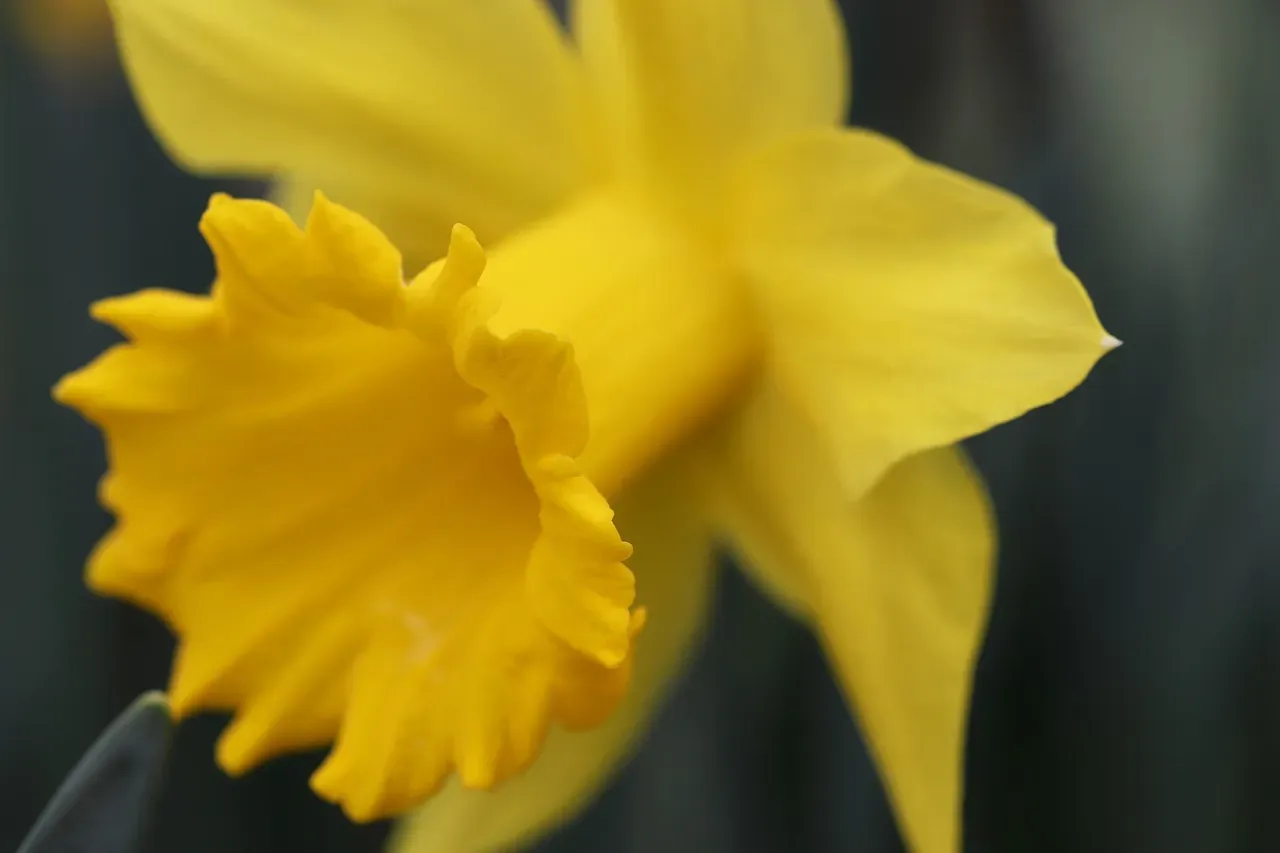
Daffodils are one of the most reliable rabbit deterrents available because the reason rabbits avoid them is unusually clear-cut. While rabbits may mow down tulips, they will leave daffodils alone. Daffodils contain a sap that is unpleasant to them, and they belong to the Narcissus genus of plants. The entire plant contains compounds called lycorine and other alkaloids that make it genuinely unappealing and, at sufficient quantities, toxic to rabbits and most other browsing animals.
There are thousands of varieties of daffodils, hardy across USDA zones 4 through 8. Planting the bulbs in fall delivers a spring bloom, and many daffodils will naturalize and spread from year to year. There are many ornamental bulbs that rabbits will leave alone, and daffodils are firmly on that list. Strategically interspersing daffodils among more vulnerable spring-blooming plants is a time-tested practice that offers genuine protective value while also delivering a spectacular early-season display.
Putting It All Together: A Smarter Garden Strategy

No single plant will guarantee a rabbit-free garden. That’s worth repeating plainly. Rabbits will eat anything when they are hungry, especially young and tender leaves. Rabbits particularly love eating the youngest plants, since young leaves often have not yet accumulated as many distasteful chemical compounds as older ones. Protecting new transplants until they mature is just as important as your plant selection itself.
Mixing up various flowers and herbs for variety can offer better control. Rabbits tend to go for soft, tender growth, new transplants, and well-fertilized plants, so planting bigger or relatively more mature specimens can give you an advantage. A tiered approach works well: taller woody shrubs at the back, mid-height perennials in the middle, and low-growing herbs like lavender and catmint at the front. This not only looks great but creates a barrier of smells and textures rabbits don’t like.
The most resilient gardens tend to be diverse ones. A border woven through with lavender, alliums, and sage, punctuated by marigolds near the vegetables and daffodils scattered among spring bulbs, offers layered protection without looking like a defensive installation. It just looks like a well-considered garden. The rabbits will notice the difference before you do.

- Why Veterinarians Say If Your Cat Sleeps With Their Back to You, It's the Highest Form of Trust in Feline Behavior - July 20, 2026
- The Zodiac Signs That Owls Avoid Completely (And What Folklore Says It Means About Your Energy) - July 20, 2026
- You Won’t Believe What These 5 Animals Eat for Dinner - July 20, 2026