
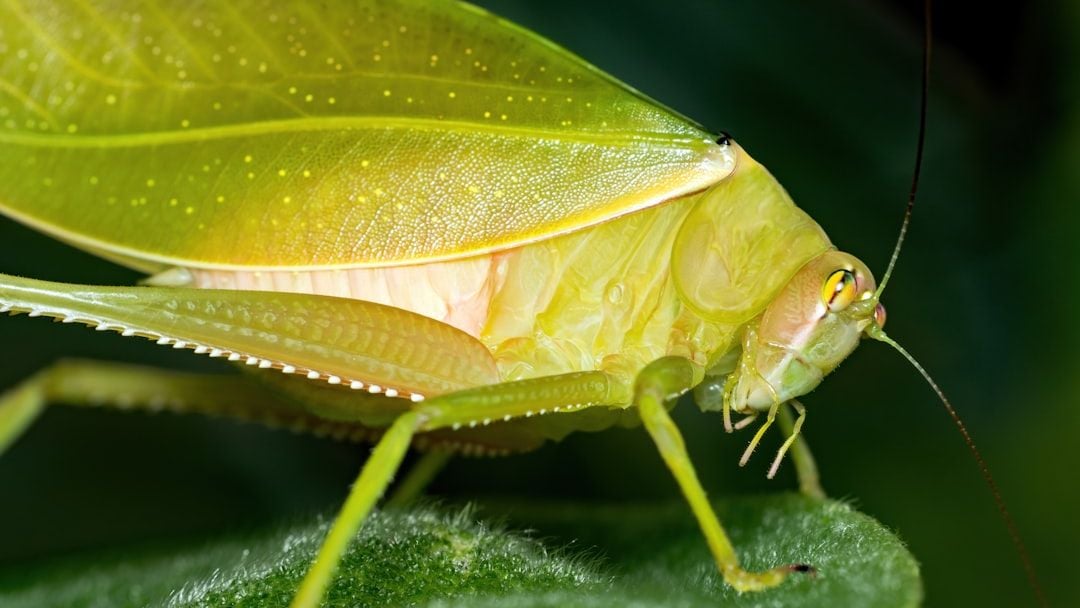
Think you’re good at hiding when you don’t want to be found? Well, nature has been perfecting this game for millions of years, and honestly, some creatures out there have taken it to a level that’s almost unbelievable. We’re talking about animals that can literally vanish before your eyes, blending so seamlessly into their surroundings that even when you know they’re there, your brain struggles to find them.
It’s not just about survival, though that’s a big part of it. Camouflage is nature’s ultimate magic trick, combining biology, physics, and sheer evolutionary genius. From the ocean depths to rainforest canopies, these masters of disguise have developed some truly mind-blowing abilities. Let’s dive into the world of nature’s best hide-and-seek champions.
The Mimic Octopus – Nature’s Shape-Shifter
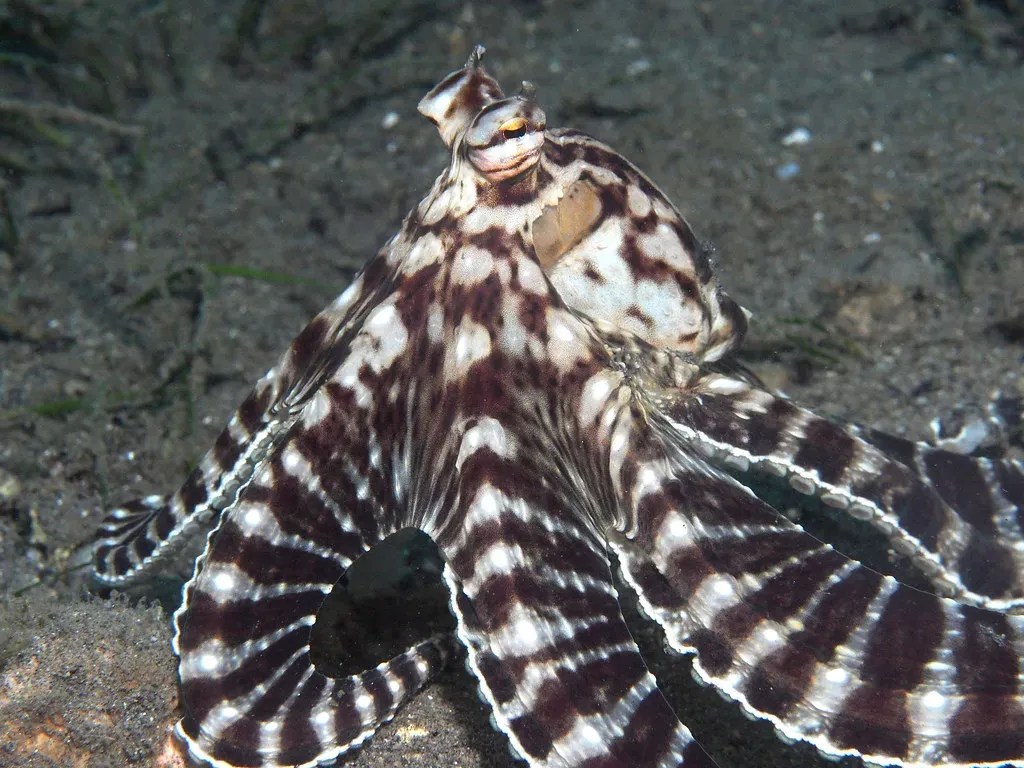
The mimic octopus is the most advanced camouflaging animal with the ability to mimic other animals’ shapes, colors, and movements. This extraordinary creature doesn’t just blend into the background like most camouflage experts. It actually transforms itself to look like entirely different species.
To other marine animals, a Mimic Octopus may look like a flatfish, flounder, lionfish, sea snake, or one of at least 11 other species! When threatened by different predators, it chooses which animal to impersonate based on what would be most effective. When threatened by damselfish, they are observed imitating sea snakes, a common predator of the damselfish.
What makes this even more remarkable is the speed and intelligence involved. The mimic octopus doesn’t just change color; it manipulates its entire body structure and swimming behavior to pull off these deceptions. It’s like having a whole costume department built into your body, ready to deploy in milliseconds.
Cuttlefish – The Chameleons of the Sea
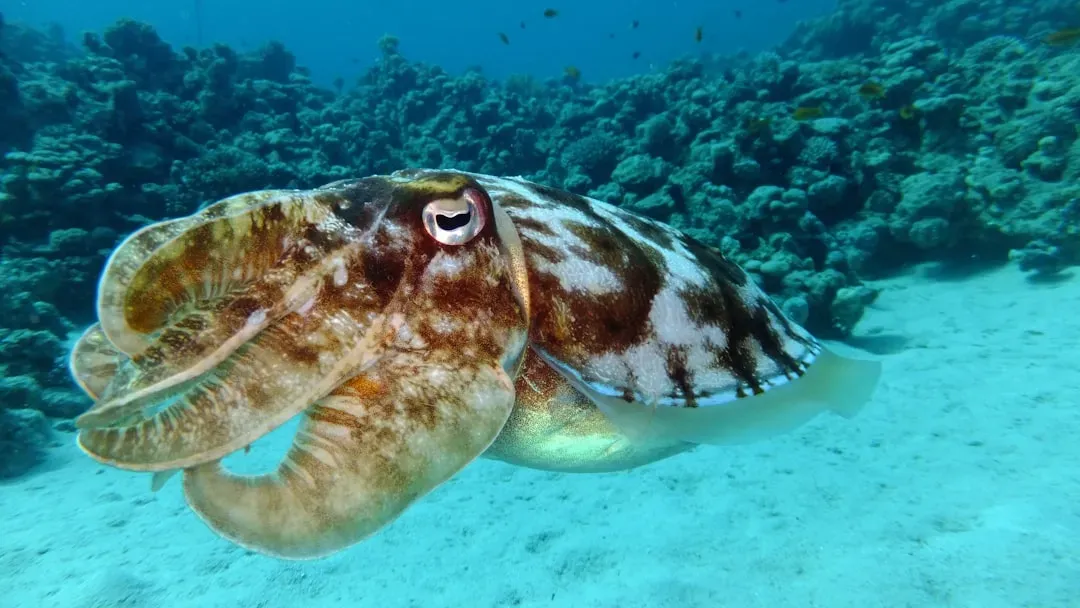
Here’s something that’ll blow your mind: cephalopods can radically change their appearance faster than the blink of an eye, the swiftest known change in the animal kingdom. Cuttlefish are absolute masters at this rapid-fire transformation.
Cuttlefish rapidly change their skin color and texture, making them almost invisible to predators and prey. They possess specialized skin cells called chromatophores that contain different colored pigments. By controlling these cells through their nervous system, they can create intricate patterns and textures in fractions of a second.
One of the most perplexing issues is that cephalopods are color-blind yet seem to have color-coordinated patterns for a wide range of colorful backgrounds. Scientists are still trying to understand exactly how these creatures manage such perfect color matching without being able to see color themselves. It’s one of nature’s most fascinating mysteries.
Common Octopus – The Master of Texture
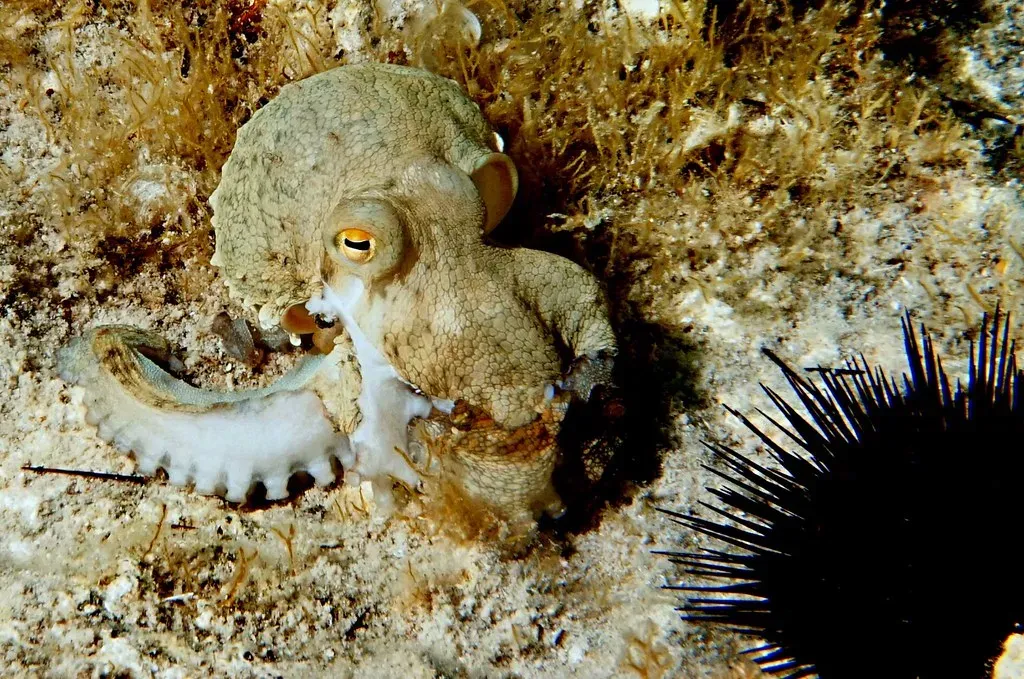
The common octopus takes camouflage to another dimension entirely. They can change not only their coloring, but also the texture of their skin to match rocks, corals and other items nearby by controlling the size of projections on their skin (called papillae), creating textures ranging from small bumps to tall spikes.
Imagine being able to make your skin instantly rough like tree bark, smooth like sand, or bumpy like coral. That’s essentially what the octopus does. With their malleable bodies they can twist and turn their arms and mantle into all sorts of shapes that render their telltale arms indistinguishable.
It is nearly impossible to find an octopus that is camouflaged while it is foraging. Even trained marine biologists admit to swimming right over camouflaged octopuses for decades without spotting them. That’s how good these creatures are at disappearing in plain sight.
Leaf-Tailed Gecko – The Dead Leaf Impersonator
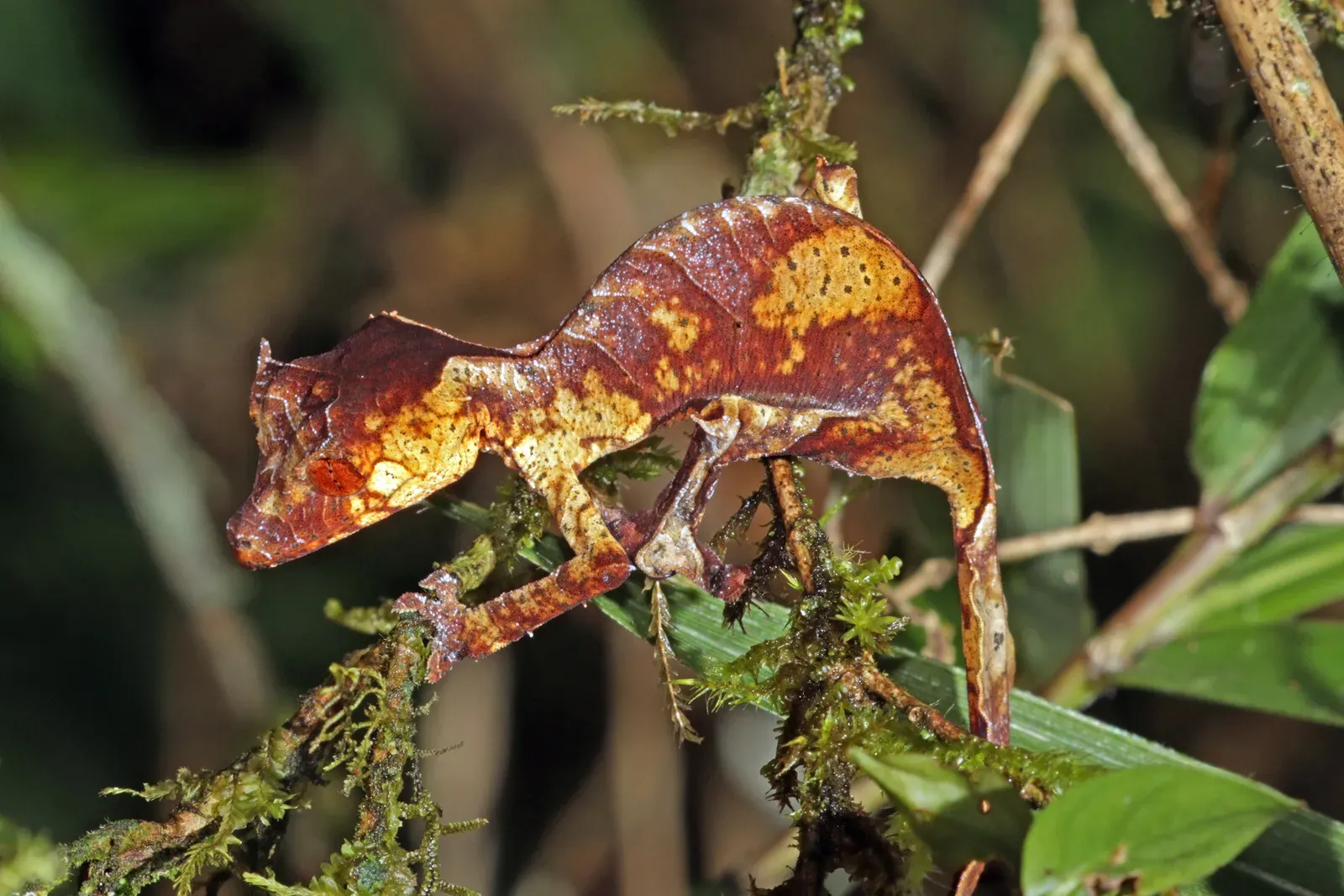
The leaf-tailed gecko, with its jagged edges, mottled skin, and flattened tail, looks exactly like a dead leaf clinging to a branch, and even when you know where to look, your eyes might slide right past it because this reptile’s camouflage is so perfect that it even mimics leaf veins, bite marks, and decay spots.
Native to Madagascar’s forests, this little reptile doesn’t run when danger approaches. When danger approaches, it doesn’t flee – it freezes, merging completely with its surroundings. The gecko’s flat body, irregular edges, and convincing coloration make it look like nothing more than forest debris.
The Leaf-Tail Gecko can camouflage itself so well, you might not be able to see it even after it’s been pointed out to you. It’s essential to the gecko’s existence as a nocturnal hunter that creeps and crawls through the night, catching prey while remaining virtually invisible to predators.
Stick Insects – The Walking Twigs
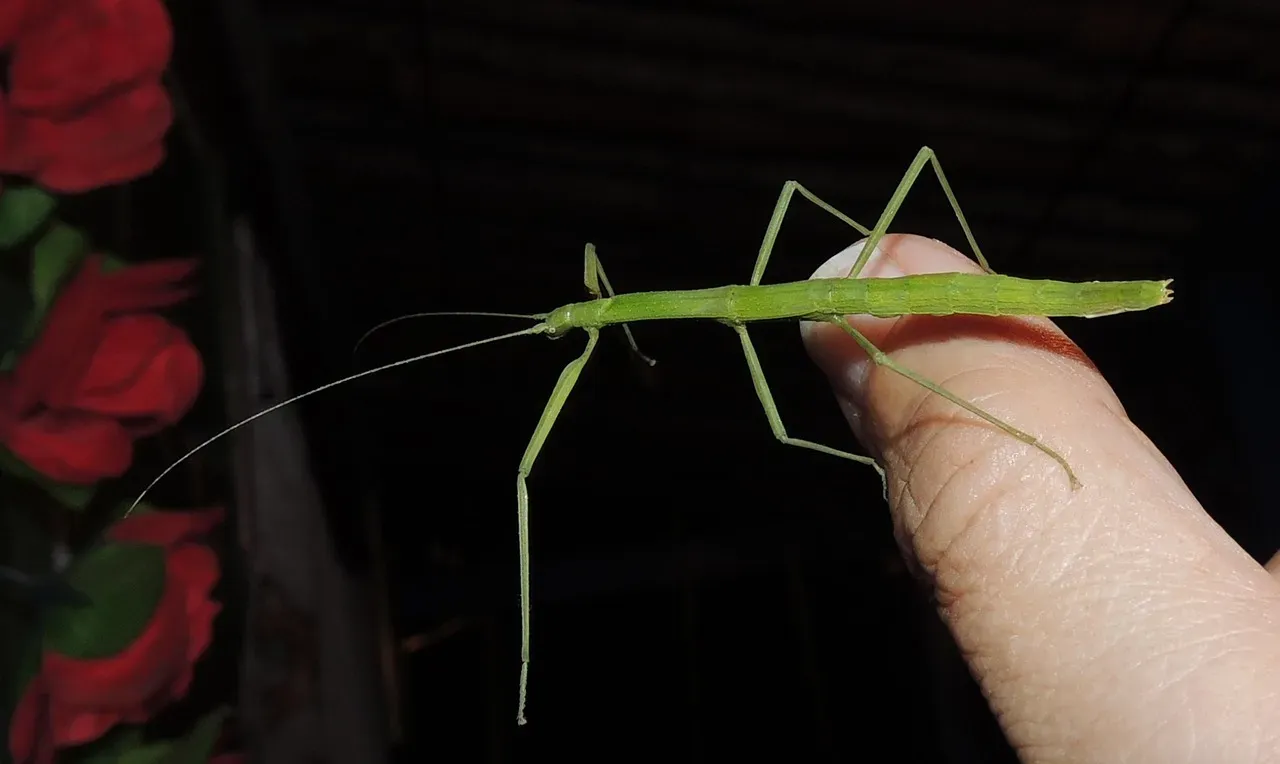
The Phasmatodea order of insects is full of camouflage masters, including stick bugs, walking sticks, and stick insects found on every continent except Antarctica, and wherever they are, they are hard to spot thanks to their incredible camouflage abilities.
These insects don’t just look like sticks. They look like sticks, they sway with the breeze like sticks (cryptic mimicry), and they can even change their color to fit with the foliage. Their commitment to the disguise is total. Remaining absolutely stationary enhances their inconspicuousness.
It is common to see them walk in a swaying motion, pretending to be a twig caught by the wind. Even their eggs are camouflaged, looking remarkably like seeds scattered on the forest floor. Birds and reptiles technically prey upon them, but in reality have a hard time finding them at all.
Leaf Insects – Living Foliage
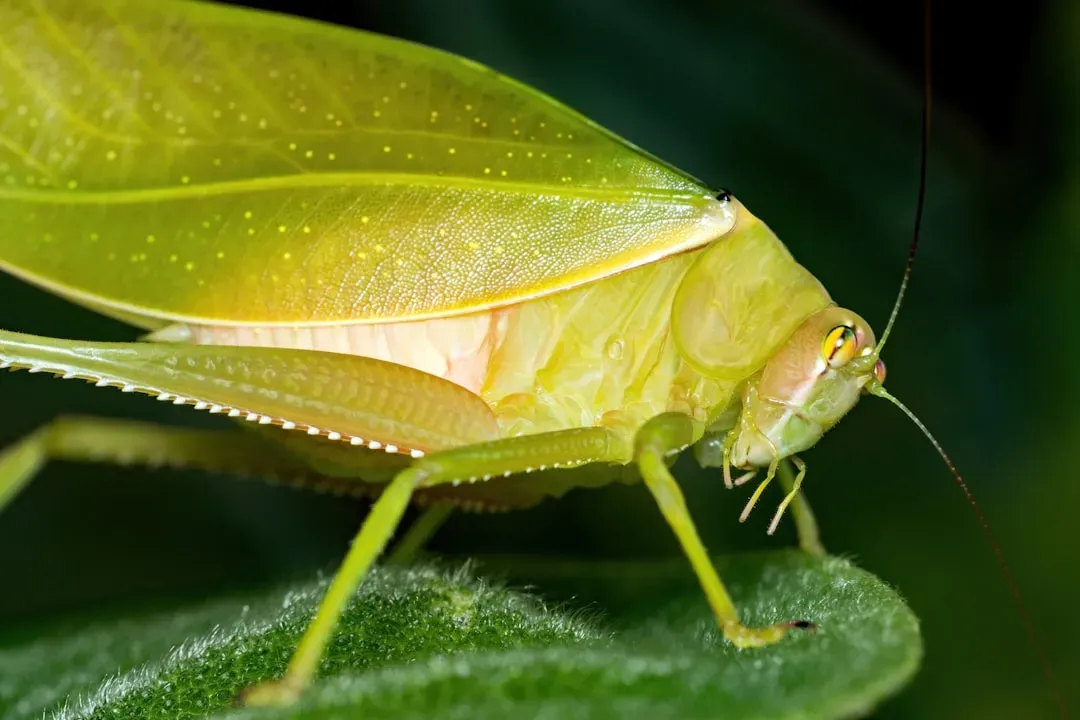
Leaf Insects live in the tropical forests of Southeast Asia, Australia, and the Pacific Islands with body shapes and wing structures that are incredibly similar to the shape, color, and texture of actual leaves, and they can have varying shades of color from greens to browns and yellows to replicate dead or decaying leaves.
To watch a leaf insect move is to witness something truly surreal. These insects don’t just resemble leaves; they embody them completely. Their legs mimic leaf stems, their bodies display vein-like patterns, and they even have irregular edges that look like insect damage on real leaves.
Stick and leaf insects masquerade superbly as sticks, lichen, moss, and leaves to avoid visual detection by predators as their camouflage has been perfected to not only match the shape, but also the texture, thickness, and coloration of their botanical habitats. The level of detail is genuinely remarkable when you look closely.
Chameleons – The Color-Changing Icons
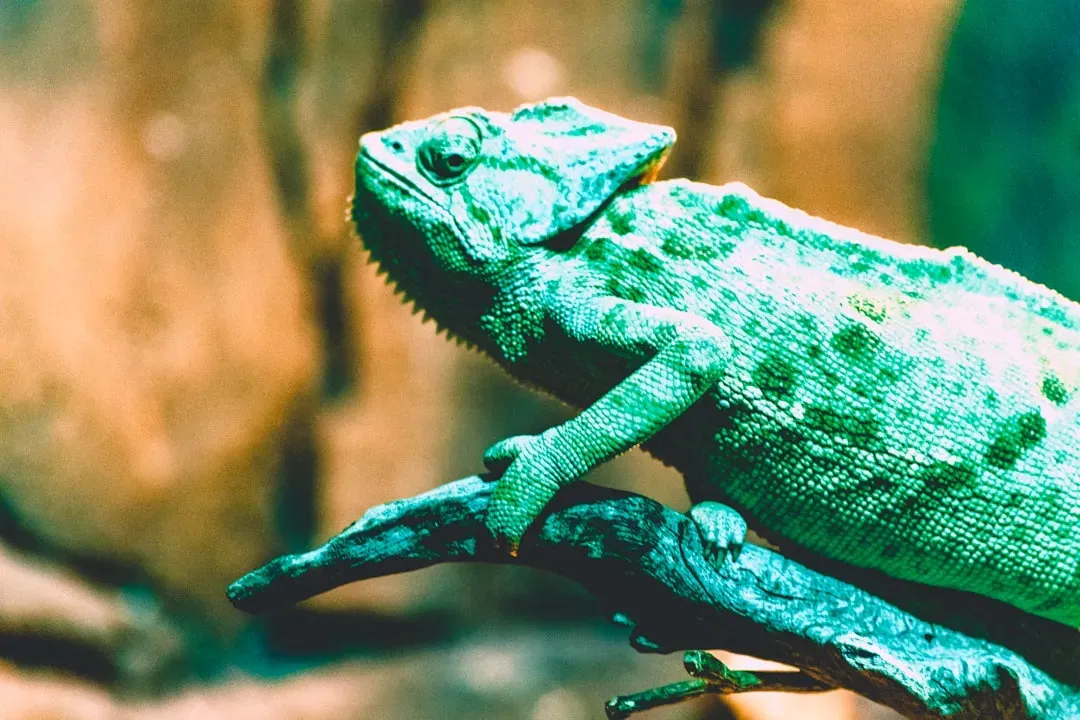
Everyone knows chameleons can change color, but here’s what most people get wrong: chameleons don’t typically change color to camouflage themselves; instead, they change color to communicate aggression or desire to other chameleons, or to regulate their body temperature.
It comes down to its biology. This reptile has chromatophores which are cells containing pigment, and they react to sunlight and the brightness of the background, which helps match the chameleon’s skin to his surroundings.
Still, their natural coloration does provide excellent camouflage in their habitats. While some chameleons can only shift brightness, others change color completely. Their everyday khaki tones keep them hidden during normal times, and they only shift to dramatic colors when emotions run high.
Arctic Hare – The Seasonal Transformer
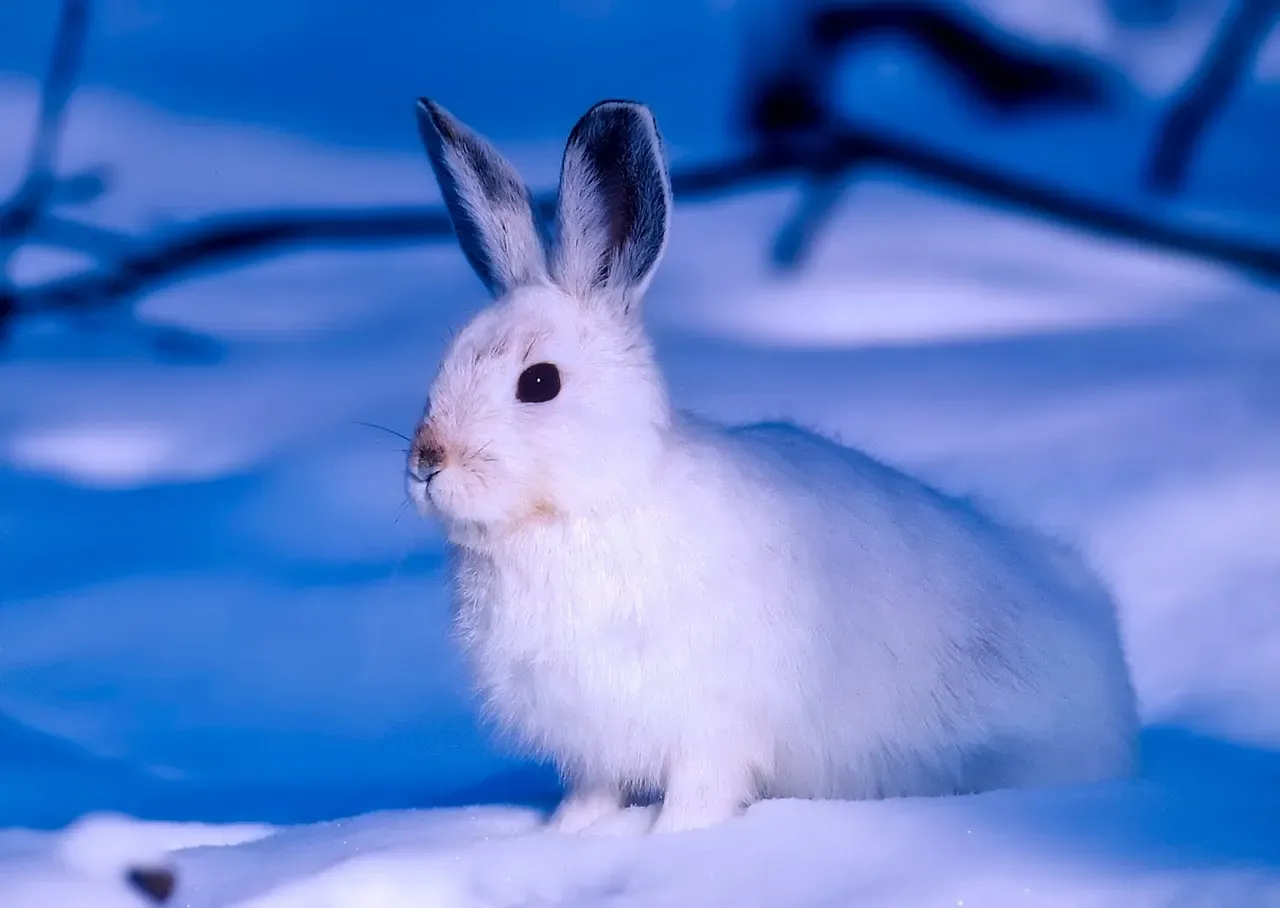
The Arctic hare has mastered the art of seasonal disguise as in summer, its coat turns grayish-brown, blending with tundra rocks and moss, but when winter’s snow blankets the land, the hare’s fur becomes pure white.
This transformation isn’t optional or gradual. It’s a survival necessity driven by the dramatic seasonal changes of the Arctic. Arctic hares rely on speed and stealth to evade predators like foxes and wolves, and their camouflage buys them crucial seconds in a chase – enough to disappear into a blizzard’s blur.
Their fur colors help them blend into their surroundings, camouflaging them from predators, which include well-camouflaged Arctic foxes, as well as wolves and lynx. It’s a constant game of hide-and-seek in one of Earth’s harshest environments, where being spotted often means becoming someone’s dinner.
Leafy Seadragon – The Floating Seaweed
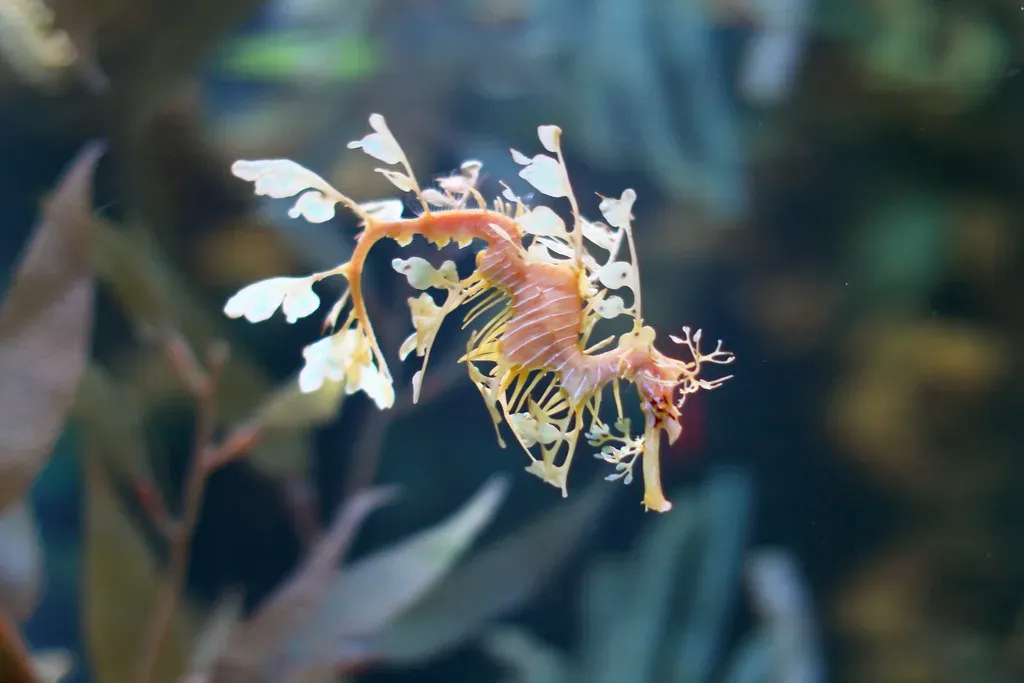
Leafy seadragons are fish related to seahorses found along the southern coast of Australia, and they are famous for their appearance, which resembles a branch with leaves – or a piece of seaweed – as the leaf-like protrusions on a leafy seadragon’s long, thin body don’t serve any purpose other than camouflage.
These creatures take the concept of camouflage to an artistic level. They don’t just blend in; they become part of the underwater landscape. The leafy seadragon actually sways like the seaweed it disguises itself as. This behavioral mimicry completes the illusion perfectly.
While young leafy seadragons are hunted by crustaceans, larger fish, and sea anemones, adult leafy seadragons don’t face any predators due to this incredible adaptation. Their camouflage is so effective that they’ve essentially achieved invulnerability through disguise alone.
Jaguar – The Shadow Predator
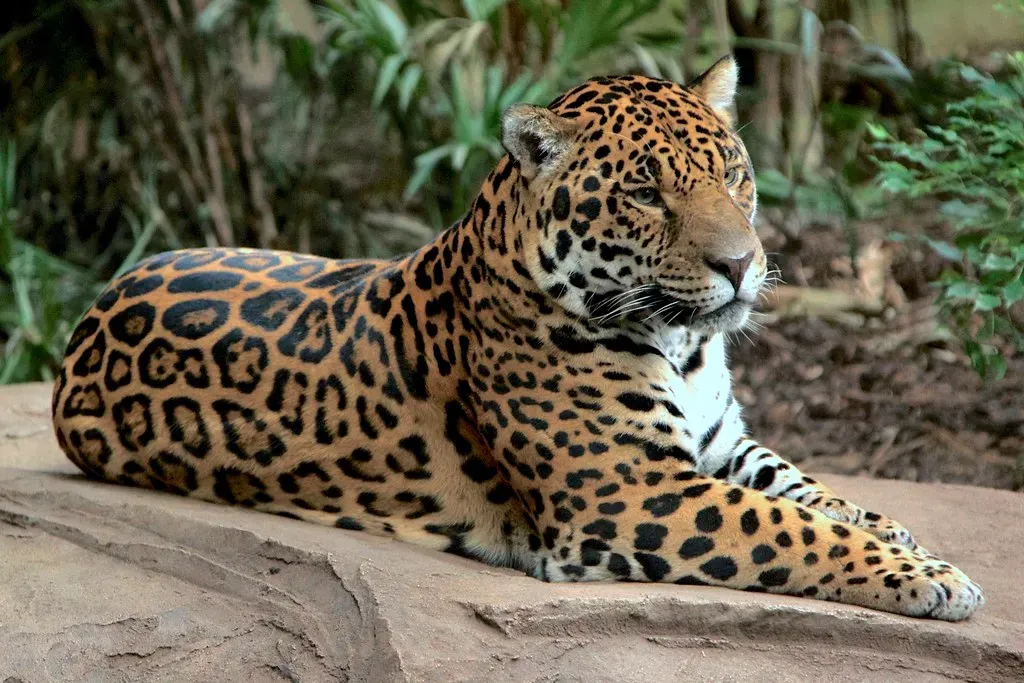
Jaguars have a coat similar to leopards, a pale color with rosette-shaped black spots, and this rosette pattern helps them move through the rainforest as it mimics the shadows of leaves.
These powerful predators use their camouflage not for hiding from threats, but for stalking prey. Their camouflage allows jaguars to remain hidden while they stalk their prey, which includes small mammals, reptiles, birds, and fish, though jaguars also rely on their speed, strength, and stealth.
The rosette pattern isn’t random. It breaks up the jaguar’s outline in dappled forest light, making it incredibly difficult for prey to spot the cat until it’s far too late. This disruptive coloration is one of nature’s most effective predatory tools.
Flounder – The Sandy Bottom Blender
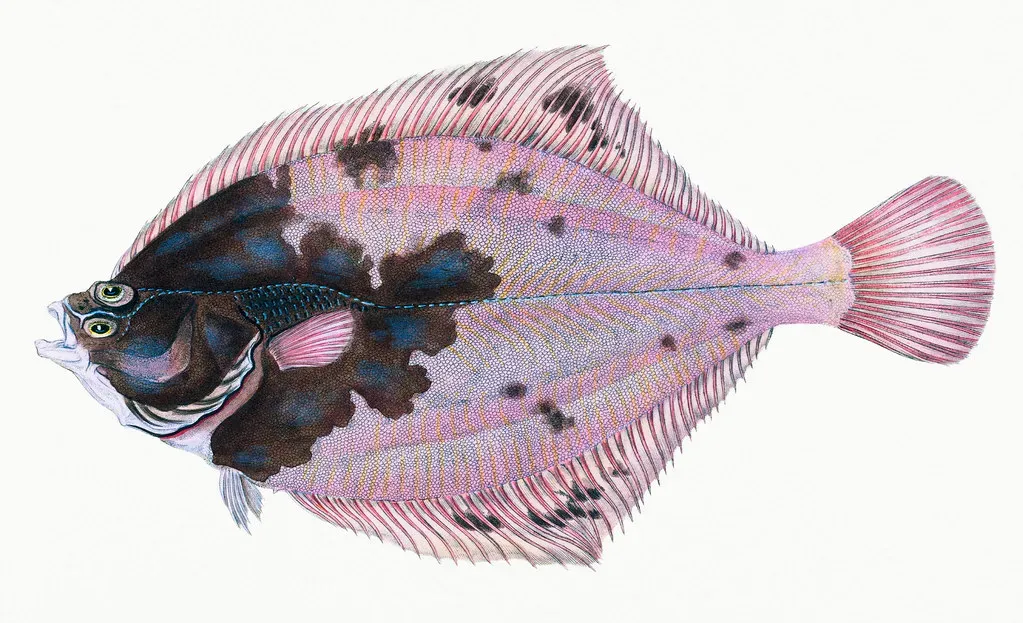
Flatfish like flounders have a fascinating camouflage ability that’s different from cephalopods. Scientists have observed flounders adapting to new backgrounds within minutes, and even under artificial lighting, they adjust to blend seamlessly – a skill that aids in both hunting and avoiding predators.
Flatfish likewise intentionally change color, but the mechanism of their chromatophores is distinct, and it takes longer (upwards of ten minutes, depending on the species) for the fish to assume the color of the ocean floor that they’re matching because their chromatophores are controlled hormonally.
These bottom-dwellers flatten themselves against the seafloor and match not just the color but often the pattern of sand, gravel, or mud beneath them. It’s slower than octopus camouflage but still remarkably effective for ambush predation.
Leopard – The Spotted Stalker
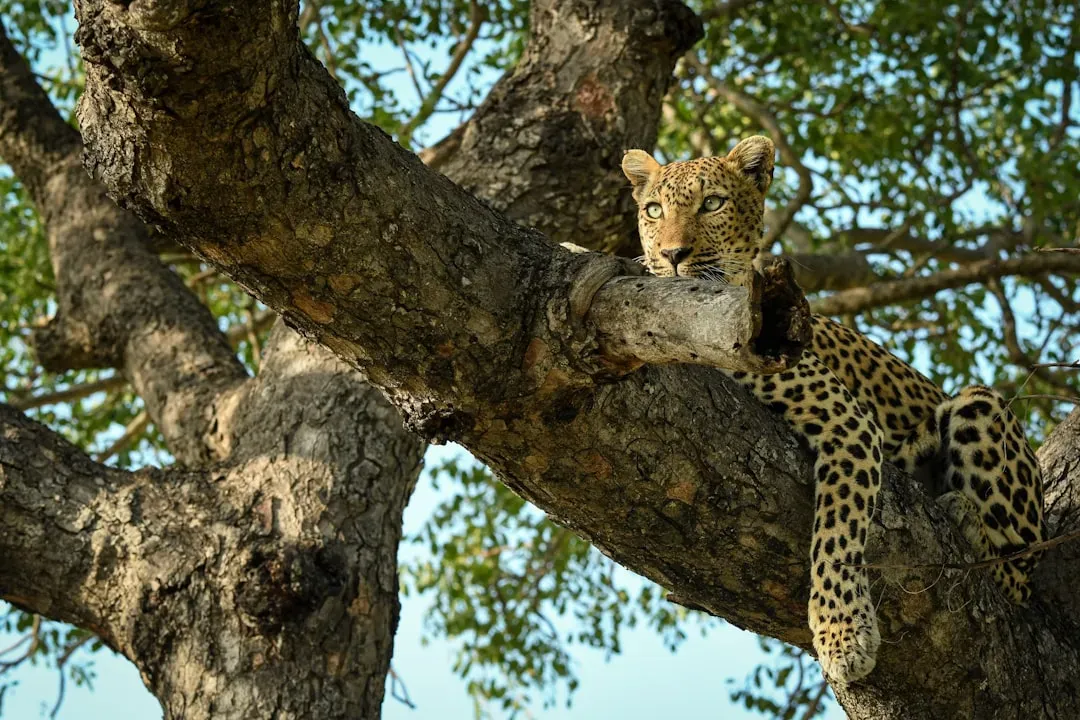
Leopards’ contrasting golden coat and black spots make it stand out from a crowd, but leopards are actually great at blending into their surroundings – whether that be trees, rocky cliffs, or grasslands, and there are a number of leopard subspecies that each have their own camouflage adaptations depending on their unique habitats.
The leopard’s spots create what scientists call disruptive coloration. Rosettes help them blend in with their surroundings as they mimic the appearance of shadows and leaves. In the dappled light of forest canopies or among rocky outcrops, these big cats become surprisingly difficult to spot.
Found across Africa and Asia, different leopard populations have slightly different spot patterns and coat colors optimized for their specific environments. Some are lighter, some darker, but all are remarkably well-camouflaged for their territories.
Stonefish – The Deadly Disguise
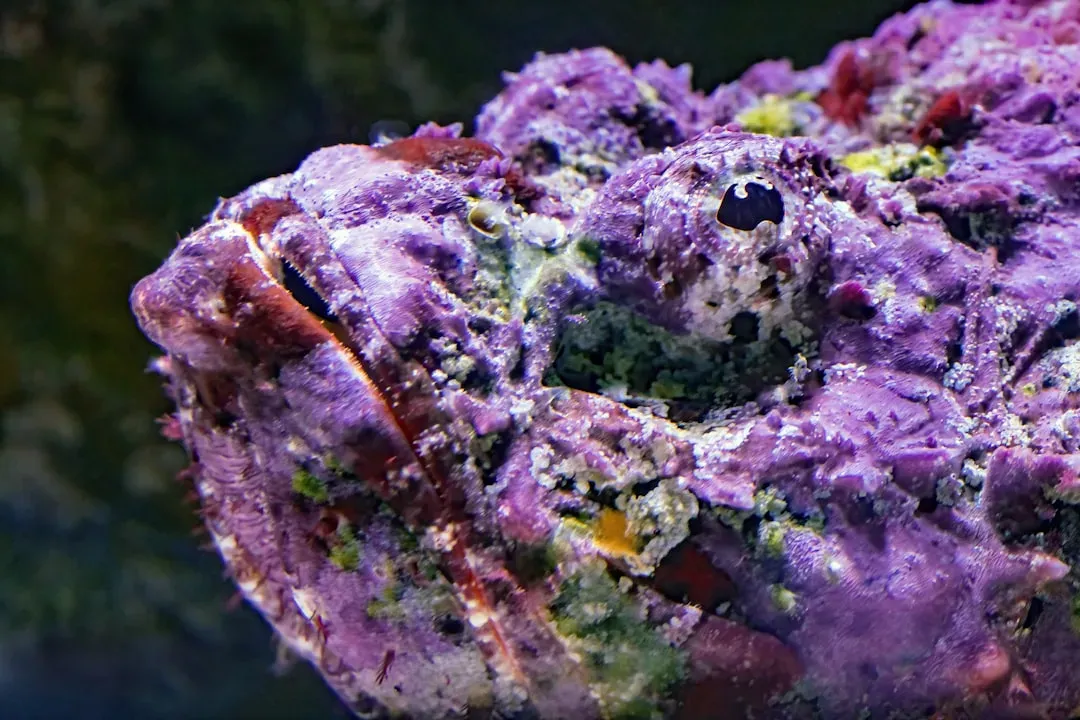
Lurking on coral reefs and ocean floors, stonefish have one of the most deceptive appearances in the marine world. Their bumpy, mottled skin makes them look exactly like encrusted rocks or coral. Sitting perfectly still, they become virtually indistinguishable from their surroundings.
What makes the stonefish particularly dangerous is that its camouflage serves both offensive and defensive purposes. It waits motionless for prey to swim close, then strikes with lightning speed. The stonefish is also one of the most venomous fish in the world, with spines that deliver excruciating venom to anyone unlucky enough to step on or touch one.
Their camouflage is so convincing that divers and swimmers often come dangerously close without realizing there’s a living creature right beneath them. It’s nature’s way of saying that sometimes the most beautiful coral reefs hide the most dangerous surprises.
Conclusion
From octopuses that can impersonate other species to insects that look more like plants than animals, these camouflage champions remind us just how creative and sophisticated nature can be. These abilities didn’t develop overnight. They’re the result of millions of years of evolution, where being invisible often meant the difference between life and death.
What strikes me most is how diverse these strategies are. Some animals change rapidly, others transform seasonally. Some mimic other creatures, while others become living parts of their environment. Each approach is perfectly tailored to its owner’s lifestyle and habitat.
The next time you’re in nature, remember that you’re probably surrounded by hidden life you can’t even see. Which of these camouflage masters do you find most impressive? Let us know what you think.
