
1. Using Pesticides and Chemical Treatments Routinely
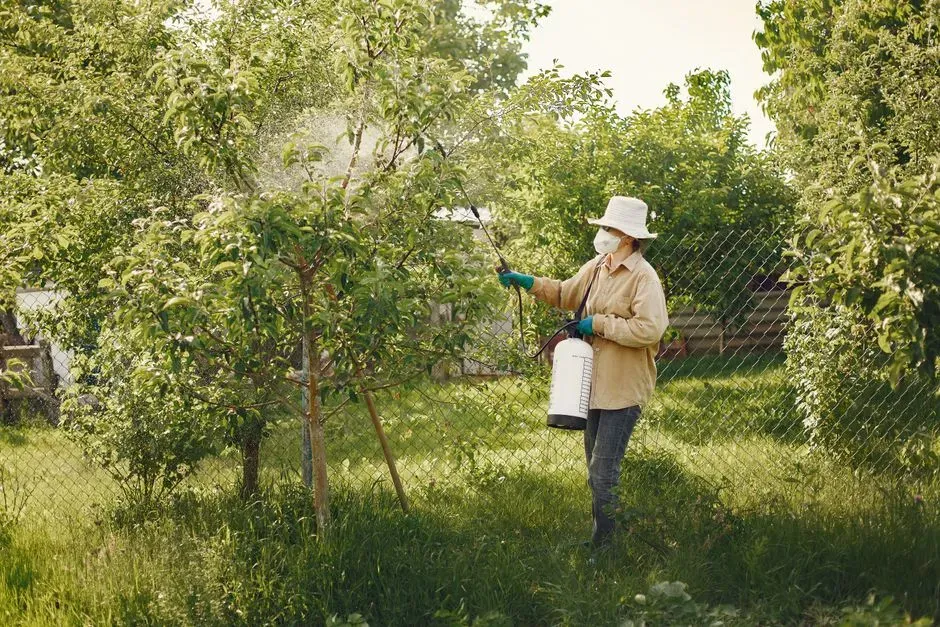
Few garden habits are as damaging to small wildlife as the routine application of pesticides. It’s not only bees that are harmed by these chemicals – their use harms birds, earthworms, hedgehogs, frogs, wild plants, and wider nature. The impact ripples outward in ways most gardeners simply don’t see.
Pesticides can impact wildlife indirectly when part of their habitat or food supply is modified. Herbicides may reduce food, cover, and nesting sites needed by insect, bird, and mammal populations, while insecticides may diminish insect populations fed on by birds. Hedgehogs in particular are struggling for various reasons, including a lack of insects for food, which is linked to pesticide and slug pellet use in gardening. Remove the insects and you remove the reason many small animals visit at all.
2. Keeping the Garden Too Tidy
Perfectly landscaped gardens and manicured lawns aren’t very compatible with creating a wildlife-friendly environment. Long grass, abundant flowers, and natural materials like fallen leaves and twigs are all very attractive to wildlife. There’s real tension between what looks appealing to us and what actually functions as habitat.
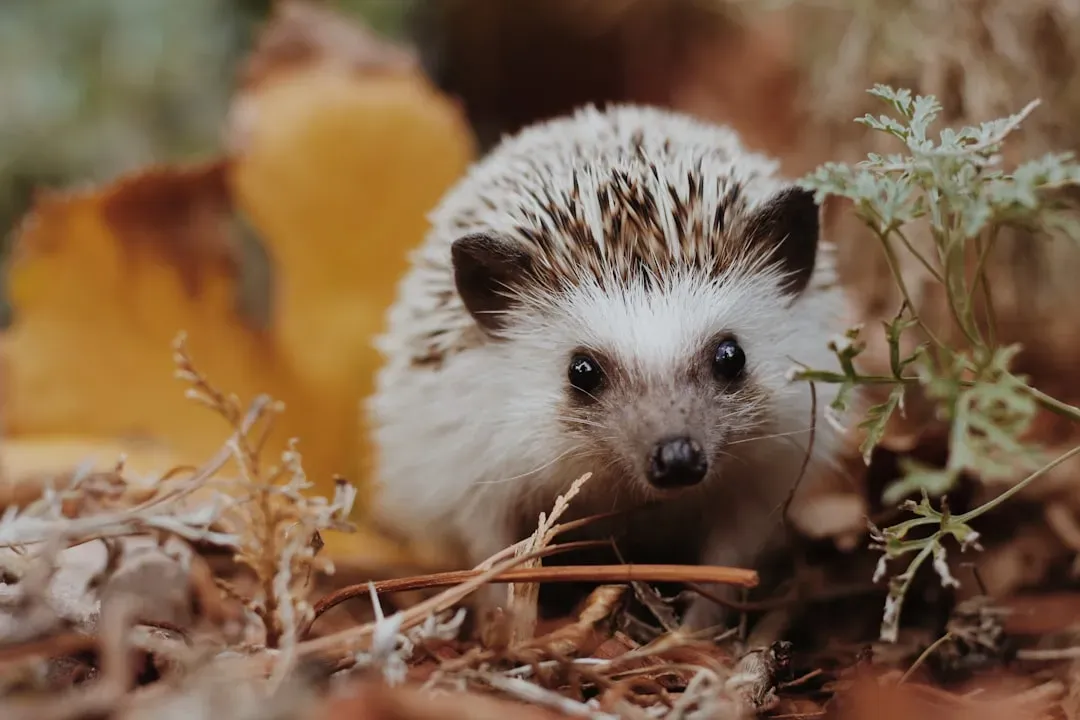
In autumn, leaving all plants and leaves that have died off rather than clearing them immediately provides protection against frost and shelter for insects and other small animals. Piles of leaf litter can be an attractive spot for hedgehogs to hibernate, keeping them warm and dry. A corner that looks “untidy” to you can be a perfectly engineered winter home to a creature that would otherwise move on permanently.
3. Flooding the Garden with Artificial Light at Night
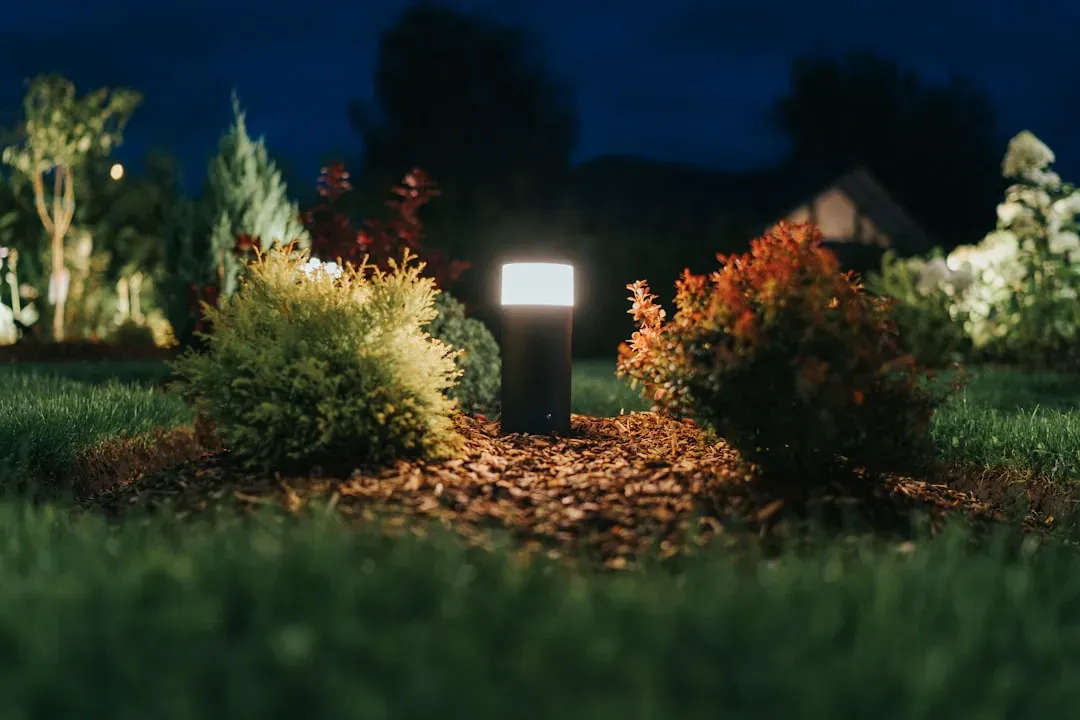
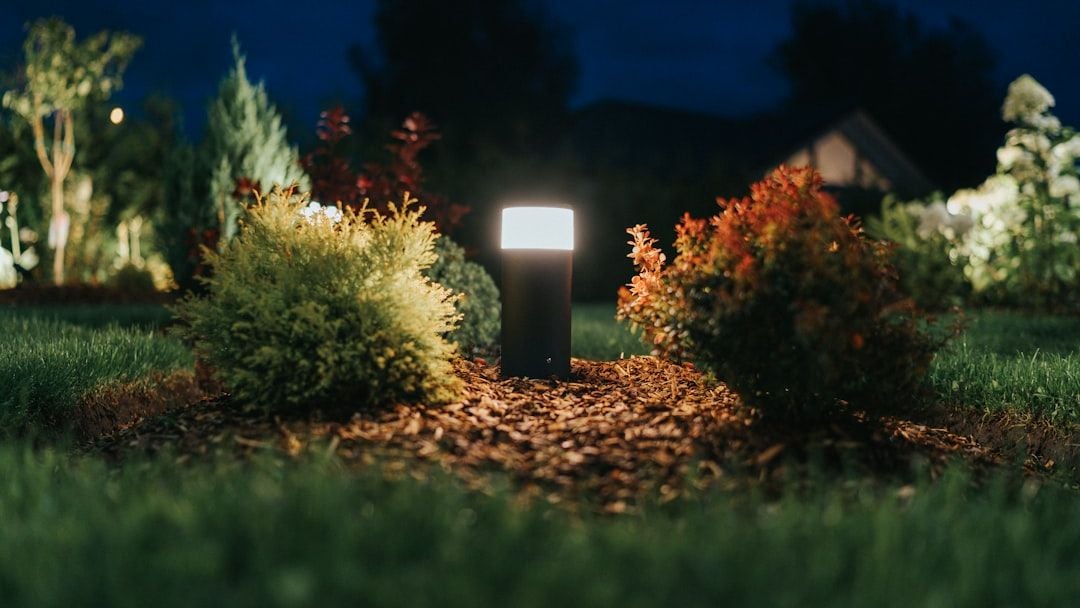
Artificial light at night can impact wildlife in multiple ways, affecting navigation, physiology, breeding, and general health. Many small animals are nocturnal, meaning their entire active life happens precisely when most garden lighting is switched on. It’s a direct clash.
Scientific evidence suggests that artificial light at night has negative and deadly effects on many creatures, including amphibians, birds, mammals, insects, and plants. Nocturnal animals sleep during the day and are active at night, and light pollution radically alters their nighttime environment by turning night into day. You can help bats, for instance, by reducing or removing artificial lighting from your garden and around your property. Switching off unnecessary outdoor lights at bedtime, or installing motion-activated alternatives, costs almost nothing and makes an immediate difference.
4. Eliminating Every Source of Water
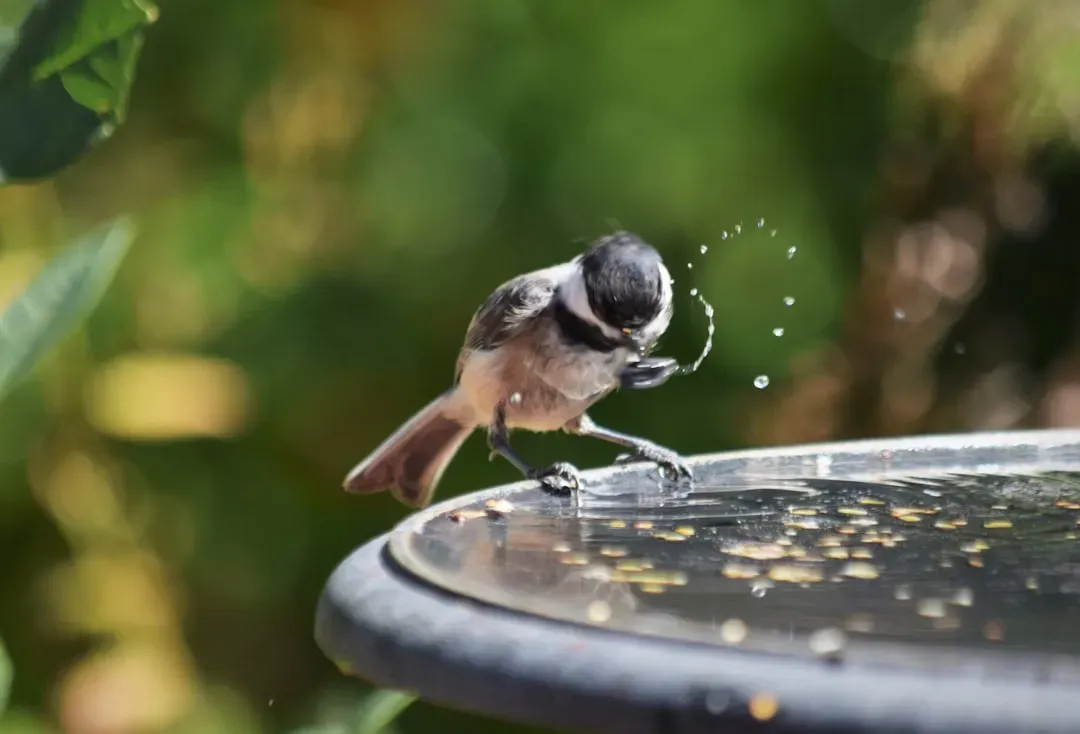
Providing a water source is important for small mammals to drink and clean themselves. A small water dish, bird bath, or small pond will all benefit small mammals. Water is non-negotiable for wildlife, yet many gardens simply don’t offer a reliable and accessible supply.
The type of water source that works best for attracting native wildlife depends on the species you’re trying to attract. In general, a natural, shallow water source works best, which can include a small pond, a bird bath, or a shallow pool. A sloping edge or rocks in the water provides easy access for animals to drink or bathe and a place for small fish and insects to live. Without that easy access point, many small creatures will simply move on to a garden that offers it.
5. Planting a Lawn-Heavy Garden with No Structural Variety
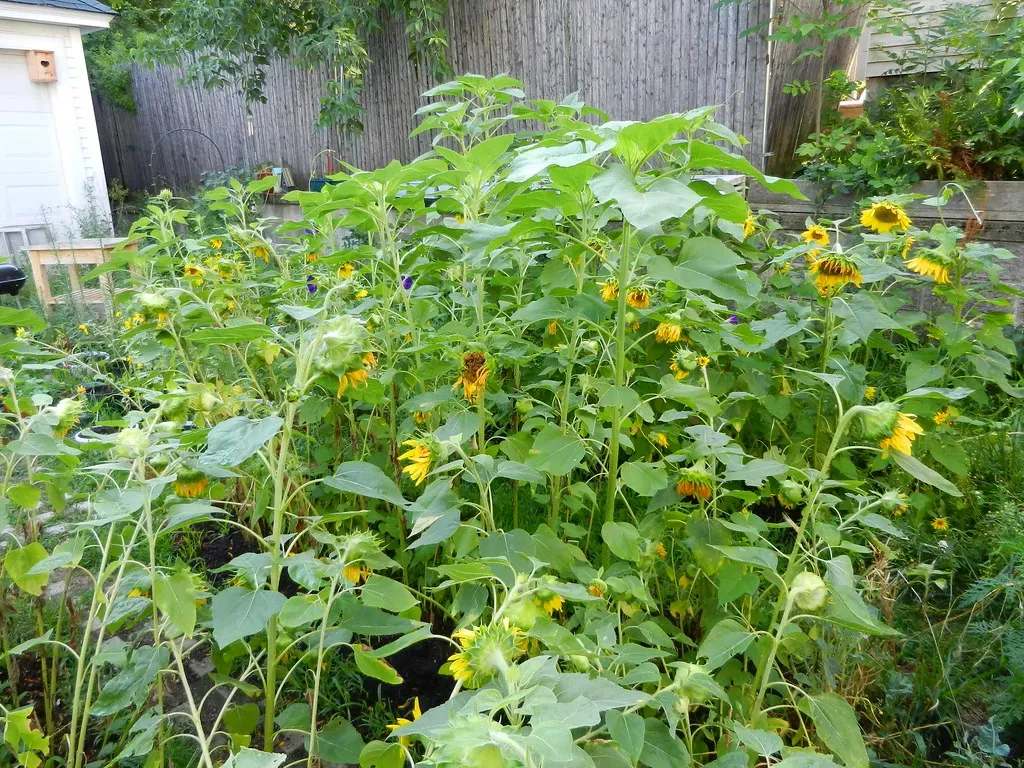
Grass offers very little food or cover for wildlife. By reducing the amount of mowed lawn around your house, especially in areas of low traffic, you create shelter and food for many animal species. A garden that’s mostly flat, open lawn gives small animals nowhere to feel safe and nothing to eat.
Growing a range of trees, shrubs, and climbers, or a mixed hedge, provides food and shelter. Research from the RHS Urban Gardens project showed that larger plants, particularly trees, support more wildlife. As well as providing food in the form of flowers, fruits, and seeds, they provide cover and nesting sites for garden animals, from insects to larger species such as birds. Vertical variety is what transforms a flat, inhospitable stretch of lawn into a functioning ecosystem.
6. Removing All Shelter, Cover, and Hiding Spots
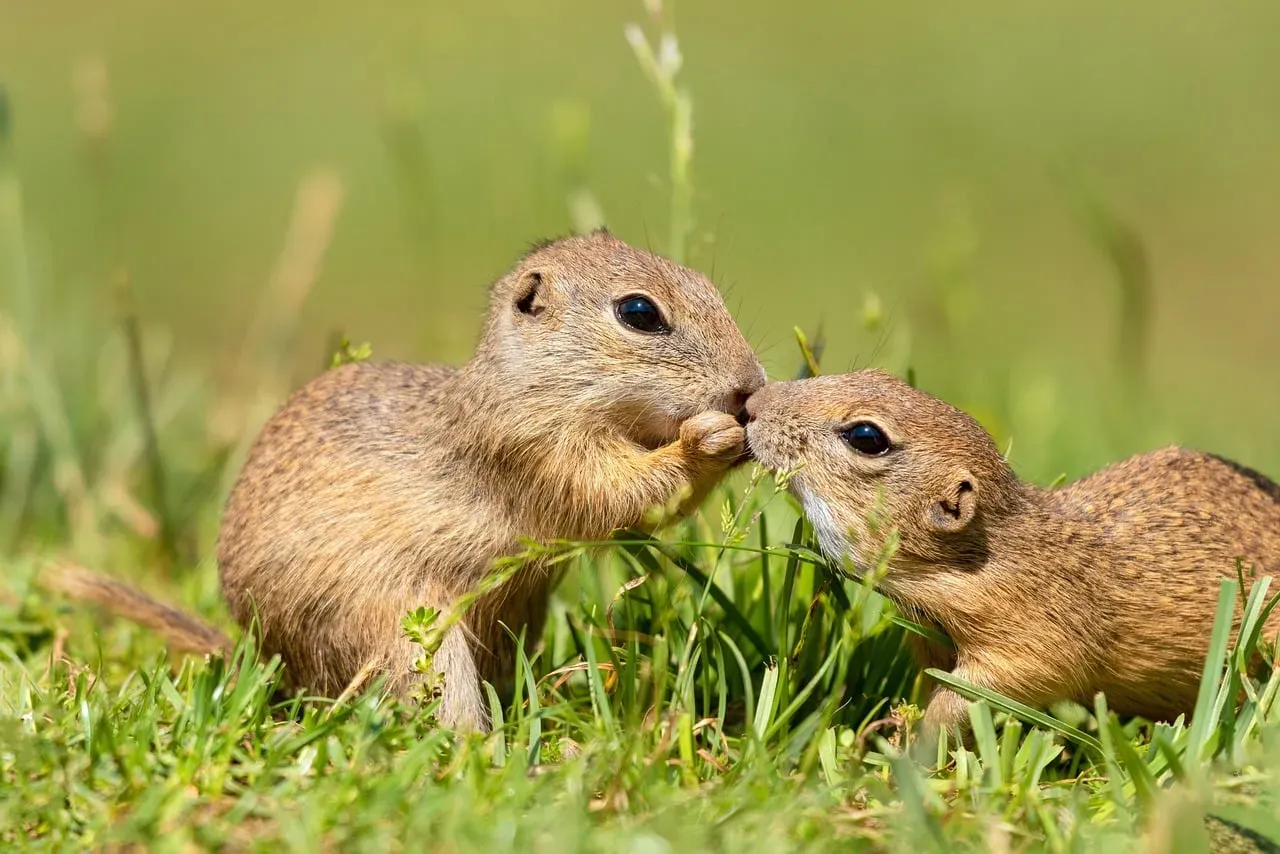
The best wildlife gardens provide habitat for a diversity of wildlife including small mammals. Small mammals such as squirrels, chipmunks, rabbits, opossums, and foxes play an important role in the garden ecosystem. These animals don’t just need food – they need safe places to rest, nest, and raise young.
Creating brush shelters out of logs and branches provides shelter for a variety of small mammals and other species. Leaving dead trees, also called snags, in place is equally valuable. Snags provide small mammals and other animal species with cover, a place to raise young, and attract food sources such as insects, fungi, and lichens. Including natural features like rocks, logs, and dead trees can create habitats and hiding places for animals. What looks like clutter to a gardener often functions as a complete habitat system for a small mammal.
7. Using Invasive or Nectar-Poor Plant Varieties
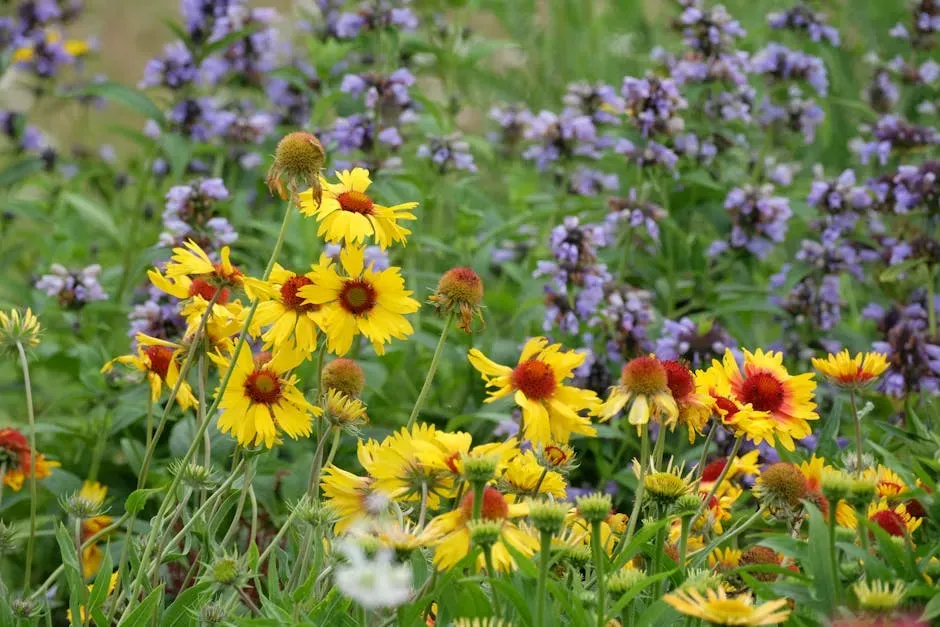
What we do in our individual yards can affect areas far beyond our yards. Once established, non-native invasive plants destroy wildlife habitat, resulting in areas with fewer plant species and fewer food and shelter opportunities for wildlife. The plant choices you make shape who, and what, can actually live in your garden.
Many popular bedding plants like pansies and petunias are of little value to pollinators, as their nectar content is low or inaccessible. Native plants are the foundation for any native wildlife habitat, providing food, shelter, and protection that native species recognize. Native wildflowers are ideal as they’re easy to grow and look after. Plants like forget-me-not, red campion, foxglove, and chamomile are a great nectar source for bees and butterflies. The insects they attract are in turn what brings small insectivorous mammals into the garden.
8. Letting Outdoor Cats Roam Freely
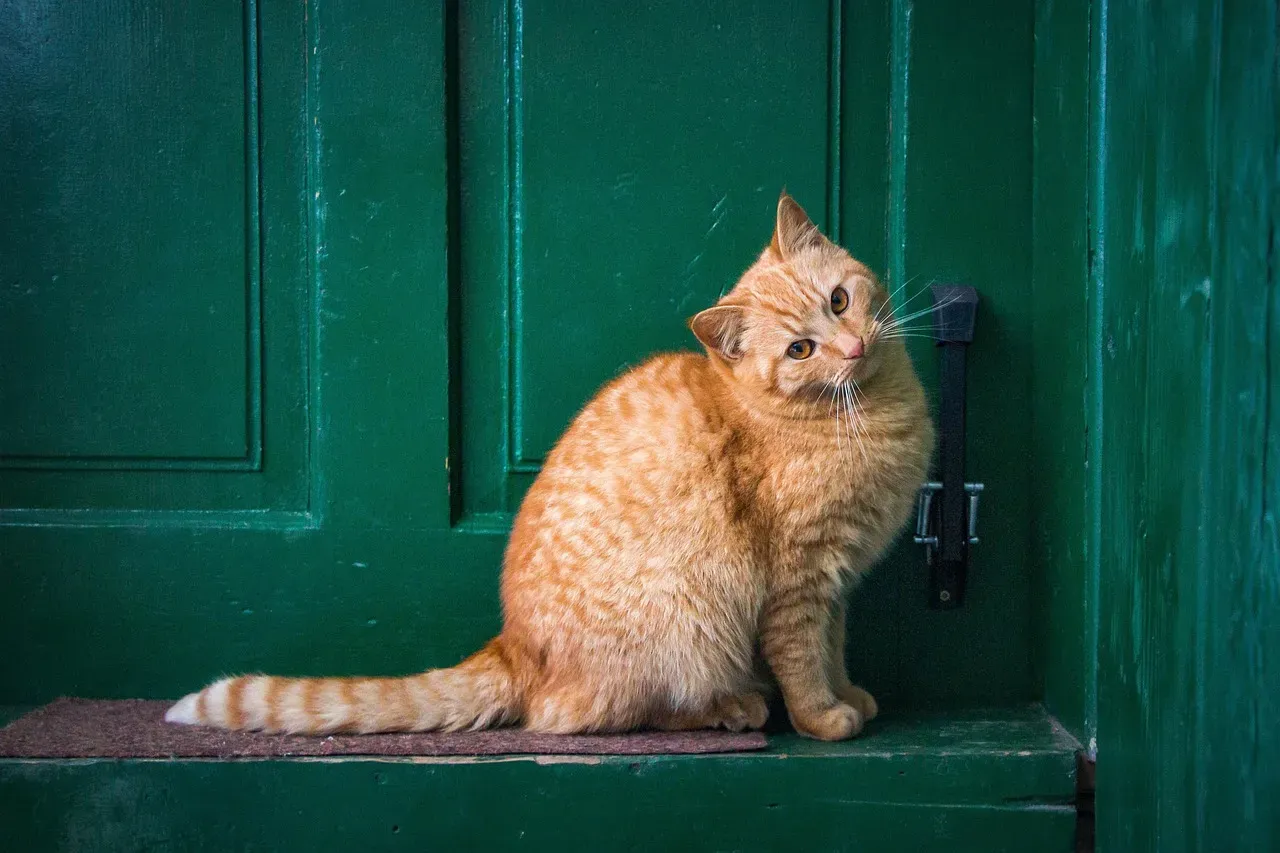
Both cats and dogs can drastically impact wildlife. Cats are extremely good hunters and are thought to kill millions of birds and small mammals each year. Cats and dogs hunt for fun, not necessarily for food, and can be especially problematic if you are attracting wildlife to your yard. It’s a difficult reality for cat owners, but the impact is well documented.
Keeping cats indoors will also keep them safe from strays, diseases, and traffic. This idea is widely supported by veterinary, conservation, animal welfare, and scientific communities. Even a single roaming cat can be enough to make an entire garden feel permanently unsafe to small mammals, birds, and amphibians that might otherwise settle there. The presence alone changes the behavior of visiting wildlife, often for good.
9. Leaving No Food Sources Naturally Available
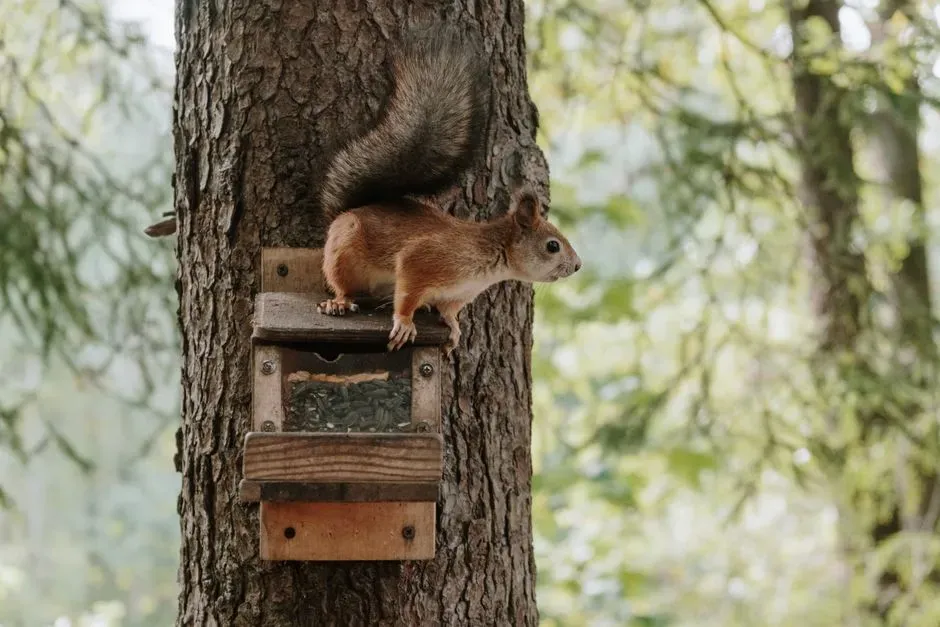
The presence of small mammals is an indicator of a healthy ecosystem. A balanced and healthy ecosystem keeps insect populations under control, and small mammals provide food for larger predators such as hawks, owls, and foxes. The whole system depends on food being naturally available at multiple levels.
Putting out extra food for wildlife can be a huge help for them, especially in harsh weather. Wildlife should not, however, come to depend on humans as their only food source, so don’t feed too often. The more effective long-term strategy is planting for food directly. Small trees and shrubs such as rowan, crab apple, elder, blackthorn, and hawthorn are good for blossom and berries. Fruit trees support a range of specialist native wildlife and can provide for them while also supplying a useful crop. A garden that feeds itself feeds wildlife far more reliably than one that depends on a gardener remembering to restock a feeder.
10. Running Open, Exposed Compost Without Proper Management
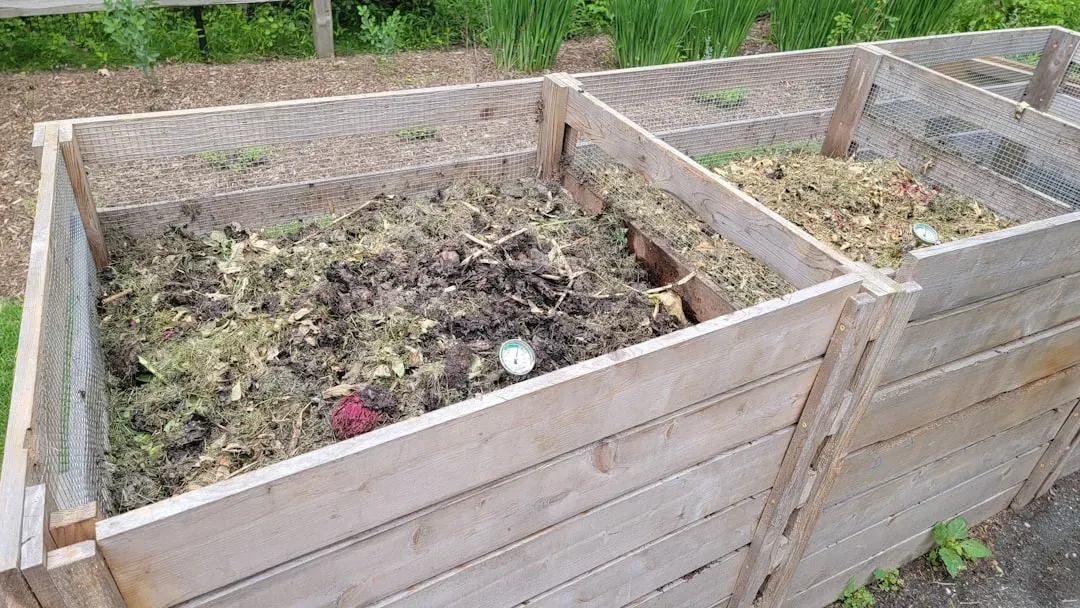
A compost bin can be an attractive spot for wildlife, especially rodents. To prevent animals from accessing your compost, use a bin with a tight-fitting lid. Additionally, avoid putting meat scraps or dairy products in the compost, as these can attract scavengers. An open, poorly managed compost heap sends mixed signals – drawing in animals you don’t want while disturbing the quieter, shyer species you do.
Interestingly, managed compost actually serves a positive function. Compost heaps shelter many small creatures, including some larger ones like slug-loving slowworms and grass snakes, which enjoy the heat released by decomposition. The key difference is management. A sealed, well-maintained compost system can become a genuine asset for small garden wildlife rather than a chaotic attractant that creates conflict and drives more cautious animals away.
A Garden Worth Coming Back To
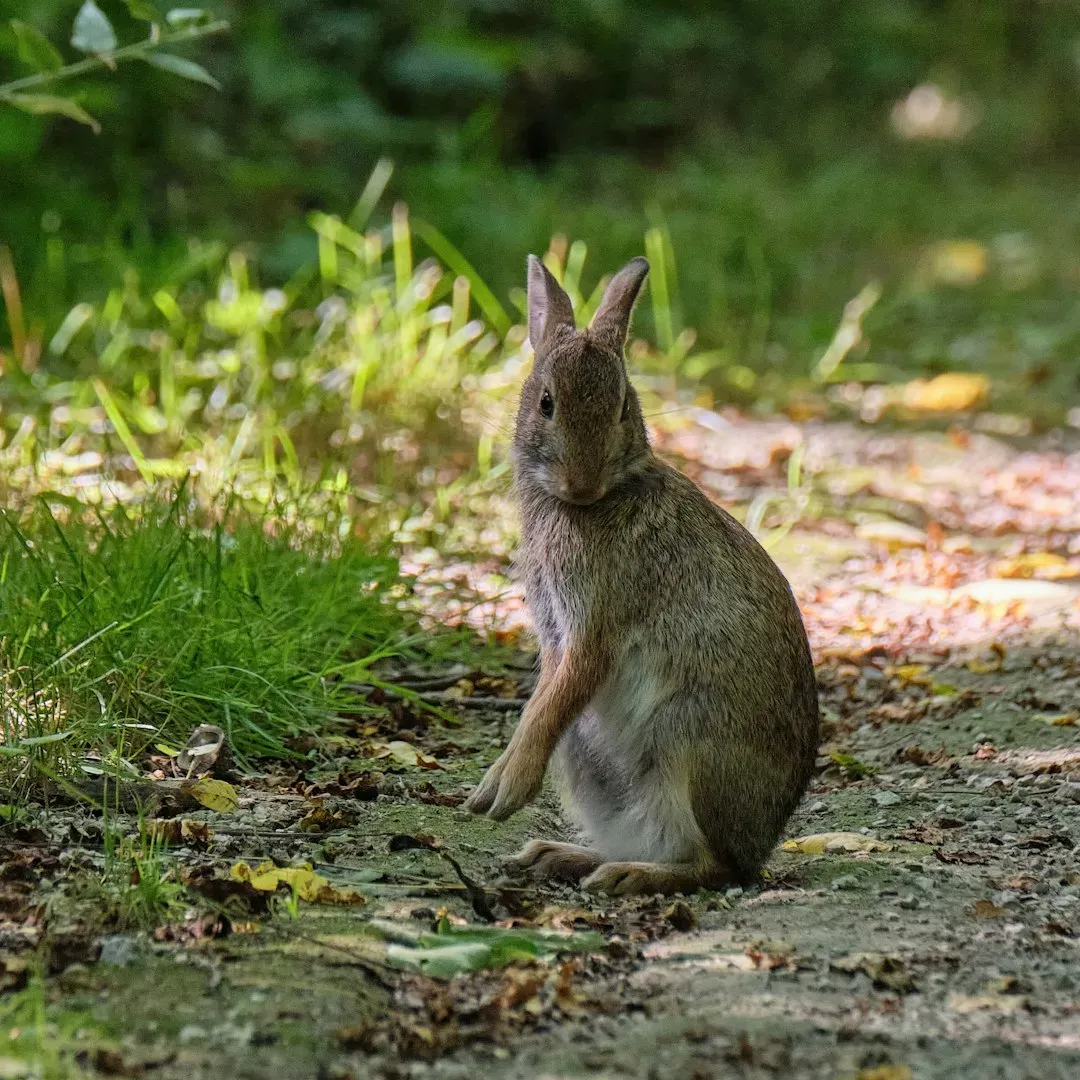
The common thread running through all ten of these mistakes is, at its core, a misunderstanding of what small animals actually need. They need messiness in the right places, darkness where it matters, plants with genuine ecological value, and freedom from chemical interference. They don’t need a showpiece.
Most of these changes cost very little and require less effort than the intensive maintenance they replace. Stopping routine pesticide use, leaving a corner unmown, switching off the patio lights at night – these are acts of subtraction, not addition. Wildlife tends to fill gaps when we stop plugging them.
There’s something worth sitting with in that idea. The garden that attracts the most life isn’t always the most controlled one. Sometimes the best thing a gardener can do is simply get out of the way.

- 15 Animals and Wildlife that Start with J - August 11, 2026
- 8 Dog Breeds That Are Impossible to Train - August 11, 2026
- 13 Ancient Objects Researchers Thought Were Modern Forgeries at First - August 11, 2026