
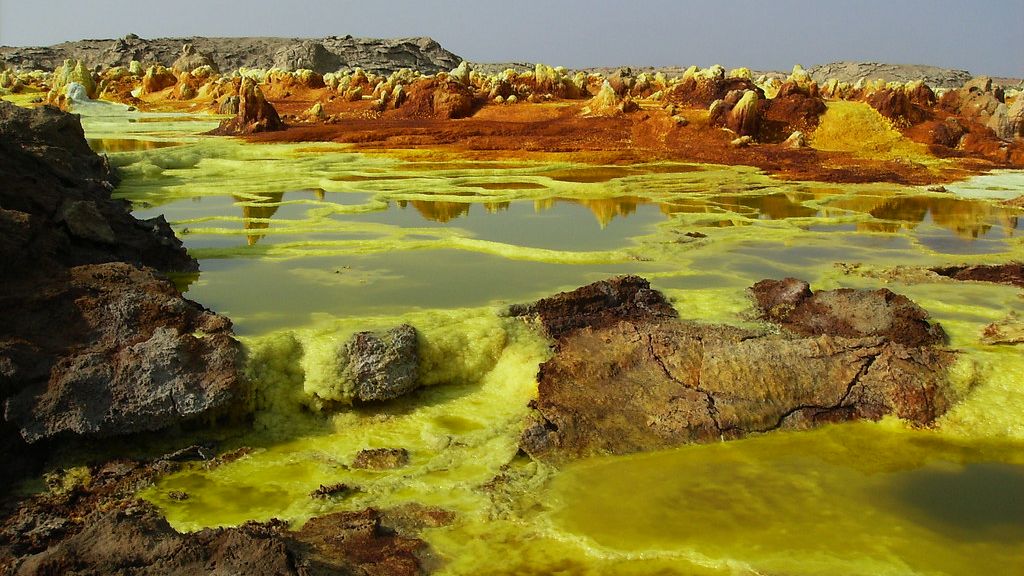
There’s a version of Earth most people never get to see. Not because it’s hidden behind paywalls or locked in a museum somewhere, but because it exists in the kind of places most of us will never have a reason to visit, or under conditions so precise and fleeting that even scientists count themselves lucky to catch a glimpse.
We talk about the planet like we know it well. Oceans, mountains, volcanoes, deserts. But underneath those familiar labels is a layer of geological strangeness that defies every reasonable expectation of how rock, ice, fire, and water are supposed to behave. From Antarctica’s bleeding glacier to a volcano in Indonesia that glows electric blue at night, the Earth has a habit of quietly doing the impossible when nobody is watching.
#1. The Blue Fire of Kawah Ijen, Indonesia
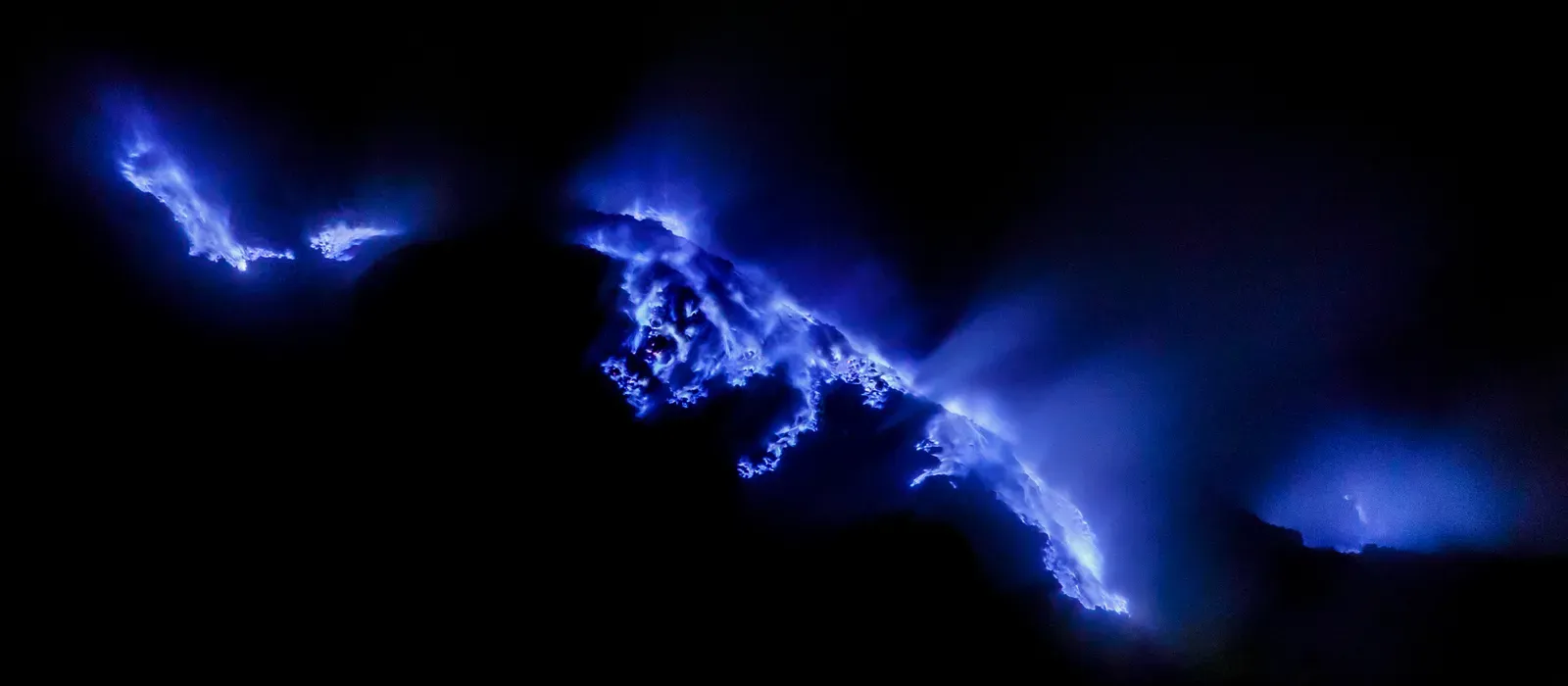
Most people imagine volcanoes glowing orange and red, the classic image of molten rock rolling down a mountainside. Blue lava, known in Indonesian as Api Biru, is actually a sulfuric fire that creates the illusory appearance of lava, rather than actual molten rock from a volcanic eruption. It is one of the most visually shocking things geology is capable of producing, and it happens in only a handful of places on Earth.
The most famous occurrence burns regularly at Indonesia’s Kawah Ijen volcano on the island of Java, which has some of the highest sulfur concentrations in the world. Due to the blue flames, Kawah Ijen has been nicknamed “the Blue Volcano,” and its crater holds the world’s largest blue flame area. When sulfur breaches the surface, it can reach temperatures up to 600°C, causing it to immediately ignite and erupt blue flames up to five metres into the air. Although the blue fire burns around the clock, its flames are difficult to make out in daylight, and only as night falls does the spectacle begin to fully reveal itself.
#2. Blood Falls, Antarctica
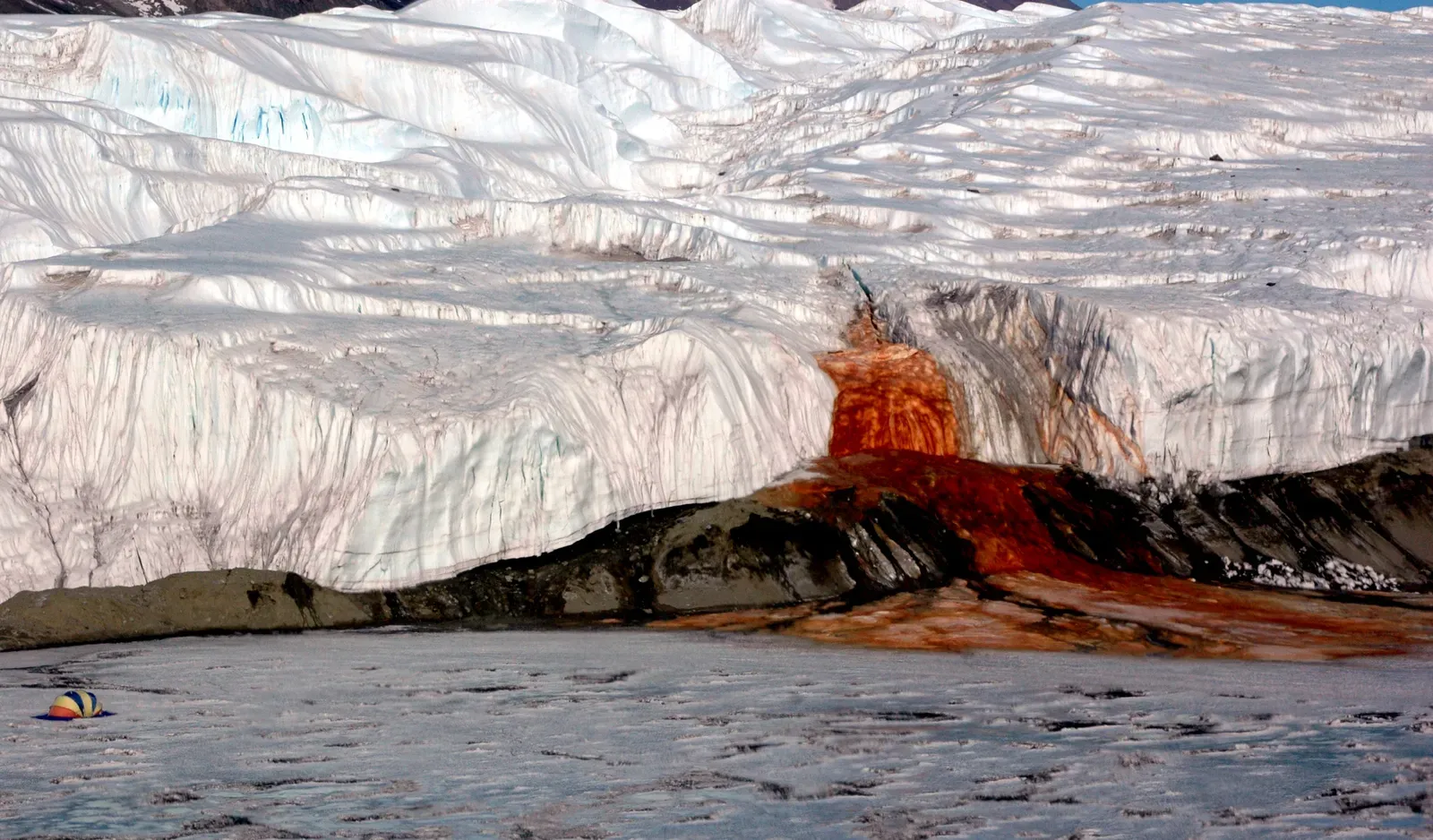
Blood Falls is a geological phenomenon located in Antarctica’s Taylor Glacier, and it gets its name from the outflow of iron-rich salty water that flows from the glacier, giving it the appearance of blood. It looks genuinely alarming. The contrast of crimson water against white ice looks more like a wound in the earth than anything geological, and that unsettling visual is exactly what makes it unforgettable.
The water flows from an underground reservoir beneath the glacier, believed to have been sealed off from the outside world for millions of years, kept liquid by geothermal heating from the Earth’s interior even in the extreme cold of Antarctica. The high salt and iron content make the water inhospitable to most forms of life, but it is home to a unique community of microorganisms that have adapted to survive in this harsh environment. It’s a reminder that life, like geology, finds its own rules when conditions become extreme enough.
#3. Sailing Stones of Death Valley
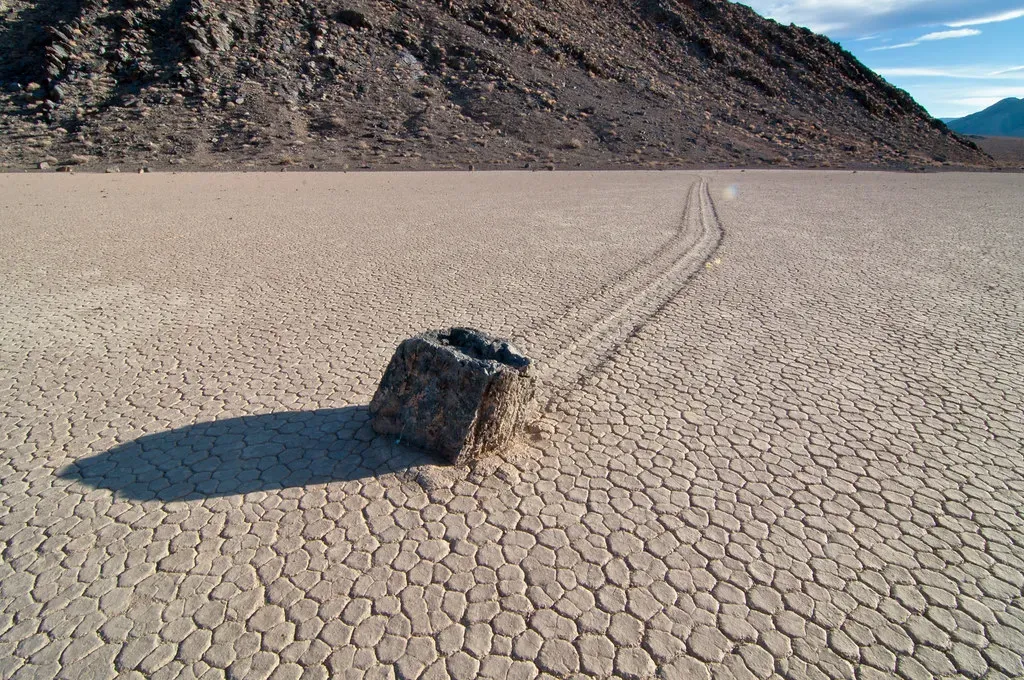
In the desolate Racetrack Playa of Death Valley, stones appear to move across the cracked ground, leaving long, winding trails behind them. Despite their weight, ranging from a few pounds to hundreds, the stones seem to glide across the surface without human or animal interference. Nobody is moving them. No machinery, no trickery. Just rocks, slowly carving paths across a dry lakebed as if going somewhere.
Researchers believe a combination of rare weather conditions, thin ice sheets, and strong winds enable this phenomenon, but what makes it even stranger is that no one has ever actually witnessed the stones in motion. The trails left behind are puzzlingly straight or curved, further deepening the mystery. One scientific study in 2014 linked the rocks’ movement to the formation of thin ice on the playa overnight, though the conditions required to produce all of this at once are so specific that direct observation has remained nearly impossible.
#4. Brinicles: The Ice Fingers of Death
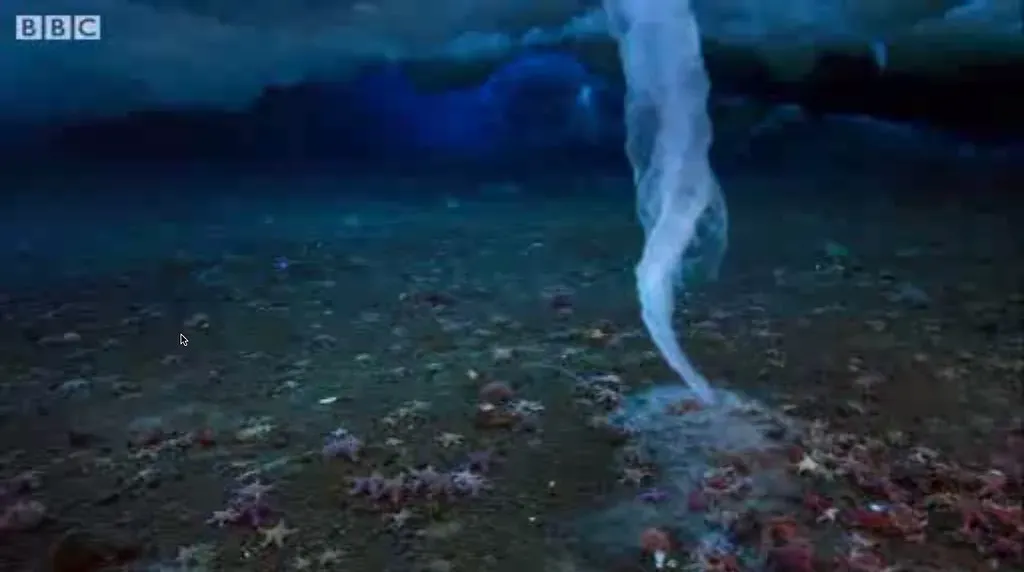
Brinicles are ice, tube-like formations that form underneath sea ice in only the polar regions of Earth. They resemble stalactites found on cave surfaces. They form when extremely cold, salty brine from sea ice seeps into the open ocean, creating dense, cold streams that sink. As those streams descend, they freeze the surrounding seawater, forming downward ice formations. The result is a slow-moving finger of ice growing silently through the ocean floor.
Capturing brinicles in real time is extraordinarily difficult, which makes any footage of one reaching the seafloor and engulfing nearby sea urchins and starfish exceptionally rare. They are deadly in the most quiet, methodical way possible. They creep downward at a pace that makes them seem almost gentle, until anything unfortunate enough to be sitting on the seabed below gets frozen in place. Most oceanographers will never see one in person.
#5. Penitentes: The Razor Ice Forests of the Andes
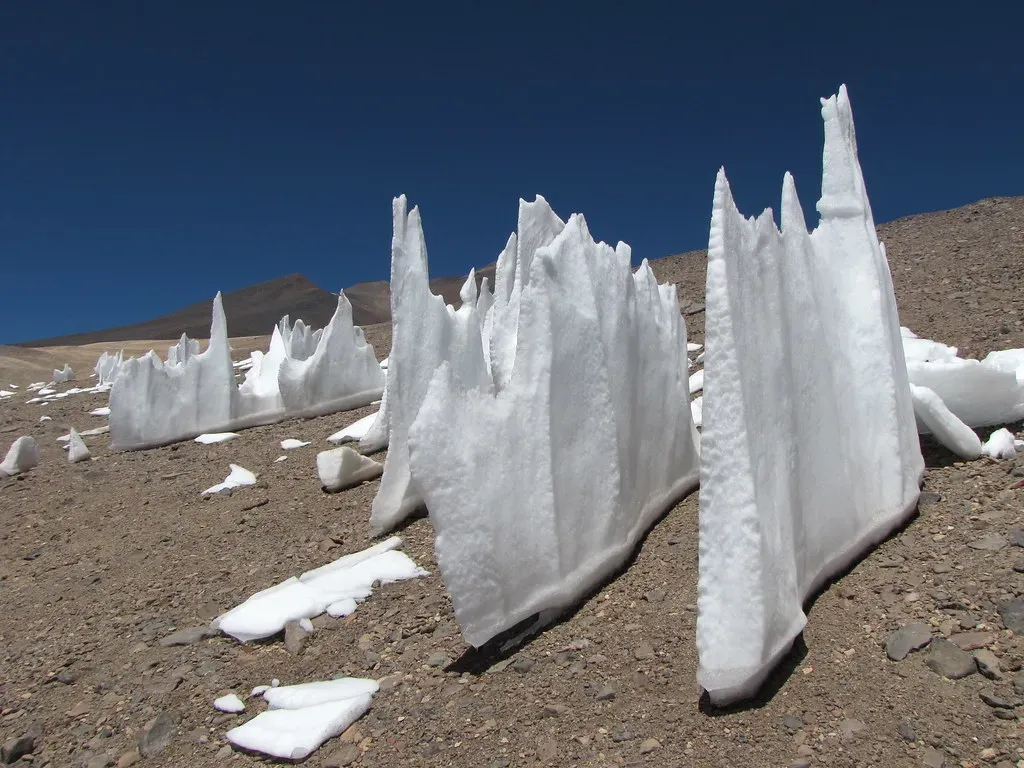
Penitentes are thin, blade-like ice structures that grow in high-altitude regions, primarily in the Andes Mountains of South America. They can range in height from just a few inches to over sixteen feet. Walking into a field of them is reportedly disorienting, an expanse of sharp, pointed towers of ice stretching in every direction, all leaning in the same direction toward the sun.
The formation of penitentes is driven by sublimation, a process where ice transforms directly into water vapor without first melting into liquid water. This requires a very specific set of conditions: high altitude, intense solar radiation, consistently dry air, and temperatures that remain below freezing. Charles Darwin first described these formations in 1839 after encountering them near the Piuquenes Pass in the Andes. Scientists have since suggested that similar formations may exist on Pluto and Europa, which makes the Andean ice fields feel just a little less like Earth.
#6. The Boiling River of the Amazon
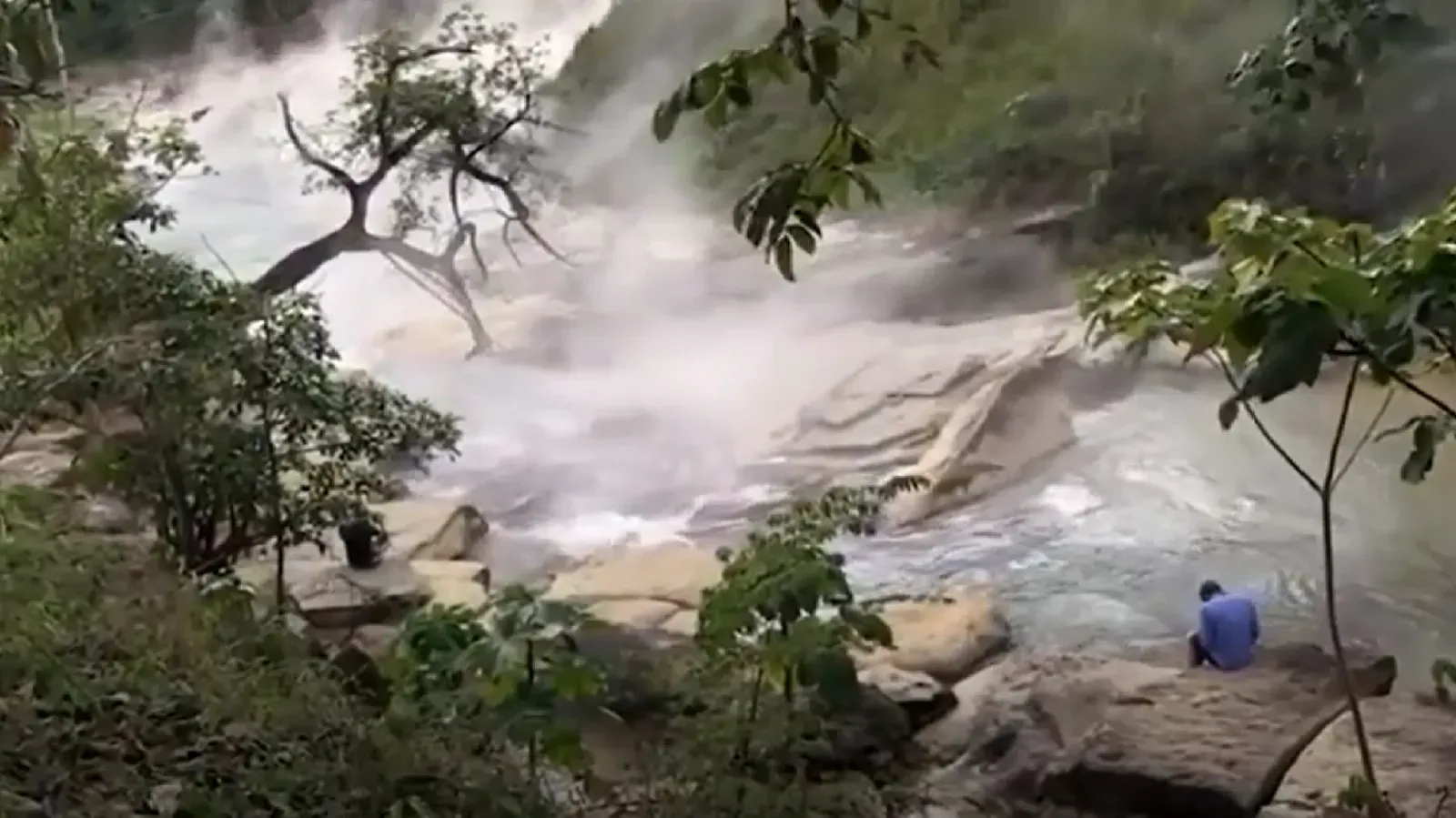
Deep within the Amazon rainforest lies the Boiling River, a natural waterway that reaches temperatures hot enough to kill. Stretching nearly four miles, this river’s heat is not caused by volcanic activity, making it a geological anomaly. Researchers believe the water is superheated by geothermal activity far beneath the surface, but its isolated location raises questions about its specific origin. Rivers do not boil. That’s not how rivers work. Except, apparently, here.
Local legends describe the river as sacred, and its unique ecosystem adds to its remarkable character. The Boiling River offers a rare glimpse into the hidden geothermal processes occurring deep within our planet. Anything that falls into the water doesn’t survive the encounter. The river sits in one of the most remote stretches of the Peruvian Amazon, accessible only by a long jungle trek, which means the vast majority of people who know it exists will never stand beside it.
#7. The Eye of the Sahara (The Richat Structure)
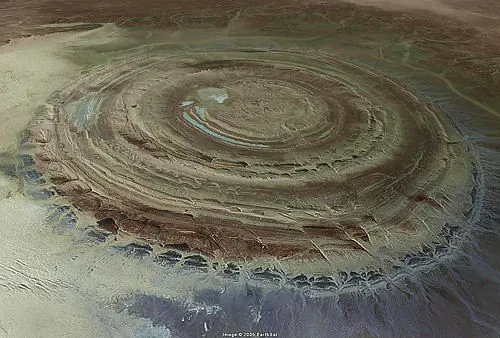
The Eye of the Sahara, also known as the Richat Structure, is a 28-mile-wide site of huge concentric circles found in the western African nation of Mauritania. Astronauts were the first to recognize the unusual geological structure, initially wondering if it might be a meteor crater due to its near-perfect circular shape. The Eye’s bullseye shape is almost invisible at ground level, but appears like a massive blue and green sphere from the window of a spacecraft. In fact, most visitors on the ground don’t even realize they are standing in the middle of a geological marvel.
Geologists initially believed the site was created by an asteroid impact, but there isn’t enough melted rock among the rings to support that theory. Similarly, there is no evidence to suggest a volcanic eruption. Extensive research has since revealed it’s all due to Mother Nature painstakingly forming these rings after millennia of rock erosion. The structure is so vast that standing inside it means seeing nothing unusual at all, which is perhaps the most interesting thing about it.
#8. Fairy Circles of the Namib Desert
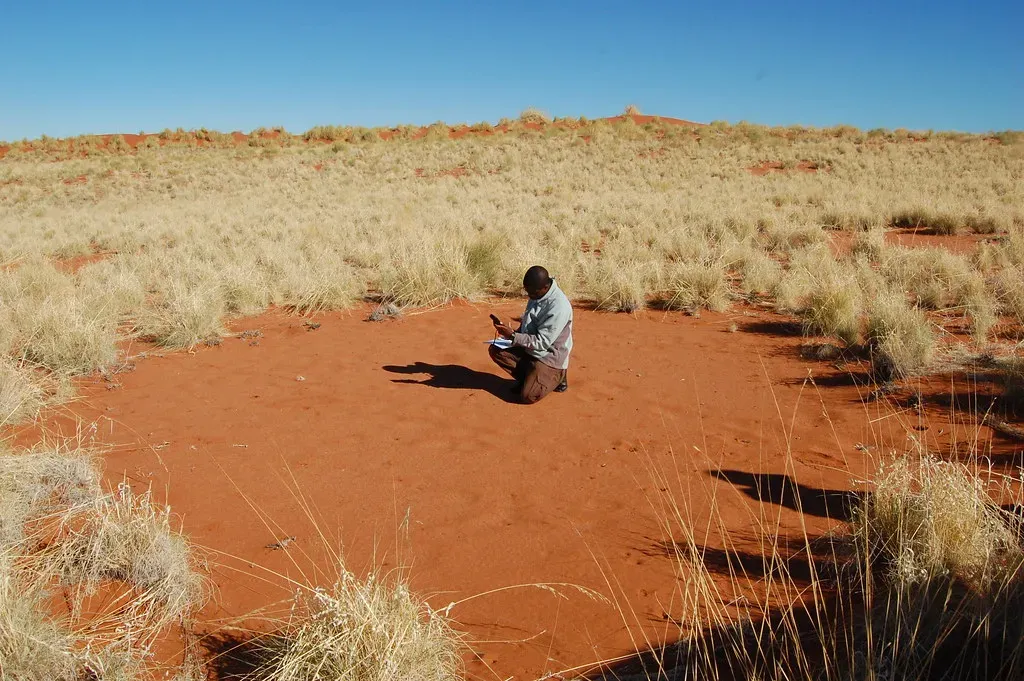
The mysterious “fairy circles” of Namibia are circular patches, typically six to forty feet in diameter, of barren soil bordered by grass. They extend for over a thousand miles throughout the Namib Desert in Southern Africa, one of the driest regions on Earth. Up close, they are just circular patches of bare red earth surrounded by tufts of grass. From a bird’s-eye view, though, these spots stretch endlessly across the arid landscape, creating a regular polka-dot pattern.
Folktales claim the spots are the gods’ footprints, but scientists have searched for an evidence-based explanation. At first, some proposed that the circles are created when plants compete for water, with dominant root systems claiming the ground while smaller plants fail to compete, leaving bare patches of desert. While no theory fully explains the origins of fairy circles, a 2022 study linking them to “ecohydrological feedback” has proven particularly convincing. The debate continues, which may be precisely why these circles feel so alive.
#9. The Cave of the Crystals, Naica, Mexico
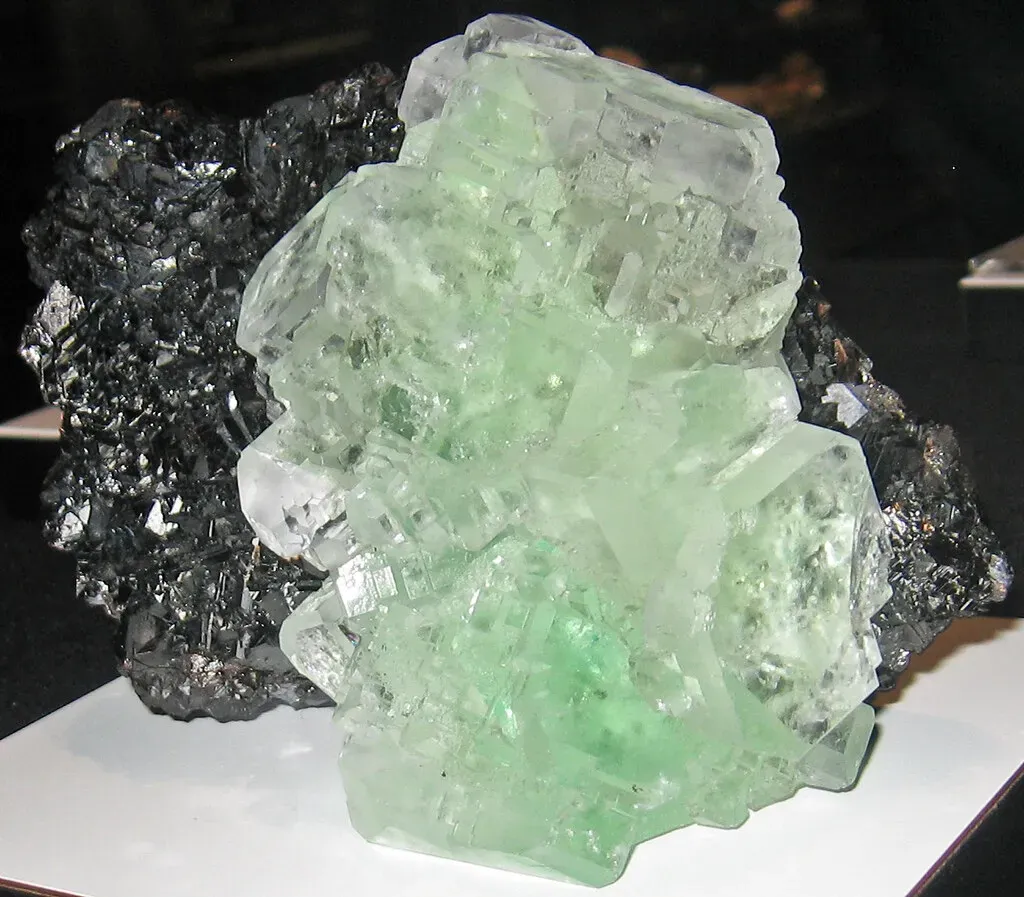
The otherworldly crystals in the Cave of the Crystals in Mexico can reach sizes larger than houses, making them by far the largest such crystals known on the planet. They lie deep within Naica Mountain in the Chihuahua Desert, hidden in caverns that only a handful of scientists have ever entered. The cave was only discovered in the year 2000 when miners accidentally broke through into it, and even now, accessing it requires descending into temperatures that can kill a person in under an hour without protective equipment.
The crystals are composed of selenite, a form of gypsum, and they grew over an estimated period of roughly half a million years in water that stayed at an almost perfectly stable temperature underground. The conditions that created them no longer exist in the same form, meaning what’s down there cannot be replicated and cannot grow back if disturbed. It’s a geological record of patience on a scale that’s difficult to fully grasp. Most people will only ever see photographs.
#10. The Danakil Depression: Earth’s Most Alien Landscape
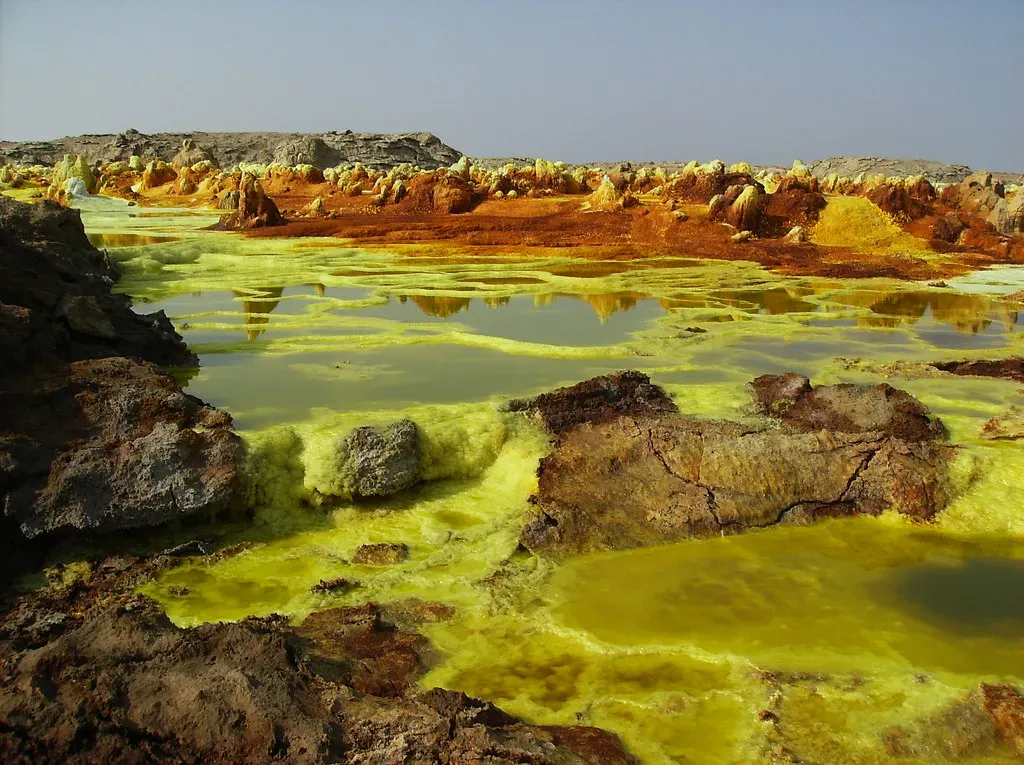
The Danakil Depression is a geological landmark that lies below sea level over the East African Rift system. Intense tectonic activity stretched the ground, allowing magma to escape from below, creating massive volcanoes and salt flats. The result is a landscape of acid hot springs, sulfur vents, lava lakes, and salt formations in colors ranging from vivid yellow to electric green, none of which should logically occupy the same postcode.
This is one of the hottest, lowest, and most geologically active places on Earth, and it sits in the Afar region of Ethiopia. Temperatures regularly reach among the highest ever recorded for an inhabited area anywhere on the planet. Scientists treat it as an analog for early Earth, before the atmosphere settled into something more hospitable. The combination of volcanic heat, hydrothermal chemistry, and extreme aridity creates conditions that feel genuinely extraterrestrial. Very few people will ever make the journey there, and those who do tend to describe it as something that resets your baseline understanding of what this planet is actually capable of.
A Final Thought
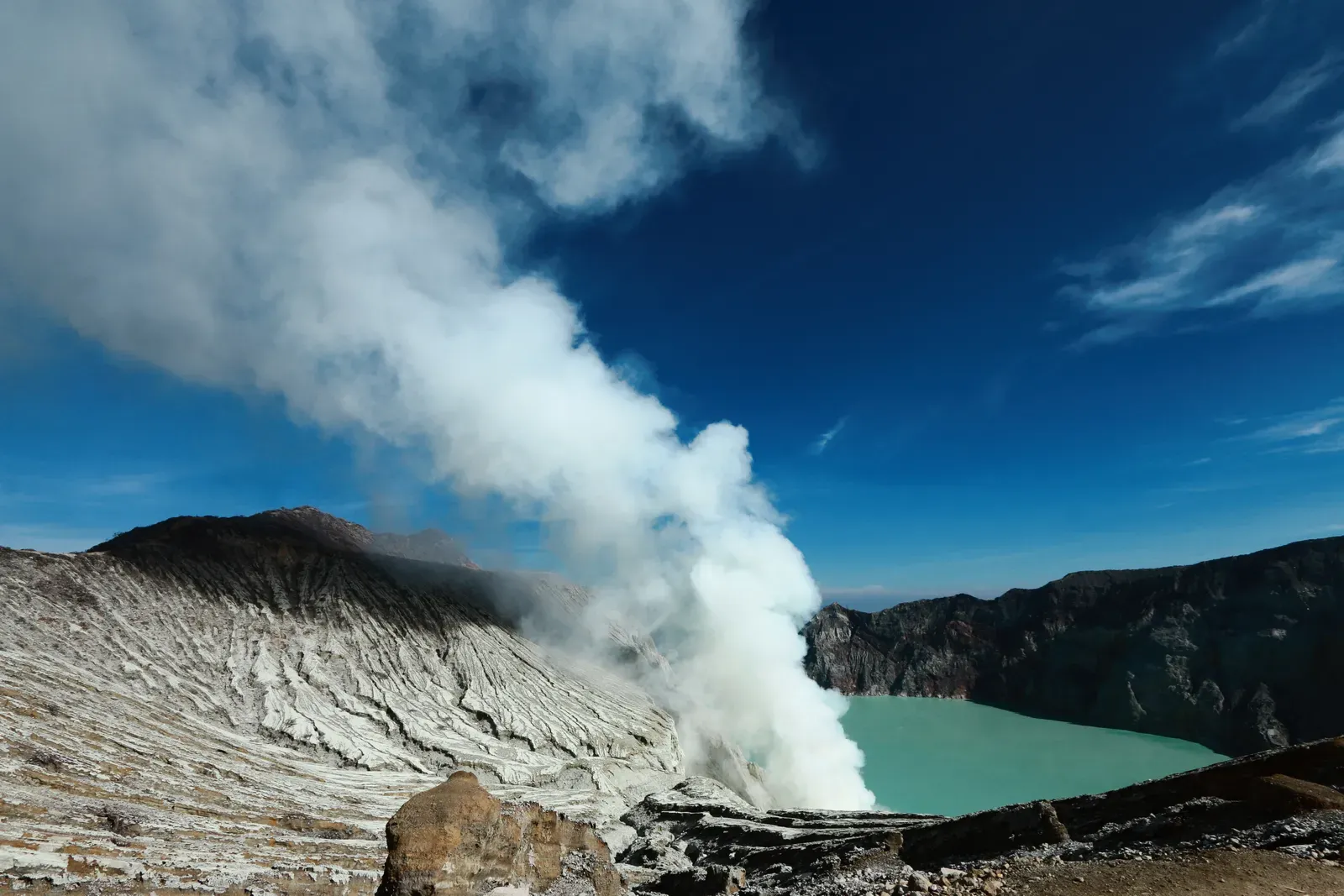
If there’s one honest conclusion to draw from all of this, it’s that Earth is still, in 2026, keeping secrets from most of the people living on it. Not in a mystical sense, but in a very practical one. The blue fire at Kawah Ijen burns whether anyone witnesses it or not. The stones at Death Valley slide in the cold, dark hours before dawn, leaving trails for people to puzzle over later. The Boiling River runs through the jungle regardless of whether a scientist is standing next to it.
That should feel humbling in the best possible way. We live on a planet that has been shaping itself for over four billion years, and it is still producing phenomena that fall outside the neat categories we’ve built for it. The rarest geological events aren’t rare because they’re shy. They’re rare because the conditions required to produce them are brutally specific, and because this planet is simply much larger and stranger than our daily experience suggests. The question isn’t whether more of these phenomena exist undiscovered. It’s how many we’ll find before we stop being curious enough to look.

- 10 Small Ways Cats Make Difficult Days Feel Lighter for Moms - August 15, 2026
- 8 Astonishing Creatures That Can Resurrect From Near Death - August 15, 2026
- Where to Go Birdwatching in Florida - August 15, 2026