
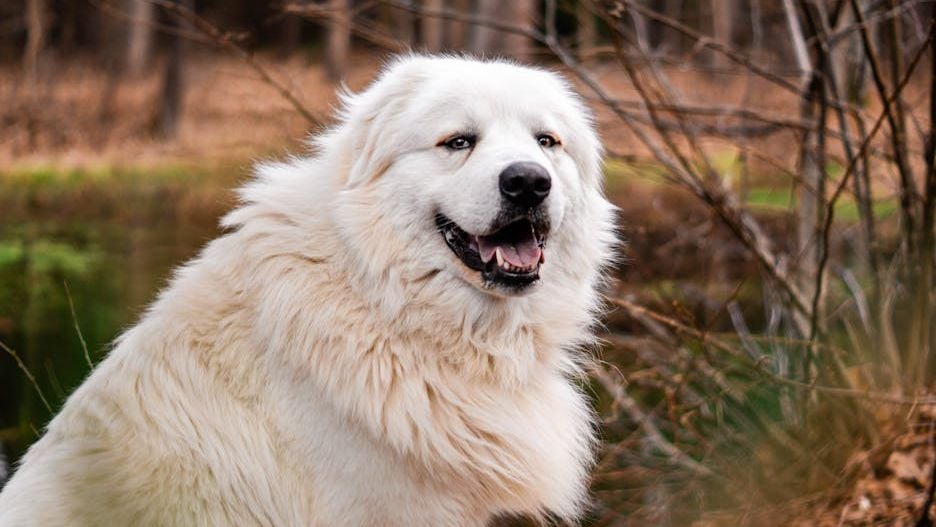
Colorado is home to somewhere between three thousand and seven thousand mountain lions, according to Colorado Parks and Wildlife. That’s a wide range, partly because these cats are notoriously difficult to survey. What’s less uncertain is how frequently they interact with livestock, pets, and rural properties, especially as Colorado’s human footprint continues to push deeper into wild terrain.
Mountain lions prefer deer but also hunt elk, livestock, and domestic animals, and they stalk their prey before attacking with a rush, often from behind. For ranchers and rural homeowners, that kind of threat is serious. No fence fully solves the problem, and not every deterrent scales across hundreds of acres of open range.
That’s where guardian dogs have quietly earned their reputation. Certain breeds have been doing this work for centuries, long before Colorado had a name. Here are ten breeds worth knowing about if you live, ranch, or hike in lion country.
1. Kangal
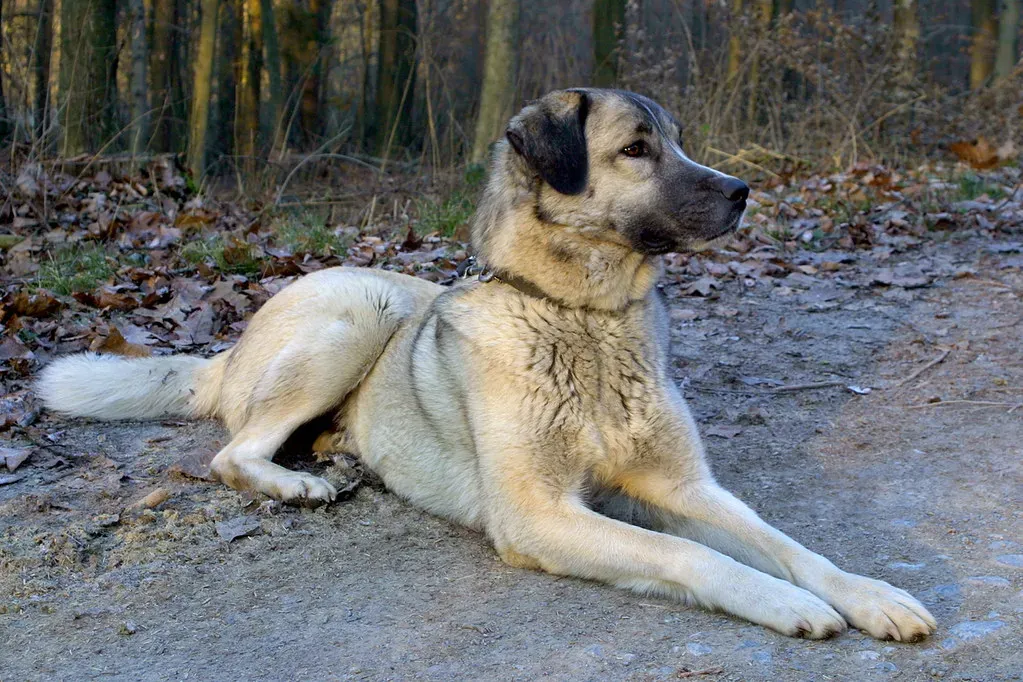
The Kangal is one of the most powerful livestock guardian breeds, boasting incredible strength and speed. With deep loyalty and protective instincts, Kangals are one of the best guardian dog breeds for large farms. Originating from the Sivas region of Turkey, this breed has a long and well-documented history of facing down large predators.
Originally bred in Turkey to protect livestock from wolves and bears, Kangals are considered one of the most effective livestock guardian dog breeds, possessing a deep bark and imposing presence. Their size, strength, and fearless nature make them well-equipped to deter and even fight off predators, including mountain lions.
For mountain lions specifically, larger and bolder guardians like the Kangal, plus keeping multiple dogs, improve success, with mountainous terrain favoring agile, territorial dogs. Colorado’s high-altitude landscape suits the Kangal well. They’re remarkably calm with their flock but will not hesitate when a threat is real.
2. Anatolian Shepherd
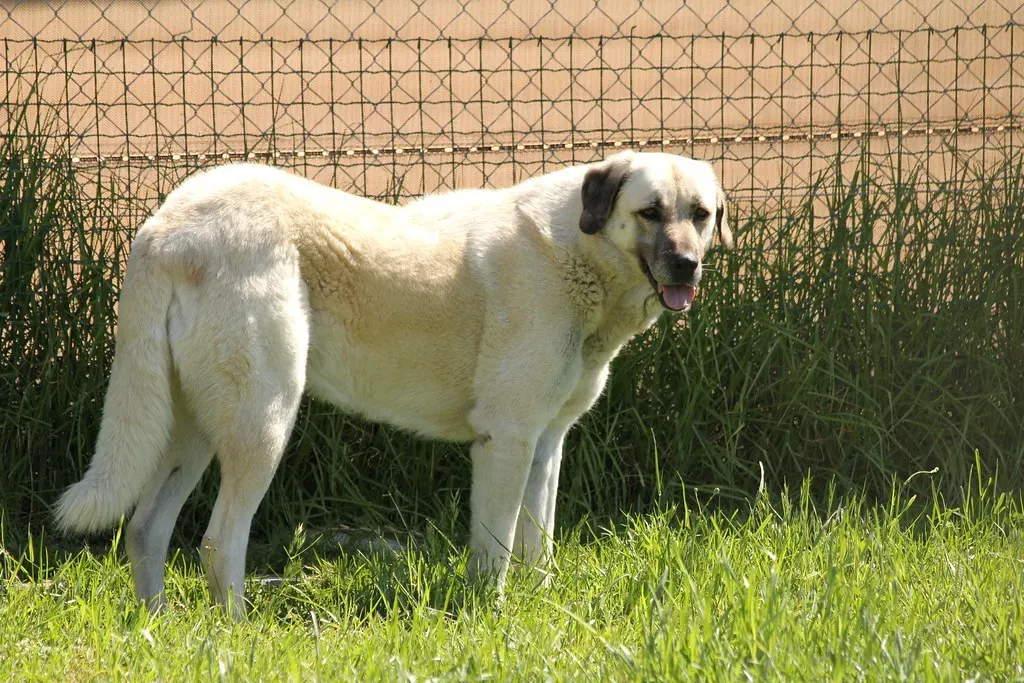
The Anatolian Shepherd is a big, agile dog originating from Anatolia, Turkey. These dogs are seriously good workers, independent and territorial, meaning they can work without being micromanaged. As such, they can form deep bonds with their livestock.
The Anatolian Shepherd is very territorial and responds quickly to threats. They are considered moderately reactive in how quickly they escalate from barking to attacking a perceived threat. This decisiveness matters in lion country, where hesitation can be costly.
The Akbash and Anatolian dogs are more likely to patrol, intercept, and pursue predators rather than simply staying close to the herd. That active patrolling behavior makes them especially effective across the larger parcels common in Colorado ranching operations.
3. Great Pyrenees
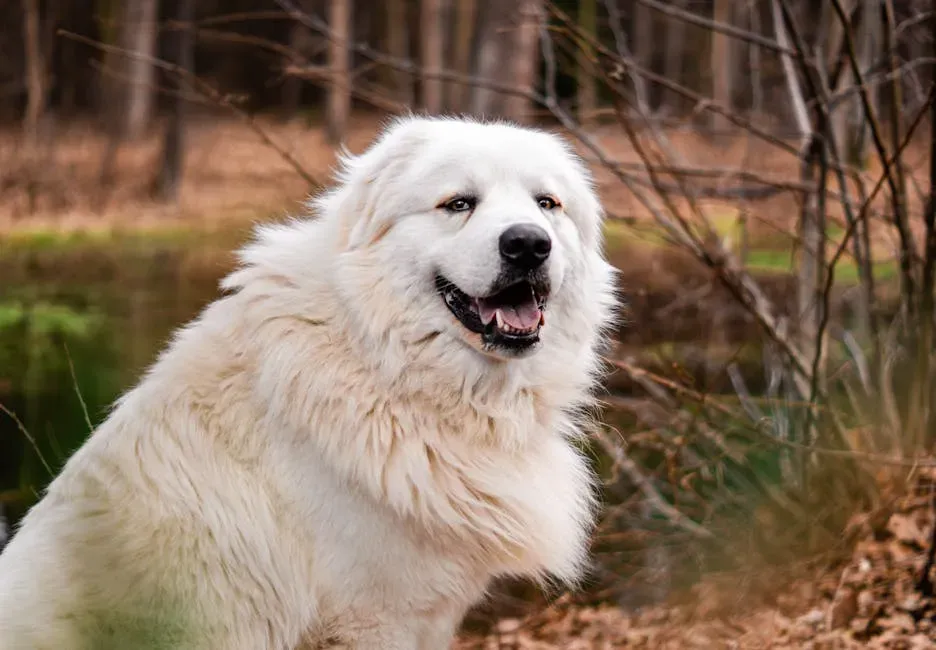
The Great Pyrenees were originally bred as dogs of war, and then used during times of peace to guard sheep and goats. They are less aggressive towards people than some of the other dogs used as guardians. That balance between approachability and protection makes them a practical choice for farms with regular visitors.
Because the Great Pyrenees is less aggressive to humans, it’s a good choice for farms that will have regular visitors. They prefer to bark away threats and will only attack if the predator is insistent. Their famous nighttime alertness is particularly valuable, since mountain lions tend to be most active after dark.
The Great Pyrenees serves as a protector against coyotes, mountain lions, bears, and roaming domestic dogs. They’ve been doing this specific job in mountainous terrain for centuries, which makes them a natural fit for Colorado’s rugged geography.
4. Tibetan Mastiff
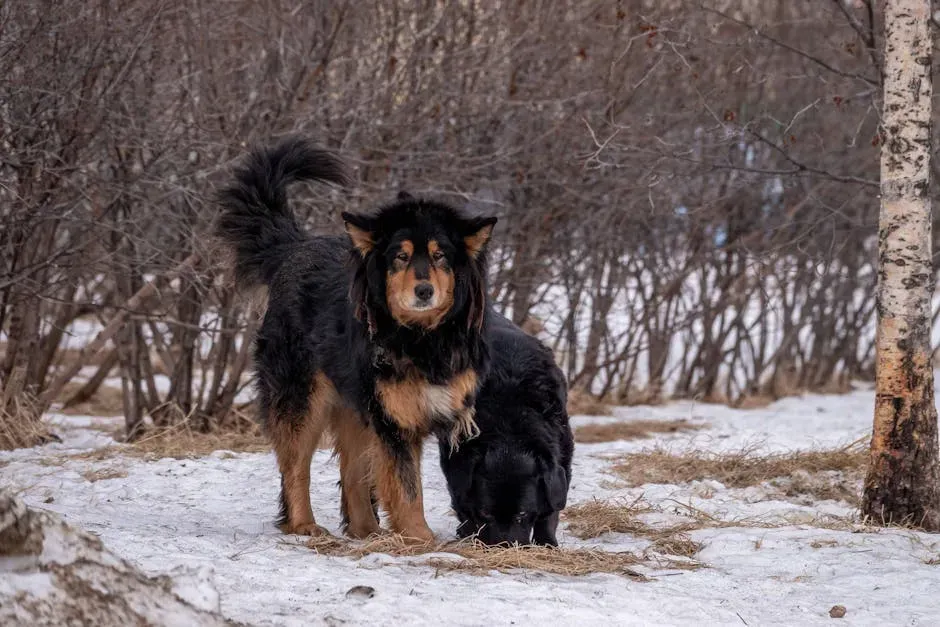
One of the most ancient livestock guardian breeds, the Tibetan Mastiff has been guarding livestock in the Himalayas for centuries. These massive dogs are highly independent and protective, making them excellent at keeping livestock safe from predators.
According to research from the American Kennel Club, Tibetan Mastiffs are among the most independent of dog breeds, a trait developed from centuries of guarding in isolation. This independence, paired with their immense size, makes them a serious deterrent to predators. While affectionate toward family, they remain aloof with strangers, keeping their protective edge sharp.
Their thick double coat, originally developed for Himalayan winters, translates well to Colorado’s cold mountain nights. This ancient Himalayan breed is known for its huge size, weighing up to 150 pounds, and an impressive thick double coat, well suited for working long shifts in the cold. The Tibetan Mastiff is highly protective and known for its deep, booming bark.
5. Caucasian Shepherd (Ovcharka)
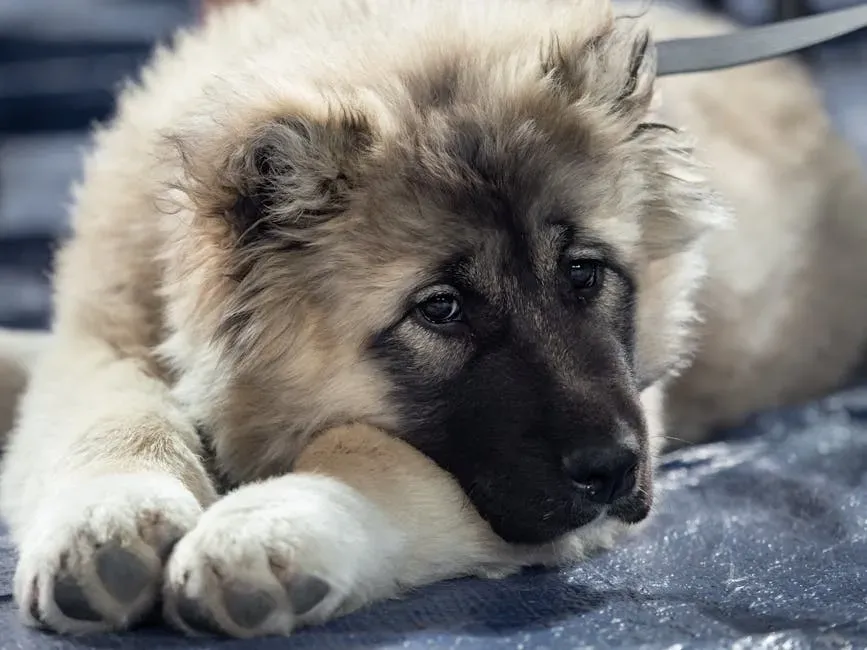
The Caucasian Shepherd Dog is a massive guardian breed from the Caucasus Mountains. Bred to protect flocks and homes in harsh conditions, these dogs are fearless against predators like wolves and bears. They are powerful defenders with strong guarding instincts. This breed is bold and highly territorial, making it an excellent protector but not a choice for inexperienced owners.
The Caucasian Shepherd, or Ovcharka, is a native of the Caucasus Mountains. They are built to withstand harsh climates and confront predators such as bears and wolves. With their immense size, strength, and bravery, Caucasian Shepherds are reputed for their fearlessness in confronting mountain lions when their territory or pack is threatened.
The Caucasian Ovcharka isn’t a breed for casual ownership. The Caucasian Ovcharka is a bold, independent guardian breed with a strong distrust of strangers and other pets. Best suited as the only pet in a quiet home, they require a calm, experienced owner who can offer firm leadership and a stable routine. In the right hands, though, few breeds match their raw deterrence.
6. Komondor
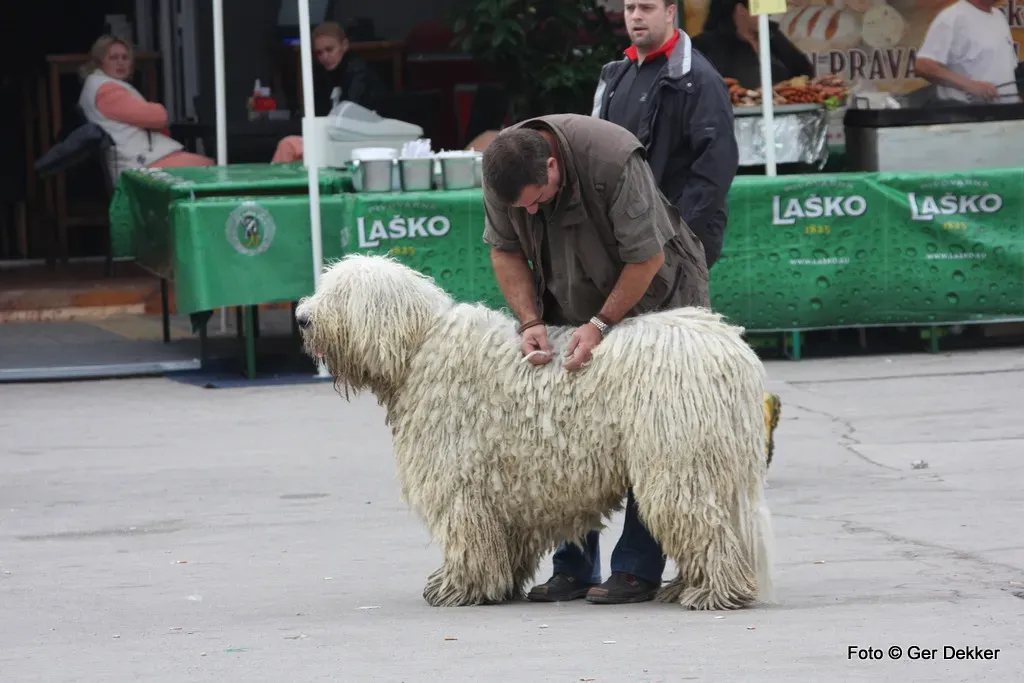
The Komondor originated in Hungary and is a large, white-colored breed, distinguished by its long and heavily corded coat. Hungarian records as far back as 1544 mention the breed, which has been declared one of Hungary’s national treasures. That history alone says something about its longevity as a working guardian.
Bred to be independent and territorial, Komondors make one of the best dog breeds for guarding livestock. They bond closely with their families and livestock but are wary of strangers. With early socialization and training, they become loyal and protective companions, often called the “king” of livestock guardians.
The corded coat is more than a visual novelty. The Komondor’s distinctive corded coat offers protection from bites and the elements. Bred initially to guard sheep, they have a natural defensive instinct that drives them to protect against any perceived threat, mountain lions included.
7. Akbash
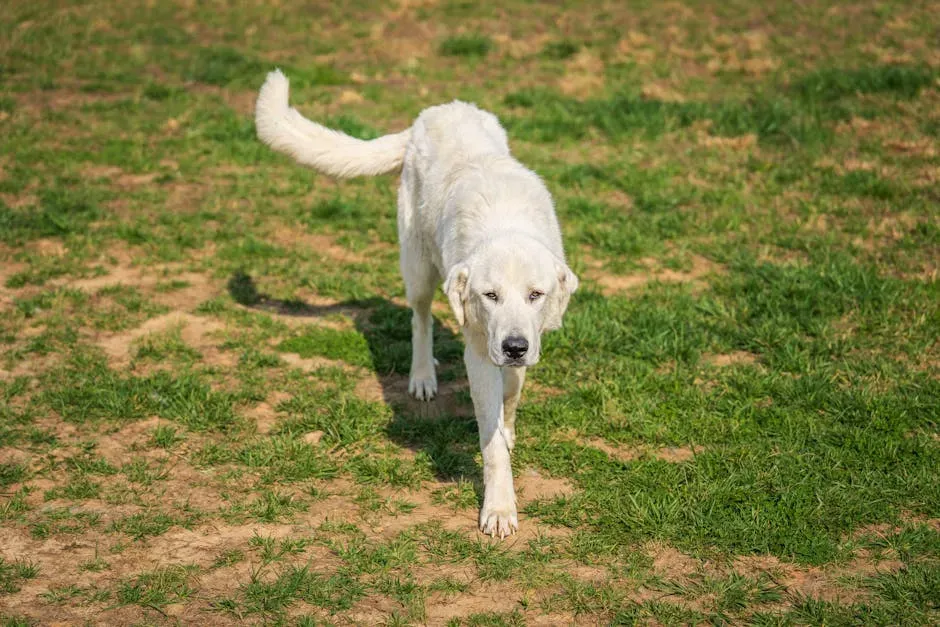
A report from the Livestock Guardian Dog Association notes that Akbash dogs are particularly adept at protecting against wolves and bears due to their patience and decisiveness. Unlike overly aggressive breeds, they focus on neutralizing danger rather than escalating it. This measured response makes them valuable in both rural and family environments. Their history as dependable guardians continues to this day in Turkey and beyond.
Akbash dogs are lean, agile, and vigilant, with a strong flock bond. They’re adaptable to varied climates and are best suited for coyotes and mountain lions. Notably quieter than some guardians, they’re effective in pastoral settings. Their lighter frame compared to the Kangal or Komondor means they’re more agile, which matters when a mountain lion moves fast.
The Akbash has historically been one of the most common livestock guardian dogs used across the American West. The most common LGDs in the U.S. are Akbash, Anatolian Shepherd, Great Pyrenees, and Maremma. Experienced ranchers in Colorado have relied on this breed for generations.
8. Maremma Sheepdog
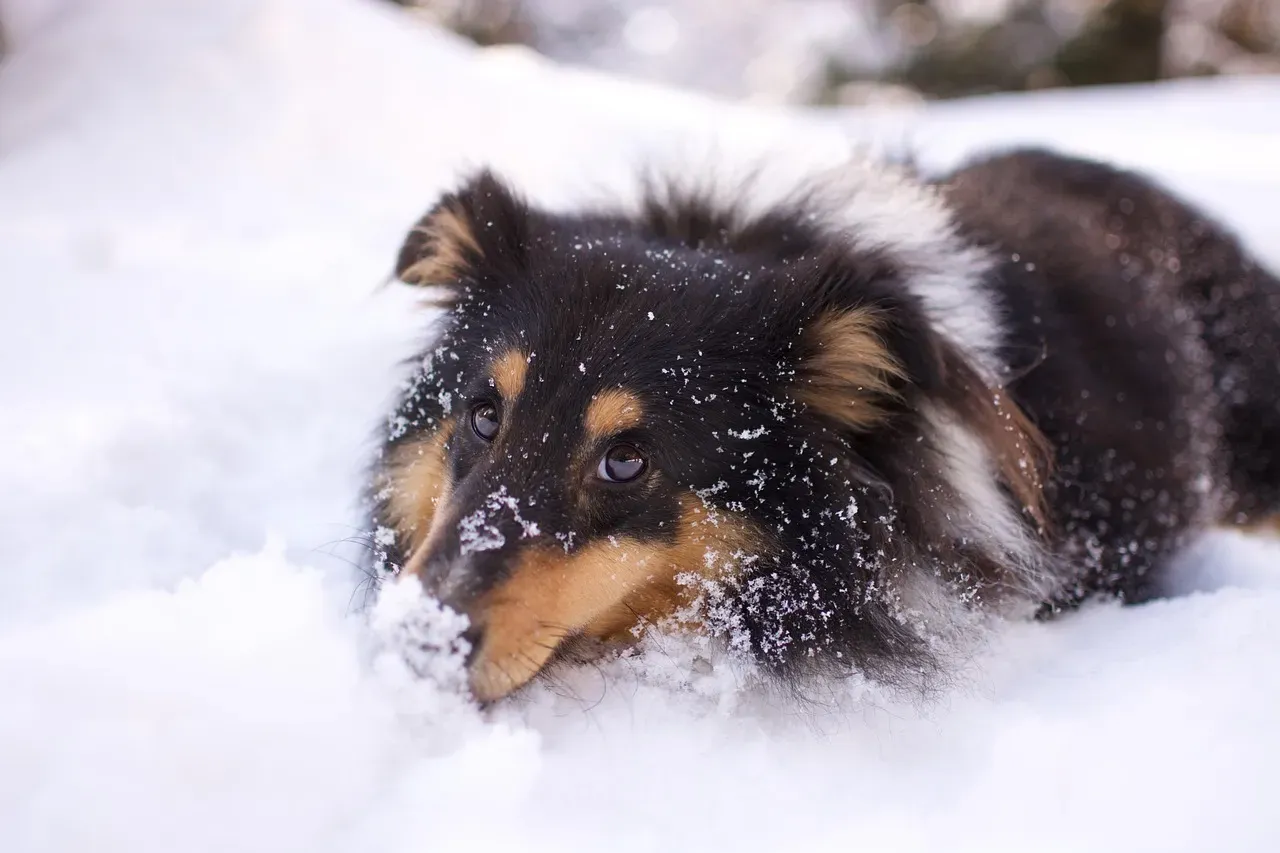
Hailing from Italy, the Maremma Sheepdog is a guardian dog breed that excels at protecting livestock in rural environments. These white-coated protectors blend in with their flocks, making them less visible to predators. They are affectionate with their family but take their job of protecting livestock very seriously.
This fluffy white Italian native is known for its fierce loyalty juxtaposed with a gentle nature within a family setting. Originally bred to guard sheep in open pastures, the Maremma Sheepdog has a dense weather-resistant coat and has a deep, vocal bark used to warn off intruders.
Breeds like the Maremma and Great Pyrenees are closer guarding dogs, preferring to stay near the flock and alert to predators. This quality makes them a strong pairing with a more patrol-oriented breed like the Anatolian or Kangal. Many folks like the idea of using two or more different breeds, such as a Maremma who tends to stick with stock and a Kangal who patrols more remotely.
9. Akita
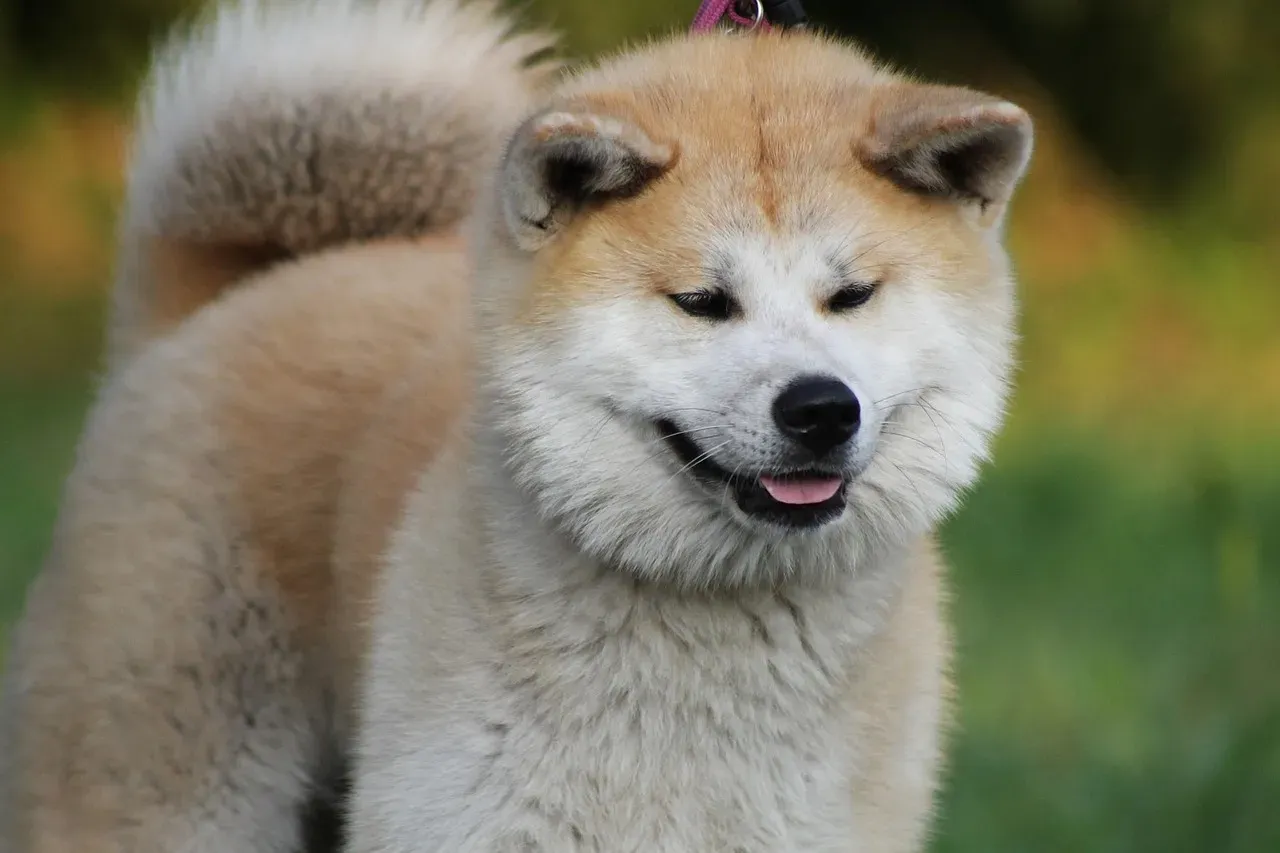
Originally bred in Japan as guard dogs to protect nobility and hunt bears, the Akita is a powerful and independent dog with a fearless heart. It’s a muscular dog with a double coat, best for cold mountain regions, cold cabins, and farmhouses in high-altitude zones. Colorado’s mountainous terrain suits them particularly well.
Akitas are exceptional protectors and are known for their regal and headstrong nature. The drive to protect is so strong in this breed that early socialization is very important for them. Without it, that protectiveness can become difficult to manage around visitors or strangers on a working ranch.
Akitas are extremely territorial and silent. They won’t bark unless there is real trouble lurking outside. They are known to confront a mountain lion or any other predator by trapping them, barking, circling, and distracting until the threat moves away. That method, harassment rather than direct combat, is actually how deterrence works best in practice.
10. Dogo Argentino
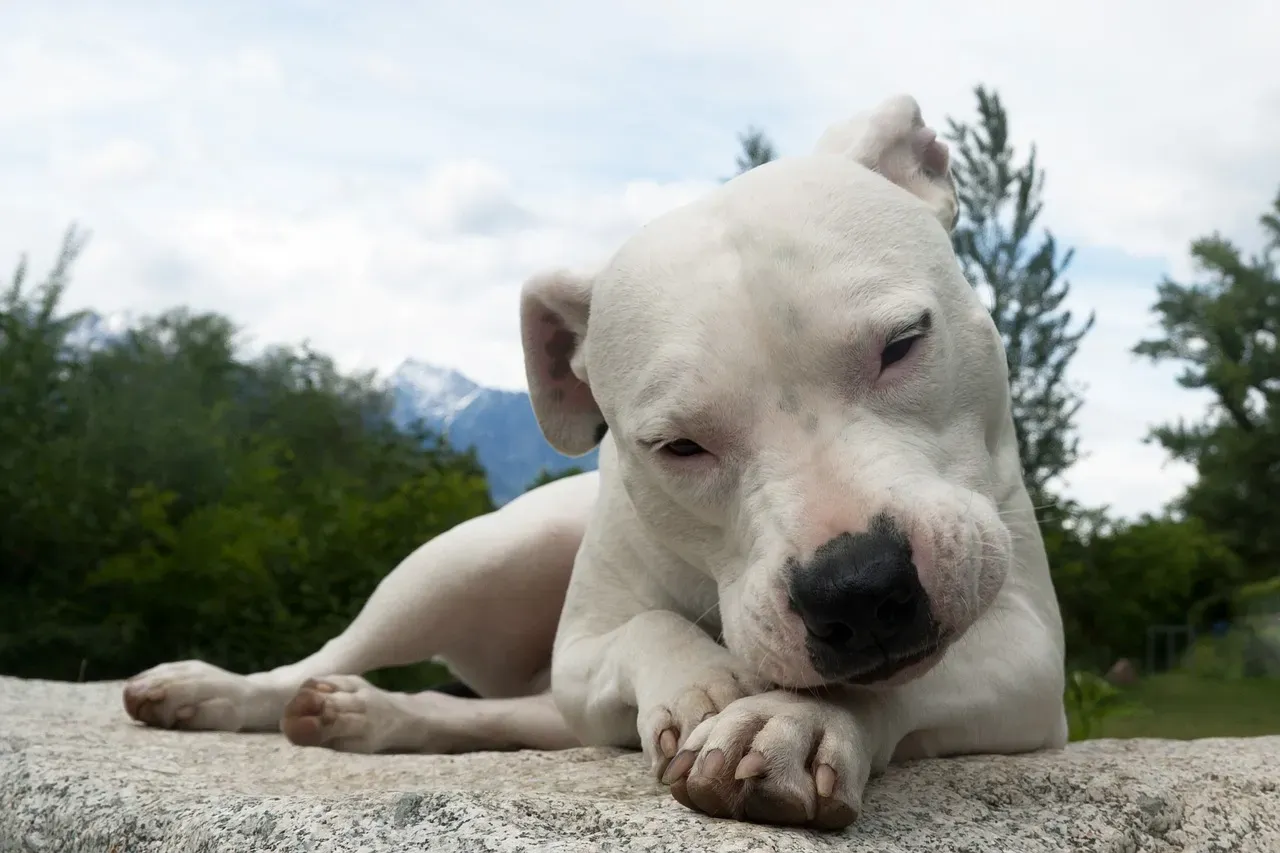
The Dogo Argentino was bred for hunting and protection. Originally developed to hunt large game including wild boars and pumas, this breed possesses a relentless drive, incredible strength, and unwavering loyalty. Unlike most breeds on this list, the Dogo was specifically shaped to deal with large cats.
The Dogo Argentino was developed to be a big-game hunter, a testament to its strength and resolve. Powerful, athletic, and fearless, this breed is built to tackle challenges that would deter other, less robust dogs. The breed’s agile nature is particularly advantageous in fast-paced confrontations with wildlife. With this formidable drive, Dogo Argentinos make excellent protectors, but they also demand substantial attention, training, and exercise from dedicated, informed owners.
The Dogo occupies a slightly different niche than the traditional livestock guardian breeds. The Dogo Argentino, also known as the Argentine Mastiff, is a powerful breed originally developed for big-game hunting. Their strength and agility translate well into guarding abilities, as they are fiercely territorial and protective. For Colorado homesteaders and ranchers looking for a more versatile deterrent, the Dogo is a serious option worth researching.
What Makes These Breeds Effective (and What Doesn’t)
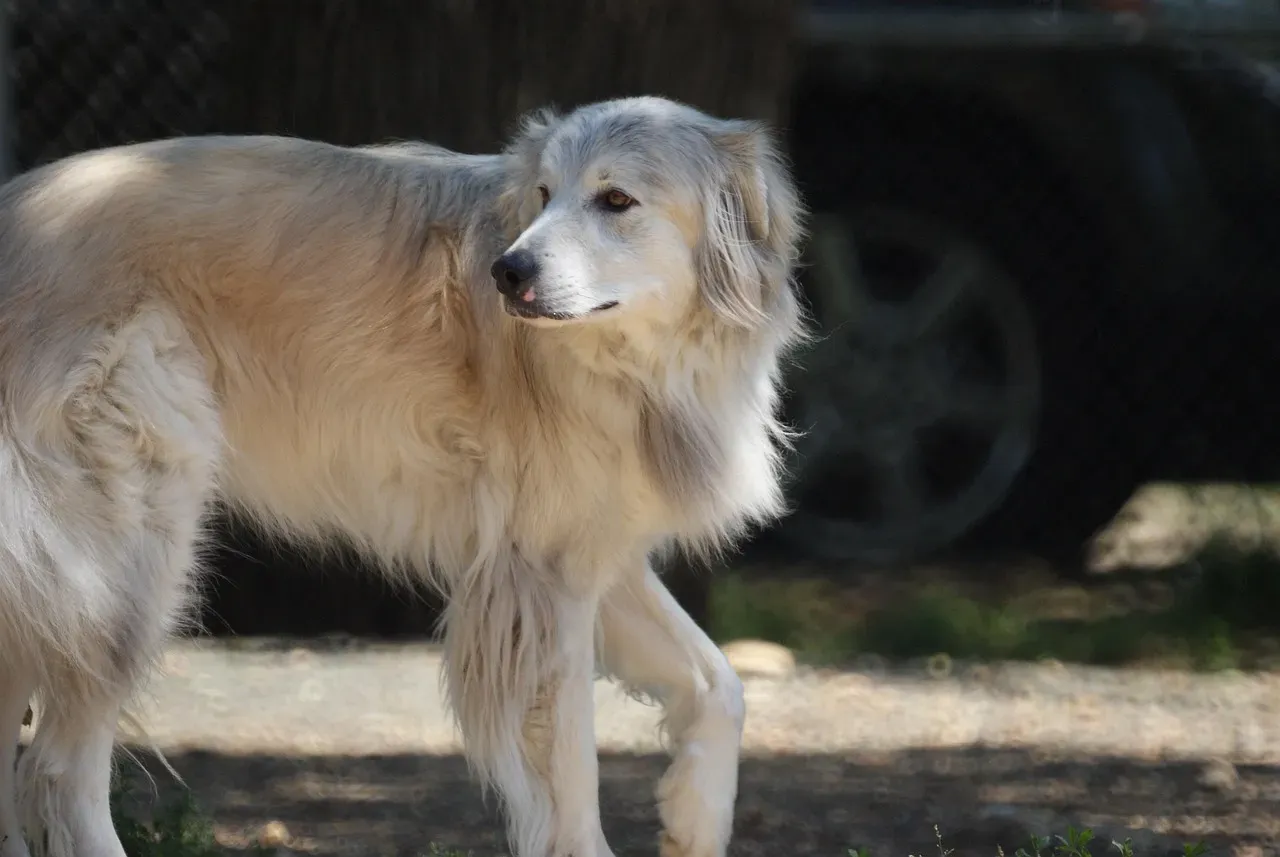
It’s important to know that no dog, regardless of the breed, would be able to take on a full-grown mountain lion solo. Mountain lions are apex predators with the ability to kill elk, mule deer, and coyotes with ease. The purpose of a guardian dog isn’t to fight. It’s to make a predator decide the effort isn’t worth it.
A guardian dog’s first defensive measure is visual deterrence. They simply stand and let themselves be seen. If that doesn’t work, intruders are greeted with a mild, throat-clearing sort of bark. That will escalate, if necessary, to a blood-curdling warning. This graduated response is by design, not accident.
When properly trained and raised with the herd, livestock guard dogs have reduced predation on livestock by over ninety percent in many cases. That’s a remarkable figure, and it holds up across multiple studies and ranching regions. A Colorado State University study showed that six times more lambs were lost to predators in environments that did not have LGDs. The data is clear.
Remember that livestock guard dogs are not pets, and must be specially raised and trained in order to be effective. They are best suited to large herds in remote locations because they can pose a risk to people. Owning one of these breeds responsibly means understanding that distinction from the start.
Conclusion
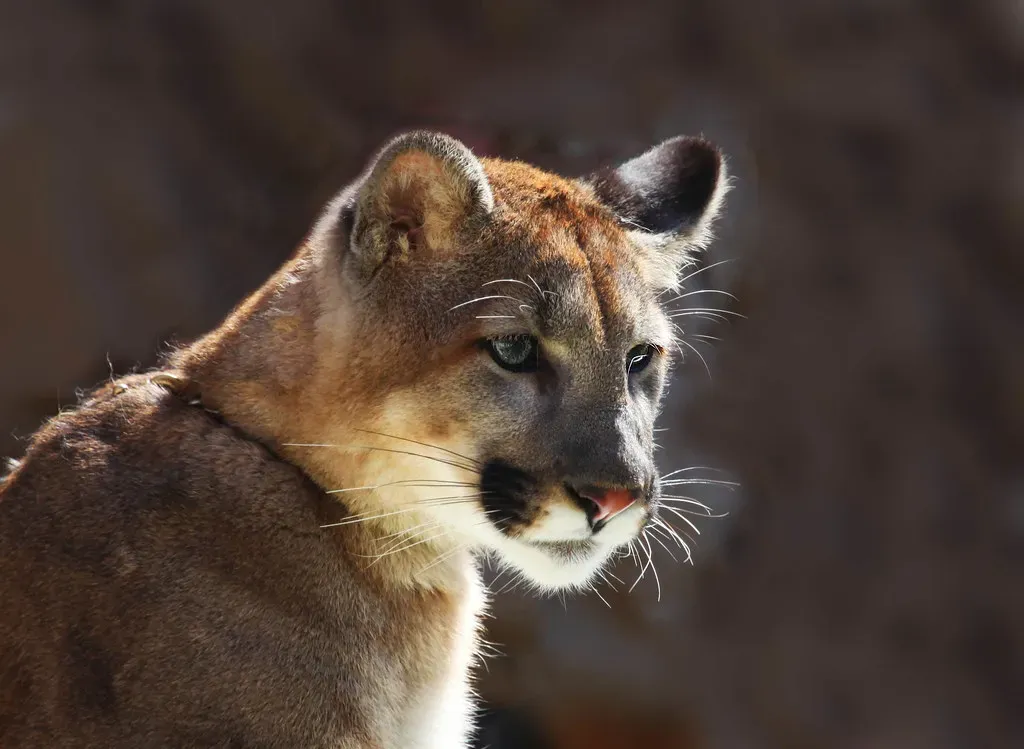
Mountain lion encounters in Colorado aren’t rare anomalies anymore. Mountain lions are known to prey on dogs when available. In the winter of 2022 to 2023, mountain lions killed or attacked twelve dogs near the small town of Nederland, Colorado. These incidents reflect a broader pattern that rural and semi-rural residents across the state are navigating.
By using livestock guardian dogs to deter threats to vulnerable livestock, the need for a farmer to eliminate the predator from the ecosystem becomes less of a probability. That’s a meaningful benefit not just for the rancher, but for Colorado’s broader ecological balance.
The right guardian dog won’t solve every problem, and no single breed works for every property or situation. No breed guarantees perfect protection. Environment, husbandry, guardian training, and multiple layers of deterrence matter, so choosing breeds suited to your predator pressure and management capacity is essential. What these ten breeds offer is time-tested, genetically wired resolve. In lion country, that counts for a great deal. The most effective protection comes not from a single dog acting heroically, but from a well-placed, well-bonded guardian that makes a mountain lion simply choose to move on.

- 10 Guardian Dog Breeds That Deter Mountain Lions in Colorado - July 23, 2026
- 10 Incredible Animal Migrations That Defy Explanation - July 23, 2026
- 10 Surprising Reasons Why Your Dog Suddenly Barks At Nothing - July 23, 2026