

Worried about unexpected vet bills?
Pet insurance can cover thousands in unexpected vet costs. Get a free quote from Lemonade in under 2 minutes.
Get My Free Quote →Sponsored · Opens Lemonade.com
Understanding your feline friend’s preferences and dislikes is essential for creating a harmonious household and strengthening your bond. Cats, with their mysterious and often misunderstood behaviors, communicate their feelings through subtle cues that many owners miss. By recognizing the habits that bring joy to your cat and eliminating those that cause stress, you can significantly improve your pet’s quality of life. This comprehensive guide explores ten practices that will make your cat purr with contentment and five common behaviors that might be causing your furry friend unnecessary anxiety.
The Science Behind Feline Happiness

Cats experience emotions differently than humans, but research confirms they do feel happiness, contentment, and stress. According to a study published in the Journal of Feline Medicine and Surgery, cats have complex emotional lives influenced by both genetics and environment. Their brains release similar neurotransmitters to humans when experiencing pleasure, including dopamine and serotonin, which contribute to feelings of satisfaction and well-being.
Understanding these biological mechanisms helps explain why certain activities make cats content while others cause distress. Dr. John Bradshaw, anthrozoologist and author of “Cat Sense,” explains that many feline preferences stem from evolutionary adaptations that helped wild cats survive. For instance, cats’ love of elevated perches comes from their ancestors’ need to survey territory and avoid predators, while their dislike of loud noises reflects an instinctual response to potential dangers.
Habit 10 Providing Elevated Resting Spots
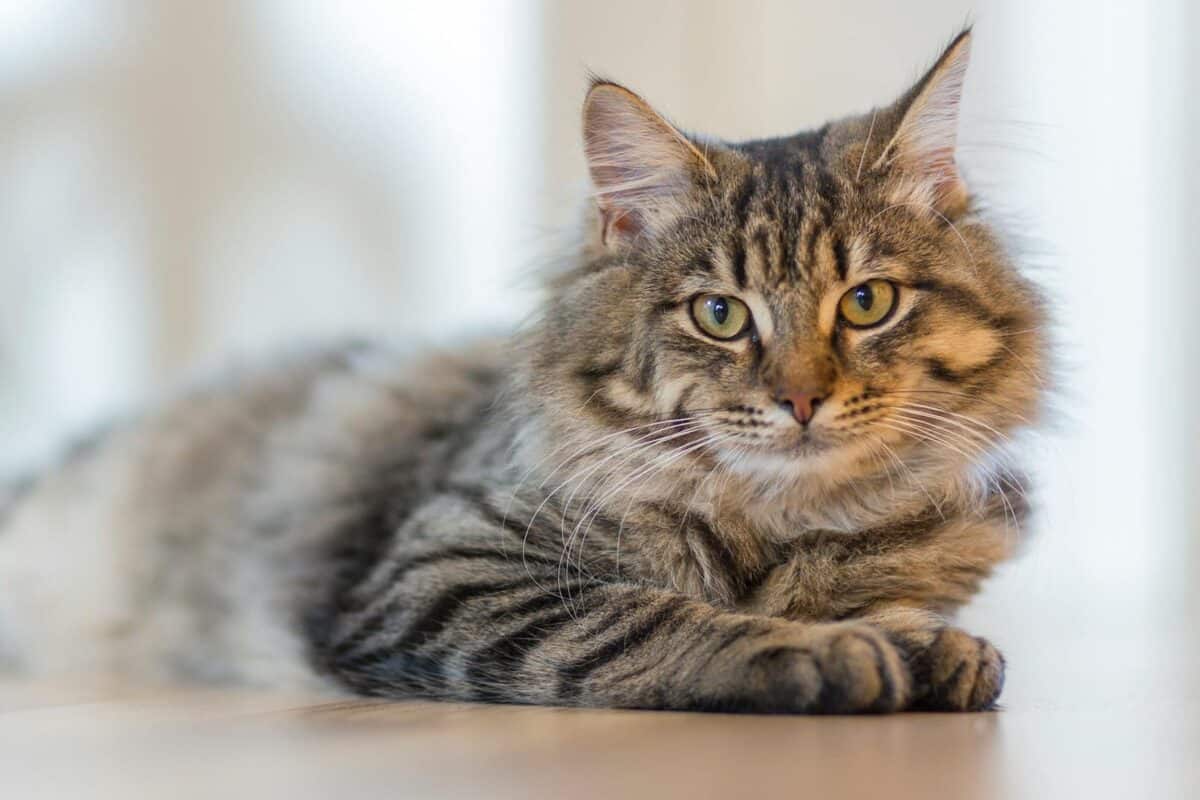
Cats naturally seek high places for security and observation. In the wild, elevation provided safety from predators and a vantage point for hunting. This instinct remains strong in domestic cats. When you provide cat trees, wall shelves, or window perches, you’re satisfying this deep-seated need for vertical territory. A study from the University of California found that access to elevated resting spots significantly reduced stress-related behaviors in indoor cats.
The ideal cat-friendly home offers multiple levels of vertical space. Consider installing cat shelves along walls, clearing space on top of bookcases, or investing in a quality cat tree. Position these elevated spots near windows where possible, as this combines height with the stimulation of observing outdoor activities. Many cat behavior consultants recommend at least one elevated resting spot per cat, plus one extra in multi-cat households to prevent resource competition.
Habit 9 Maintaining a Consistent Feeding Schedule
Cats thrive on routine, and this is particularly true regarding mealtimes. Wild cats typically hunt and eat multiple small meals throughout the day, and domestic cats retain this preference for regular, predictable feeding times. Establishing and maintaining a consistent feeding schedule helps satisfy your cat’s instinctual needs while reducing anxiety about when the next meal will arrive. Research from Ohio State University’s College of Veterinary Medicine shows that cats with reliable feeding schedules showed fewer stress behaviors than those fed irregularly.
Consider using automatic feeders for portion control and timing if your schedule varies. For many cats, dividing their daily food allowance into 3-5 smaller meals better mimics natural feeding patterns than offering just one or two larger meals. Some experts also recommend puzzle feeders or food-dispensing toys that allow cats to “hunt” for their food, providing both mental stimulation and satisfaction of natural behaviors. Remember that sudden changes to feeding routines can cause stress, so introduce any modifications gradually.
Habit 8 Regular Interactive Play Sessions

Play isn’t just fun for cats—it’s essential for their physical and mental wellbeing. Regular interactive play sessions satisfy your cat’s hunting instincts while providing exercise and mental stimulation. Research published in the Journal of Veterinary Behavior found that cats who engaged in at least two 10-minute play sessions daily showed significantly reduced anxiety and fewer behavioral problems like inappropriate scratching or aggression.
The most effective play mimics hunting sequences: stalking, chasing, pouncing, and “killing” the toy. Wand toys with feathers or small attachments that move unpredictably are particularly effective at triggering these natural behaviors. End play sessions by allowing your cat to “catch” the prey, providing satisfaction and closure to the hunting sequence. Rotating toys regularly keeps play sessions fresh and engaging. For busy owners, automated toys can supplement human-led play, though they shouldn’t completely replace interactive sessions that strengthen the bond between you and your cat.
Habit 7 Providing Multiple Litter Boxes

Clean, accessible bathroom facilities are non-negotiable for feline happiness. The general rule recommended by the American Association of Feline Practitioners is one litter box per cat, plus one extra. This formula ensures cats never feel trapped or threatened when using the bathroom—a time when they’re naturally vulnerable. Research shows that insufficient or poorly maintained litter boxes are a leading cause of house-soiling problems and related stress behaviors.
Strategic placement matters as much as quantity. Distribute litter boxes throughout your home rather than clustering them in one area. Avoid placing boxes near noisy appliances, food areas, or high-traffic zones. Many cats prefer open boxes that allow them to see approaching threats, though some shy cats appreciate covered options. Most importantly, clean boxes daily and perform complete litter changes regularly. Scented litters may appeal to humans but often repel cats with their sensitive noses. Unscented, clumping clay litters remain the preference for most felines, though individual preferences vary.
Habit 6 Creating Dedicated Scratching Areas

Scratching is a natural, necessary behavior for cats, serving multiple purposes: it maintains claw health, provides stretching exercise, marks territory with scent glands in the paws, and relieves stress. When you provide appropriate scratching surfaces, you’re acknowledging and supporting this essential feline behavior. The Cornell Feline Health Center recommends offering both horizontal and vertical scratching options to accommodate different scratching styles.
Observe your cat’s preferences to provide the most satisfying scratching experience. Some cats prefer vertical posts while others favor horizontal pads. Similarly, materials matter—sisal rope, cardboard, carpet, and wood all have their feline fans. Place scratching surfaces near sleeping areas (cats often scratch upon waking) and in prominent areas where territorial marking makes sense. Entice your cat to appropriate scratching areas using catnip or honeysuckle spray, and positively reinforce desired scratching with treats and praise. Never punish scratching, even on furniture; instead, make approved scratching areas more attractive and furniture less appealing.
Habit 5 Respecting Personal Space

Contrary to the aloof stereotype, many cats enjoy social interaction—on their terms. Respecting your cat’s personal boundaries and allowing them to initiate contact creates trust and security. Cats appreciate having safe spaces where they can retreat when overwhelmed or simply need alone time. According to feline behaviorist Jackson Galaxy, every cat needs “cat superhighways” through the home and dedicated “cat only” spaces where they can escape when desired.
Watch for subtle cues that your cat needs space: flattened ears, tail twitching, dilated pupils, or turning away. Honor these signals by backing off rather than forcing interaction. Create dedicated retreat spaces using covered beds, empty boxes, or cat caves where your pet can decompress without disturbance. Teaching children and visitors to respect these boundaries is particularly important. Many behavior experts recommend the “let them come to you” approach—sitting quietly and allowing curious cats to investigate on their own terms rather than pursuing reluctant felines.
Habit 4 Gentle Grooming and Physical Contact
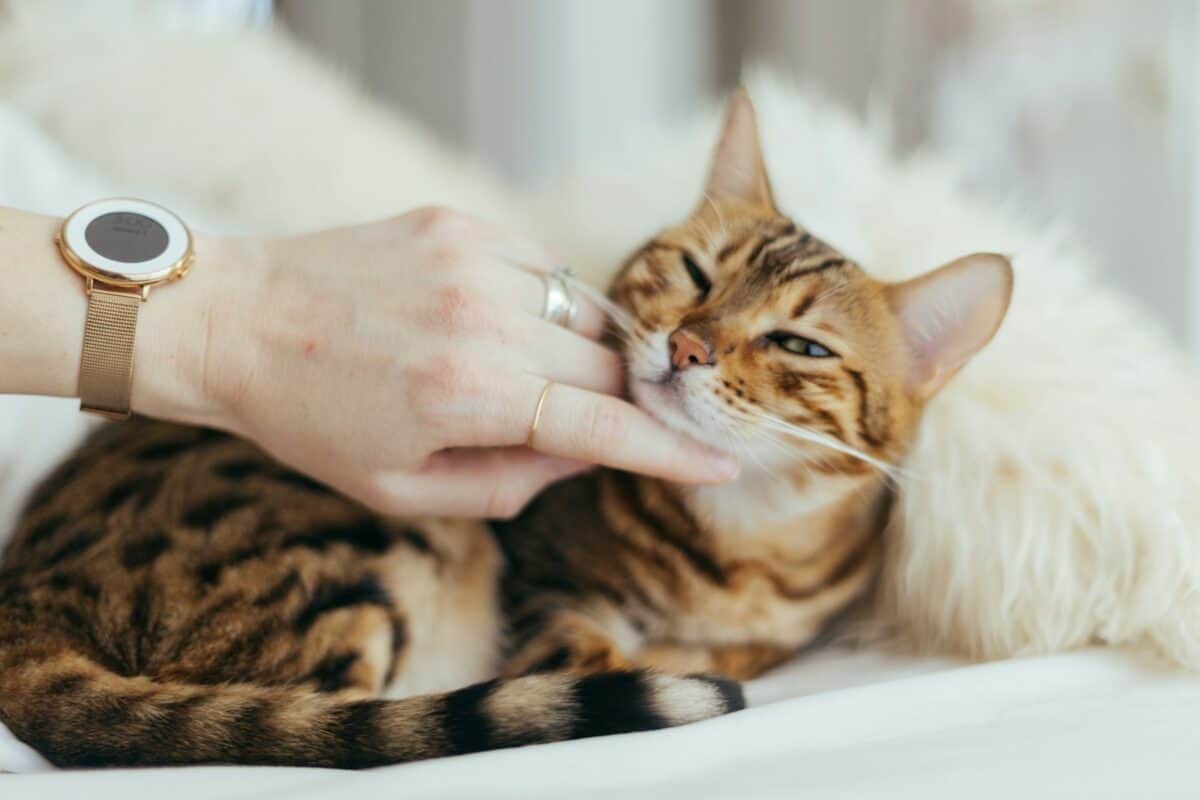
Most cats enjoy some form of physical contact, though preferences vary widely between individuals. Gentle grooming with appropriate brushes mimics the social grooming cats experience in colonies and can strengthen your bond. Regular brushing also reduces hairballs, keeps coats healthy, and provides an opportunity to check for skin problems or parasites. One study from the University of Lincoln found that many cats preferred gentle strokes around the face—particularly the cheeks, chin, and between the eyes and ears—areas where scent glands are concentrated.
Start grooming sessions short and positive, gradually increasing duration as your cat becomes comfortable. Pay attention to body language—purring, kneading, and relaxed posture indicate pleasure, while tail swishing, skin twitching, or attempts to move away suggest discomfort. Some cats adore belly rubs while others consider this area strictly off-limits. The key is learning your individual cat’s preferences rather than assuming all cats enjoy the same handling. For long-haired breeds, daily brushing prevents painful mats and reduces shedding, making it both a health measure and a bonding opportunity.
Habit 3 Providing Environmental Enrichment

Enrichment encompasses all the ways we make indoor environments stimulating and engaging for cats. Window perches with bird feeders outside, cat-safe plants, tunnels, rotating toys, and climbing opportunities all contribute to a mentally stimulating environment. Research from The Ohio State University’s Indoor Cat Initiative demonstrates that enriched environments reduce stress-related behaviors and illness in indoor cats, who otherwise might experience the feline equivalent of boredom and frustration.
Consider engaging all your cat’s senses: visual stimulation through movement and interesting views; olfactory enrichment via cat-safe herbs like silver vine or catnip; tactile variety with different surfaces for resting and play; auditory enrichment through bird sounds or specially designed cat music. Even food can become enrichment when presented in puzzle feeders requiring problem-solving skills. Rotating enrichment items keeps the environment novel and interesting. Dr. Tony Buffington, a veterinary specialist in feline stress, recommends making at least one small environmental change weekly to maintain optimal stimulation without causing stress from major disruptions.
Habit 2 Providing Fresh Water Sources
Many cats are chronically under-hydrated, which can contribute to urinary tract problems and kidney disease. Increasing water consumption pleases cats by supporting their health and accommodating their natural preferences. Cats often prefer running water—an evolutionary adaptation that helped wild cats avoid contaminated water sources. Pet fountains capitalize on this preference, encouraging greater water intake while providing enrichment. Research in the Journal of Feline Medicine and Surgery found that cats drink more water from flowing sources than still bowls.
Strategic placement of multiple water sources throughout your home increases the likelihood of adequate hydration. Keep water dishes away from food and litter boxes, as cats instinctively avoid water near potential contaminants. Some cats prefer wide, shallow dishes that don’t touch their whiskers, while others show preferences for certain materials like ceramic or glass over plastic. For especially reluctant drinkers, adding a small amount of tuna juice or chicken broth to water occasionally can encourage consumption. Remember to clean water dishes daily and fountains weekly to prevent bacterial growth that could deter drinking or cause illness.
Habit 1 Providing Safe Outdoor Experiences

While indoor living is safer for cats, many felines crave outdoor experiences. Providing controlled outdoor access can significantly enhance quality of life while managing risks. Catios (enclosed outdoor patios for cats), window boxes, screened porches, or secure fenced yards with cat-proof tops all offer compromises between safety and outdoor enrichment. A survey by the University of California, Davis found that cats with access to outdoor enclosures showed fewer stress behaviors than strictly indoor cats.
For cats who enjoy the outdoors, harness training represents another safe option. Start harness training gradually indoors, using positive reinforcement and proceeding at your cat’s pace. Some cats adapt quickly to walking on leashes, while others may only tolerate sitting in a sunny spot while supervised. Weather-appropriate outdoor time offers sensory benefits unavailable indoors: natural sunlight, fresh air, and the stimulation of outdoor sounds and smells. Even cats who never go outside benefit from “cat TV”—windows with bird feeders positioned nearby or nature videos specifically designed for feline viewers.
Stress Trigger 4 Unpredictable Handling and Forced Interaction

Cats thrive on choice and control. Forcing physical interaction when a cat is unreceptive creates stress and damages trust. Common examples include picking up reluctant cats, pursuing those who walk away, or allowing children to handle cats roughly or unpredictably. Dr. Sarah Ellis, feline behavior specialist and co-author of “The Trainable Cat,” emphasizes that positive relationships with cats must be built on respect for their autonomy and communication signals.
Warning signs that handling is causing stress include dilated pupils, flattened ears, tail swishing, skin twitching along the back, and attempts to escape. More serious signals include growling, hissing, or swatting. If you observe these signs, immediately release your cat and give them space. For necessary handling like medication administration or veterinary preparation, use gradual desensitization techniques, positive reinforcement, and calm, predictable movements. Teaching all household members, especially children, to recognize and respect feline body language prevents negative associations with human interaction.
Stress Trigger 3 Loud Noises and Chaotic Environments

Cats’ sensitive hearing makes them particularly vulnerable to noise stress. Sounds that seem moderate to humans can be overwhelming to feline ears, which can detect frequencies up to 64 kHz (compared to humans’ 20 kHz). Common household noise stressors include vacuum cleaners, blenders, construction, arguments, loud music, and thunderstorms. A study in the Journal of Veterinary Behavior found that cats in quieter households had lower stress hormone levels than those in noisy environments.
Create sound sanctuaries by designating quiet areas in your home where your cat can retreat from noise. Sound-absorbing materials like carpets, curtains, and soft furniture can reduce echo and ambient noise. When loud activities are necessary, confine your cat to a quiet room with familiar comfort items. For predictable noise events like vacuuming, establish a routine so your cat can anticipate and prepare for the disturbance. In multi-person households, maintain awareness of cumulative noise levels, as what might seem like normal conversation volume to humans can create a chaotic soundscape for sensitive cats.
Stress Trigger 2 Insufficient Territory in Multi-Cat Homes

Domestic cats retain many territorial instincts from their wild ancestors. In multi-cat households, insufficient resources and territory create competition and chronic stress, even among cats who appear to tolerate each other. The International Cat Care organization recommends multiplying all resources in multi-cat homes: separate feeding stations, multiple water sources, abundant litter boxes, and several resting areas at various heights. Research shows that even cats who sleep together and groom each other benefit from having access to individual resources.
Signs of territorial stress include increased marking behaviors, resource guarding, subtle blocking behaviors where one cat prevents another’s movement, and changes in litter box habits. Create multiple pathways through your home so cats can move without confrontation, and ensure adequate vertical space so subordinate cats can retreat upward. In severe cases of inter-cat tension, reintroduction protocols using scent swapping and controlled visual exposure may be necessary. Remember that unrelated adult cats are not naturally social with unfamiliar cats; their tolerance of housemates represents adaptation rather than preference in many cases.
Stress Trigger 1 Irregular Routines and Abrupt Changes

Cats are creatures of habit who find security in predictability. Abrupt changes to their environment, schedule, or social structure can trigger significant stress responses. Common disruptive changes include moving homes, renovations, new pets or family members, schedule changes that affect feeding or interaction times, and rearranging furniture. Feline stress expert Dr. Ilona Rodan notes that cats often hide signs of stress, making it crucial for owners to anticipate potentially disruptive changes and take preventative measures.
When changes are necessary, implement them gradually whenever possible. For example, slowly rearrange furniture over days rather than all at once, or gradually adjust feeding times by 15-minute increments. During major disruptions like moves, maintain as many consistent elements as possible: familiar bedding, toys, and feeding equipment help provide continuity. Synthetic feline pheromone products like Feliway can help reduce environmental stress during transitions. For highly sensitive cats, veterinarians sometimes recommend temporary anti-anxiety supplements or medications during major life changes. Remember that what seems minor to humans—like a new sofa or rearranged bedroom—can represent a significant environmental disruption from your cat’s perspective.
Conclusion:

Cats may be independent by nature, but they thrive when their environment and daily routines align with their instincts and preferences. Habits like offering gentle affection, providing vertical spaces, maintaining a clean litter box, and respecting their need for quiet and control can go a long way in building trust and contentment. These simple actions show your feline that their comfort and boundaries are being honored—often rewarded with purrs, playfulness, and cozy companionship.
On the flip side, even well-meaning behaviors can leave cats feeling anxious or overwhelmed. Loud noises, unpredictable routines, forced interactions, or overstimulation can trigger stress and lead to behavioral issues. By recognizing what pleases cats and what disturbs them, pet owners can create a calm, cat-friendly home where their feline companions feel safe, understood, and loved. After all, a happy cat means a happier household.
Worried about unexpected vet bills?
Pet insurance can cover thousands in unexpected vet costs. Get a free quote from Lemonade in under 2 minutes.
Get My Free Quote →Sponsored · Opens Lemonade.com

As a little kid, I fell in love with nature, wildlife, and animals. Living in the USA, South Africa, Italy, China and Germany gave me the opportunity to discover the world's Wildlife. My favorite animals are Mountain Gorillas, Siberian Tigers, and Great White Sharks.
I'm a certified PADI Open Water Diver, went to Everest Base Camp and Trekked Gorillas in Uganda. I hold a Master of Science in Economics and Finance.
Please send any feedback to feedback@animalsaroundtheglobe.com
- 15 Adorable Facts About Red Pandas You Will Want to Share - June 11, 2026
- 13 Times Wild Wolves Were Spotted in Urban Areas - June 11, 2026
- 11 Reasons Elephants Are Called Ecosystem Engineers - June 11, 2026