


Hedgehogs have become increasingly popular as exotic pets, capturing hearts with their spiky exteriors and adorable faces. However, many potential owners don’t realize that there are several distinct species and breeds of hedgehogs, each with unique characteristics. Understanding these differences is crucial for proper care and appreciation of these fascinating creatures. This comprehensive guide will walk you through the most common hedgehog breeds kept as pets and found in the wild, highlighting their distinctive features and helping you identify each type with confidence. Whether you’re considering adopting a hedgehog or simply expanding your knowledge about these charming animals, this article will provide valuable insights into the diverse world of hedgehog breeds.
African Pygmy Hedgehog (Atelerix albiventris)

The African Pygmy Hedgehog is by far the most common hedgehog kept as a pet worldwide. Native to central and eastern Africa, these small creatures typically weigh between 250-600 grams and measure about 6-8 inches in length. Their distinguishing features include a pointed snout, small ears, and short legs. The African Pygmy’s coloration varies widely, ranging from salt-and-pepper to cinnamon, chocolate, and even albino. One key identifying feature is their white belly, which contrasts with their colored spines. These hedgehogs have a lifespan of 4-7 years in captivity and are known for their relatively social nature compared to other hedgehog species. They can be identified by their smaller size compared to European hedgehogs and their characteristic white belly that gives them part of their scientific name (albiventris means “white belly” in Latin).
European Hedgehog (Erinaceus europaeus)

The European Hedgehog is significantly larger than its African Pygmy cousin, weighing between 600-1200 grams and measuring approximately 8-12 inches in length. Native to Western Europe, these hedgehogs are rarely kept as pets and are protected in many countries. They have a more rounded face with a less pronounced snout compared to African varieties. Their coloration is typically brown to dark brown with lighter tips on their spines, giving them a two-toned appearance. European hedgehogs have longer legs than African Pygmies and move with a more deliberate gait. Their underbelly is usually grayish-brown rather than white. In the wild, they have a lifespan of 2-5 years, though they can live longer in captivity. You can identify European hedgehogs by their larger size, darker coloration, and the absence of a white belly that’s characteristic of African Pygmies.
Long-Eared Hedgehog (Hemiechinus auritus)

As its name suggests, the Long-Eared Hedgehog is immediately recognizable by its distinctively large ears, which are proportionally much bigger than those of other hedgehog species. Native to Central Asia and parts of the Middle East, these hedgehogs typically weigh 250-400 grams and measure about 5-7 inches in length. Their body is covered in light brown to gray spines, and they have a pale underbelly. Beyond their prominent ears, Long-Eared Hedgehogs can be identified by their longer, more slender legs and their more pronounced snouts compared to African Pygmies. They have adapted to desert environments and have the ability to travel relatively long distances. These hedgehogs are rarely kept as pets in Western countries but are sometimes kept in parts of Asia. Their distinctive ears serve not only as identification markers but also help with heat regulation in their native desert habitats.
Indian Long-Eared Hedgehog (Hemiechinus collaris)

The Indian Long-Eared Hedgehog, closely related to the standard Long-Eared Hedgehog, is native to India and Pakistan. These hedgehogs weigh approximately 300-450 grams and grow to 6-8 inches in length. While they share the characteristic large ears of their cousin species, Indian Long-Eared Hedgehogs can be distinguished by the distinctive “collar” of white fur around their neck, which gives them their scientific name “collaris.” Their spines are typically lighter in color than European hedgehogs, ranging from tan to light brown, and they have a pale cream-colored underbelly. They have adapted to arid environments and have longer legs than African Pygmies, allowing them to move more efficiently across sandy terrain. These hedgehogs are rarely found in the pet trade outside their native regions. The white collar marking is the most reliable way to differentiate them from other long-eared varieties.
Desert Hedgehog (Paraechinus aethiopicus)
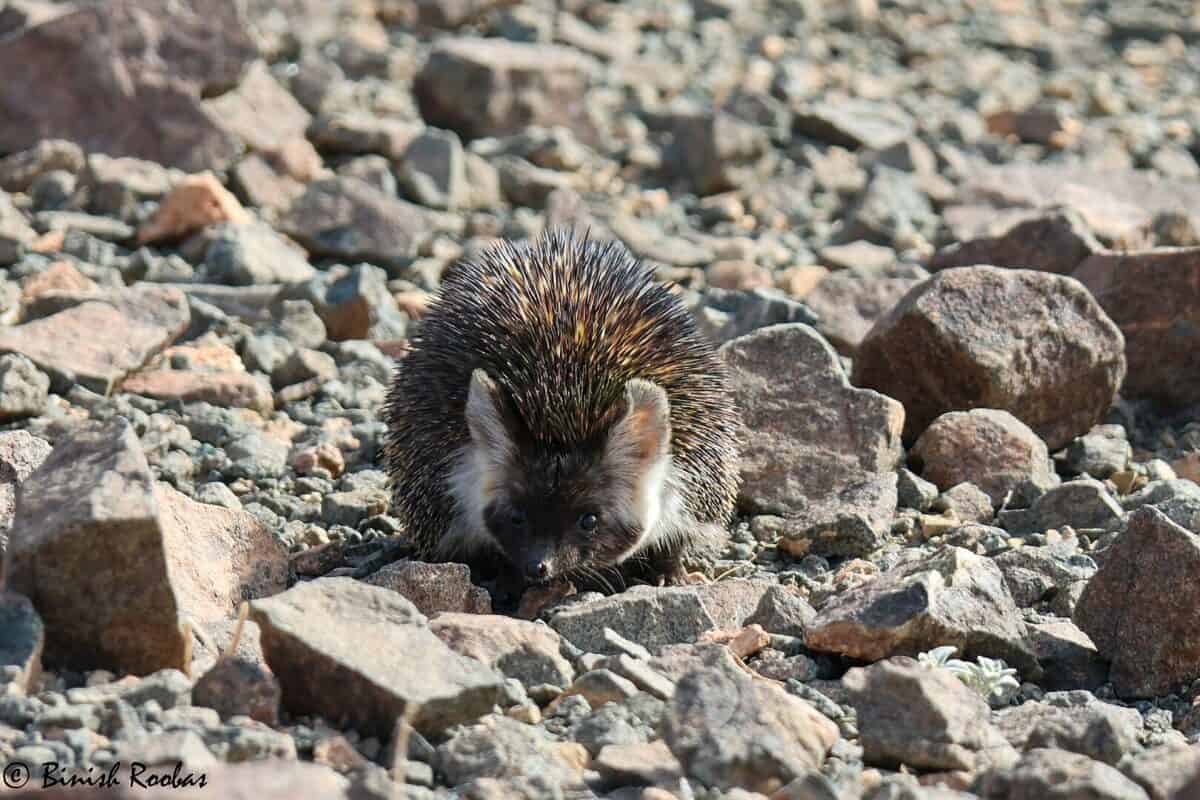
The Desert Hedgehog is the smallest of all hedgehog species, typically weighing just 200-400 grams and measuring 5-7 inches in length. Native to desert regions across North Africa and the Middle East, these hedgehogs have evolved several adaptations for harsh environments. Their spines are shorter and more widely spaced than other species, helping them maneuver through sandy terrain. Desert Hedgehogs have a distinctive pale color ranging from almost white to light tan, which helps reflect sunlight in their hot native habitat. Their underbelly is white or very light cream. They have relatively large ears (though not as pronounced as Long-Eared species) that help with heat dissipation. Desert Hedgehogs have a more pointed face than African Pygmies and are rarely kept as pets internationally. Their smaller size and lighter coloration make them relatively easy to distinguish from other hedgehog species when seen side by side.
Hugh’s Hedgehog (Mesechinus hughi)
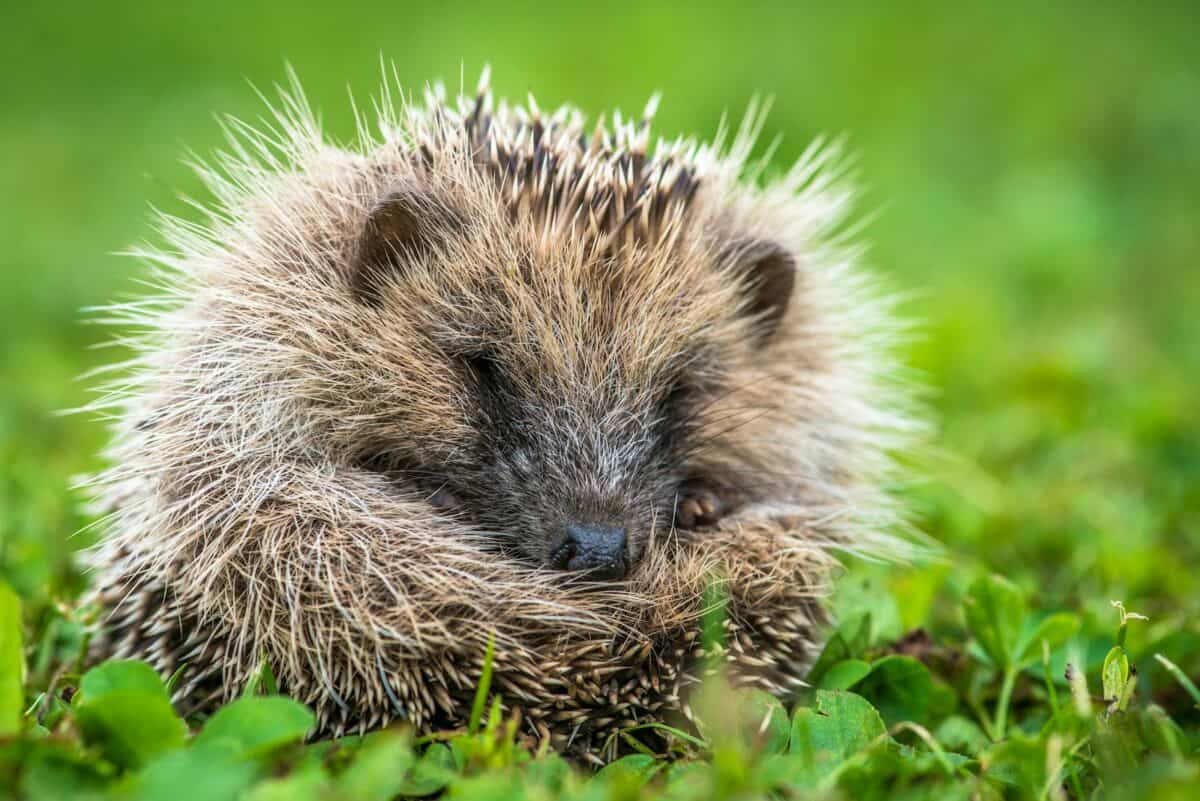
Hugh’s Hedgehog, also known as the Chinese Hedgehog, is native to central China and Mongolia. These medium-sized hedgehogs typically weigh 400-700 grams and measure around 7-9 inches in length. Their most distinctive feature is their darker coloration—Hugh’s Hedgehogs have dark brown to almost black spines with very little variation in color. Unlike many other species, they lack the lighter tips on their spines, giving them a more uniform appearance. Their underbelly is typically dark gray or brown. Hugh’s Hedgehogs have shorter ears than European hedgehogs and a more rounded face. They have adapted to cooler climates and may exhibit seasonal changes in weight and activity. These hedgehogs are extremely rare in the pet trade outside Asia. The uniform dark coloration of their spines makes them relatively easy to identify when compared to other species with more variable or lighter coloration.
Daurian Hedgehog (Mesechinus dauuricus)
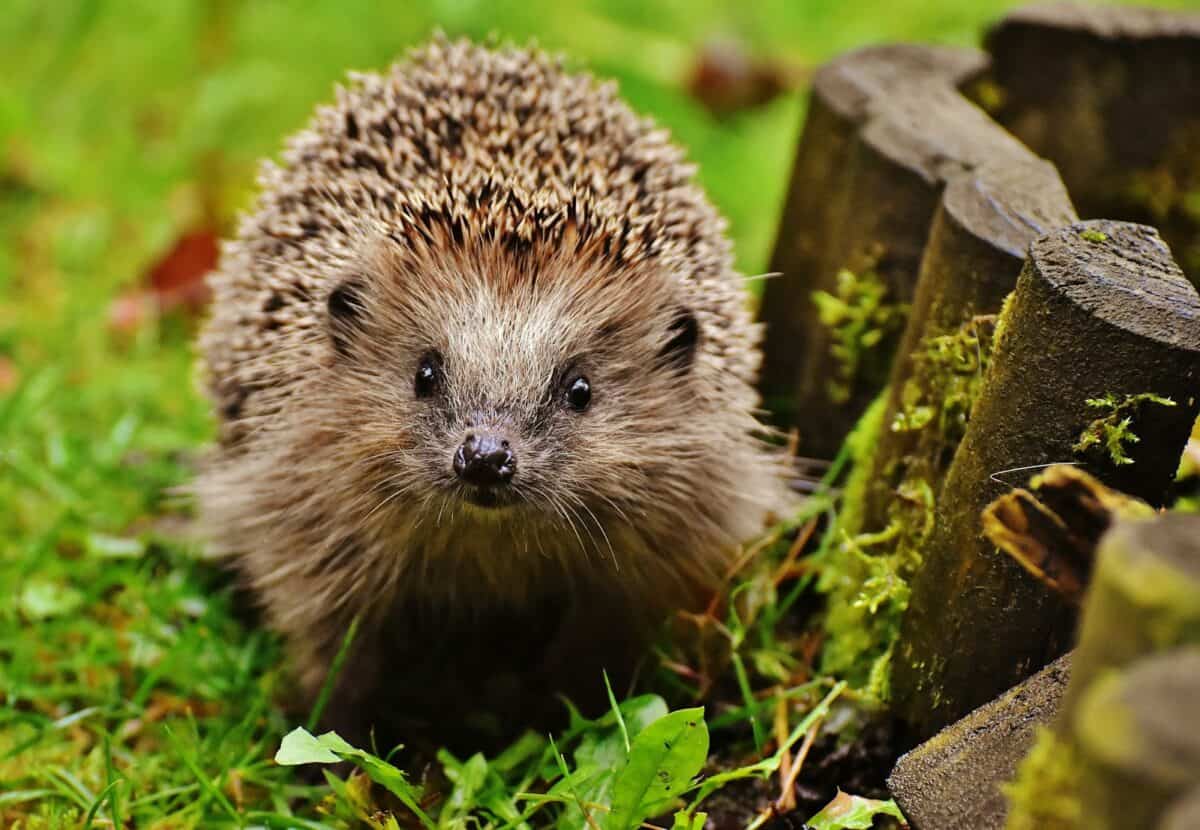
The Daurian Hedgehog is closely related to Hugh’s Hedgehog and shares many physical characteristics. Native to the Daurian steppe region across Mongolia, Russia, and northern China, these hedgehogs typically weigh 500-700 grams and grow to 7-10 inches in length. Their spines are predominantly dark brown but may have slightly lighter tips than Hugh’s Hedgehog, creating a subtle two-toned effect. Daurian Hedgehogs have a darker underbelly than African Pygmies, typically grayish or light brown. They have adapted to the harsh continental climate of their native range, developing the ability to hibernate for extended periods during cold winters. Their ears are relatively small and rounded, and their snout is shorter than that of Desert or Long-Eared varieties. These hedgehogs are virtually never found in the pet trade outside their native regions. The subtle lighter tips on their otherwise dark spines help distinguish them from the very similar Hugh’s Hedgehog.
Indian Hedgehog (Paraechinus micropus)

The Indian Hedgehog, sometimes called the Indian Desert Hedgehog, is native to parts of India and Pakistan. These hedgehogs typically weigh 300-500 grams and measure around 6-8 inches in length. Their spines are usually light brown to tan with white or cream-colored bases, creating a distinctive banded appearance when examined closely. Indian Hedgehogs have a relatively pointed face and medium-sized ears. Their underbelly is pale cream or white, similar to African Pygmies, but they can be distinguished by their slightly larger size and the banded coloration of their spines. These hedgehogs have adapted to semi-arid environments and are more active during cooler evening hours. They are rarely kept as pets outside their native range. The banded appearance of their individual spines is one of the most reliable ways to identify this species when examining them closely.
Brandt’s Hedgehog (Paraechinus hypomelas)
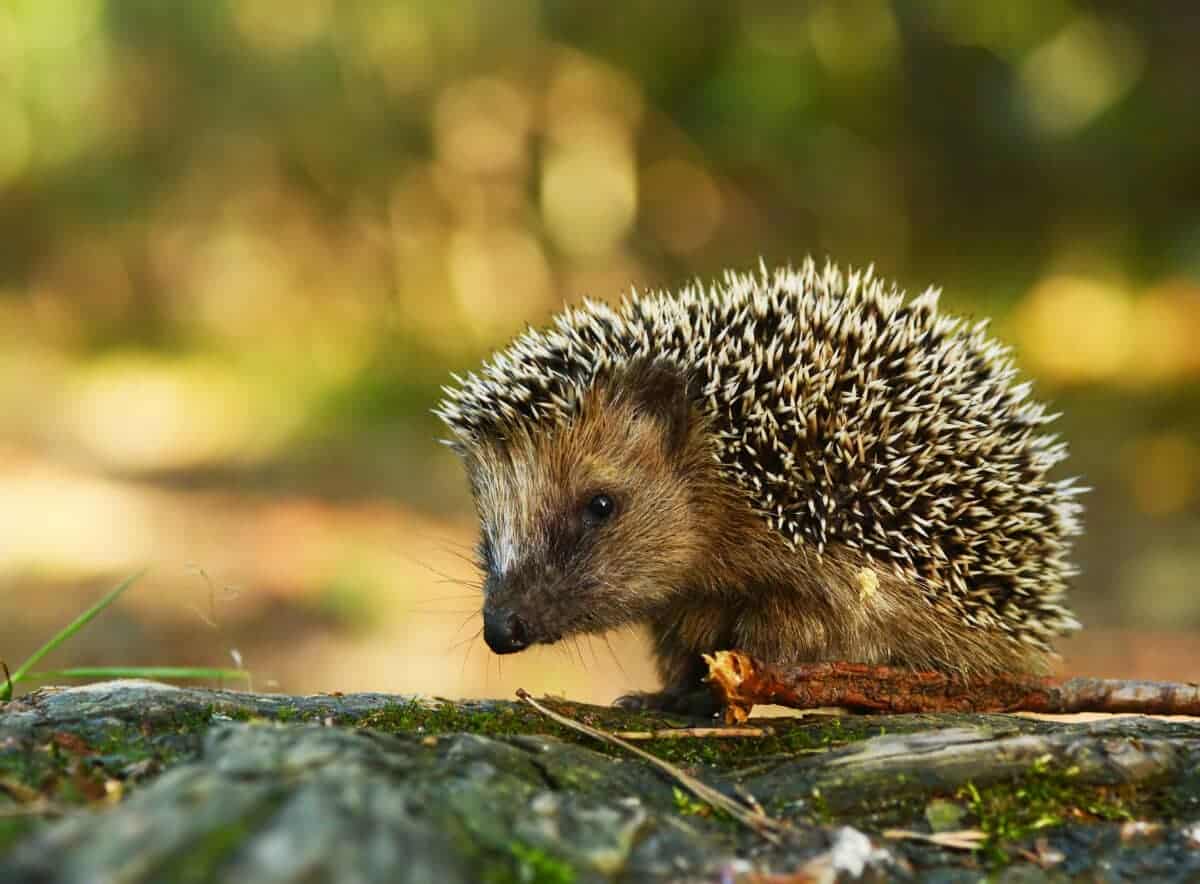
Brandt’s Hedgehog is native to parts of the Middle East and Central Asia, including Iran, Pakistan, and Afghanistan. These hedgehogs typically weigh 400-600 grams and grow to 7-9 inches in length. Their most distinctive feature is the dark mask-like marking across their face, which contrasts sharply with their otherwise lighter coloration. Brandt’s Hedgehogs have relatively dark spines compared to Desert Hedgehogs, typically medium to dark brown, with a dark gray or brown underbelly. They have medium-sized ears and a pointed snout. These hedgehogs have adapted to mountainous and rocky terrain in their native habitat. They are extremely rare in the international pet trade. The distinctive facial mask is the most reliable identification feature for this species, making them relatively easy to distinguish from other similar-sized hedgehog species.
Somali Hedgehog (Atelerix sclateri)

The Somali Hedgehog is native to Somalia, Ethiopia, and parts of northeast Africa. These hedgehogs are closely related to African Pygmies but have several distinguishing characteristics. They typically weigh 250-500 grams and measure 6-8 inches in length. Somali Hedgehogs have lighter-colored spines than African Pygmies, usually pale tan to almost white, which helps them blend into their arid native habitat. Their underbelly is white, similar to African Pygmies, but they can be distinguished by their overall lighter spine coloration. Somali Hedgehogs have slightly longer legs than African Pygmies and move with a more fluid gait. They have adapted to hot, dry environments and can survive with limited water access. These hedgehogs are rarely found in the pet trade outside Africa. Their very light-colored spines compared to the salt-and-pepper appearance of African Pygmies is the most reliable way to tell these similar species apart.
How to Identify a Hedgehog’s Breed
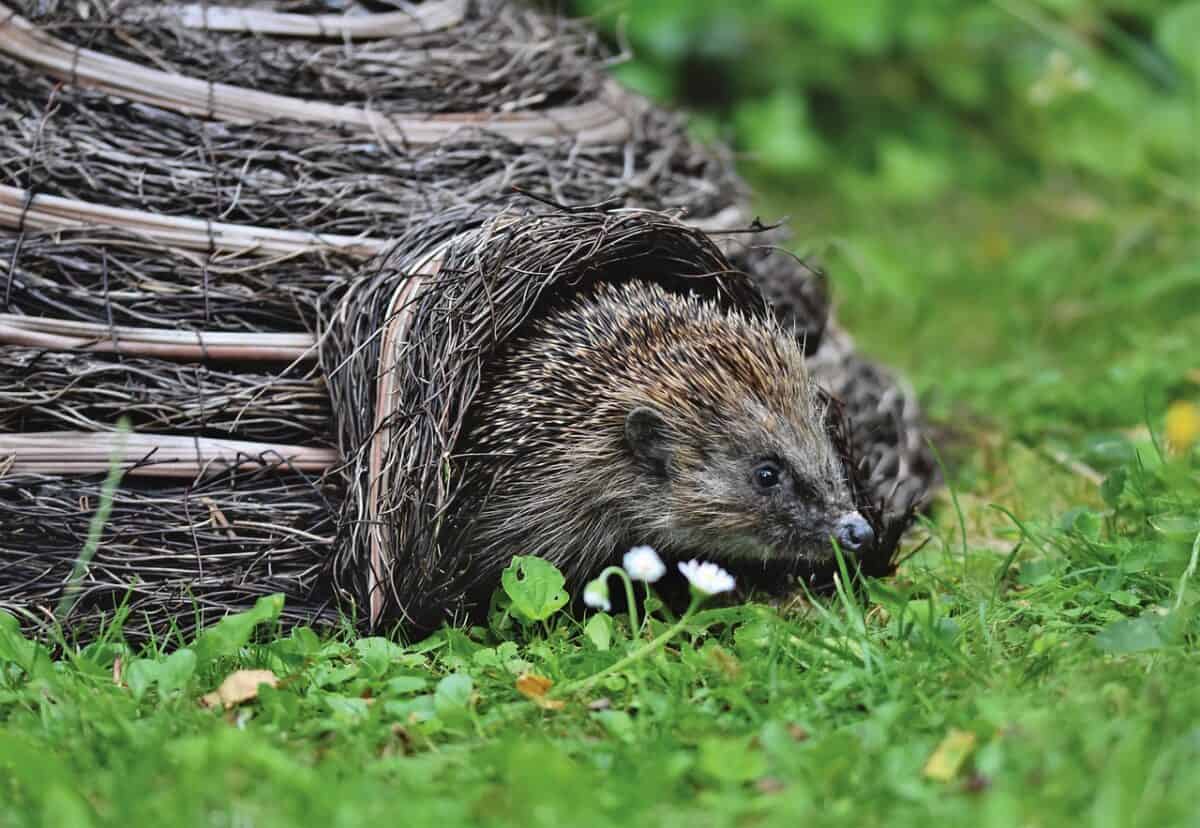
Identifying a hedgehog’s specific breed involves examining several key characteristics. Start with size—European hedgehogs are significantly larger than African Pygmies, while Desert Hedgehogs are the smallest. Next, observe coloration patterns—African Pygmies have salt-and-pepper spines with white bellies, while European varieties have darker brown spines with grayish undersides. Ear size is another crucial identifier—Long-Eared species have prominently large ears, while Desert and African varieties have smaller ears. Face shape varies across species, with some having more pointed snouts (African Pygmy) and others more rounded faces (European). Distinctive markings can be decisive—the white collar on Indian Long-Eared Hedgehogs or the facial mask on Brandt’s Hedgehog. For pet owners in North America and Europe, the most likely breed encountered is the African Pygmy, as it’s the predominant species in the pet trade. When in doubt, consulting with an exotic pet veterinarian can help confirm your hedgehog’s specific breed, which is important for providing appropriate care tailored to their natural needs.
Conclusion

Understanding the different hedgehog breeds and how to distinguish them is essential for both prospective pet owners and wildlife enthusiasts. While the African Pygmy Hedgehog dominates the pet trade in Western countries, being familiar with the distinctive characteristics of all hedgehog varieties can enhance your appreciation for these remarkable creatures. From the prominent ears of the Long-Eared Hedgehog to the facial mask of Brandt’s Hedgehog, each species has evolved unique adaptations suited to their native environments. This knowledge is not just academic—it directly influences proper care, as different species have different temperature, dietary, and habitat requirements. By learning to identify these ten hedgehog breeds through their size, coloration, ear shape, and distinctive markings, you can better understand these fascinating animals and contribute to their conservation and welfare in both captivity and the wild.

As a little kid, I fell in love with nature, wildlife, and animals. Living in the USA, South Africa, Italy, China and Germany gave me the opportunity to discover the world's Wildlife. My favorite animals are Mountain Gorillas, Siberian Tigers, and Great White Sharks.
I'm a certified PADI Open Water Diver, went to Everest Base Camp and Trekked Gorillas in Uganda. I hold a Master of Science in Economics and Finance.
Please send any feedback to feedback@animalsaroundtheglobe.com
- 10 Times Nature Disrupted Major Events - July 26, 2026
- 11 Sharks So Strange You’d Think They’re Mythical - July 26, 2026
- 12 Dog Breeds That Hate Being Alone - July 26, 2026