
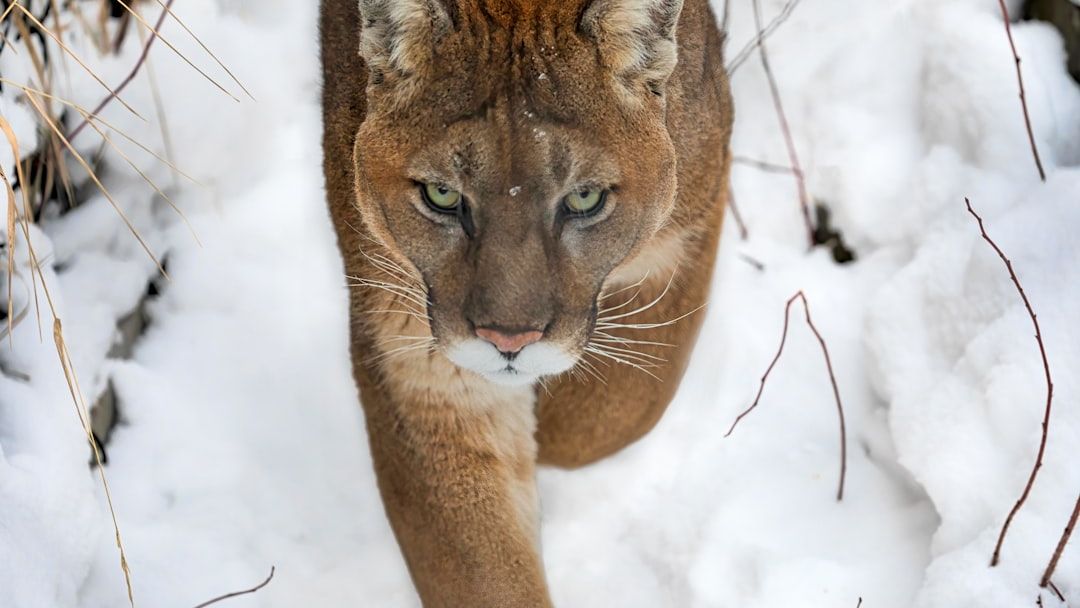
Most people picture a mountain lion as something wildly remote. A ghost of the Rockies. A creature that exists somewhere out there, far from backyard fences and hiking trails. Honestly, that image is getting harder to justify.
There is real evidence that mountain lion populations are growing, and they may be inhabiting states they were driven out of for centuries. These cats are adaptive, stealthy, and – this is the part that surprises most people – surprisingly close. Whether you live near a national forest, a rural suburb, or even a midwestern cornfield, this article might make you look over your shoulder the next time you take an evening walk. Let’s dive in.
Colorado: The Undisputed Mountain Lion Capital
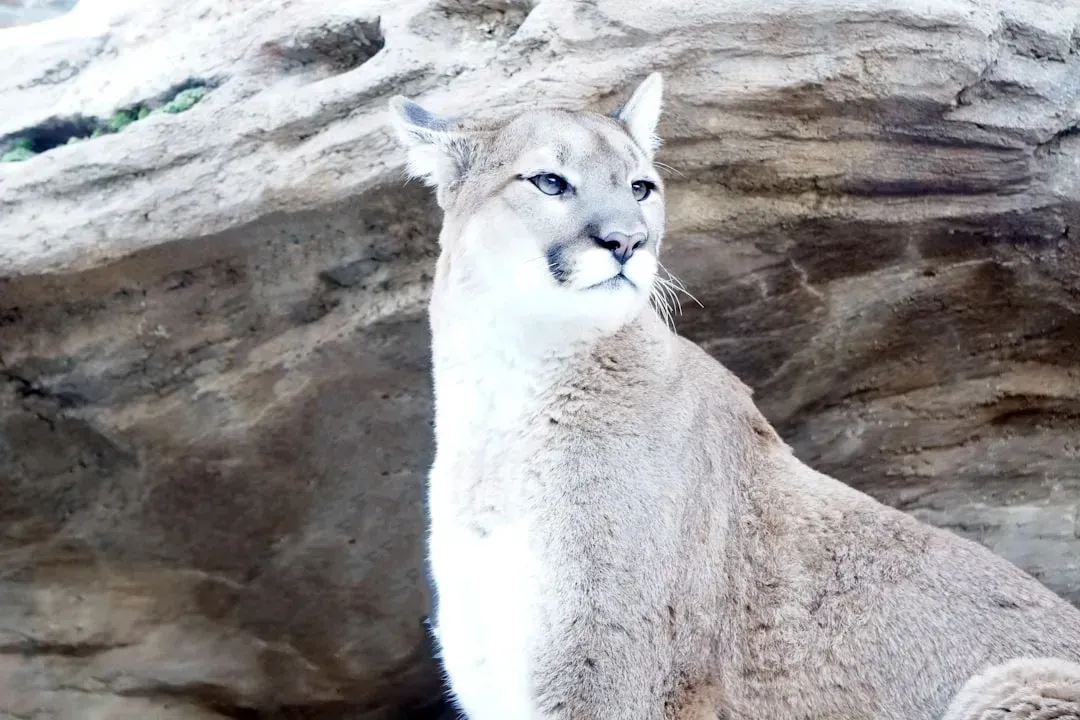
Let’s start with the heavyweight. If mountain lions had a homeland in the United States, Colorado would be it. Colorado is the state with the highest known population of mountain lions, with about seven thousand mountain lions scattered across the state, mostly in areas with rocky and mountainous habitats.
Mountain lions love to hunt and hide in dense forests, and the trees in Colorado are home to some of the densest populations of elk – which is essentially an all-you-can-eat buffet for these apex predators. Think of Colorado as the perfect storm: rugged terrain, deep forests, abundant prey, and enough untouched wilderness to hide a small army of big cats.
Both informal and recently collected empirical data suggest Colorado’s lion population is strong and lions are abundant in appropriate habitat. Hikers in Rocky Mountain National Park and mountain bikers along the Front Range have reported sightings with remarkable regularity. This is not a state where mountain lions are theoretical. They are real, they are present, and there are a lot of them.
California: Where Cougars Live Next to Cities
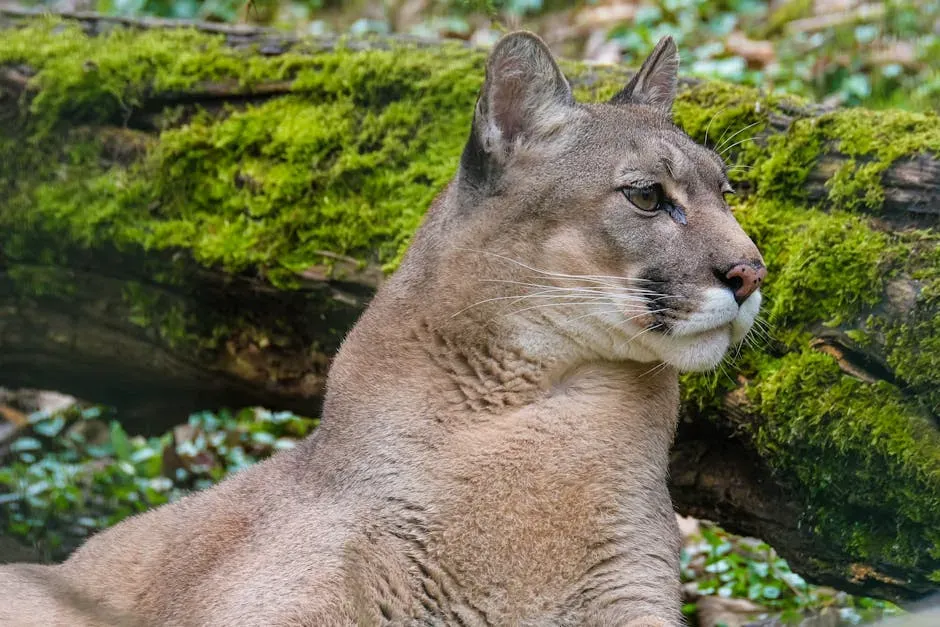
Here’s the thing about California – it is not just wine country and movie studios. With more than half of the state having prime habitat in the form of foothills and mountains, California has a large population of mountain lions, and they are currently a protected species in the state and cannot be hunted as game.
California banned the hunting of cougars back in 1972, encouraging population growth. Decades of protection have allowed the population to thrive to a remarkable degree. California is home to one of the largest populations in the country, with estimates between 4,000 and 6,000 mountain lions.
Perhaps the most surreal example of just how close these animals can get is the story of urban mountain lions living in the hills surrounding Los Angeles. In places like Los Angeles, mountain lions are learning to live in urban-adjacent environments, and the famous P-22, who lived in Griffith Park, showed that cougars can survive in surprisingly urban settings if given the chance. A big cat living in the heart of a city of ten million people. That is either fascinating or terrifying depending on your perspective. I think it is both.
Montana: Half the State Is Lion Country
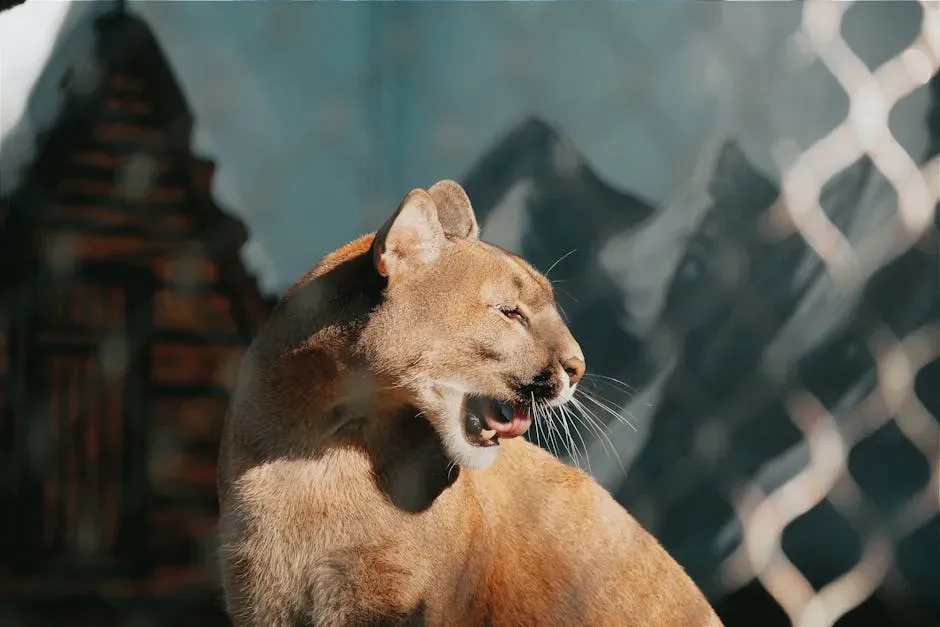
Montana is the kind of place where the word “wild” still means something. The Montana Fish, Wildlife, and Parks Department estimates that more than half the state is suitable mountain lion habitat, mostly in the western and central regions. That is not a small slice of land – Montana is the fourth largest state in the country.
Montana ranks among states with the largest mountain lion populations in America, and this vast western state provides ideal habitat for these powerful cats. There are about 5,300 mountain lions in the state. To put that in perspective, that is more mountain lions than there are people in many small towns across the Midwest.
Researchers have found the greatest success from cats that are launching out of eastern Montana, as they have contiguous habitat – big, wide-open country with fewer people in it. This makes Montana not just a stronghold for current populations, but also a launching pad for the broader eastward expansion happening across the country.
Nebraska: The Surprising Frontier State
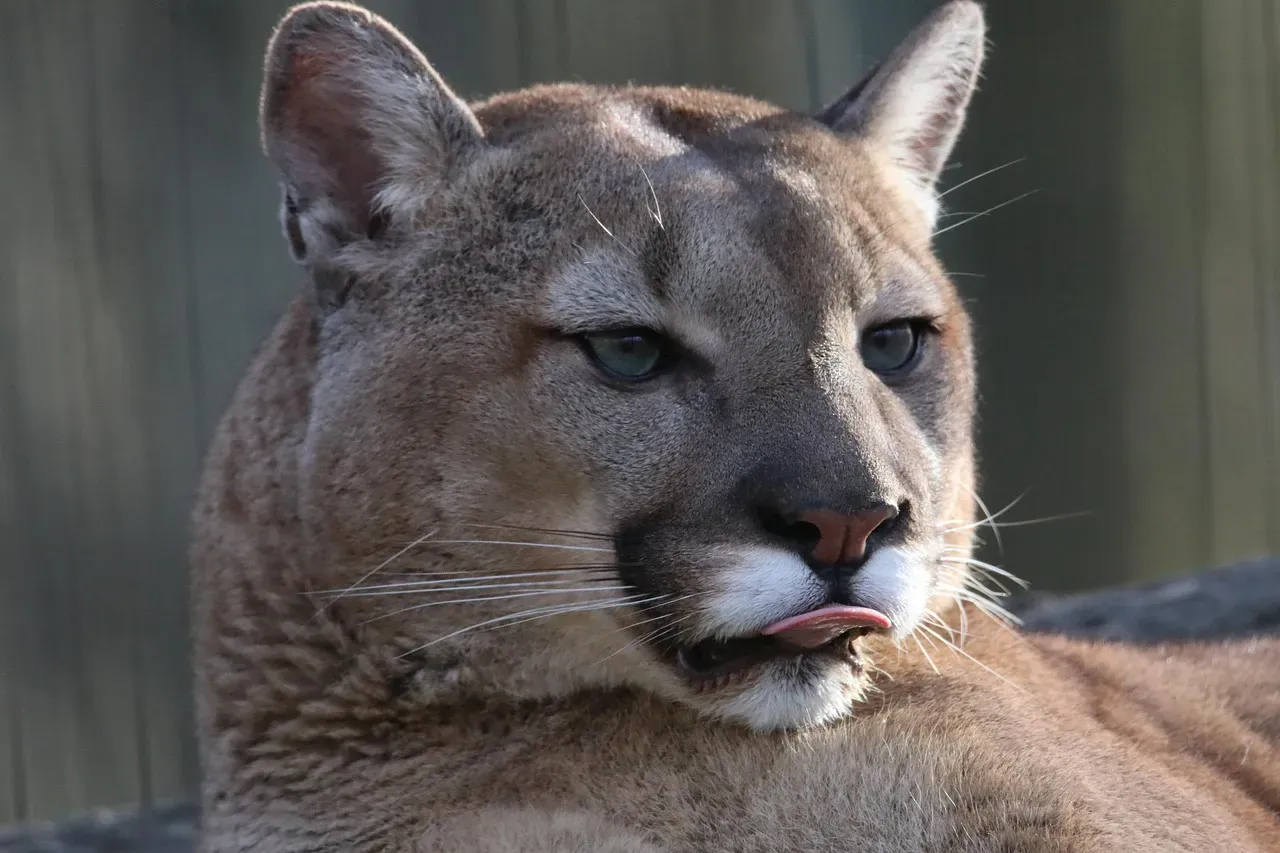
Nebraska probably does not jump to mind when you think of predator country. Cornfields and flatlands, right? Not entirely. Nebraska has seen an uptick in confirmed cougar sightings, and in 2020 it was stated by the Nebraska Game and Parks Commission that cougars were permanently residing in the Pine Ridge region of northwest Nebraska.
In Nebraska, there is now a breeding population as far as the Niobrara River bluff country, more than halfway across the state. That is a remarkable geographic reach for an animal that was essentially absent from the region a few decades ago. Mountain lion populations in Nebraska are not genetically isolated – they are connected to populations in South Dakota, Wyoming, and Colorado through immigration and emigration of individuals.
It is hard to say for sure how quickly things will change, but Nebraska represents one of the most compelling examples of a natural, self-driven recolonization story playing out in real time. These cats are not being placed there. They are choosing to come back.
South Dakota: The Black Hills Connection
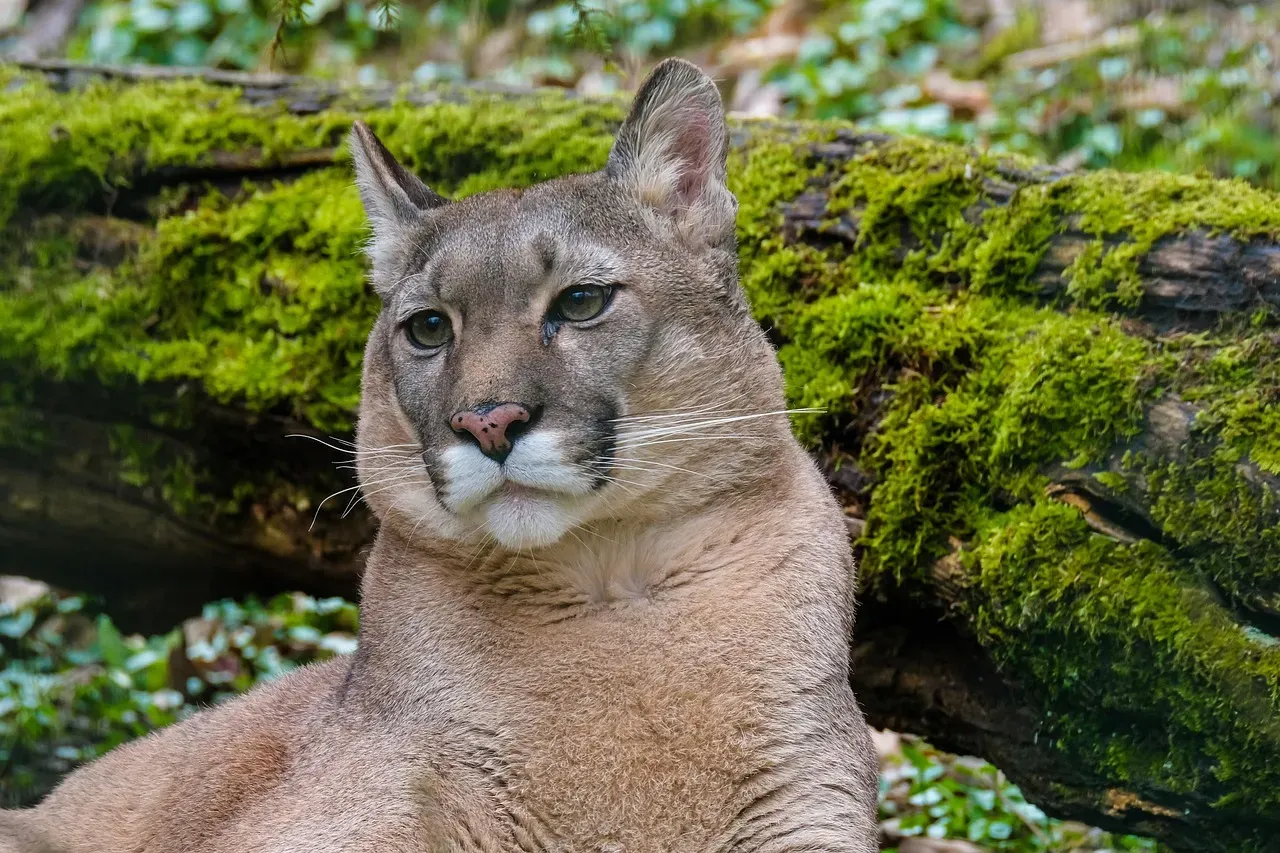
South Dakota’s Black Hills region has become one of the most talked-about mountain lion zones in America. Historically, mountain lions occurred throughout South Dakota and were considered numerous in the Black Hills. However, the population declined in the early 1900s due to unregulated hunting, and bounties were placed on mountain lions until 1966.
South Dakota successfully reintroduced mountain lions in recent years, and since then it has seen its population grow to a small but steady 200 to 300 cougars. That might not sound massive compared to Colorado or Montana, but it is the significance of the location that matters here. The Black Hills sit at the eastern edge of established mountain lion range, making South Dakota a biological crossroads.
The robust Black Hills mountain lion population has long been thought of as a conveyor belt of itinerant eastbound animals that will eventually culminate in mountain lions reoccupying old haunts they were extirpated from long ago. Whether that plays out remains to be seen, but the cats are definitely moving.
Florida: The Lone Eastern Holdout
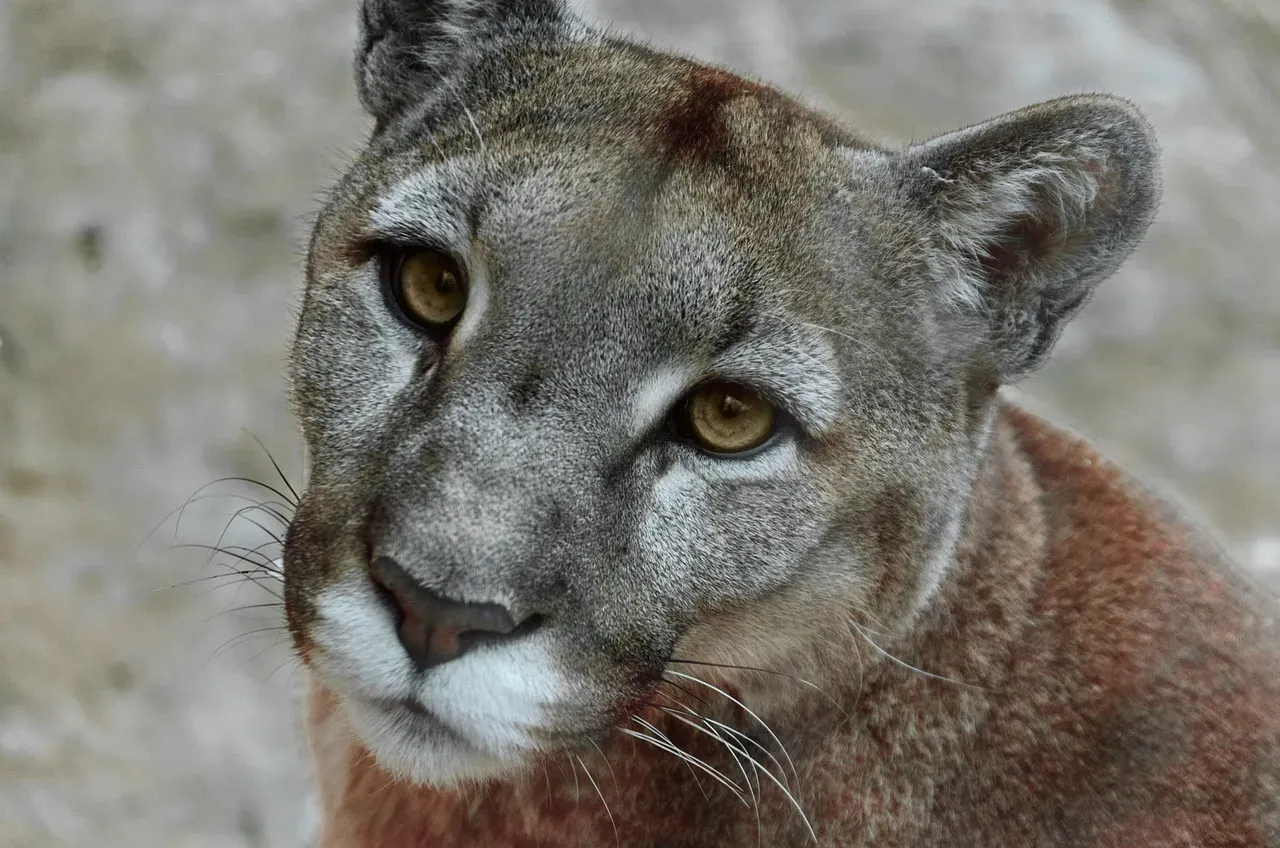
Florida stands alone. Quite literally. Florida is the only state on the East Coast with a breeding population of mountain lions. The Florida panther is an endemic subspecies of cougar that has lived in the Everglades region for a very long time. While its western cousins prowl rocky cliffs and pine forests, the Florida panther navigates sawgrass marshes and subtropical swamps – a completely different world.
Current estimates place the Florida panther population between 100 and 300 individuals. These cats are protected under federal and state endangered species laws due to their critically low numbers. It is an animal teetering on the edge, kept alive largely through sustained conservation intervention. Today, their range is limited primarily to southwest Florida in areas like Big Cypress National Preserve and Everglades National Park.
The Florida panther has almost been killed off a few times, but conservation efforts have helped to keep their numbers stable. Let’s be real – the survival of this subspecies is genuinely inspiring. It is also a cautionary tale about how quickly things can go wrong when humans and apex predators collide without a plan.
Missouri: The Comeback No One Expected
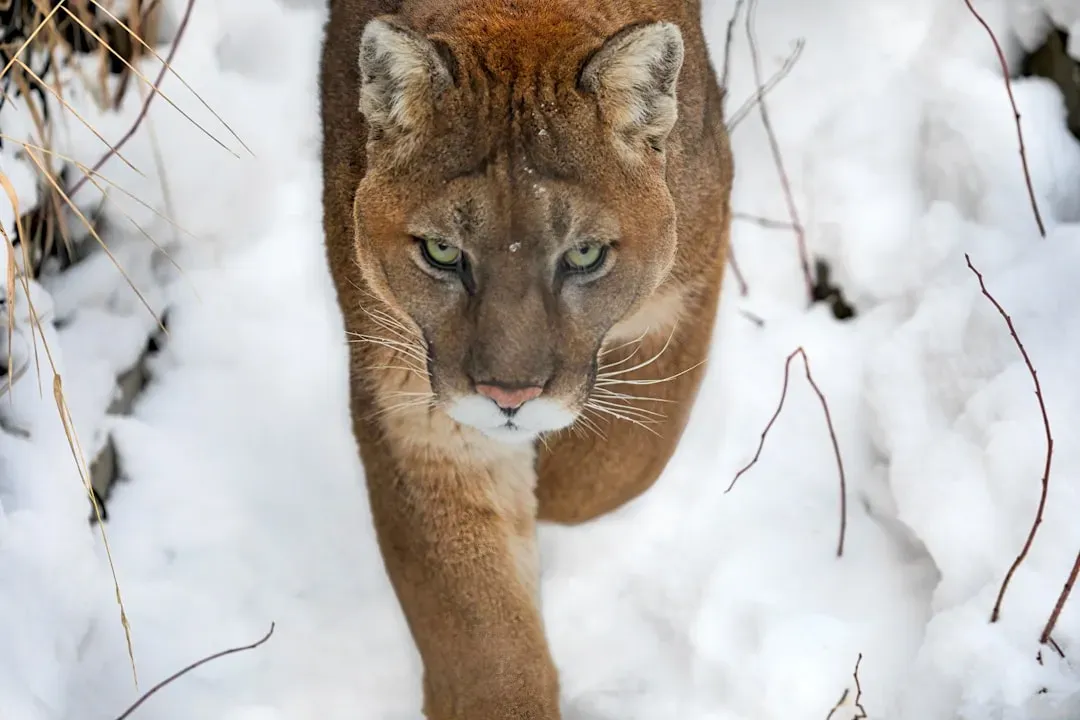
Missouri’s mountain lions were extirpated in 1923, but cougars pass through the state on their travels. For decades that seemed like the end of the story. Then something remarkable started happening. Mountain lion confirmations in the Midwest have been increasing since 1990, and in 2017, the Missouri Department of Conservation obtained DNA evidence of a female mountain lion in the state.
As of 2023, Missouri had 117 confirmed sightings. That is not a handful of blurry trail-cam photos. That is a documented pattern of a large predator reasserting itself across a landscape it once owned. The dense river valleys and forested Ozark hills offer more cover than most people realize.
Research suggests that the cougar is recolonizing the Midwest with a range expansion eastward, and it is well documented that cougars travel hundreds of miles in search of new territory. Recent confirmed sightings could be a result of this range expansion and long exploratory treks by transient cougars. Missouri is not just a transit corridor anymore. It is starting to look like a destination.
Arkansas: The State That Quietly Surprised Everyone
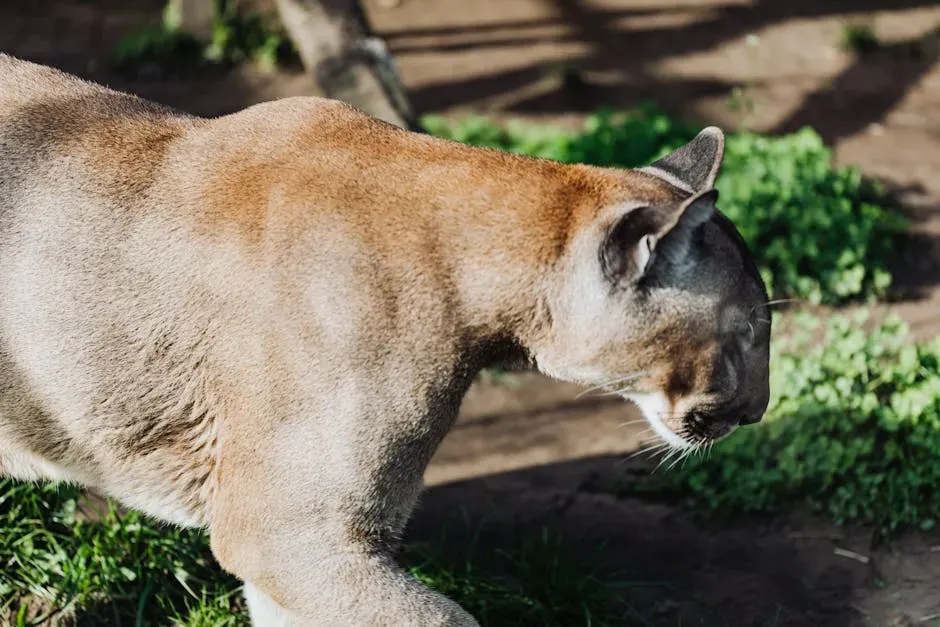
Arkansas is not somewhere that most people would generally think of when looking for mountain lions, but they are on the rebound. There is a small breeding population in the state, despite the animals being killed off in the 1920s. The return of breeding females is particularly significant – it means this is not just a case of wandering males passing through.
There have been 20 to 30 sightings of mountain lions in Arkansas from 2010 to the end of 2023, and there was also a recent sighting of a female cougar with two cubs, which leads experts to conclude there is a breeding population in the state. Cubs. In Arkansas. That detail should not be glossed over.
Arkansas has a huge feral hog population, and this abundant prey item might be one of the reasons mountain lions have begun to wander there. This is huge news for conservationists around the country and a sign that cougars may be heading east once again. Honestly, if you live in the Ozarks or the Ouachita Mountains and you have not been thinking about mountain lions, now might be a good time to start.
Conclusion: They Were Never Really Gone
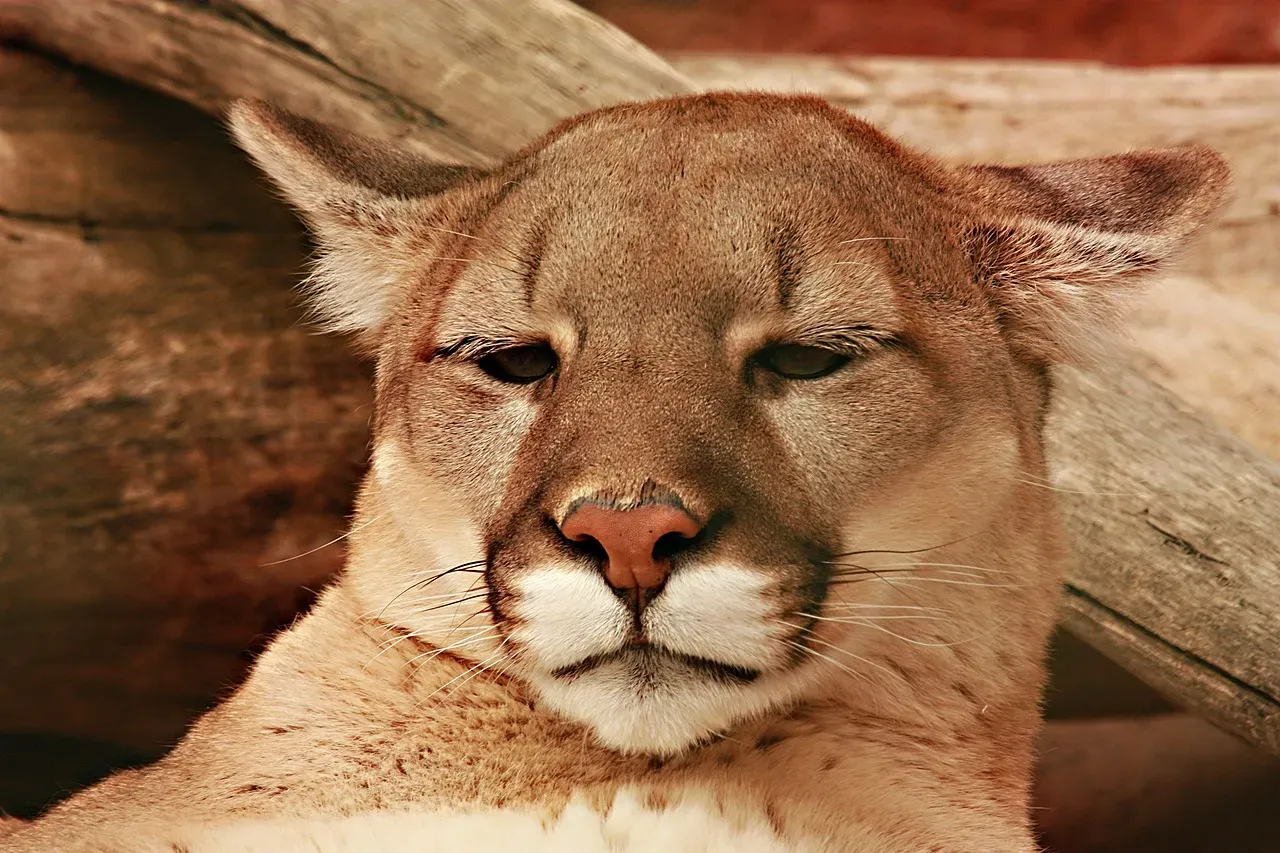
Historically, mountain lion populations roamed extensively across nearly the entire USA, from coast to coast. However, decades of habitat loss, hunting pressures, and human encroachment led to drastic declines and localized extirpations, particularly in the eastern parts of the country. The story of the mountain lion in America is, at its core, a story about what happens when we take something for granted until it is almost gone.
Mountain lions seem to be making a comeback in regard to their historic range. They once inhabited the entire United States but were killed off and pushed west. With healthy populations and strong conservation programs, however, they seem to be pushing back east. The data backs this up at every turn.
What makes this story genuinely gripping is that it is not driven by human reintroduction programs or government mandates. It is driven by the animals themselves – young males willing to cross hundreds of miles of unfamiliar territory, females quietly establishing new ranges in states that had forgotten them. A lack of sightings in a specific area does not necessarily mean an absence of cougars, as these animals are inherently secretive. They could be closer than you ever imagined. The question is: does that unsettle you, or does it fill you with a little bit of wonder? What do you think? Tell us in the comments.
