
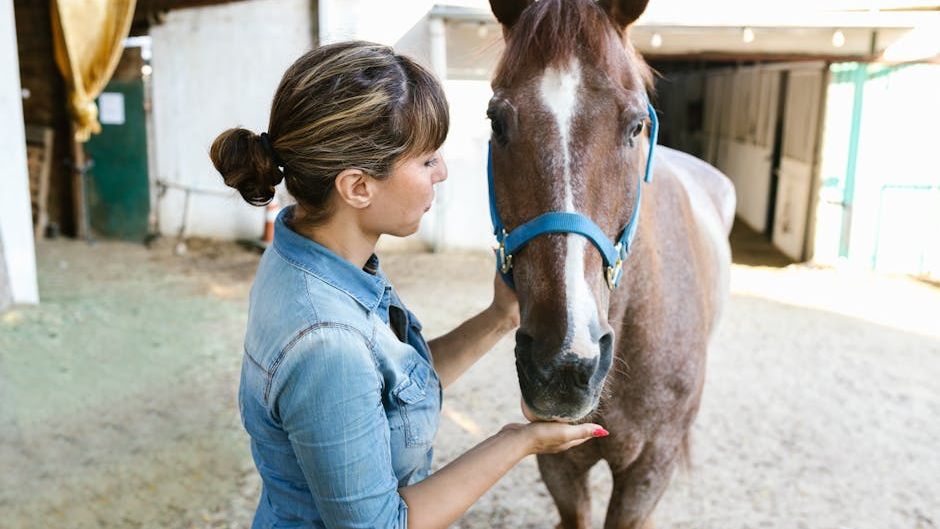
Horses have been read, misread, and romanticized for centuries. They don’t speak, but they’re far from silent. Horses communicate with their bodies almost constantly, and every movement, posture, and ear flick carries a message. The catch is that most of us weren’t taught to listen in that language.
Horses are prey animals by nature, and their survival has long depended on being tuned in to their surroundings. That sensitivity is still hardwired into today’s domesticated horses, and they often respond to tension, discomfort, or uncertainty with subtle physical cues long before vocalizing distress. Learning to distinguish a trust signal from a stress signal isn’t just good horsemanship. It’s the difference between a relationship that deepens and one that quietly erodes.
1. Voluntary Approach in the Pasture
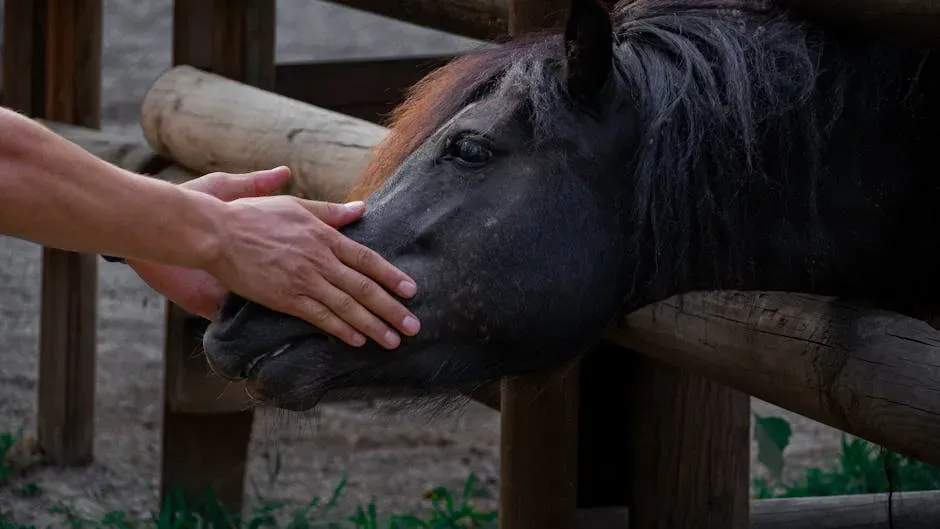
One of the clearest signs that a horse genuinely trusts you is when they choose to come to you, unprompted, in an open space. Horses who willingly approach their owners in the pasture demonstrate trust and positive association, a sign of their well-being.
There’s something important about the word “voluntary” here. A horse that trots over when you enter the field isn’t just looking for a treat. It’s choosing your company. A horse that finally approaches voluntarily instead of being caught represents real progress, even if it took three weeks to achieve.
This behavior tends to build gradually. It reflects accumulated positive experiences rather than a single good session. Don’t rush it or take it for granted once it appears.
2. Lowering the Head in Your Presence
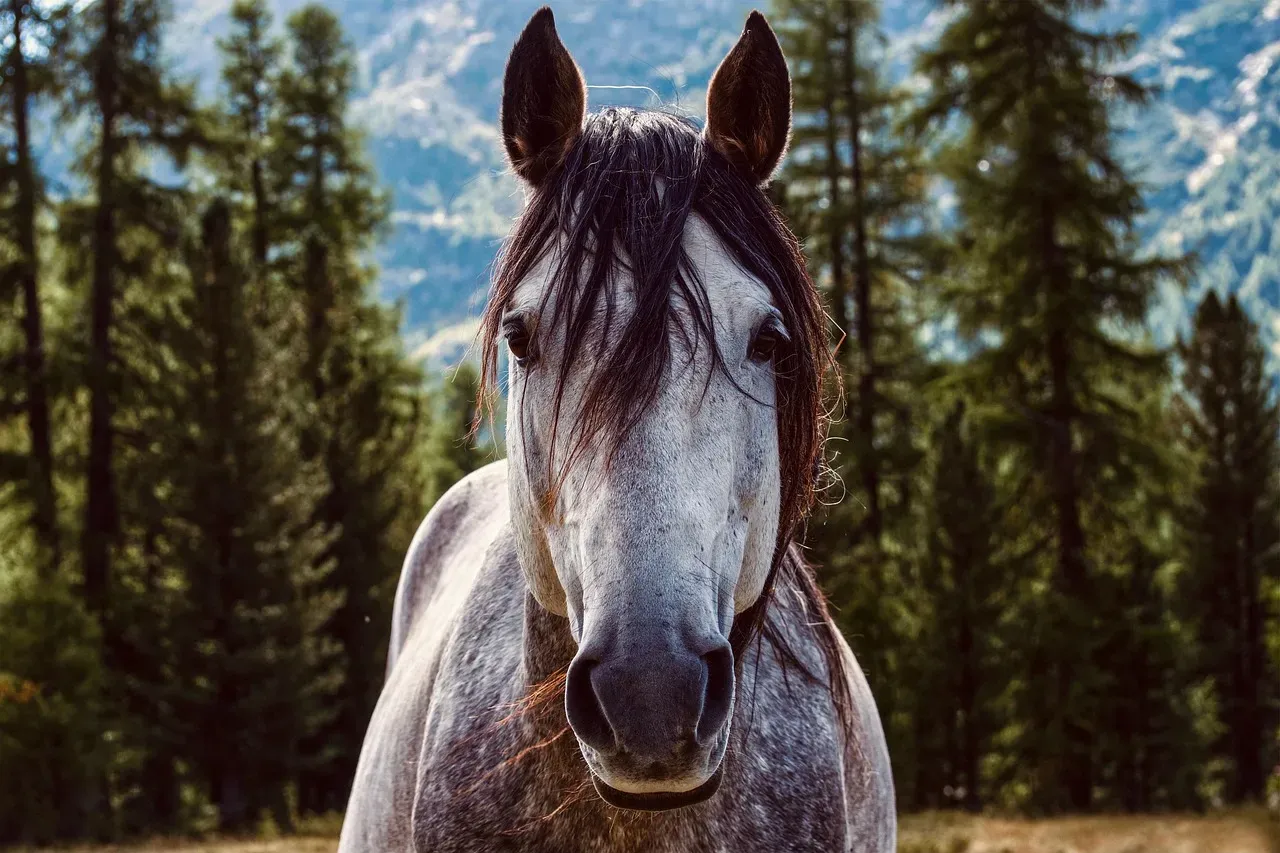
A relaxed and safe horse will lower his head, relax his ears, lick his lips, chew, drop his tail, and take a deep sigh. The lowered head, in particular, is one of the most direct indicators of a calm, trusting state.
Any change in elevation of the horse’s head downward indicates the horse is relaxing, and any upward movement indicates tension. This makes the head a reliable, real-time gauge during any interaction.
Watch for this especially during grooming or groundwork. When the head drops without prompting, the horse is telling you that your presence feels safe. That’s not a small thing.
3. Soft Eyes and Slow Blinks
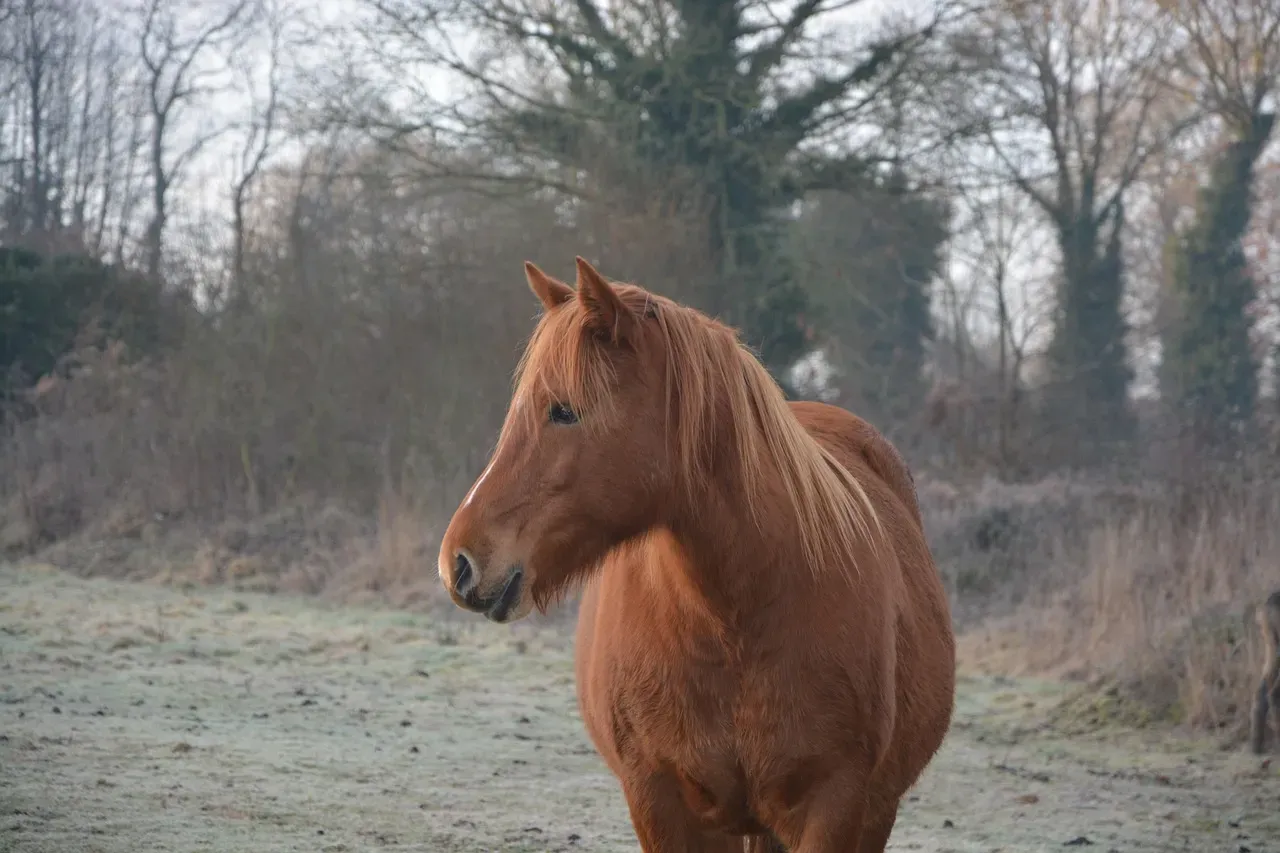
Horses’ eyes are just as telling as their ears. Soft eyes with slow blinks are often a sign of relaxation, while wide, white-rimmed eyes, sometimes called “whale eye,” can indicate fear or emotional distress.
If your horse frequently blinks or “softens” their gaze when you approach, it’s a sign they trust and feel safe around you. This is a quiet but meaningful moment of connection that many owners overlook entirely.
Happy horses show relaxed facial expressions, including soft eyes and unflared nostrils, indicating mental well-being and comfort. The whole face tells a story, not just one feature in isolation.
4. Leaning In or Resting Near You
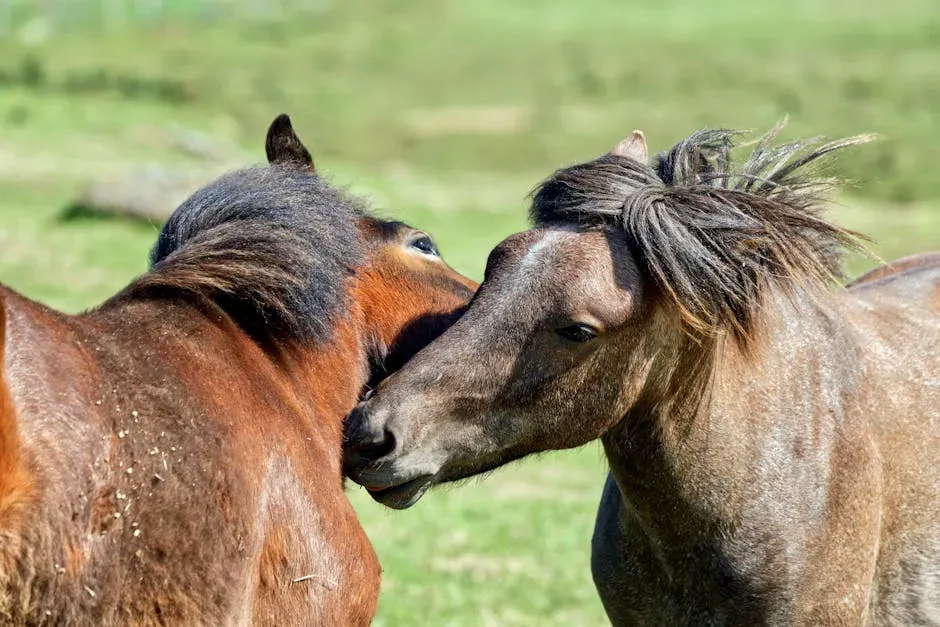
Leaning in suggests comfort and trust. When a horse shifts their weight toward you rather than away, they’re not being pushy. They’re communicating something genuine about how they feel in your presence.
Horses are acutely aware of spatial dynamics. A horse that rests a hip, drops a hind leg, or settles close to where you’re standing has made a conscious decision to be near you. A horse shifting weight away from someone is creating distance for a reason. The opposite behavior carries equal meaning.
5. Relaxed Ears That Gently Swivel
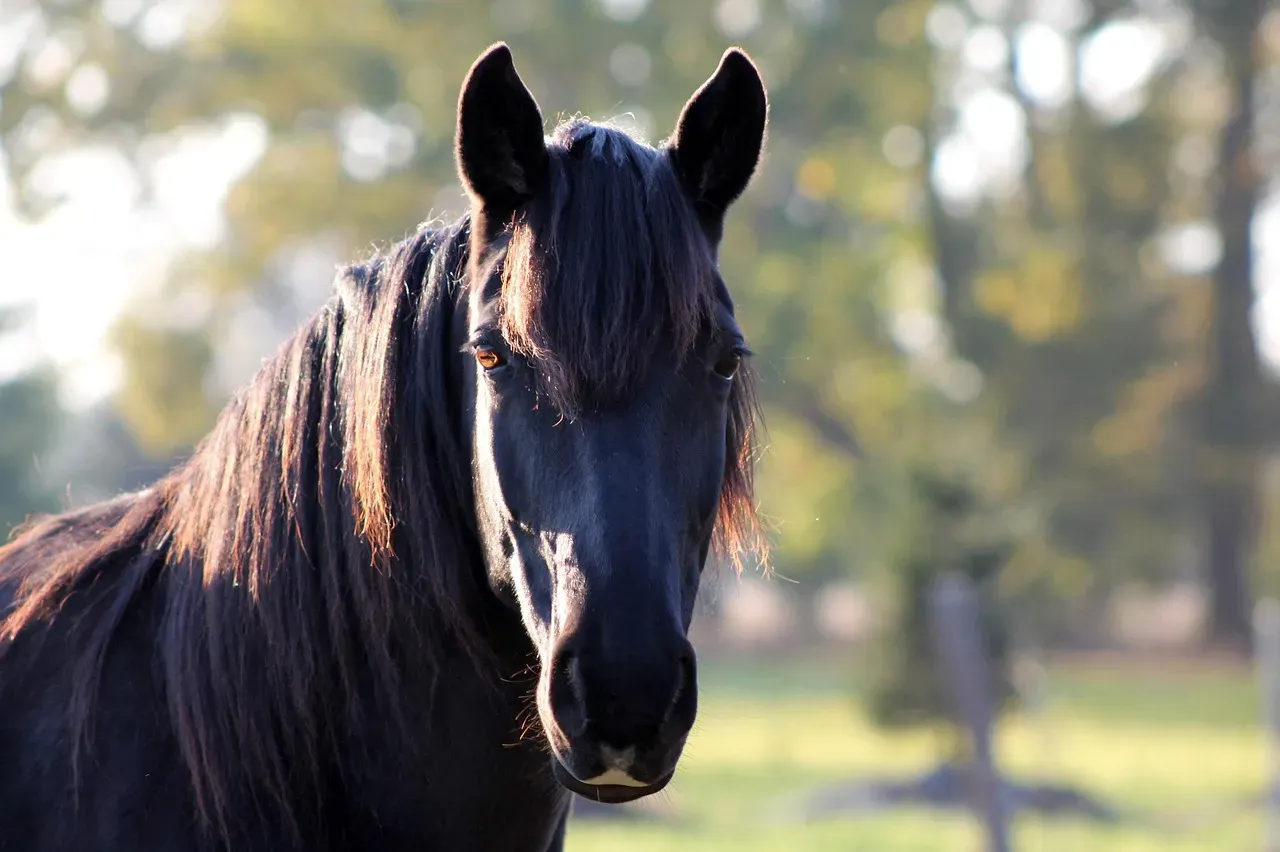
The ears say a lot. When they’re relaxed and gently swiveling, your horse is likely calm and paying attention. This is a horse that’s engaged but not alarmed, aware but not reactive.
Ears turned slightly to the side often signal relaxation or boredom. Neither of those states involves anxiety, and both are associated with a horse that feels settled in its environment.
Watching the ears over time gives you a running commentary on your horse’s emotional state. They’re one of the fastest-moving and most expressive parts of the horse’s body, and they rarely lie.
6. A Loose, Droopy Lower Lip
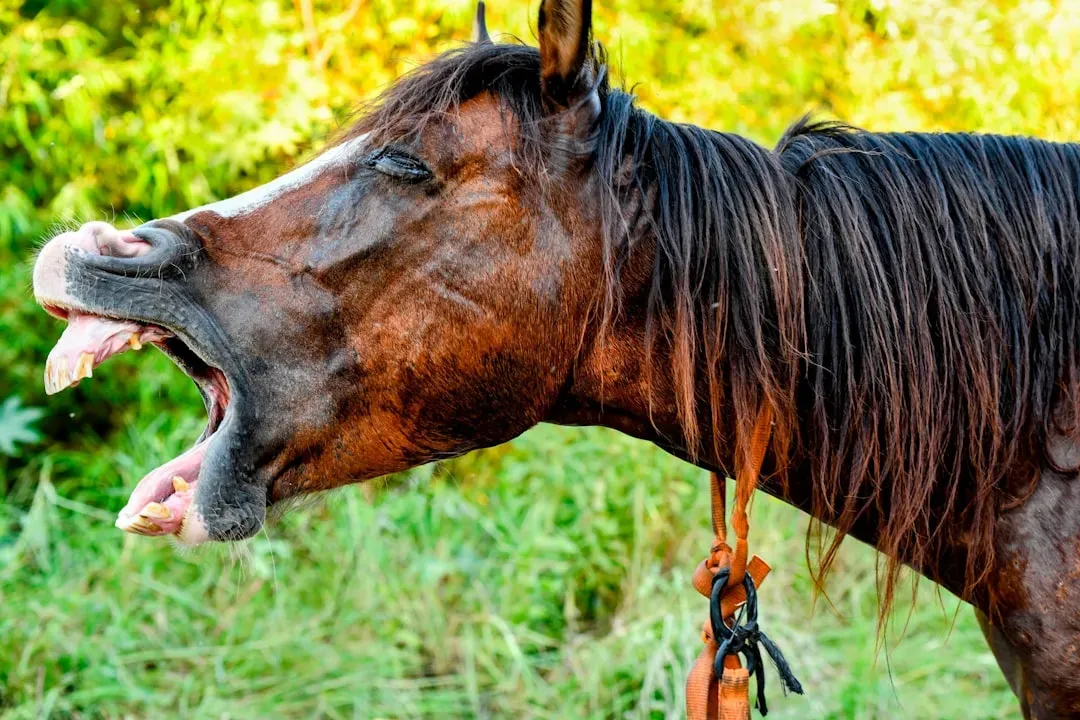
A loose, droopy lower lip typically shows a relaxed state. In contrast, tight lips or a clenched jaw might point to discomfort or nervous tension. The distinction is subtle but worth practicing your eye for it.
When a horse is deeply comfortable, the lower lip sometimes hangs slightly open. It looks almost sleepy. That’s exactly the point. A horse in that state has fully released physical tension, and it’s a reliable indicator that they feel no need to be on guard.
Loosely hanging lips and gently opened nostrils suggest relaxation. These facial cues work together, and seeing them simultaneously carries extra weight.
7. Mutual Grooming Attempts
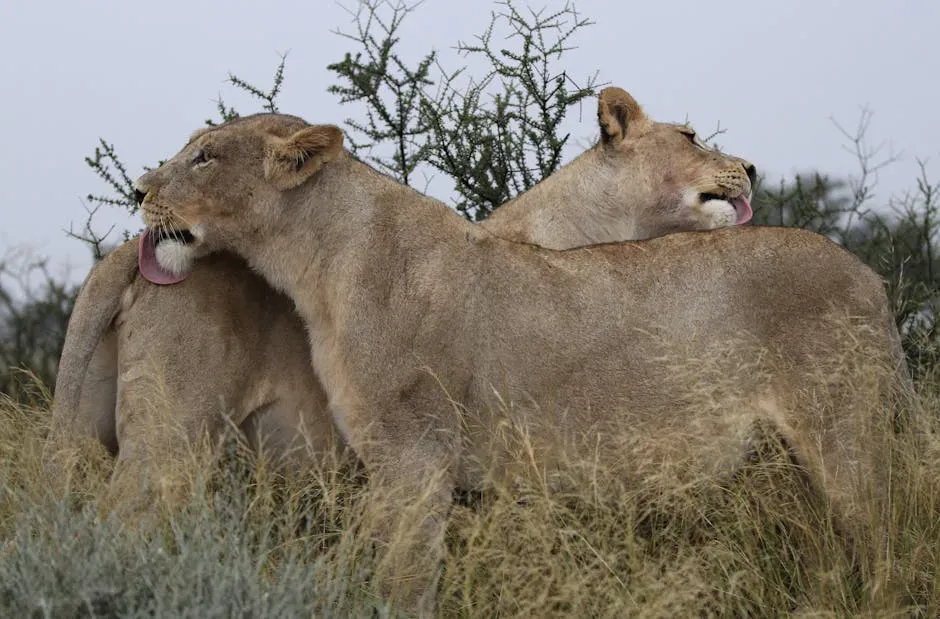
Mutual grooming is a happy horse behavior. It indicates the horse is relaxed and bonding. When horses do it with each other, they’re reinforcing social ties. When they attempt it with their handler, they’re expressing something similar.
Horses sometimes attempt to groom their owner when enjoying a good grooming session. You’ll often notice the horse reaching toward your back or shoulder with their muzzle as you scratch a particularly satisfying spot. It’s their instinct to reciprocate.
This behavior reflects a real social bond. Healthy social relationships with other horses, including mutual grooming and shared eating, are essential for emotional well-being. When that impulse extends to you, you’ve become part of their trusted circle.
8. Resting Quietly Under Saddle
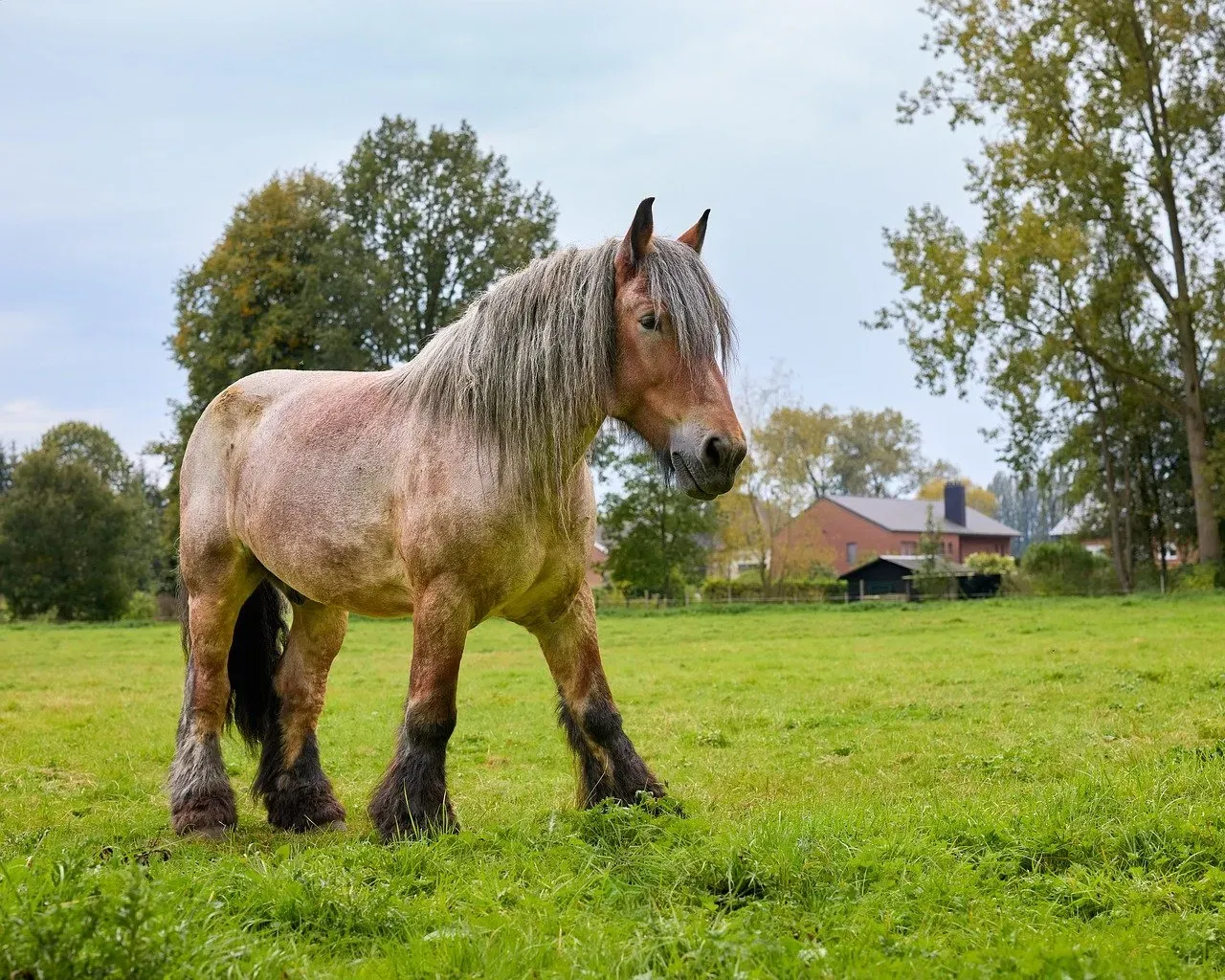
A horse that stands calmly when tacked up, walks off without tension, and works in a relaxed frame is demonstrating consistent trust in both handler and environment. Balanced movement, calm behavior, and proper self-carriage reflect a horse’s physical and mental health.
When a horse feels safe with you, they’re more likely to relax and follow your cues. Horses that trust their trainers are also more willing to take risks and try new things, whether it’s a challenging workout or navigating unfamiliar situations.
This kind of trust doesn’t appear overnight. It’s the product of consistency, fair communication, and enough positive experience that the horse has learned to expect good outcomes in your company.
9. Sighing and Releasing Tension
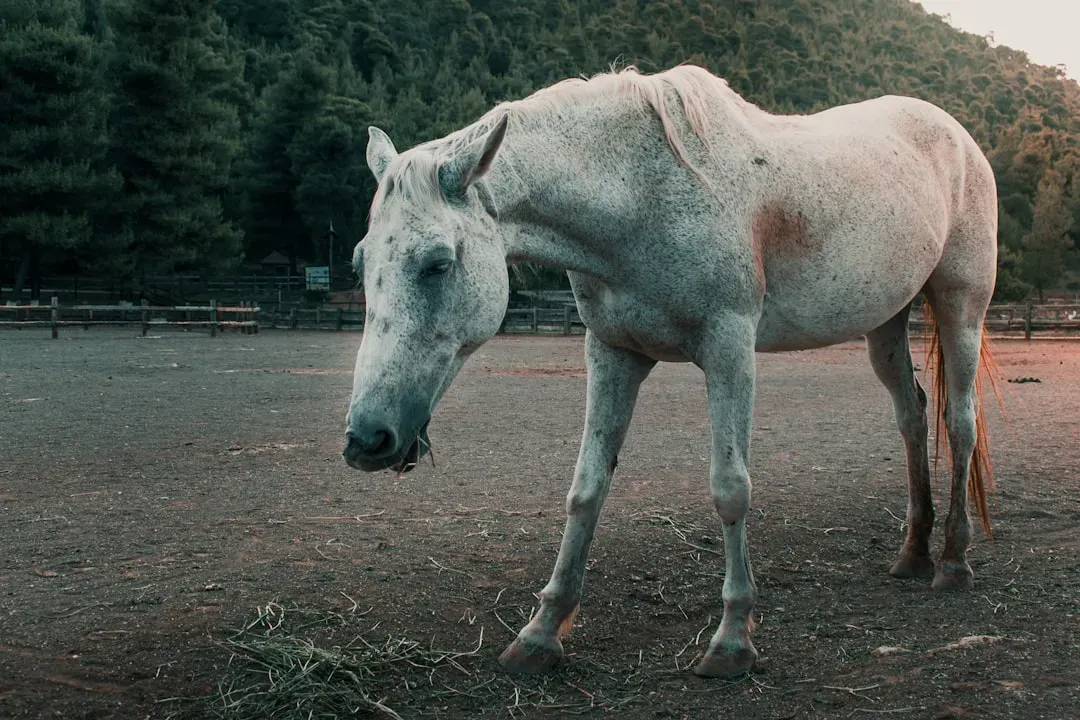
A deep audible sigh, often paired with a head drop, is one of the most recognizable signs that a horse is genuinely releasing stress. It signals a shift from a guarded state to a relaxed one.
When a horse is tense, standing next to them and taking a very deep breath while exhaling audibly, allowing your shoulders and neck to drop, will often cause the horse to mimic your behavior, sighing and dropping their head lower as they relax. The fact that this works at all says a great deal about how attuned horses are to the emotional state of those around them.
Horses are incredibly perceptive creatures. They can sense your emotions, even when you think you’re hiding them. If you’re feeling stressed, impatient, or frustrated, chances are your horse will pick up on it and respond accordingly.
10. Staying Engaged and Attentive During Work
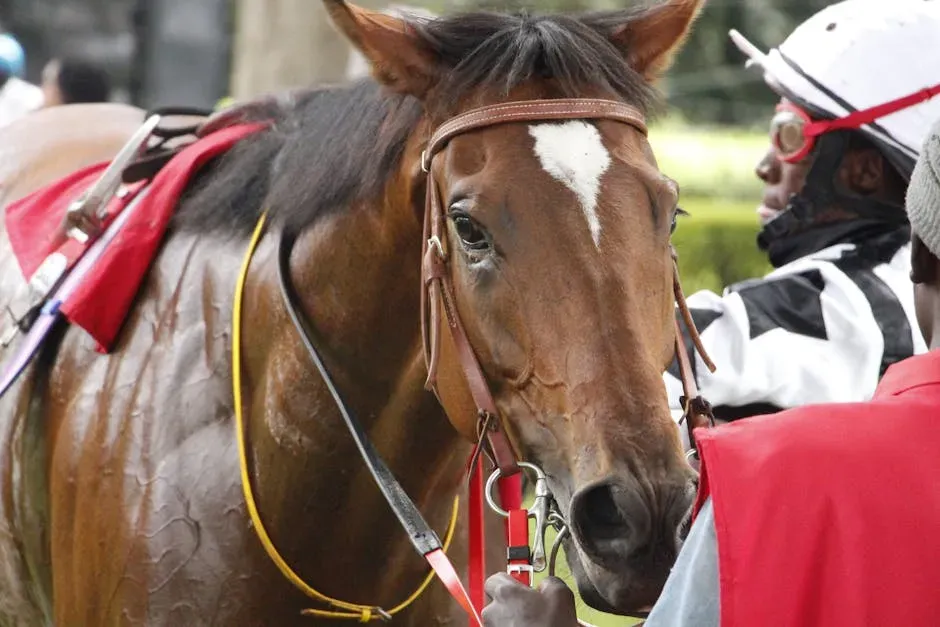
A horse that stays focused on you during groundwork or riding, tracks your movements, and responds willingly to light cues is expressing something important. A willing and engaged horse enjoys activities with you, displaying trust and comfort.
Horses thrive on clear, consistent communication. When that communication is reliable and fair, horses tend to stay genuinely engaged rather than mentally switching off or constantly scanning for threats.
Attentiveness is one of those trust signs that’s easy to confuse with obedience. The difference is in the quality. An obedient horse complies. A trusting horse participates. That distinction shows up clearly in the subtlety of their responses.
11. Ears Pinned Flat Against the Head
Now to the four behaviors that deserve a different kind of attention. Flat, pinned ears are among the most universally understood stress and displeasure signals in horses. When both ears are forward, your horse is alert and focused. If they’re pinned flat back against the head, that’s a warning sign of aggression or discomfort.
Ears that are pinned flat against the head usually signal stress or discomfort. Context matters here. Ears pinned during grooming near the flank often point to sensitivity or pain. Ears pinned when another horse approaches signal social tension. The location and trigger both tell you something.
Never ignore pinned ears. They’re one of the clearest attempts a horse will make to communicate before resorting to a stronger response. Subtle cues such as tense muscles, pinned ears, swishing tails, or avoidance behaviors require prompt identification and intervention to address the source of stress.
12. Rigid Muscle Tension and a High Head
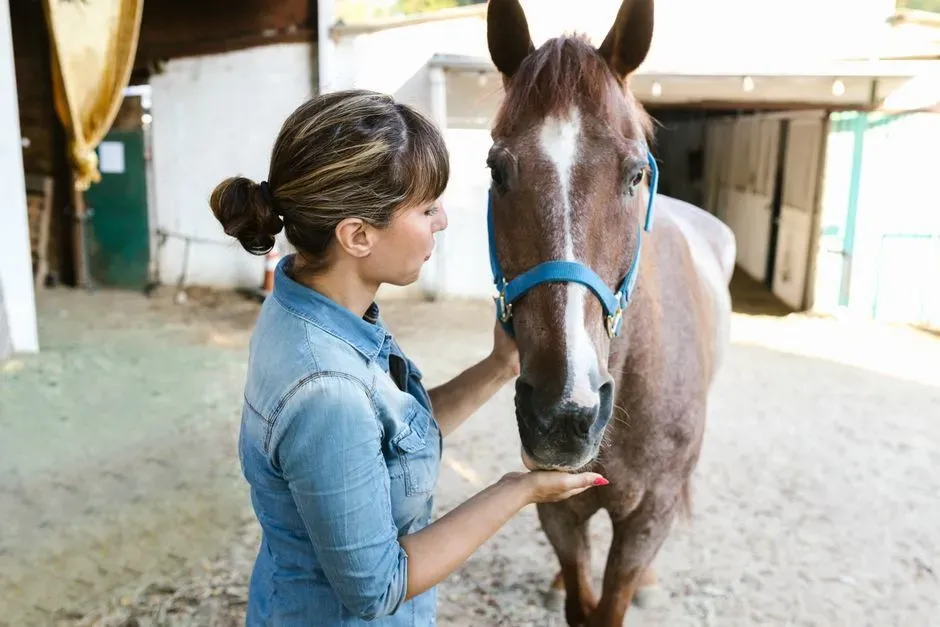
Horses in acute stress display fairly recognizable body language. They might have forward-pointing ears, wide-open eyes, widened nostrils, a high head, a stiff stance, and a raised tail. The whole body speaks at once when a horse is genuinely alarmed.
Sometimes you need the big picture to get the full story of what’s going on with your horse. When a horse’s muscles are rigid and movements are stiff, he’s either hurting, nervous, or stressed.
A horse that carries persistent tension, even in familiar environments, deserves closer attention. Horses usually show stress or pain through subtle body signals rather than loud behavior. As flight animals, they try to hide weakness, making careful observation all the more important.
13. Rapid Tail Swishing
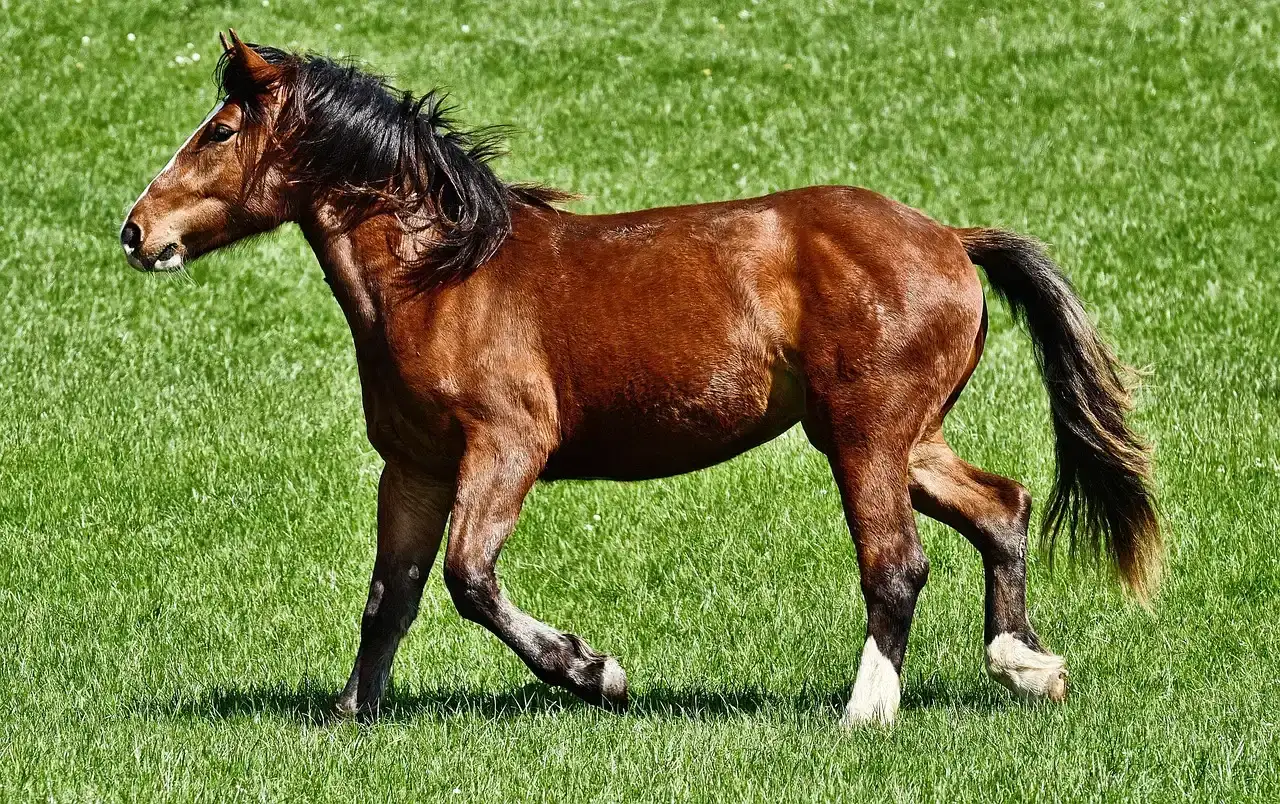
Rapid tail swishing can indicate irritation, frustration, or discomfort. This may occur in response to flies, an ill-fitting saddle, or an unpleasant experience. The key word is “rapid.” Slow, lazy tail swipes at flies are routine. Quick, forceful swishing during handling or riding is a different conversation.
If your horse suddenly starts swishing their tail during grooming, tacking up, or while you’re riding, it’s worth paying attention. They may be reacting to discomfort, an ill-fitting saddle, or something in their environment that’s causing stress.
This signal is easy to dismiss, especially on a fly-heavy day. Getting into the habit of noting when the swishing starts, and what was happening at that moment, helps you separate irritation from genuine distress.
14. A Tight, Pinched Muzzle
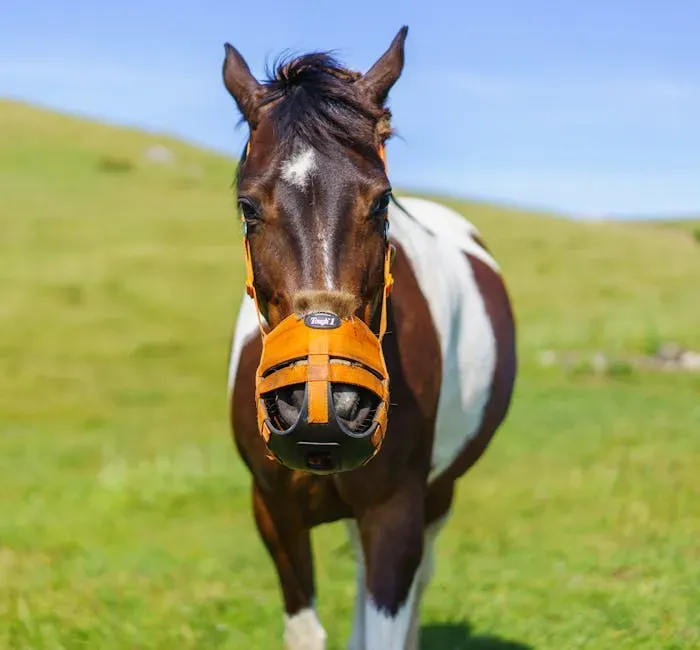
A tight, pinched, or pursed mouth or muzzle is a subtle sign that’s easy to miss. Tension around the mouth tells you your horse is worried, stressed, or scared. Most people focus on ears and eyes, which means this one frequently goes unnoticed.
When you notice the muzzle tighten, take action to either remove your horse from the situation or help him work through the stress or fear so he won’t have to resort to louder messages like biting or running away. This is a “first language” signal. Acting on it early keeps things from escalating.
Pre-panic signals in horses are subtle changes in behavior or physiology that indicate a horse is becoming anxious or stressed. These early warning signs often precede more dramatic panic responses. Recognizing these signals is essential for maintaining horse welfare and rider safety.
A Final Thought on Reading the Whole Horse
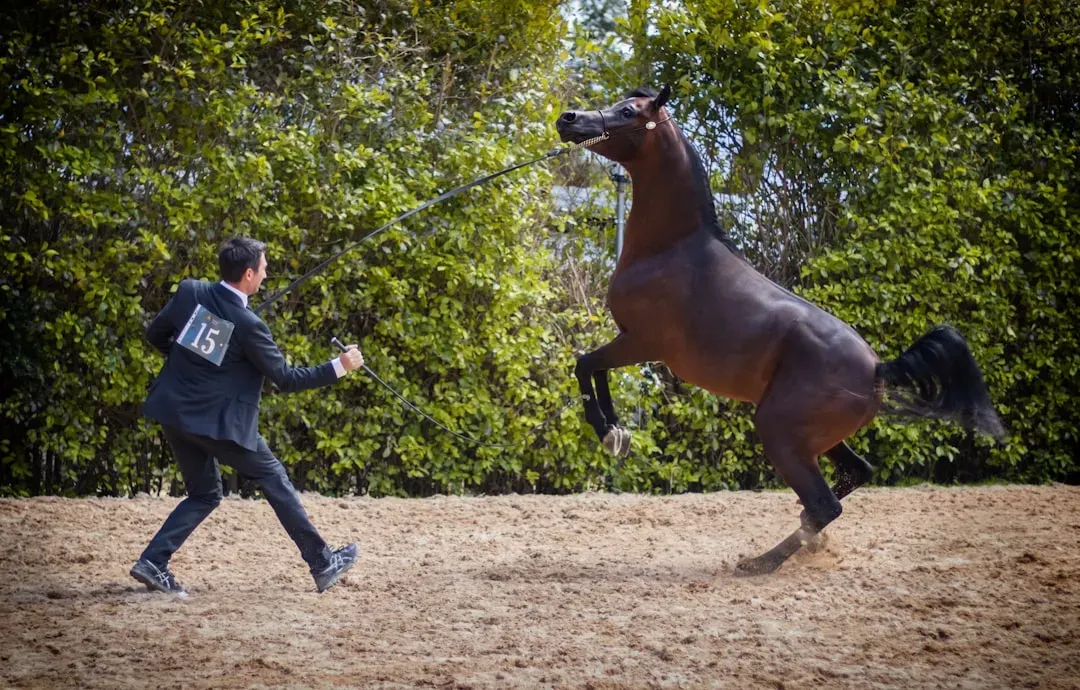
Trust and stress in horses are not binary states. They exist on a sliding scale that shifts with every new situation, handler, or environment. Every horse is unique, and what may be a sign of stress for one horse could be normal behavior for another. Spending time watching your horse in different situations helps you recognize their individual cues.
A horse’s past experiences significantly shape its behavior. Positive interactions build trust, while negative ones can lead to fear or aggression. This underscores the importance of consistent, patient handling, especially when working with horses that have unknown histories.
The fourteen behaviors described here are starting points, not a checklist. The more time you spend observing, the easier it becomes to spot when something’s off versus when your horse is calm, focused, and ready to engage. Ultimately, the language a horse speaks is one of accumulated experience, and becoming fluent in it is one of the most rewarding things you can do in equestrian life.

- 6 Exotic Bird Species You Can Spot in U.S. National Parks - July 19, 2026
- 11 Iconic American Birds Facing New Challenges and How You Can Help - July 19, 2026
- 10 Friendliest Animals in the World - July 19, 2026