
Imagine walking past a skyscraper and suddenly realizing it was built without a single blueprint, without one tool, and without any formal education. Sounds impossible, right? Well, nature has been pulling off exactly that trick for millions of years, long before humans ever picked up a hammer. Out in the wild, creatures great and small are quietly engineering some of the most breathtaking structures you will ever encounter, and most of us scroll past their stories without a second thought.
From soaring towers that pierce African skies to delicate geometric patterns carved into the ocean floor, animal architecture is a world that genuinely stops you in your tracks. There is something deeply humbling about realizing that a tiny insect can solve engineering problems that modern architects still study today. So buckle up, because what follows is going to seriously challenge everything you thought you knew about who the real builders of this planet are. Let’s dive in.
1. Beavers: The Dam-Building Ecosystem Engineers
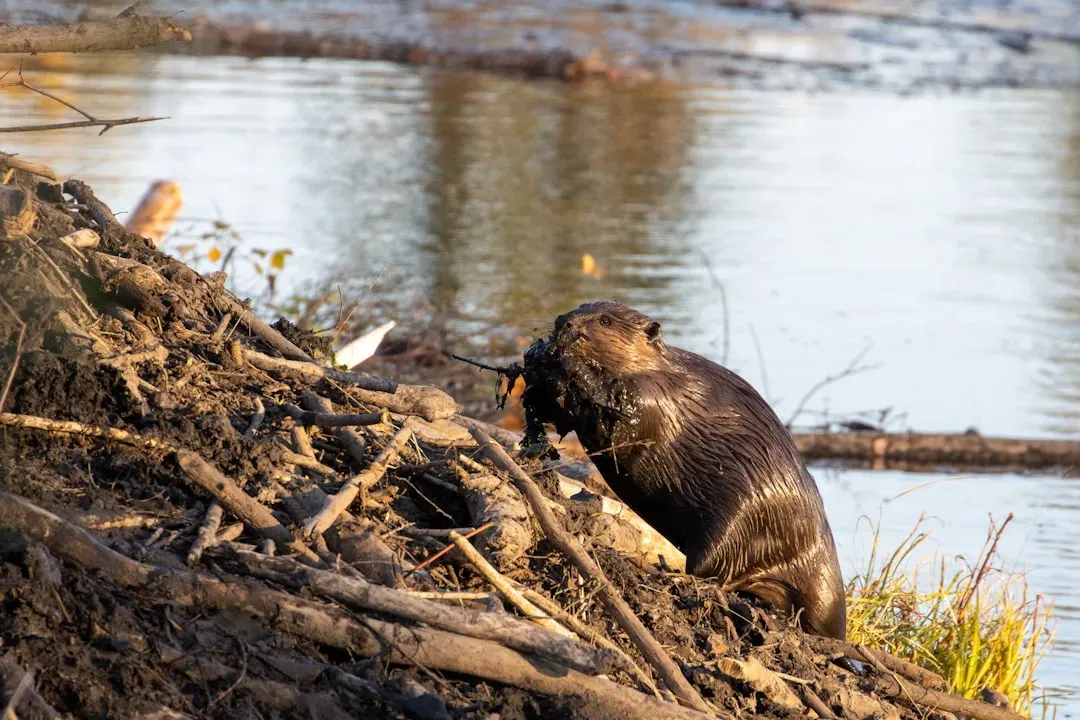
Here is a creature that, honestly, deserves its own engineering degree. Beavers are nature’s engineers, reshaping entire ecosystems with their powerful teeth and an almost obsessive drive to build dams. They do not just build for shelter. They literally redesign the landscape around them, one branch at a time.
A single beaver dam can stretch hundreds of feet across, and some have existed for decades. The largest dam ever discovered, via satellite in Canada, measures an astounding 2,700 feet, longer than the Empire State Building is tall. That is a rodent outbuilding one of humanity’s most iconic structures. Let that sink in.
The entrance to their lodge is submerged underwater to prevent predators like wolves and bears from reaching the beavers inside. What is truly remarkable is the way beavers engineer their dams to withstand the power of flowing water. They carefully build their structures with materials that can absorb and adapt to changes in water levels.
Beaver dams are so effective that they actually prevent droughts and flooding, helping entire ecosystems thrive. Scientists have even studied their techniques to improve human water management. Nature solving tomorrow’s problems today. Classic beaver move.
2. Termites: Tiny Builders of Climate-Controlled Skyscrapers
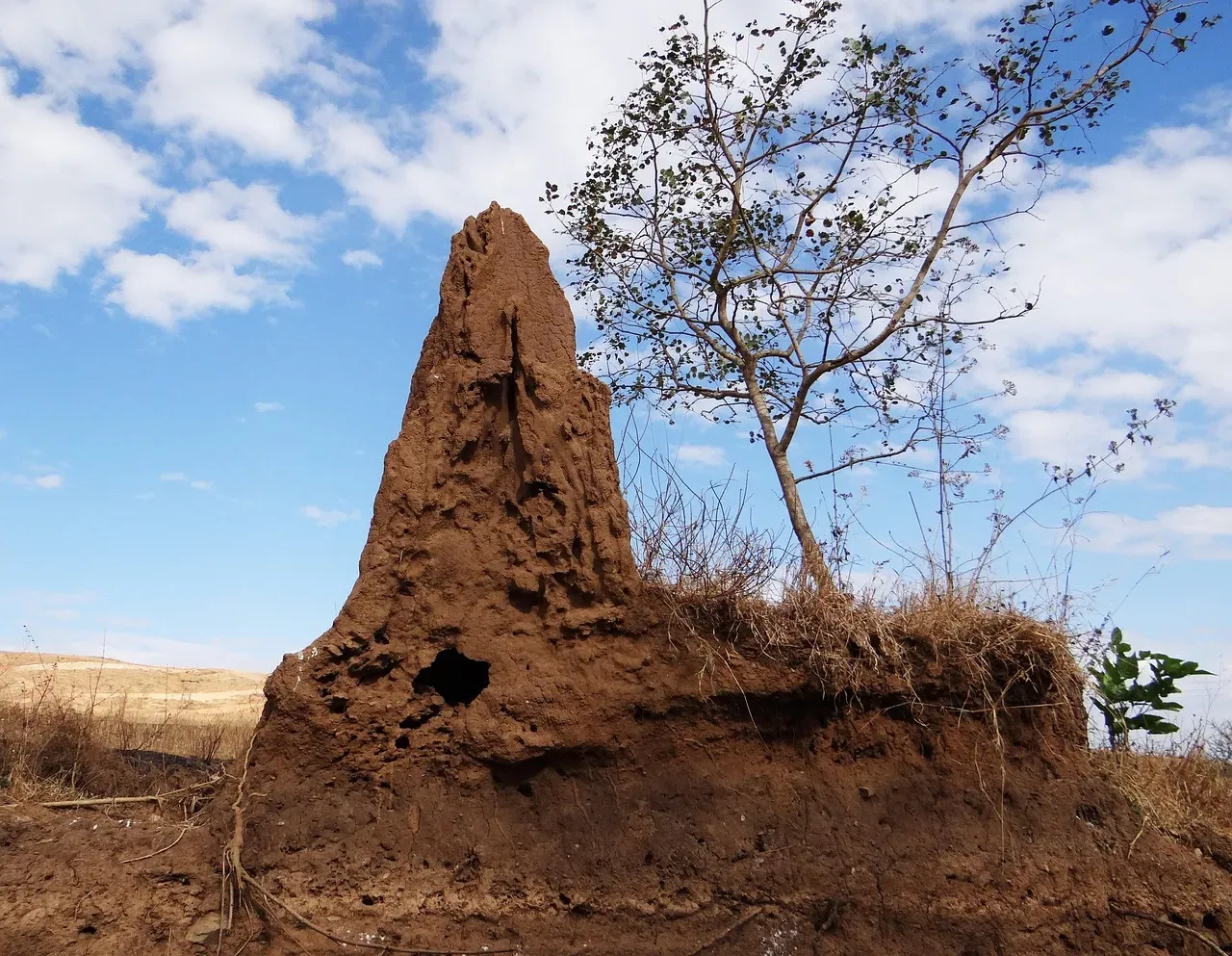
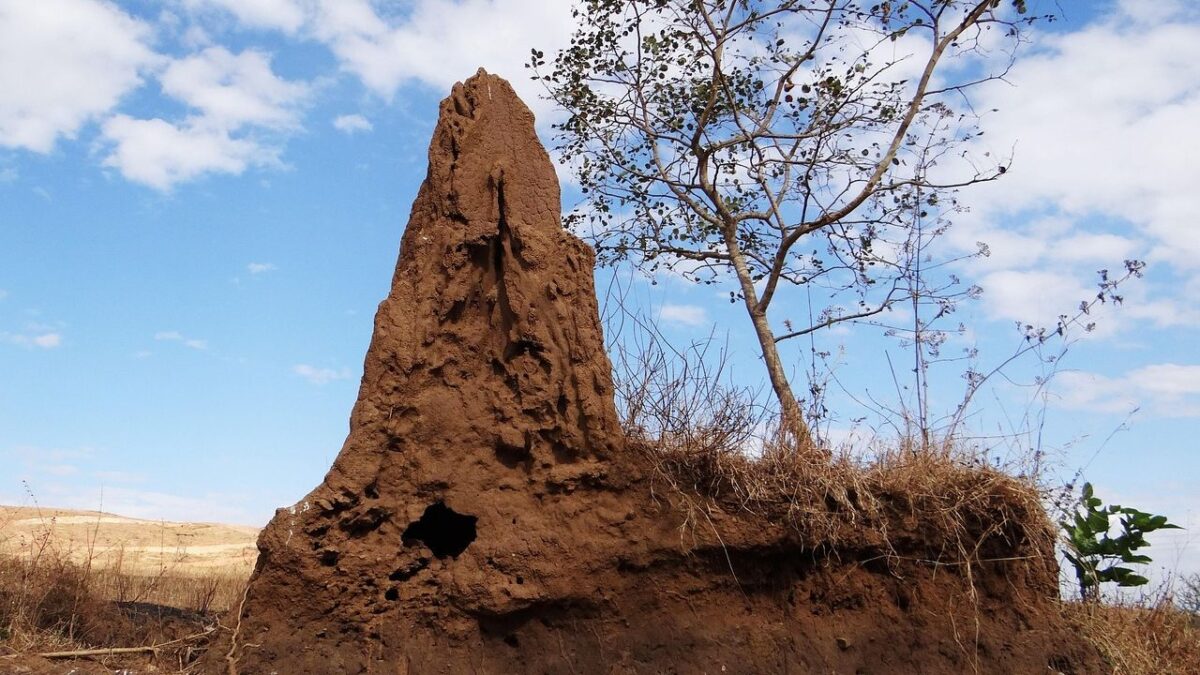
If there were an Olympic gold medal for construction per body size, termites would win it every single time. While individually tiny, termites collectively construct some of the most impressive structures in the animal kingdom. Termite mounds can reach heights of 30 feet or more, equivalent to a human building over 3,000 feet tall!
Some termite species build towering mounds with a natural air-conditioning system that regulates temperature and humidity. Ventilation tunnels keep the interior cool even in extreme heat. Internal farming chambers allow termites to grow their own fungus-based food supply. They are not just architects. They are farmers, climate engineers, and city planners, all rolled into one tiny body.
Zimbabwean architect Mick Pearce was given the challenge to design the largest retail office in the country without the hassle and budget of air conditioning. Inspired by the skyscraper-like termite mounds, he created a marvel that achieved 90% passive climate control. A bug taught a human how to build smarter. I think that is one of the coolest stories in the history of architecture.
3. Weaver Birds: The Feathered Textile Artists
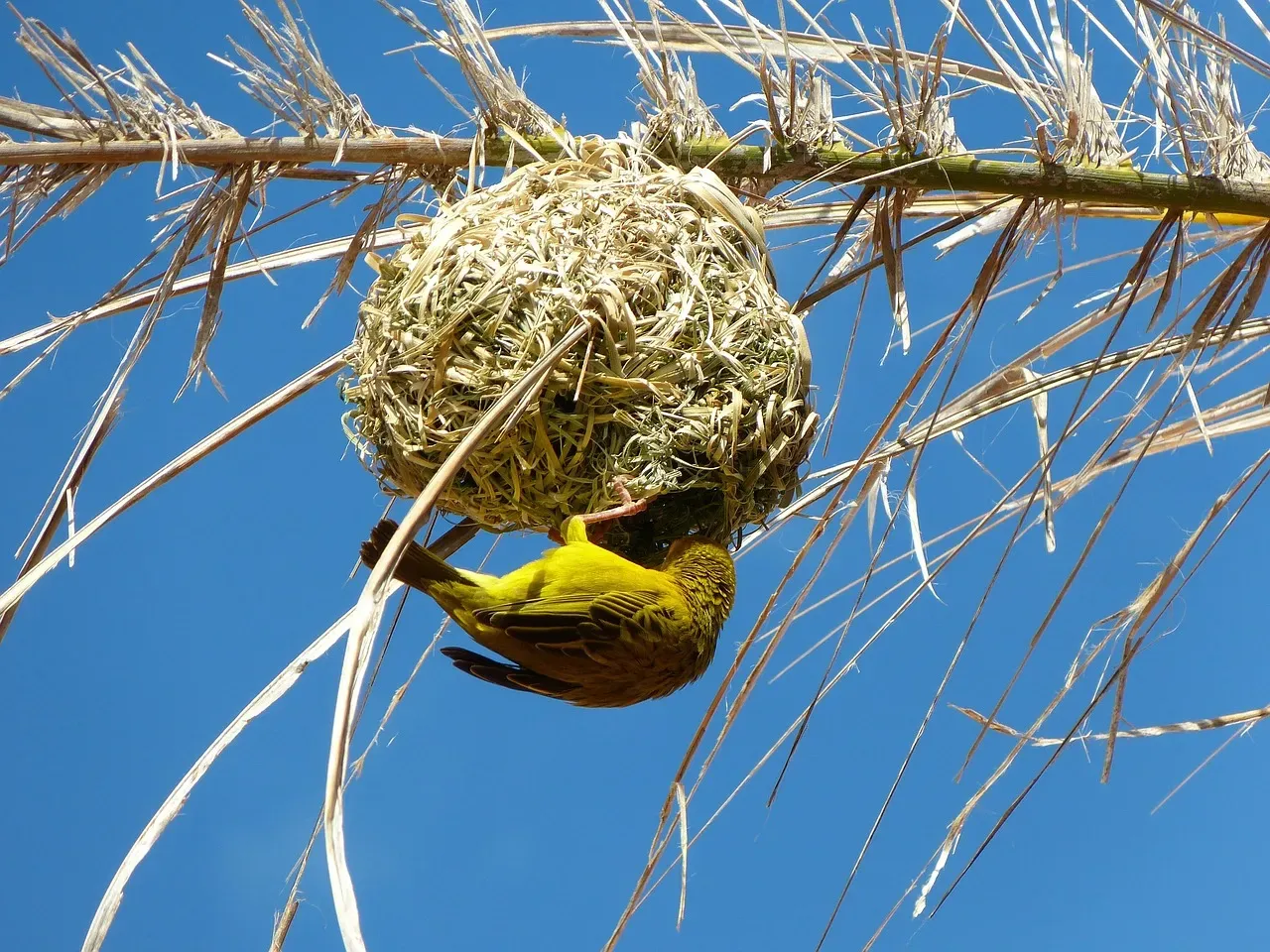
Weaver birds are the ultimate nest architects, crafting intricately woven nests that dangle from tree branches. These birds use grass, twigs, and plant fibers, twisting and knotting them together with remarkable skill. Watching a weaver bird work is like watching a craftsperson who has been perfecting their art for generations.
Another outstanding characteristic of weaver birds is that males are the main builders. The success of the nest influences its ability to attract a mate. The more impeccable and secure the nest, the greater the chances of wooing females. In the weaver bird world, your home literally is your dating profile.
Sociable weavers do this on a grand scale, building huge communal nests in trees with individual compartments for each bird family. These can survive for decades, offering a safe home to many successive generations. Think multi-generational housing, bird edition, built with nothing but a beak and some grass.
4. Coral Polyps: Architects of the Ocean’s Greatest City
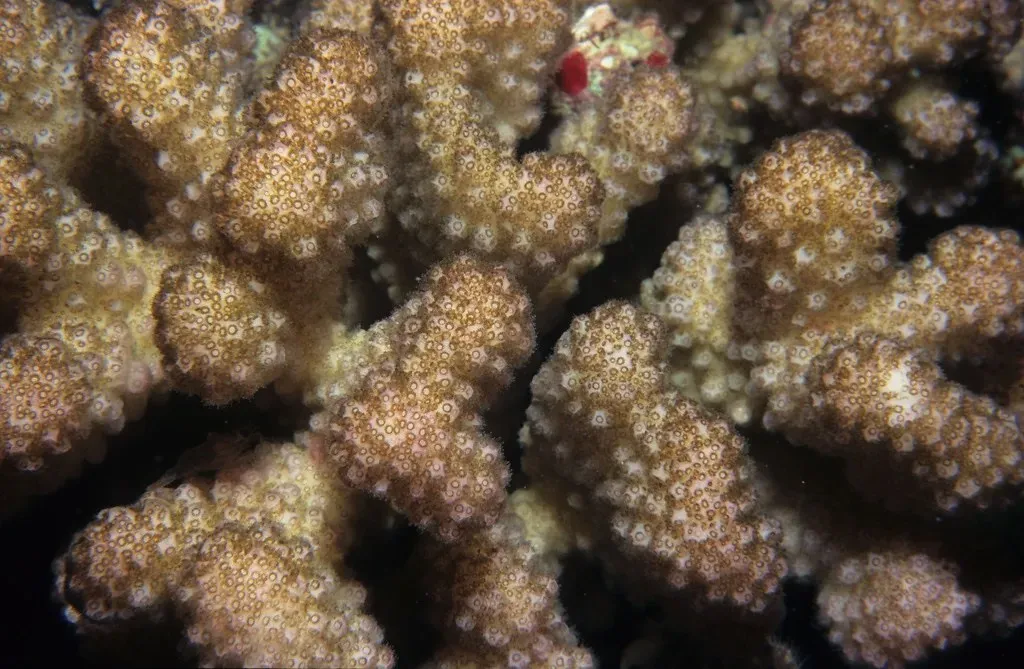
Let’s be real. Most people look at a coral reef and think it is some kind of underwater rock formation. But coral may look like a colorful rock or a plant, but it is actually made of thousands of tiny animals called polyps. These minuscule creatures are the architects of the largest living structures on Earth.
These reefs are built by tiny coral polyps that excrete calcium carbonate to produce an outer shell. Gradually, as the polyps reproduce and the next generations build on top of earlier generations, these vast reef systems come into being. Imagine inheriting a building project from your great-great-great-grandparents and just continuing from where they left off.
Coral polyps secrete calcium carbonate, forming coral reefs that support diverse marine life. These vast underwater structures protect coastlines and are considered the world’s largest biological constructions. No blueprints. No cranes. Just chemistry, time, and extraordinary biological precision.
5. Spiders: Engineers of Silk Stronger Than Steel
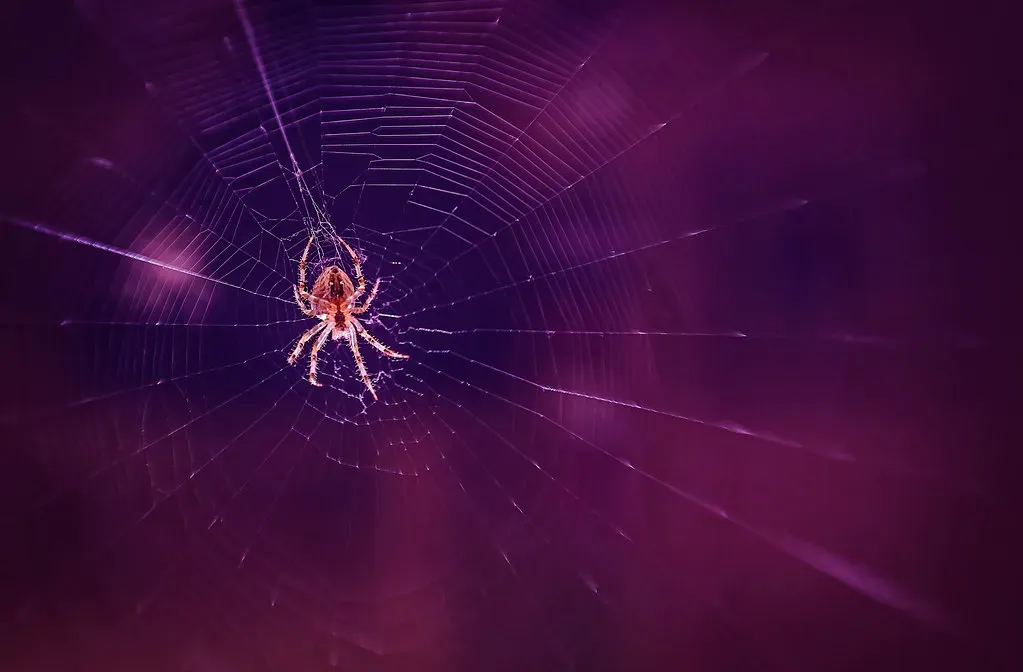
Spiders get a pretty bad reputation, but hear me out, because what they build is nothing short of miraculous. Spiders are expert silk engineers, crafting webs that serve as traps, homes, and even parachutes. Some species, like orb-weaving spiders, create perfectly symmetrical webs, while others, like trapdoor spiders, use their silk to build camouflaged burrows.
Spider silk is stronger than steel by weight and can stretch without breaking. Scientists are even studying spider silk for medical and engineering advancements, including stronger synthetic materials and biodegradable sutures. A spider’s web is not just a trap. It is a materials science breakthrough waiting to be replicated.
Communal webs enable spiders to catch much bigger prey and share the energy-sapping tasks of spinning the webs and maintaining their structure. Occasionally, enormous megawebs appear, covering several hundred square metres in silk. That is a spider city, and it is honestly more organized than some neighborhoods I know.
6. Leafcutter Ants: Underground Metropolis Builders
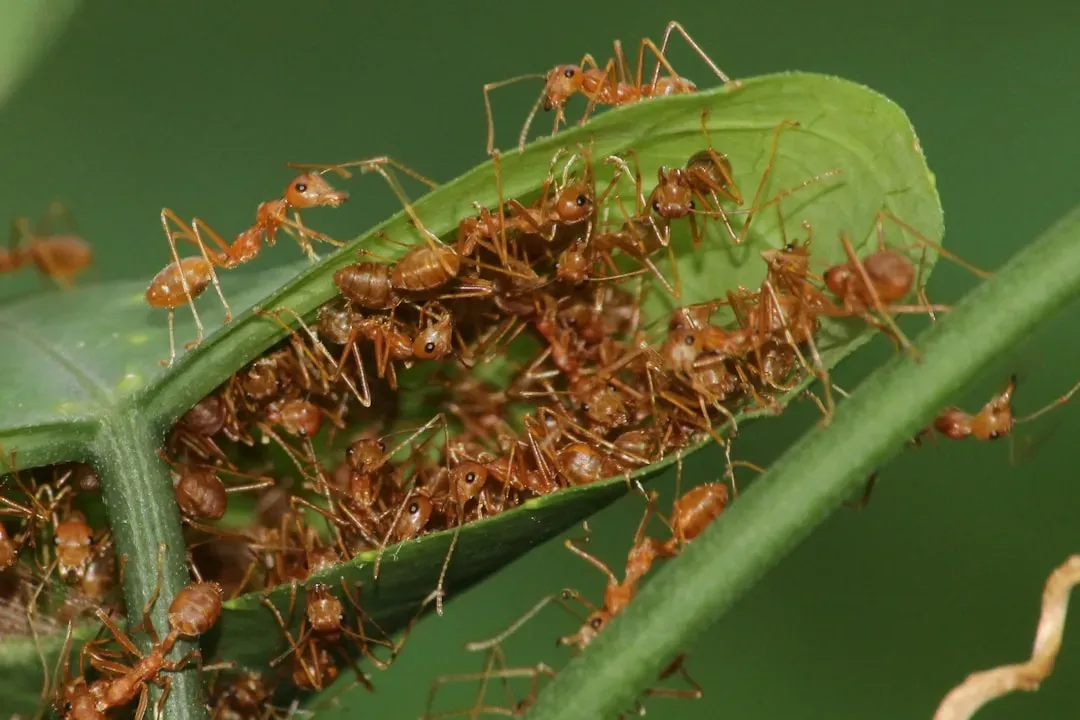
Ants tend to get lumped together as tiny nuisances, but leafcutter ants are operating on a completely different level. Ants may be small, but their underground nests are some of the most sophisticated homes in the animal kingdom. Some species, like leafcutter ants, build intricate tunnel networks that include nurseries, food storage rooms, and even garbage dumps to manage waste.
When researchers poured concrete into an abandoned ant nest to study its structure, the resulting cast revealed a sprawling underground metropolis, one of the most impressive natural constructions ever seen. They essentially mapped an entire city by filling it with concrete. The result looked like something an urban planner spent years designing.
Ventilation systems regulate airflow, preventing mold and excess heat. Certain ants farm their own food, growing fungi underground to sustain their colony. Their farming system has been functioning for 10 to 15 million years. Agriculture so advanced it makes human farming history look like a weekend experiment.
7. Bowerbirds: Nature’s Most Artistic Architects
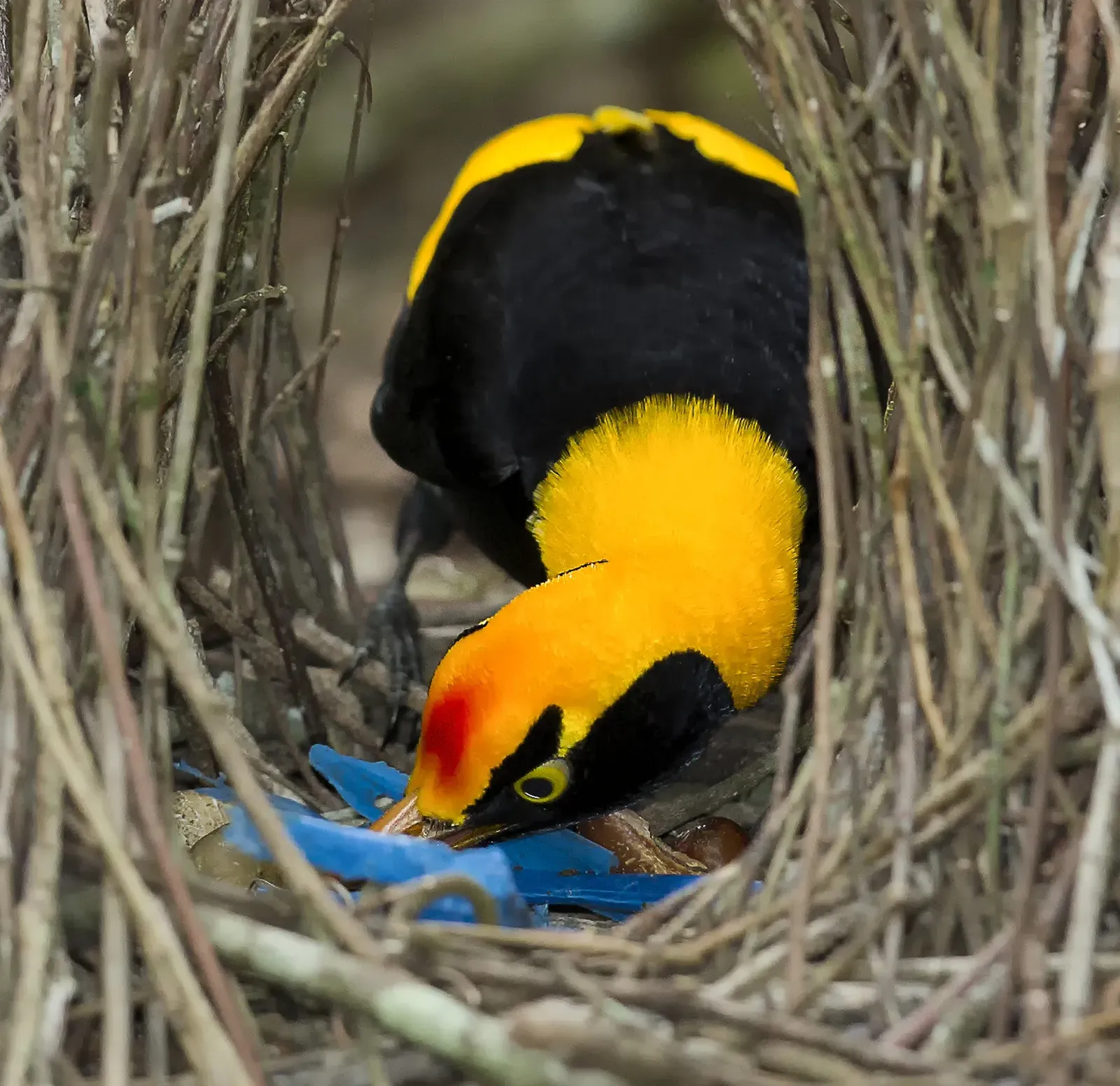
Now this one genuinely blew my mind the first time I encountered it. Native to Australia, bowerbirds are known for their elaborate and colorful courtship displays, during which the male builds a bower to attract a mate. The bower is not a nest for raising offspring, but a decorative structure designed to impress females.
The males collect a variety of objects including flowers, shells, plastic, and even bits of glass or metal, and arrange them around their bower. The more elaborate the bower, the more likely the male is to attract a mate. Essentially, this bird is curating an art gallery to impress a date. Respect.
Some bowerbirds even use forced perspective, arranging items to make the bower appear larger than it is, a trick that would impress any architect. A bird using optical illusions to create visual impact. That is not instinct alone. That is something that looks very much like creativity.
8. Sociable Weavers: The Apartment Complex Builders of Africa
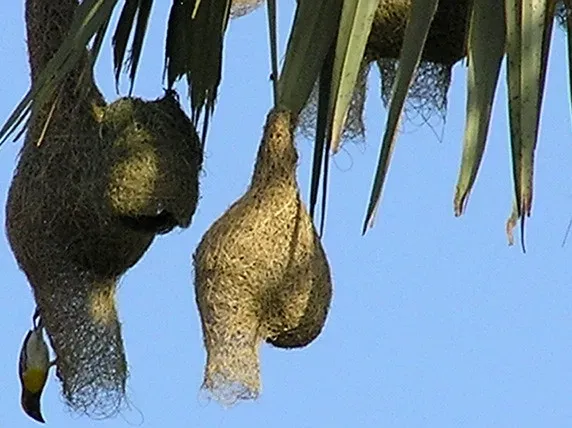
If weaver birds are individual nest builders, sociable weavers are the developers constructing entire housing complexes. The most impressive example is the sociable weaver’s nest, which can be a massive communal structure housing hundreds of birds. These nests can weigh several tons and are built in trees or on artificial structures like telephone poles. The nests have separate chambers for breeding and roosting, with intricate tunnels and entrances that protect the birds from predators and extreme weather conditions.
Used not only to accommodate breeding birds, these enormous nesting chambers provide a permanent home for the weavers and can last up to a century. Social weavers are communal, living with up to 100 breeding pairs in a nest community. In total, the population can reach several hundred birds including offspring. A structure that outlives its builders by generations and still functions perfectly. That is true engineering legacy.
9. Honeybees: Masters of Mathematical Precision
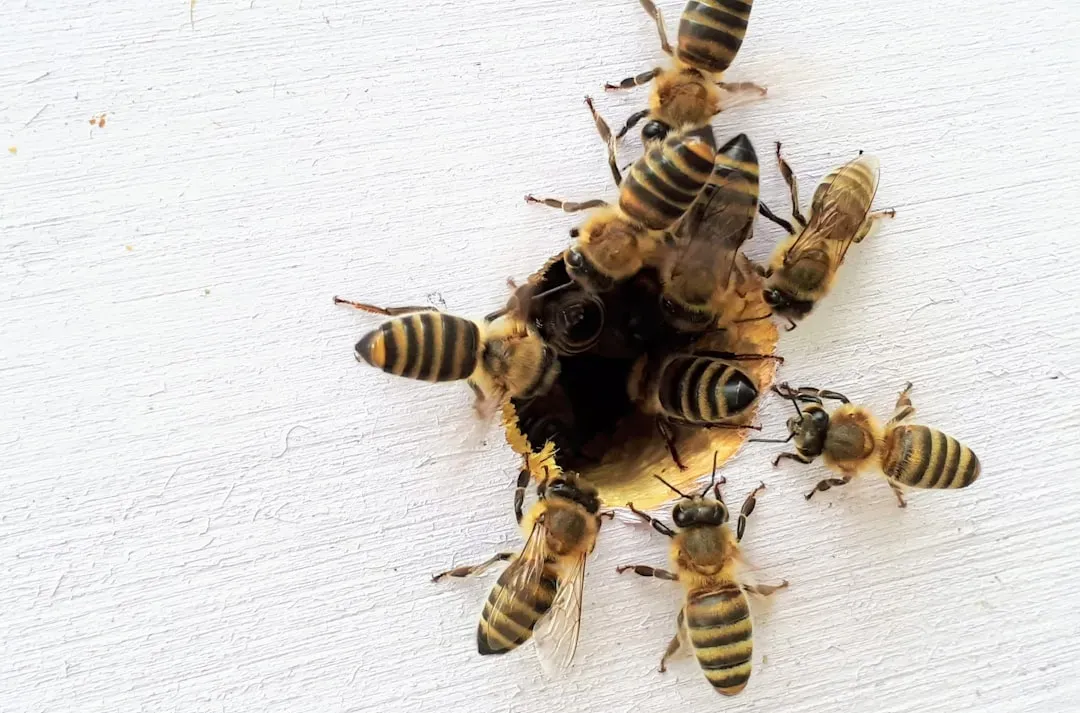
The honeybee might be the most quietly brilliant engineer on this list. Honeybees build their nests out of hexagonal wax cells, which are efficient for maximum space with minimum material usage. These store honey and pollen, which are used as brood cells for larvae. The hive is a highly organized environment. Each bee performs a particular role, from foraging to the maintenance of the structure of the hive.
Think of a honeycomb as nature’s own version of a perfectly tiled floor, except the bee figured out the optimal geometric shape thousands of years before any mathematician put it on paper. The hexagon is the most efficient shape for packing maximum storage into minimum wax. No measurement tools. No geometry lessons. Just pure, evolved instinct solving a complex mathematical problem.
Each cell is built to precise, consistent dimensions across an entire hive, which can house tens of thousands of individuals. The structural integrity, storage efficiency, and temperature regulation within a hive make it one of the most functionally complete natural structures in existence. Architects still reference honeycomb geometry in modern building design today.
10. The Japanese Pufferfish: Ocean Floor Mandala Maker
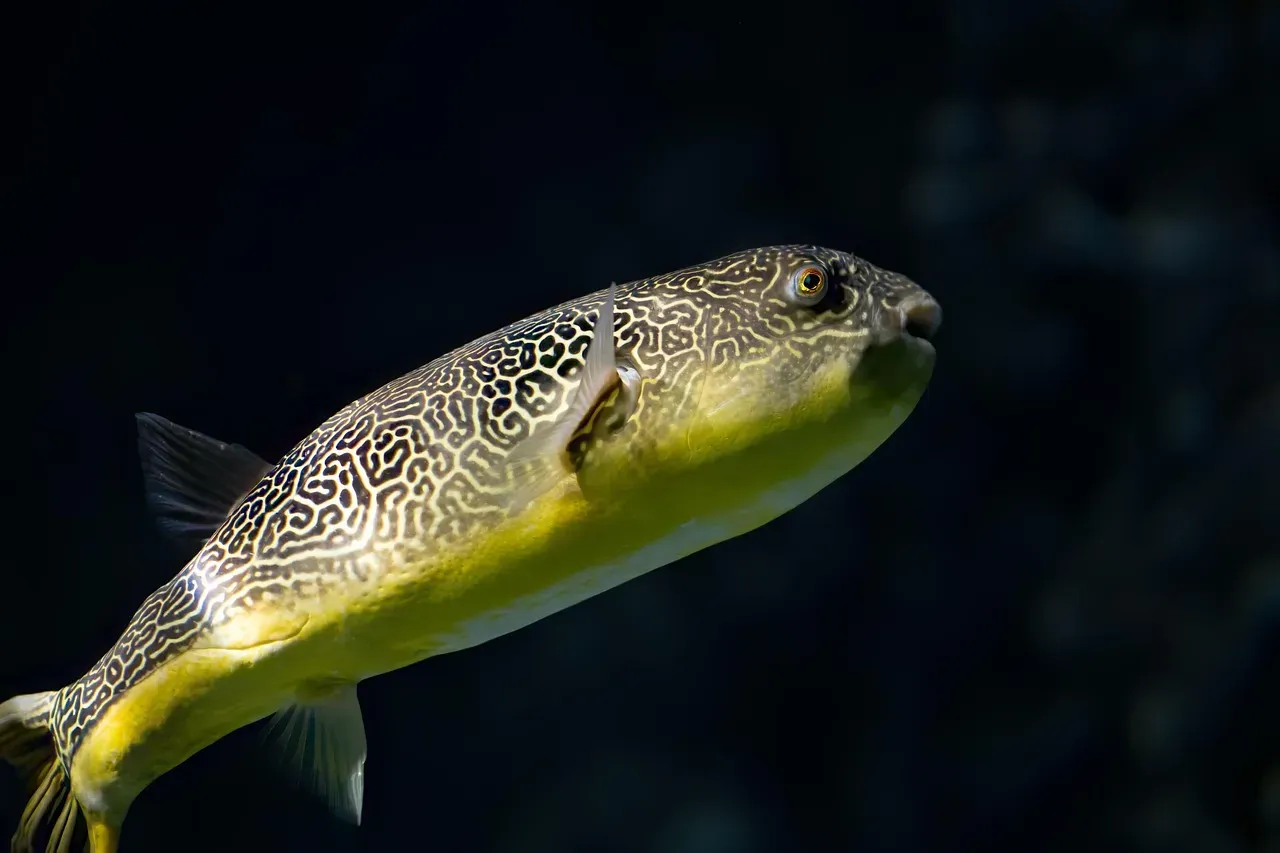
Save the most surprising for last. When first discovered in 1995 near the Japanese island of Amami, these submarine crop circles were a mystery. Were they created by animals, currents, or something else? Over 15 years later, divers spotted the seabed sculptor: a tiny pufferfish new to science. The male takes around a week to fashion a two-metre-wide nest that dwarfs his 12cm frame.
These intricate circular designs, sometimes spanning over six feet in diameter, are built to attract a mate. The male pufferfish clears away sand and sediment, using its fins and body to carefully craft concentric circles and delicate ridges. The symmetrical designs are not only beautiful but also functional, as female pufferfish are drawn to the size, precision, and complexity of the pattern.
Once the female lays her eggs in the center, the circle serves as a safe nest only until the tide eventually washes it away. It is temporary, fragile, and breathtaking, like a master creating sand art knowing it will be erased by the ocean. Beauty poured into something that will not last. If that is not profound, I do not know what is.
Conclusion: Nature Has Always Been the Greatest Engineer
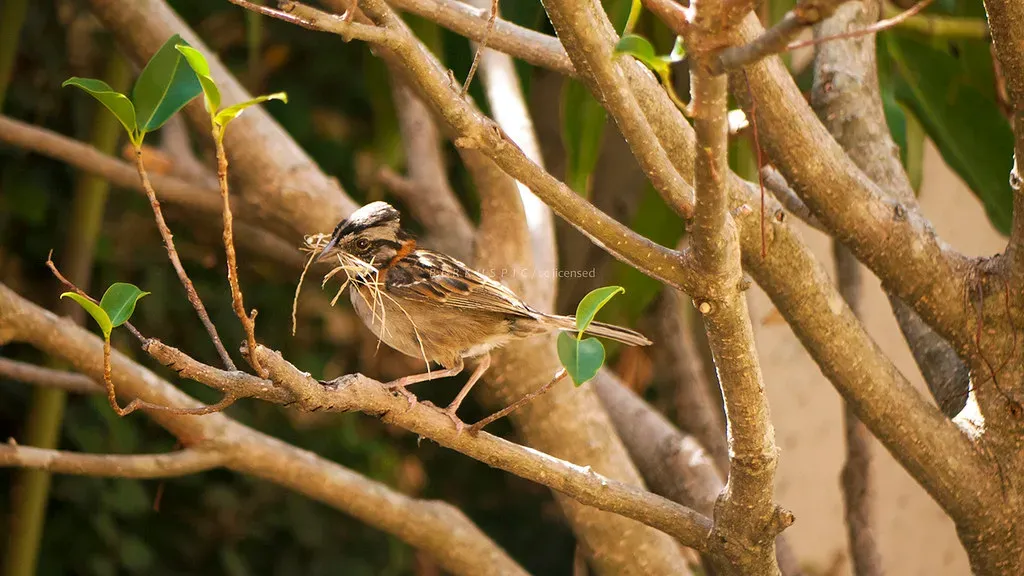
There is something deeply moving about realizing that the animal world has been solving problems of shelter, climate, safety, and even beauty for millions of years without a single school, tool, or instruction manual. These animals build without tools, blueprints, or mathematics. Everything they create is crafted through instinct, teamwork, and millions of years of evolution.
The more we study animal architecture, the more we appreciate that humans are not the only builders capable of greatness. In many cases, animals do it better. That is not a small statement. That is a profound shift in how we should view the natural world around us.
Next time you spot a spider stretching silk between branches, or a bird weaving a nest at the edge of your garden, take a moment to actually look. You might just be standing in the presence of an engineer far more seasoned than anything in our history books. Which of these incredible builders surprised you the most? Tell us in the comments, because honestly, I still cannot get over that pufferfish.

- 6 Exotic Bird Species You Can Spot in U.S. National Parks - July 19, 2026
- 11 Iconic American Birds Facing New Challenges and How You Can Help - July 19, 2026
- 10 Friendliest Animals in the World - July 19, 2026