
Picture this: a wolf paddling through icy Pacific waves, eyes locked on a seal lounging on the beach. These aren’t your typical forest prowlers. , a coastal marvel from British Columbia’s wild shores, flips everything you know about wolves upside down.
Thriving where rainforest meets ocean, these elusive creatures hide secrets that blend land and sea in astonishing ways. Ready to uncover what makes them legends? Let’s plunge into their world.[1][2]
1. Seafood Makes Up Nearly Their Entire Diet
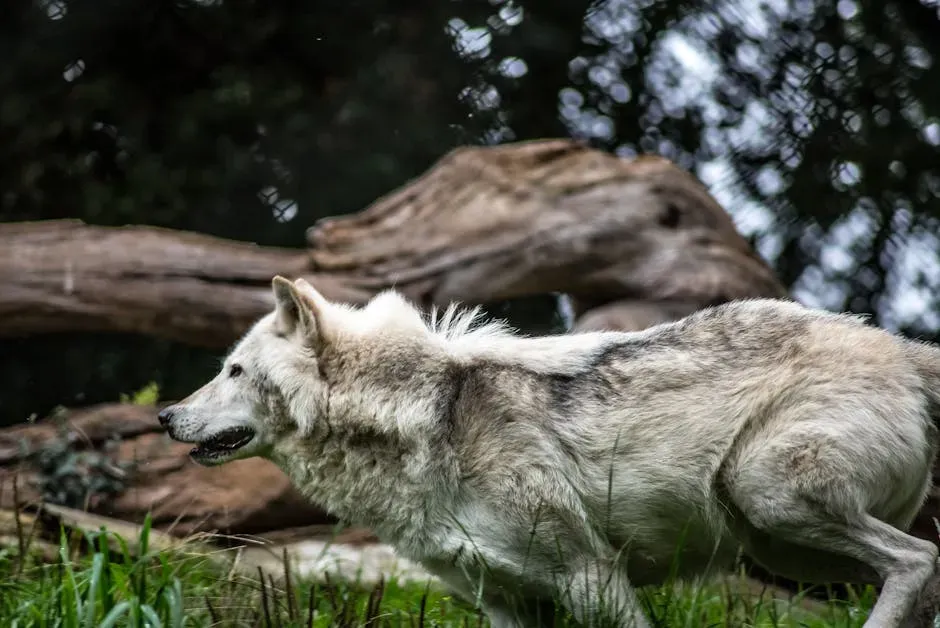
Up to 90 percent of what these wolves eat comes straight from the ocean. Salmon heads, clams, mussels, and even herring eggs fuel their days. They dig into sand with paws to unearth shellfish, cracking shells with powerful jaws.[1]
Seals and sea otters fall prey too, especially the young ones. This marine obsession sets them worlds apart from meat-munching inland packs. Honestly, it’s like they’ve traded the chase for a perpetual seafood buffet.[3]
2. They Swim Miles Across Choppy Waters
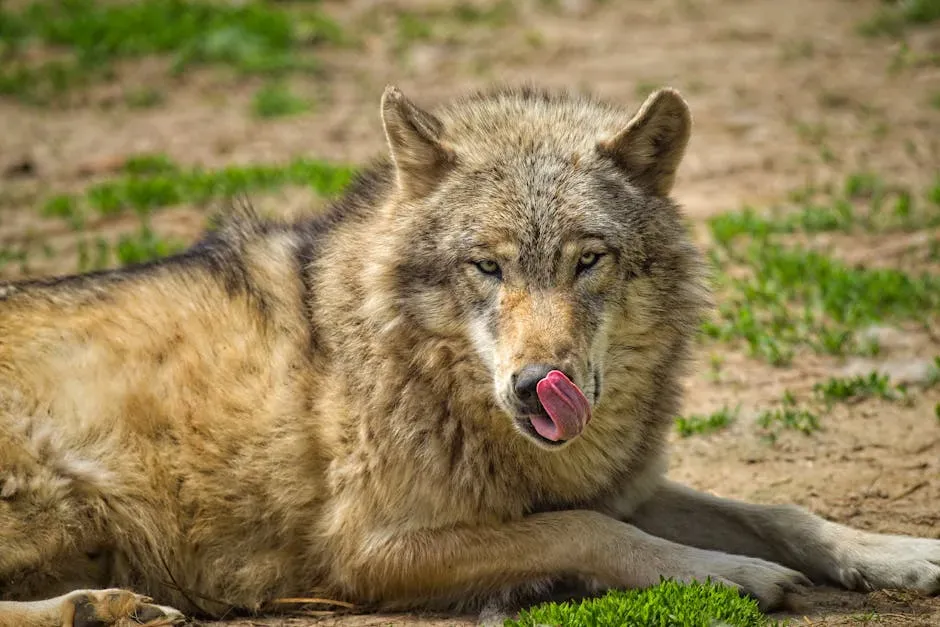
These wolves cover up to 12 kilometers between islands without breaking a sweat. They slip into frigid Pacific currents, submerging most of their body while keeping eyes, ears, and nose alert. Night swims help them dodge detection.[1]
Following salmon runs or scouting new turf, they island-hop like pros. Strong and silent, they move faster in water than you’d imagine for land animals. Picture otters, but with wolfish cunning.[4]
I know it sounds wild, but footage shows them powering through waves that would chill most creatures to the bone.
3. Smaller Size, Bigger Adaptations
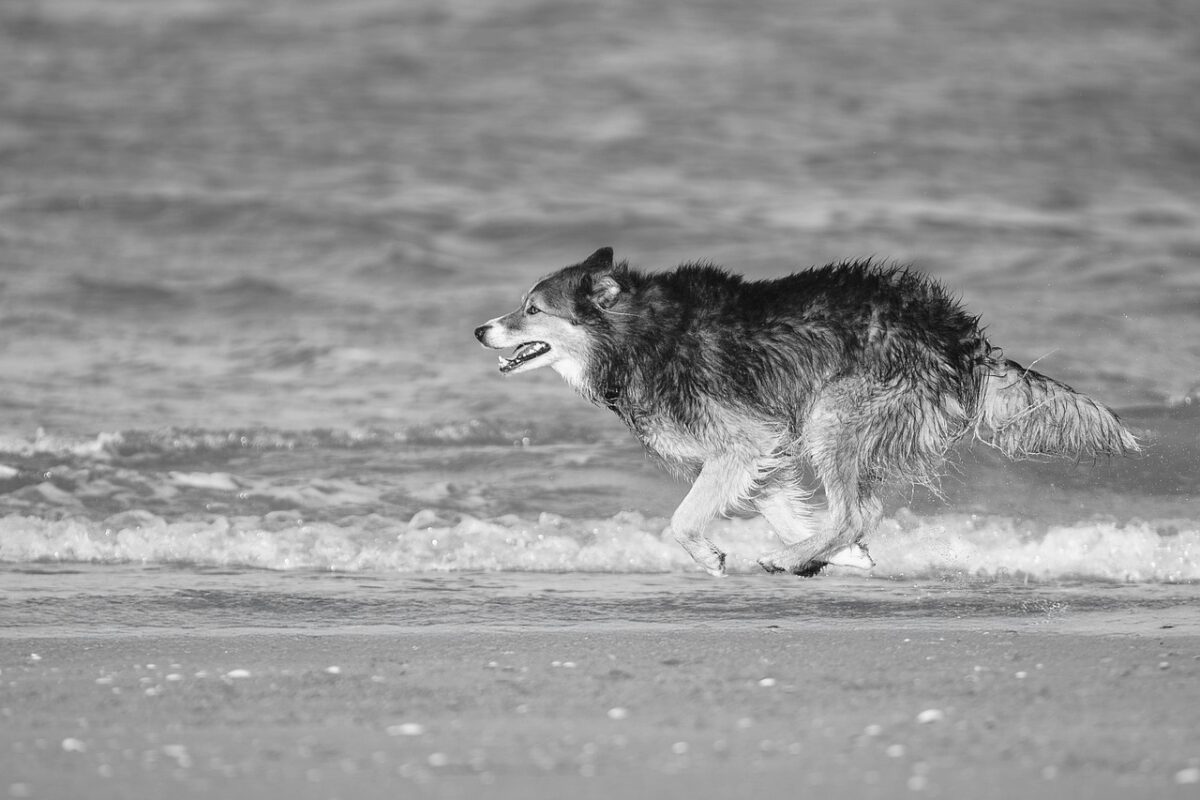
Lighter than their inland cousins, Vancouver Sea Wolves tip the scales at 29 to 40 kilograms. They stretch 1.2 to 1.5 meters nose to tail, standing 66 to 81 centimeters at the shoulder. This compact build suits their seafood-heavy life and smaller coastal prey.[1]
Males outsize females, as usual, but both pack less bulk than mainland wolves weighing up to 68 kilos. Their slimmer frames help in wet, fish-rich environments. Less weight means easier swims and agile hunts along beaches.[3]
4. Genetically One of a Kind
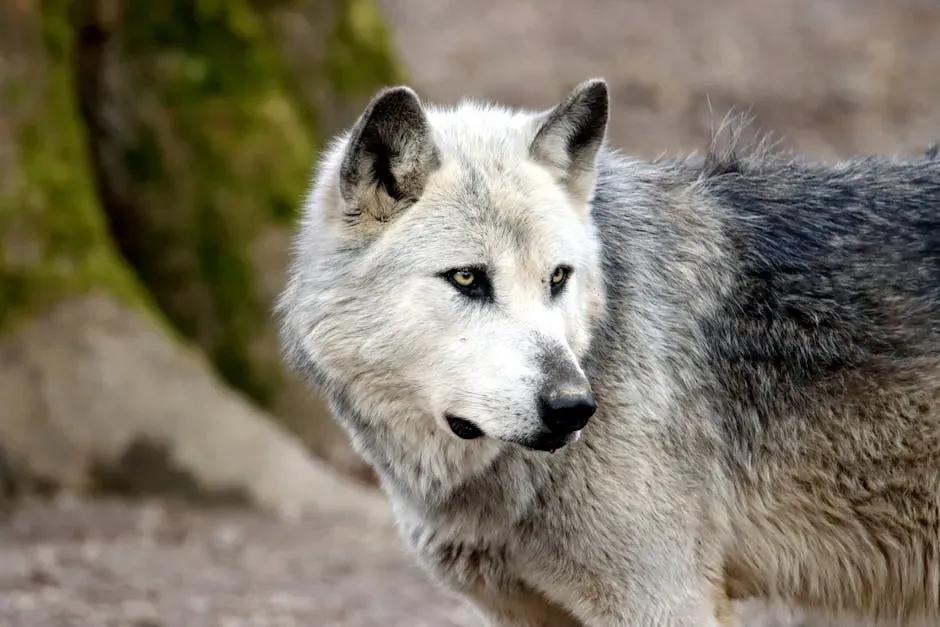
DNA studies confirm they’re a distinct subspecies, Canis lupus crassodon, or one of six wolf ecotypes. Unlike inland grays, their genes reflect coastal living, from immune tweaks for fish to preferences for birth habitats. They trace back to ancient southern wolves post-Ice Age.[1]
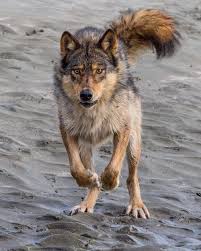
Reddish-brown fur blends with kelp and driftwood. This uniqueness shines in every strand and swim stroke. They’re not just wolves; they’re ocean-tuned marvels.[4]
5. Epic Comeback from the Brink
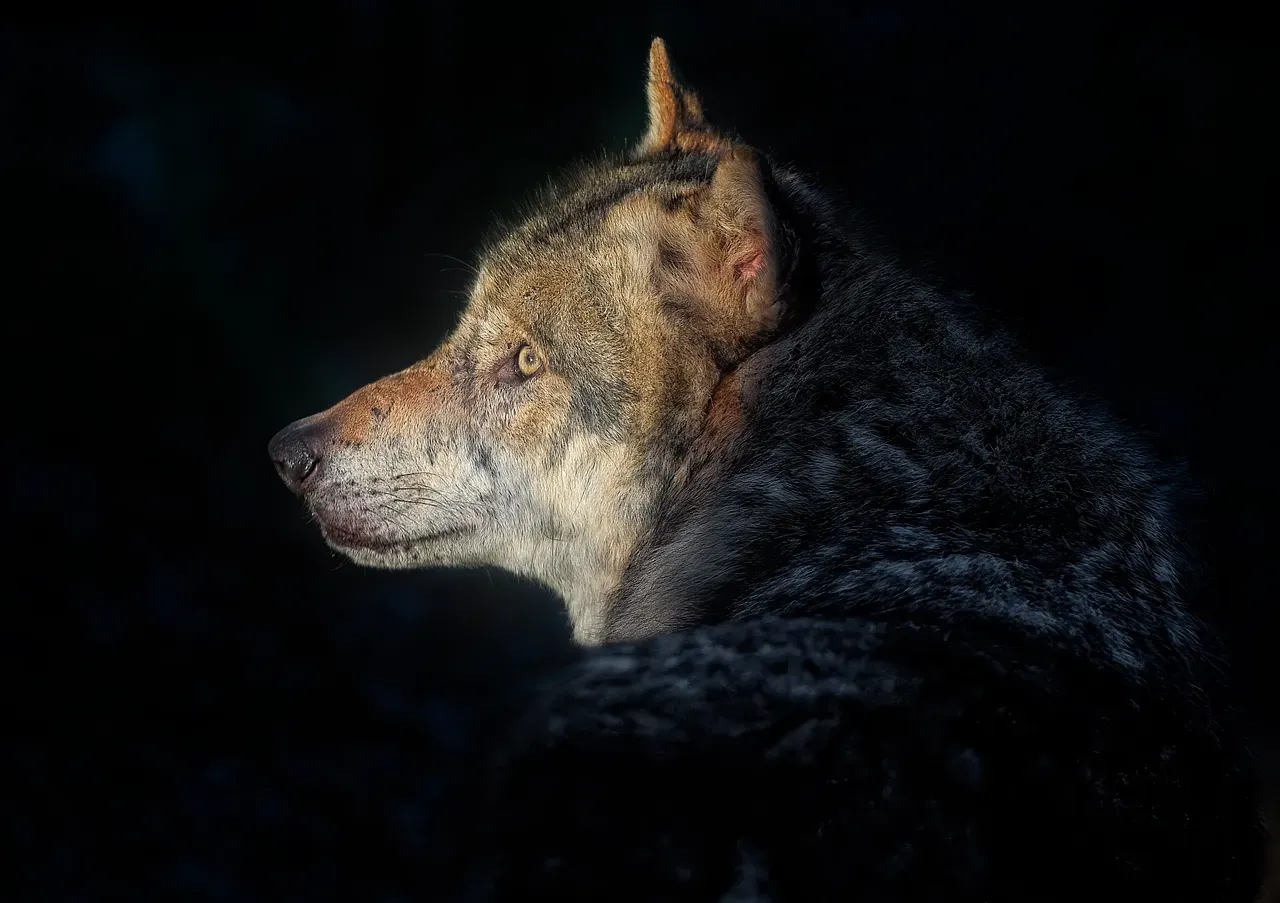
By the late 1960s, they vanished from Vancouver Island due to relentless hunting. Yet, in the early 1970s, swimmers from the mainland recolonized it across narrow straits. Today, around 350 roam the coasts, a testament to resilience.[4]
Public views shifted from fear to awe, aiding protection. Though hunting lingers with limits, their return inspires. Nature’s way of saying, “Not done yet.”[1]
6. Crab Trap Raiders and Salmon Strategists

They yank crab trap floats to shore, snagging bait with laser focus. To dodge deadly salmon poisoning, pups stick to heads only. Barnacles and whale scraps round out clever scavenging.[1]
Highly intelligent, they problem-solve like pros. Packs cooperate on beach ambushes. It’s brainpower meets tidal buffet.[2]
Here’s the thing: no other wolves pull off these ocean heists so smoothly.
7. Beach Stalkers of Seals and More
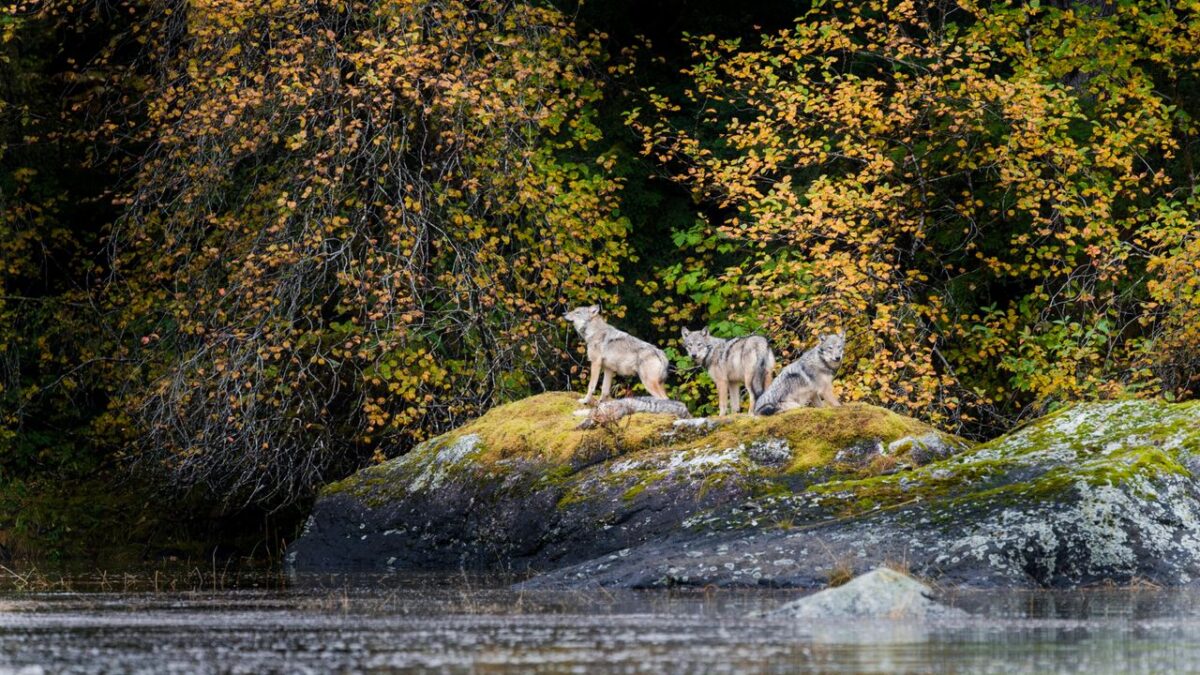
Harbor seals meet their end via stealthy beach charges, skins peeled for easy meat. River otters and mink fill gaps when deer dwindle. Summer brings fawns; winter, beaver.[4]
They scavenge massive whale carcasses too. Pups get deer bits hauled home. This mix keeps them thriving year-round.[1]
8. Stars of Screen and Spirit
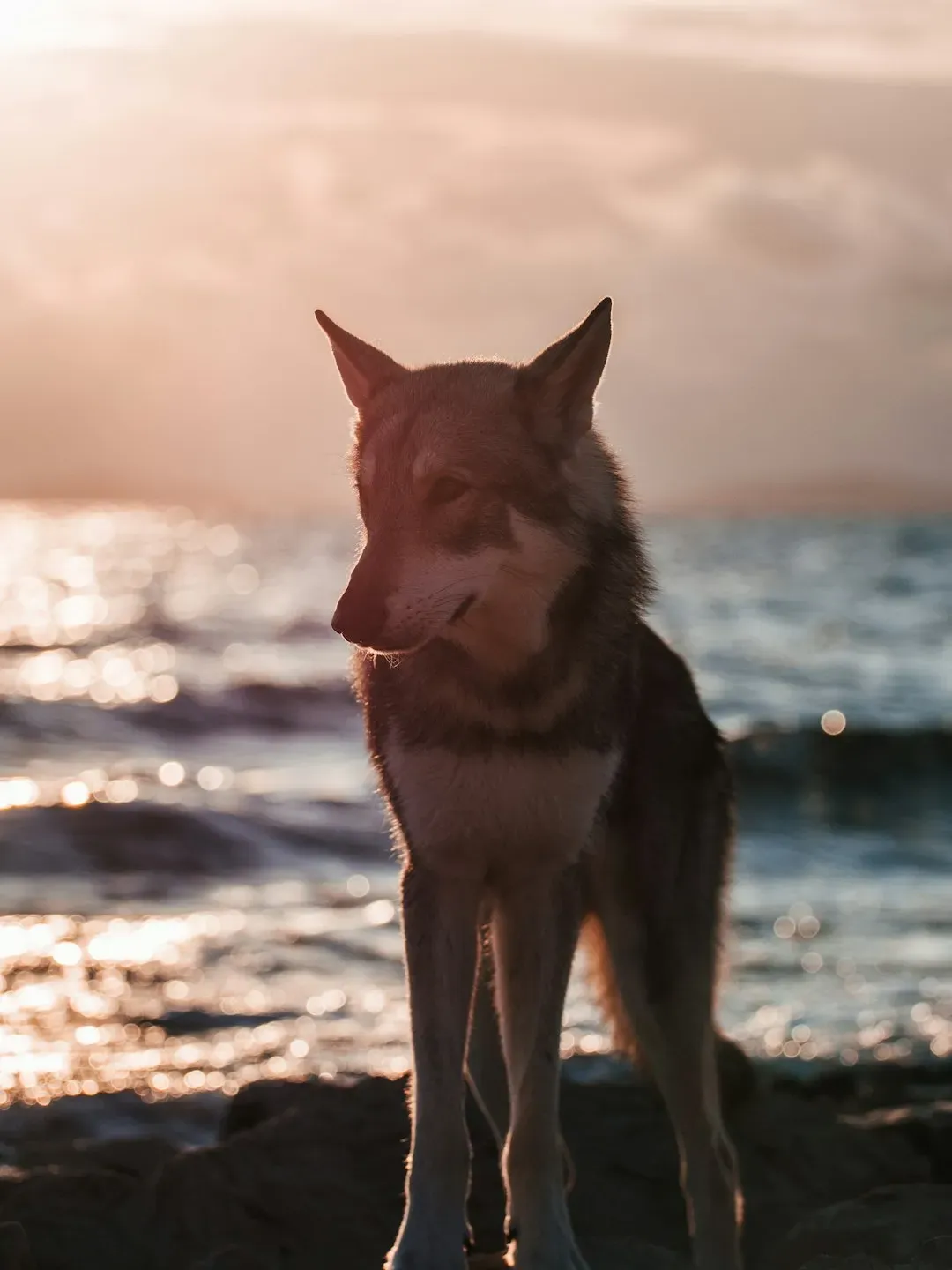
Netflix’s “Island of the Sea Wolves” spotlights their Vancouver Island drama. Lone wolf Takaya’s story gripped hearts before tragedy struck. These tales boost conservation chatter.[1]
Remote rainforest homes shield them from most eyes. Sightings thrill boaters with paw prints or howls. Elusive? Absolutely. Unforgettable? You bet.[2]
9. Rainforest Roamers with Ocean Hearts
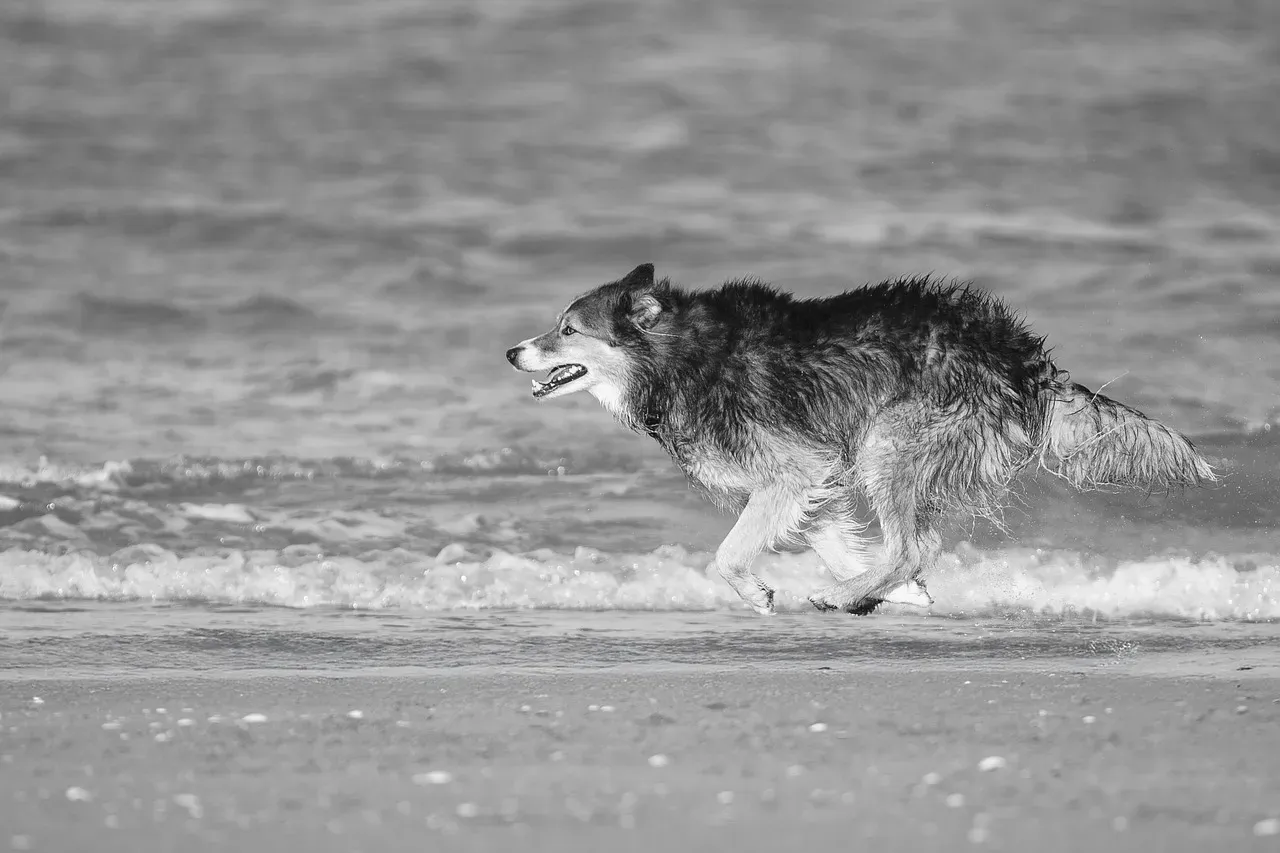
From Great Bear Rainforest to Salish Sea islands, they claim rugged coasts. Estuaries and river mouths draw them during salmon spawns. No roads, pure wild.[2]
Social packs patrol sands at dusk. Tracks tell stories to patient watchers. Their world pulses with tide and tree.[1]
Threats like logging loom, but protections hold – for now.
10. Sacred Figures in Indigenous Lore
Tsimshian, Tlingit, and Haida see them as mythical kin like Gonakadet or Wasgo. Totem poles and stories weave their power into culture. Respect guides human-wolf harmony.[1]
Projects with First Nations teach coexistence, leashing dogs and securing trash. This bond strengthens both. Wolves as kin? Profound stuff.[4]
proves nature’s wildest innovations happen at edges – where forest kisses foam. Their swims, smarts, and spirit remind us wilderness still holds magic. What blows your mind most about these ocean wolves? Share below.
