
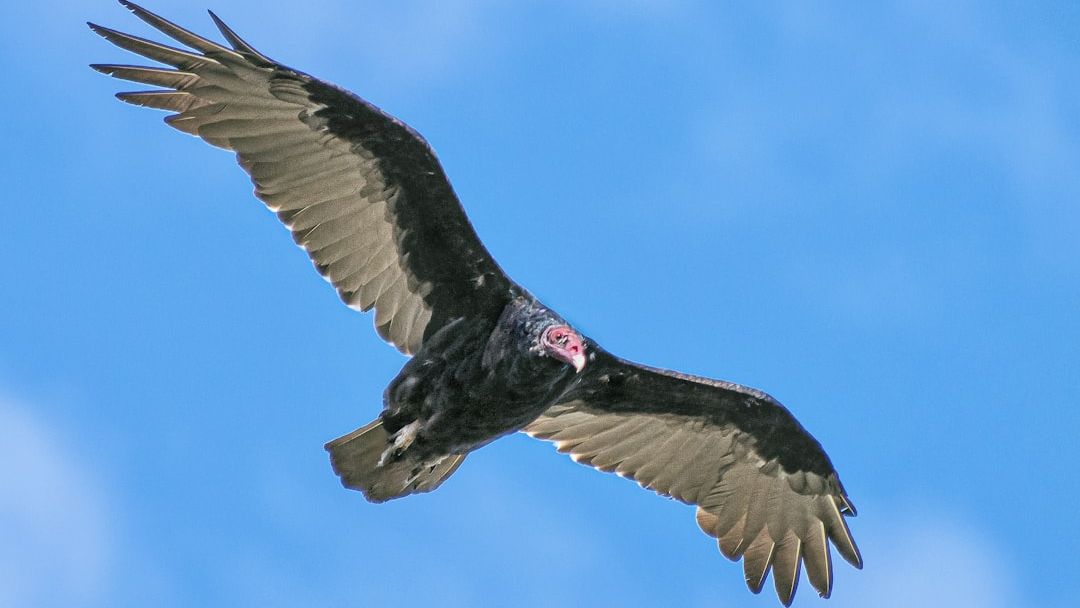
There is something quietly miraculous about watching a species return from the edge of oblivion. These are not fictional stories of resurrection. These are real, documented, sometimes agonizingly slow journeys back from near-extinction, driven by science, willpower, policy, and a stubborn human belief that it is not too late. Some of these animals you know well. Others might genuinely surprise you.
The United States has seen its share of ecological disasters, many of them self-inflicted. Overhunting, pesticide poisoning, habitat destruction, and outright government extermination programs all played their parts in bringing once-thriving species to their knees. Yet the same country also produced the Endangered Species Act, one of the most powerful wildlife protection laws ever written. The results, in some cases, are nothing short of extraordinary. Let’s dive in.
1. The Bald Eagle: America’s Most Iconic Resurrection
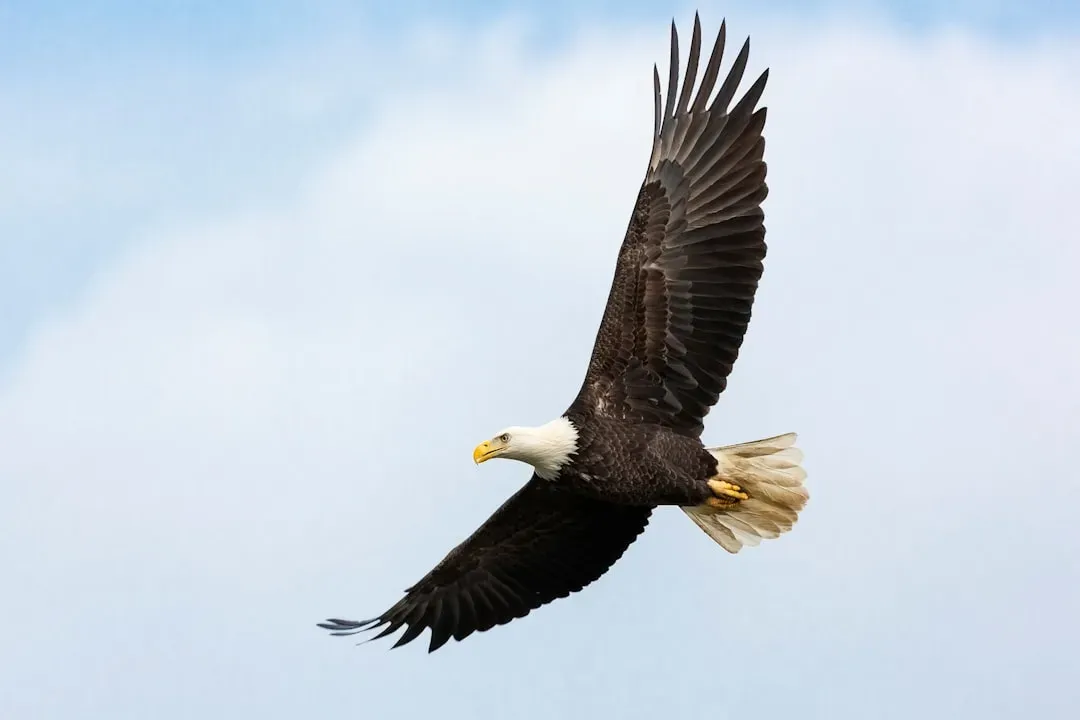
Here is a fact that should genuinely shock you: the very symbol of American freedom, the bald eagle, was nearly gone. In the 1960s, a mere 500 bald eagles could be found soaring across America’s lower 48 states. Dangerous pesticides and chemicals released into bald eagle habitats thinned the shells of their eggs, killing their young. At the lowest recorded point, slightly more than 400 breeding pairs were found in the lower 48 states in 1963.
The turnaround is breathtaking. Thanks to the protections afforded by the Endangered Species Act, bald eagle numbers have rebounded to more than 14,000 breeding pairs today. Captive breeding programs, habitat protection, and a ban on DDT contributed to the successful recovery of this American symbol. Honestly, it is one of the most inspiring stories in the entire history of conservation, and it is proof that policy, when applied boldly, can reverse what seemed irreversible.
2. The Gray Wolf: Yellowstone’s Greatest Gift
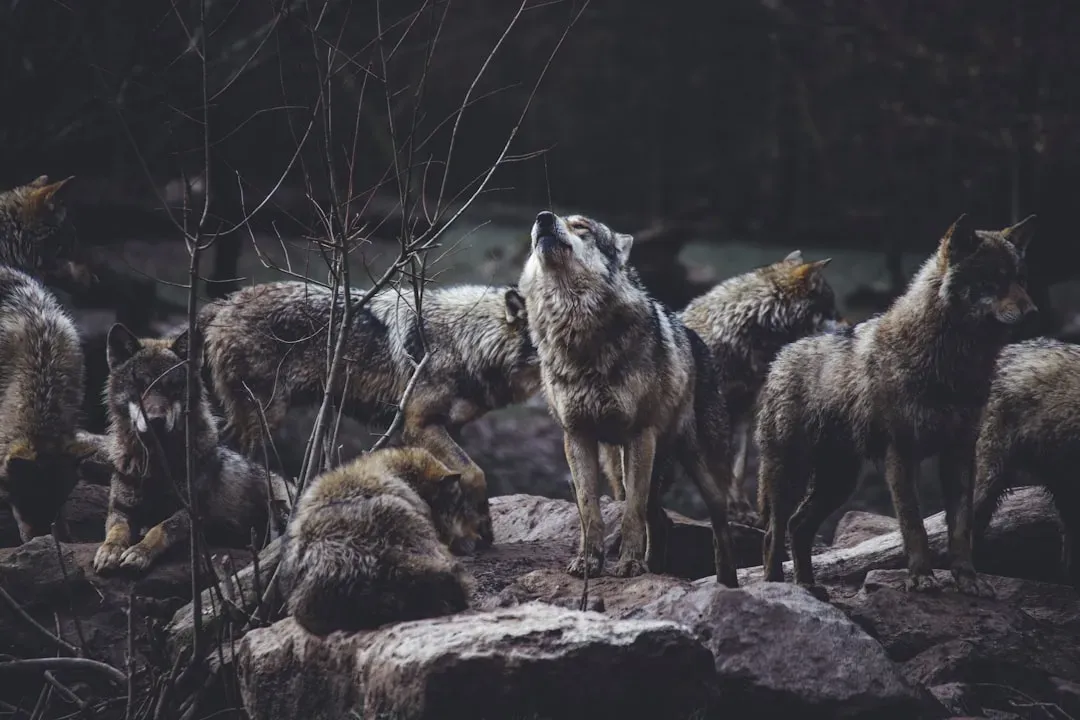
Gray wolves were methodically eradicated from Yellowstone National Park and the surrounding area by the mid-1920s due to government-sanctioned programs meant to protect livestock. Over time, however, researchers began to understand the critical role predators like wolves play in maintaining a healthy ecosystem. Think of it like removing the top brick from an arch. The whole structure starts to crumble.
A landmark reintroduction effort in Yellowstone National Park and central Idaho in the mid-1990s helped restore wolves to key parts of their historical range. Today, approximately 6,000 gray wolves inhabit the Lower 48 states, with established populations in the Northern Rockies, Great Lakes region, and Pacific Northwest. The wolf’s recovery has restored ecological balance in many areas, demonstrating the concept of “trophic cascades,” where top predators help regulate entire ecosystems.
3. The American Bison: From a Few Hundred to Half a Million
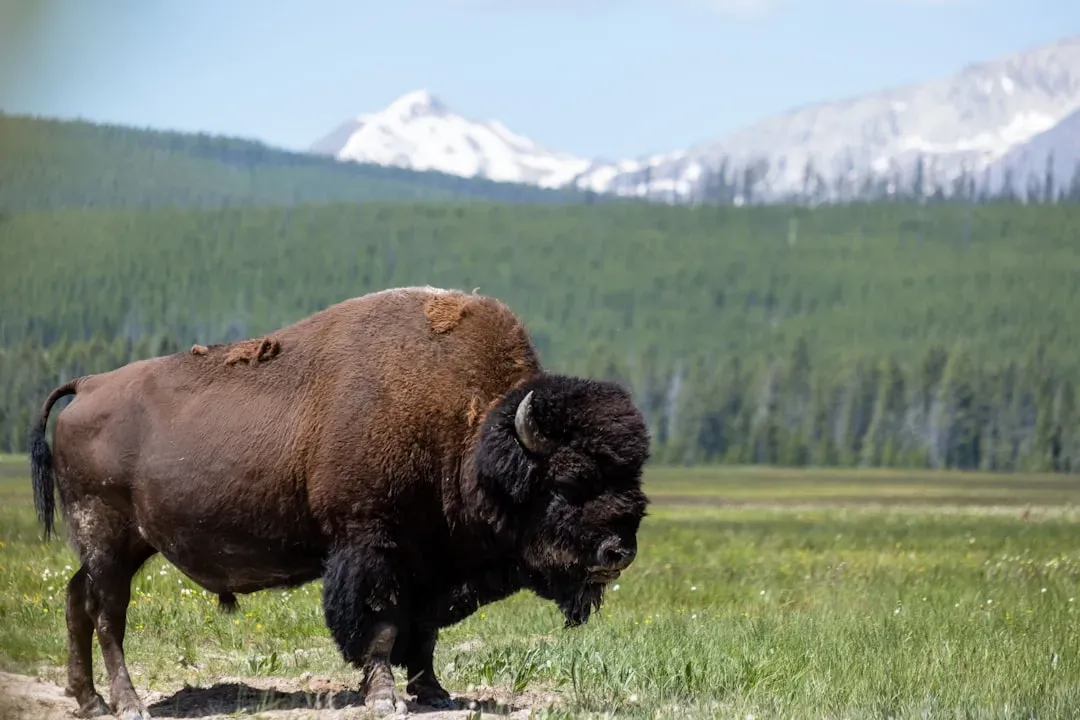
It is hard to even picture it now, but the mighty bison, once thundering across the Great Plains in herds of tens of millions, was reduced to near nothing. Once numbering in the millions, American bison were nearly wiped out, with only a few hundred remaining by the late 1800s. It was one of the most catastrophic wildlife collapses in recorded history. Driven by commercial hunting and deliberate government policy aimed at undermining Indigenous communities, the slaughter was systematic and almost total.
The road to recovery began with the efforts of a few dedicated conservationists who established private herds, including the American Bison Society founded at the Bronx Zoo in 1905. Yellowstone National Park played a crucial role by protecting one of the last wild herds. Today, bison numbers have rebounded to approximately 500,000 across North America, with about 30,000 maintained in conservation herds. In 2016, the American bison was named the national mammal of the United States, symbolizing not just America’s natural heritage but also the possibility of bringing species back from the brink.
4. The California Condor: The Most Daring Rescue in Wildlife History
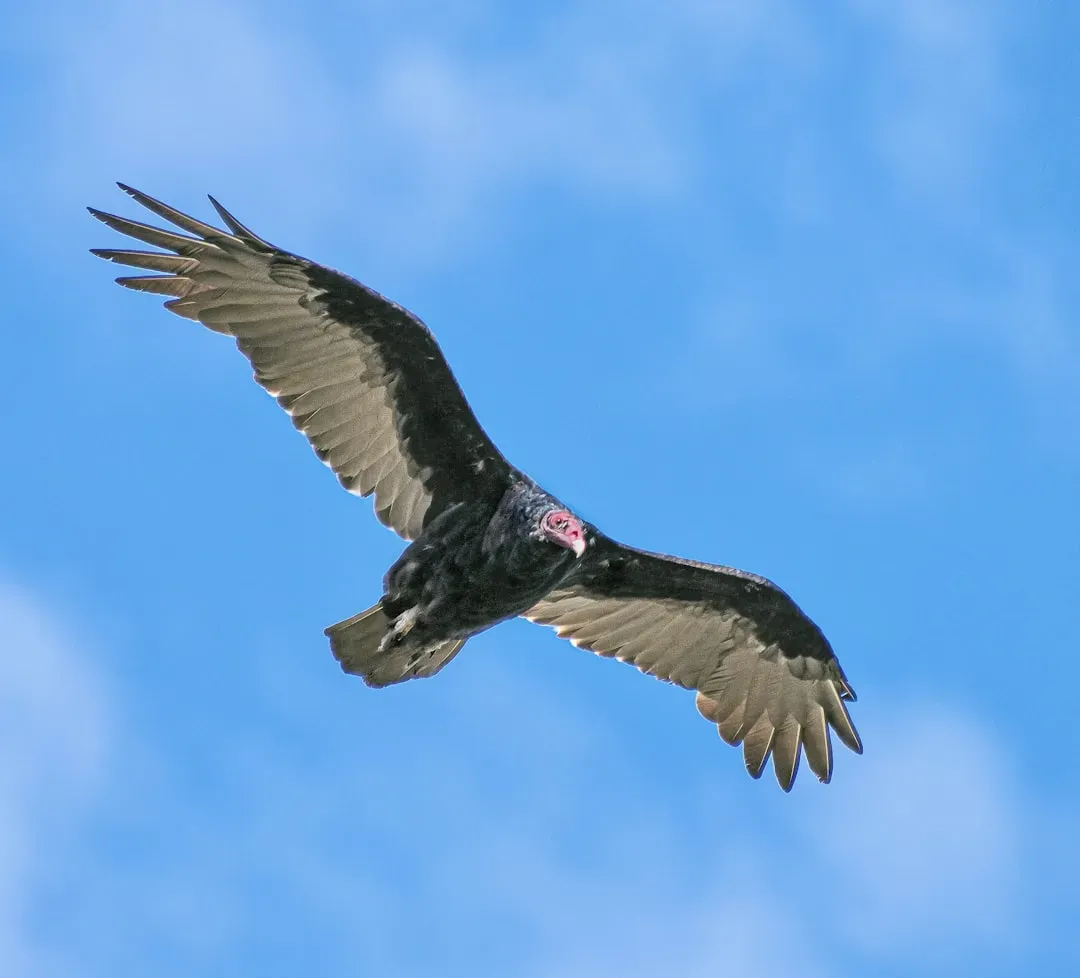
I think this might be the most dramatic conservation gamble ever taken. Poaching, lead poisoning, and habitat destruction nearly drove the California condor to extinction by the late 20th century. In 1987, the U.S. Fish and Wildlife Service made the bold, but risky decision to capture all remaining California condors in the wild, which by that time numbered only 27. Every single one. It was an all-or-nothing bet with a species’ existence.
With every existing California condor now in captivity, efforts focused on breeding the birds at the San Diego Wild Animal Park and the Los Angeles Zoo. Breeding efforts were successful, and in 1991, the condor recovery program began to release the birds back into the wild. Since then, the wild population has grown, and as of 2018 there were an estimated 537 California condors living in the wild or captivity, and in 2019 the 1,000th chick hatched since the launch of the recovery program.
5. The American Alligator: A Recovery So Complete It Became a Model
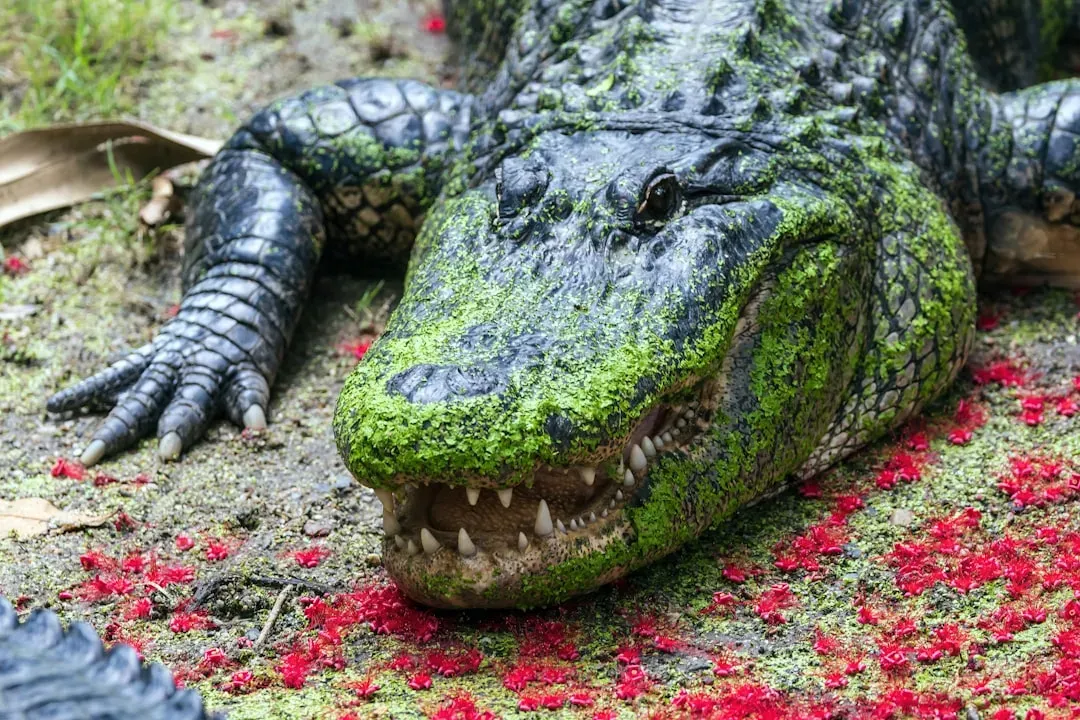
Let’s be real – not many people felt sorry for alligators disappearing. Yet these ancient reptiles, unchanged for millions of years, were being slaughtered for their skins at a staggering rate. The American alligator represents one of the most complete recovery stories among U.S. endangered species. These ancient reptiles were hunted extensively for their valuable hides, pushing them to the edge of extinction by the 1950s. Protected under the precursor to the Endangered Species Act in 1967, alligators experienced a remarkably swift comeback.
By 1987, they were declared fully recovered and removed from the endangered species list. Today, over 5 million alligators inhabit their range across the southeastern United States, with particularly robust populations in Florida and Louisiana. The success was so complete that carefully regulated hunting and farming of alligators is now permitted, providing economic incentives for habitat conservation. It sounds counterintuitive, but making alligators economically valuable to local communities was a key part of keeping them safe.
6. The Humpback Whale: Songs Returning to Silent Seas
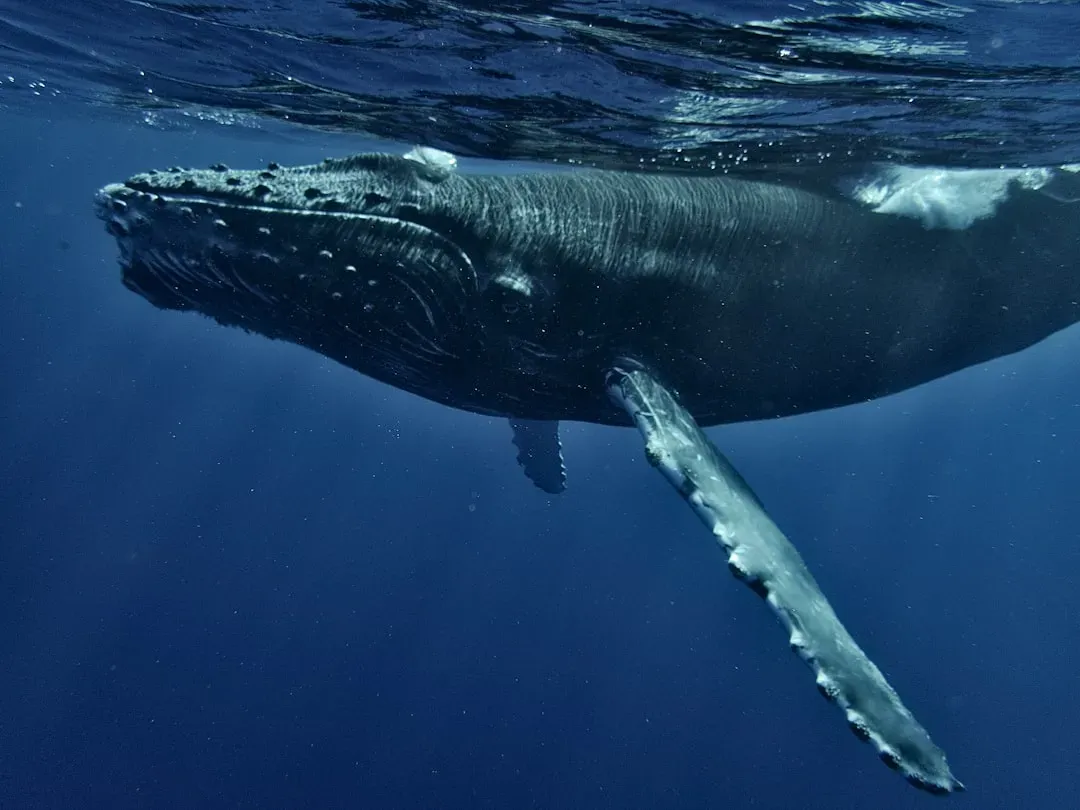
Commercial whaling is one of the most chilling examples of industrial-scale wildlife destruction in human history. Commercial whaling devastated humpback populations throughout the 20th century, with estimates suggesting numbers were reduced by more than 90%. Global protection began in 1966, followed by the 1986 international moratorium on commercial whaling implemented by the International Whaling Commission.
These measures, coupled with habitat protection and reduced ship strikes, allowed humpbacks to stage a remarkable recovery. From a low of perhaps 5,000 individuals worldwide, the global population has rebounded to over 135,000 whales. By 2016, humpback whales recovered enough that nine out of fourteen populations were delisted from the Endangered Species Act. The sound of humpback song echoing through the deep ocean is, in every sense, a victory song.
7. The Peregrine Falcon: The World’s Fastest Bird Almost Never Flew Again
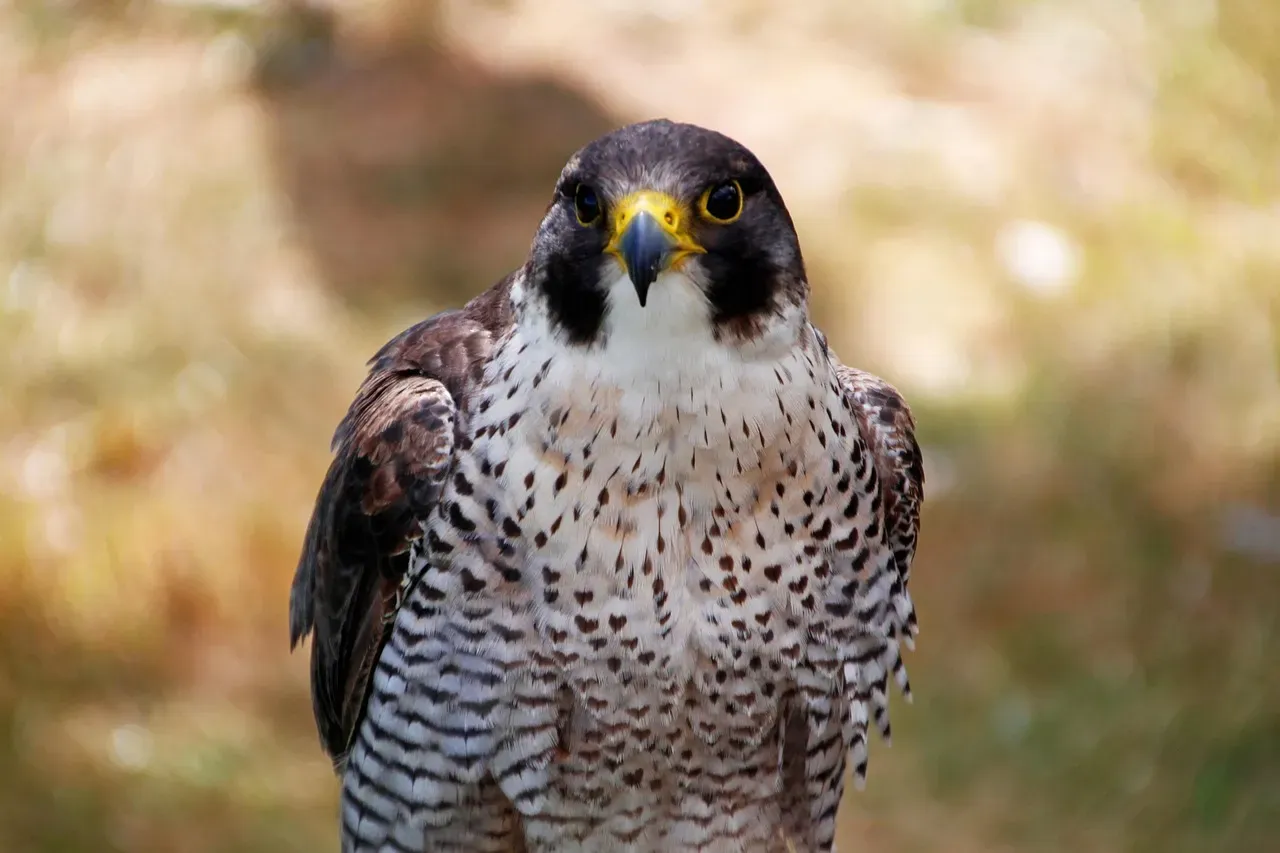
The peregrine falcon, the fastest animal on Earth in a dive, was hurtling toward silence by the mid-20th century. The U.S. population of peregrine falcons dropped from an estimated 3,900 in the mid-1940s to just 324 birds in 1975, and the falcon was considered locally extinct in the eastern United States. DDT, the same pesticide that ravaged bald eagles, caused the same catastrophic eggshell thinning in falcons.
Like the bald eagle, peregrine falcons experienced widespread poisoning from DDT, which led to steep declines in their numbers, particularly in the U.S. With the nationwide ban on DDT, populations began to recover. Peregrine falcons are now legally protected under the Migratory Bird Treaty Act and are supported by breeding programs to help population growth. Their comeback has been truly remarkable. Today, there are approximately 3,500 nesting pairs in the United States. You can even spot them nesting on city skyscrapers in New York and Chicago. Nature, it turns out, is remarkably adaptable.
8. The Black-Footed Ferret: Extinct Twice, Alive Today
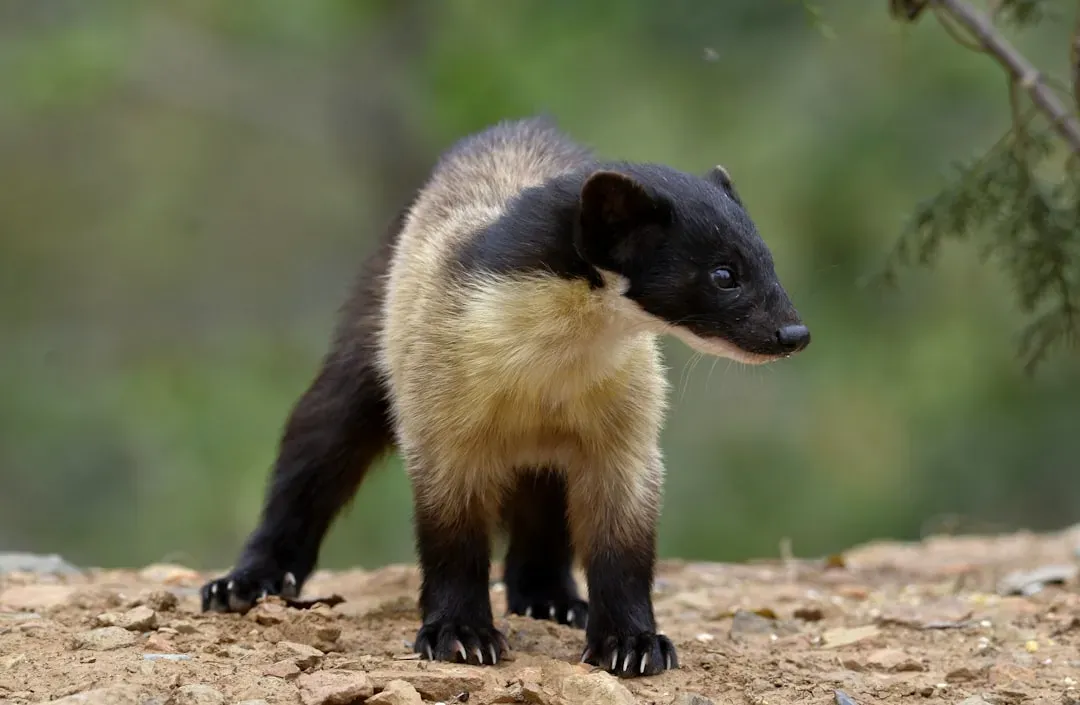
The black-footed ferret’s story is almost too wild to believe. The black-footed ferret’s recovery is among the most remarkable in conservation history, as the species was actually declared extinct twice before making its comeback. These slender predators, specialized to hunt prairie dogs, were decimated by widespread prairie dog eradication programs and sylvatic plague. By 1979, they were believed extinct until a small colony was discovered in Wyoming in 1981.
When disease threatened this last population, the remaining 18 ferrets were captured for an emergency captive breeding program. From these final 18 animals, over 8,000 kits have been born in captivity, with regular reintroductions since 1991 establishing wild populations across the Great Plains and Rocky Mountain states. Eighteen animals. That is fewer than the number of people in a small classroom. The margin of survival here was razor-thin, and yet here we are.
9. The Whooping Crane: Teaching Birds to Fly Home
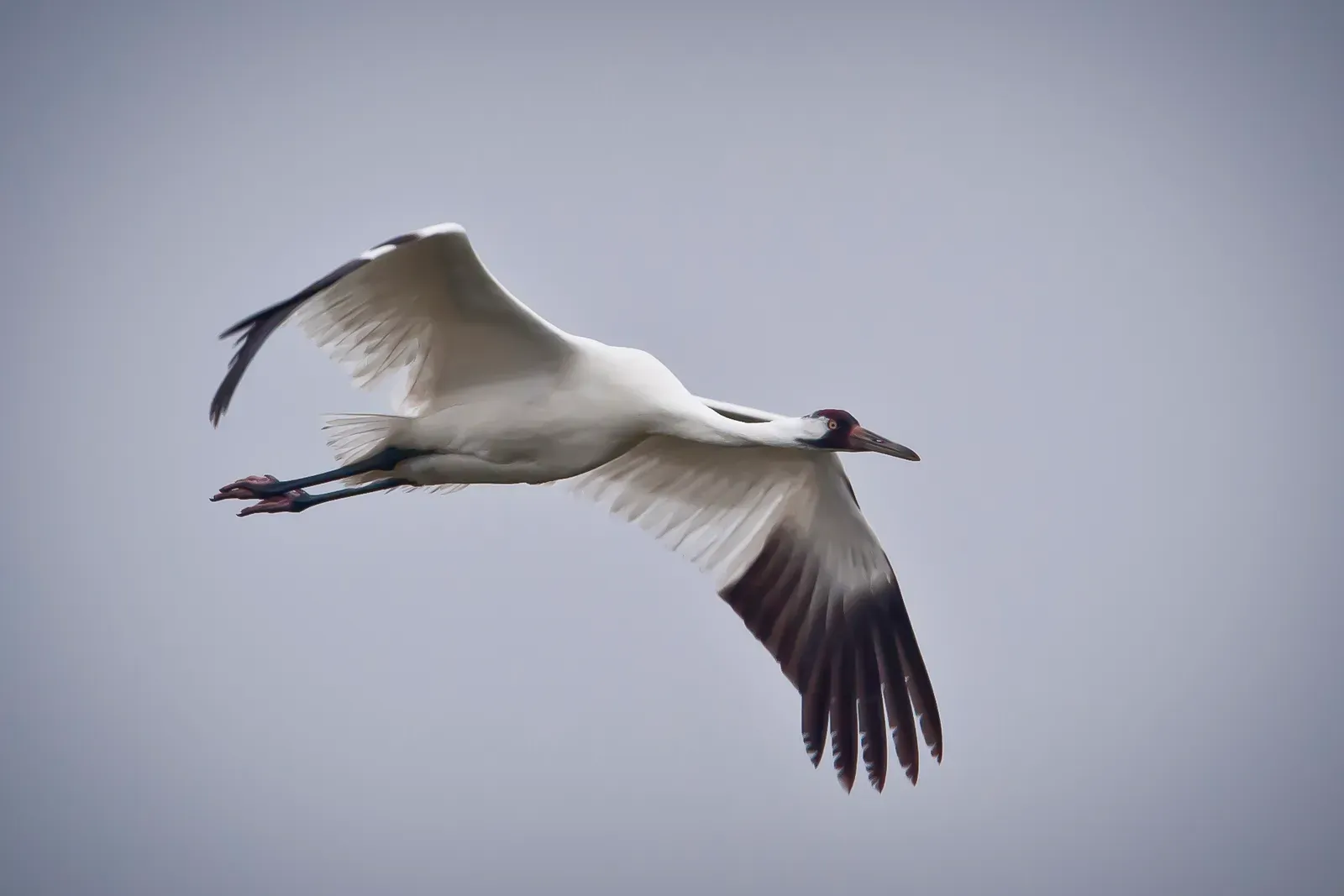
The whooping crane story has one of the most astonishing chapters in all of wildlife conservation. Standing five feet tall with a seven-foot wingspan, these majestic white birds declined to just 15 individuals worldwide by 1941 due to hunting and wetland drainage. Fifteen birds. The entire future of the species rested on a number you could count on your two hands.
Recovery strategies have included captive breeding, creation of multiple wild populations, and the remarkable use of ultralight aircraft to teach captive-raised birds their ancestral migration routes. The Aransas-Wood Buffalo population, which migrates between Texas and Canada, has grown from 15 to about 500 birds. Today, thanks to extraordinary conservation measures, there are over 800 whooping cranes, including approximately 500 in the wild. Conservationists literally had to dress in crane costumes to avoid imprinting young birds on humans. It sounds absurd. It worked.
10. The Red-Cockaded Woodpecker: An Army Base Becomes a Sanctuary
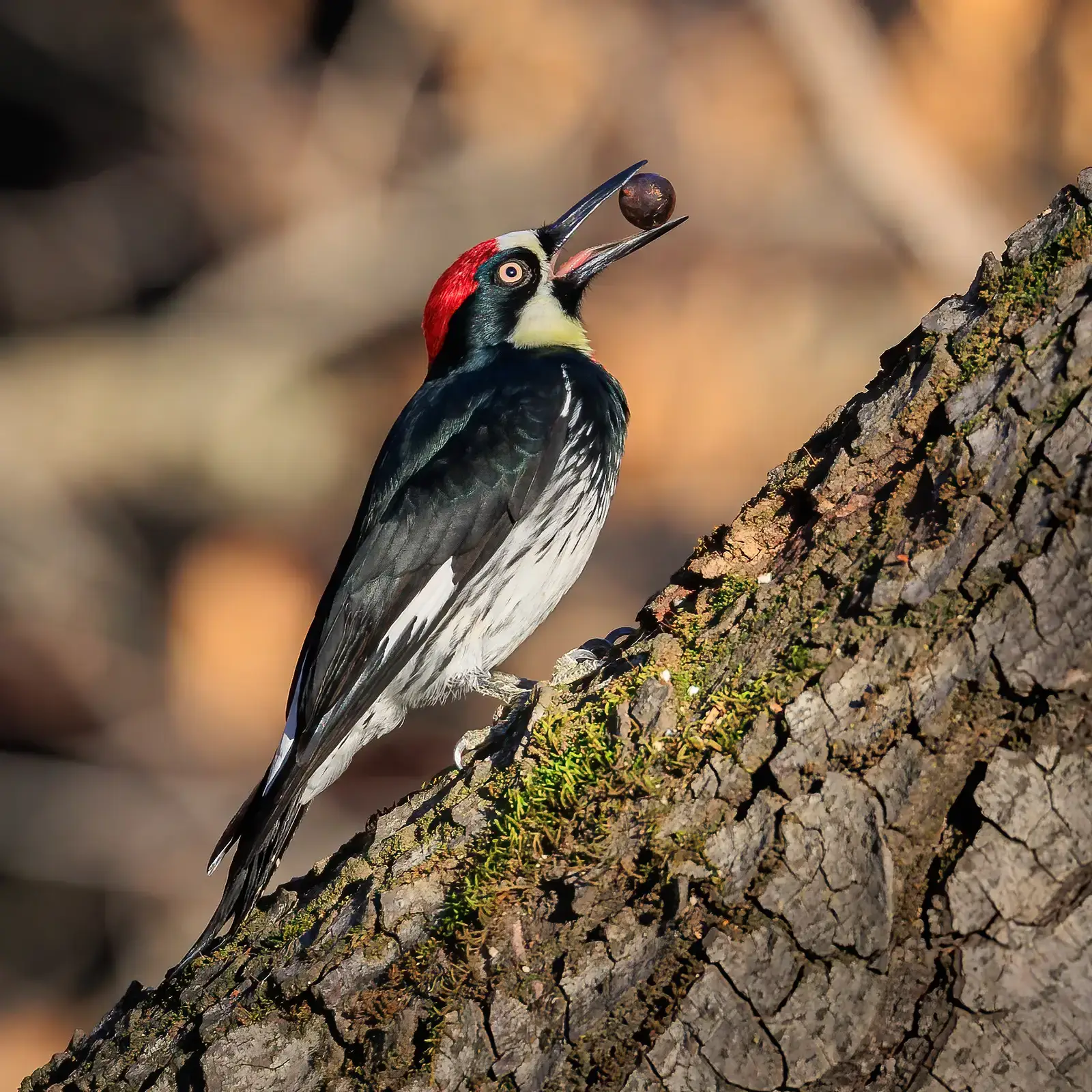
Here is something you probably did not expect: one of the most important habitats for a recovering bird species is a U.S. Army military training base in North Carolina. One of the favorite animal comeback stories has been the red-cockaded woodpecker, an iconic species native to southeastern U.S. pine forests. This small but striking bird was brought to its knees by the systematic logging of old-growth longleaf pine, a forest type that once covered vast stretches of the American Southeast.
After dipping as low as 1,470 nest clusters in the 1970s, the red-cockaded woodpecker has rebounded to over 7,800 today, a recovery big enough to justify removing the bird from the U.S. endangered species list. Since the Act was passed, restrictions were placed on habitat destruction and more than 2.5 million acres of private lands have been enrolled in conservation programs, leading the woodpecker toward recovery. It is a reminder that conservation victories can come from the most unexpected partnerships imaginable.
A Final Thought Worth Sitting With
These ten stories share something important in common. None of them happened by accident. Every single one required deliberate human effort, political will, scientific ingenuity, and often decades of painstaking work. It is easy to feel overwhelmed by the countless stories of wildlife species declining or balancing precariously at the brink of extinction. Amidst these disheartening stories, it is important to remember that we have the power to reverse wildlife declines and bring species back from near extinction. Through collaborative partnerships, bold efforts, and decisive investments, conservationists have recovered wildlife species that have suffered dramatic declines.
The ESA has been highly effective and credited with preventing the extinction of over 99% of the listed species it has protected over its 50-year history. More than 100 species of plants and animals have been delisted due to recovery actions or downlisted from endangered to threatened based on improved conservation status. The numbers speak clearly. When we choose to act, nature responds. The bald eagle soaring overhead, the wolf howling in Yellowstone, the condor riding thermals over the California coast – they are all living proof of what is possible.
The real question is not whether we can save endangered wildlife. We know we can. The question is whether we will choose to. What do you think – which of these comeback stories surprised you the most?

- Why Veterinarians Say If Your Cat Sleeps With Their Back to You, It's the Highest Form of Trust in Feline Behavior - July 20, 2026
- Animal Science Says Ravens Remember Human Faces for Years and Warn Other Ravens About Dangerous People - July 20, 2026
- Marine Biology Says When Dolphins Suddenly Go Silent in Open Water It's Not Rest – They've Detected a Predator You Cannot See and Their Survival Strategy Reveals How They Read Danger - July 20, 2026