
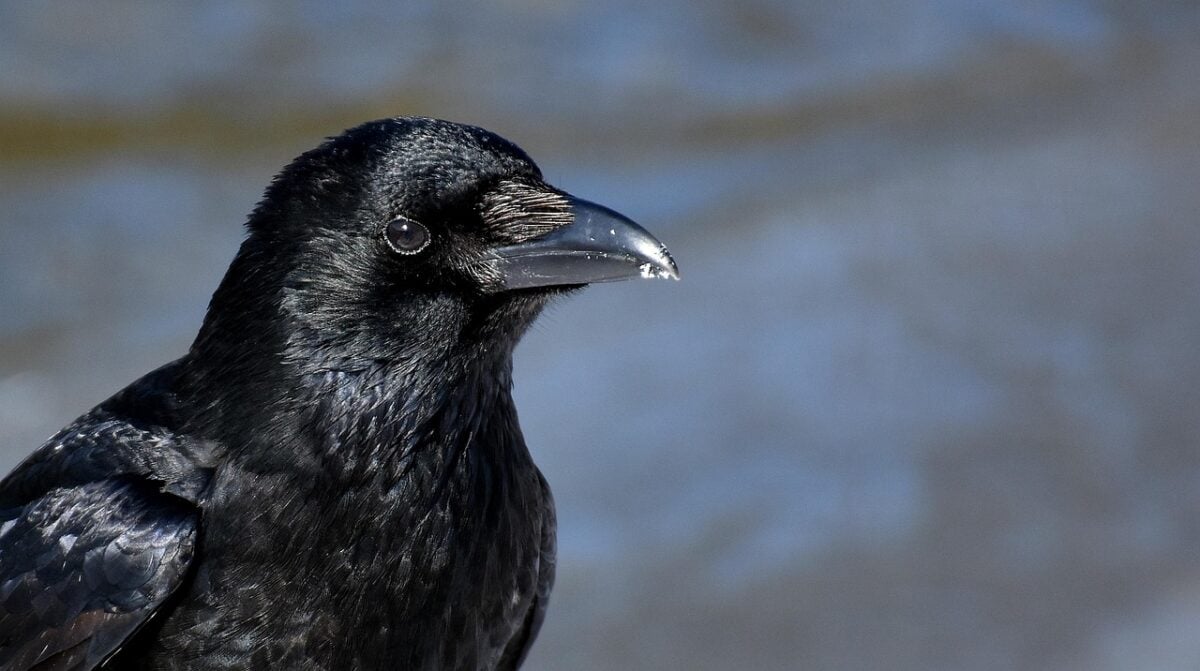
Ravens’ Remarkable Memory: Recognizing Human Faces
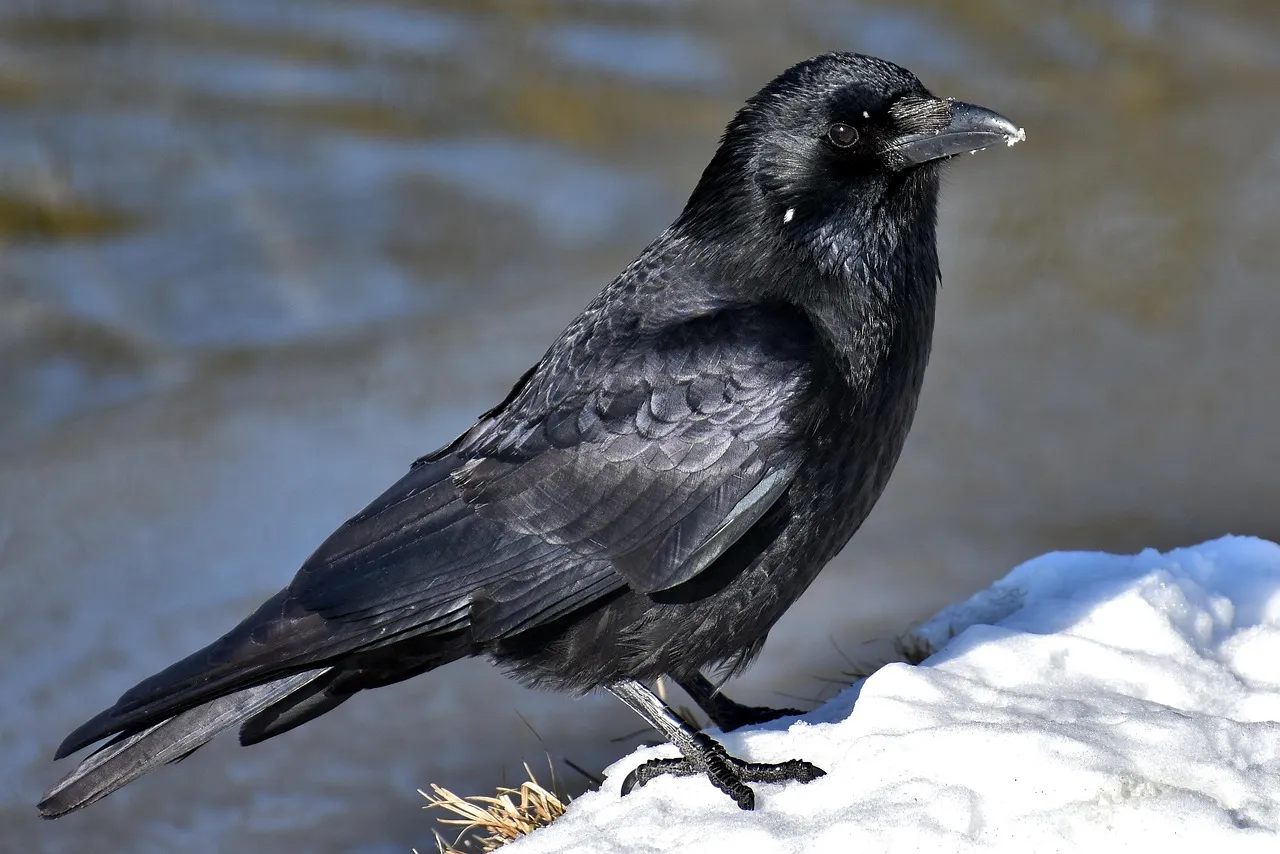
Imagine encountering a raven today and, years later, that same bird recalls your face and the nature of your interaction. Studies have shown that ravens possess the ability to recognize individual human faces and remember them for extended periods. This cognitive prowess allows them to differentiate between people based on past experiences, whether positive or negative. Such recognition is not merely a fleeting memory; it can influence their behavior towards specific individuals for years.
This ability is not unique to ravens but is shared among corvids, a family that includes crows and magpies. Research indicates that these birds can associate human faces with particular experiences, leading to behaviors like avoidance or aggression towards individuals they’ve had negative encounters with. This suggests a sophisticated level of memory and social intelligence previously underestimated in avian species.
The Science Behind Ravens’ Facial Recognition
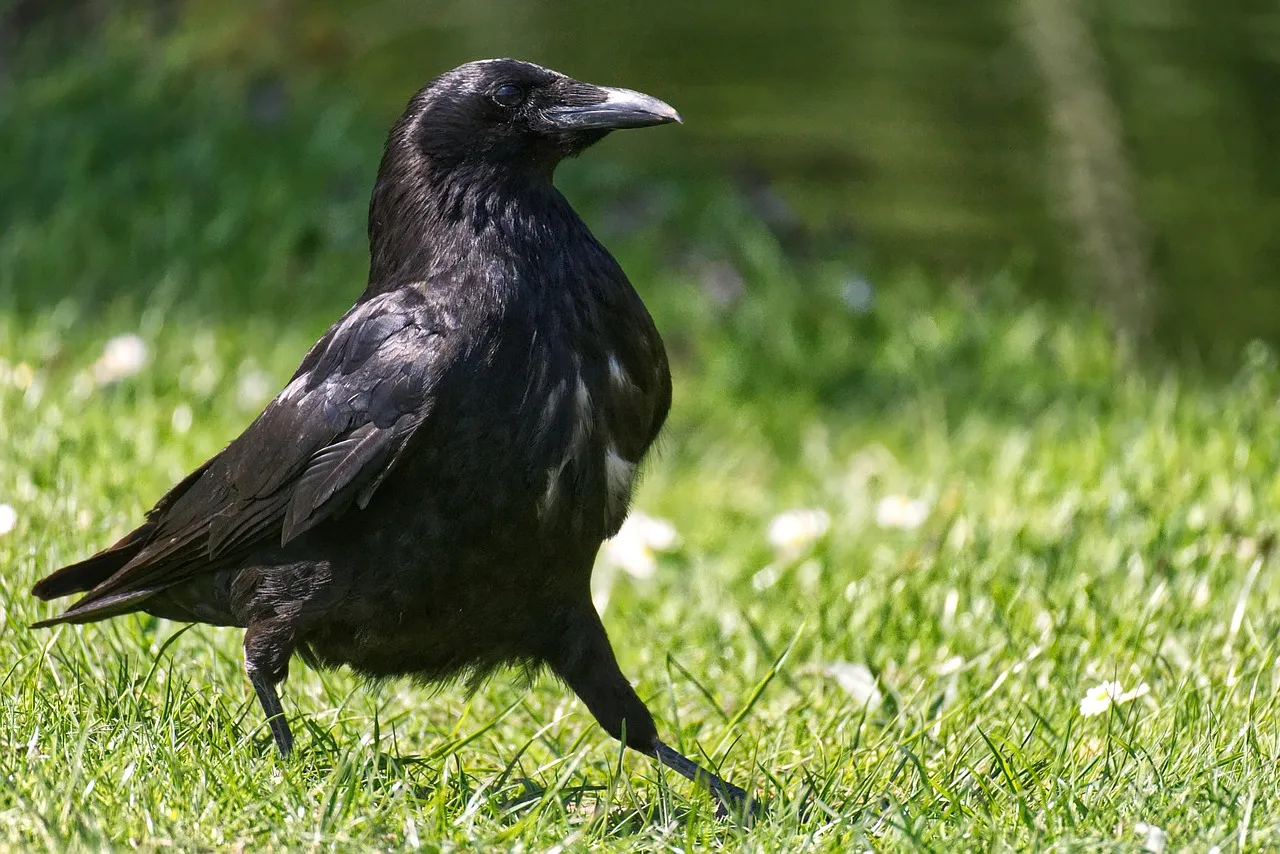
Delving into the neurological aspects, ravens’ brains are structured to support complex cognitive functions. Their nidopallium caudolaterale, analogous to the mammalian prefrontal cortex, plays a crucial role in decision-making and social interactions. When a raven perceives a human face, this brain region processes the visual information, linking it to emotional responses based on past interactions. This integration enables ravens to form lasting memories associated with specific individuals.
Furthermore, brain imaging studies have revealed that when ravens view faces associated with negative experiences, areas related to fear and threat assessment become active. This neural response underscores their ability to not only recognize but also emotionally evaluate human faces, leading to behaviors that enhance their survival in environments shared with humans.
Social Learning: How Ravens Share Information About Threats
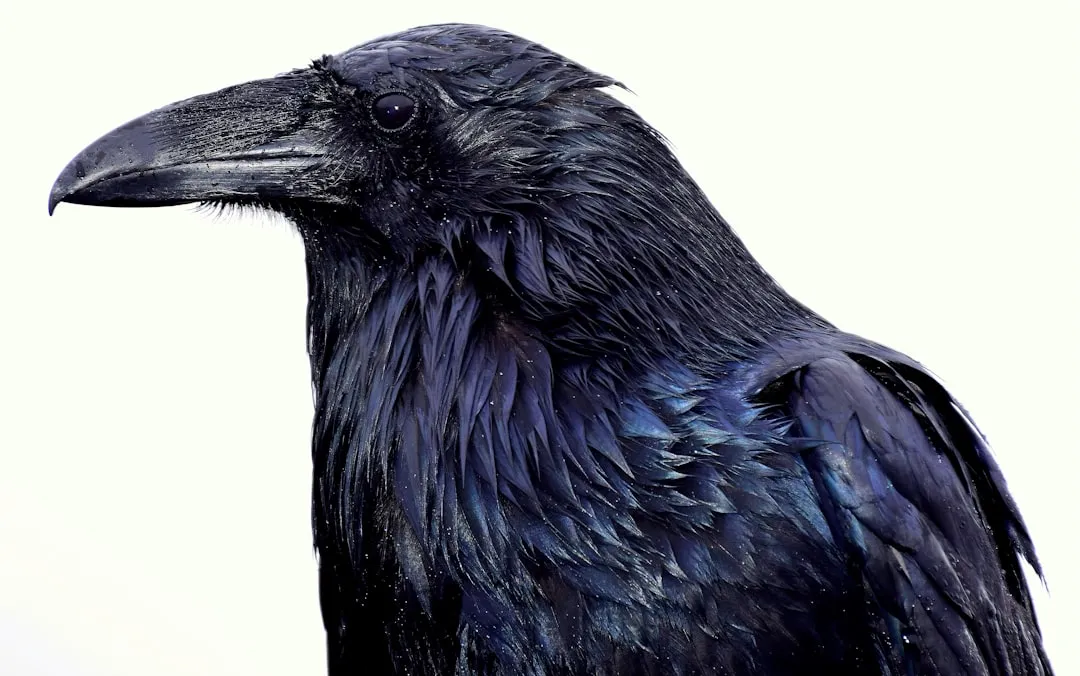
Ravens are not solitary learners; they engage in social learning, sharing information about potential threats within their groups. When a raven identifies a dangerous individual, it communicates this knowledge to its peers through vocalizations and behaviors. This collective awareness ensures that even ravens who haven’t directly encountered the threat are informed and can respond appropriately.
This transmission of information is not limited to immediate peers. Observations have shown that knowledge about dangerous humans can persist across generations. Juvenile ravens learn from adults about specific threats, ensuring the community’s safety over time. This cultural transmission highlights the depth of their social structures and the importance of shared knowledge in their survival strategies.
Implications for Human-Raven Interactions
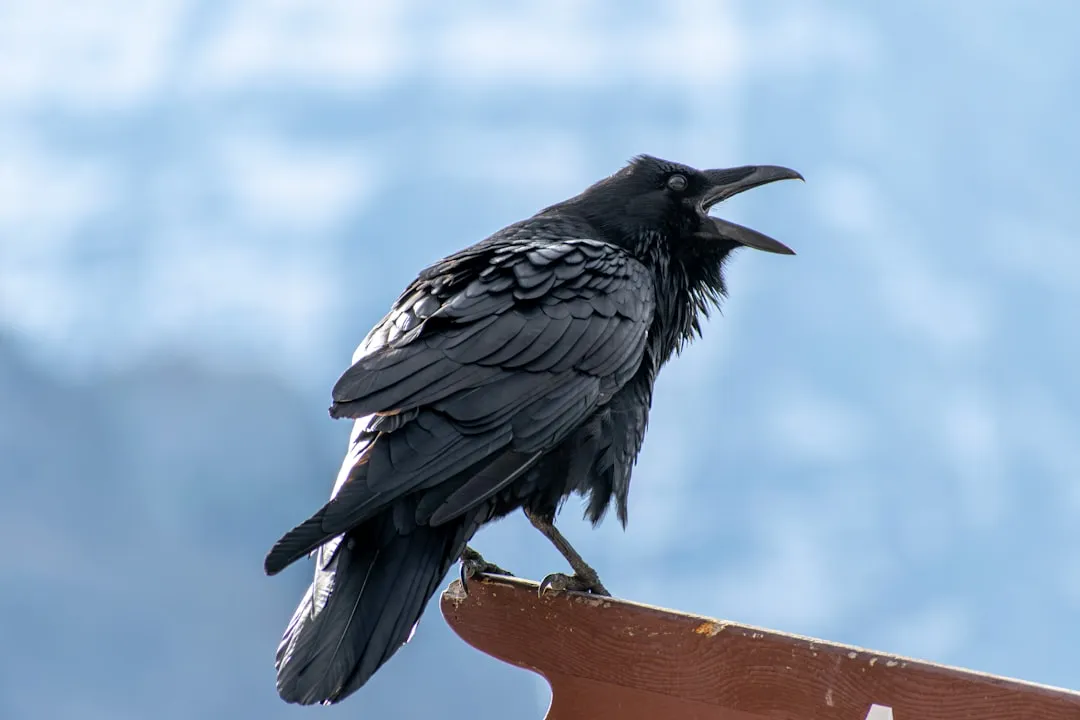
Understanding ravens’ capacity for facial recognition and memory has significant implications for human interactions with these birds. Actions perceived as threatening or harmful can lead to long-term negative associations, not just with an individual raven but potentially with an entire group. This can result in behaviors like scolding, mobbing, or avoidance, affecting the dynamics between humans and ravens in shared environments.
Conversely, positive interactions can foster trust and even cooperative behaviors. There are accounts of ravens bringing small tokens to humans who have treated them kindly, indicating a capacity for reciprocal relationships. Recognizing and respecting their intelligence and memory can lead to more harmonious coexistence and appreciation of these remarkable birds.
Ravens’ Cognitive Abilities: Beyond Facial Recognition
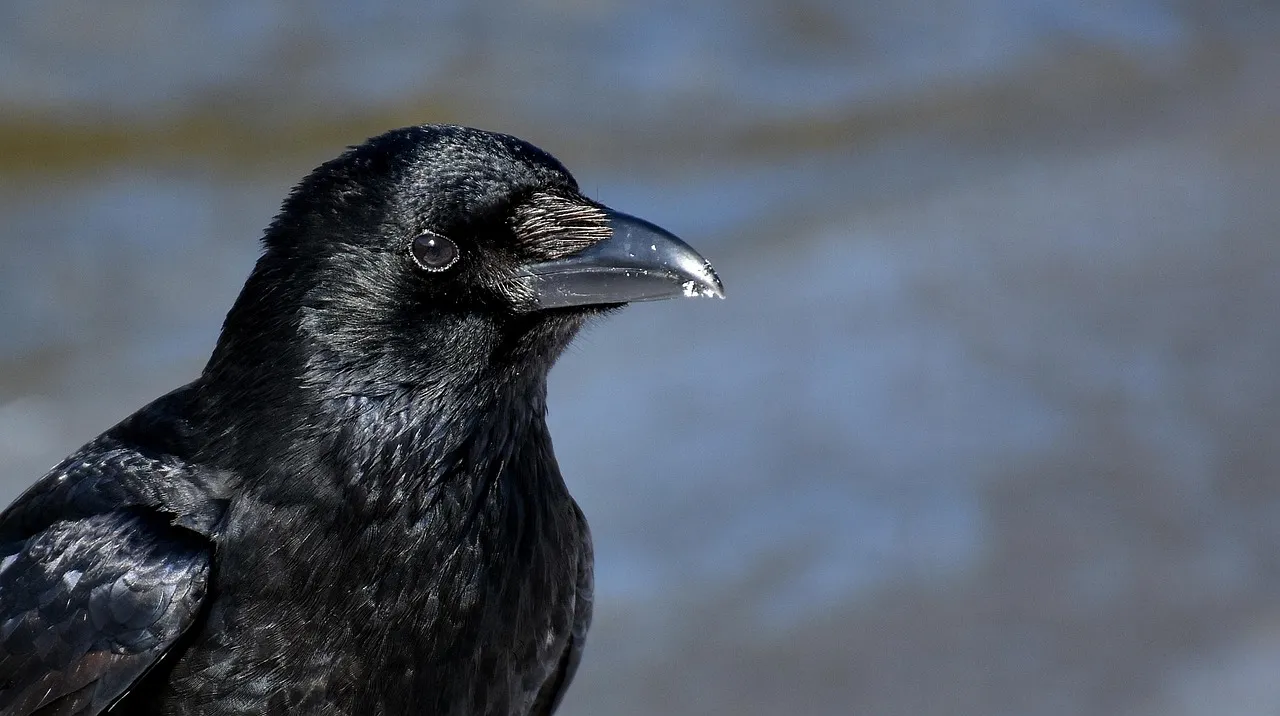
Ravens’ intelligence extends beyond recognizing human faces. They exhibit problem-solving skills, use tools, and display behaviors indicative of planning and foresight. For instance, ravens have been observed using sticks to extract food from hard-to-reach places, demonstrating an understanding of tool use comparable to that of some primates.
Their social intelligence is equally impressive. Ravens engage in complex social interactions, form alliances, and even console each other in times of distress. These behaviors suggest a level of emotional intelligence and social awareness that challenges traditional views of avian capabilities.
Evolutionary Advantages of Memory and Social Learning
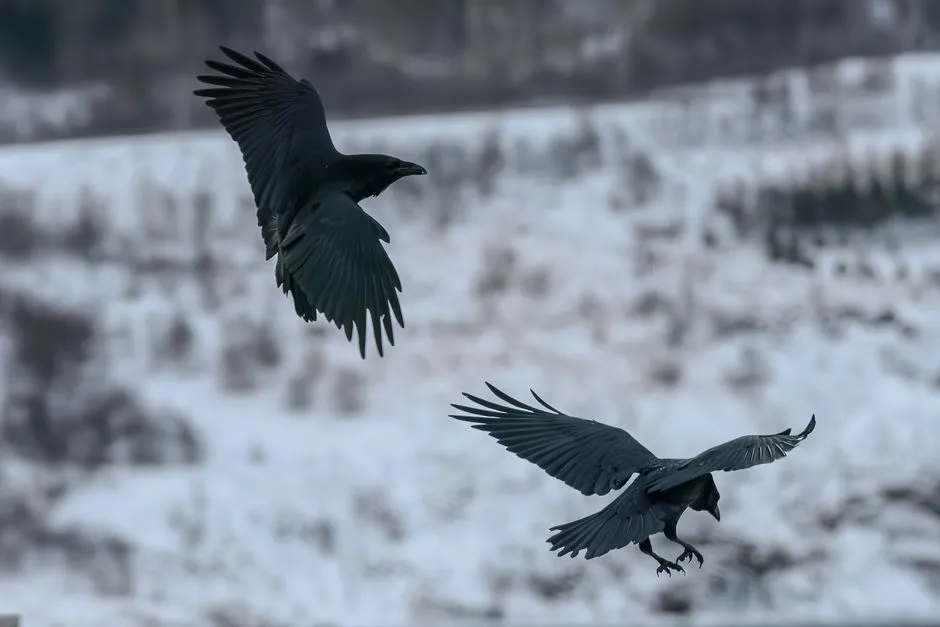
The ability to remember individual human faces and share information about threats provides ravens with significant evolutionary advantages. By recognizing and avoiding dangerous individuals, they increase their chances of survival. Social learning ensures that knowledge about threats is disseminated throughout the group, enhancing collective safety.
This combination of memory and social learning allows ravens to adapt to changing environments, especially those influenced by human activity. Their cognitive flexibility and adaptability have enabled them to thrive in diverse habitats, from remote wilderness areas to urban settings.
Conclusion: Rethinking Our Relationship with Ravens
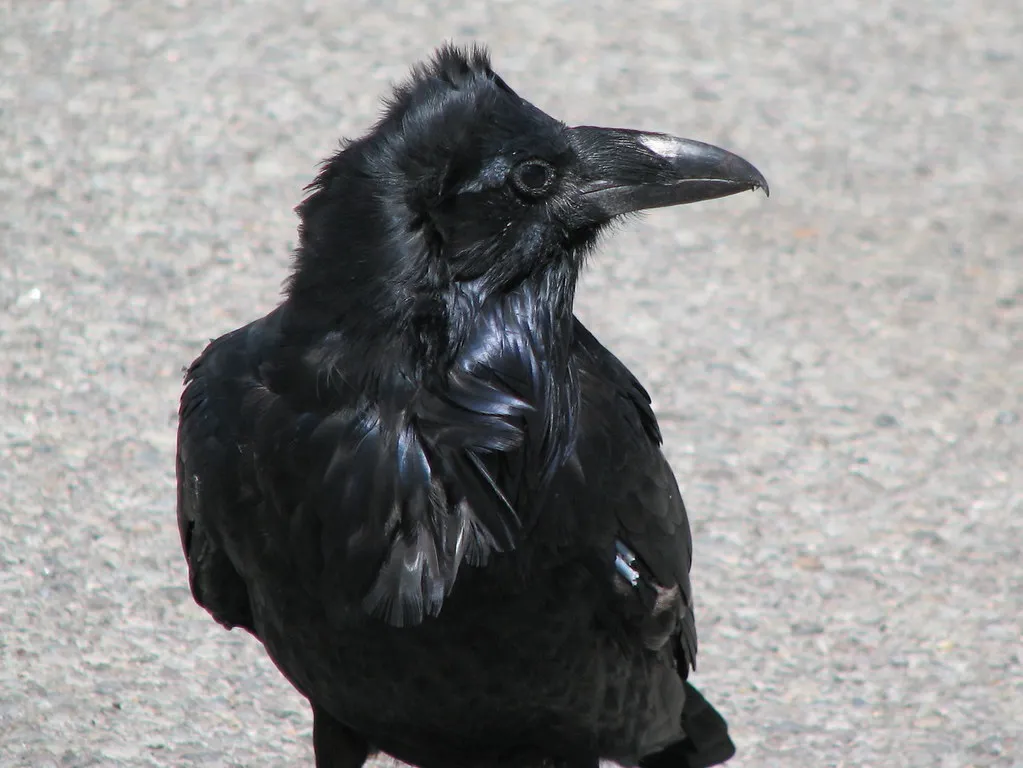
The revelation that ravens can remember human faces for years and communicate about dangerous individuals challenges our understanding of animal intelligence. It prompts us to reconsider how we interact with wildlife, recognizing that our actions can have lasting impacts on their behavior and well-being. By fostering positive interactions and respecting their cognitive abilities, we can build a more harmonious relationship with these intelligent and perceptive birds.
Isn’t it time we acknowledged the depth of intelligence in the natural world and adjusted our behaviors accordingly?
