

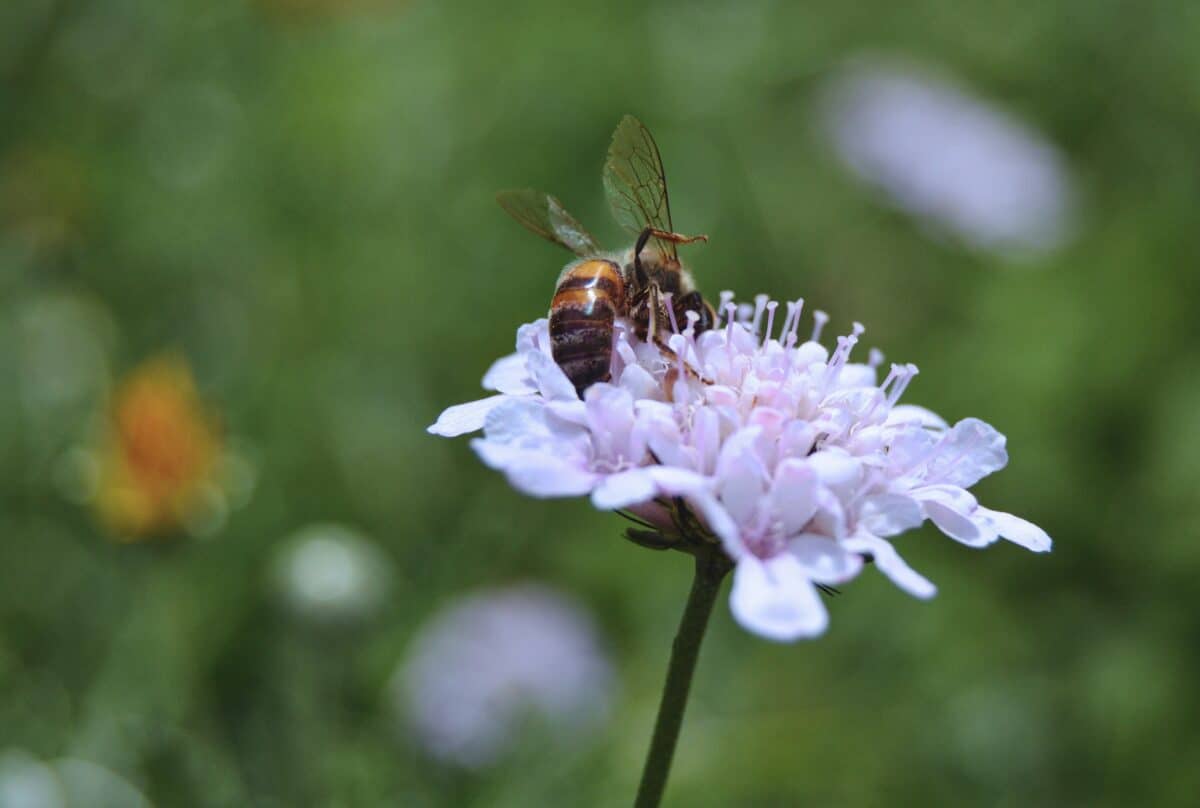
In the world of nature, size isn’t always indicative of strength or power. Some insects, despite their diminutive stature, pack a punch far greater than their size might suggest. Equipped with incredible adaptations, these tiny warriors have evolved ways to overpower creatures much larger than themselves. This captivating article will explore ten such insects, highlighting their prowess in the natural world. Join us on this intriguing journey to understand how these tiny titans tackle the giant challenges before them.
10. Bullet Ant
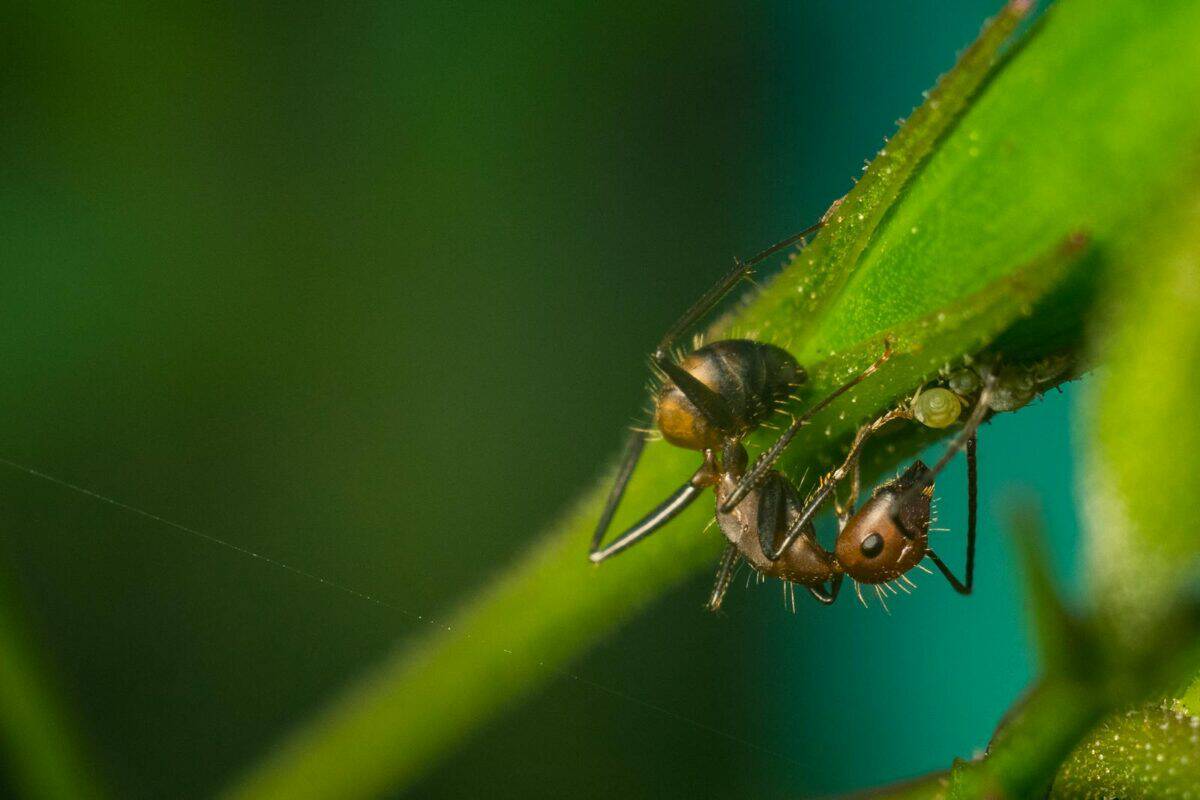
The bullet ant, often found in the rainforests of Central and South America, is infamous for its powerful sting. Measuring about an inch in length, the bullet ant’s sting is considered the most painful insect sting in the world. Its venom interferes with the nervous system, causing waves of intense pain that can incapacitate much larger animals that threaten its colony. The bullet ant’s venom is so potent, it’s often compared to the feeling of being shot.
9. Driver Ant

Driver ants, native to sub-Saharan Africa, are one of the most feared insect species in their habitat. They travel in massive, organized colonies that can include millions of individuals. The ants have powerful mandibles that can crush bones and flesh, making them capable of overwhelming larger animals through sheer numbers. Even small mammals that fail to escape a driver ant swarm can be quickly subdued and devoured.
8. Japanese Giant Hornet

This fearsome hornet, native to Japan, is the largest of its kind, capable of preying on larger insects and even small rodents. Its potent venom contains a neurotoxin that can cause anaphylactic shock and even tissue necrosis. The Japanese giant hornet uses its formidable sting to defend its nest and hunt, showcasing remarkable strength despite its modest size.
7. Army Ant

Much like their driver ant cousins, army ants are known for their aggressive group behavior. Found in Central and South America, these ants are relentless predators that take on much larger creatures using their collective strength. They can overwhelm animals by attacking in large numbers, using their strong jaws to inflict lethal bites. Their unyielding advance forces larger animals to flee and disrupts local ecosystems.
6. Assassin Bug

Assassin bugs are predators that specialize in taking down larger insects. Armed with a sharp proboscis, they inject a powerful enzyme into their prey, liquefying the internal organs, which they then consume. Some species of assassin bugs go after vertebrates by delivering painful bites that can deter or disable potential threats significantly larger than themselves.
5. Antlion Larva
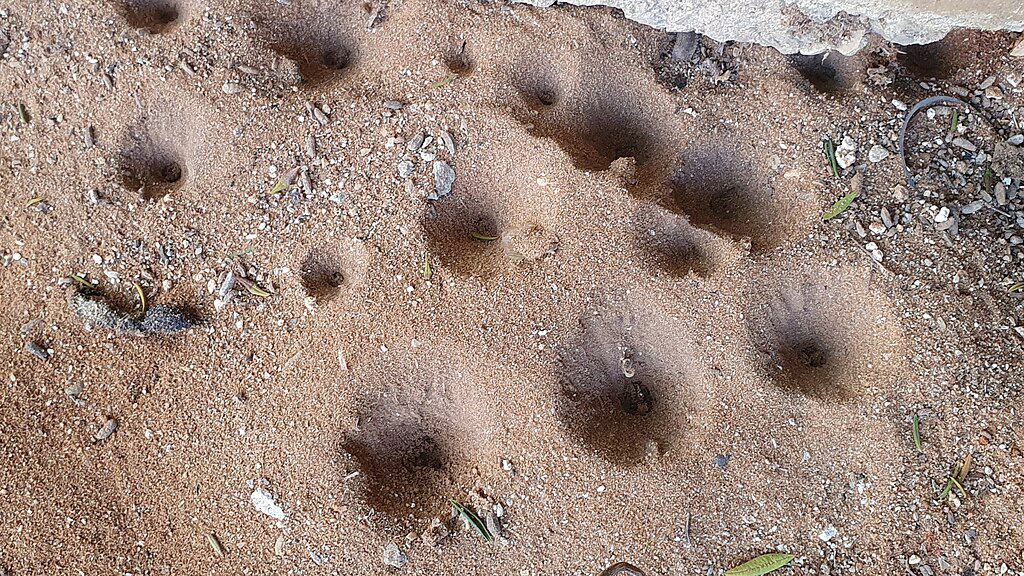
Though delicate in appearance, antlion larvae are formidable hunters. These voracious predators dig conical pits in sandy soil to trap unsuspecting insects that wander too close. Once trapped at the bottom, the prey is at the mercy of the antlion’s powerful jaws, which can easily take down insects larger than the larva itself.
4. Velvet Ant (Cow Killer)
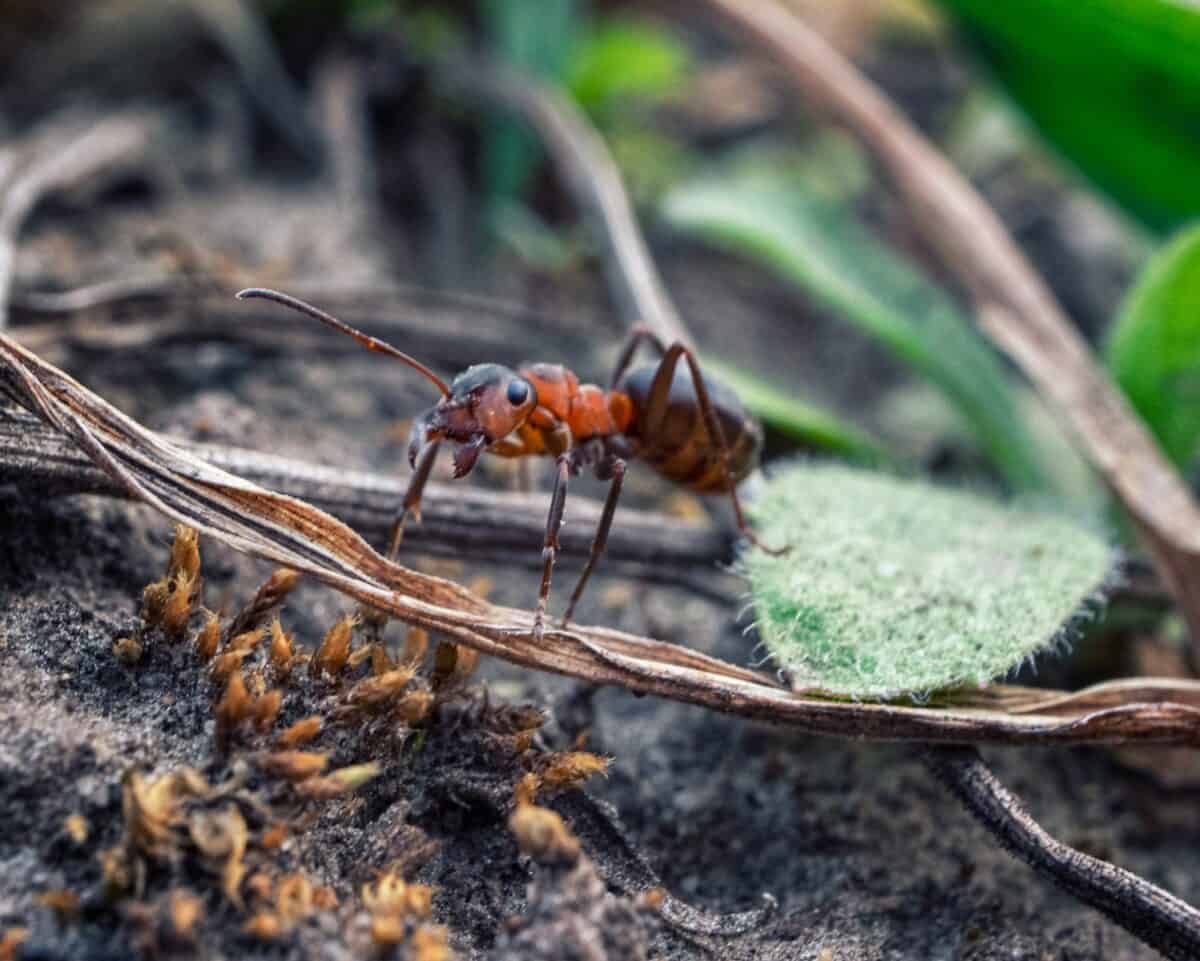
Despite their nickname, velvet ants are a type of wingless wasp. They possess a sting that can reportedly take down cows, though this is more folklore than fact. Still, their sting is extremely painful and can incapacitate predators and larger animals, hence their fearsome reputation as “cow killers.”
3. Bombardier Beetle

The bombardier beetle is a master of chemical warfare. When threatened, it releases a boiling, toxic spray from its abdomen. This potent chemical concoction can repel and even incapacitate much larger predators, such as birds and small mammals, effectively neutralizing the threat.
2. Parasitic Wasp
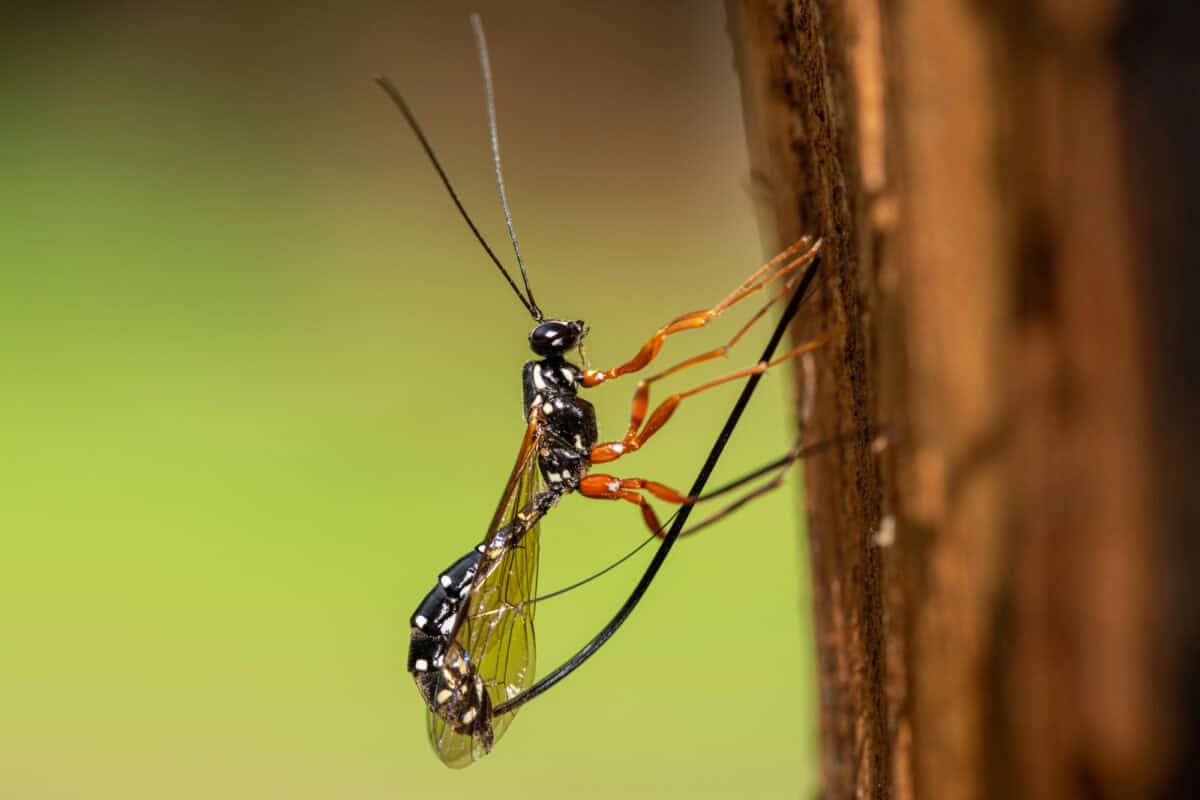
Parasitic wasps employ a sinister method to subdue much larger hosts. They inject their eggs into or onto living hosts, typically caterpillars or other insects. As the larvae grow, they consume the host from the inside, eventually killing it. This behavior highlights the wasps’ ruthless efficiency as a predator.
1. Killer Bee (Africanized Honey Bee)
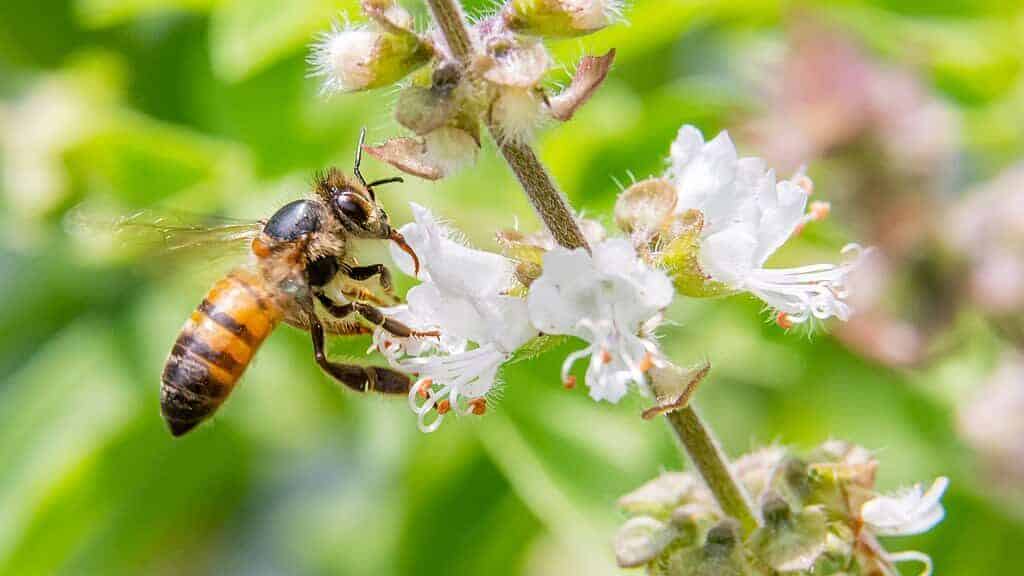
Often referred to as “killer bees,” Africanized honey bees are known for their aggressive nature and tendency to swarm. A group of these bees can chase intruders for long distances, delivering numerous painful stings. While a single sting isn’t fatal to larger animals, the collective swarm can cause serious injury or even death through persistent attacks.
Conclusion: Mighty Insects of the Animal Kingdom

Insects have evolved an astounding array of adaptations that enable them to survive and thrive in diverse environments, often against larger adversaries. Through sheer numbers, potent venom, or ingenious hunting strategies, these tiny warriors demonstrate that in nature, size isn’t the only determinant of power. These remarkable creatures remind us of the hidden might within the smallest forms of life, making the natural world an endlessly fascinating place to explore.

As a little kid, I fell in love with nature, wildlife, and animals. Living in the USA, South Africa, Italy, China and Germany gave me the opportunity to discover the world's Wildlife. My favorite animals are Mountain Gorillas, Siberian Tigers, and Great White Sharks.
I'm a certified PADI Open Water Diver, went to Everest Base Camp and Trekked Gorillas in Uganda. I hold a Master of Science in Economics and Finance.
Please send any feedback to feedback@animalsaroundtheglobe.com
- 14 Stunning Animals You Can See in India - July 18, 2026
- The Most Enormous Lobster Ever Pulled From Maine Waters - July 18, 2026
- The Most Dangerous Waters for Sharks in North America - July 18, 2026