
is a state that quietly earns its reputation as one of North America’s great wildlife strongholds. It sits at a rare intersection of boreal forests, tall-grass prairies, vast wetlands, and cold northern lakes, and that variety of terrain invites creatures of remarkable scale. The state’s wildlife diversity is shaped by a meeting of major North American biomes, from boreal forest and Canadian Shield lake country in the north, to Big Woods and wetland systems through the center, and tallgrass prairie in the south and west. Thousands of lakes, peatlands, and the Mississippi and Red River basins make especially strong for large mammals, waterbirds, and freshwater fish.
Some of the animals roaming or swimming through this landscape are genuinely staggering in size. A few are well known, others much less so. Either way, the sheer scale of what lives here, above the waterline, below it, and soaring overhead, deserves a proper look.
#1. Moose
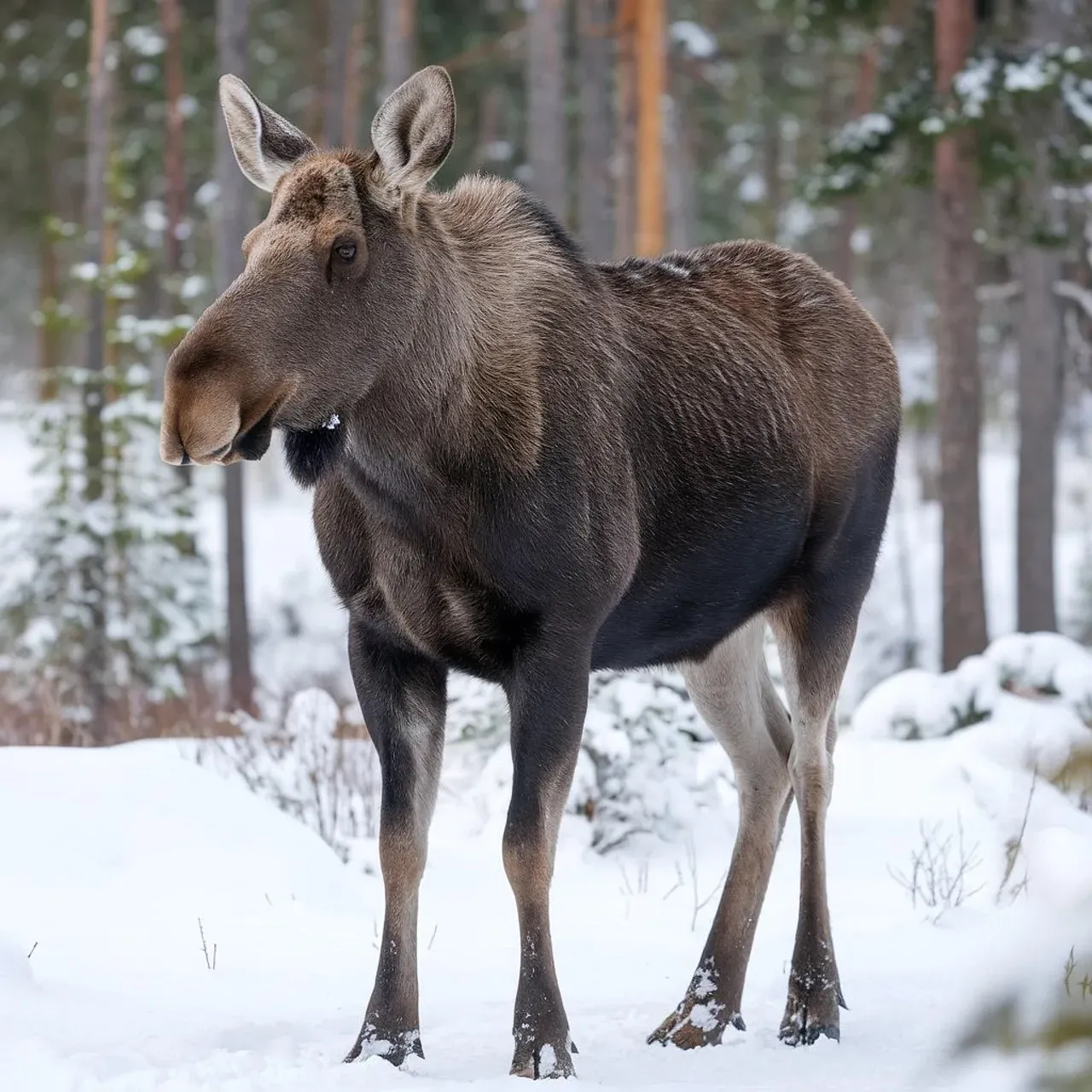
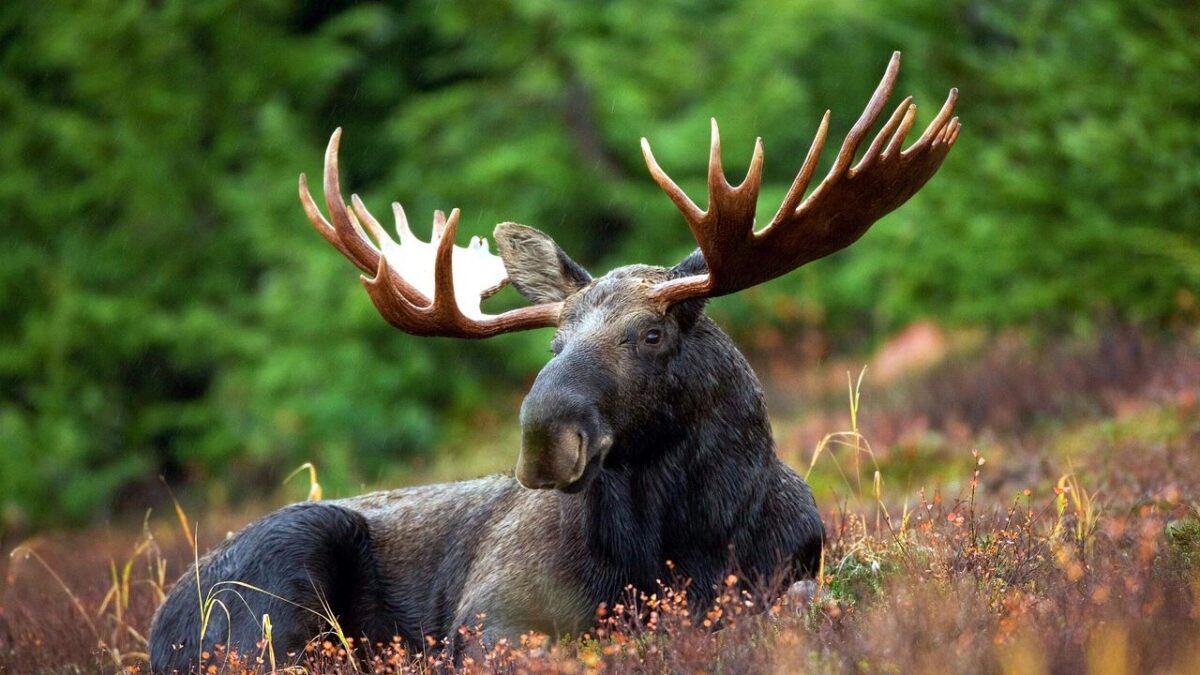
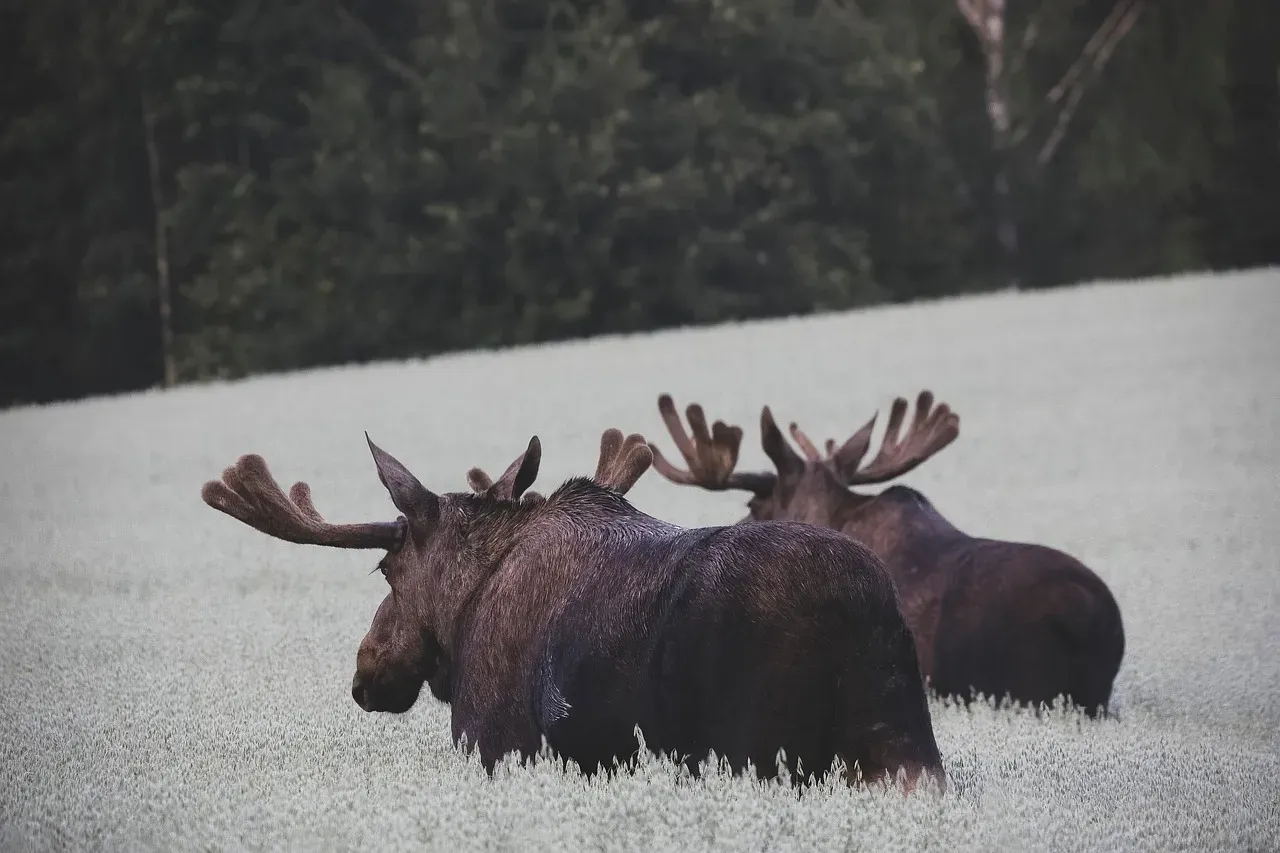
One of Minnesota’s biggest land animals, moose weigh between 900 and 1,200 pounds and stand over six feet tall at the shoulder. They inhabit cold, swampy forests in the northeast, especially around the Gunflint Trail and Superior National Forest. Encounter one standing at the water’s edge in the early morning and the sheer mass of the animal is hard to process.
The front shoulder hump and the flap of skin hanging below the throat, called a bell, are characteristic of mature moose. Bulls carry flat, palmated antlers which begin growing in April and are usually shed in December and January, with a body nine to ten feet long. Bull moose grow antlers that can reach five feet across and weigh up to 40 pounds. There are few animals anywhere in the Lower 48 that make such a physical statement simply by standing still.
#2. American Black Bear
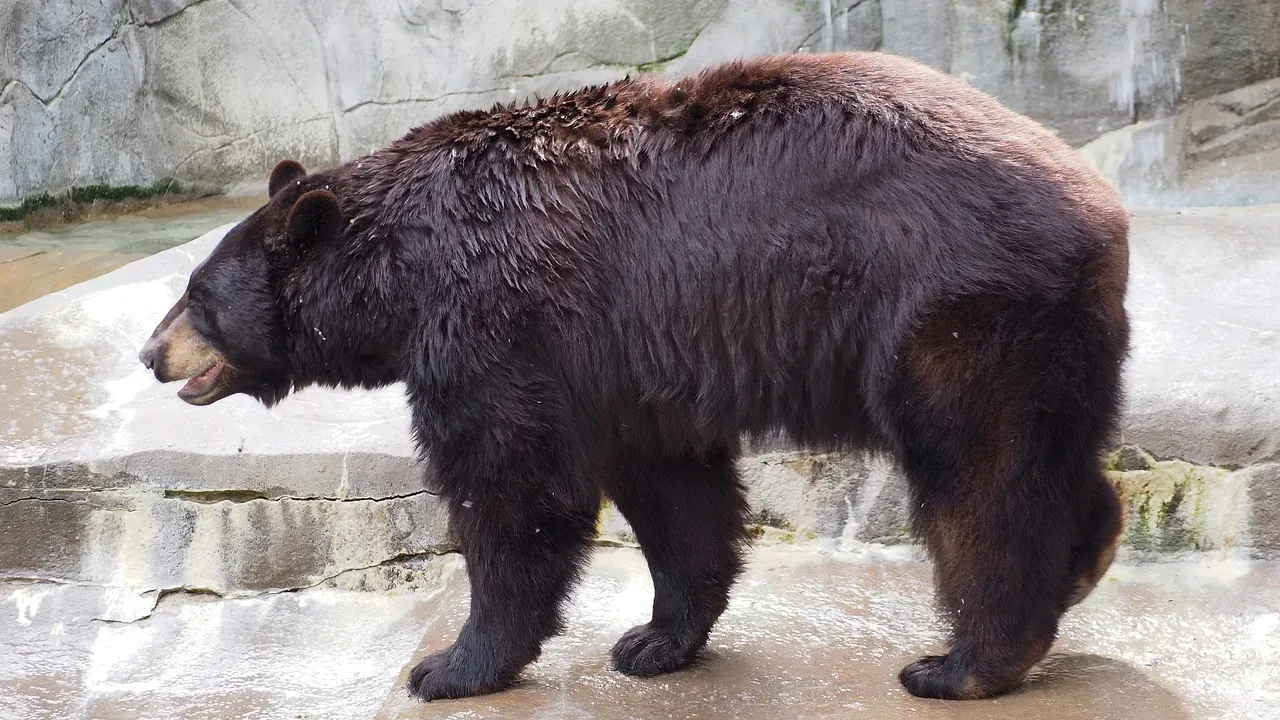
Black bears are the largest carnivores , usually weighing 250 to 300 pounds. They were originally found throughout the state but were killed off in the south and now occur primarily in the northern forests. Their population today is healthy and well-established across vast stretches of forested terrain.
Only roughly one in ten parts of a black bear’s diet is meat. They are omnivorous, eating both meat and plant material, and feed on grasses, fruits, berries, buds, nuts, insects, and carrion. Black bears usually try to avoid humans, though they can sometimes be a nuisance by getting into garbage or breaking into cabins. There are only three known attacks by black bears , and none of them were fatal. For such a large predator, they’re remarkably disinclined toward conflict.
#3. Elk
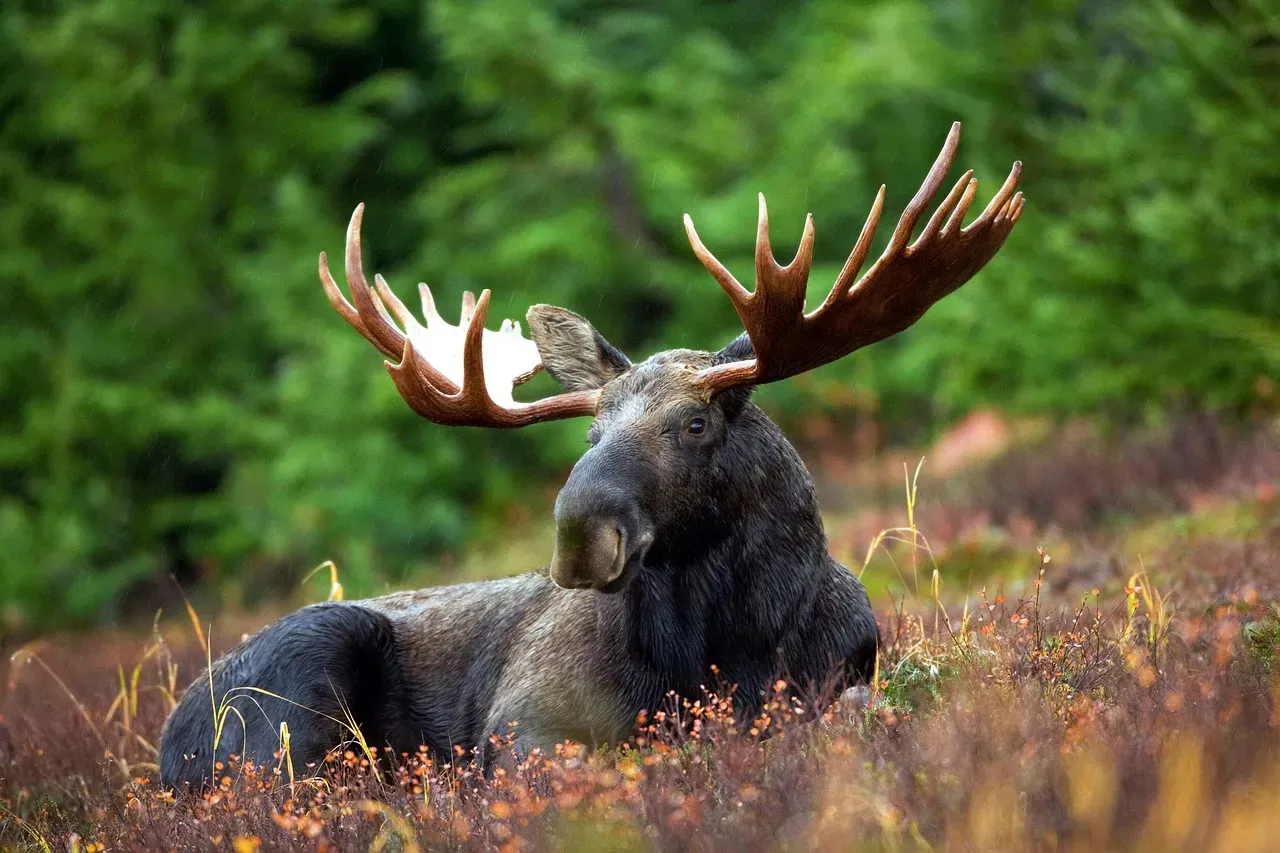
Once much more prevalent, elk are now found only in managed herds in northwestern Minnesota. Mature males can weigh 700 to 900 pounds, and their antlers easily span four feet. Elk often inhabit prairies and grasslands close to forest edges. Their presence in the state is a conservation story as much as a wildlife one.
The Caribou and Grygla ranges are the best places for viewing. In fall, the breeding season brings males together with groups of females, while their distinctive calls and antler displays can be seen in open areas. Elk remain cautious and retreat quickly, making patience and quiet observation helpful for spotting these animals. Watching a bull elk bugle across an open grassland at dawn is one of those experiences that stays with you for a long time.
#4. Gray Wolf
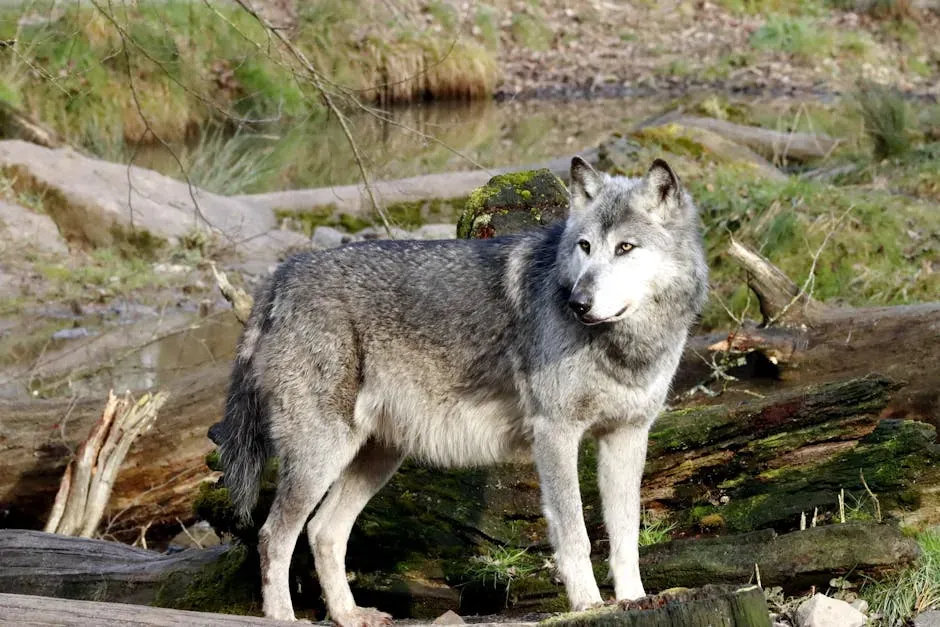
Minnesota has the largest gray wolf population in the contiguous United States, with state winter surveys estimating roughly around 2,700 wolves in recent decades, far more than any other Lower 48 state. Adult wolves can be five to six and a half feet long, and vary in weight from 50 to 130 pounds depending on gender and subspecies. That’s a big animal by any measure, and one that shapes entire ecosystems around it.
, their main diet is mostly deer, but also includes beaver, rabbits, birds, and small mammals. Large ungulates such as deer, moose, and elk are often the main prey item. Wolves live in packs consisting of a dominant adult pair and family members of different ages. There are usually around ten wolves in a pack, and a wolf pack’s range may cover over 150 square miles. The wolf’s return to viability is one of the most significant wildlife recovery stories in the American Midwest.
#5. White-Tailed Deer
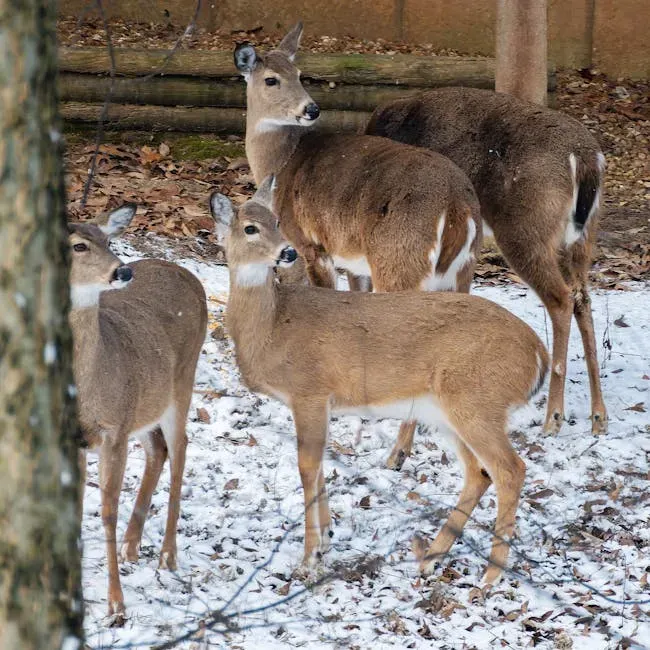
Minnesota is home to an estimated 1.5 million white-tailed deer, making them the most numerous large mammal in the state. Individual animals are not small. Mature bucks in the north of the state regularly exceed 200 pounds, shaped by the cold climate and rich forest habitat that encourages larger body mass over generations.
White-tailed deer are found in virtually every county across Minnesota, from the farmland fringes of the south to the deep forest corridors of the north. Their adaptability is part of what makes them such a fixture in the landscape. Moose, elk, and the ubiquitous white-tailed deer are among the well-known large mammals of the state. They are the foundation of the prey base that sustains wolves, bears, and eagles across the region, and their sheer numbers make them one of the most ecologically significant animals on the list.
#6. Trumpeter Swan
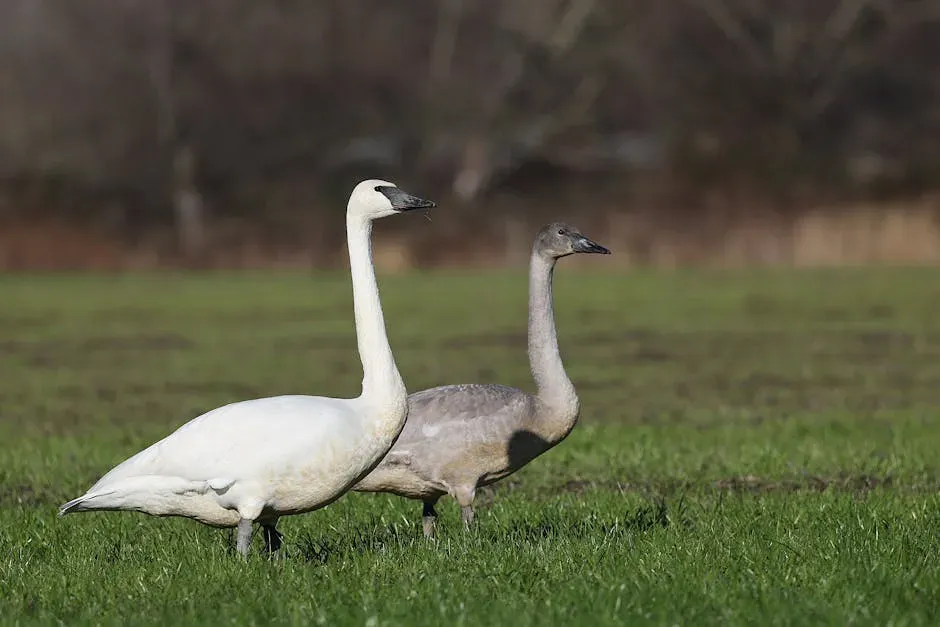
The trumpeter swan is the heaviest living bird native to North America and the largest extant species of waterfowl, with a wingspan of six feet two inches to over ten feet. These birds weigh between 15 and 30 pounds, with a wingspan reaching eight and a half feet. Seeing one glide in low over a Minnesota wetland, wings spread to their full width, is genuinely breathtaking.
Hunted extensively for feathers, meat, and sport, trumpeter swans were extirpated from Minnesota in the late 1800s. Reintroduction efforts began in 1966, and today Minnesota is home to more than 17,000 trumpeter swans. Thanks to captive breeding programs and habitat protection efforts, the trumpeter swan population now numbers over 17,000 birds and more than 63,000 across North America. It’s a remarkable comeback for a bird that was once completely gone from the state.
#7. American White Pelican
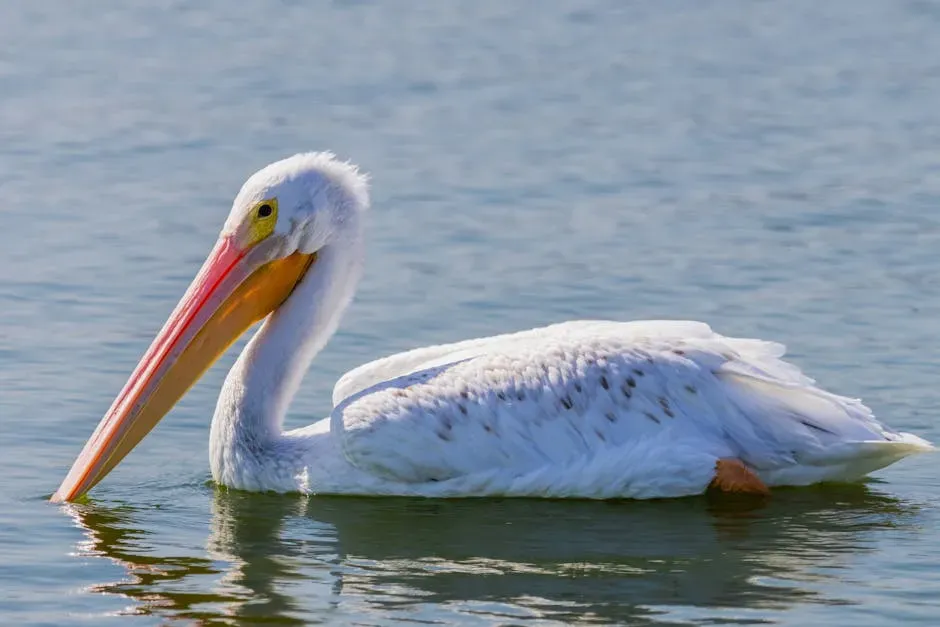
A colonial nesting, gregarious, and abundant bird, few birds are larger than the American white pelican. With a body length of over five feet and a wingspan of more than nine feet, this species can also reach weights of 20 pounds. The species also has the second-largest average wingspan of any North American bird, after the California condor.
Minnesota is located on the eastern edge of the Great Plains, and almost one quarter of the world’s American white pelicans nest here. These pelicans don’t dive to catch fish but instead stick their heads underwater, using their large neck pouches to scoop them up. They feed similarly to a dabbling duck, except they are enormous. Individual pelicans commonly work together to herd fish to shallow areas to make them easier to catch. Watching a squadron of them soar overhead in formation is the kind of sight that makes you stop mid-sentence.
#8. Lake Sturgeon
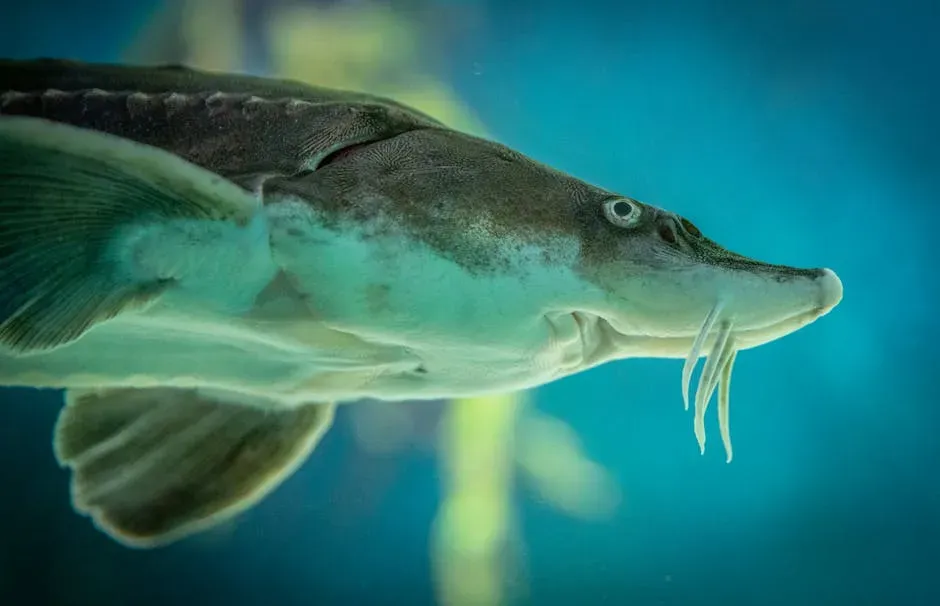
The lake sturgeon is Minnesota’s largest and longest-lived freshwater fish, with adults often growing to six feet and weighing more than 100 pounds. The largest and oldest lake sturgeon can grow to about seven feet in length, weigh 200 to 300 pounds, and live to 150 years of age. Typically, adults are about four to six feet long, weigh 30 to 80 pounds, and live 50 to 100 years.
The official Minnesota state record for the largest lake sturgeon weighed in at 94 pounds and four ounces, with other fish estimated to reach well over 100 pounds. These are ancient animals in the truest sense, with individuals alive ‘s rivers today that may have been born in the twentieth century’s early decades. As a rare fish, sturgeon are subject to many protections, and many waters allow for only catch-and-release. Their survival into the present day is, quietly, one of conservation’s most underappreciated victories.
#9. Bald Eagle
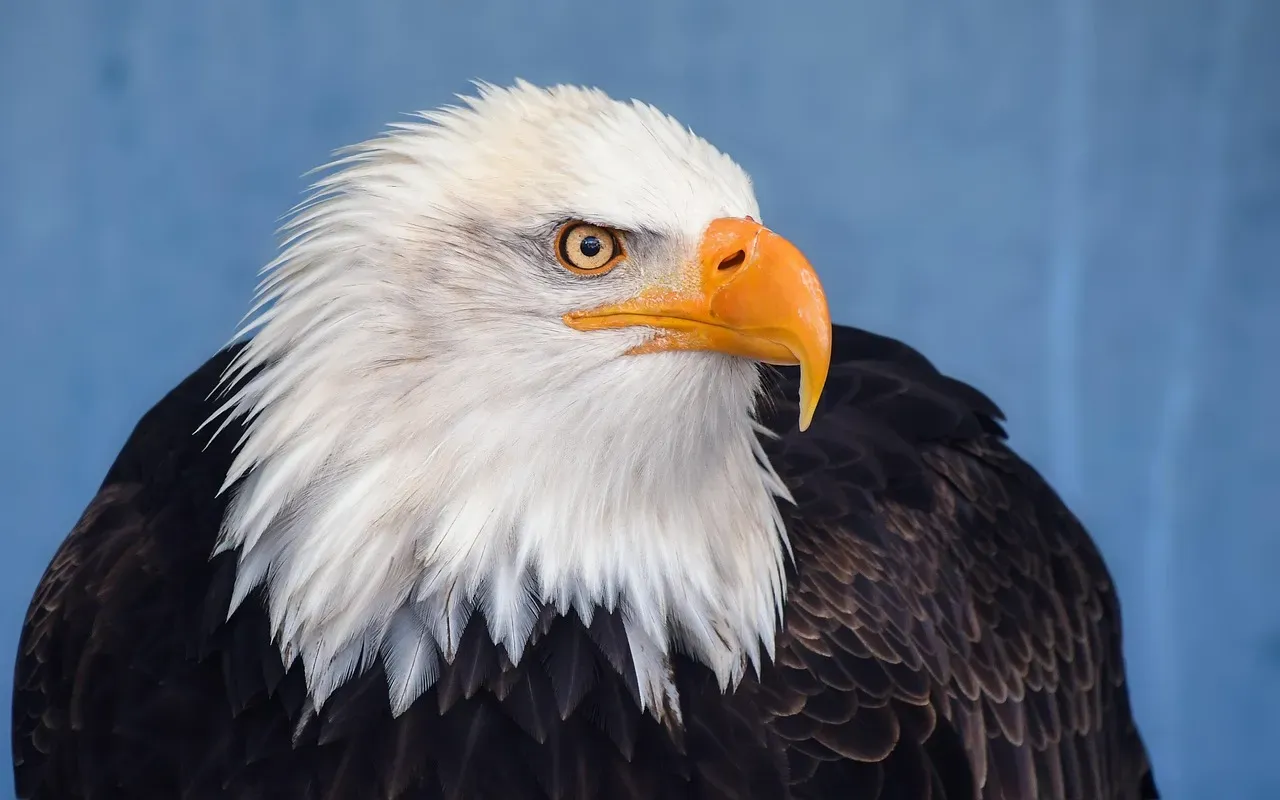
The bald eagle measures around 3.5 feet in length, weighs between 9 and 14 pounds, and carries a wingspan of six to eight feet. Females average roughly a quarter larger than males. Minnesota is home to over 1,312 known breeding pairs of bald eagles, giving the state one of the largest bald eagle populations in the lower 48 states.
Eagles reuse nests and add to them each year, and well-established nests may grow as large as ten feet across, twenty feet deep, and weigh over two tons. , bald eagles nest mostly in the central part of the state, and in winter can be found along the Mississippi River. A few migrate, but many prefer to winter , hunting for fish in ice-free stretches of river. The sight of one dropping from height toward the water at full speed is a reminder that size and speed, in the right animal, are not mutually exclusive.
#10. Common Snapping Turtle
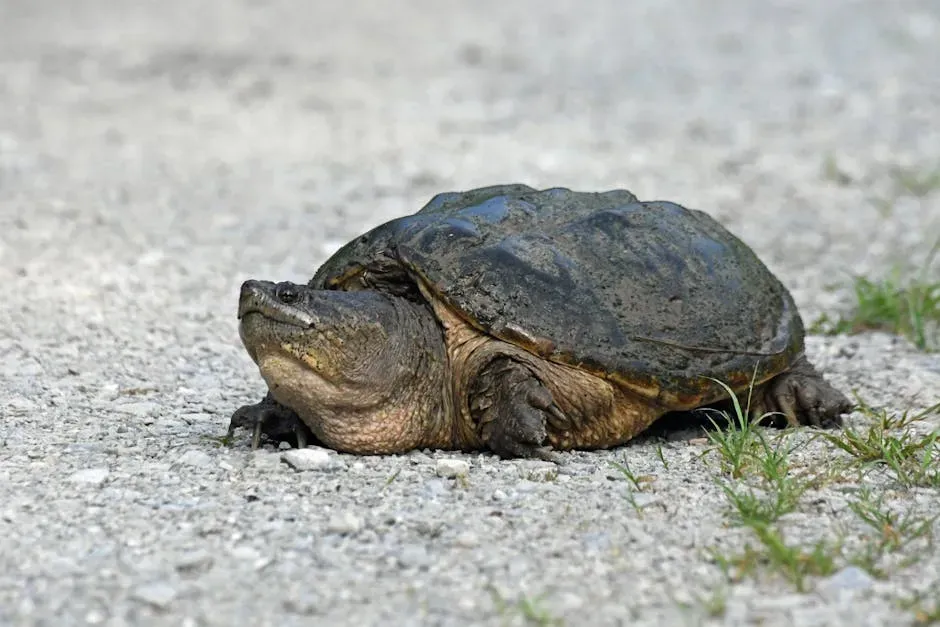
The common snapping turtle, Minnesota’s largest turtle, can weigh up to 50 pounds and has a rugged shell that can reach up to 20 inches long, though most individuals are somewhat smaller. These turtles favor slow rivers, lakes, and marshes with muddy bottoms. They’ve been quietly inhabiting Minnesota’s waterways since long before people arrived to name them.
In early summer, females often cross land to lay eggs in sandy soil, which may bring them across roads. Snapping turtles generally remain underwater, surfacing occasionally to breathe or bask, and are known for their powerful jaws. They are skilled swimmers and eat a mix of fish, invertebrates, and occasionally birds. They may lack the drama of a moose or the wingspan of a pelican, but in terms of raw toughness per pound, the snapping turtle has few equals in the state’s wildlife roster.
Final Thoughts
Minnesota’s wildlife is not just abundant; it is genuinely large. From the towering moose of the northeastern forests to the ancient lake sturgeon holding steady in cold river systems, the state offers a catalog of scale that few places in the continental United States can match.
What makes this list notable is not just the individual sizes but the fact that these animals still exist in meaningful numbers in a state with nearly six million people. That says something real about land stewardship, conservation policy, and the enduring value of places left wild. The moose population faces pressure from climate and disease. The trumpeter swan clawed its way back from near-oblivion. The lake sturgeon swims under strict protection for good reason.
The honest takeaway here is this: Minnesota’s large animals are not just spectacles. They are indicators. Where they thrive, the land is healthy. Where they struggle, it’s worth paying attention to why. The privilege of sharing a state with creatures of this scale comes with a quiet but real responsibility to keep that wild fabric intact.

- 14 Signs the Backyard Birds That Left Your Yard Are Quietly Coming Back - July 21, 2026
- 12 Cat Breeds Vets Refuse To Recommend to First Time Owners - July 21, 2026
- 6 US States With the Most Alligators - July 21, 2026