
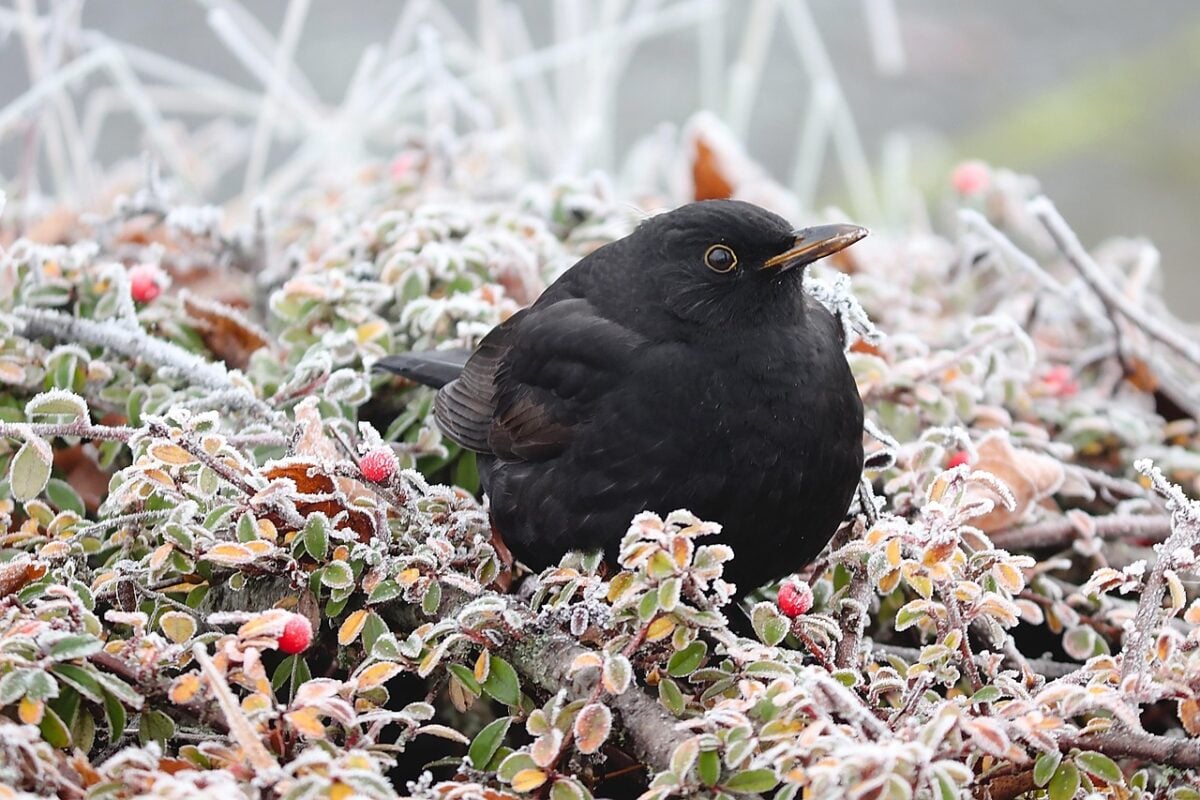
One morning your yard was full of chatter. The next, silence. No cardinals on the fence, no chickadees at the feeder, nothing but empty branches and a birdbath collecting leaves instead of visitors. Most people assume that’s the end of the story – the birds found somewhere better, and they’re not coming back.
Except that’s usually not what’s actually happening. Birds don’t slam the door on a yard forever; they scout, test, and quietly circle back long before you’d ever notice a crowd. The tricky part is that the comeback almost never looks like a comeback. It looks like nothing at all – unless you know exactly what you’re looking for.
#1 – You Hear a Single “Test Call” Before Sunrise
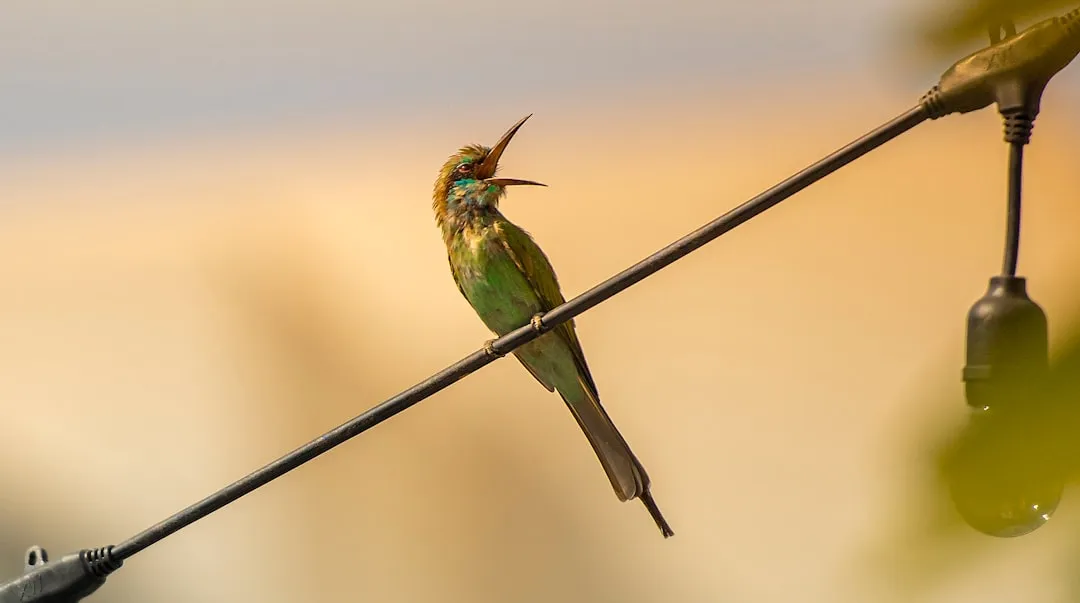
If you’re waking up to one faint chirp instead of a full dawn chorus, that’s not random noise – it’s a scout checking whether your yard feels safe again. Birds that left because of predators, construction noise, or a food source drying up don’t rush back in a flock. They send one bird first, calling once or twice, then going quiet like they’re waiting to see if anything answers.
Listen 30 to 45 minutes before sunrise with a window cracked open. If the same short call repeats on several mornings, one bird is very likely scouting the area on a schedule. Most homeowners miss this because they’re waiting for a dramatic sound change, but real comebacks almost always start as a whisper, not a concert.
#2 – Old Perches Suddenly Have Fresh Droppings Again
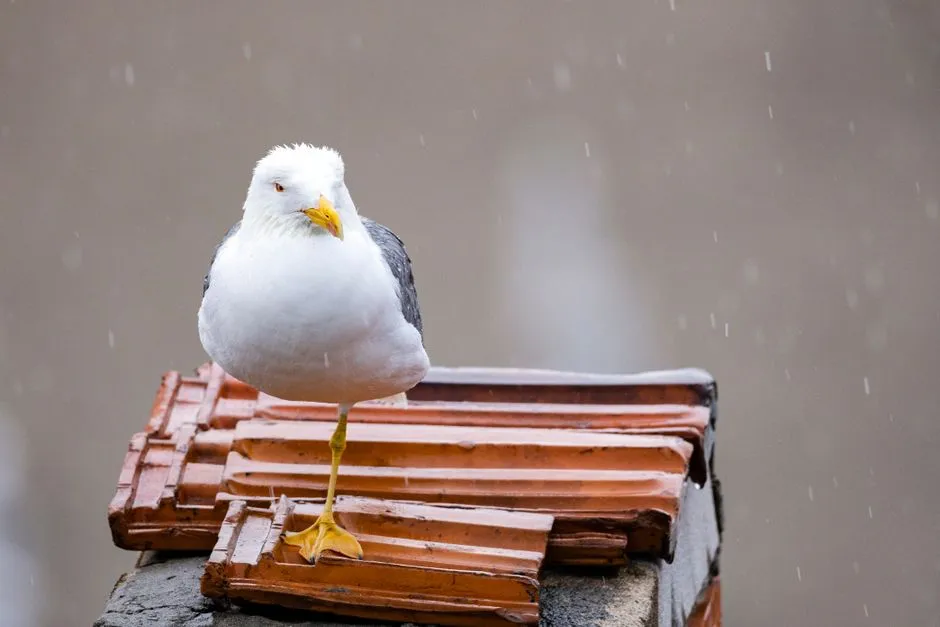
It’s not glamorous, but droppings are one of the most reliable comeback clues there is. That fence rail, swing set, or mailbox that stayed spotless for months suddenly has small white splashes again – that’s not a coincidence, it’s a bird treating your yard as a regular fly-through once more.
Most people just scrub it off and move on with their day. But a steady increase of fresh droppings on the exact same perch is a dead giveaway that birds aren’t just passing overhead anymore – they’re stopping, sitting, and lingering. Check the top of fence posts, railing corners, and branches near where your feeder or birdbath used to sit. If you’re cleaning the same spot more often than you did a few months back, your old regulars might already be clocking back in.
Fast Facts
- Fresh droppings on a perch usually mean repeat visits, not just a flyover.
- Fence posts, railing corners, and bare branches are the easiest spots to check first.
- A single dropping is noise; a pattern across several days is signal.
- Old feeder poles and birdbath rims often show activity before the feeder itself gets used again.
#3 – Brief, Fast Flyovers Low Across Your Yard
Before birds settle back in, they run recon missions first. A sparrow skimming the lawn, a robin darting fence to fence – these low, fast flights aren’t birds just commuting through. They’re re-evaluating your space, checking where the cats hide, where a hawk might perch, and which bushes offer a quick escape.
Watch for the same flight path used repeatedly, especially in early morning and late afternoon, with birds zipping across and landing just outside your yard on a wire or tree branch. If you catch that same flight line a few days in a row, your yard has officially been added back to their mental map, even if not a single bird has landed inside it yet.
#4 – Bushes and Hedges “Twitch” Even When You See No Birds
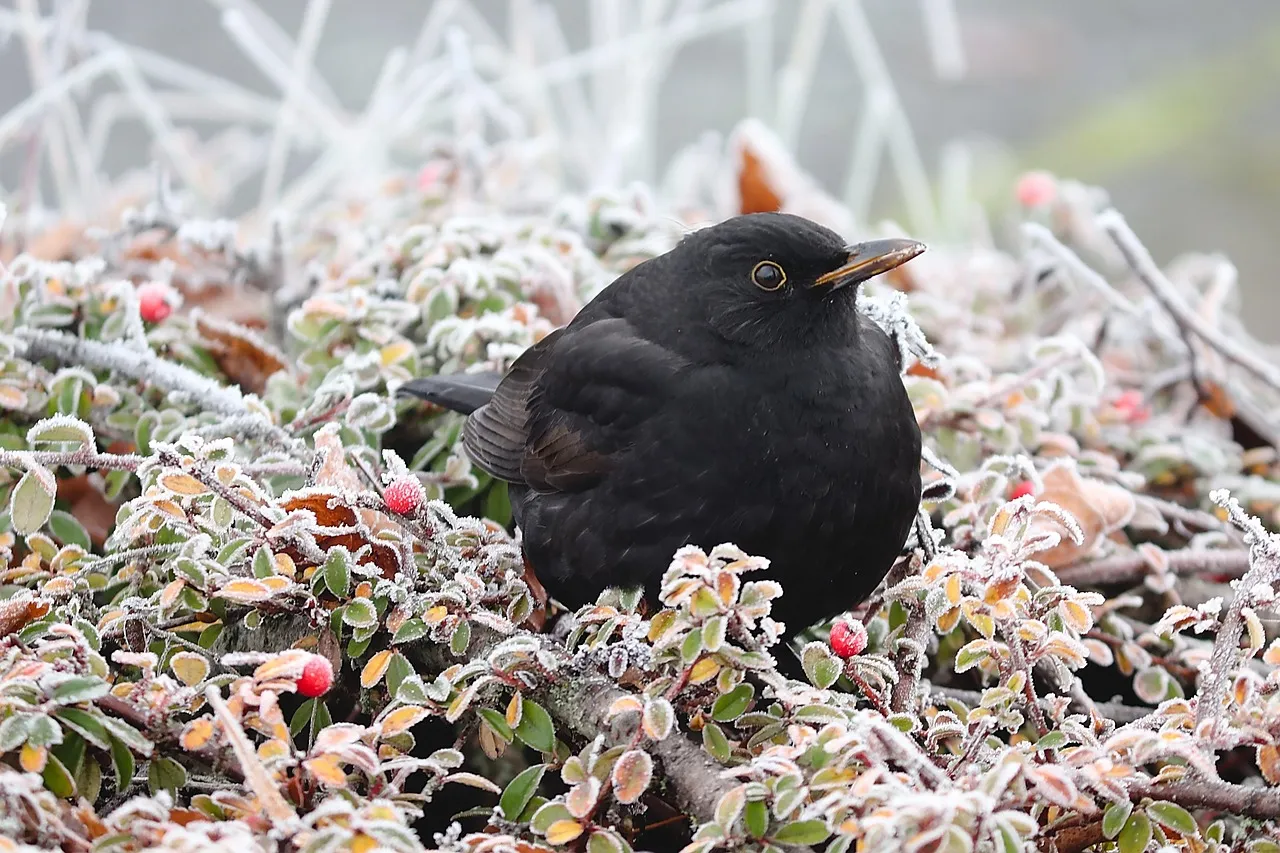
You glance outside and your hedge shakes for a split second. No wind, no squirrel, nothing you can point to – just a brief tremble low in the leaves. That’s often a bird diving deep into cover, especially in a yard that once offered solid protection from predators.
Birds that left because things felt too exposed will frequently test your shrubs before they test anything else. If the same bush moves at similar times each day, with quick, small, localized rustling rather than the whole plant swaying, small birds are almost certainly using it to hide or forage. Most homeowners wait to spot a bird out in the open, but the real action is happening just out of sight.
#5 – Power Lines and Roof Ridges Become “Waiting Rooms” Again
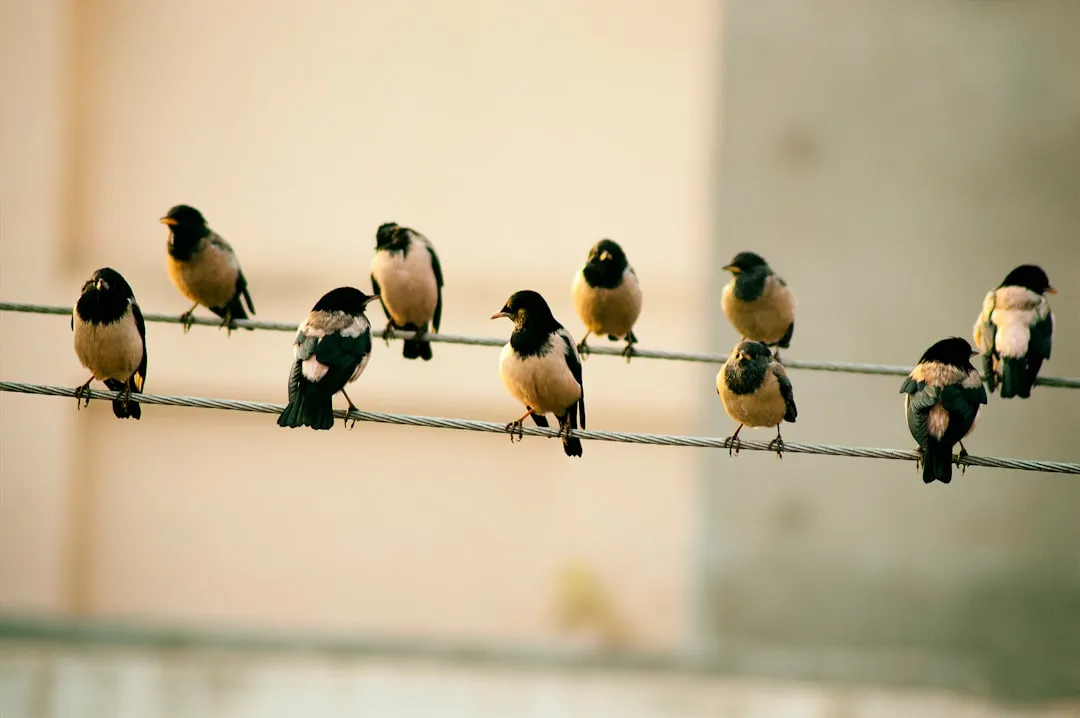
Look up, not just out. Birds tend to reclaim a yard from its edges first – roof peaks, chimney caps, power lines, and antennas become staging areas long before a feeder ever gets busy again. Think of it as the lobby before the appointment.
If two or three birds are lining a wire above a yard that’s been empty for months, that’s not idle traffic. Watch whether they’re facing toward your yard instead of away from it, and whether they inch closer along the wire over several visits. Birders know that a perched cluster hovering over one specific property almost always signals renewed interest, even while everyone else assumes it’s just background neighborhood noise.
#6 – Your Lawn Shows Tiny “Pockmarks” From Beaks Probing the Ground
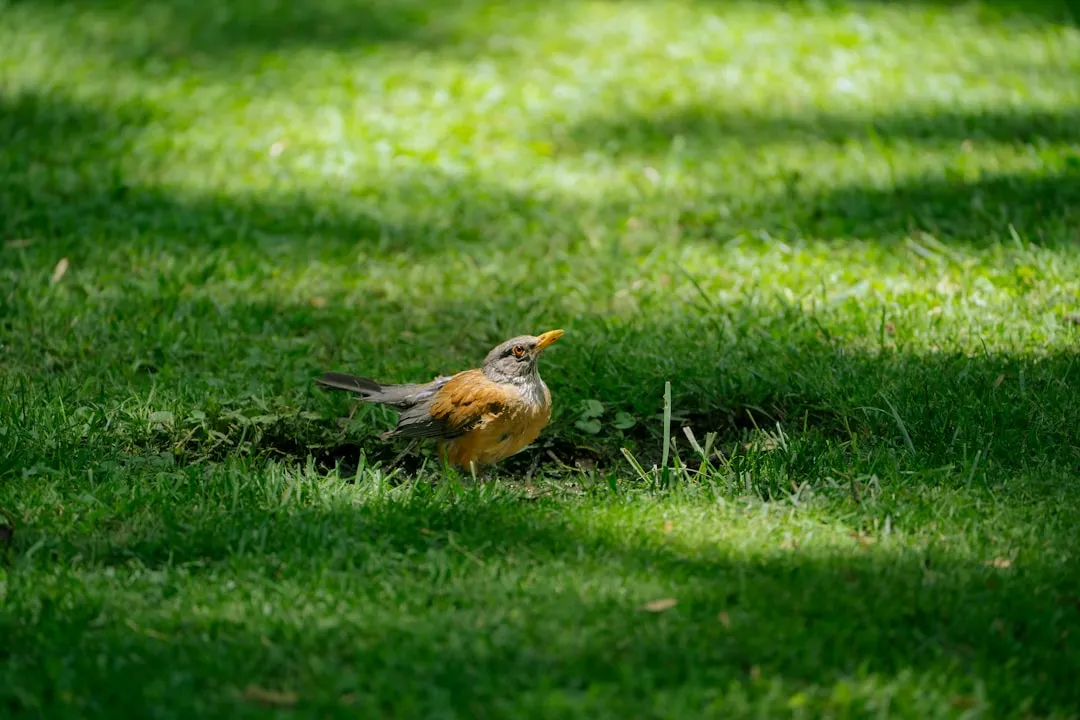
You might never actually see the birds doing it, but your lawn keeps the receipts. Robins, starlings, blackbirds, and sparrows all hunt insects and worms by probing the soil, and if smooth patches of grass suddenly show tiny holes or disturbed tufts, birds are feeding there again.
Most people blame this on bugs, or accuse the kids of digging. But look closer – shallow punctures clustered in damp areas, or small patches where the grass blades look lifted and tugged, are classic feeding marks. This shows up most often right after rain or watering, when worms rise closer to the surface. If these marks appear in the same spots where birds used to feed, your old foraging routes are open for business again.
Worth Knowing
- Robins, starlings, and blackbirds are classic ground-probers, hunting worms and insects just under the surface.
- Feeding marks show up most after rain or watering, when soil softens and worms rise closer to the top.
- Shallow, clustered punctures in damp patches are a stronger clue than random single holes.
- Grass that looks “lifted” or slightly tugged, rather than dug, points to beak activity, not digging critters.
#7 – Fence Tops and Railings Become “Stop-and-Stare” Spots
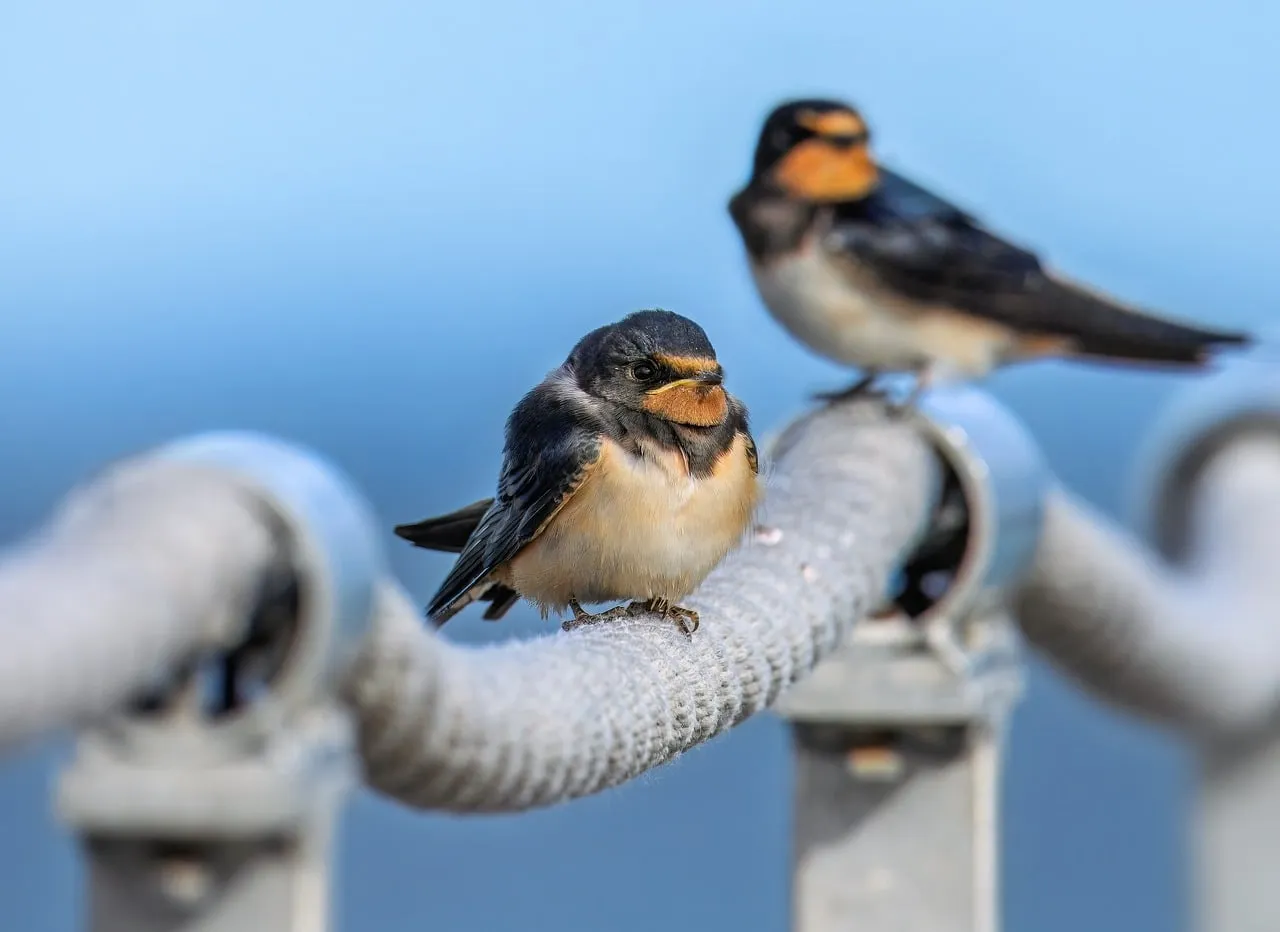
One day there’s just a bird sitting on your fence, apparently doing nothing. That “nothing” is actually everything. Birds pause on fences and deck railings to survey for danger, remember old food sources, and listen for other birds nearby – and this behavior is usually one of the very first things to return once whatever scared them off has settled down.
Watch for short perches lasting 10 to 30 seconds, repeated over several days, along with head-turning that looks almost like a security check. Seeing the same species land on the same railing corner again and again is a strong sign they’re quietly re-adopting your yard as part of their daily route – not a fluke, a pattern.
#8 – Birds Investigate “Old Infrastructure” Even If It’s Not in Use
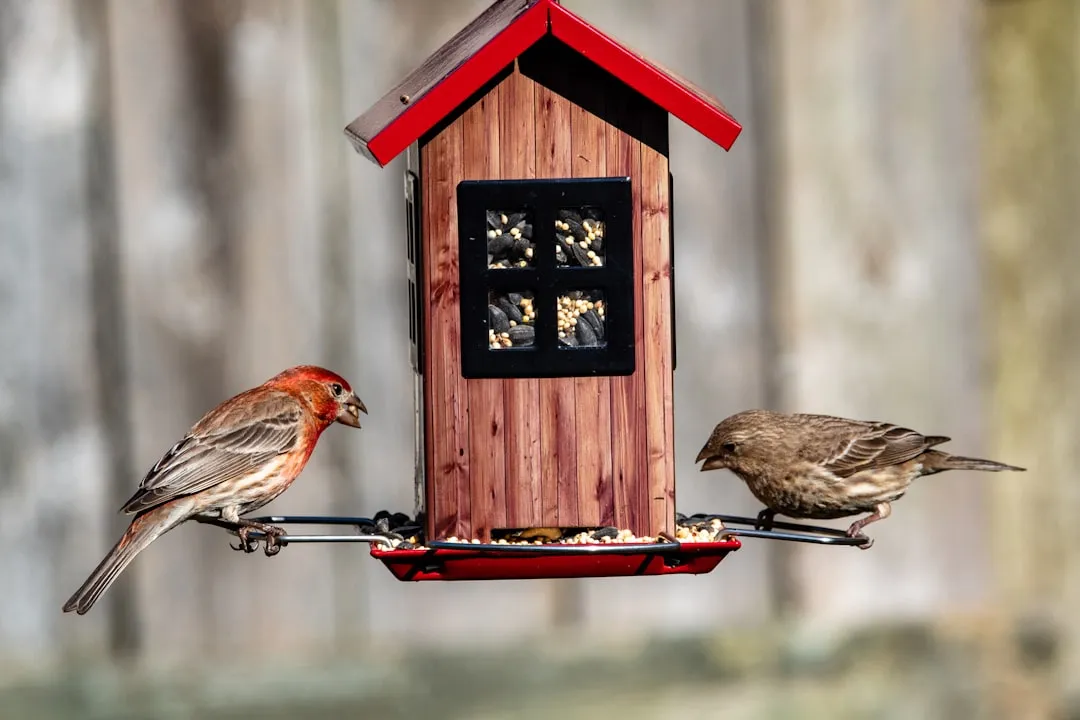
Birds remember. If you once had a feeder, a hanging planter, or a birdbath in a certain spot, returning birds will often visit that exact empty location just to check if the buffet reopened. This is one of the clearest, most underrated signs your yard is being given a second chance.
You might see a bird land on the old feeder hook, look around, and leave, or catch quick visits to the bare patch where your birdbath used to sit. When multiple birds start checking the same “ghost feeder” spot, your yard is still stored in their memory as a reliable food or water source. Most people wait to refill a feeder until they see a crowd of birds – but the order of events is often backwards. Reward that curiosity with fresh seed or water, and the crowd follows.
#9 – New “Chips” and Contact Calls in Nearby Trees
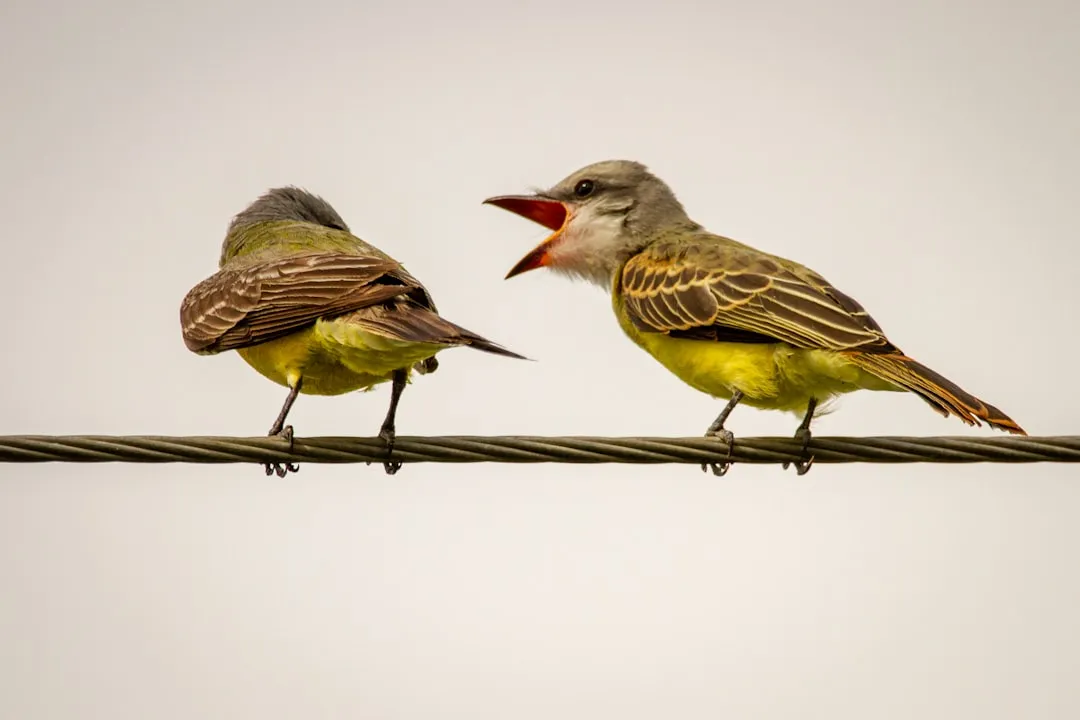
Not all bird sounds are songs. Some of the earliest vocal clues that old visitors are back are quiet chips, tiks, and contact calls drifting from the trees just beyond your yard. Think of them as short text messages between birds: I’m here. Food here. Stay close.
If the big musical choruses vanished months ago but you’re now hearing soft, rhythmic single notes from the same row of trees each day, that’s a classic early comeback sign. Most people write it off as random background noise, but experienced birders track these calls the way traders watch a stock ticker. Notice whether the sounds happen at consistent times, like early morning or dusk, and whether they’re coming from more than one direction.
Quick Compare
- Full song: loud and musical, usually tied to territory or mating.
- Contact call: short and quiet, birds simply checking in with each other.
- Alarm call: sharp and urgent, a warning that a predator is near.
- Comeback clue: soft, steady contact calls repeating at consistent times of day.
#10 – Window Reflections Suddenly Attract Curious Visitors Again
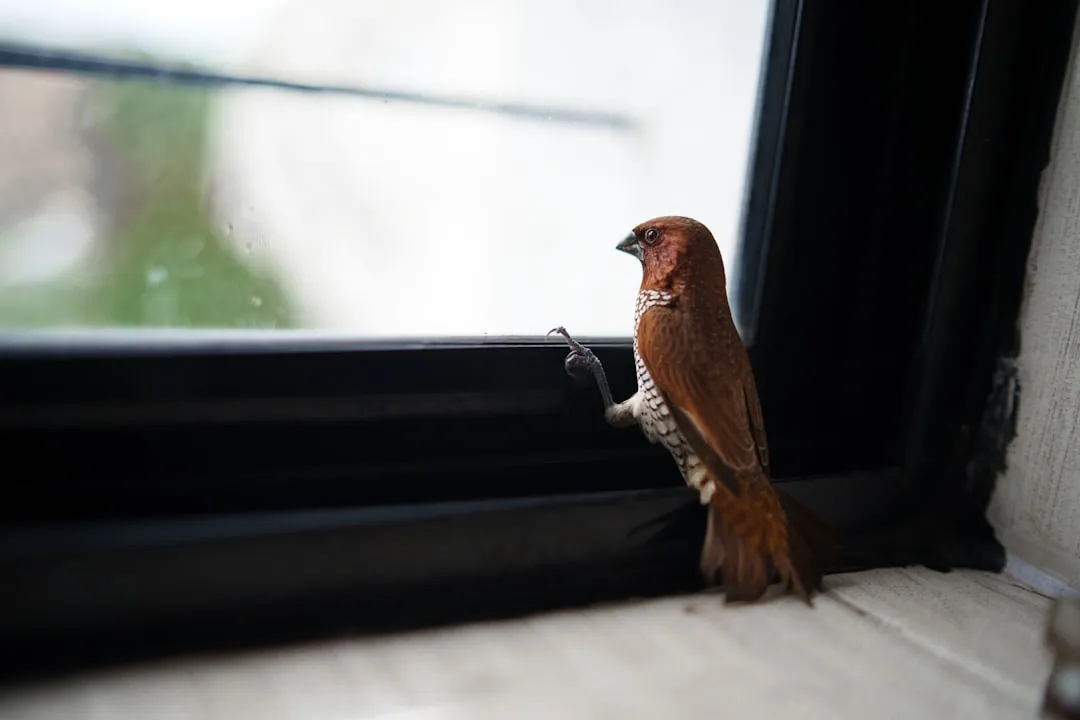
If birds start flitting toward your windows, perching on the sill, or even lightly tapping at their own reflection, pay attention. This behavior has its downsides, but it’s also one of the strongest signs that birds feel comfortable enough to come right up to your house again.
Birds rarely approach windows in yards they still consider dangerous; they save that boldness for places they’ve already accepted as territory.
Common birder observation on nest-site and territory behavior
Some birds will hover briefly and peer in, or land on a nearby shrub before hopping closer to the glass. Homeowners sometimes find this annoying, but that kind of boldness close to your home usually means your space is firmly back on their radar – and if you’re seeing it near the windows, your gutters and eaves are worth a closer look too.
#11 – Old Nest Sites Get Inspected Like Real Estate Listings
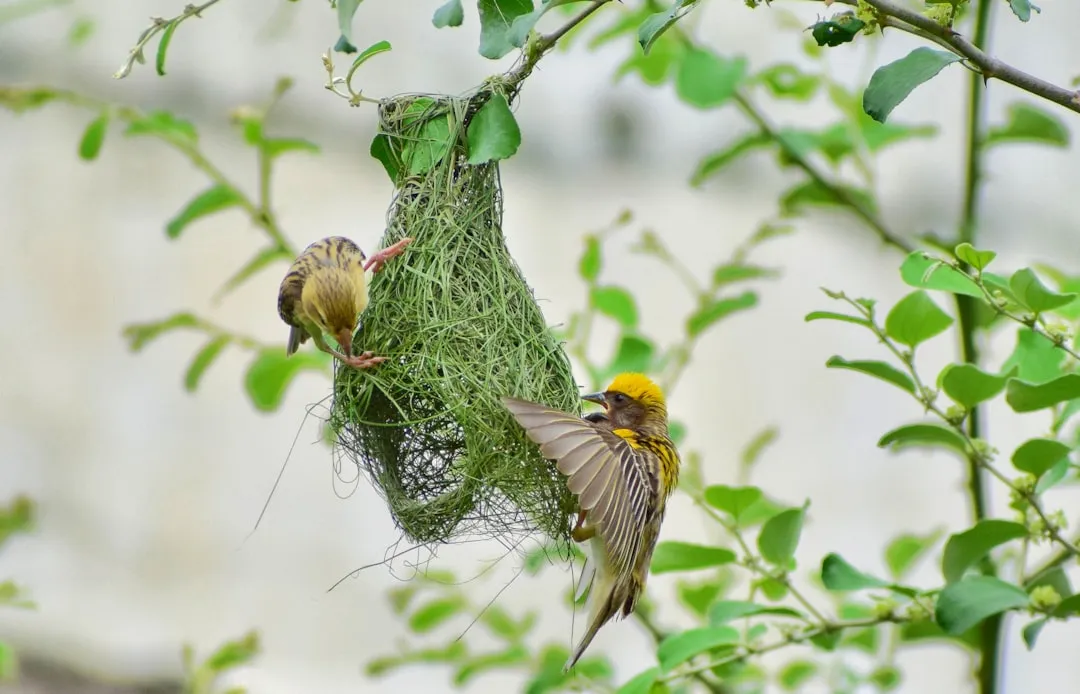
Watch the corners of your house, the light fixtures, the vents, and the tree crotches where nests once sat. Birds that raised young in your yard before will often check those exact spots again when they return, long before any twig gets carried in.
Repeated visits to the same nook without any nest-building are classic inspection behavior – a bird lands, peeks in, and leaves empty-beaked, then comes back again over several days to the same exact location. Most homeowners only notice a nest once it’s half built, completely missing the earlier moment when their yard quietly passed the “safety review.” Once inspection turns into actual construction, your birds aren’t just visiting anymore – they’re investing.
#12 – Short “Loop Flights” Over Your Roof or Yard Center
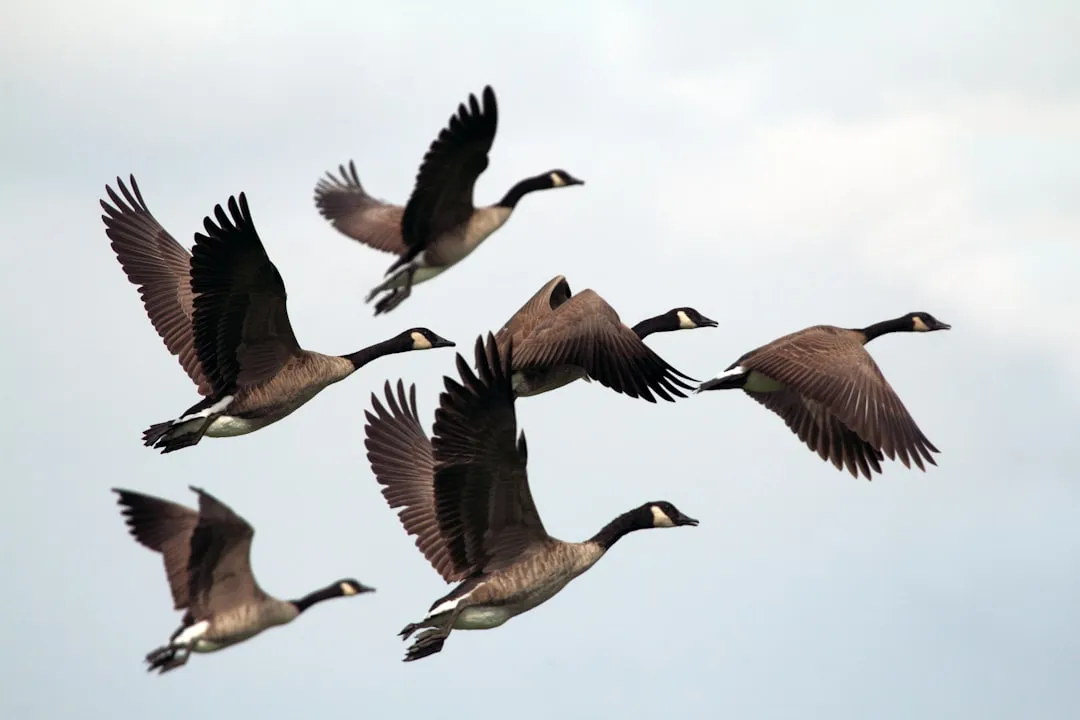
Birds guarding a nest or a newly claimed feeding area often perform short, circular flights over the same patch of sky, almost like they’re pacing in the air above your roofline. If you notice a bird repeatedly looping over your yard’s center, that’s territorial behavior, not aimless wandering.
This is especially telling when the loops are tight and low rather than high migration passes, and when the same path gets flown at predictable times each day. Casual birds passing through have no reason to circle back – only ones committed to defending a spot do. Once you see it, your yard has officially become worth protecting.
#13 – Sudden, Short “Feeding Frenzies” That Vanish in Minutes
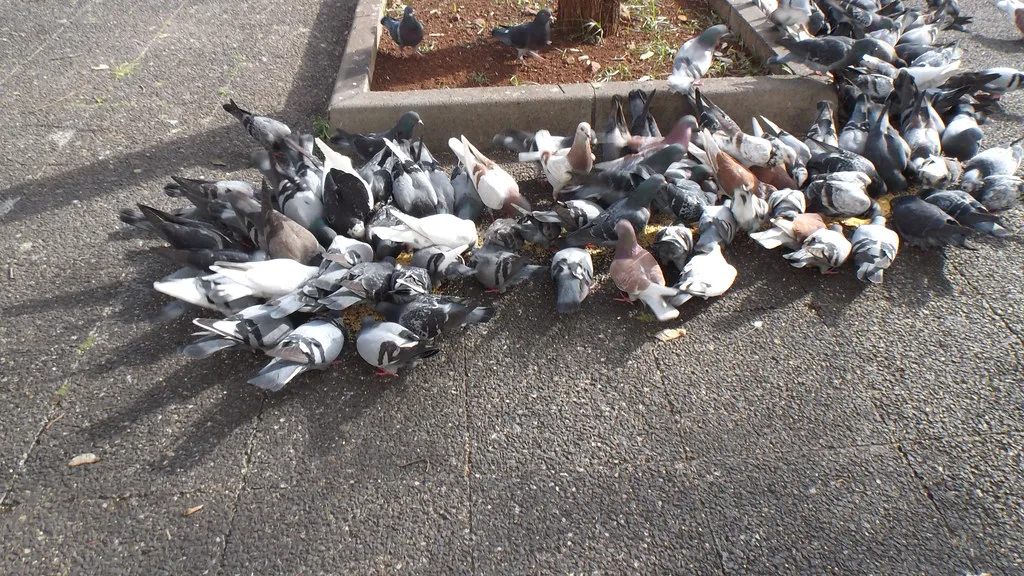
One moment your yard is dead quiet. The next, there’s a burst of 10 to 20 birds on the lawn, in the bushes, or crowded at a feeder you thought nobody was using. Five minutes later, they’re gone like it never happened.
Most people chalk this up to luck, but brief, intense feeding flurries that repeat over several days are usually the moment word spreads through the local bird network that your yard is worth a stop. It’s why you’ll often see more species than usual during these short windows. Watch what happens afterward – do solo birds trickle back in the following hours, and do different species start showing up at the same time each day? Those flash mobs are basically the social media of the bird world.
At a Glance
- Feeding frenzies often involve 10 to 20 birds arriving within seconds of each other.
- These bursts typically last just a few minutes before the yard goes quiet again.
- Multiple species showing up at once is common during these short windows.
- Solo birds often trickle back afterward, hours to a day later, once the frenzy passes.
#14 – You Notice Completely New Species Using Your Yard Comfortably
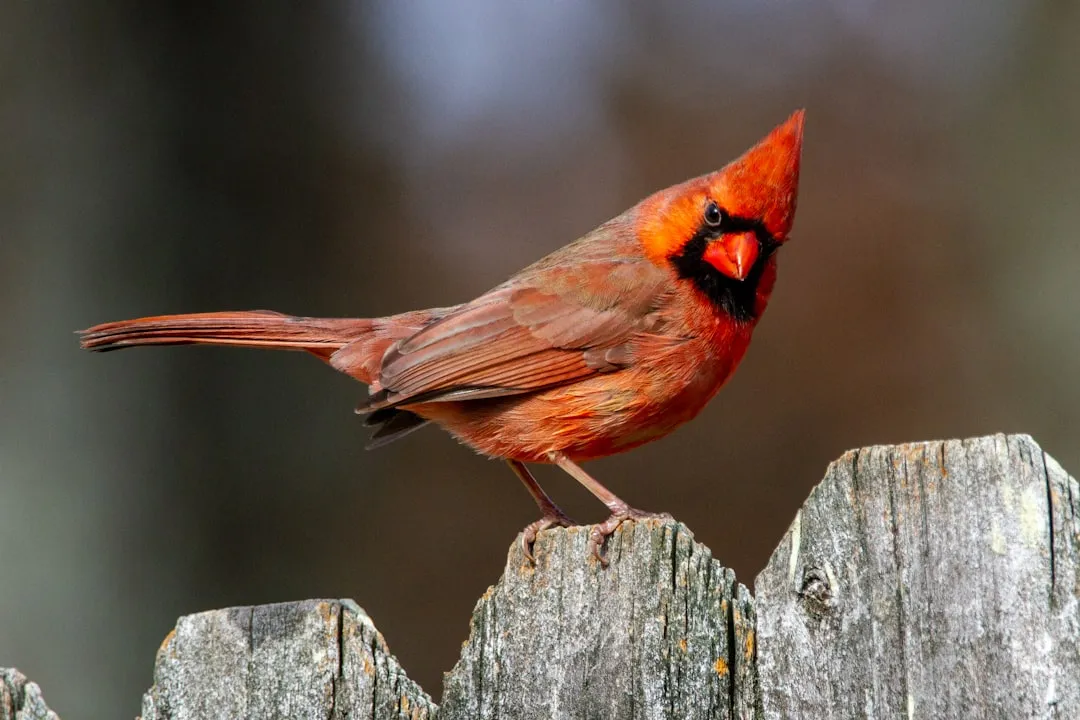
Here’s the twist most people completely miss: one of the strongest signs your old backyard birds are back is the arrival of brand new ones. Returning birds make a yard look active and safe, and that visible comfort attracts species that never bothered giving your place a second look before.
If your yard once hosted only sparrows and robins but now a chickadee, nuthatch, or finch is calmly feeding and perching without a hint of panic, that’s a big deal. Birds are far more likely to explore a yard that already has other birds behaving naturally – it’s social proof, feathered and real. Look for new species that linger instead of just flying through, and mixed flocks foraging side by side. When newcomers feel that at ease, it usually means your old regulars already quietly stamped the yard as safe.
The Bottom Line
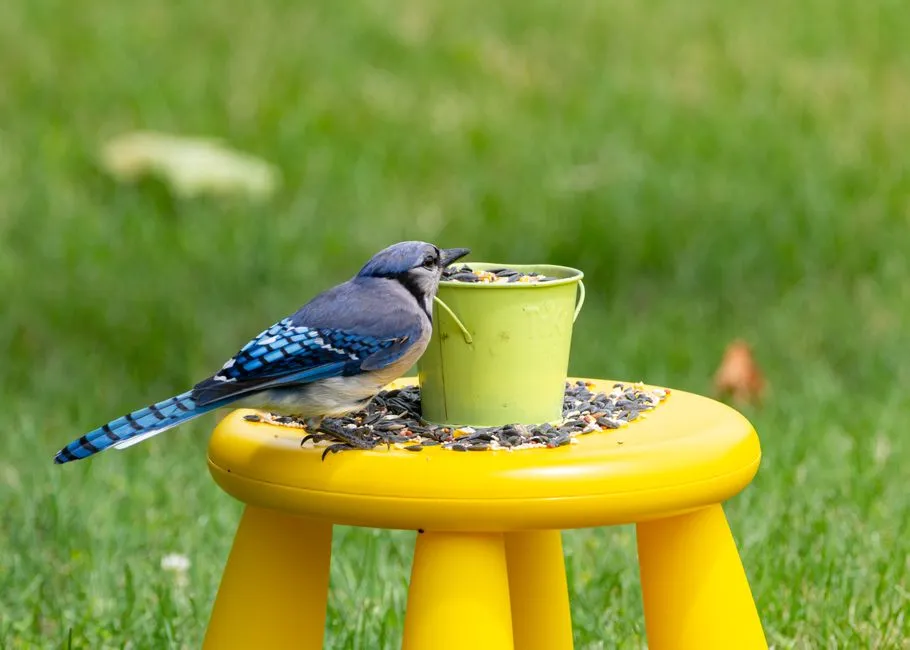
The quiet return of backyard birds almost never starts with a dramatic sunrise chorus or an overflowing feeder. It starts with the tiny, easy-to-miss stuff: a lone test call before dawn, a fence rail getting busy again, an old nest corner getting inspected like a familiar rental. By the time you notice a full crowd, your yard has probably been under quiet review for weeks.
If you’re spotting even three or four of these 14 signs, your yard is likely already back on the local flight plan, whether you’ve put out fresh seed or not. My honest take? The birds that come back on their own, without a fancy new feeder bribing them, are the ones that trust your yard again – not just your snacks. Less mowing, less noise, less scrubbing away every trace of them might do more than any feeder ever could. Do you agree, or is food still king? Tell me which sign you’ve spotted first in your own yard.
