
Worried about unexpected vet bills?
Pet insurance can cover thousands in unexpected vet costs. Get a free quote from Lemonade in under 2 minutes.
Get My Free Quote →Sponsored · Opens Lemonade.com
Nature has a way of surprising us when we least expect it. Just when we believe a species is lost forever, it reappears, as if to say, “I’m still here!” or maybe “I have risen!” We call these miraculous rediscoveries “Lazarus species” No wonder it got that name! Animals that were once believed to be extinct but have been found alive, sometimes after millions of years. Let’s dive into the stories of 10 incredible creatures who’ve returned from the brink of oblivion.
The Bermuda Petrel: A Seabird’s Miraculous Return

Imagine a bird missing for over 300 years, only to resurface like a ghost from the past. The Bermuda petrel, once thought extinct since the 1620s, shocked conservationists in 1951 when 18 nesting pairs were found on remote islets in Bermuda. These seabirds have been battling extinction ever since, but with a current population of just over 250, their survival story continues to inspire hope.
The Chacoan Peccary: Fossil to Reality
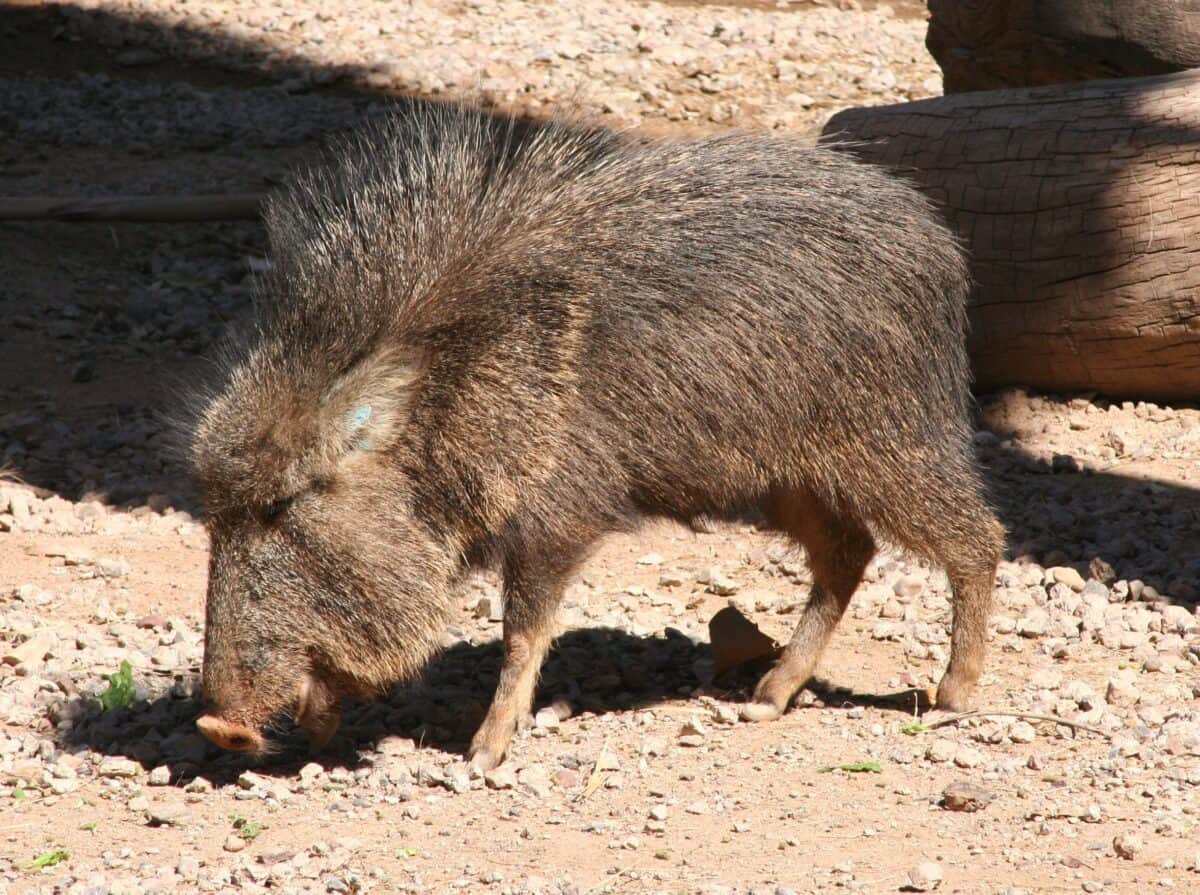
Scientists originally knew the Chacoan peccary only from fossils and believed it to be long extinct. Then, in 1975, researchers discovered a living specimen roaming the wilds of Paraguay. This elusive creature, resembling a wild pig, seemed like a prehistoric relic brought to life. Today, about 3,000 Chacoan peccaries are living in parts of Paraguay, Brazil, and Bolivia, proving that some animals can truly defy extinction.
Lord Howe Stick Insect: The ‘Walking Sausage’ Comes Back
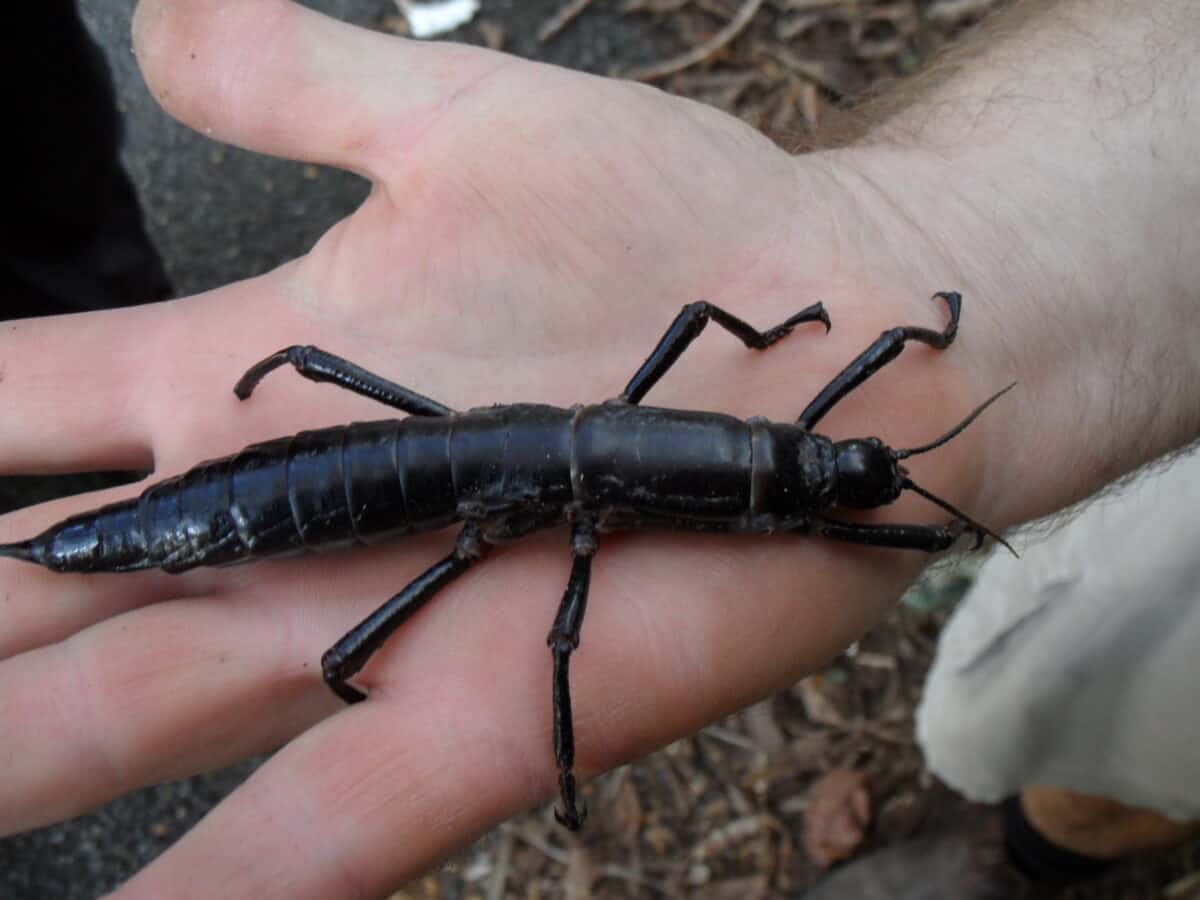
Nicknamed “land lobster” and “walking sausage,” the Lord Howe stick insect was believed to be extinct after rats invaded its island habitat. But in 2001, a small population of these odd-looking insects was found clinging to survival on a volcanic rock tower called Ball’s Pyramid. Their rediscovery is one of the most bizarre insect comeback stories ever!
La Palma Giant Lizard: A Mysterious Lizard Emerges

For around 500 years, the La Palma giant lizard was thought to be extinct. Then, in 2007, reports of sightings on the Canary Island of La Palma gave scientists hope. While no live specimen has been captured, the possibility of its survival has upgraded its status from extinct to critically endangered. It remains a mystery whether this giant lizard still roams the volcanic terrain.
The Takahe: A Flightless Bird Walks Again

The takahe, a flightless bird native to New Zealand, was thought to have vanished in 1898. But in 1948, a determined search led to its rediscovery near Lake Anau. Today, this rare bird is still critically endangered, with a small population of around 225. Its comical appearance and surprising survival have made it a symbol of New Zealand’s conservation efforts.
New Caledonian Crested Gecko: Rediscovered After a Storm
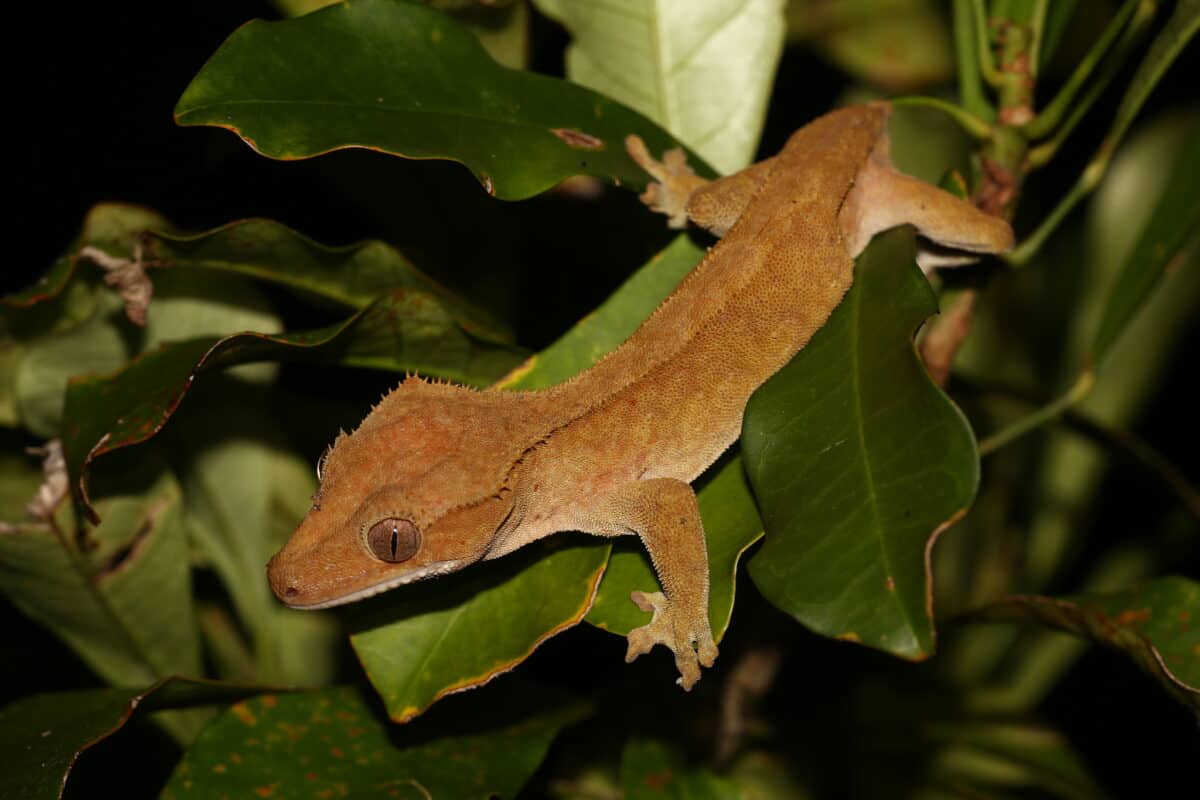
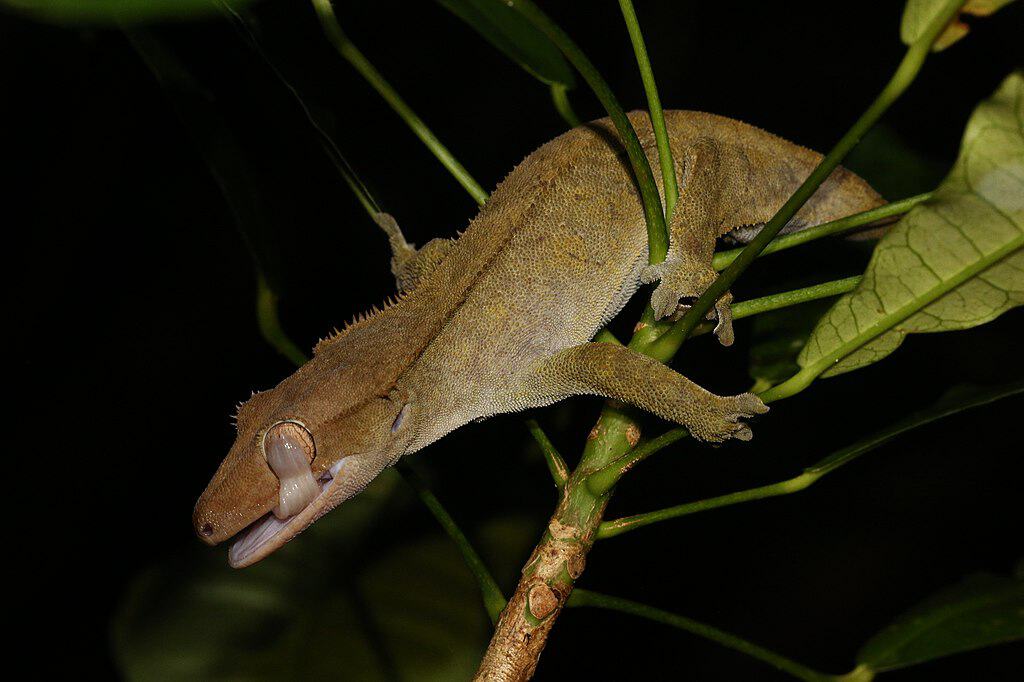
Discovered in 1866 and thought extinct for over a century, the New Caledonian crested gecko was found again in 1994 after a tropical storm. With its distinctive crest and nocturnal habits, this quirky little gecko has since become a popular pet, but it’s still being studied for its conservation needs. Sometimes, all it takes is a storm to bring the unexpected!
New Holland Mouse: A Small Survivor
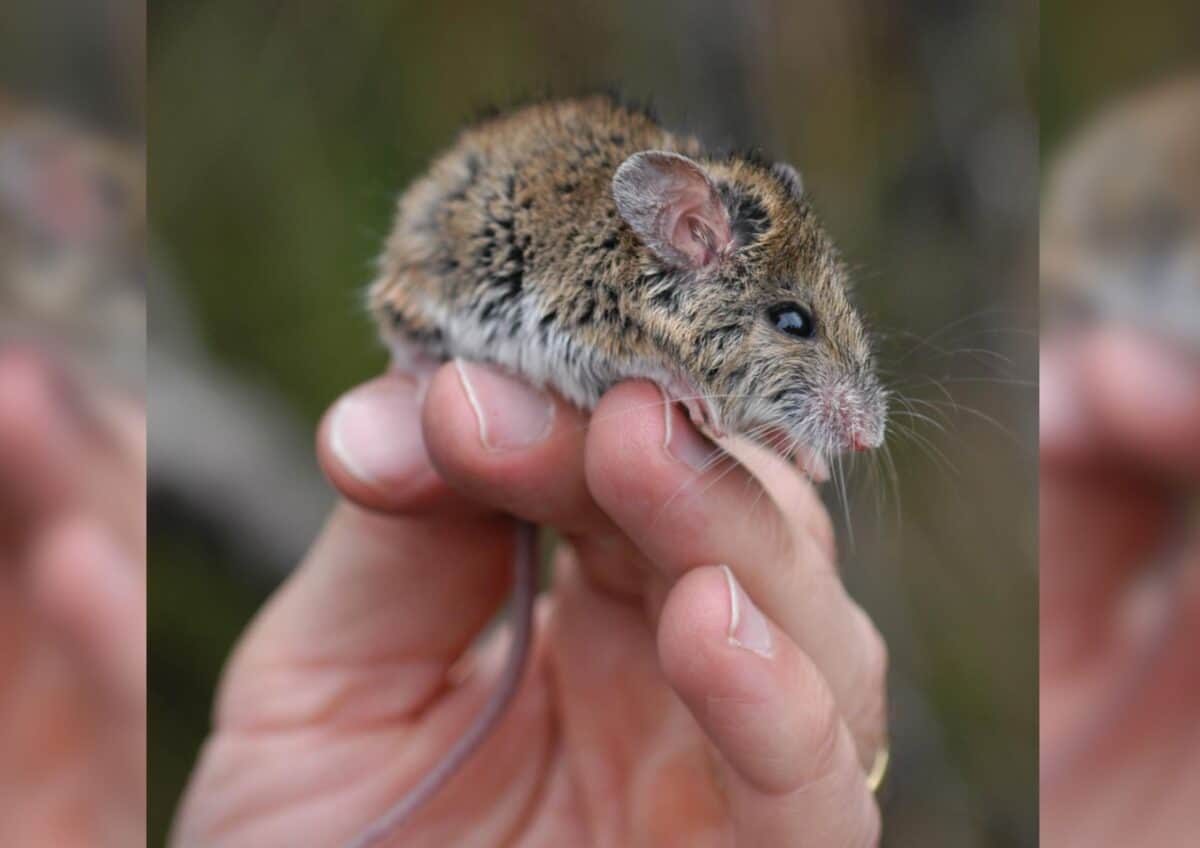
The New Holland mouse had vanished from sight for over 120 years before it was rediscovered in Australia’s Ku-ring-gai Chase National Park in 1967. Despite ongoing conservation efforts, this adorable mouse is still in a battle for survival. Habitat destruction and predators continue to threaten its existence, but its rediscovery serves as a reminder that even the smallest creatures can stage remarkable comebacks.
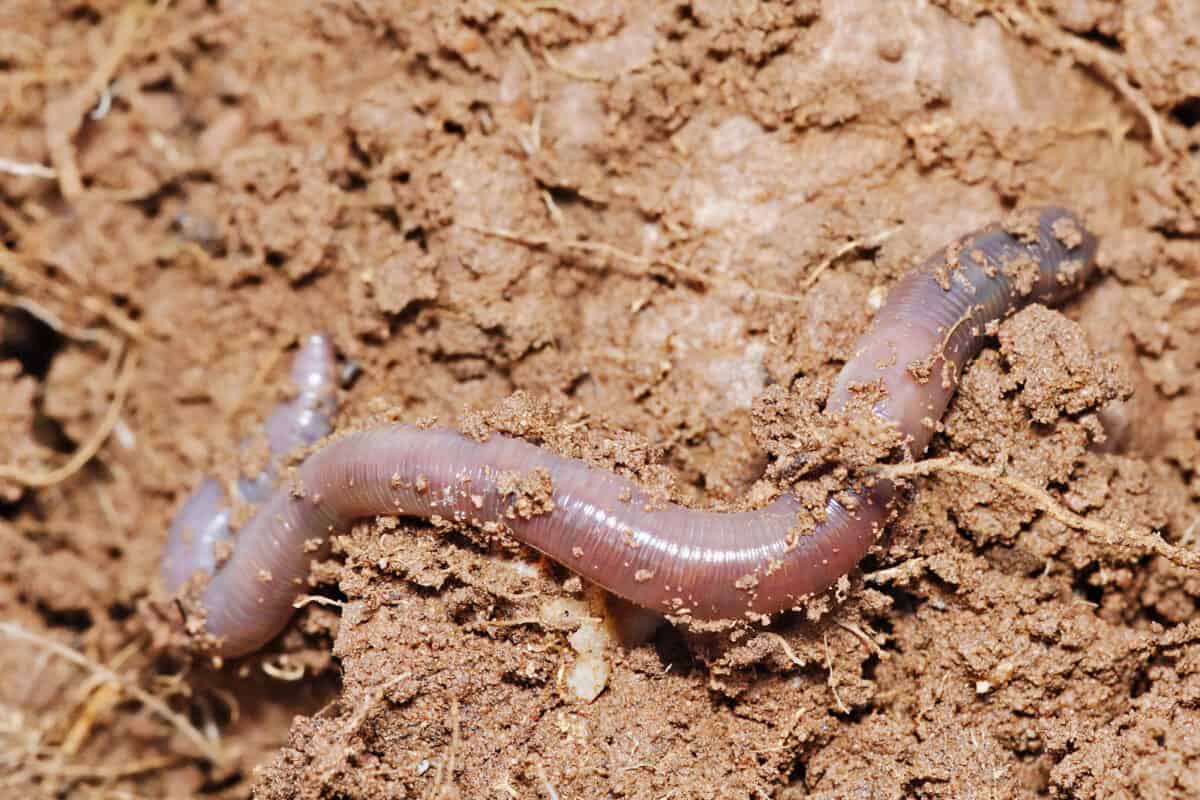
Giant Palouse Earthworm: The Sweet-Smelling Burrower

The giant Palouse earthworm, first discovered in 1897, was declared extinct in the 1980s. But in 2005, a specimen was unearthed in Washington state. This ghostly white worm can grow over 3 feet long and emits a faint sweet fragrance. It’s not the most glamorous creature, but its return from extinction is nothing short of fascinating.
Large-Billed Reed-Warbler: The World’s Least-Known Bird
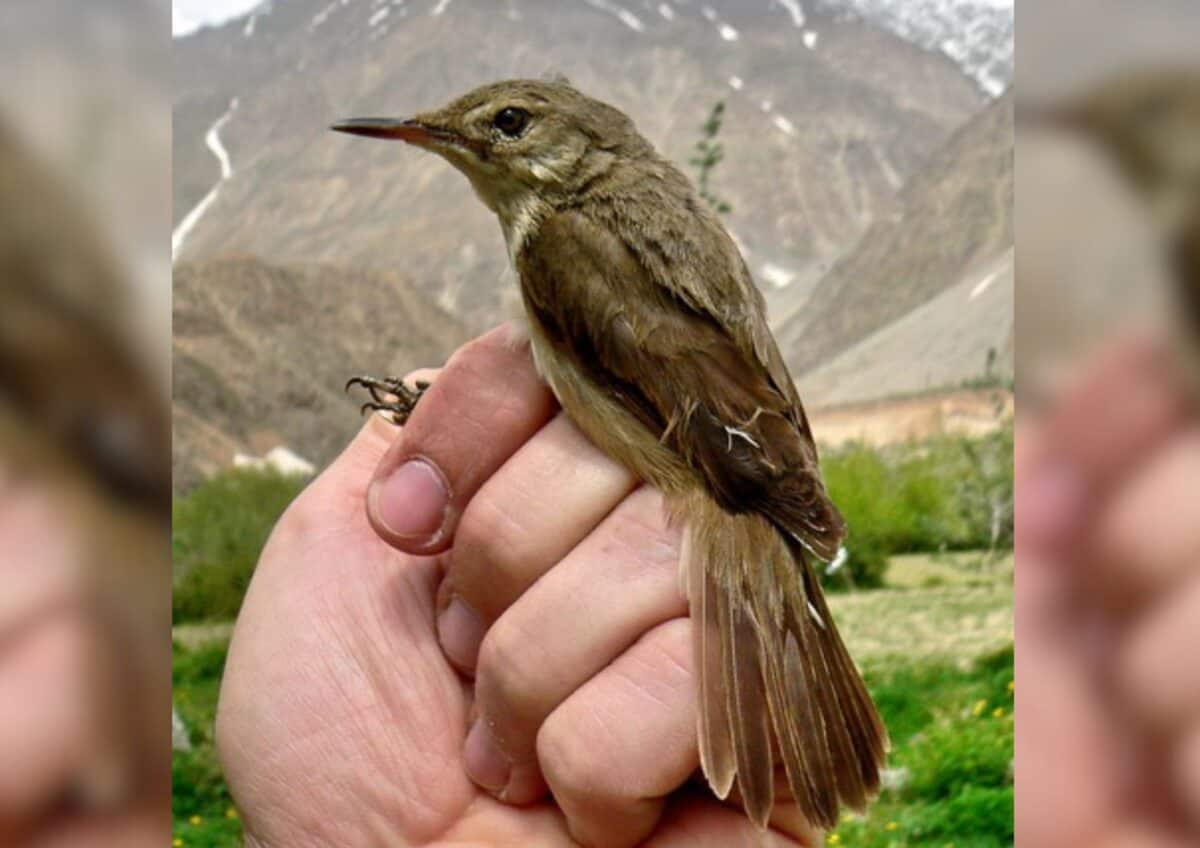
The large-billed reed-warbler was a true mystery, with only one specimen collected in 1867. For over a century, it was presumed extinct, until a wild population was discovered in Thailand in 2006. Despite this incredible find, very little is still known about this bird, making it one of the most elusive and enigmatic creatures on our list.
Laotian Rock Rat: The Living Fossil
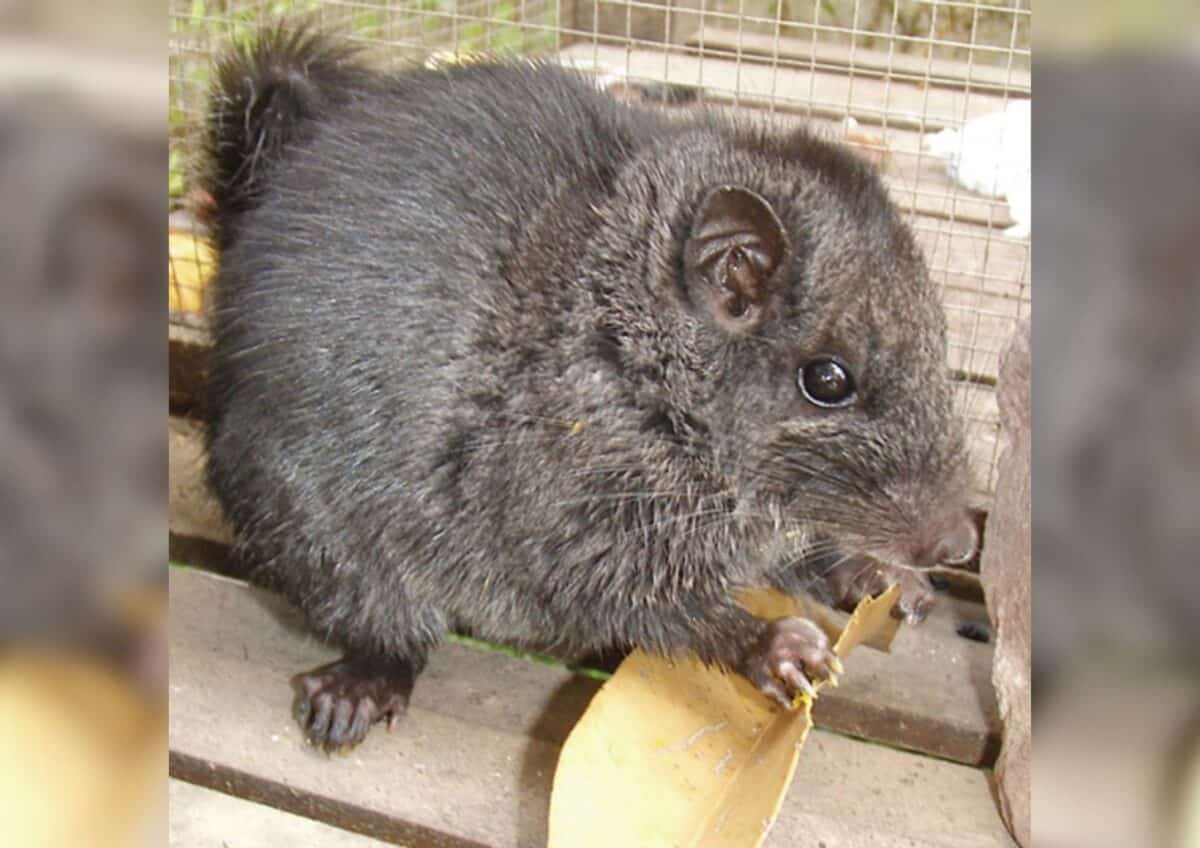
The Laotian rock rat was first discovered in a market in Laos in 1996, where it was being sold as food. Scientists were stunned to find that this rat didn’t belong to any known rodent family—it was from a family believed to have been extinct for 11 million years! This “living fossil” has since been found in the wild, and its rediscovery has baffled scientists and thrilled conservationists alike.
Back From the Brink of Extinction
These Lazarus species remind us that nature is full of surprises. Just when we think a species has been lost forever, life finds a way to reappear. From seabirds to stick insects, each of these animals has defied extinction and proven that even in the face of overwhelming odds, survival is possible. Their stories give us hope for the future of conservation and serve as a reminder to never underestimate the resilience of life.
Worried about unexpected vet bills?
Pet insurance can cover thousands in unexpected vet costs. Get a free quote from Lemonade in under 2 minutes.
Get My Free Quote →Sponsored · Opens Lemonade.com

- 15 Common Snake Species Found in the US - June 5, 2026
- Ancient DNA Found in Cave Dirt May Rewrite Animal History - June 5, 2026
- What Steve Irwin Taught Us About Crocodiles - June 5, 2026