
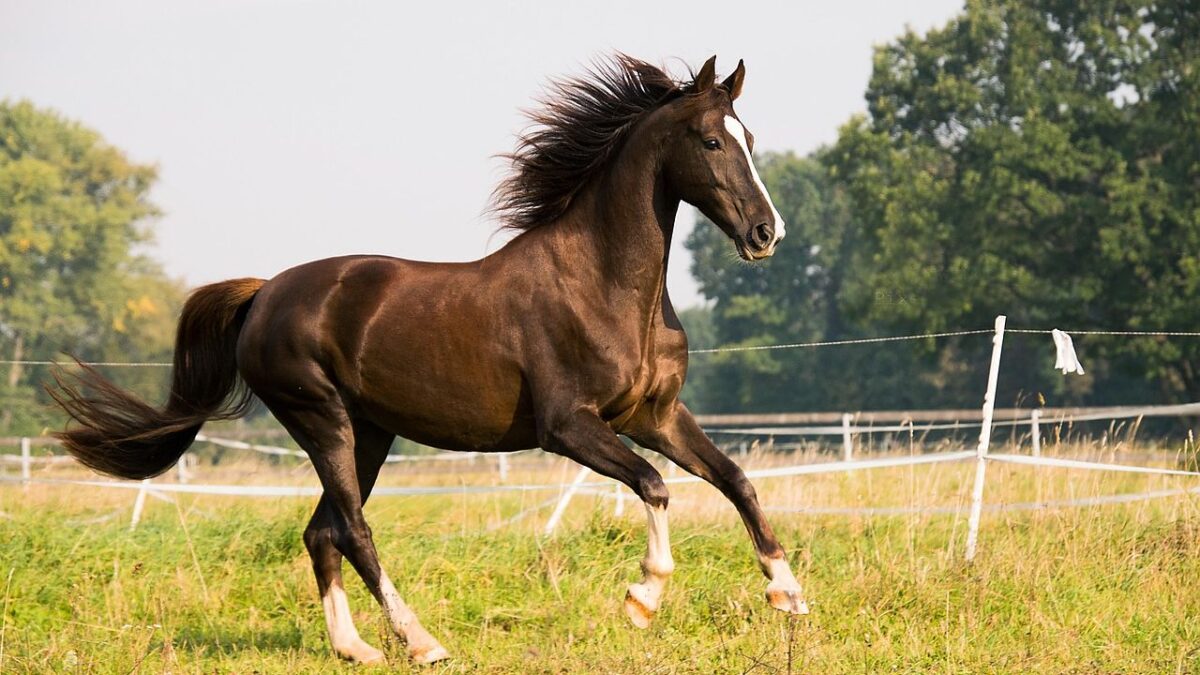
Walk into any tack shop, scroll through any horse-buying group, and you’ll see the same mistake playing out in real time: a wide-eyed beginner falling hard for a breed that looks calm, beautiful, or irresistibly noble – and a vet quietly bracing for the call that comes three months later. It’s not that these horses are bad. It’s that they’re dangerously mismatched with the people most likely to fall in love with them first.
Experienced equine vets don’t usually broadcast this list. It’s the kind of knowledge that lives in exam rooms, in late-night emergency calls, and in the paperwork that follows a rehoming gone wrong. But the pattern is real, it’s consistent, and it tends to repeat itself with the same breeds over and over. A few of the entries below will feel obvious. At least three will genuinely surprise you – and one is probably already on your shortlist right now.
#1 – Thoroughbred
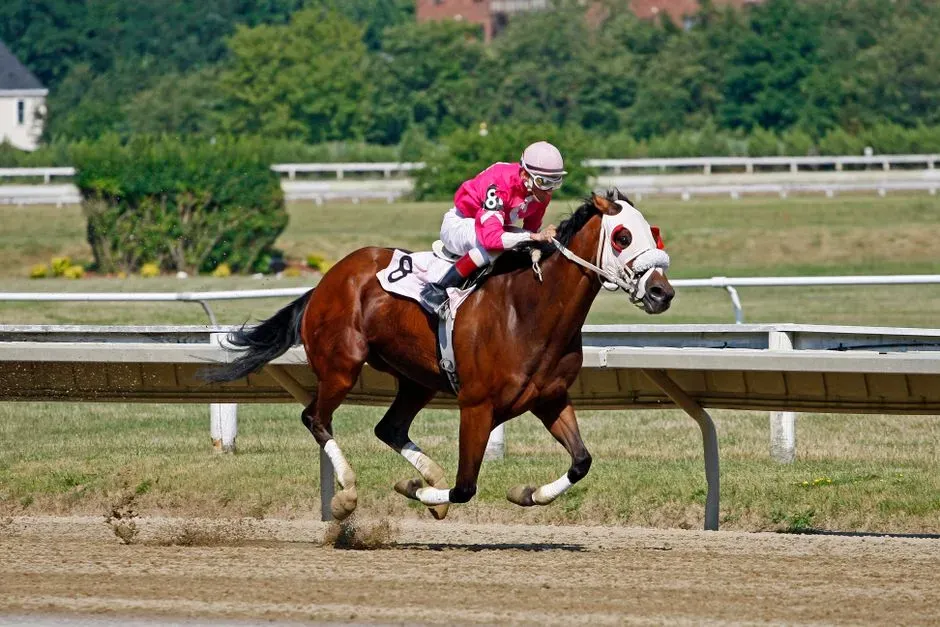
No breed tops this list by accident. Thoroughbreds carry a racing legacy that sounds romantic until you’re standing in a paddock with 1,200 pounds of adrenaline and nowhere to go. Their legs were bred for speed, not longevity, and most retired racehorses arrive carrying old injuries, deeply ingrained flight responses, and nervous systems calibrated for a very specific, high-pressure world. The jump from the track to a beginner’s backyard is enormous – and the horse pays for it first.
Vets consistently flag ex-racehorses as the single most common source of catastrophic injuries and rushed rehoming among first-time owners. What looks like a spirited personality in the sales photos often translates to bolting, spooking at shadows, and zero tolerance for the small rider errors every beginner makes constantly. The speed that made them great on the track becomes genuinely dangerous when something goes wrong in an open field. This is the breed where “I thought I could handle it” most often ends in an ambulance or an emergency vet call.
Fast Facts
- Tendon injuries affect approximately 30% of Thoroughbreds in active training, mostly in the forelimbs.
- Bowed tendons alone force roughly 25% of racehorses into early retirement – often with lasting soundness issues.
- Almost every Thoroughbred racehorse suffers some degree of gastric ulceration by the time they leave the track.
- A Thoroughbred’s racing career averages just 1 to 5 years out of a potential 25-year lifespan – leaving decades of complexity ahead.
- Musculoskeletal injuries are the most common reason for involuntary retirement, accounting for 36% of all retirements in studied populations.
#2 – Arabian
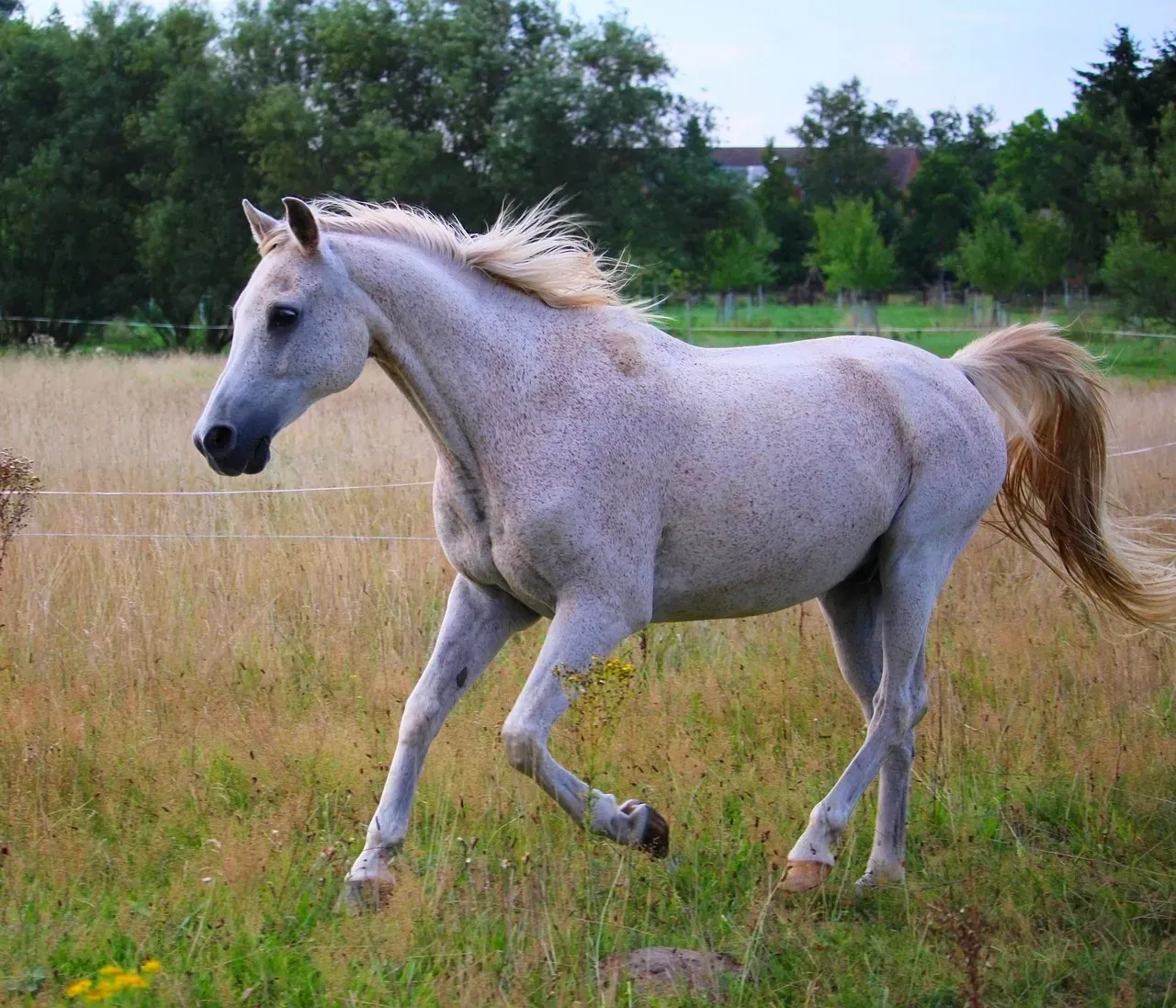
Arabians are, by almost any measure, one of the most beautiful horses alive. They are also one of the most emotionally intelligent – and that combination is exactly what makes them a minefield for novices. Their sensitivity isn’t a quirk. It’s hardwired. They read their rider’s body language, confidence level, and emotional state the way other horses simply don’t, and a beginner broadcasting uncertainty is not a reassuring signal to an Arabian. It’s an invitation to take charge themselves.
Vets report higher injury rates for both horse and rider when Arabians land with inexperienced owners, and the frustrating part is how preventable most of those cases are. The breed’s beauty and historical prestige create a specific kind of overconfidence in new buyers – the feeling that owning something this magnificent means you’re already a cut above the average beginner. That overconfidence gets tested fast. What looks like a deep partnership in someone else’s videos often becomes, for the unprepared, a daily battle of wills that neither side is winning.
Worth Knowing
- Arabians are often called “The Thinking Man’s Horse” – they can size up a rider’s ability and mood faster than almost any other breed.
- Their intelligence means they learn bad habits as quickly as good ones – inconsistency from a beginner gets locked in fast.
- Arabians are hot-blooded and not recommended for beginners or inexperienced riders by most equine professionals.
- Average purchase price ranges from $5,000 to $30,000, with exceptional individuals exceeding $100,000 – high financial stakes for a mismatch.
- Harsh training methods cause Arabians to become reactive and increasingly difficult to manage – a cycle beginners rarely recognize until it’s entrenched.
#3 – Mustang
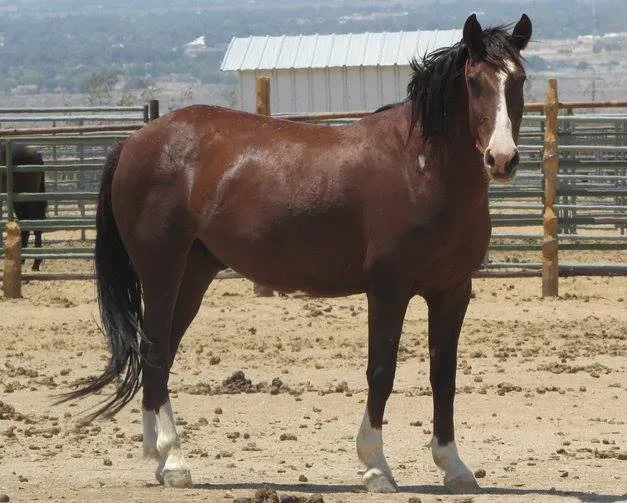
The Mustang’s appeal is almost mythological. Wild horse, open plains, unbreakable spirit – it’s the stuff of childhood posters and Hollywood scripts. But the romantic image skips the part where most Mustangs arrive carrying the psychological weight of capture, confinement, and handling that was rushed, rough, or simply wrong. That history doesn’t disappear because someone spent a few weeks “gentling” the horse. It goes underground and waits.
Vets see elevated rates of trust issues, sudden bolting, and health problems rooted in poor early care among Mustangs placed with beginner owners. Even horses that appear calm and manageable in a controlled environment can revert to survival-mode behavior the moment something unexpected happens – a tarp blowing across the paddock, a loud vehicle, a rider who grabs the reins too hard. A seasoned handler can read those signals and de-escalate. A beginner usually can’t. The romantic appeal of the Mustang is real. The idea that it translates easily into safe first-horse ownership is not.
#4 – Saddlebred
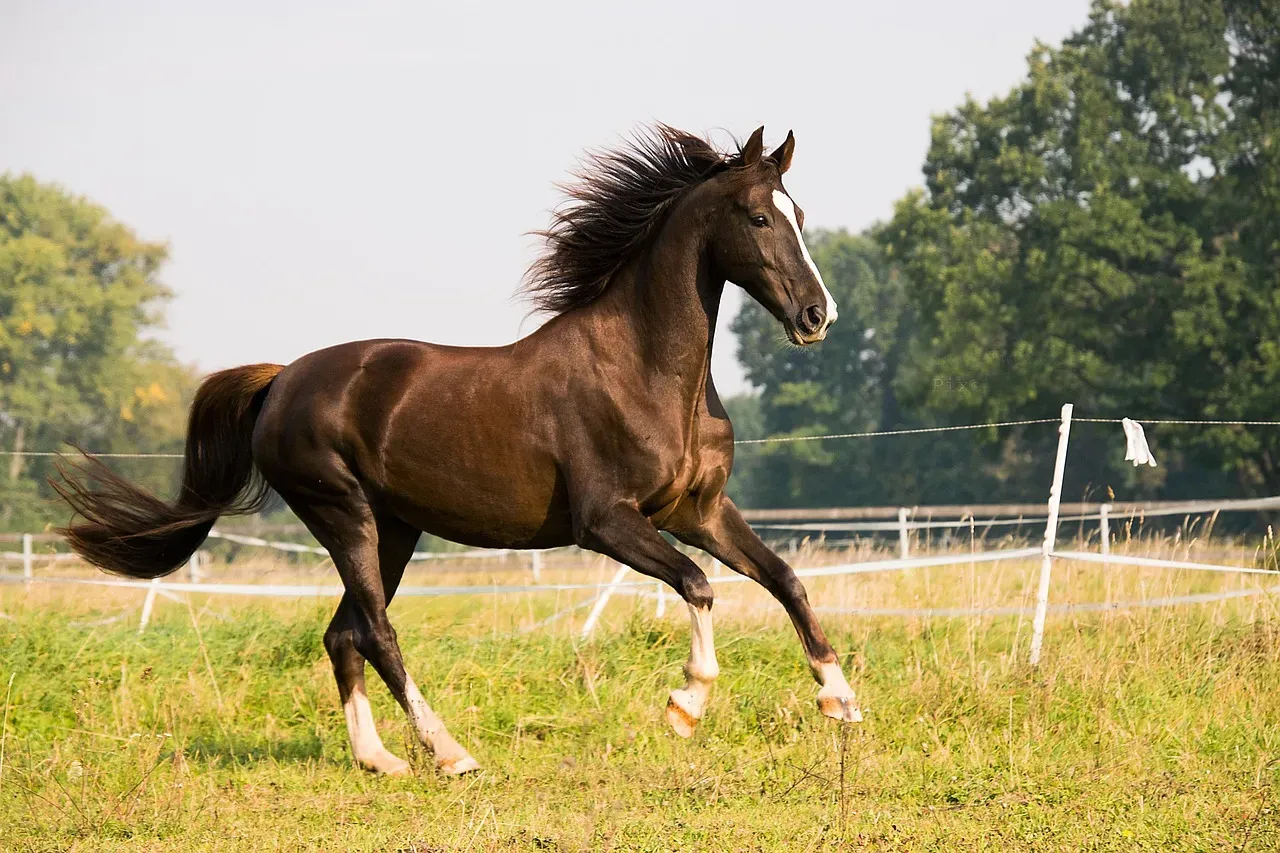
Saddlebreds in the show ring are spectacular – high-stepping, animated, almost theatrical in their presence. That energy reads as charisma from the bleachers. In a paddock with an inexperienced handler, it reads as something harder to manage. The breed carries a nervous edge that is inseparable from its showmanship, and beginners who don’t understand that distinction tend to mistake anxiety for personality and sensitivity for spirit.
Vets frequently treat Saddlebreds for stress-related ulcers and behavioral problems that trace directly back to mismatched expectations. These horses pick up on inconsistency fast, and small rider errors – the kind every beginner makes without realizing it – can escalate into dangerous situations before anyone understands what triggered them. The finesse required to ride and manage a Saddlebred well takes years to develop. Most beginners don’t have years. They have enthusiasm, and these horses need more than that.
#5 – Percheron
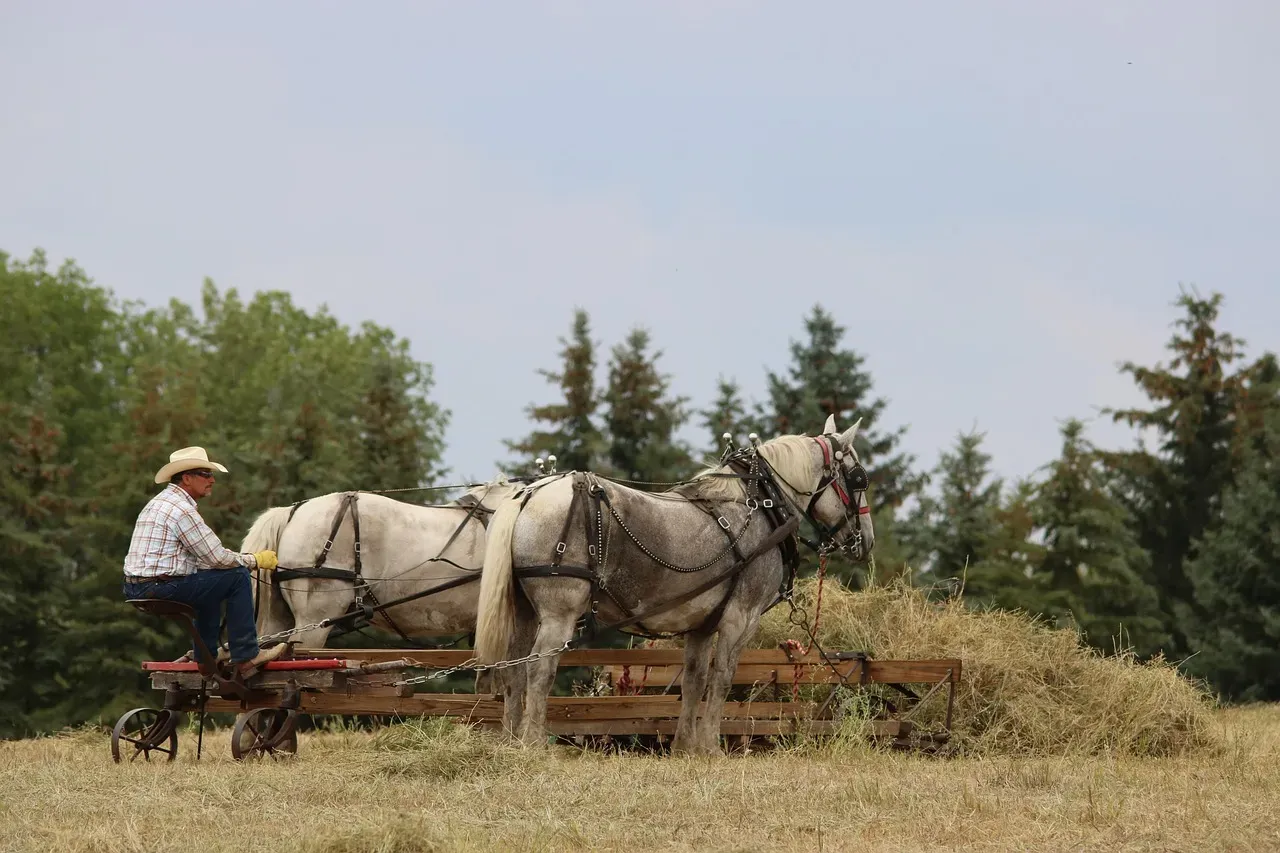
The Percheron’s reputation as the “gentle giant” of the draft world isn’t entirely wrong – but it is incomplete. These horses are powerful, steady, and often genuinely good-natured. What beginners don’t account for is the sheer scale of the logistics involved. Housing, feeding, exercising, and maintaining a horse that can push 2,000 pounds is a different undertaking than anything most new owners have prepared for, regardless of how calm the horse is standing in a field.
Vets note that the breed’s easy-going reputation only holds under experienced management. Draft genetics bring a tendency toward metabolic issues when nutrition isn’t carefully controlled, and size-related injuries – joint stress, hoof problems, and difficulties with safe handling – appear more often than the Percheron’s image suggests. The horse’s strength also means any moment of resistance, even accidental, becomes a physical problem that an inexperienced handler cannot safely resolve. “Easy” is a relative term with a 2,000-pound animal.
At a Glance: Draft Breed Reality Check
- Weight: Percherons and Clydesdales regularly reach 1,800–2,000+ lbs – physics that make any handling error consequential.
- Feed costs: Draft horses can consume 2–3 times the daily feed of an average riding horse, with associated costs to match.
- Hoof care: Specialized farriers for large drafts charge significantly more per visit and are harder to find in rural areas.
- Metabolic risk: Drafts are prone to Equine Metabolic Syndrome and laminitis when diet and exercise aren’t precisely managed.
- Tack and equipment: Custom blankets, extra-wide saddles, and draft-specific halters add significant upfront cost most beginners haven’t budgeted for.
#6 – Clydesdale
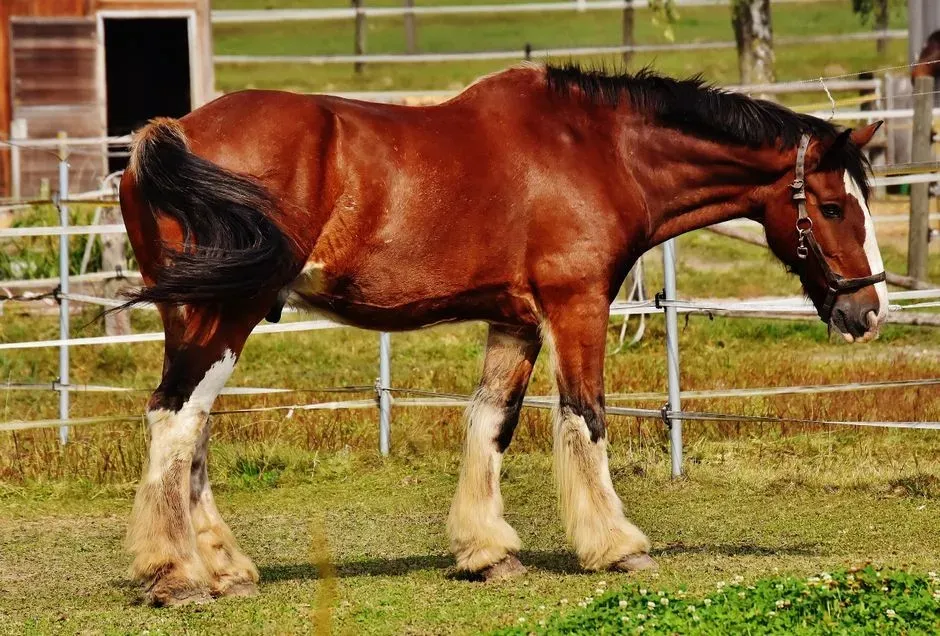
Clydesdales have spent years starring in heartwarming commercials, which has done their actual ownership reputation no favors whatsoever. People arrive expecting a giant, forgiving puppy. What they find is an animal that requires an almost obsessive level of daily maintenance just to stay healthy. The trademark feathering around their hooves – beautiful, dramatic, instantly recognizable – is also a moisture trap that invites skin infections called “scratches” or “mud fever,” which can become serious quickly when left unchecked.
Beginners consistently underestimate two things: the daily grooming time those feathered legs demand, and the sheer volume of feed a Clydesdale burns through to stay in condition. When either slides, the vet bills follow. And unlike with a smaller horse, any behavioral issue involving a Clydesdale becomes an immediate safety concern – not because the breed is aggressive, but because the physics of a horse this size are non-negotiable. A minor refusal from a 1,800-pound horse is not a minor event.
#7 – Shire
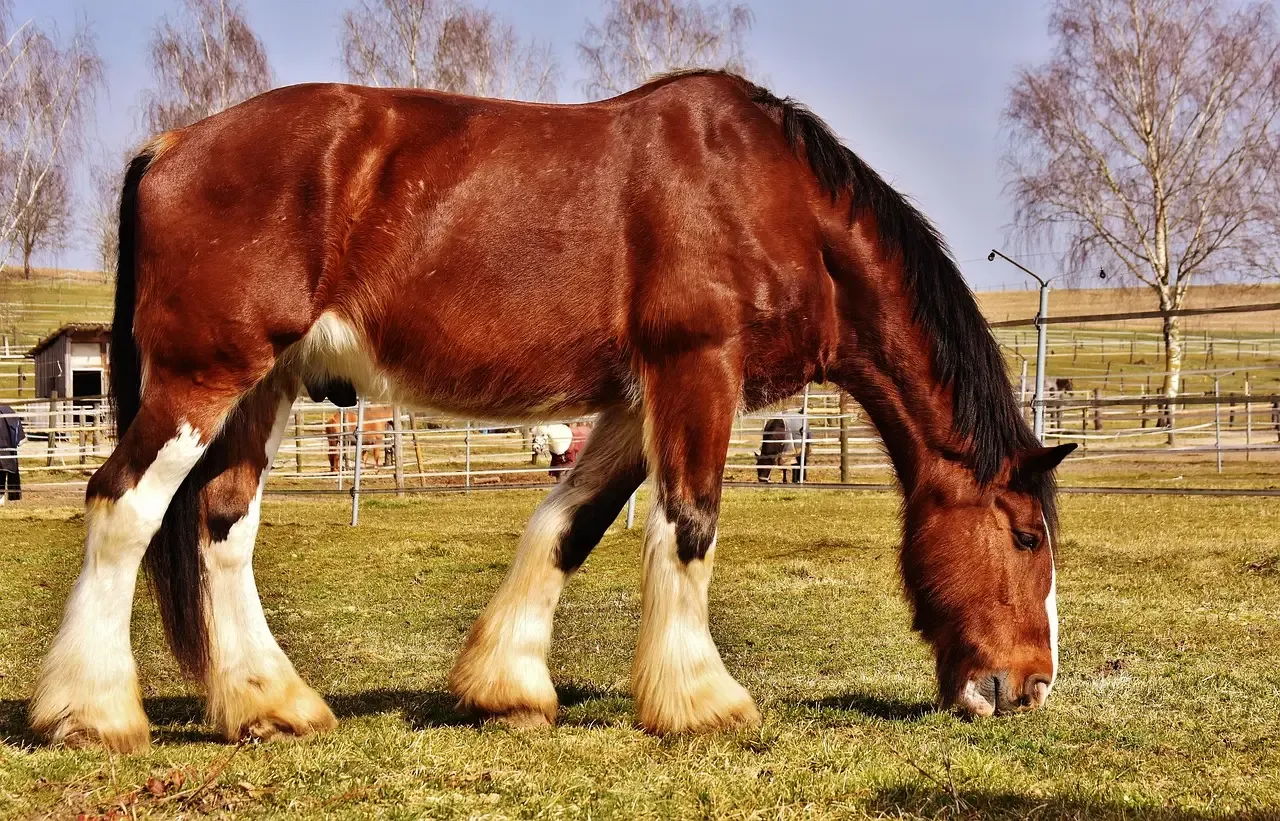
Shires are the largest of the draft breeds, and their gentle reputation is largely deserved. But “gentle” doesn’t mean “easy,” and no amount of good temperament changes the practical realities of owning a horse that regularly exceeds 2,000 pounds. Mounting without a mounting block is out of the question. Hoof care demands professional farriers who specialize in drafts and charge accordingly. Blankets, tack, and equipment are custom territory. The infrastructure required before the horse ever arrives is more than most beginners have considered.
Vets see frequent digestive and joint issues in Shires when nutrition and exercise regimens aren’t precisely calibrated – and calibrating them correctly requires experience most first-time owners simply don’t have yet. There’s also an underappreciated psychological element: the sheer size of a Shire can erode a new owner’s confidence faster than any misbehavior could. Handling a horse you’re physically intimidated by is a self-fulfilling problem. The horse reads the hesitation, and things get complicated from there.
#8 – Hanoverian
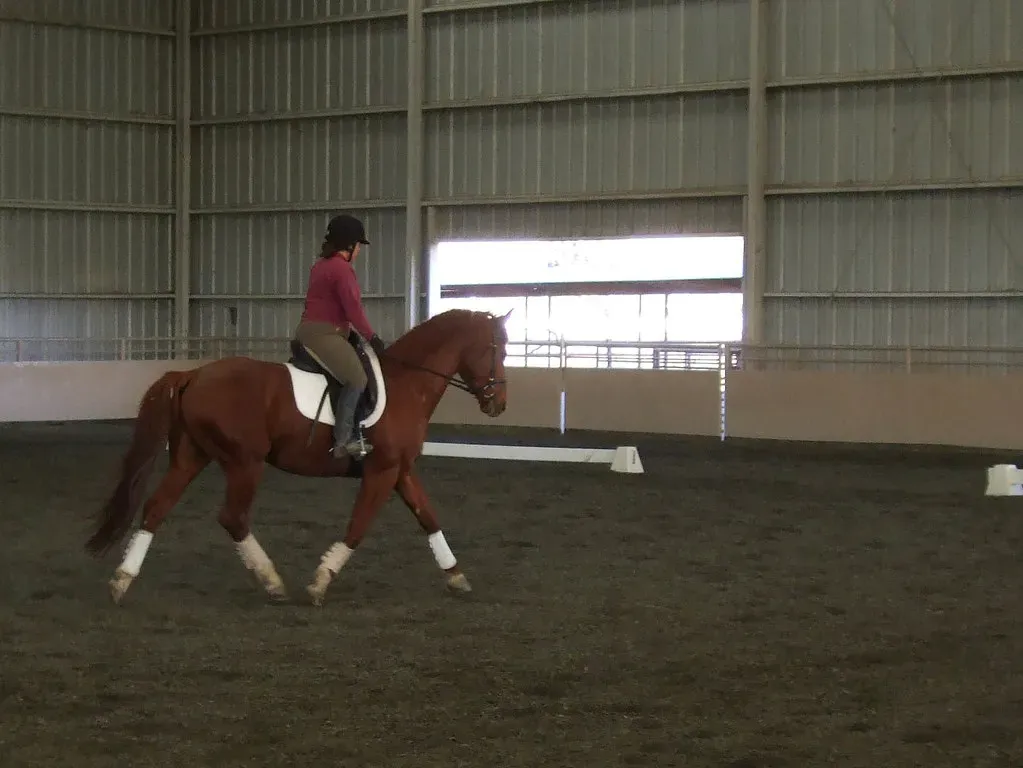
Hanoverians are bred to excel – at dressage, at jumping, at almost every discipline that demands power, collection, and responsiveness. That sounds like a good thing, and in the right hands, it absolutely is. But breeding for athletic excellence also means breeding for a horse that responds to precise, educated aids. Hanoverians don’t fill in the gaps for you. They respond to exactly what you give them, which is a problem when what you’re giving them is the uncertain, inconsistent communication of a beginner still learning the basics.
Vets advise against Hanoverians for new owners not because the horses are mean or difficult by nature, but because their athleticism and responsiveness demand a skill level that takes years to build. Confusion and resistance develop quickly in these pairings, and a powerful, frustrated warmblood is a genuine safety risk. Many end up as expensive pasture ornaments after the first few months – not because anyone failed dramatically, but because the match was wrong from the start and no one said so plainly enough.
Quick Compare: What Makes Warmbloods Like Hanoverians Tricky for Beginners
- Responsiveness: Built to react to subtle, educated leg and hand aids – beginner signals are often unclear or contradictory.
- Power: A frustrated 1,500+ lb warmblood has the physical capacity to make every miscommunication immediately dangerous.
- Cost: Quality Hanoverians typically start at $10,000–$30,000+ – a steep financial loss when the pairing doesn’t work out.
- Training dependency: They don’t self-correct for rider error the way a schoolmaster breed will; they escalate it.
- Better beginner alternative: An older, trained school horse or a calm Quarter Horse offers similar athletic partnership without the unforgiving margin.
#9 – Akhal-Teke

The Akhal-Teke is one of the rarest and most visually striking horses in the world. That metallic sheen on their coat isn’t a photo filter – it’s a real structural feature of the hair shaft, and it makes them look like something out of mythology. They’re also ancient, lean, and built for a very specific kind of endurance across harsh Central Asian terrain. That history is inseparable from the horse standing in front of you, and it shapes everything about how they need to be managed.
Vets flag Akhal-Tekes for thin skin that is genuinely more reactive to insects, UV exposure, and environmental irritants than most breeds. Their sensitivity extends to handling – they read inconsistency as a threat, not a quirk, and they respond accordingly. Beginners often discover this the hard way. The combination of rarity, delicacy, and a temperament that demands quiet, confident horsemanship turns routine daily care into specialized work. There’s almost no margin for the learning curve every beginner is still working through.
#10 – Friesian
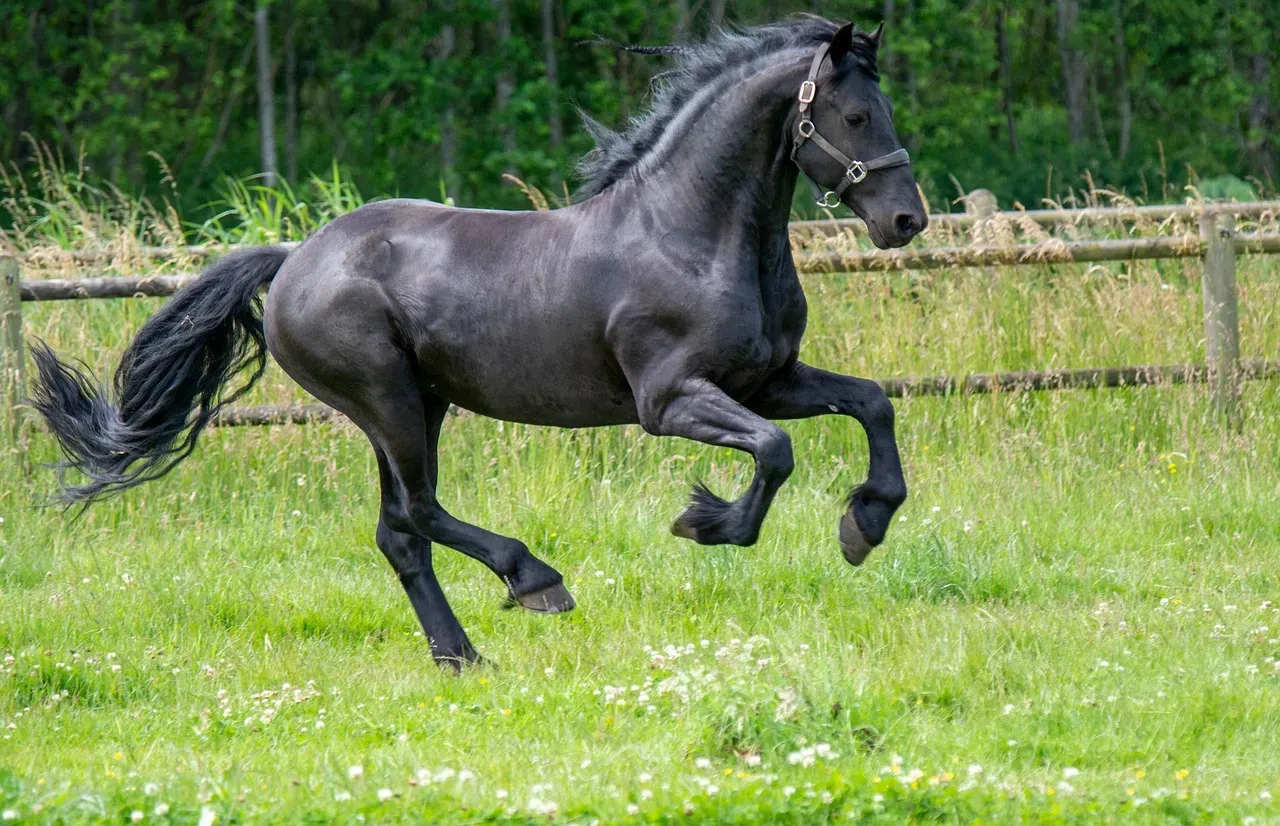
Few horses stop traffic the way a Friesian does. The dramatic black coat, the flowing mane, the arched neck – it’s the kind of horse that makes people forget to ask practical questions. And the practical questions are important, because behind that stunning exterior sits a genetic profile that keeps equine vets busier than most owners expect. Friesians carry elevated risks for several serious hereditary conditions, and those conditions don’t always announce themselves before the purchase is complete.
Many new Friesian owners face significant, unexpected diagnoses within the first year of ownership – not because they were unlucky, but because the breed’s genetic challenges are consistent enough that experienced vets brace for them. Add in the high feed costs, the specialized hoof care demands of a heavy-bodied horse, and the fact that a Friesian’s lovely temperament doesn’t offset a medical crisis, and you have a breed that requires both deep pockets and prior experience to own responsibly. The beauty is real. The risk is just as real.
Why It Stands Out (For All the Wrong Reasons)
- Research confirms Friesians have a higher prevalence of severe esophageal disease (megaesophagus) than any other horse breed studied.
- Megaesophagus in Friesians is suspected to be hereditary, linked to abnormal collagen and sometimes present even in very young foals.
- Known hereditary conditions include dwarfism, hydrocephalus, aortic rupture, chronic lymphedema, and retained placenta in mares.
- Friesians may also be prone to obesity and laminitis when diet and exercise aren’t carefully controlled.
- Their long leg feathering demands daily skin monitoring to prevent chronic pastern dermatitis – a task beginners routinely underestimate.
#11 – Andalusian
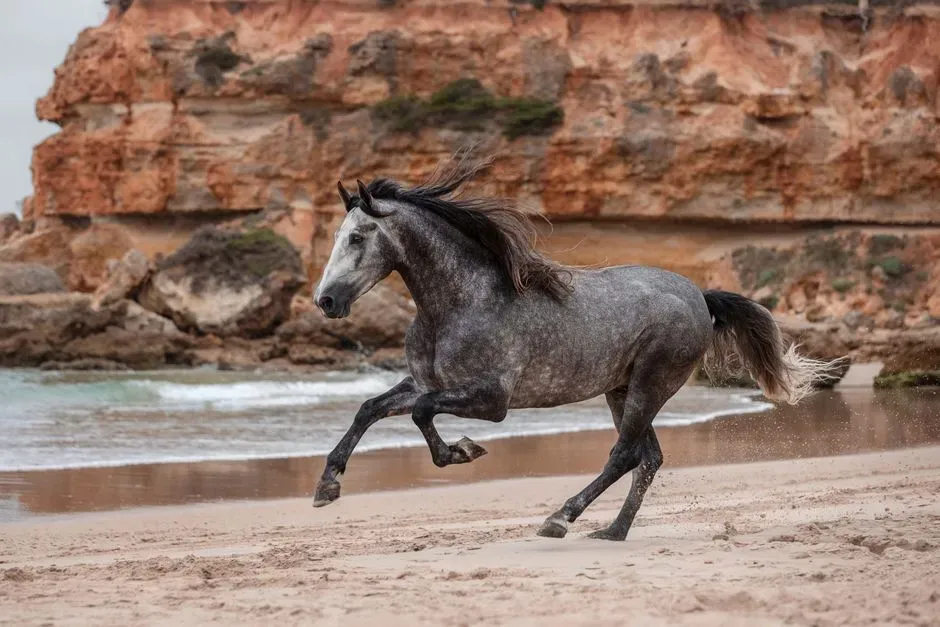
Andalusians have centuries of history as war horses, dancing horses, and the breed that launched a thousand Renaissance paintings. They are breathtakingly athletic, responsive, and capable of movements that look almost impossible. They’re also quick – quick to react, quick to pick up new patterns, and quick to notice when the person holding the reins doesn’t quite know what they’re doing. That combination of power and sensitivity is exactly what makes an Andalusian magnificent in experienced hands and genuinely problematic in inexperienced ones.
Vets note frequent back and joint strain when beginners without the core strength or timing to ride correctly try to work these horses regularly. The physical toll on the horse is real, but so is the psychological toll. Andalusians that receive unclear, inconsistent leadership can become defensive and anxious – not because the horse is broken, but because the horse is waiting for direction that never comes and filling the vacuum itself. Some individuals in the breed are forgiving enough to absorb beginner mistakes. Many are not, and new buyers rarely know which they’re getting until it’s too late.
#12 – Missouri Fox Trotter
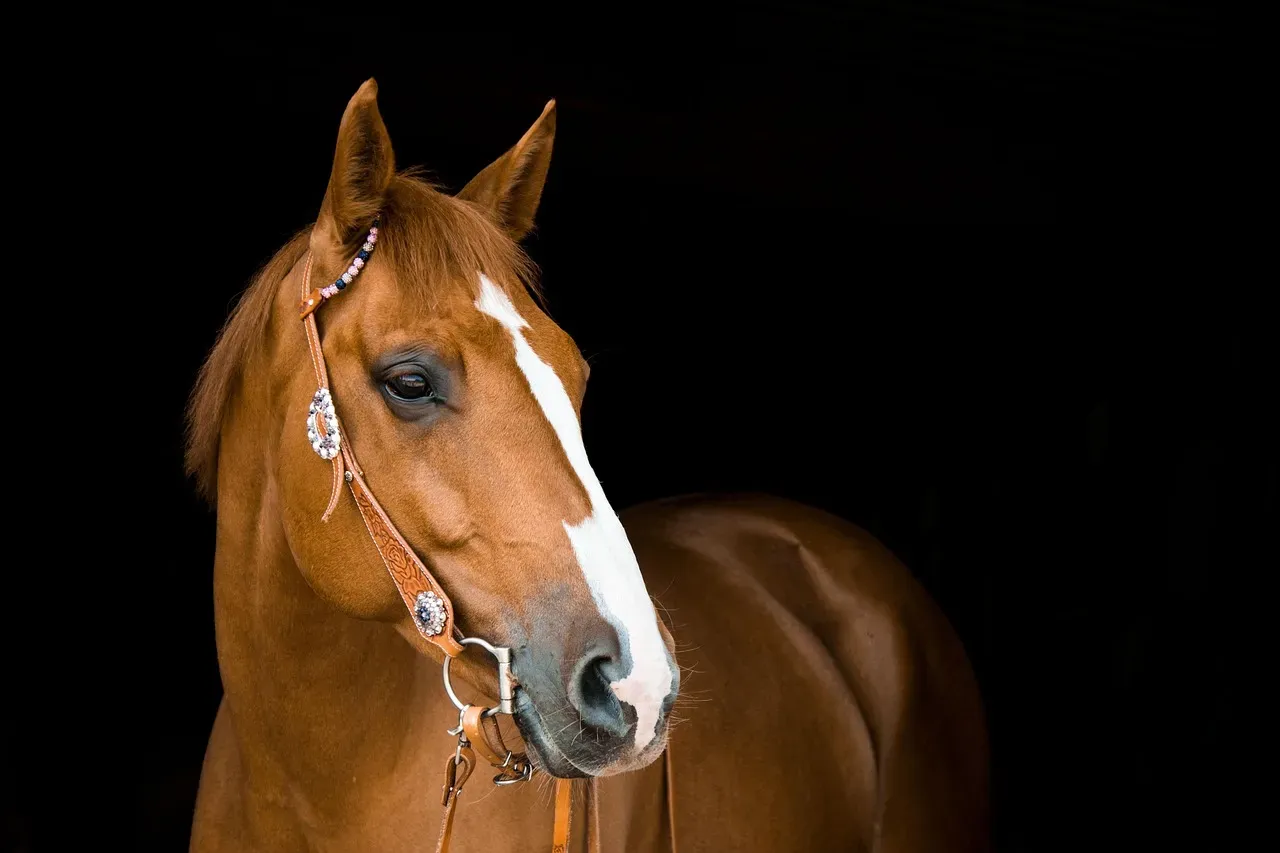
The Missouri Fox Trotter is marketed as one of the most trail-friendly breeds alive, and the smooth, four-beat fox trot gait delivers on that promise in a very literal sense – it’s an exceptionally comfortable ride for hours on end. But that gait, the same feature that sells the horse, is also the feature that creates problems for unprepared owners. The fox trot’s unique movement pattern can mask early lameness in ways that a more conventional trot would expose clearly. By the time a beginner notices something is off, the issue has often quietly progressed.
Vets also flag the specialized shoeing and training requirements that gaited breeds like this one demand. Many Fox Trotters arrive in new homes carrying baggage from previous owners who didn’t fully understand those needs, and small training gaps in a gaited horse tend to compound faster than they would in a more straightforward breed. What starts as minor reluctance or evasion can escalate into outright refusal or dangerous behavior – and beginners rarely have the experience to identify the difference between a training problem and a pain response before it becomes a crisis.
#13 – Tennessee Walking Horse
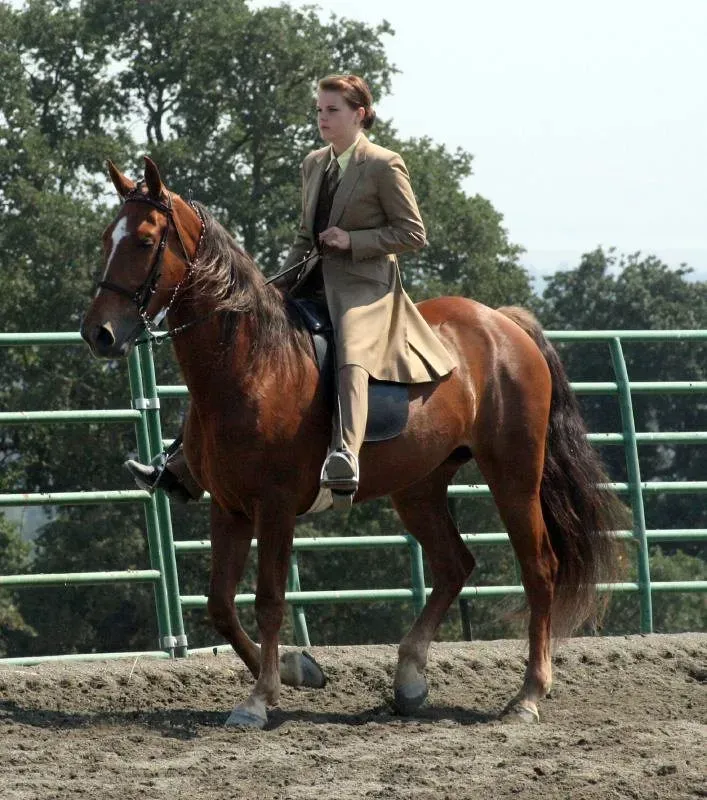
The Tennessee Walking Horse closes this list rather than opens it, but that doesn’t make the concern any smaller. These horses are genuinely beautiful to watch in motion – the running walk is smooth, rhythmic, and comfortable in a way that converts skeptics on the first ride. The problem isn’t the horse itself. It’s the complicated history that follows the breed. Decades of controversial training practices, including the use of painful techniques to exaggerate the gait, have left deep behavioral scars in a significant portion of the breed population that don’t surface until the horse is under pressure.
Vets report higher rates of hoof and leg issues tied to the exaggerated movement demands placed on these horses, and the need for farriers who genuinely understand gaited horses is non-negotiable – not optional. Beginners who assume standard shoeing and basic trail riding will be sufficient are frequently wrong. The breed’s sensitivity to improper handling means gaps in training or inconsistent management create resistance, pacing problems, and behavioral escalation faster than most new owners anticipate. The ride might feel smooth. The ownership experience often isn’t.
At a Glance: Gaited Breed Warning Signs for Beginners
- The smooth gait that feels beginner-friendly can hide early-stage lameness that a standard trot would reveal immediately.
- Both Missouri Fox Trotters and Tennessee Walkers require farriers who specialize in gaited horses – a professional that’s harder to find and more expensive to retain.
- A significant portion of the Tennessee Walking Horse population carries behavioral trauma from historical training abuses that surfaces only under pressure.
- Training gaps in gaited horses compound faster than in conventional breeds, turning minor evasions into full refusals within weeks.
- Neither breed is truly “plug and play” – both demand gaited-horse-specific knowledge at the farrier, trainer, and vet level.
The frustrating truth about every breed on this list is that none of them are villains. They’re horses that are exceptional at being what they were bred to be – and that’s precisely the problem when the person on the other end of the lead rope is still figuring out the basics. Vets watch this mismatch play out constantly, and the cost falls hardest on the horse. If you’re new to ownership and one of these thirteen is already calling your name, that pull is worth listening to – just not yet. Build your skills on a forgiving partner first, and the horse you’re dreaming of will still be worth it when you’re actually ready for them.

- 7 Signs Your Dog Thinks You're Family - July 21, 2026
- 10 Fascinating Facts About the Gila Monster – America’s Only Venomous Lizard - July 21, 2026
- 10 Fascinating Facts About Birds of Prey You Never Knew Existed - July 21, 2026