
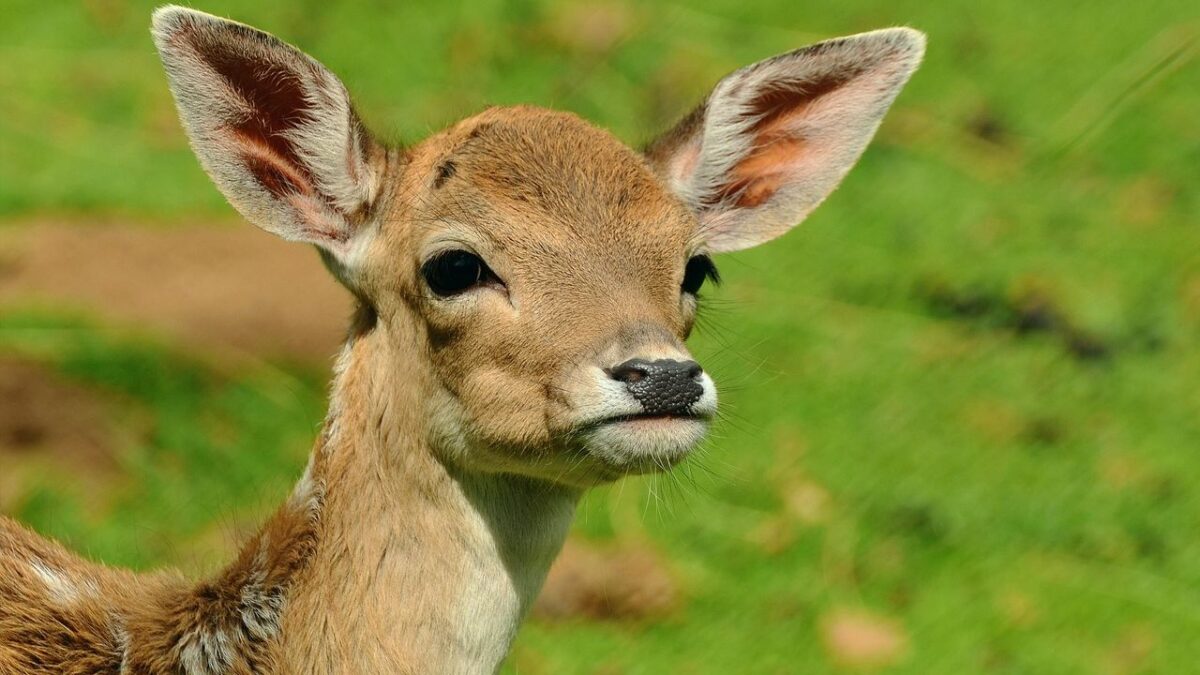
Picture a deer no taller than your kitchen counter, casually swimming between tropical islands, munching on mangroves, and thriving in a place most people associate with cruise ships and beach bars. Here’s the thing: most visitors to the Florida Keys don’t even know these pint-sized whitetails exist. They’re easy to miss, sure.
Key deer are found nowhere else in the world, making them one of North America’s most unique subspecies. Think about it – in all the vast stretches of wilderness across this continent, there’s exactly one tiny chain of islands where you’ll encounter these miniature marvels. While their larger mainland cousins roam forests from Canada to South America, these diminutive deer have carved out an improbable existence on a handful of limestone islands.
Let’s dive into the unexpected, the surprising, and the downright fascinating world of the Key deer. Be prepared to rethink what you know about deer entirely.
They’re Seriously Tiny – About the Size of a Large Dog
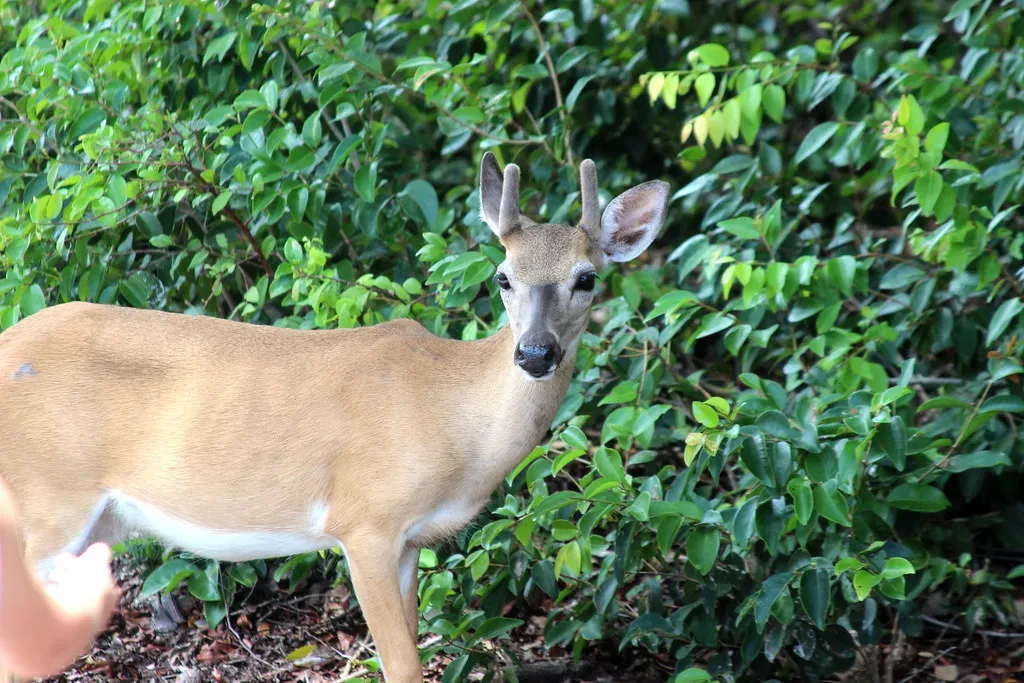
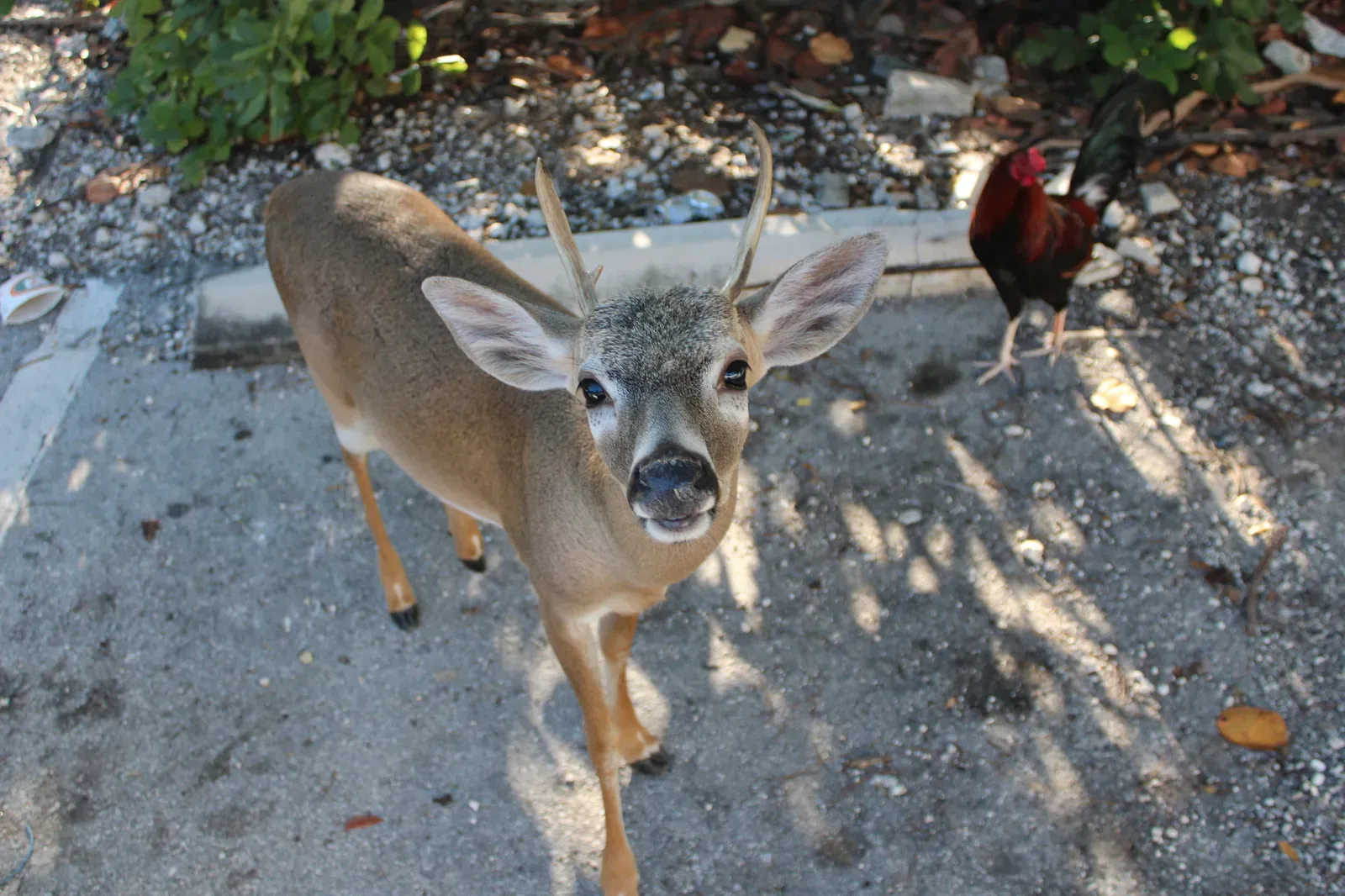
Key deer stand just 24 to 32 inches tall at the shoulder and typically weigh between 45 and 80 pounds. Imagine encountering what looks like a golden retriever with antlers wandering through someone’s backyard. That’s essentially what we’re talking about here.
Picture your golden retriever or yellow lab running around with antlers on its head and you’ve got a pretty accurate mental image. The does are even smaller, tipping the scales at around 65 pounds, while bucks might reach 85 pounds on a good day. Fawns weigh 2 to 4 pounds at birth, about half the size of a mainland whitetail fawn.
Their compact size isn’t just adorable. Living things stuck on livable areas but with limited resources tend to become smaller in size, a phenomenon called the Island Dwarfing Effect. This evolutionary adaptation has allowed Key deer to survive where larger deer simply couldn’t. They need less food, less water, and can find shelter in tighter spaces.
Island Dwarfing Made Them Miniature Over Thousands of Years
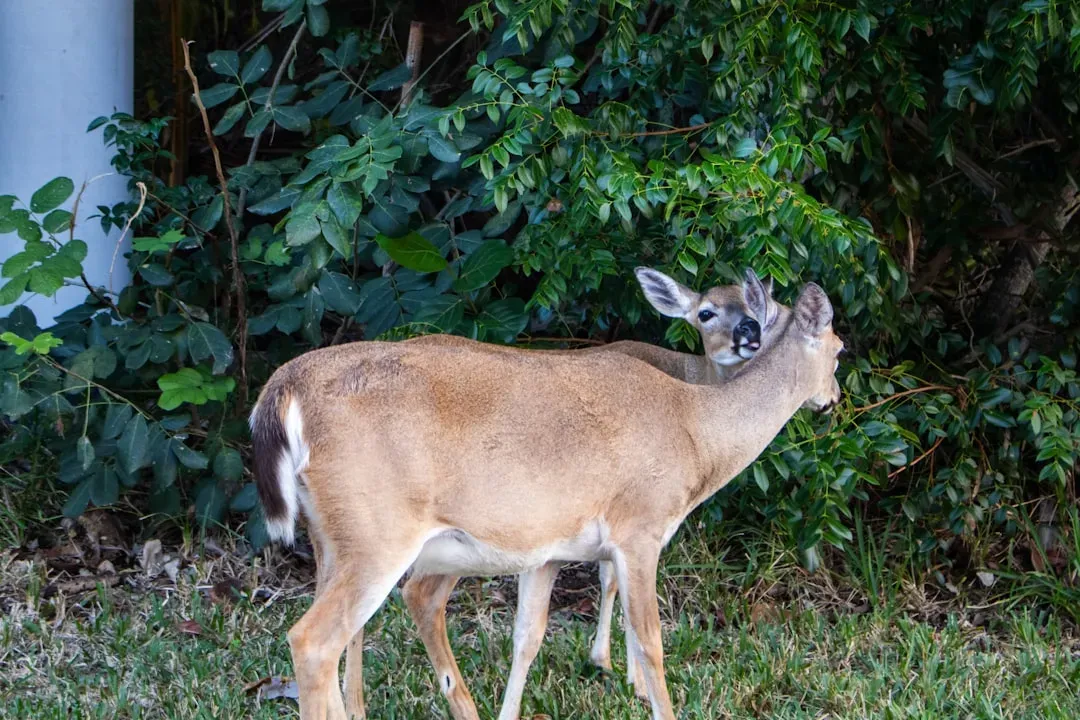
Key deer are a subspecies of white-tailed deer which migrated to the Florida Keys from the mainland over a land bridge during the Wisconsin glaciation, somewhere from 6,000 to 12,000 years ago. When the massive glacier melted, sea levels rose and divided that land bridge into the scattered islands we know today as the Keys.
Isolated from their mainland relatives, these deer gradually shrank over millennia. This phenomenon has been documented worldwide: the pony-sized Island Mammoths that used to live on Wrangel Island near Siberia, dwarf Elephants that once lived on Crete, and dwarf Emus that once lived on islands around Australia. Limited resources naturally favored smaller individuals who required less sustenance to survive.
Some people have circulated stories suggesting humans brought mainland deer to the Keys relatively recently, perhaps within the past century. Genetic studies prove them wrong: miniature Key deer have been in the Keys way longer than humans have shown up. The science is settled – these are ancient island survivors, not recent transplants.
They’re Surprisingly Strong Swimmers Who Island-Hop for Food
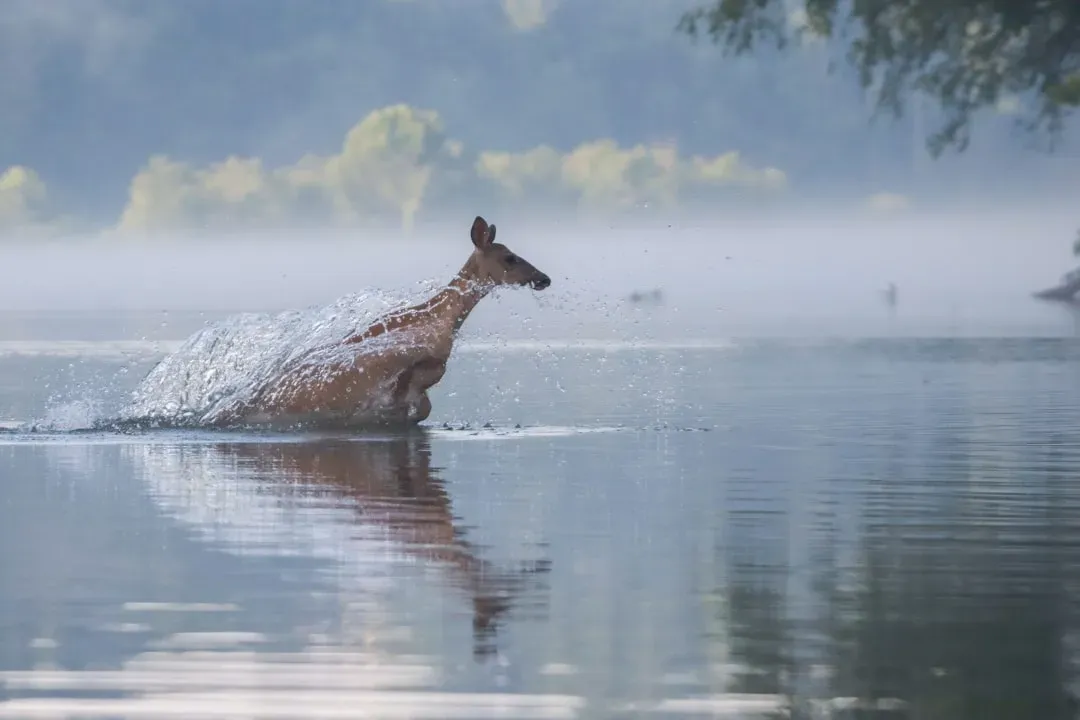
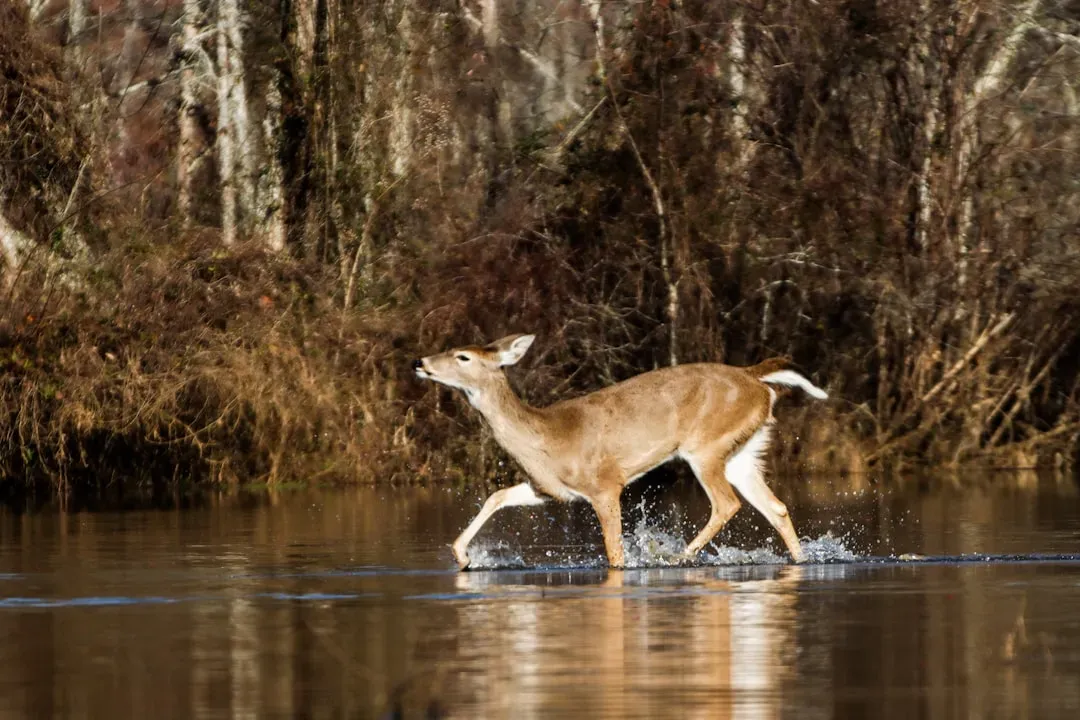
Key deer can walk, wade or swim from island to island, a crucial ability for animals living in an archipelago. Unlike their mainland cousins who might avoid crossing even modest streams, Key deer think nothing of paddling across open water to reach fresh feeding grounds or find reliable water sources.
Key deer use all islands during the wet season when drinking water is more generally available, retreating to islands with a perennial supply of fresh water in dry months. This nomadic lifestyle requires serious swimming stamina. Think about it – these deer are regularly crossing channels between islands, navigating currents and tides that would challenge many terrestrial mammals.
Their swimming prowess isn’t just impressive; it’s essential to their survival. The ability to move freely between roughly two dozen islands gives them access to seasonal food sources and critical freshwater supplies that no single island could provide year-round.
They Feast on Over 150 Plant Species, Including Mangroves
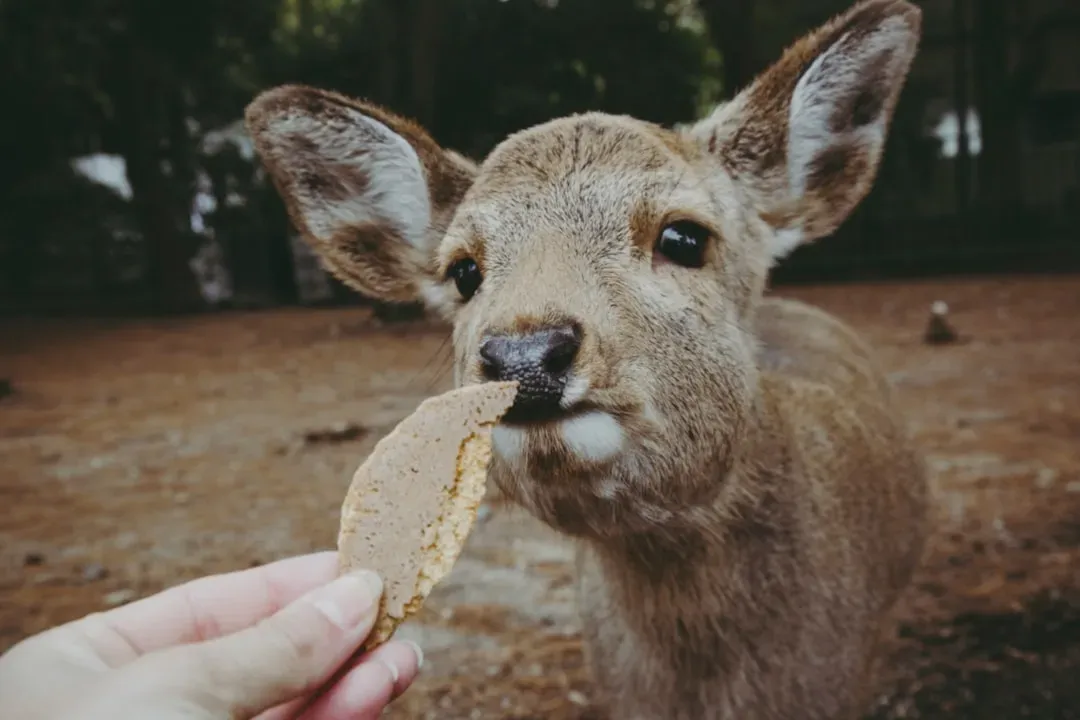
The species feeds on over 150 types of plants, but mangroves (red, white, and black), silver palm fruit and thatch palm berries make up the most important parts of their diets. This is where Key deer truly diverge from mainland whitetails, who wouldn’t touch mangroves even if you paid them.
Mangroves are salt-tolerant trees that grow in coastal waters throughout the tropics. Red and black mangroves constitute 24 percent by volume of the diet of the Key deer, a diet specialization that mainland deer simply don’t possess. It’s fascinating how evolution pushed these miniature deer toward food sources their mainland relatives would ignore entirely.
Some of their primary food sources include red mangroves, blackbead, grasses, pineland acacia, Indian mulberry and pencil flower. The variety in their diet demonstrates remarkable adaptability to island resources. When one plant becomes scarce, they simply shift to another of the many species they’ve learned to digest over thousands of years.
They Can Drink Brackish Water – But Fresh Water Is Critical
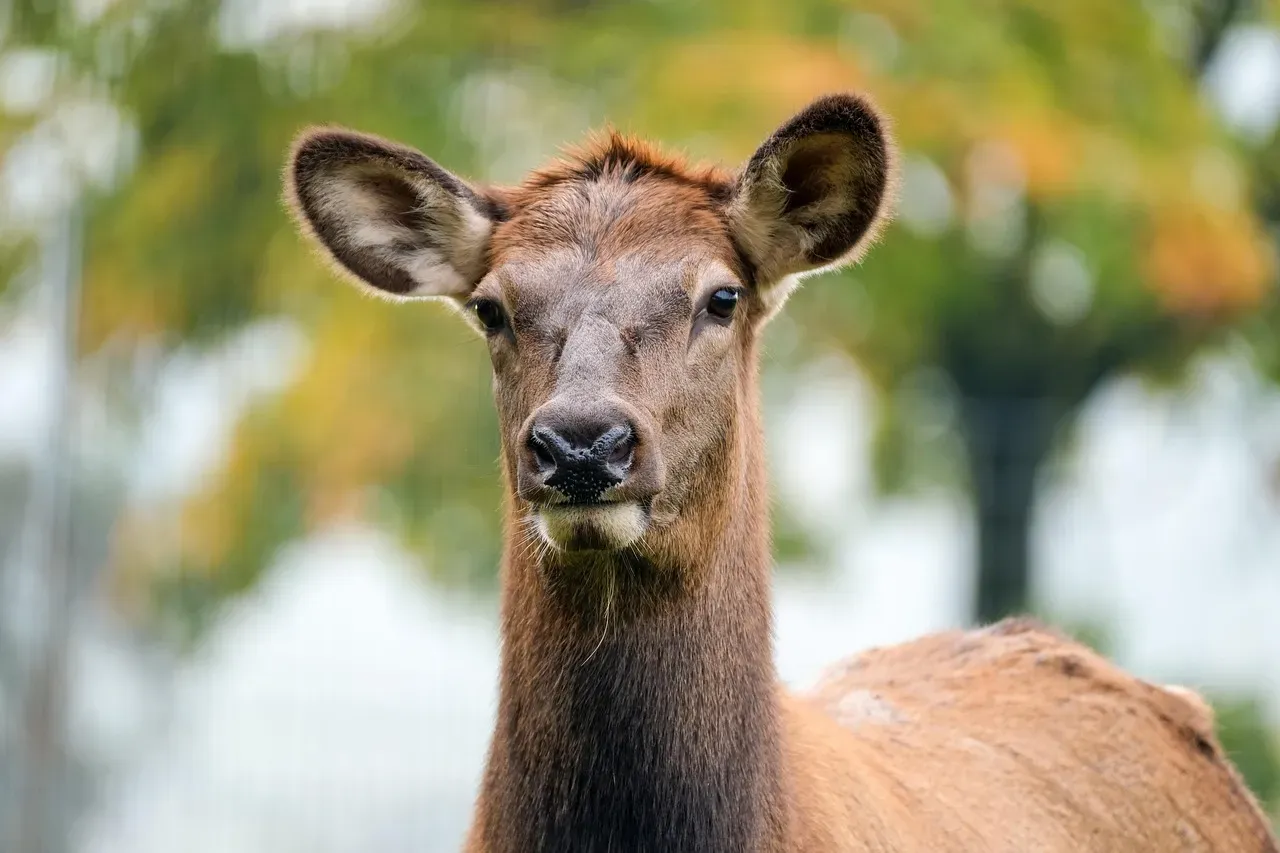
Here’s a survival trick most deer don’t have. Key deer can, on occasion, drink water with a higher salinity content than any living deer and survive. Living on islands where hurricanes regularly flood freshwater sources with saltwater, this adaptation has been crucial to their long-term survival.
Still, don’t think they’re drinking straight seawater. Key deer can tolerate drinking only mildly brackish water, and pine rockland habitat is important because it is often the only reliable source of fresh drinking water. Pine rocklands – unique limestone-substrate flatwoods found only in southern Florida – provide permanent freshwater holes that deer depend on, especially during dry months.
Key deer retreat to islands with a perennial supply of fresh water in dry months, demonstrating how tightly their survival is linked to freshwater availability. Hurricanes that contaminate these sources with salt can devastate populations, making freshwater access perhaps the single most critical factor determining where and how these deer live.
They Nearly Went Extinct – Dropping to Just 25 Deer by the 1950s
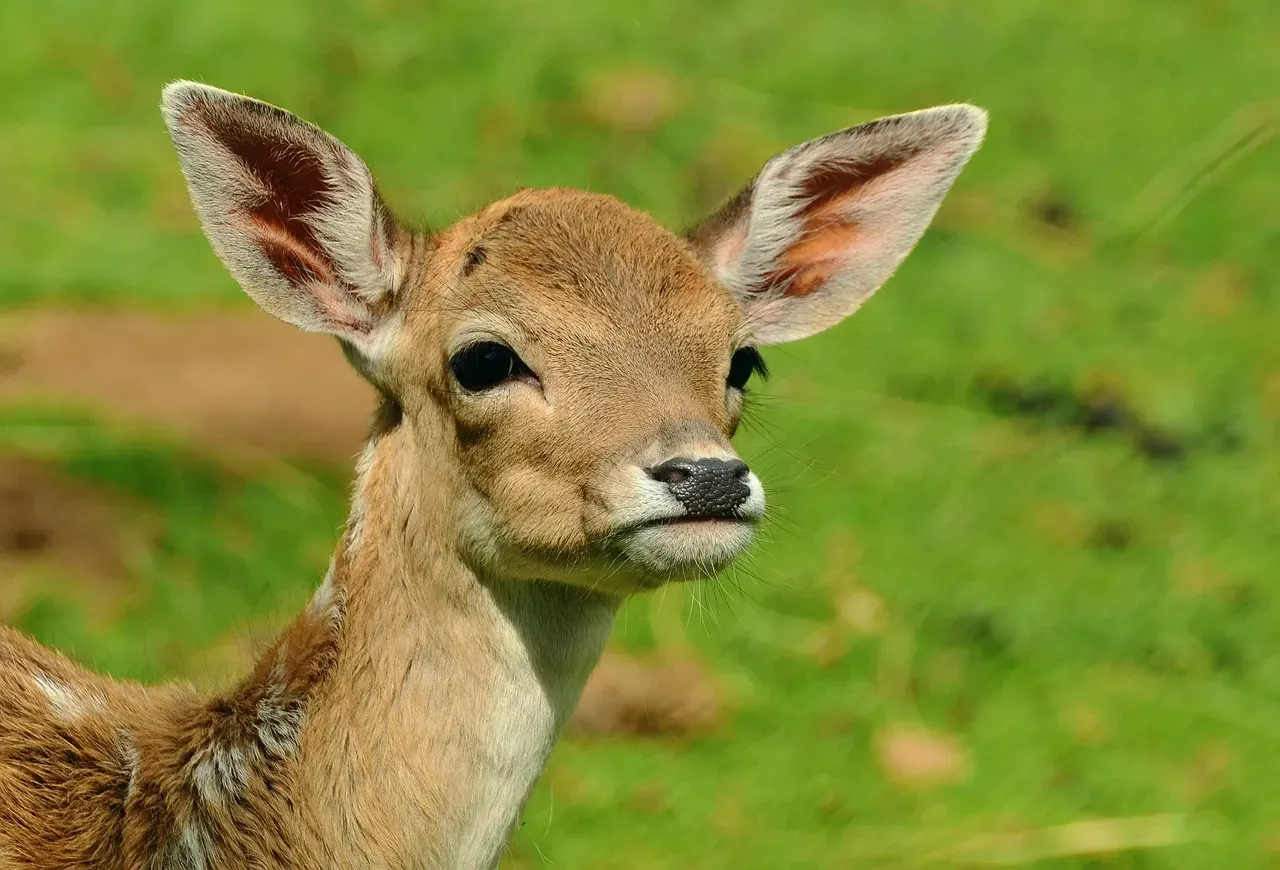
Habitat loss, hunting, and vehicle collisions drastically reduced their population, and by the 1950s, fewer than 50 individuals remained. Some estimates suggest the population bottomed out at just 25 deer. Twenty-five. Think about that for a moment – an entire subspecies hanging on by the thinnest thread imaginable.
Key deer were hunted as a food supply by native tribes, passing sailors, and early settlers, and hunting them was banned in 1939, but widespread poaching and habitat destruction caused the subspecies to plummet to near-extinction by the 1950s. Even after hunting became illegal, poachers continued to target these animals, pushing them perilously close to oblivion.
Thanks to conservation efforts, including the establishment of the National Key Deer Refuge in 1957, their numbers have rebounded to an estimated 800 to 1,000 today. It’s one of conservation’s true success stories – proof that dedicated protection can bring species back from the edge. The refuge now protects roughly 9,200 acres of critical habitat, giving these deer the space they desperately need.
Vehicle Collisions Are Their Biggest Threat Today
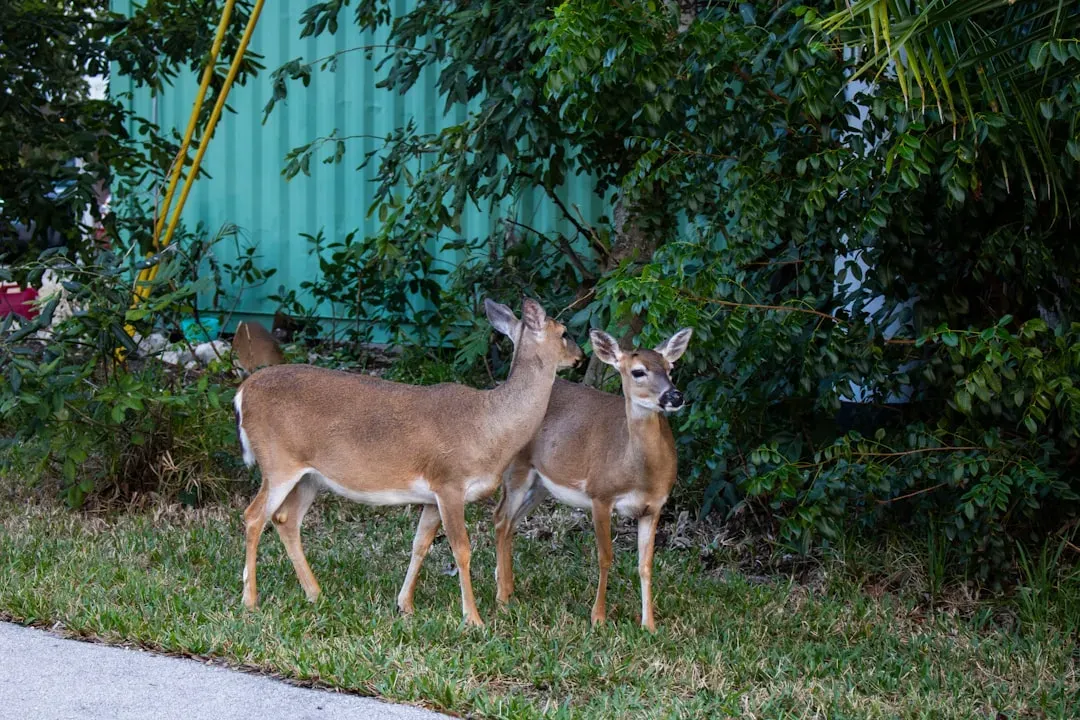
Road kills from drivers on US 1, which traverses the deer’s small range, are also a major threat, averaging between 125 and 150 kills per year, representing 70 percent of the annual mortality. That’s staggering. Nearly three quarters of all Key deer deaths are caused by cars.
US Route 1 – the iconic Overseas Highway connecting the Keys – cuts directly through prime deer habitat. The deer are more active at night, and seeing them at dusk and dawn is not unusual. Unfortunately, twilight hours are also when visibility drops dramatically for drivers, creating deadly conditions.
Living close to humans, they have little of the natural fear of humans shown by most of their larger mainland relatives. This tameness, while endearing to residents and tourists, makes the deer more likely to wander onto roads expecting handouts. Illegal feeding exacerbates this problem, drawing deer to roadsides where traffic becomes a lethal hazard.
Feeding Them Is Illegal – And Actually Harms Them
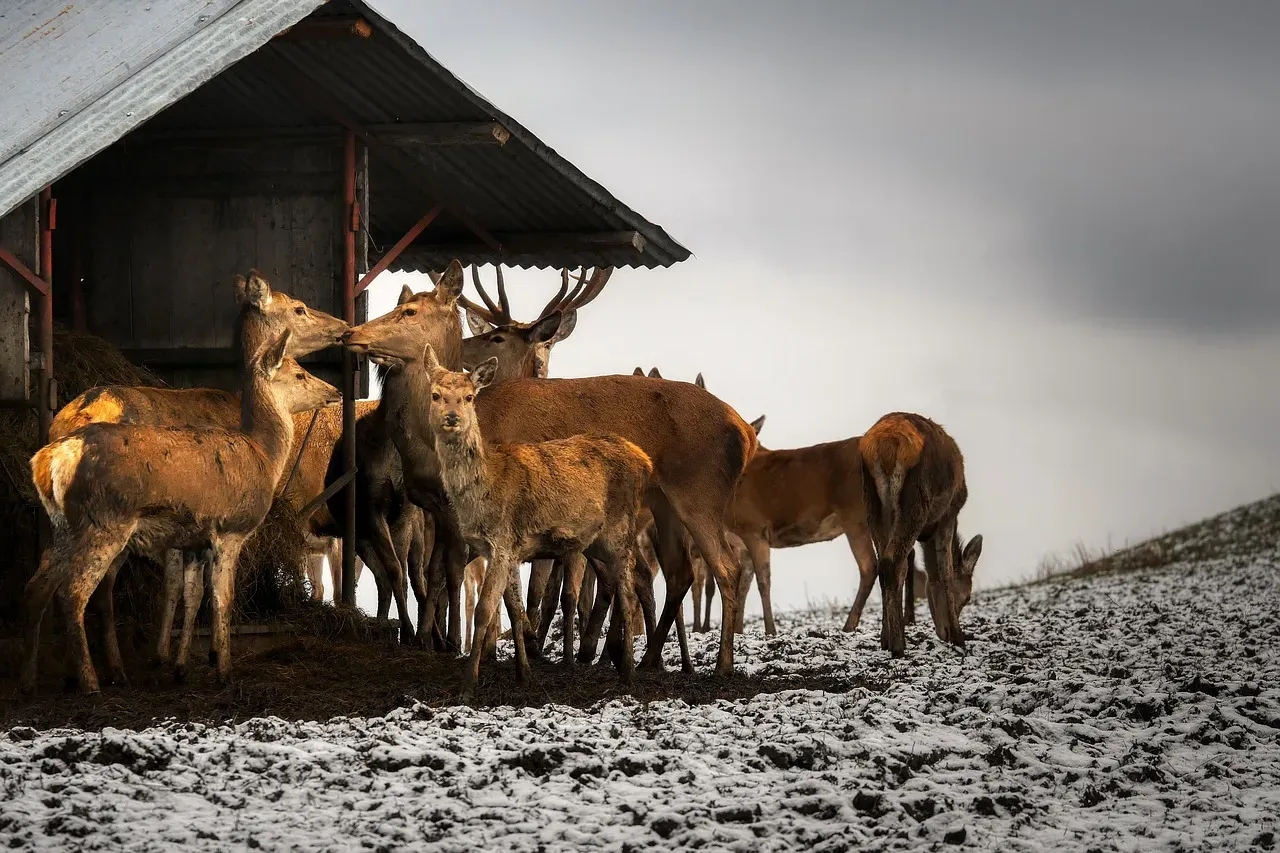
Let’s be real: when you see something that adorable approaching your yard, the temptation to toss it some food is overwhelming. Feeding Key deer is illegal and harmful, as it makes them dependent on humans and more likely to approach roads. What seems like a kind gesture can be a slow death sentence.
Because Key deer have lost their fear of humans, there is a serious problem with people illegally feeding them, making them more vulnerable to dog attacks or getting entangled in fences, and bringing them closer to roads where they can be hit by cars. Habituation to humans disrupts their natural behaviors, making them reliant on processed human food that provides none of the nutrition they actually need.
Feeding Key deer can also cause them to group in a small area rather than spreading out over available habitat, and then if one deer is sick, it more easily passes its diseases on to other deer. Disease transmission skyrockets when animals congregate unnaturally around human food sources. Parasites spread faster. The entire population becomes more vulnerable.
A 2016 Screwworm Outbreak Killed Over 130 Key Deer
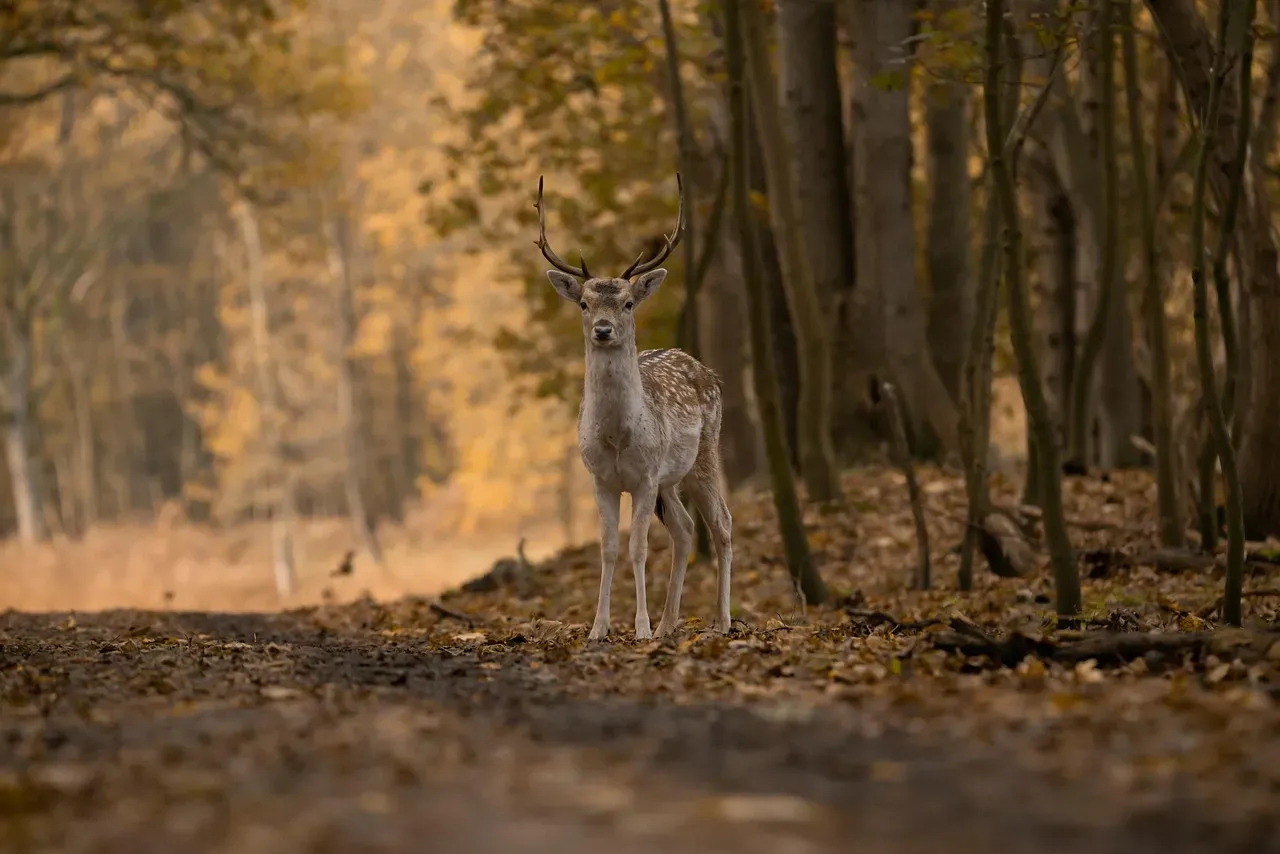
In September 2016, a screwworm infestation was discovered to be affecting the Key deer population, necessitating the euthanasia of affected animals. Screwworm – a fly larva that burrows into open wounds and devours living flesh – hadn’t been seen in the United States since 1982.
A 2016 screwworm infestation killed 135 deer, which is extremely detrimental considering the minimal number of deer on the landscape. Losing over 135 animals from a population of only 800 or so was catastrophic. Think about losing roughly one-sixth of your entire subspecies to a single parasitic outbreak within months.
The response was aggressive and involved multiple strategies. The infestation can be battled by introducing sterile male flies to the population, causing females to die out without laying fertile eggs, along with injecting deer with antiparasitic drugs, fencing off healthy sections, and tracking a portion of deer with radio collars. Eventually, authorities declared the pest eradicated, but the episode underscored just how vulnerable small, isolated populations are to disease.
Climate Change and Rising Seas Threaten Their Future
The ongoing rise in sea level, owing to climate change, is a new threat to its remaining habitat on the islands of southern Florida. The vast majority of the Florida Keys sit barely above current sea level, making them exceptionally vulnerable to even modest increases in ocean height.
Over 95 percent of the species’ modeled potential habitat is expected to be impacted by a 1-meter sea level rise. Let that sink in. Nearly all the land these deer depend on could be underwater within decades. That’s not some distant future scenario – scientists are preparing for that level of rise potentially within this century.
Beginning in 2023 when assisted migration was newly authorized as a recovery option for endangered species, Key deer was among the animal species mentioned that might have no other option for escaping extinction in its historical range. Conservationists are now debating controversial options like relocating Key deer to higher ground elsewhere in Florida or even establishing captive breeding programs. These are tough choices that highlight the dire straits facing this unique subspecies.
Conclusion: Tiny Deer With an Uncertain Future
The Key deer embodies both the miracle of evolutionary adaptation and the fragility of island ecosystems. From their improbable miniaturization over thousands of years to their remarkable ability to swim between islands and digest foods no mainland deer would touch, they’ve demonstrated extraordinary resilience.
Yet they face mounting pressures that even their impressive adaptations may not overcome. Vehicle strikes continue to claim over 100 deer annually. Rising seas threaten to swallow the limestone islands they call home. Human development fragments what little habitat remains. These challenges demand ongoing conservation vigilance and innovative solutions.
So the next time you’re cruising down the Overseas Highway at sunset, slow down. Keep your eyes peeled for movement along the roadside. If you’re lucky enough to spot one of these pocket-sized survivors, resist the urge to feed it, no matter how endearing it looks. The best thing we can do for Key deer is admire them from a distance and support the habitat protections that give them their best shot at survival. What’s your take – should we consider relocating them if their islands become uninhabitable, or let nature take its course?

- 14 Quiet Signs Your Dog Knows Its Time Is Near and Wants You Close - July 22, 2026
- 10 Falcon Facts That Will Blow Your Mind - July 22, 2026
- 5 Incredible Migratory Journeys Animals Make Every Year - July 22, 2026