

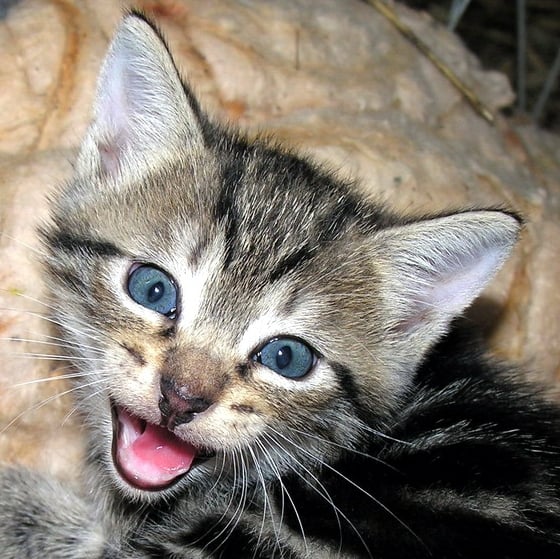
Ever wonder what your cat really thinks when you’re gone? That mysterious creature lounging by the window might seem perfectly content, but beneath that cool exterior lies a surprising truth. Cats experience separation just like we do, though they express it in their own subtle ways.
While popular belief paints cats as independent creatures who barely notice our absence, research tells a different story entirely. Your feline friend has been quietly communicating their feelings all along, using a secret language of behaviors that most owners completely miss. Ready to decode what your cat has been trying to tell you all this time?
They Transform Into Your Personal Shadow
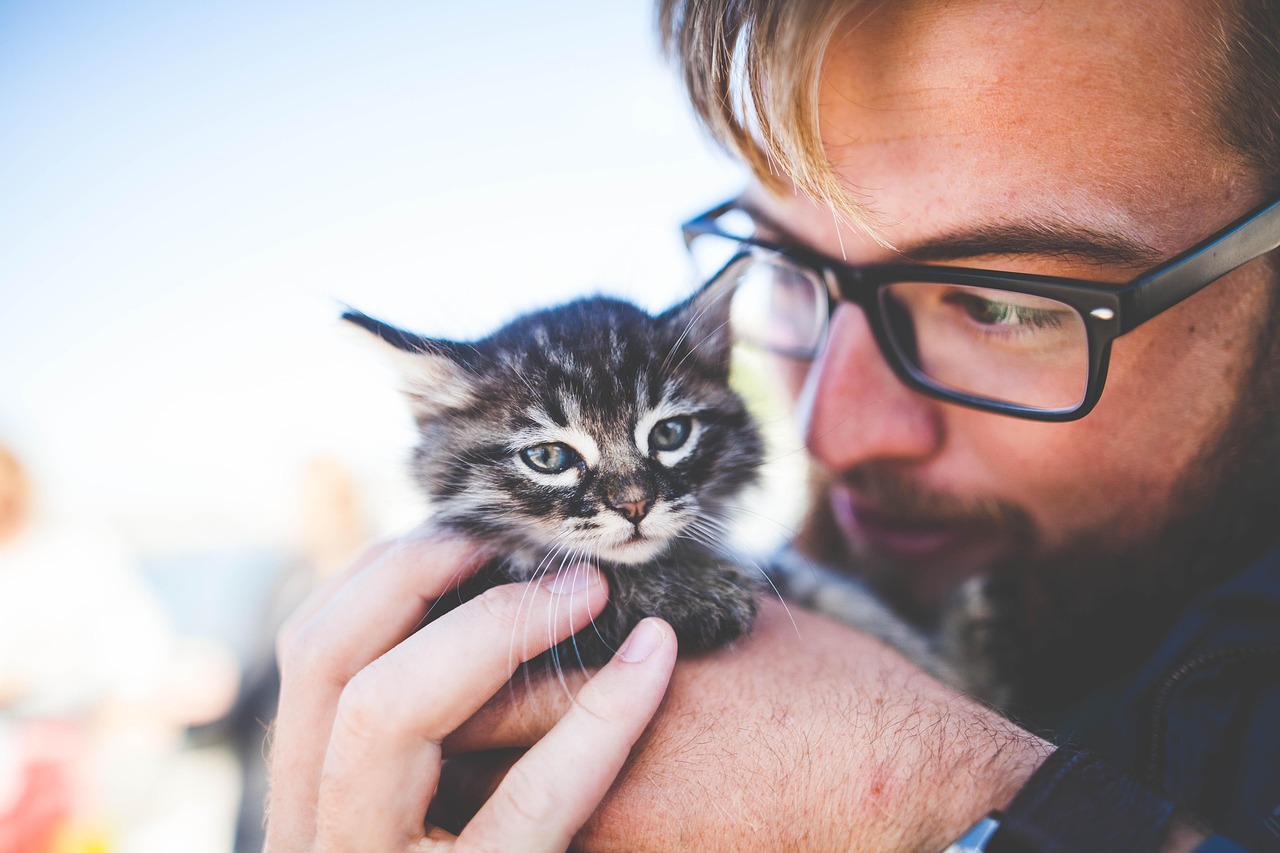
When you return home, your cat seems to be a little different; it has been shadowing you even since you got back from your holiday. Think no further, your darling feline missed you terribly. This clingy behavior represents one of the most telling signs that your absence affected them deeply.
If you notice your cat following you closely after you’ve come back home after work or a trip, this could be a sign that they felt uneasy while you were away. Some cats are more attached to their owners than others, and some can even experience separation anxiety – similar to dogs.
Their Voice Becomes Your Personal Alarm System
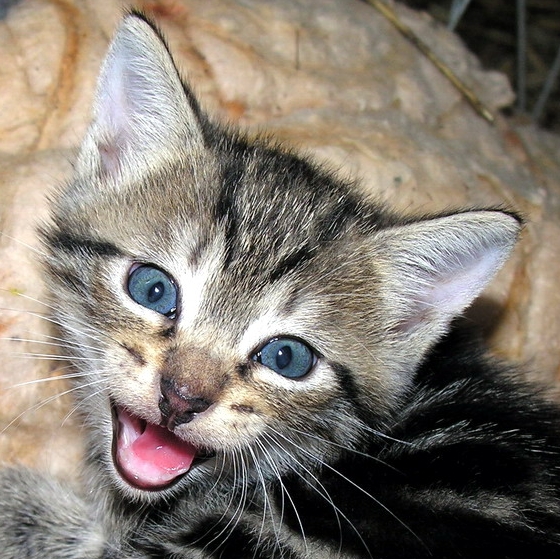
While not renowned for their vocal nature, some cats become more expressive in their meowing when they yearn for their owner. An increased meowing is a sign that they missed you and crave your attention. The intensity can range from soft chirps to demanding yowls, depending on just how much they missed your company.
Van de Kieft says the following signs could mean your cat misses you: Making more noise: Your cat may make more sounds, like meowing and trilling, to communicate with you and get your attention. These vocalizations often continue until they feel reassured by your presence.
They Stage a Welcome Home Performance
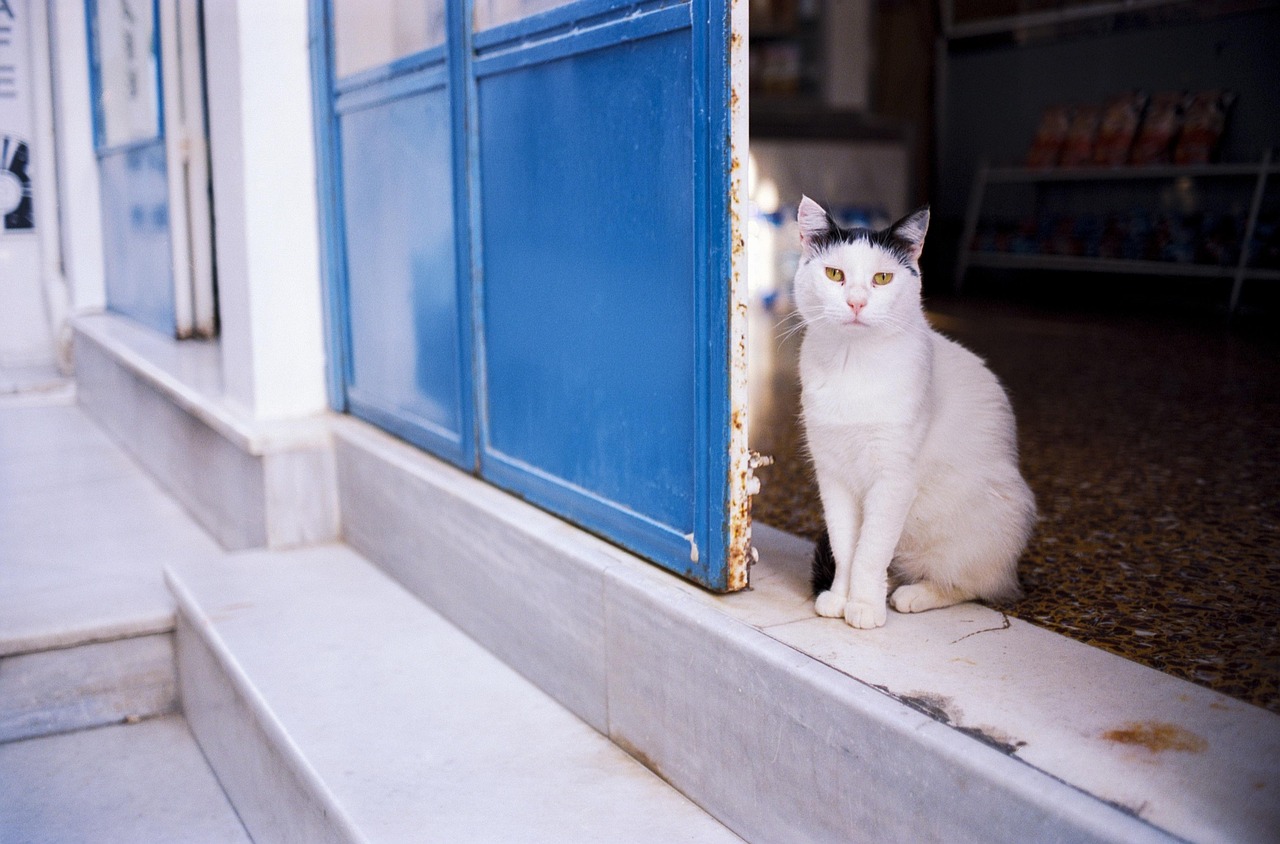
Here comes a classic sign. If you find your cat strategically placed by the door with an expectant gaze and alert ears, as if anticipating the sound of your keys or your footsteps; most surely, it has missed you and has been anticipating your return.
Waiting by the door: Some cats will sit by the door or run to it when they hear you coming home to show they’re happy you’re back. This behavior shows they’ve been actively listening for your return, sometimes for hours at a time.
They Turn Into Purring Kneading Machines
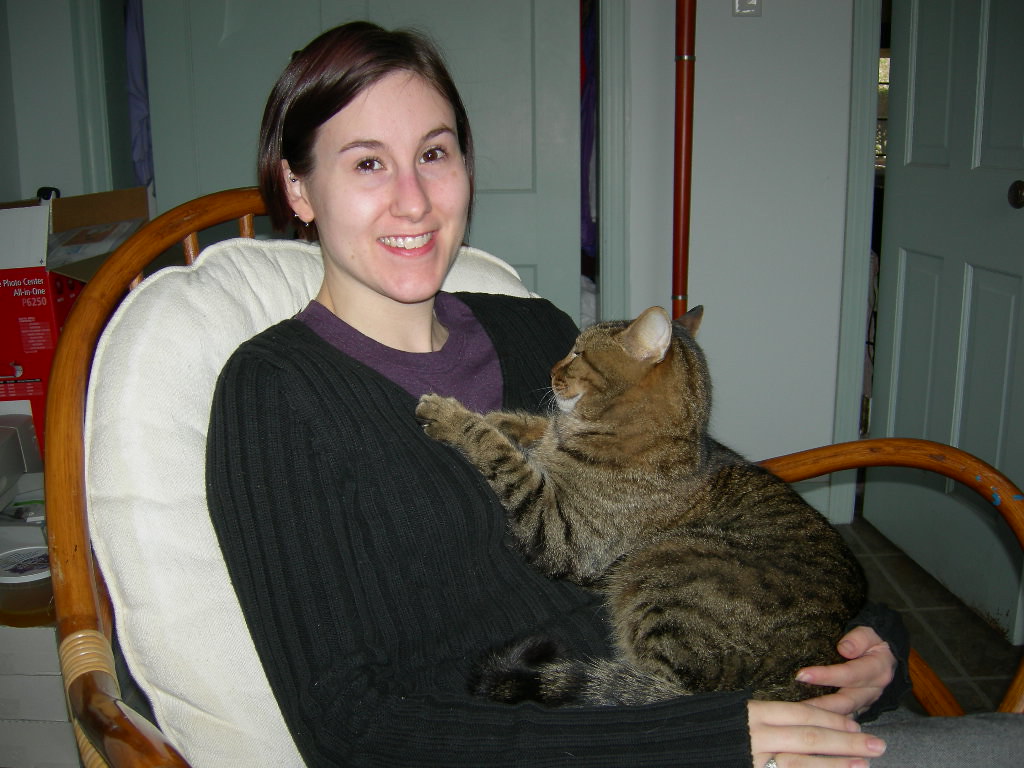
Rhythmic paw-kneading is a behavior reminiscent of kittenhood nursing, and it often surfaces when your cat is feeling content and secure. A combination of that with symphonic purring is the sign you have been waiting for: your kitten missed your companionship and is overjoyed that you are back.
Purring is one of the most obvious ways a cat can show they’re happy – so if your cat has missed you, they may purr more than normal when you return. The volume and frequency of their purring often increases dramatically when they’ve been separated from you.
They Become Professional Clothing Critics
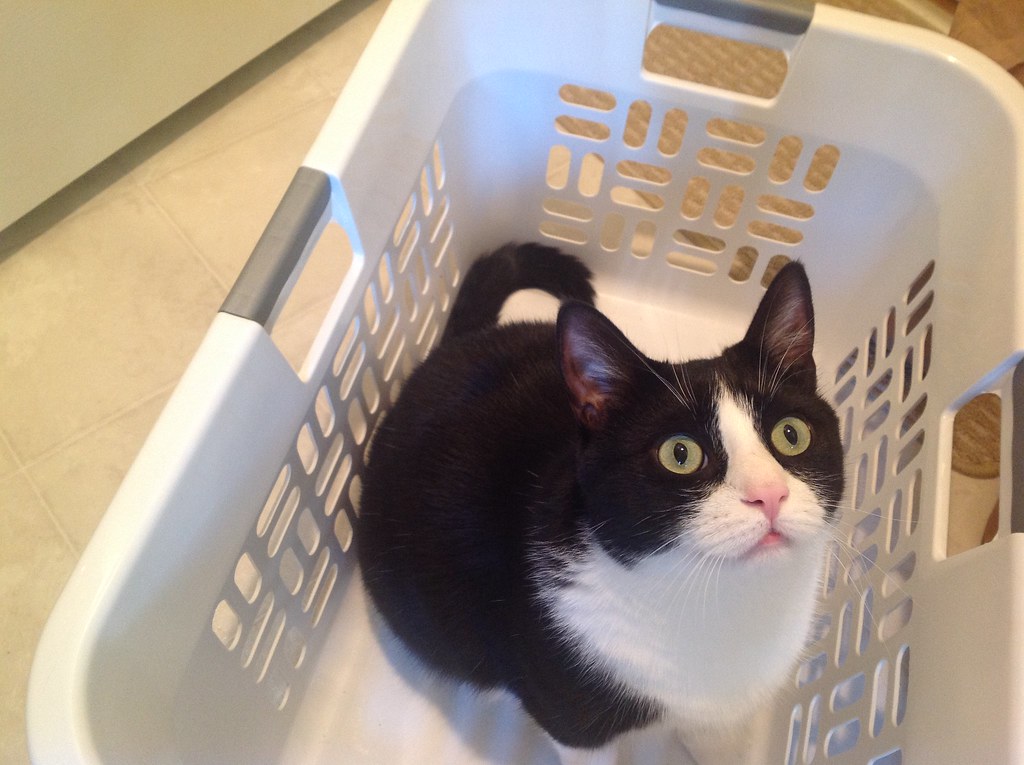
Cats love their scent, it is their way of marking territory, and purr-claiming, “You are mine!” Therefore, if you find your cat nestling among your recently worn clothes, that is a clear indicator that they are longing for you. This behavior provides them comfort when you’re away.
Clothing, shoes, or bedding infused with your smell can help your cat feel safe in your absence. Some cats knead or nap on items carrying their owner’s scent, a behavior rooted in comfort and attachment.
They Develop Mysterious Appetite Changes
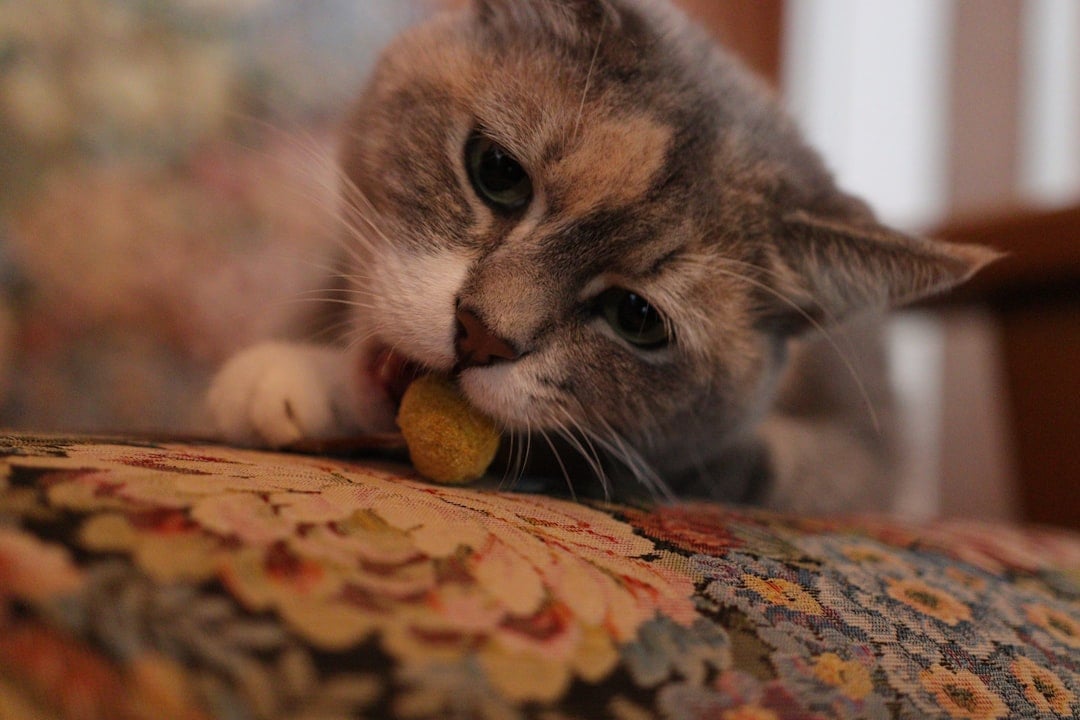
Your absence might have disrupted your cat’s eating routine and this can cause a change in their eating habits. Some cats eat less, while others may overindulge due to stress. Nevertheless, both behaviors are reflective of their longing for your consistent presence.
Feeling depressed: If your cat is sleeping a lot or eating less while you’re gone, they might be depressed or have separation anxiety. These changes in eating patterns often normalize once you return and reestablish routines.
They Become Overenthusiastic Groomers
Cats, when experiencing stress or anxiety due to your absence, may resort to excessive grooming as a coping mechanism. This behavior can intensify when they’re feeling particularly lonely or anxious about your return.
Cats are meticulous groomers, but excessive grooming can indicate stress or anxiety. Look out for bald patches or a sudden increase in licking that extends beyond normal cleaning habits. This repetitive behavior helps them self-soothe during stressful separations.
They Display Bursts of Explosive Energy
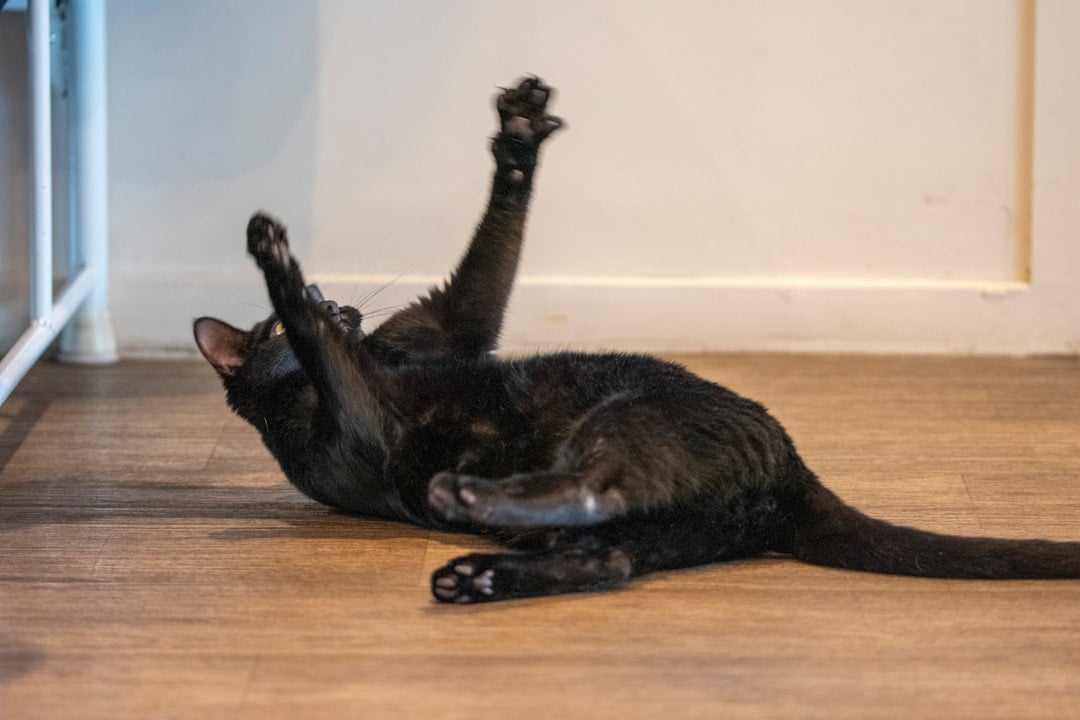
If your cat or kitten is particularly playful, you may find they get the zoomies as soon as you get home. These bursts of intense energy usually last for a few minutes, and indicate that your cat has plenty of excess energy to burn off – maybe because they’ve been napping while they wait for you!
This hyperactive welcome-home dance often includes racing around the house, sudden pouncing on imaginary prey, and acrobatic leaps that would make Olympic gymnasts jealous. The excitement of your return triggers an adrenaline rush that needs an immediate outlet.
They Become Professional Destructors
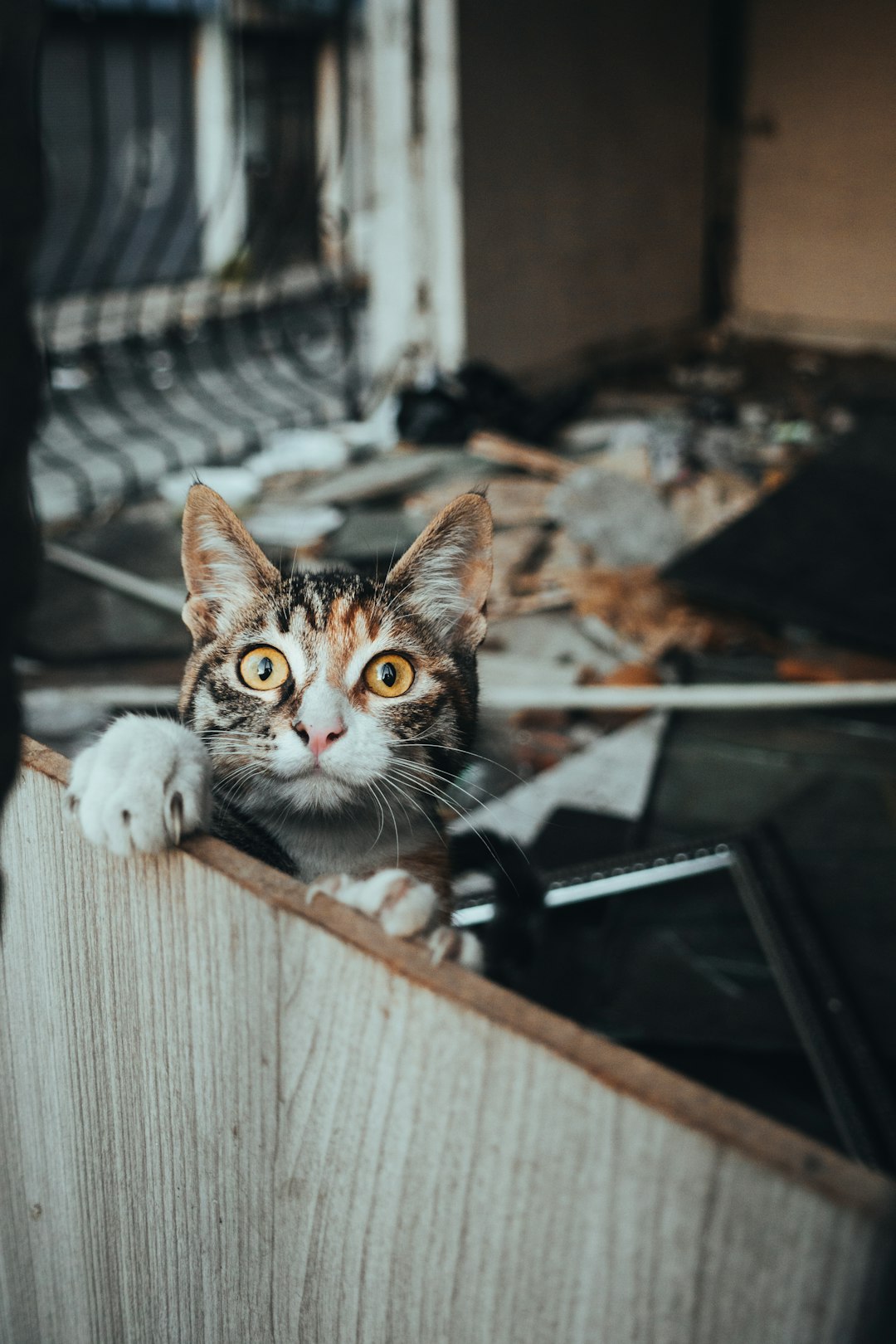
Destroying your things: When cats are lonely, they may knock things over, scratch furniture, or chew on non-food items. This destructive behavior isn’t malicious revenge but rather a stress response to your absence.
If your kitty is missing your company, they might turn to destructive behaviors in an attempt to relieve stress. These include – toileting outside of their litter box, knocking objects over and scratching at furniture more than usual – all signs they’re feeling pretty unhappy.
They Master the Art of Strategic Positioning
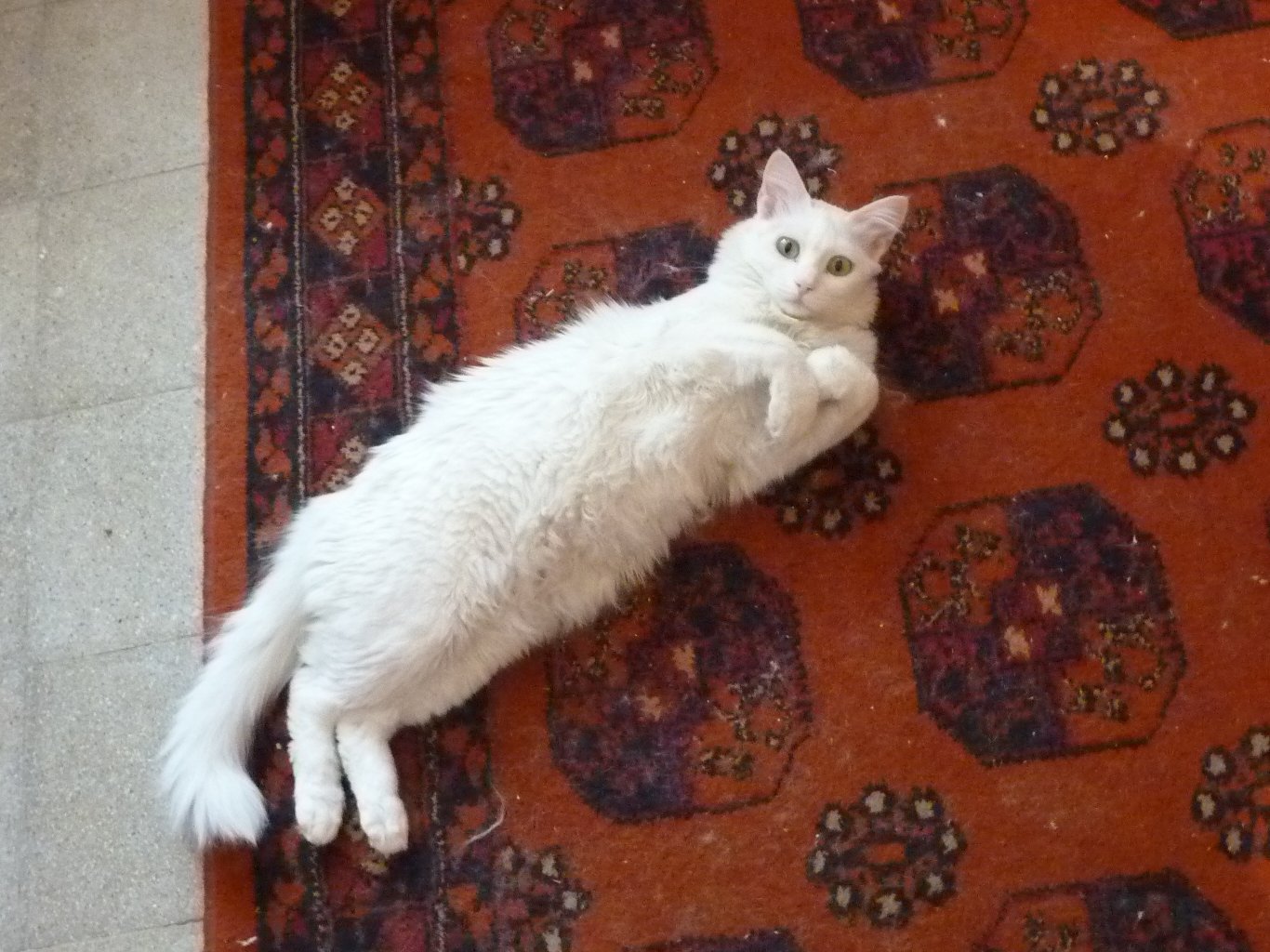
When owners leave home, cats usually stay in their usual places, such as on the owner’s bed or chair. However, when you return, they often position themselves in spots where they can maintain constant visual contact with you.
Your cat might suddenly appear wherever you are, choosing the perfect vantage point to monitor your every move. Whether perching on nearby furniture or strategically placing themselves in doorways, they ensure you remain within their watchful gaze. This positioning allows them to feel secure while keeping tabs on their beloved human.
Conclusion
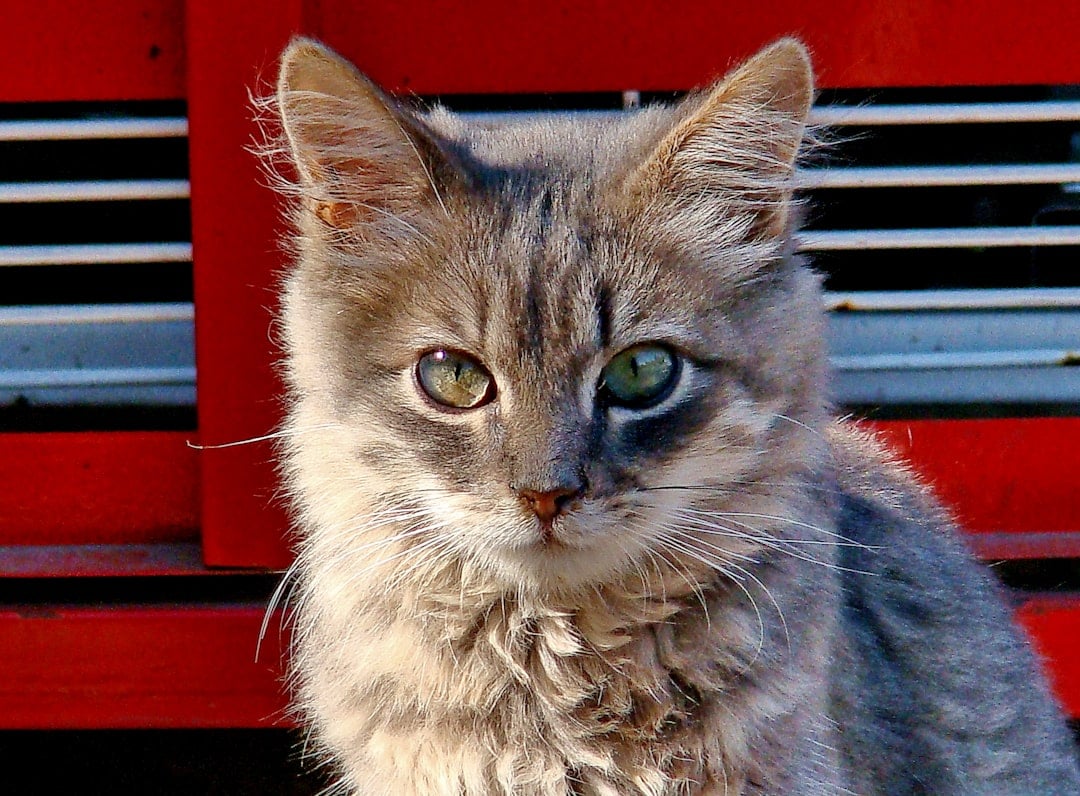
The next time you catch your cat following you around, remember that this seemingly simple behavior carries deep emotional significance. These subtle signs reveal the profound bond your feline companion shares with you, challenging the myth that cats are purely independent creatures.
Understanding these behaviors helps strengthen your relationship and ensures you can provide the emotional support your cat needs during separations. What subtle signs has your cat been showing you that you might have missed? Pay closer attention next time you return home – you might be surprised by the quiet love story your cat has been trying to tell you all along.
