


What if I told you that some of the largest, heaviest animals on Earth are also surprisingly agile in the treetops? Picture a bear, hundreds of pounds of muscle and fur, suddenly scampering up a tree trunk like it’s a child on a playground. Or imagine the world’s biggest lizard clinging to a branch above your head. It’s astonishing, even a little unnerving, to learn that size doesn’t always keep an animal stuck on the ground. Some massive creatures, against all odds, are expert climbers—defying gravity and expectations in ways that make you see the wild in a whole new light.
10. American Black Bear
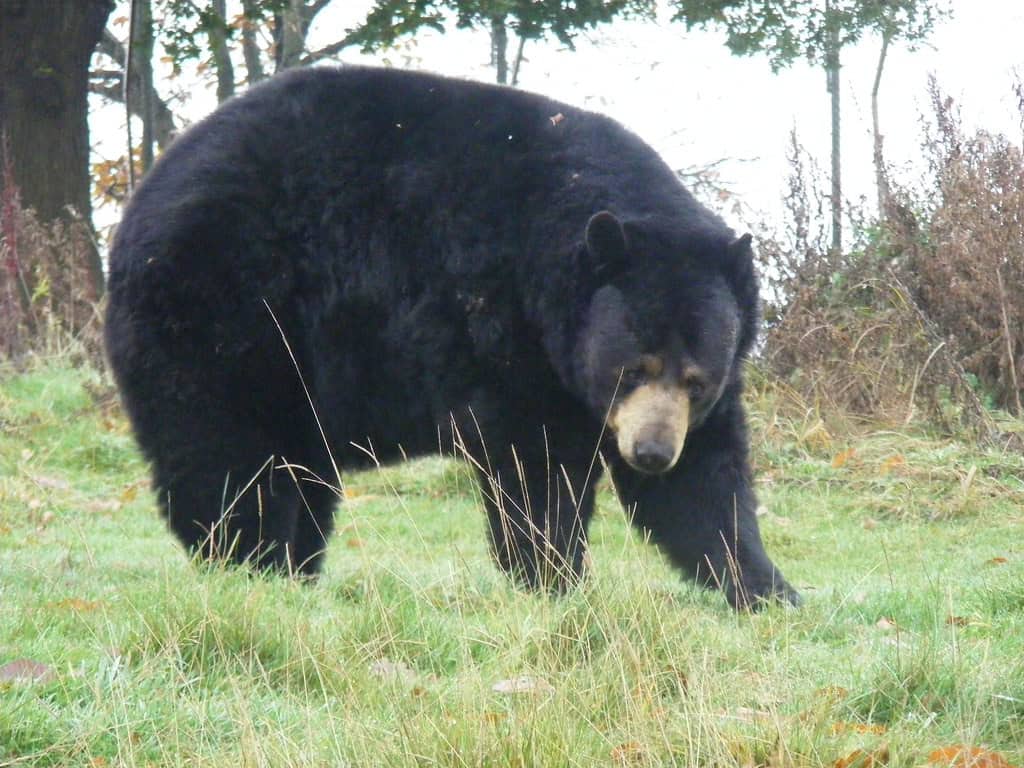
The American black bear might weigh over 400 pounds, but that doesn’t stop it from heading skyward. Amazingly, these bulky mammals are some of the best climbers in the animal kingdom. From a young age, black bears learn to grip tree bark with their strong claws, propelling their hefty bodies upward to escape danger or search for food. Adults often climb to reach beehives or rip fruit from high branches. Their climbing ability is so impressive that even after a big meal, they can scale a tree to nap in the crook of sturdy limbs. Imagine hiking in the woods and looking up to see a bear peering down at you from above—now that’s a wild surprise.
9. Komodo Dragon

It’s hard to picture the world’s largest lizard, which can grow up to 10 feet long and weigh over 150 pounds, climbing anything. Yet, young Komodo dragons are surprisingly nimble in the trees. They use their sharp claws and strong limbs to scramble up trunks, escaping adult dragons—who might see them as lunch. Even though older Komodos get heavier and tend to stay on the ground, some can still haul themselves a few feet up a tree if threatened or searching for eggs. The thought of a giant, prehistoric-looking reptile hanging above your head is enough to send chills down your spine.
8. Eastern Gray Kangaroo

You might know kangaroos for their powerful jumps, but did you know that Eastern gray kangaroos have been seen climbing trees? These marsupials can weigh up to 150 pounds, and while not as agile in the branches as monkeys, they use their muscular forearms and big feet to clamber up slanted trunks. In certain parts of Australia, they’ve been spotted reaching for leaves or escaping predators by ascending low-hanging limbs. It’s a quirky sight—imagine a kangaroo balancing on a branch like a furry, oversized acrobat.
7. Orangutan

Orangutans are the largest tree-dwelling mammals in the world, with adult males weighing around 200 pounds. Despite their size, they are astonishingly graceful in the treetops. Their long arms and hook-like hands are perfectly adapted for swinging and climbing, allowing them to travel high above the forest floor in search of fruit and shelter. Watching an orangutan move through the canopy is like seeing a living bridge between trees. They often build nests in the branches, proving their tree-climbing isn’t just for travel—it’s a way of life.
6. Sloth Bear

This shaggy, big-bellied bear from India and Sri Lanka might look clumsy, but don’t be fooled. Weighing up to 300 pounds, sloth bears are skilled climbers. They use their claws to rip open termite mounds and also to climb trees in search of honey or fruit. Cubs often ride on their mother’s back as she ascends, making the sight even more endearing. If threatened, a sloth bear can quickly scramble up a trunk and even hang upside down to reach its favorite snack.
5. Leopard
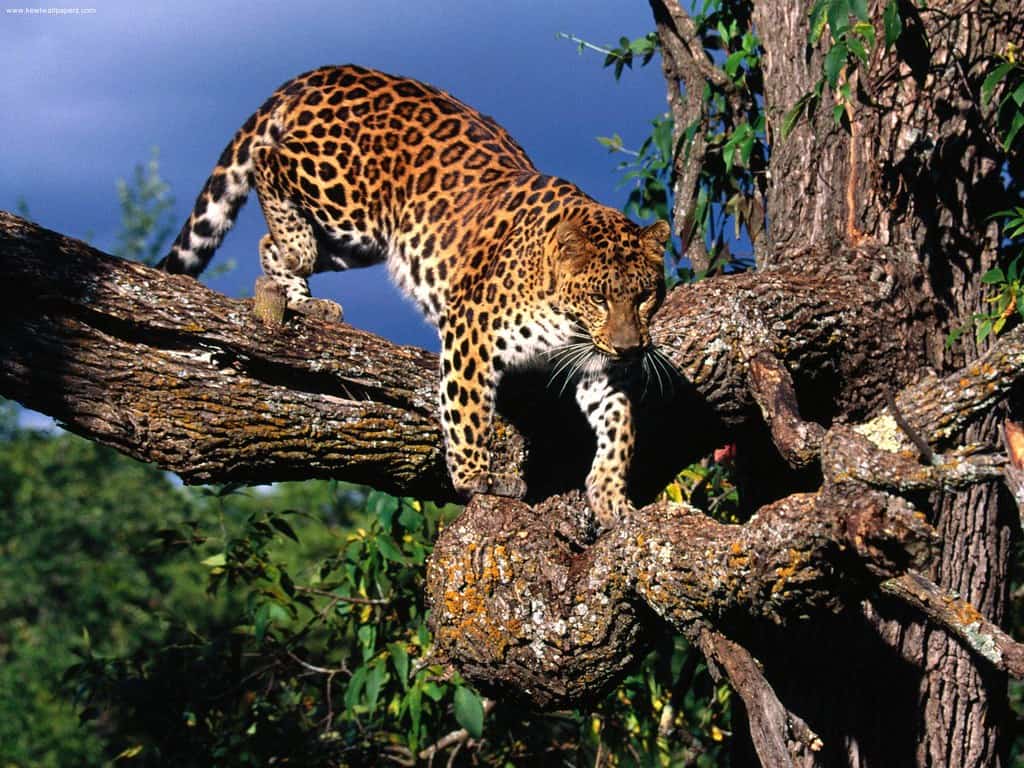
Leopards are some of the largest cats in the world, with males weighing up to 200 pounds, yet they are unmatched tree climbers. Their powerful muscles and retractable claws let them haul heavy prey—sometimes heavier than themselves—up into the branches for a private meal. In the wild, it’s not unusual to see a leopard lounging in the treetops, tail dangling lazily, watching the savanna below. Their climbing prowess gives them a major advantage over other big cats and keeps their food safe from scavengers.
4. Sun Bear

The sun bear is the smallest bear species, but that’s a relative term—it can still weigh up to 150 pounds. Native to Southeast Asian forests, sun bears are expert climbers. Their curved, sickle-like claws make them almost spider-like as they scale tree trunks to reach honeycombs, insects, and fruit. These bears often sleep in nests built high above the ground, safe from predators. Their climbing skills are so legendary that local legends describe them as spirits of the trees.
3. Mountain Lion

Mountain lions, or cougars, are North America’s second-heaviest big cat, with some males topping 220 pounds. Despite their size, these cats are fantastic climbers. They use trees as lookouts, hiding spots, or quick escape routes. A startled mountain lion can leap straight up into the branches, using its powerful back legs for an explosive takeoff. Their agility in the trees is one reason why they’re such elusive predators, often vanishing from sight in a heartbeat.
2. Chimpanzee

Chimps may look stocky and powerful, but they are also surprisingly nimble in the treetops. Adult males can weigh over 130 pounds, and their muscular arms allow them to swing and climb with ease. In the wild, chimps spend much of their time in the trees, foraging, playing, and even building nests to sleep in. Their climbing ability is a testament to their intelligence and adaptability—they know just how to use the forest to their advantage.
1. Brown Bear

The brown bear, including the massive grizzly, is one of the heaviest land animals capable of climbing trees. Some adults tip the scales at over 800 pounds. It sounds unbelievable, but young brown bears are particularly skilled at climbing, using their claws and sheer strength to scramble up trunks. Even some adults, if motivated by food or fear, can manage to haul themselves up a tree. The idea of an 800-pound predator perched in a tree is both awe-inspiring and a little terrifying—a reminder that nature is full of surprises.
Conclusion

From the cunning leopard to the lumbering brown bear, these massive creatures challenge everything we think we know about animal agility. Their ability to climb trees is not just a quirky skill—it’s a matter of survival, play, and sometimes pure curiosity. Next time you’re walking through the woods or watching a nature documentary, remember: the biggest animals aren’t always stuck on the ground. Would you have guessed these giants could scale the heights?

As a little kid, I fell in love with nature, wildlife, and animals. Living in the USA, South Africa, Italy, China and Germany gave me the opportunity to discover the world's Wildlife. My favorite animals are Mountain Gorillas, Siberian Tigers, and Great White Sharks.
I'm a certified PADI Open Water Diver, went to Everest Base Camp and Trekked Gorillas in Uganda. I hold a Master of Science in Economics and Finance.
Please send any feedback to feedback@animalsaroundtheglobe.com
- 13 Cat Breeds That Get Along with Dogs - July 20, 2026
- The 12 Largest Dog Breeds That Still Love to Cuddle - July 20, 2026
- 12 Pet Habits That Secretly Mean They Love You - July 20, 2026