

The wilderness holds a magnetic allure that draws millions of outdoor enthusiasts into some of the world’s most breathtaking landscapes. Yet venturing into wolf territory brings unique challenges that many campers underestimate or overlook completely. These majestic predators roam vast expanses across North America, from the northern forests of Canada to the remote wilderness areas of Alaska, Montana, and Idaho.
Making mistakes in wolf country isn’t just about ruined vacations or lost gear. It can put lives at risk and create dangerous situations for both humans and wildlife. Each year, well-meaning campers make critical errors that could have been easily avoided with proper knowledge and preparation. So let’s dive into the most common mistakes people make when camping where wolves call home.
Leaving Food Unattended and Improperly Stored

The most dangerous mistake campers make is treating wolf country like any ordinary camping trip when it comes to food storage. If a wolf is driven by hunger into your camp it will want to eat what scraps it can and get away. You could mitigate this risk by keeping food in sealed containers.
Many people casually leave snacks on picnic tables or store food in flimsy containers that wolves can easily detect and access. Never store food in your tent – not even sealed containers or snacks. Keep all scented items away from your sleeping area, including toothpaste and deodorant. What seems like common sense becomes critically important when powerful predators with extraordinary senses are nearby.
Camping Too Close to Wolf Signs and Activity
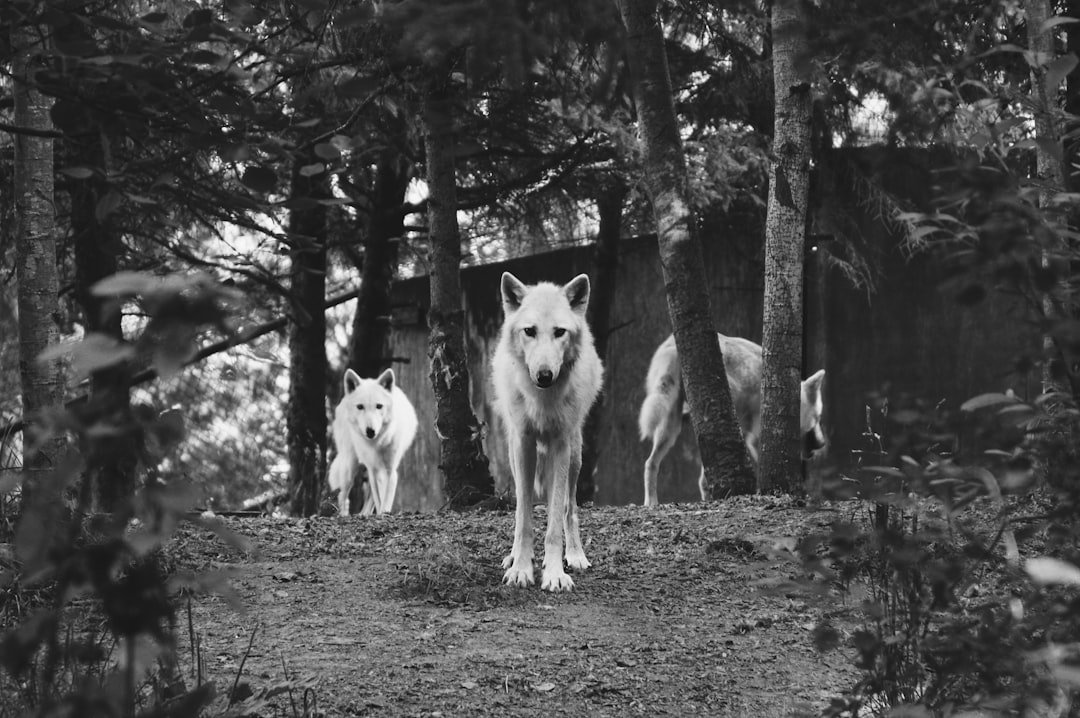
Smart campers always scout their surroundings, yet too many ignore obvious warning signs of wolf presence. Fresh Tracks in Snow or Mud: Large wolf tracks in fresh snow or damp soil indicate recent movement. If you find multiple sets traveling in the same direction, you’re likely near an active hunting route.
Setting up camp near fresh wolf scat, tracks, or kill sites is essentially sending an invitation for trouble. Avoid setting up camp near a kill site. This could draw scavengers or lead to territorial aggression. These locations remain active areas where wolves will return, making any nearby campsite a potential conflict zone.
Bringing Dogs Without Proper Precautions
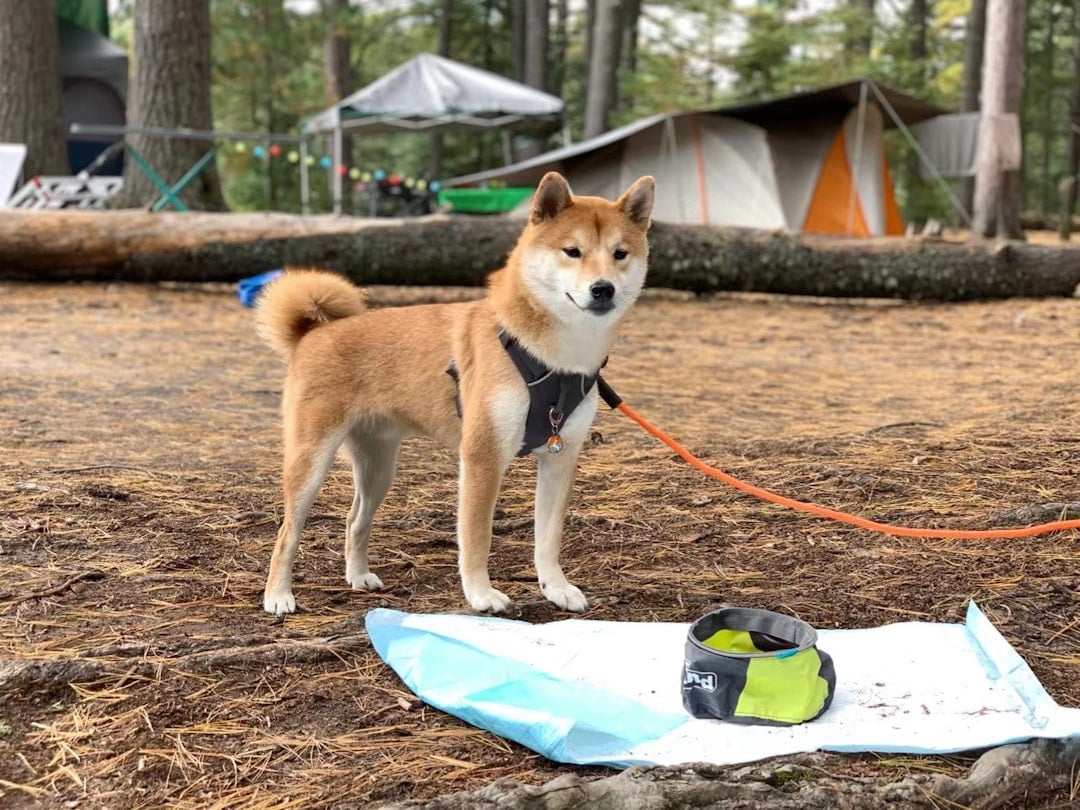
Dogs are closely related to wolves, and they are seen as rivals. Because your dog is a powerful attractor to these predators, practice these safety tips. Too many campers bring their four-legged companions without understanding the unique risks this creates in wolf territory.
Camping with pets is an additional risk in wolf territory. The best bet if you’re venturing into areas where wolves are known to be present is to leave your dog at home. If, however, you are intent on taking them, always keep them on a leash and keep them with you. Dogs can trigger territorial responses from wolves, especially during breeding seasons when pack behavior becomes more aggressive.
Not Making Enough Noise While Moving Through Wolf Territory
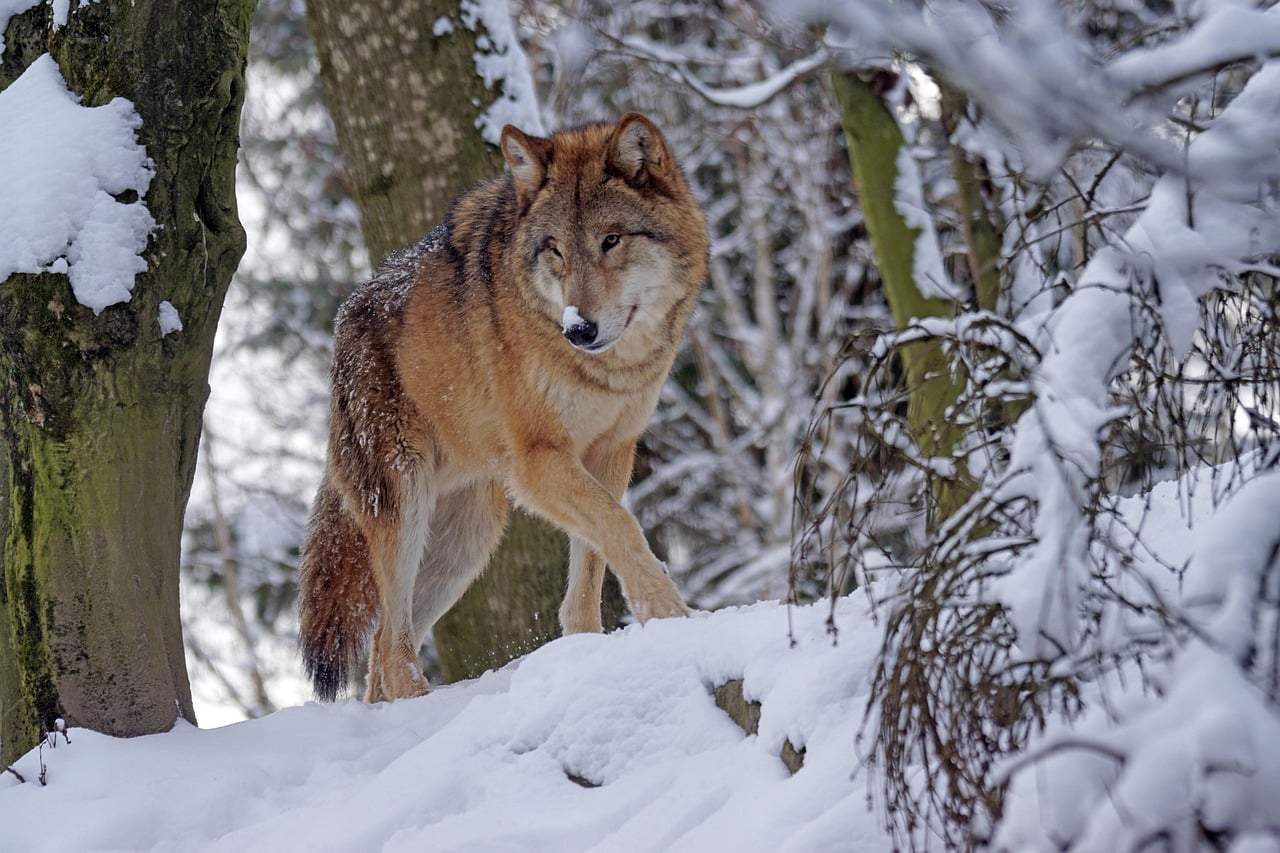
Silence might be golden in most wilderness settings, but in wolf country it can be deadly dangerous. Most wolves prefer avoiding human contact entirely, so giving them advance warning of your presence allows them to retreat before any encounter occurs.
Hikers who move quietly through dense forest or along game trails increase their chances of surprising a wolf pack, which could trigger defensive behaviors. Typically wolves are afraid of humans and will actively avoid contact. Humans are the predator typically in wolf encounters so they are much more afraid of us than we of them. Making consistent noise helps maintain this natural fear and avoidance pattern.
Approaching or Attempting to Feed Wolves
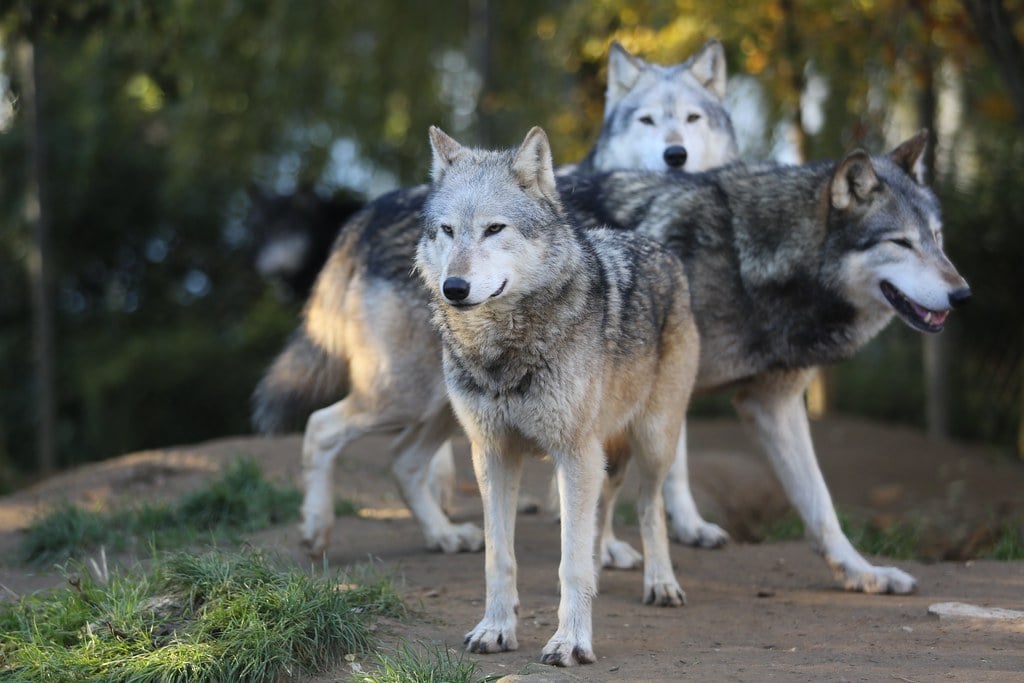
The temptation to get closer to these magnificent creatures proves irresistible for some campers, creating one of the most dangerous mistakes possible. Resist the temptation to approach wolves or entice them to come towards you; do not let them get close to you. Do not feed wolves or leave food outdoors, including pet food.
Wolves also quickly learn that food is often found in human garbage. When wolves seek out human foods they have become food-conditioned. If a wolf is fed by people it begins to expect handouts. If that wolf approaches a person but gets no food, it can become suddenly aggressive. What starts as a magical wildlife encounter can quickly transform into a life-threatening situation.
Ignoring Wolf Behavioral Warning Signs

Wolves communicate through body language and vocalizations that many campers completely misunderstand or ignore. Unusual Silence: In wilderness areas filled with bird calls and small animal activity, sudden silence can indicate a large predator nearby, including wolves. Learning to read these environmental cues can prevent dangerous close encounters.
If you hear wolves howling near your location, stay alert and keep your group together. Understanding these signs helps you stay aware of your surroundings and make informed decisions about your safety. Too many people dismiss howling as distant background noise without recognizing it as an active warning system about nearby pack activity.
Setting Up Camp in Inappropriate Locations

Choosing the wrong campsite location ranks among the most fundamental errors people make in wolf territory. Do not camp near shorelines where carcasses have washed ashore. If you are in a boat or kayak, stay at least 200 m away from wolves you observe. Natural food sources attract wolves, making these areas dangerous for human habitation.
Do not approach fresh wolf kills, dens or rendezvous sites. Do everything you can to avoid teaching wolves to be comfortable around or lose their fear of people. The triangle rule applies here – keep sleeping, cooking, and food storage areas well separated and away from any signs of wolf activity.
Responding Incorrectly During Wolf Encounters
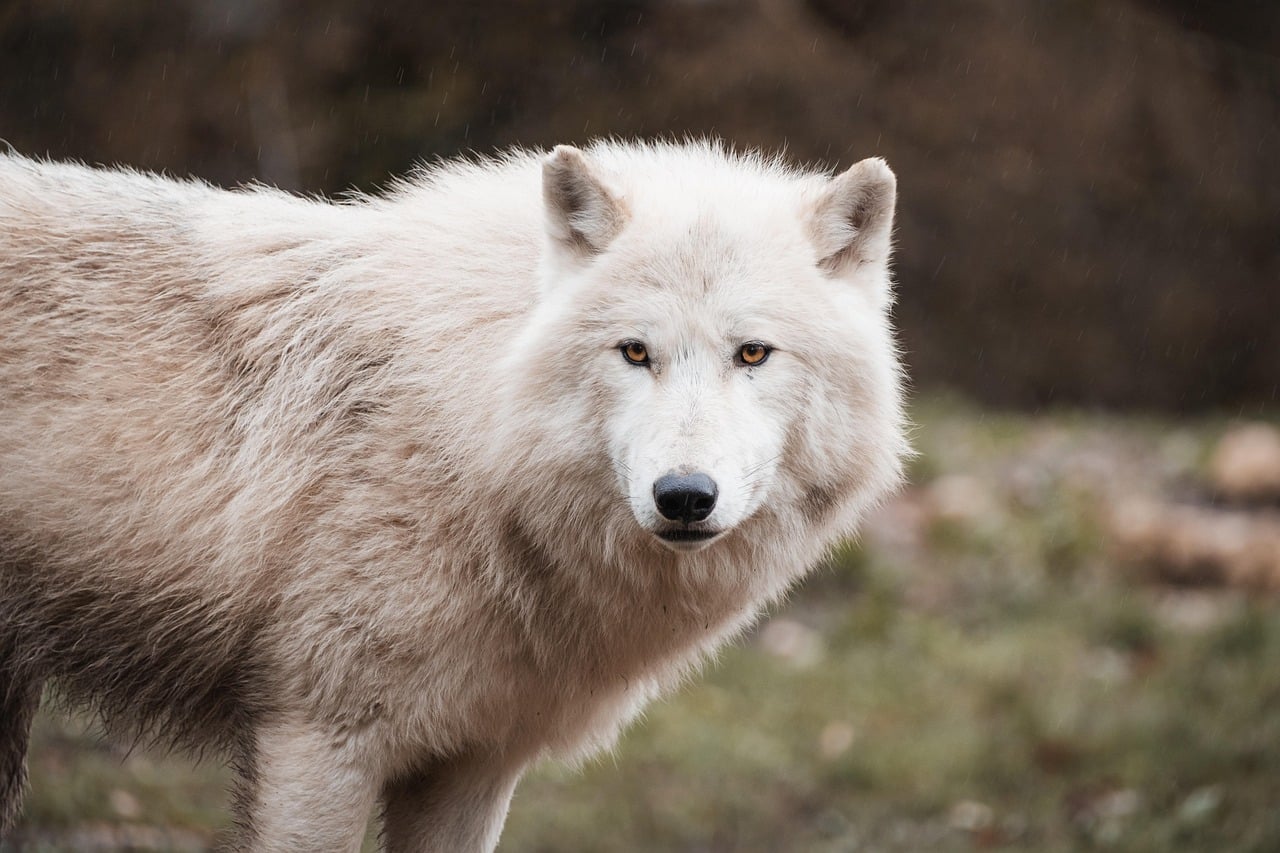
Panic responses during wolf encounters create the most dangerous scenarios possible for both humans and animals. If you encounter a wolf or pack of wolves at close range do not run or turn away. Don’t run, but act aggressively stepping toward the wolf and yelling or clapping your hands if it tries to approach.
Never run from wolve, this will cause the predator instinct to kick in and they will catch you. Wolves tend to stay away from humans so if you are confronted by a wolf, make yourself as large as possible and make a lot of noise. Running triggers chase instincts that transform a curious animal into an active predator.
Failing to Pack Appropriate Deterrents and Safety Equipment
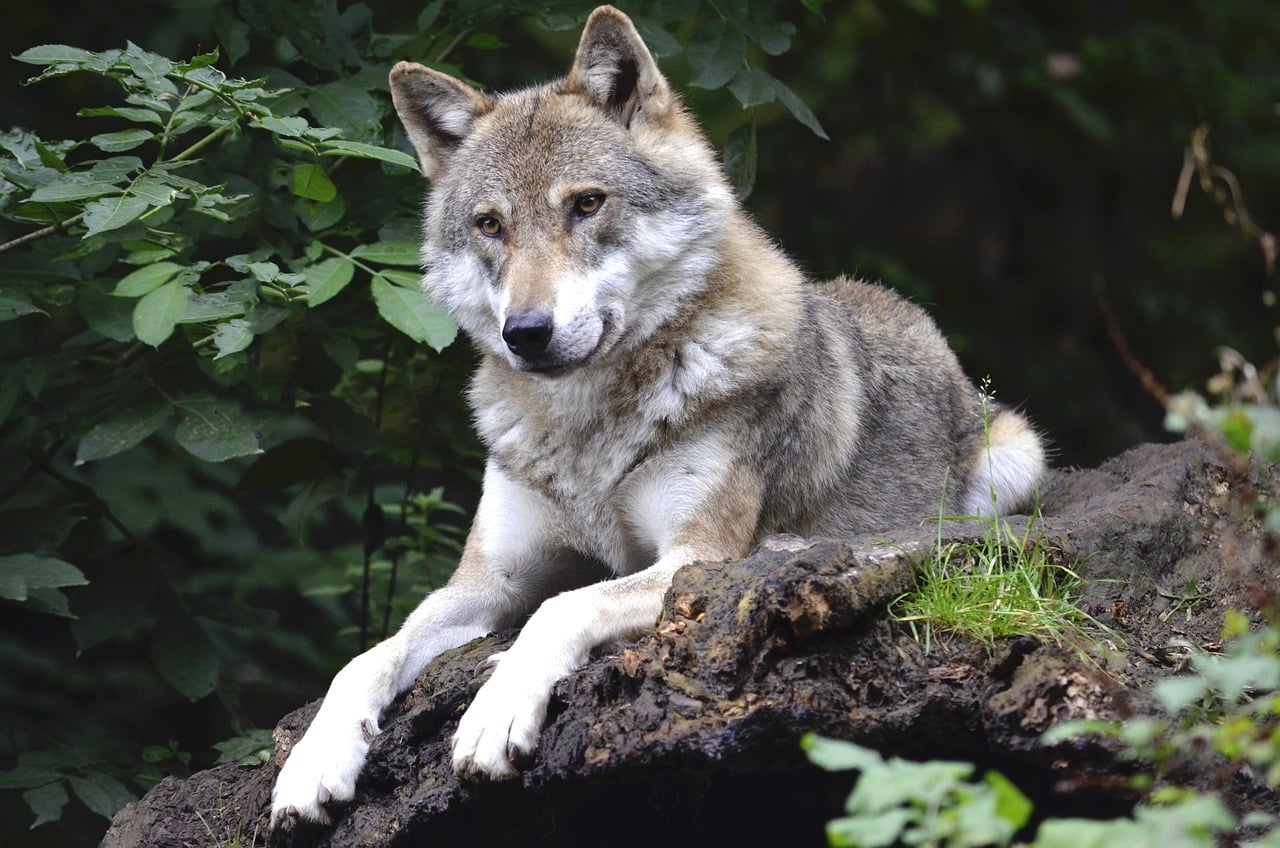
Too many campers venture into wolf country without basic safety equipment that could prevent dangerous encounters from escalating. You should have some deterrents, such as bear spray or air-horn. Wolves will generally not harm you though they can often approach you and in this instance, the recommended advice is to make them believe that you are a threat to them, by shouting, banging, etc.. Bear spray can be used as a last resort.
Stand your ground if a wolf attacks you and fight with any means possible (use sticks, rocks, ski poles, fishing rods or whatever you can find). Use air horns or other noisemakers. Use bear spray or firearms if necessary. Having these tools readily accessible can mean the difference between a scary story and a tragic outcome.
Leaving Children Unsupervised in Wolf Areas

Wolf attacks on humans are extremely rare regardless of age. Children represent the most vulnerable targets for wolves, making constant supervision absolutely critical in wolf territory. Yet many families treat wilderness camping like backyard adventures.
Keep your children close when wolves or bears are known to be near your home. Children (particularly small children) should remain close to adults when outside. Keeping dogs close, avoiding areas with recent wolf activity, and understanding how to respond to an encounter can mean the difference between safety and tragedy. While wolf attacks on children are extremely rare, their unpredictable movements can trigger a predator’s instinct.
Underestimating Wolf Intelligence and Adaptability
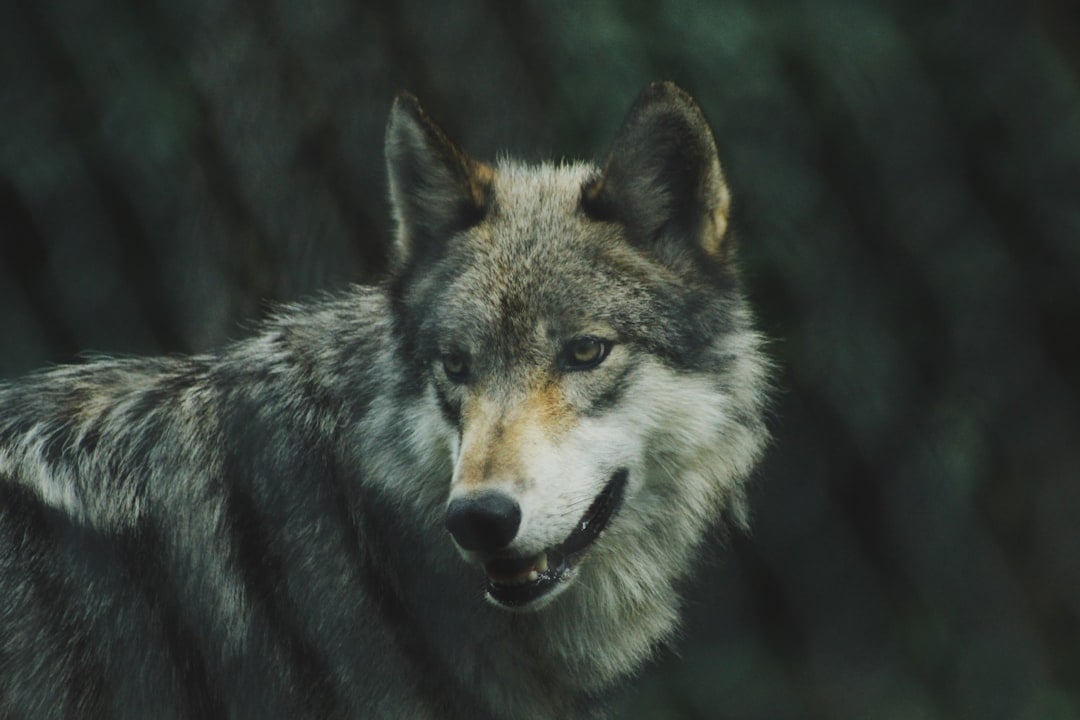
Animals gradually lose their natural avoidance to people when they are protected from harm by people, or where humans act passively towards them. This is called habituation. Habituated wolves become ‘comfortable’ around people and may venture quite close to people. It is very important to understand that these ‘habituated’ wolves are actually the ones most likely to suddenly act aggressively.
The biggest mistake campers make is treating wolves like simple wild animals rather than the highly intelligent, adaptable predators they truly are. Respect wolves for the large wild animal they are and for their ability to kill prey ten times their size. Understanding that wolves learn, remember, and adapt their behaviors based on human interactions changes how we must approach every aspect of camping in their territory.
Conclusion
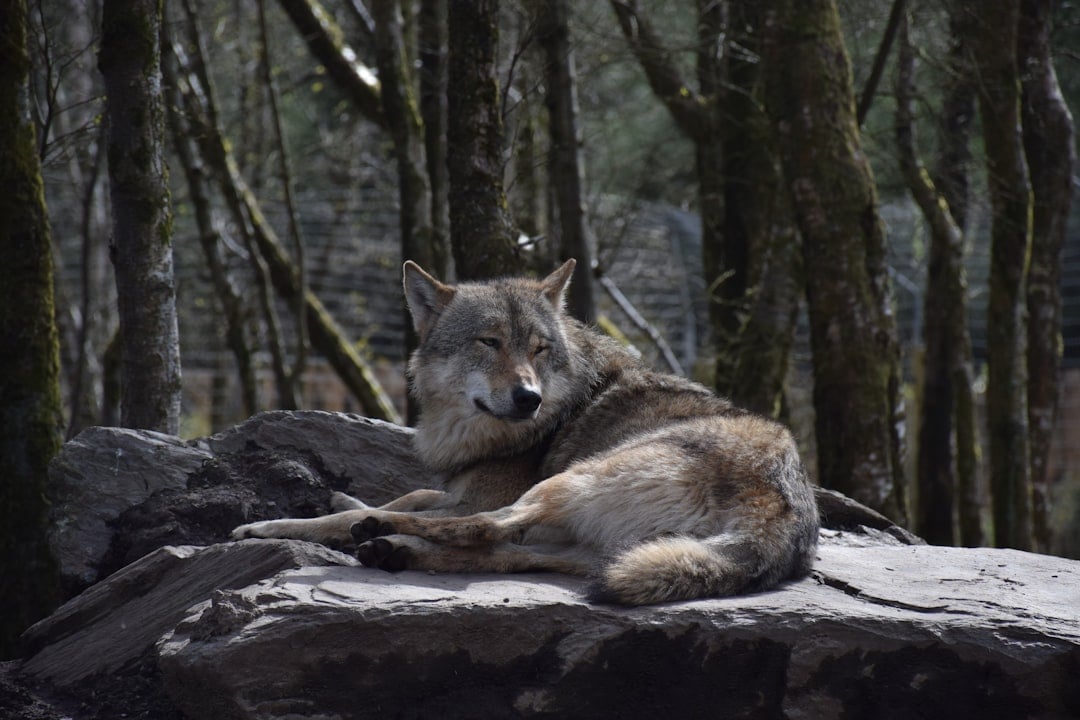
demands respect, preparation, and constant vigilance that goes far beyond typical wilderness camping. These magnificent predators deserve our admiration, but they also require us to acknowledge the serious responsibilities that come with sharing their habitat. The mistakes outlined here aren’t just inconveniences – they represent potentially life-altering errors that can endanger both humans and wildlife.
Every successful camping trip in wolf territory comes down to one simple principle: respect the wolves and their environment while taking every precaution to avoid conflict. What do you think about these safety measures? Tell us in the comments.
