

Cats don’t forgive the way dogs do. A dog might get scolded, sulk for ten minutes, then bound back over wagging its tail like nothing happened. Cats keep score differently. They’re quieter about it, more private, and once trust cracks, it can take weeks of careful, patient behavior to earn it back. The tricky part is that most of the mistakes people make aren’t cruel or even obvious. They’re small, everyday habits that feel harmless but chip away at the sense of safety a cat needs to feel truly bonded to you.
Punishing Your Cat After the Fact
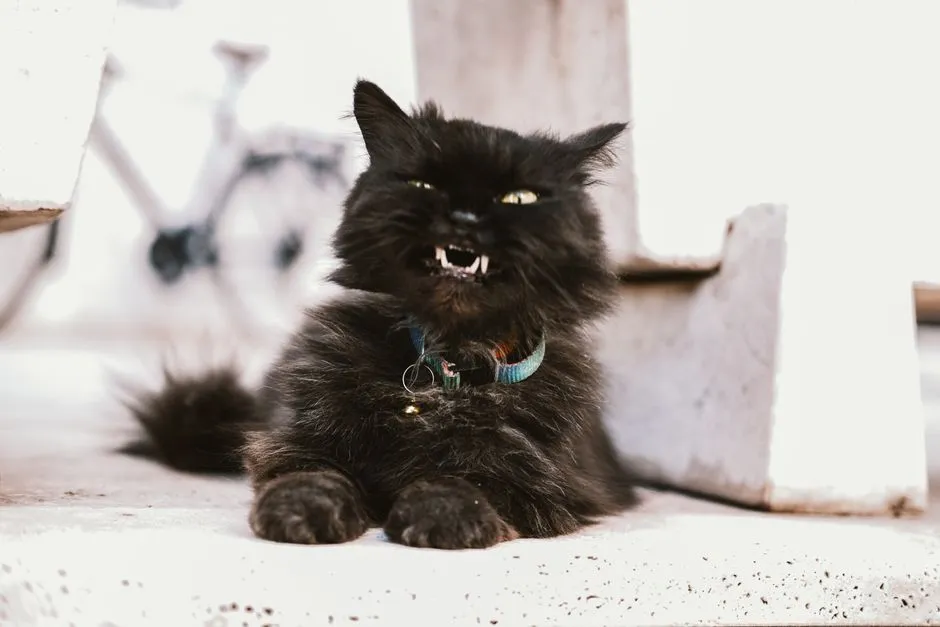
Cats live almost entirely in the present moment. If you come home to find a shredded couch cushion or a knocked over vase and react with anger an hour later, your cat has no way to connect that punishment to the act itself. All it learns is that your arrival, or a specific tone of voice, sometimes means danger. That’s a confusing and unfair lesson for an animal that genuinely cannot reason backward through time the way we do.
Over weeks of this pattern, cats often start avoiding the person delivering the punishment rather than avoiding the behavior that caused it. They may hide when you walk in the door or flinch at sudden movements, not because they feel guilty, but because they’ve learned you’re unpredictable. Redirecting behavior in the moment, or simply cat proofing a space, works far better than after the fact discipline ever will.
Forcing Physical Affection
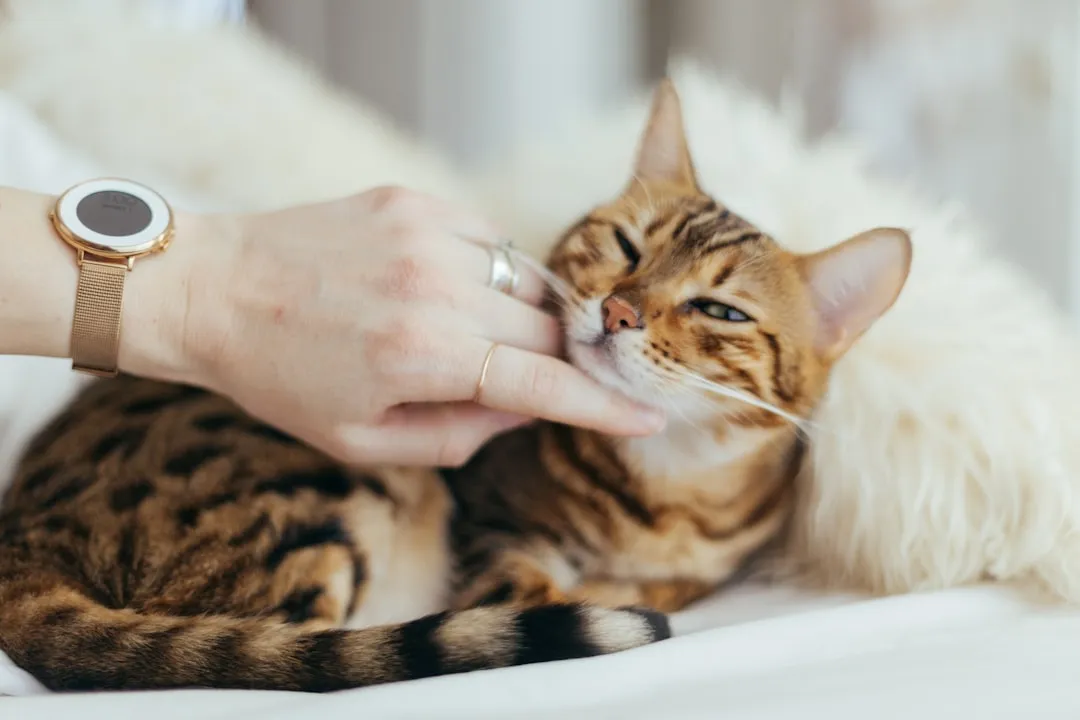
Not every cat wants to be picked up, hugged, or petted on demand, and treating them like a plush toy that exists for our comfort ignores their own preferences entirely. Some cats tolerate a lap sit for exactly four minutes before they’ve had enough, and pushing past that point teaches them that your hands mean discomfort rather than pleasure. This is especially common with kids or well meaning guests who don’t read the subtle signs a cat gives before it escalates to a swat or a nip.
Real affection on a cat’s terms looks like letting them approach first, offering a slow blink instead of a grab, and respecting when they walk away mid pet. Cats that are allowed to opt in and opt out of contact tend to initiate affection far more often on their own. Ironically, the less you force it, the more freely it tends to come.
Ignoring Their Body Language
A cat’s tail, ears, and posture are constantly communicating, and most of it happens well before a hiss or a bite. A slowly swishing tail, flattened ears, or dilated pupils during petting are early warnings that something needs to stop, not a green light to keep going. When these signals get consistently overlooked, cats learn that gentle communication doesn’t work, so they escalate to more forceful signals just to be heard.
This is one of the more scientifically documented aspects of feline behavior, since researchers who study cat communication note that subtle facial and postural cues typically precede more dramatic warnings. A cat that has to bite to get a point across, again and again, starts associating you with a source of stress rather than comfort. Learning to read those early cues is one of the simplest ways to keep trust intact.
Cornering or Trapping Them

Whether it’s for a nail trim, medication, or just because they’re hiding somewhere inconvenient, cornering a cat so it physically cannot escape triggers a deep and ancient fear response. Cats are both predator and prey in the wild, and feeling trapped removes their most basic survival option, which is simply leaving. Even a normally calm, affectionate cat can turn defensive and reactive the instant it feels boxed in with no exit.
This doesn’t mean necessary tasks like vet visits or nail trims should be avoided, but the approach matters enormously. Building in an escape route, working slowly with treats and short sessions, or using a towel wrap technique tends to keep the experience from feeling like an ambush. Cats that are handled this way generally stay more relaxed around the same person long term, rather than growing wary of hands reaching toward them.
Making Loud, Sudden Movements
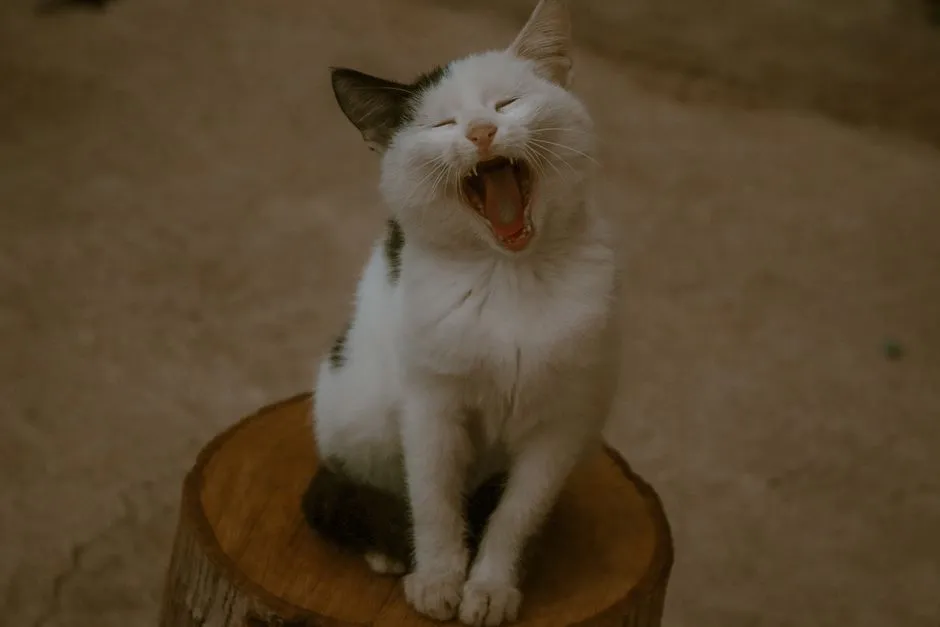
Cats have far more sensitive hearing than humans, picking up higher frequencies and quieter sounds with ease. A slammed door, a shouted argument, or even excited clapping can hit a cat’s senses much harder than it registers with the people in the room. Repeated exposure to that kind of noise, especially paired with a specific person’s presence, can quietly build an association between that individual and feeling unsafe.
Sudden physical movements carry a similar weight. Reaching quickly toward a cat, especially from above or behind where they can’t see it coming, taps into the same startle response that loud noise does. Slower, more predictable movements paired with a calm voice give a cat time to process what’s happening rather than reacting purely on instinct.
Breaking the Routine They Rely On
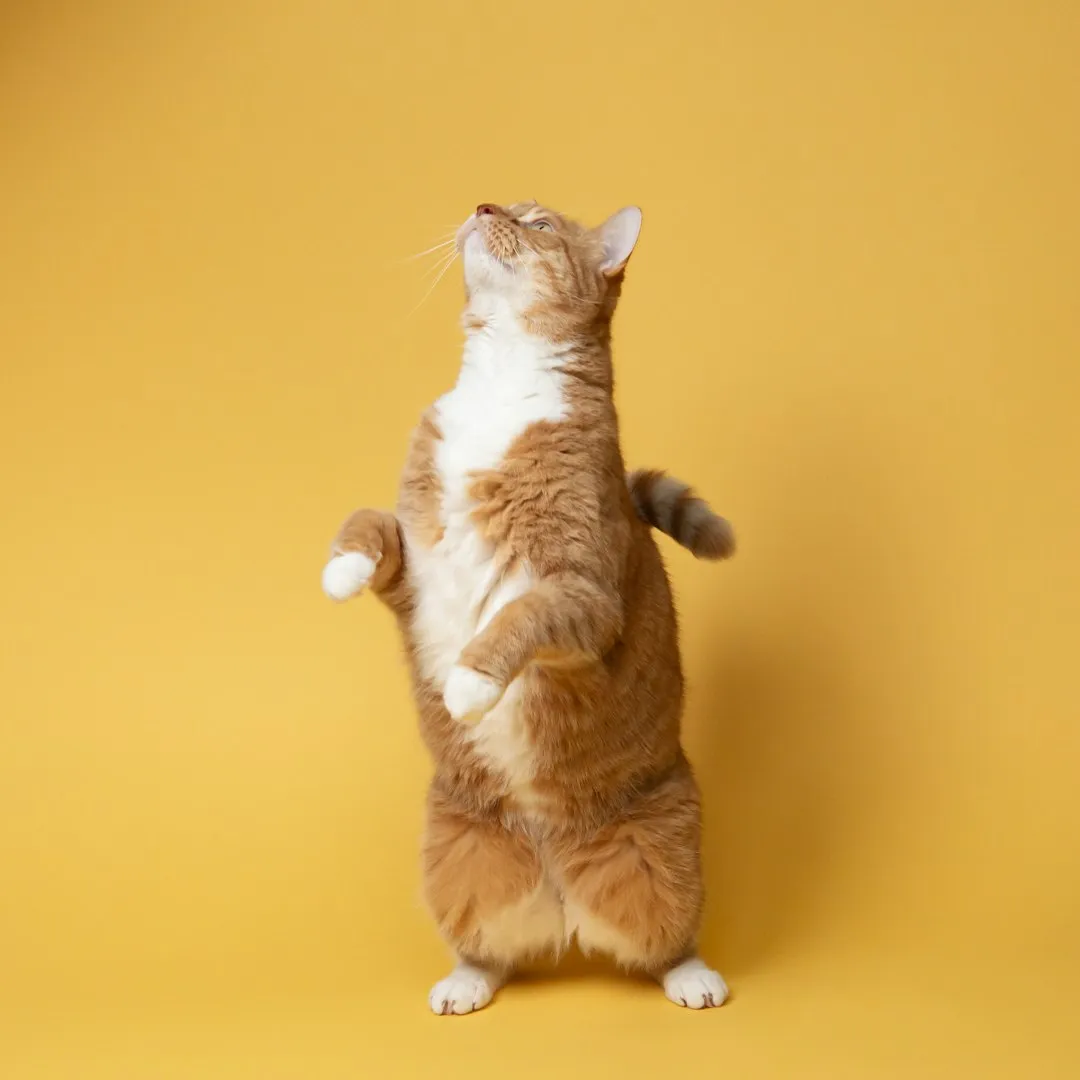
Cats are creatures of habit in a way that often surprises new owners. Feeding times, litter box locations, and even the order of daily activities become an internal map that helps a cat feel secure in an environment they can’t fully control. When that routine shifts constantly and without warning, cats can become anxious, and that anxiety often gets projected onto the person responsible for the chaos.
This doesn’t mean life has to be rigidly scheduled to the minute, but wild swings in feeding times or sudden furniture rearrangement without any transition period can leave a cat feeling unmoored. Consistency, even loose consistency, signals to a cat that their world is stable and that the person providing for them is reliable. That reliability is really the foundation trust gets built on in the first place.
Using Spray Bottles or Physical Corrections
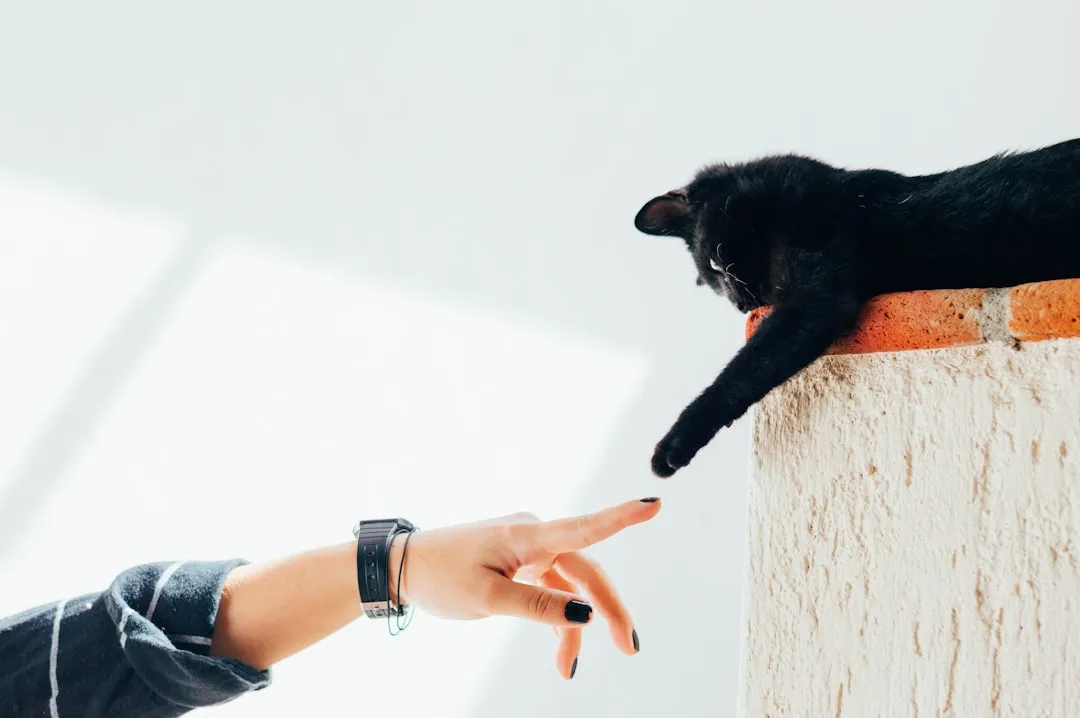
Squirting a cat with water or tapping its nose used to be common advice for stopping unwanted behavior, but most modern behaviorists have moved away from recommending it. These methods rely on fear and discomfort rather than teaching an alternative behavior, and cats often end up associating the punishment with the person delivering it rather than the action itself. The behavior might pause temporarily, but the underlying motivation for it usually remains untouched.
Worse, a cat that gets sprayed or swatted enough times may simply start avoiding the person altogether, even in situations that have nothing to do with the original problem. Positive reinforcement, removing triggers, and redirecting attention toward acceptable outlets tend to produce longer lasting results without damaging the relationship. It takes more patience upfront, but the payoff is a cat that still wants to be near you.
Not Respecting Hiding Spots
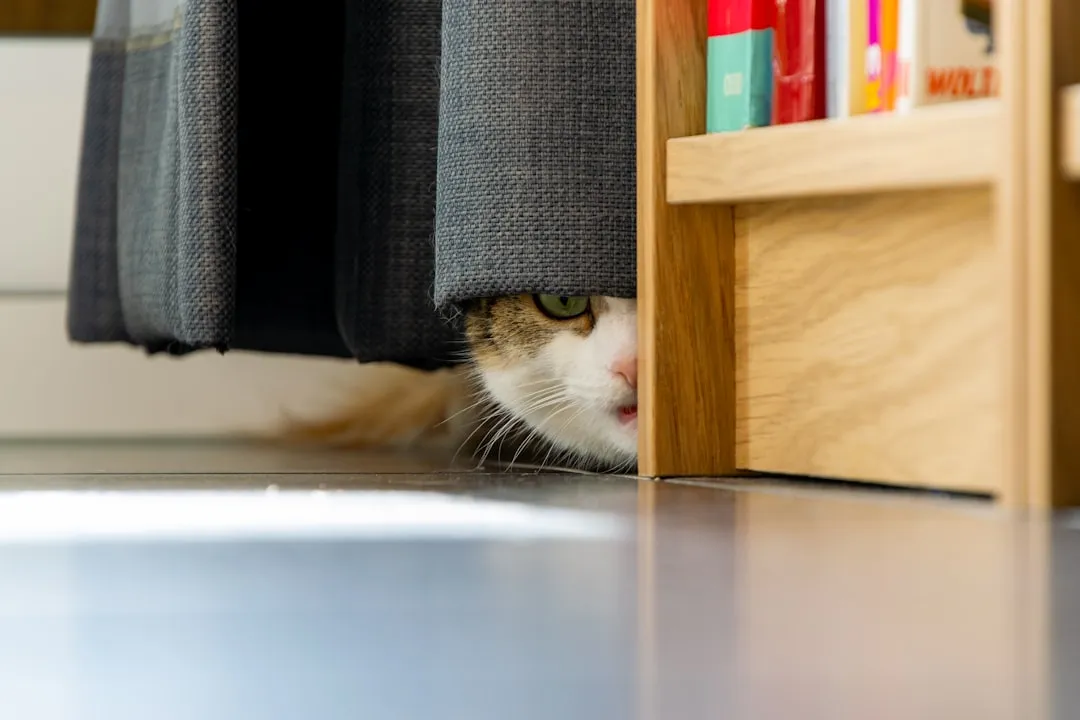
Every cat needs somewhere it can retreat to feel completely safe, whether that’s under a bed, inside a closet, or tucked into a covered carrier. Pulling a cat out of that space, especially by force, removes the one guarantee they had that some part of their environment was fully under their control. Even if the intention is affectionate, like wanting to cuddle a cat that’s hiding during a thunderstorm, the act itself can feel like a violation of the only safe zone they have.
Cats that repeatedly get dragged out of hiding spots often start hiding in harder to reach places, or become more defensive the moment they’re found. Letting a cat come out on its own terms, even if that takes longer than you’d like, reinforces that hiding spots remain truly safe. That sense of guaranteed safety is a quiet but critical piece of the trust equation.
Introducing New Pets or People Too Fast

Bringing a new dog, cat, or even an unfamiliar houseguest into a cat’s space without a gradual introduction period can be genuinely overwhelming. Cats are territorial by nature, and a sudden influx of new smells, sounds, and personalities can feel like an invasion rather than an addition. When owners force these introductions, perhaps insisting a new pet and resident cat “just get used to each other,” the result is often prolonged stress rather than quick bonding.
The cat on the receiving end of this chaos frequently associates the disruption with whoever orchestrated it, especially if that person dismisses obvious signs of distress like hiding, hissing, or reduced appetite. Slow, scent based introductions done over days or weeks tend to produce far calmer long term outcomes. Rushing the process to save time usually costs more time in the end, along with a fair amount of goodwill.
Rough Play With Bare Hands
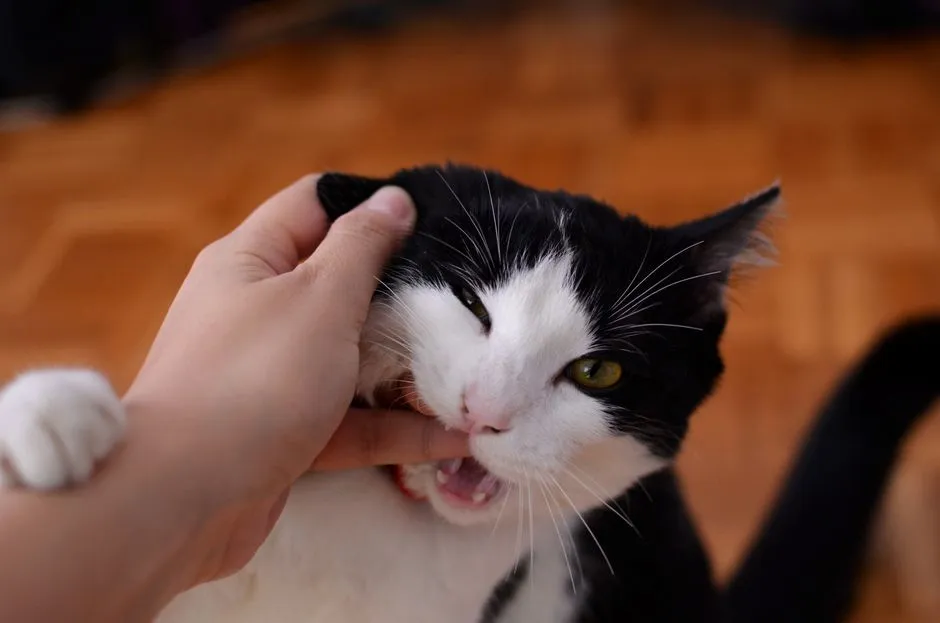
Letting a kitten or cat play bite and swat at bare hands during playtime might seem cute and harmless in the moment. Over time, though, it teaches the cat that hands are appropriate targets for teeth and claws, which becomes a much bigger problem once that kitten grows into an adult cat with real bite strength. It also blurs an important line for the cat between play and genuine aggression, since the same behavior that got laughed off at three months old might get punished at three years old.
This inconsistency is confusing and, over time, erodes the predictability a cat relies on to know what’s expected of it. Using wand toys, balls, or other objects that keep hands out of the equation channels natural hunting instincts without putting your skin on the line. It also keeps the relationship between hands and comfort clean and unambiguous, which matters more than most people realize.
Final Thoughts
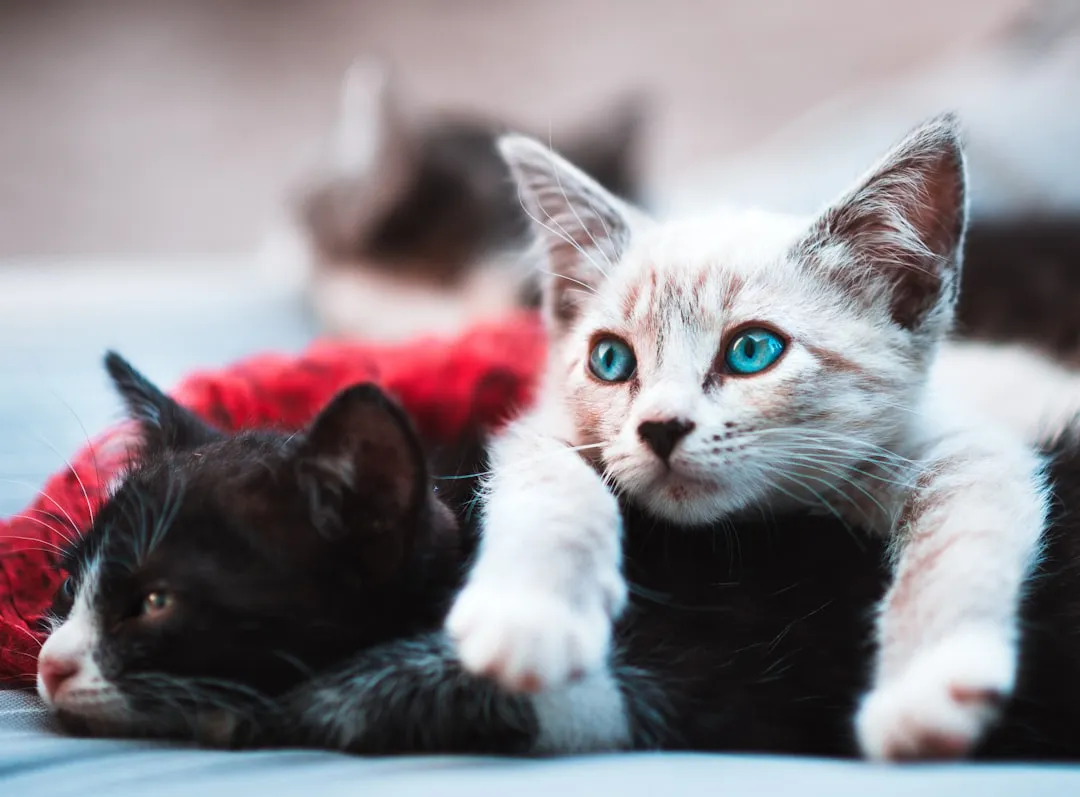
Cats get an unfair reputation for being aloof or hard to please, but most of the friction people describe traces back to a handful of everyday habits rather than any inherent flaw in the animal. None of the mistakes above require a villain to explain them. They usually come from people who love their cats but haven’t quite learned to speak their language yet.
If there’s one thing worth taking away, it’s that trust with a cat isn’t built through grand gestures. It’s built in the small, repeated moments where a cat gets to choose, where its signals get respected, and where its world stays reasonably predictable. Get those things right, even imperfectly, and most cats will meet you halfway far more often than their reputation suggests.

- Wildlife Science Says a Wolf Howling Alone in the Dark Is Not Calling Its Pack – It Is Doing the Opposite and the Distinction Changes How We Understand Lone Wolves Entirely - July 18, 2026
- Evolutionary Biology Says the Reason Humans Cannot Stop Looking at Fires Has Nothing to Do With Warmth – It Traces Back to a Brain Adaptation Far Older Than Language - July 18, 2026
- Animal Psychology Says Dogs Who Sleep on Your Pillow While You Are Away Are Not Being Rebellious – They Are Seeking Comfort From Your Scent to Soothe the Separation - July 18, 2026