
Worried about unexpected vet bills?
Pet insurance can cover thousands in unexpected vet costs. Get a free quote from Lemonade in under 2 minutes.
Get My Free Quote →Sponsored · Opens Lemonade.com
Think moths are just dusty creatures fluttering around your porch light? Honestly, they’ve gotten a bad reputation. While butterflies steal the spotlight with their daytime theatrics, moths have quietly evolved into some of the most stunning insects on Earth. With colors that rival sunsets and patterns that look hand painted, these nocturnal beauties deserve their moment in the sun, or rather, under the moon.
Let’s be real, most people lump all moths together as boring brown things. Yet here’s the thing: there are roughly 160,000 species of moths crawling, flying, and transforming across our planet, and some of them are absolutely breathtaking. From Madagascar’s rainforests to North America’s deciduous woodlands, these creatures showcase nature’s wildest artistic side. Ready to meet the most gorgeous moths that’ll make you look at your porch light visitors differently?
Luna Moth
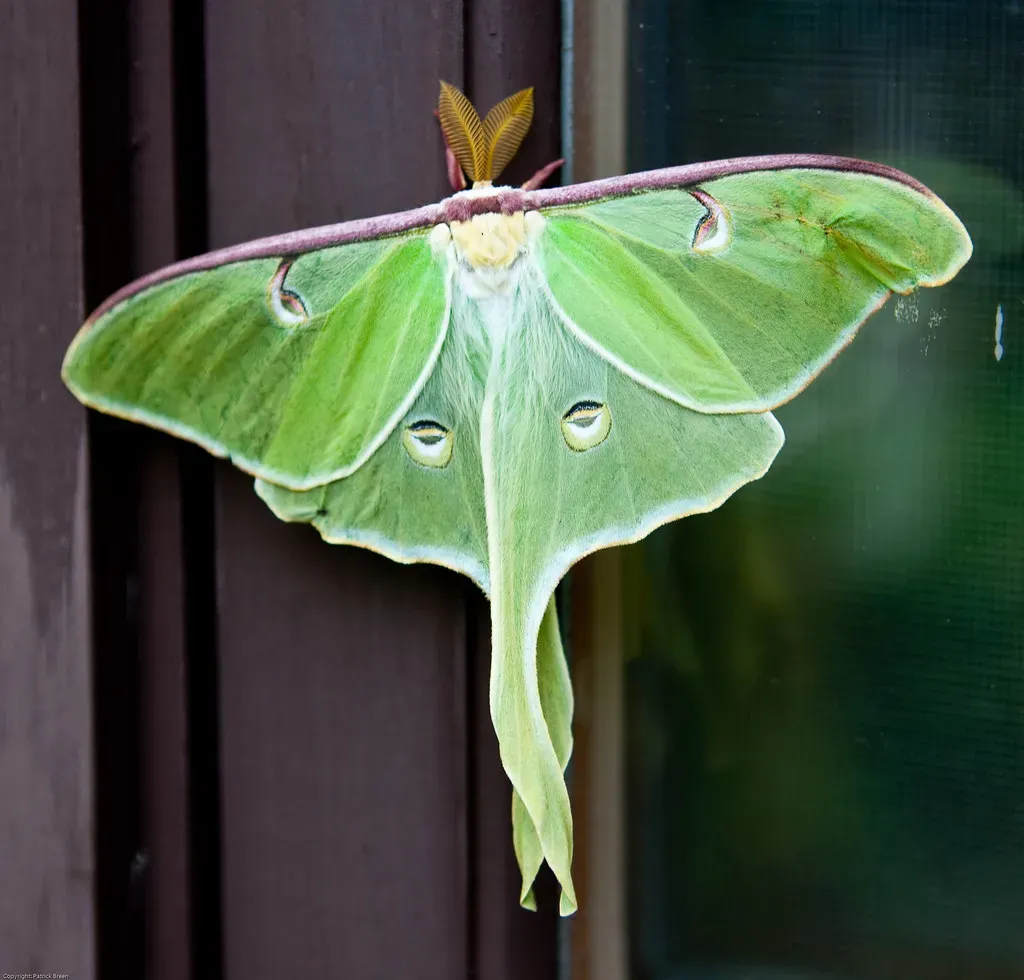
The Luna Moth lives only about one week in most climates, doesn’t eat during its seven day life cycle, and lacks a mouth entirely. Hard to believe something so ephemeral could be so striking, right? This ethereal queen of the night features ghostly green wings and delicate tails that feel almost otherworldly, like something from a dream.
These moths prominently feature eyespots meant to mimic animal eyes to keep enemies at bay or keep attacks limited to peripheral wing areas. Their pale green coloration glows almost luminescent in moonlight, creating an effect that’s genuinely magical when you spot one resting on tree bark.
Rosy Maple Moth
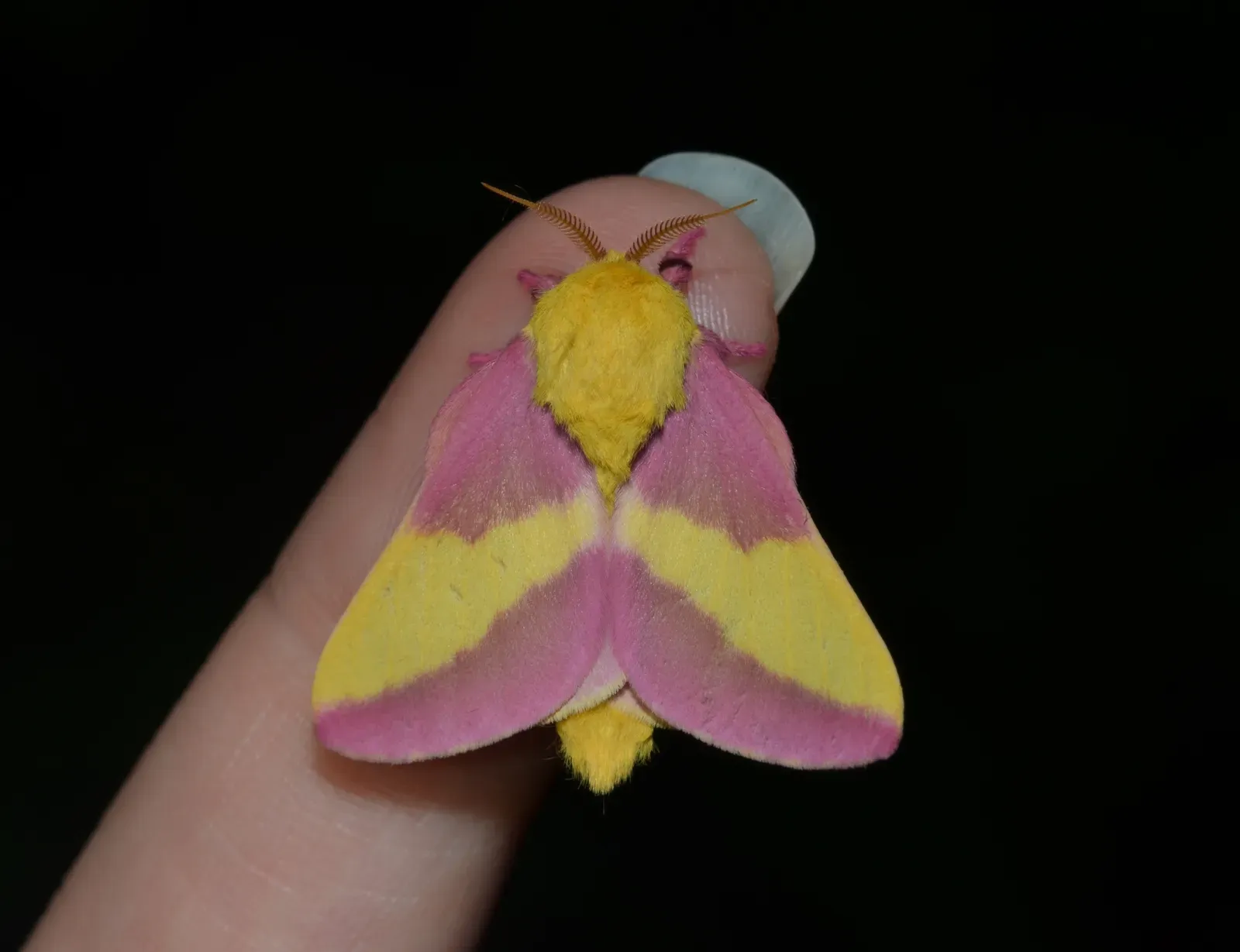
This species showcases unique but varying pink and yellow coloration, with reddish to pink legs and antennae, yellow bodies and hindwings, and pink forewings with a triangular yellow band across the middle. It’s basically the cotton candy of the insect world. Males have a wingspan of roughly one and a quarter to one and three quarters inches, while females span about one and a half to two inches, making them the smallest of the silk moths.
The species is known for its wooly body and coloration that varies from cream or white to bright pink or yellow. Some specimens are so pale they’re almost white, while others explode in shocking fuchsia and sunshine yellow. These moths live across the eastern and northern United States and adjacent Canadian regions, primarily found on red maples, sugar maples, silver maples, and box elder maples.
Comet Moth
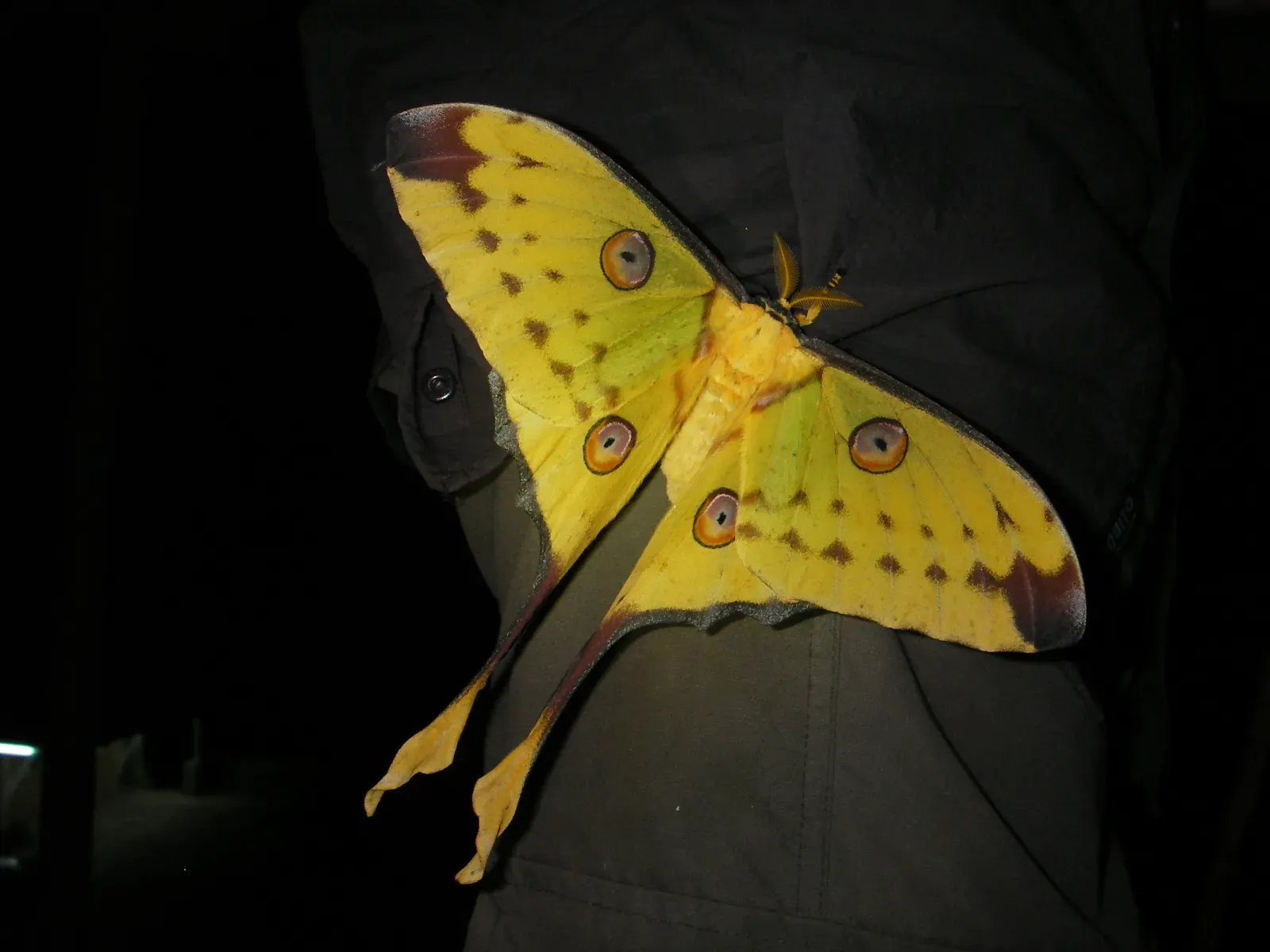
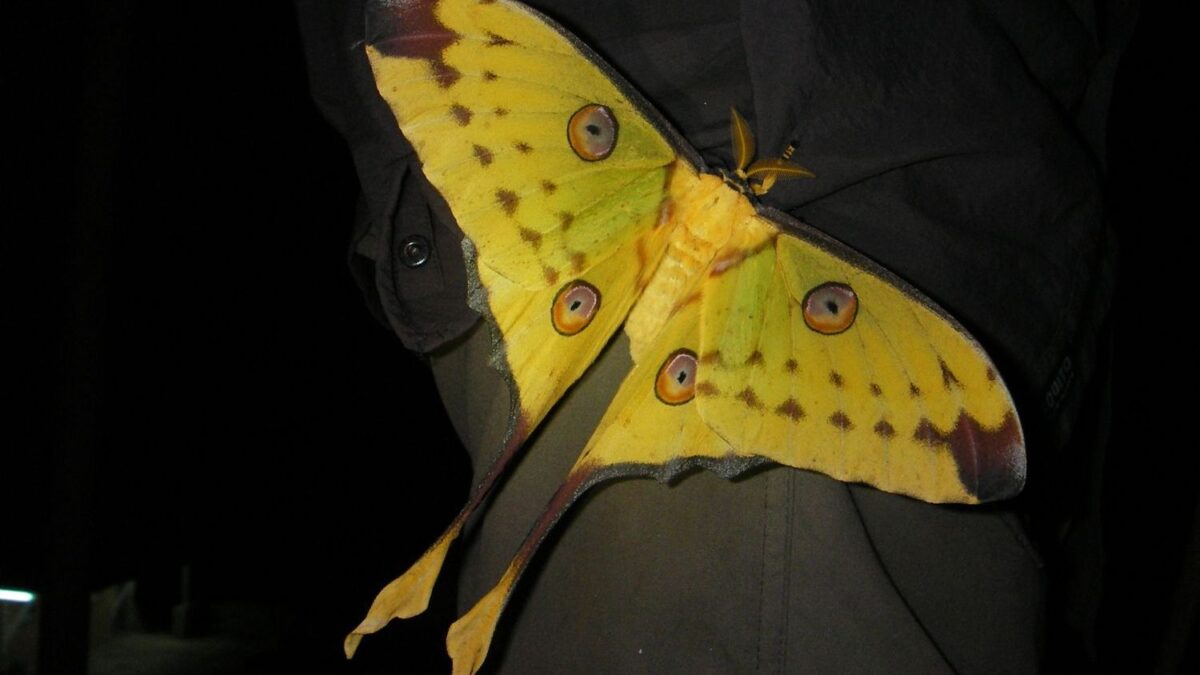
The comet moth, also known as the Madagascan moon moth, ranks among the largest silk moth species and is only found in Madagascar’s rainforests, with its name derived from elongated hindwing parts resembling comet streaks. The males absolutely dwarf the females in terms of tail length. Males boast a wingspan of 20 centimeters and a tail span of 15 centimeters, making it one of the world’s largest silk moths.
The long red and yellow tails serve a useful defensive purpose, proven to divert bat attacks by spinning behind the moth during flight and interfering with bat echolocation. Adult moths cannot feed and only live for four to five days, lacking a functioning digestive system that limits their lifespan to six to eight days to find a mate. That’s barely enough time to accomplish anything, yet these creatures manage to perpetuate their species in that narrow window.
Atlas Moth
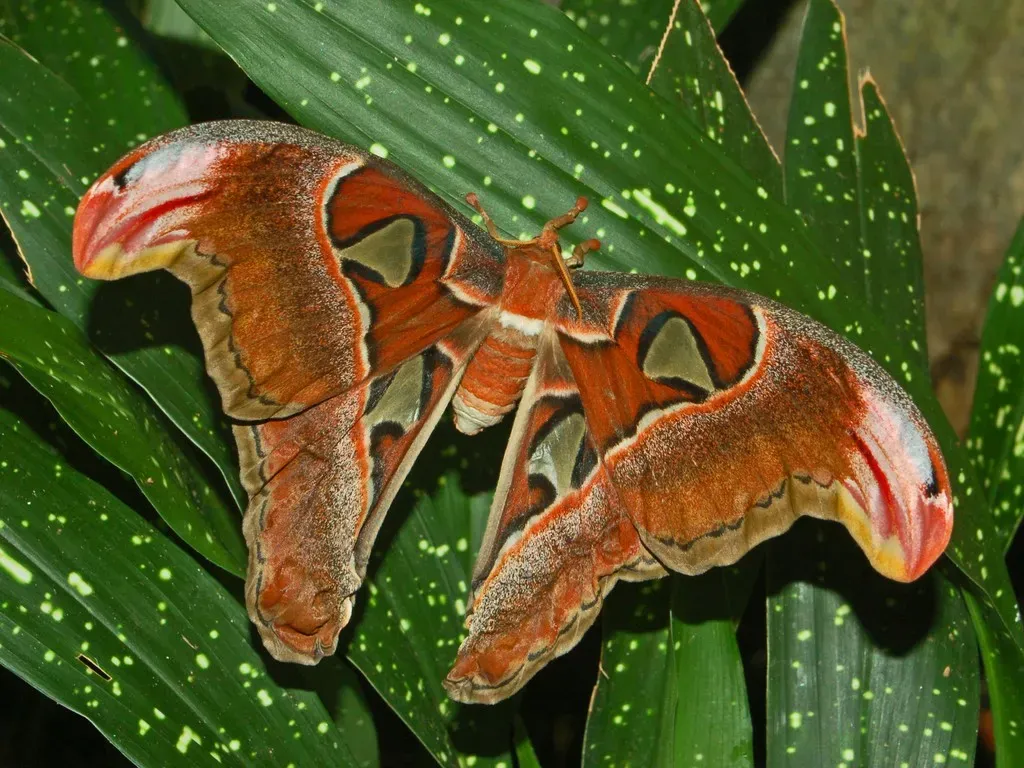
With a wingspan of up to 10 inches, the Atlas moth ranks as one of the world’s largest moths. The upper wing tips look curiously like the side view of a cobra head, which some entomologists think could be an evolutionary defense against predators. That’s nature playing mind games at its finest.
Atlas moths have been mistaken for bats when in flight, and even their cocoons are large, having been used as women’s purses in Taiwan. Can you imagine carrying a purse made from a moth cocoon? The sheer scale of these creatures is almost unsettling when you see them in person, their rust colored wings spreading wider than some bird species.
Spanish Moon Moth
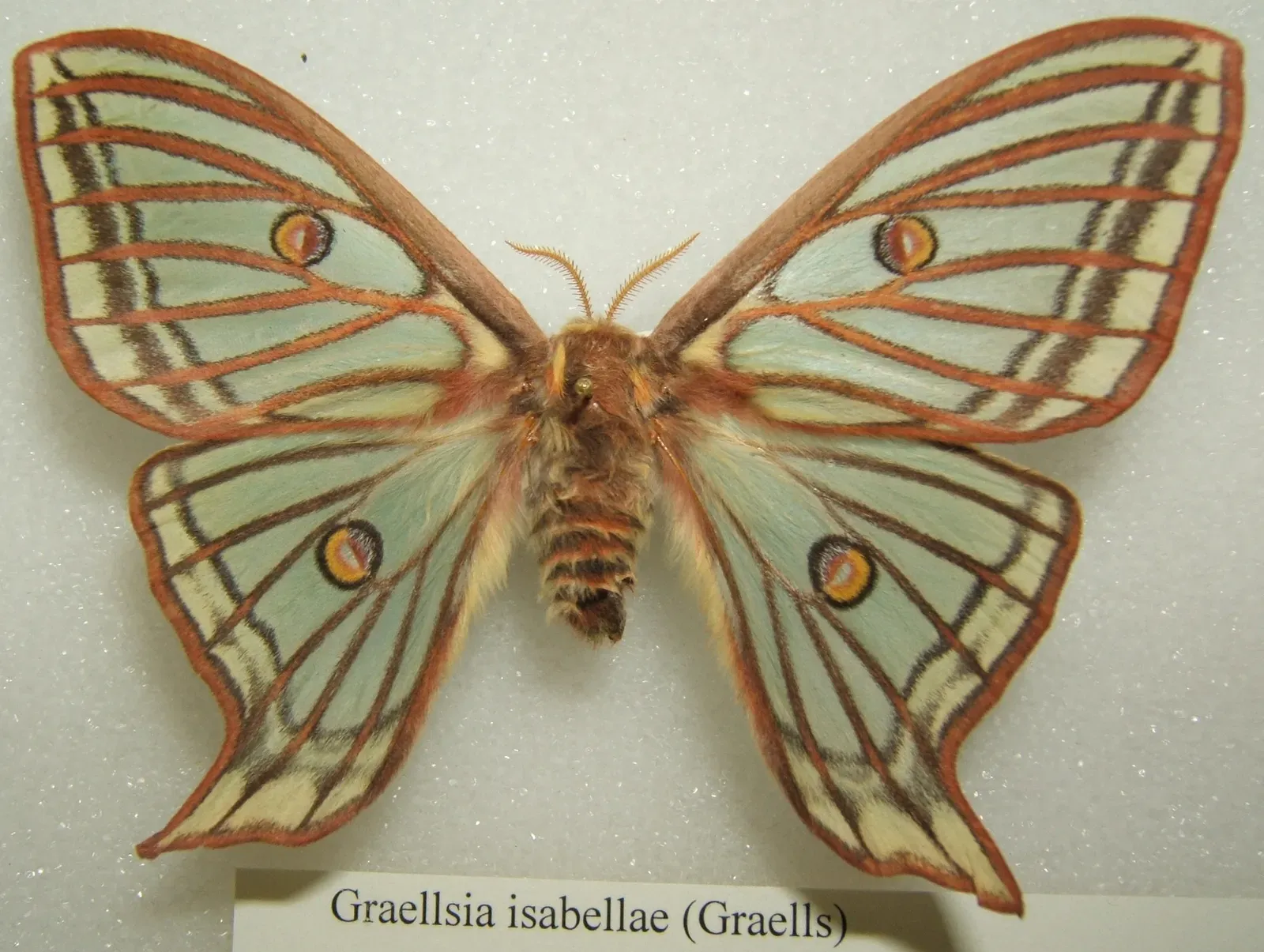
The Spanish moon moth, also known as the stained glass moth, is often considered the most beautiful moth species found in Europe and is among the few species granted protected status. This saturniid lives mostly in the mountains of France and Spain. Its delicate green wings appear almost translucent, with intricate patterns that catch light like antique glass panels.
The protection status speaks volumes about how rare and valued this species has become. Unlike many moths that blend into backgrounds, this one demands attention with colors that seem plucked from a painter’s palette rather than evolved naturally.
Garden Tiger Moth
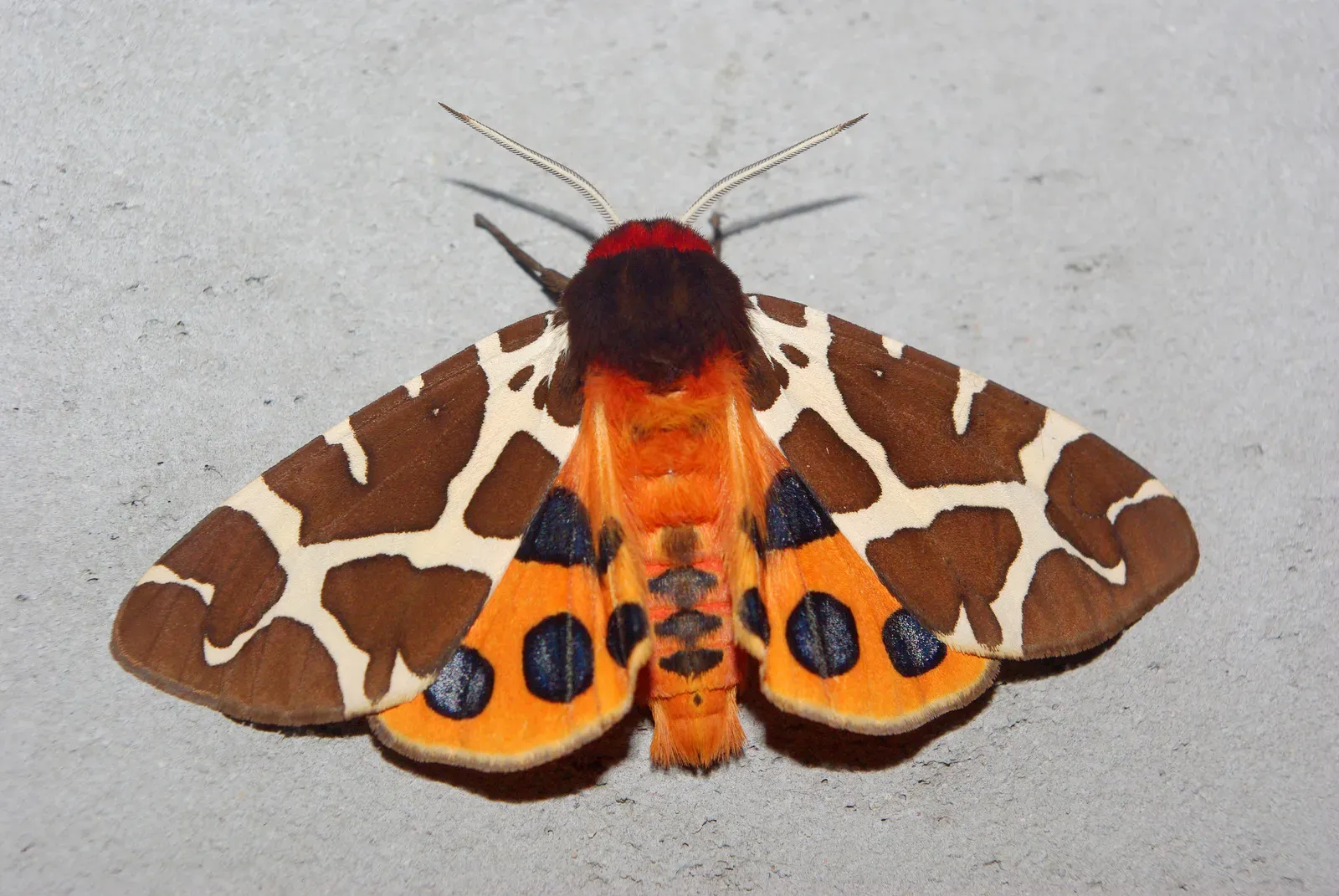
Garden Tiger is a strikingly colorful moth found throughout Eurasia and North America, featuring orange hindwings with many black spots and white forewings with beautiful black markings. The attractive coloration and patterns on the hindwings serve as a warning to predators, and when threatened, garden tiger moths display their colorful hind wings before secreting a poisonous fluid from the body if the threat persists.
It’s bold, it’s loud, and it’s basically saying “don’t even think about eating me” with its whole aesthetic. The contrast between the relatively subdued forewings and the explosion of orange underneath creates a dramatic reveal when the moth feels cornered.
Madagascan Sunset Moth
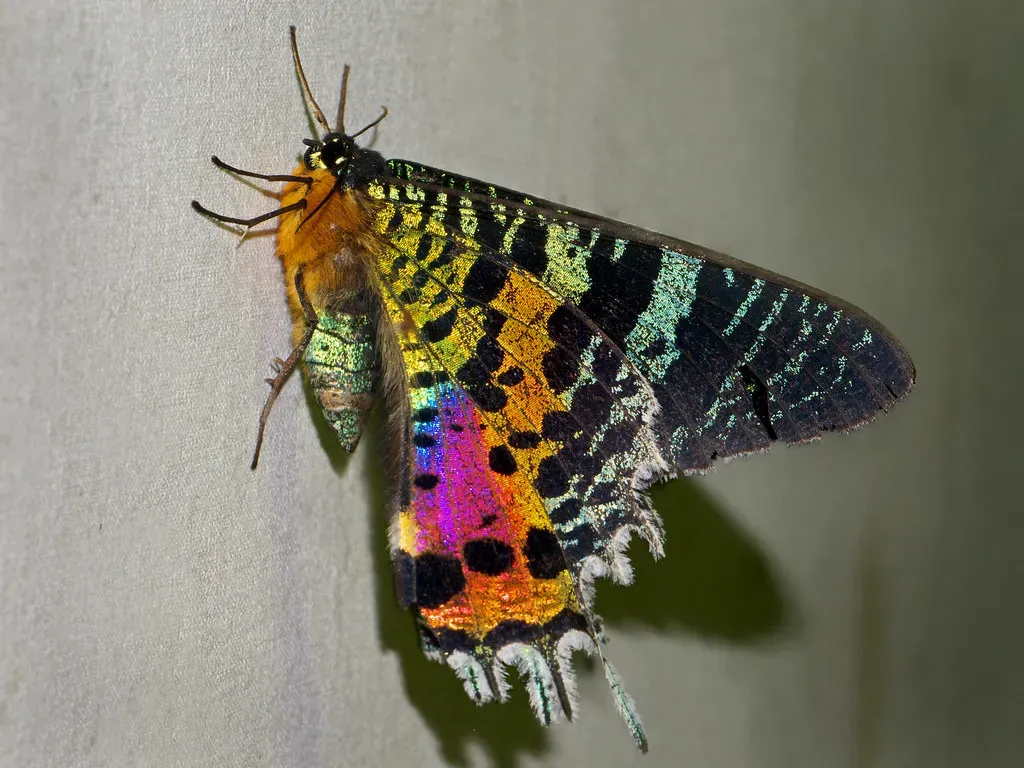
The Madagascan sunset moth just might be the most beautiful moth , and if you aren’t too familiar with the differences between butterflies and moths, you might think it’s a butterfly at first glance. These beautiful moths have striking bands that may make many people mistake them for butterflies, with a black base color and broad iridescent bands of pink, yellow, or both, plus soft greenish blue undersides.
The iridescence shifts depending on the angle you view it from, creating a living kaleidoscope effect. It’s one of those species that photographs simply can’t capture properly because the colors change with every slight movement.
Cecropia Moth
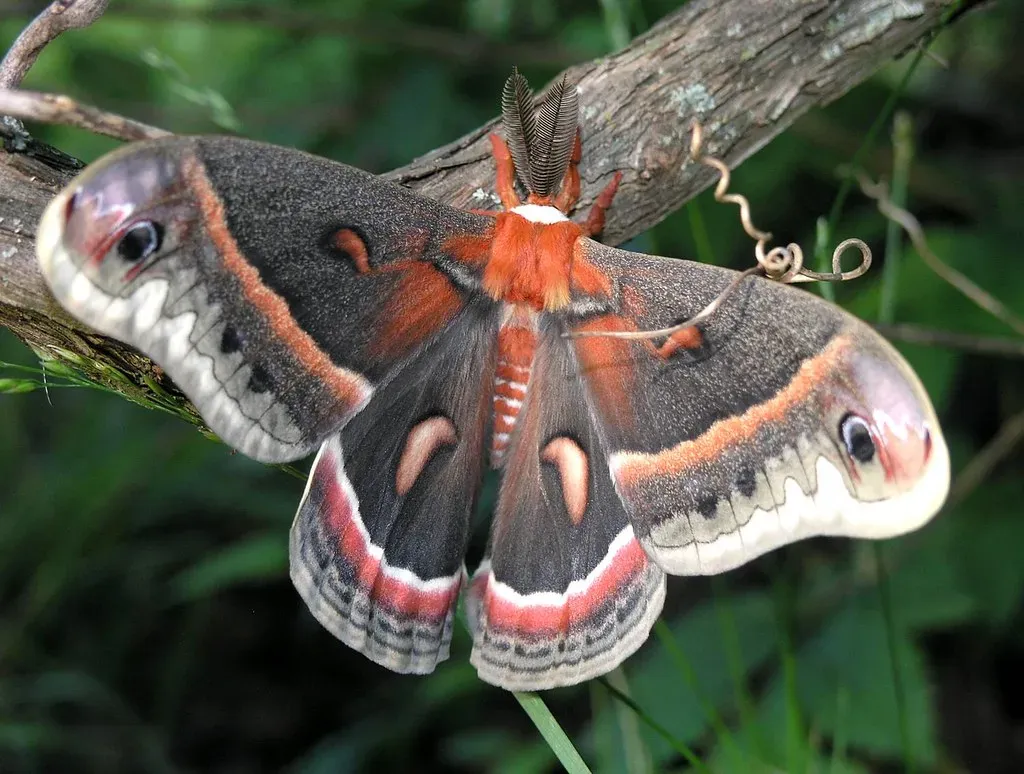
With a wingspan of five to six inches, the Cecropia moth is the largest moth of North America and is known for large size and brilliant coloration. This beautiful moth has a reddish body and reddish brown wings with bands of white and tan, found mostly in rocky mountains of the United States and Canada.
It is hard to spot them as they are only active at night. Their camouflage during daylight hours is remarkably effective, with their earth toned wings blending seamlessly against tree bark. When you do catch one in the beam of a flashlight though, the intricate banding pattern looks like something woven by hand.
Polyphemus Moth
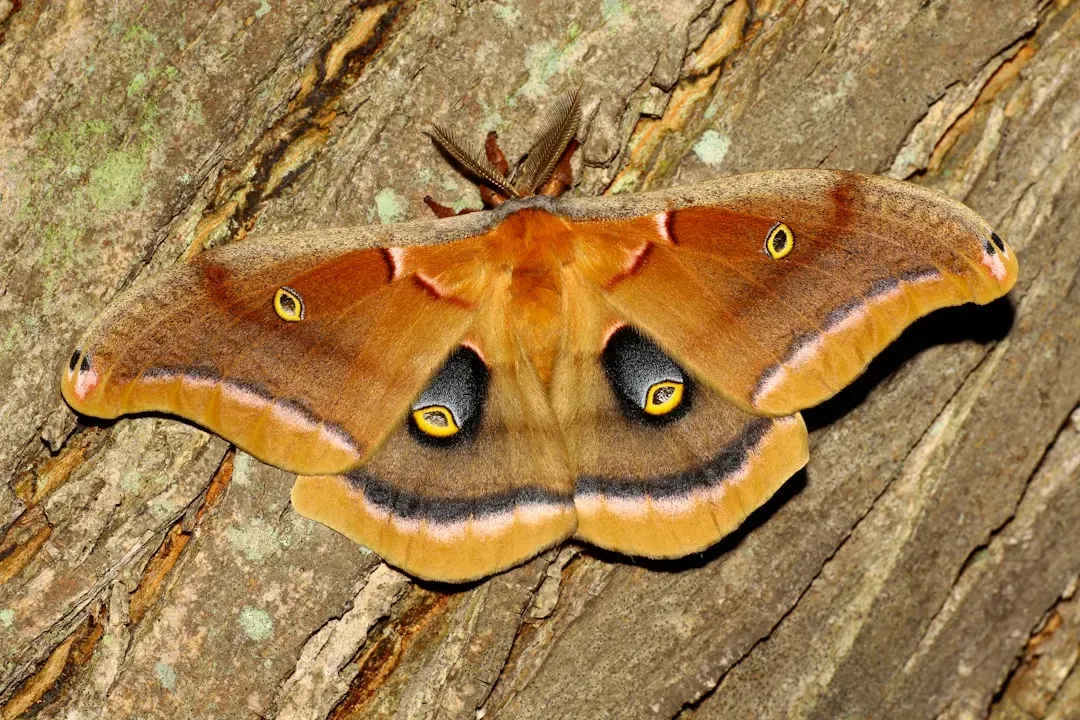
The Polyphemus moth is a large North American saturniid with captivating eyespots on its hindwings. Those eyespots aren’t just decorative. They’re meant to startle predators into thinking they’re staring down something much larger and more dangerous than a soft bodied moth.
The wings span several inches and come in warm browns and tans that might seem understated until you notice those prominent circular markings. Each eyespot features concentric rings in contrasting colors, creating a target like appearance that’s both beautiful and slightly unnerving.
Elephant Hawk Moth
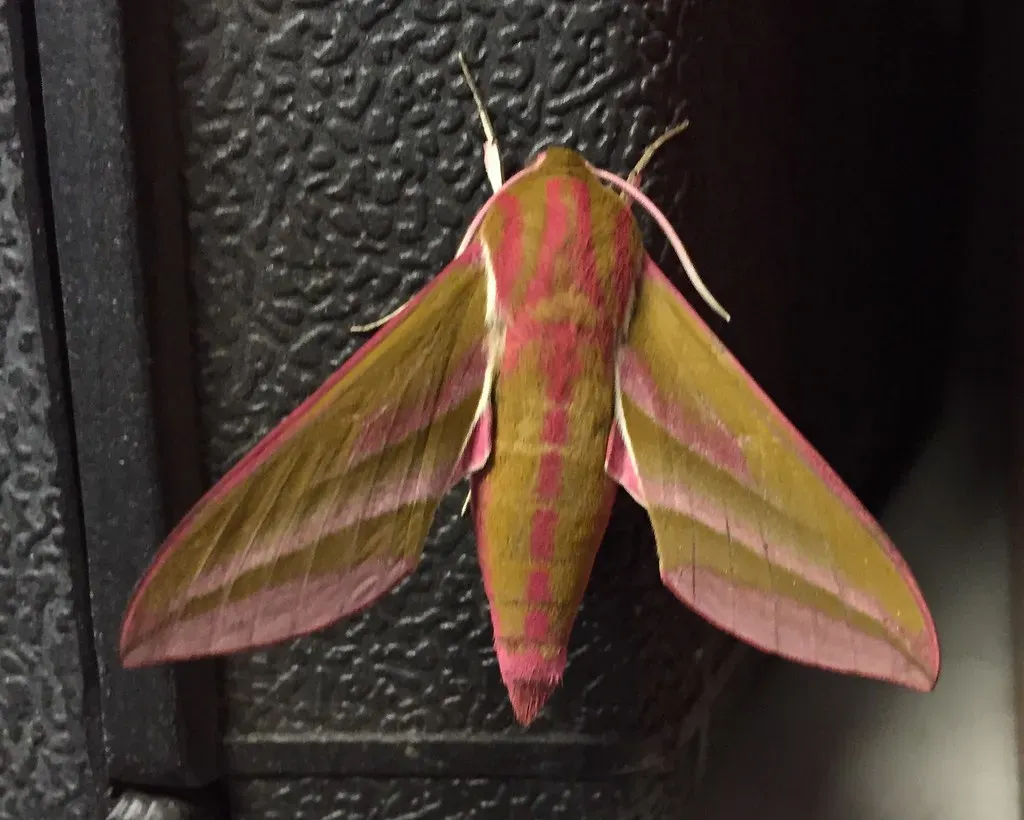
The elephant hawk moth is a sphingid whose name was inspired by its caterpillar, which resembles an elephant’s trunk. The adult moth itself is a stunner, decked out in pink and olive green tones that shouldn’t work together but somehow do. It’s like nature decided to experiment with unexpected color combinations and nailed it.
These moths are part of the hawk moth family, known for their powerful flight and ability to hover while feeding. Watching one in action is mesmerizing, their wings beating so fast they blur while they sip nectar with their long proboscis.
Conclusion
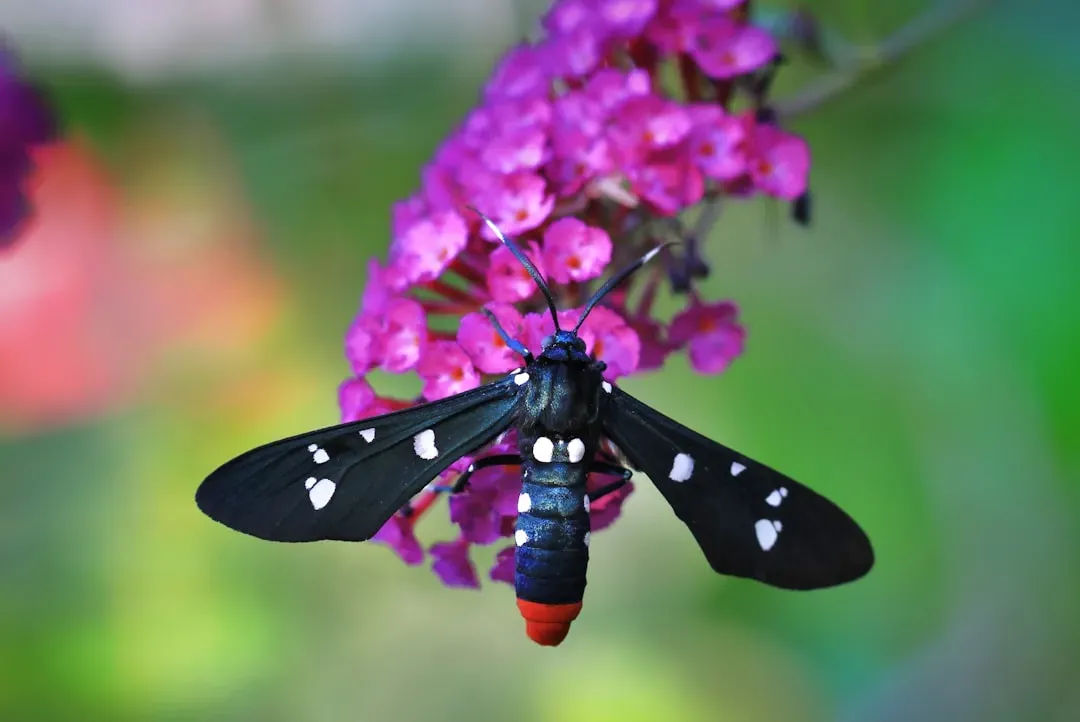
Moths have spent far too long in the shadow of their butterfly cousins. Around the world, moth numbers are plummeting, with populations declining by over 30 percent since the 1960s in the United Kingdom, driven mainly by habitat destruction and climate change. These creatures aren’t just beautiful, they’re essential pollinators and food sources for countless other species.
Next time you see a moth near your porch light, take a closer look before shooing it away. You might just be in the presence of one of nature’s most underappreciated masterpieces. Maybe even snap a photo and try identifying it. Did any of these stunning species surprise you? What’s your take on moths now?
Worried about unexpected vet bills?
Pet insurance can cover thousands in unexpected vet costs. Get a free quote from Lemonade in under 2 minutes.
Get My Free Quote →Sponsored · Opens Lemonade.com
