
is one of the most visually stunning places on the planet, a chain of volcanic islands sitting in near-total geographic isolation in the middle of the Pacific. That isolation is precisely what gave rise to some of the world’s most extraordinary wildlife. Species evolved here for millions of years with almost no outside interference, producing creatures found absolutely nowhere else on Earth.
covers less than 0.2% of U.S. land area, yet it is home to nearly one quarter of the nation’s endangered species, a distinction that has earned it the sobering title of “endangered species capital of the world.” The threats are real, well-documented, and in many cases still accelerating. What follows is a closer look at ten animals facing the most precarious futures on these islands.
1. Hawaiian Monk Seal (Ilio-holo-i-ka-uaua)
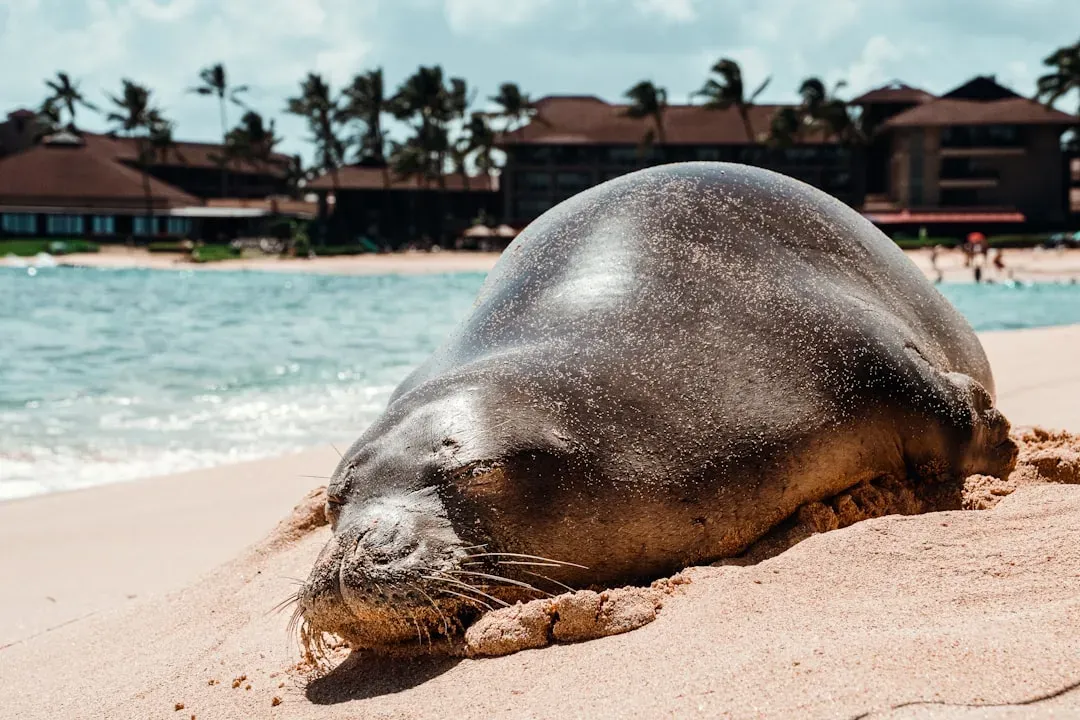
Of all marine mammals, the Hawaiian monk seal is the most endangered in the pinniped family in the western hemisphere and is listed as endangered under the Endangered Species Act. Its Hawaiian name, ilio-holo-i-ka-uaua, translates loosely to “dog that runs in rough water,” which feels fitting for an animal that has somehow persisted against extraordinary odds.
With a population of around 1,400 seals, the Hawaiian Monk Seal has been listed as one of the most critically endangered mammals in the world since 1976. High infant mortality, insufficient food, shark attacks, and stress from human encroachment are among the principal threats.
Hawaiian monk seals and spinner dolphins die of toxoplasmosis, which is hard to detect until after death and has no cure, and toxoplasmosis is now the leading disease threat to Hawaiian monk seals. The source of that disease, feral cats, remains a deeply complex management challenge across the islands.
2. Hawksbill Sea Turtle (Honu’ea)
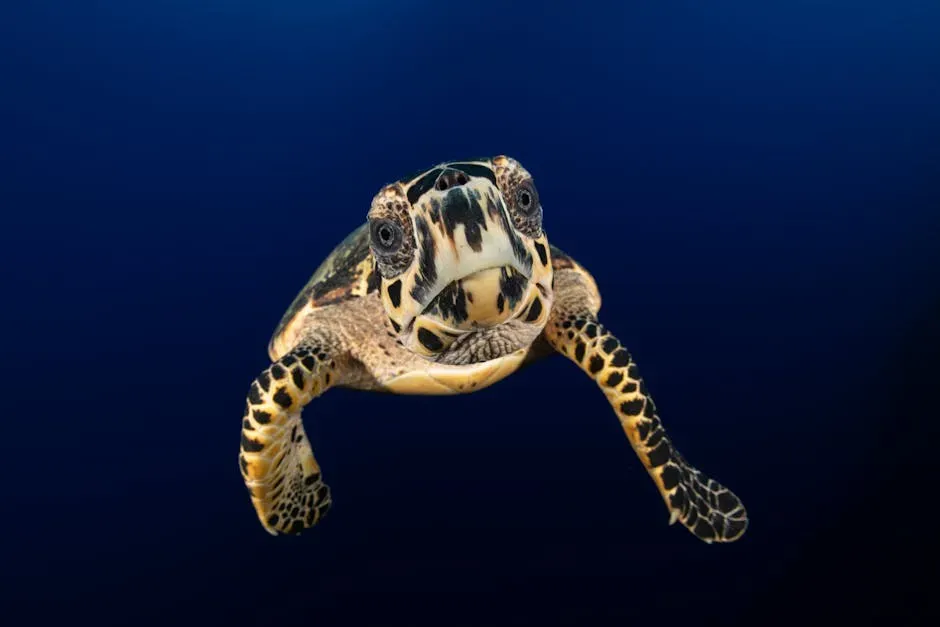
Hawksbills are listed as endangered throughout their global range under the Endangered Species Act, and the IUCN lists them globally as critically endangered, meaning they face an extremely high risk of extinction. , their situation is particularly fragile.
Nesting for hawksbills appears to be exclusive to the Maan Islands, with an estimated average of only 20 to 25 females nesting annually. That is not a typo. Just a few dozen nesting females represents the entire Hawaiian population.
The beautiful tortoiseshell pattern on their carapace is believed to have caused their decline, as hawksbills were hunted for years to turn their shells into jewelry, strong fishing hooks, and other ornamental objects. Today, habitat loss, pollution, and accidental capture in fishing gear continue to put pressure on what little remains of the population.
3. Hawaiian Crow (‘Alalā)
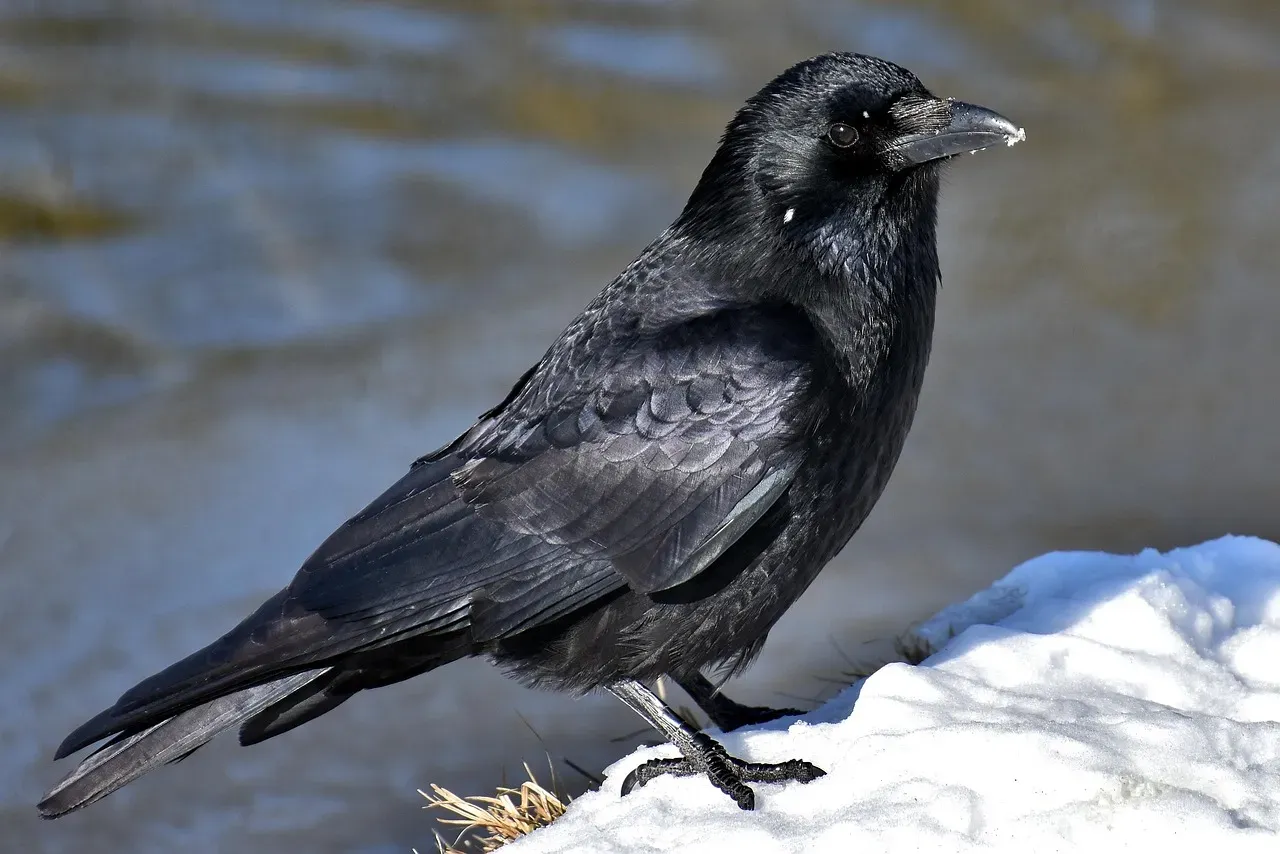
Today, the Hawaiian crow is considered the most endangered of the family Corvidae. Extinct in the wild since 2002, several ‘alalā have survived their first year since being released on the Valley Isle. That cautious step forward is the result of years of painstaking conservation work.
The ‘alalā has been observed using twigs as tools to reach food, a behavior naturally exhibited by only one other corvid, the New Caledonian crow. It’s a reminder that what’s being lost here isn’t simply a bird, but a rare kind of intelligence shaped by millions of years of island evolution.
The ‘alalā are likely susceptible to the same factors that threaten other native Hawaiian forest birds, including loss and degradation of habitat, predation by introduced mammals, and introduced disease. The small Indian mongoose, rats, and feral cats prey on ‘alalā.
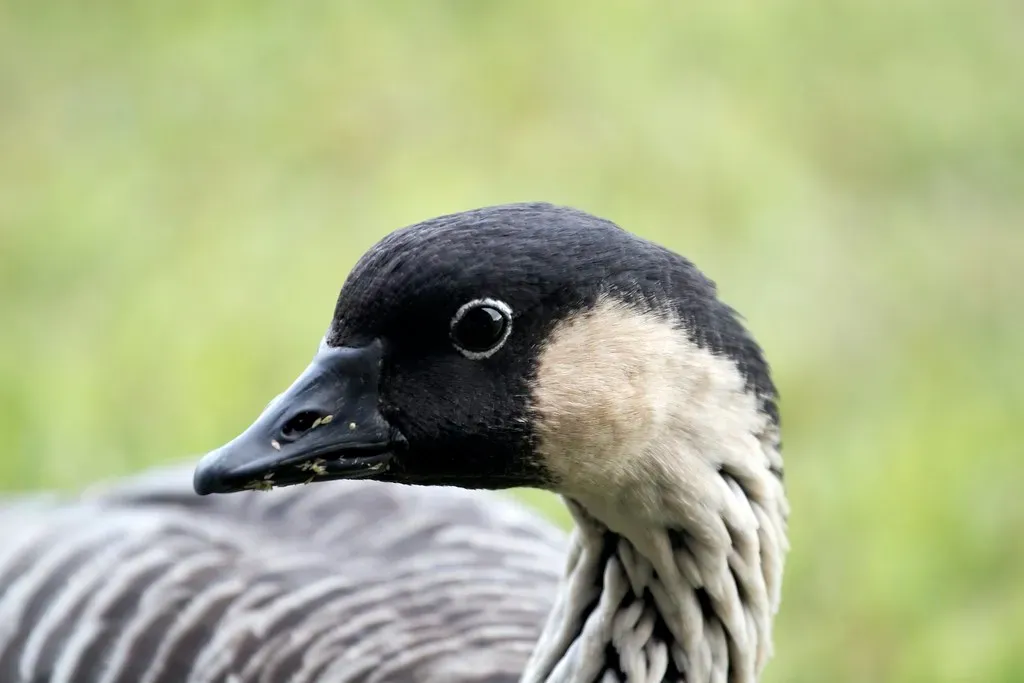
4. Nēnē (Hawaiian Goose)
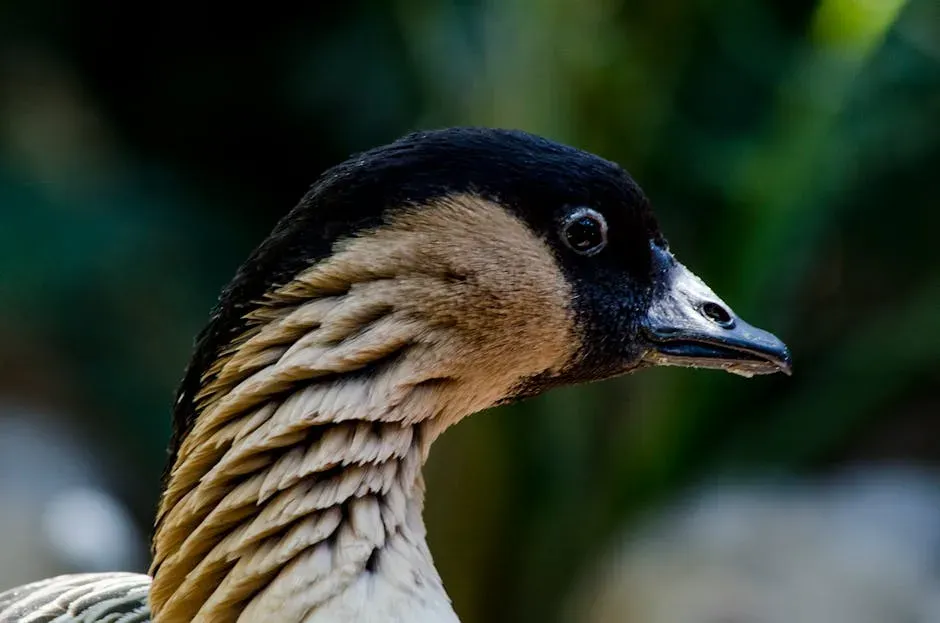
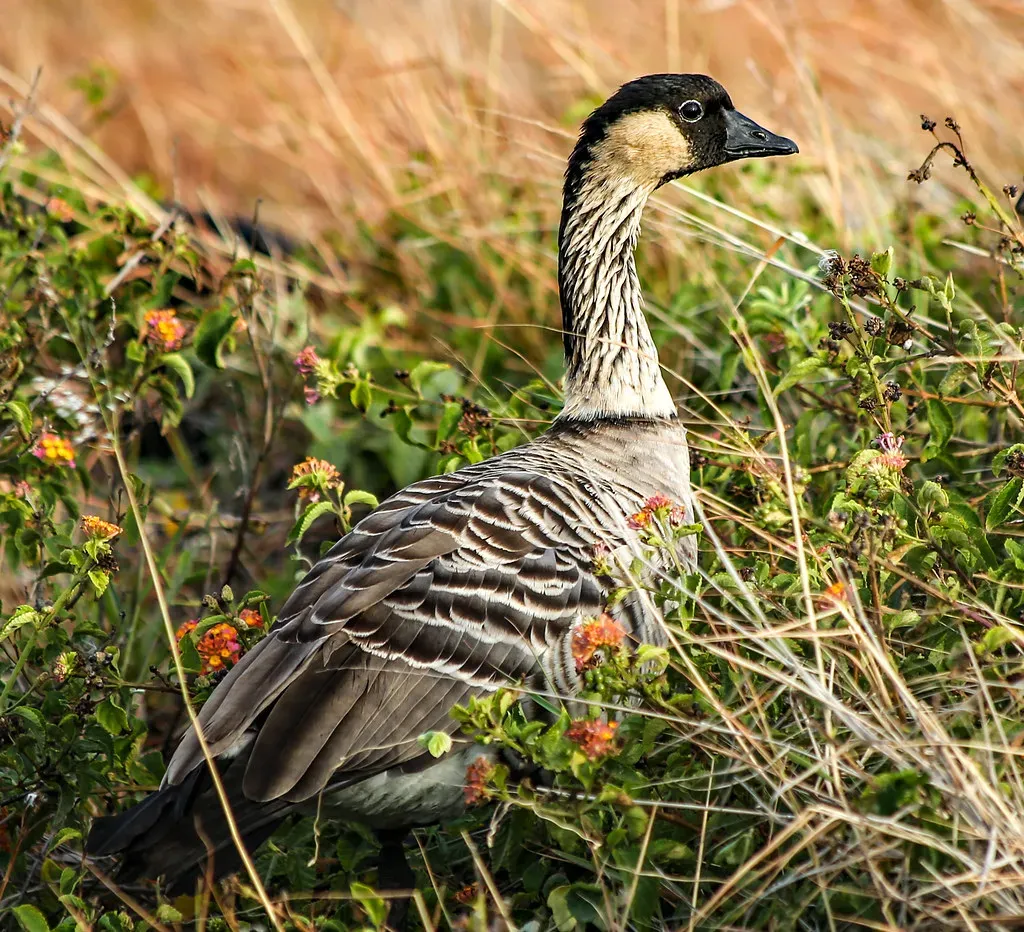
The nēnē, or Hawaiian goose, is considered the world’s rarest goose, mainly inhabiting shrubs and grasslands but also found on the slopes of volcanoes and in some lowland areas when breeding and nesting. It is Hawaii’s official state bird, which says something about how deeply embedded it is in island identity.
Of all the native Hawaiian animals, the nēnē goose experienced the closest brush with extinction. Hunters almost killed them off completely in the 1940s because of lax laws. Fortunately, the geese became the Hawaiian State Bird in 1957, which gave the species greater protection.
There are now small populations on the Big Island, Maui, and Kauai. However, because of predation issues, there are still only about 800 nēnē geese . Non-native predators like mongooses and feral cats continue to threaten nests, keeping recovery slow.
5. ‘I’iwi (Scarlet Honeycreeper)
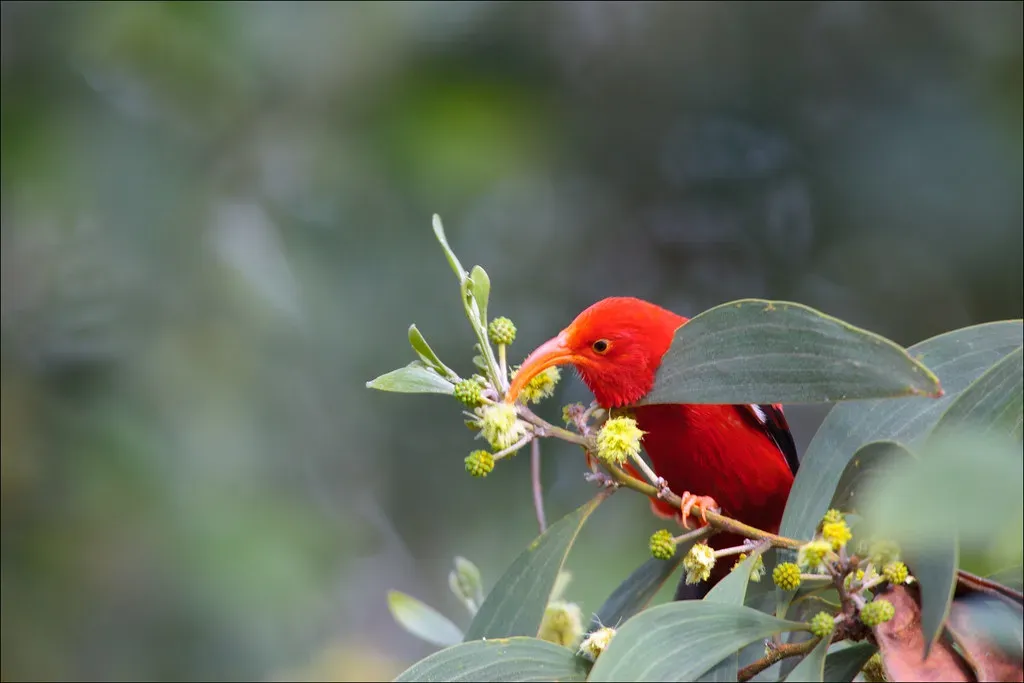
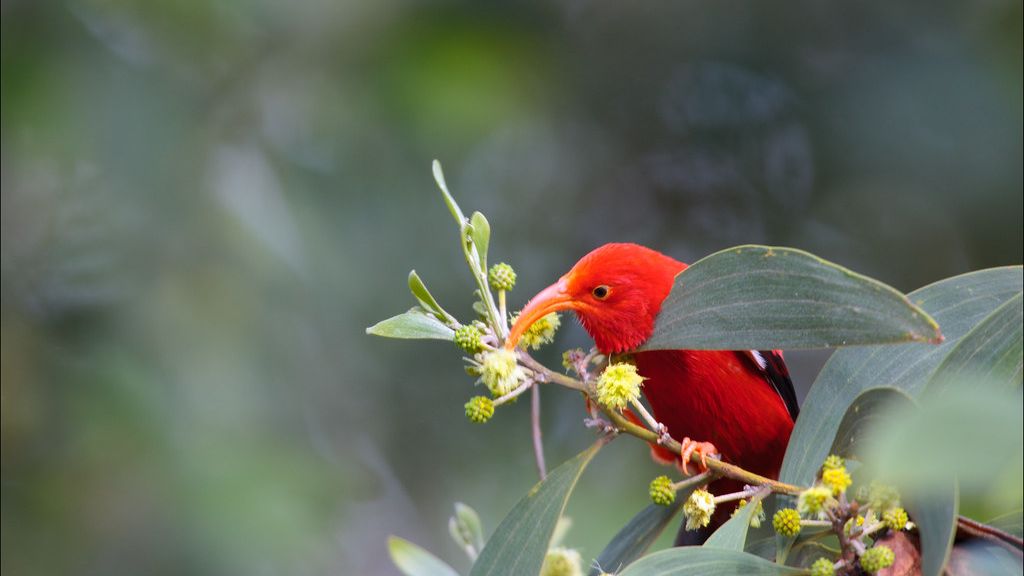
Of the 50 or so species of Hawaiian honeycreepers, less than half remain. The brilliantly red ‘i’iwi, an important ‘ōhi’a pollinator, is vulnerable to the same threats that wiped out other forest birds: habitat loss, predation by non-native mammals, and avian malaria.
Its vivid red plumage and curved bill make the ‘i’iwi one of Hawaii’s most recognizable forest birds. These birds have critical ecological roles as pollinators, seed dispersers, and insect managers of Hawaii’s forests and are an inextricable part of Native Hawaiian culture.
Of 84 forest bird species known from either the fossil record or human observation, 58 have gone extinct. Of the 26 species that remain, 24 are listed by the International Union for Conservation of Nature as vulnerable, near-threatened, threatened, endangered, or critically endangered. The ‘i’iwi is one of those 24, and its range continues to shrink as warming temperatures push avian malaria to higher elevations.
6. Crested Honeycreeper (Akohekohe)
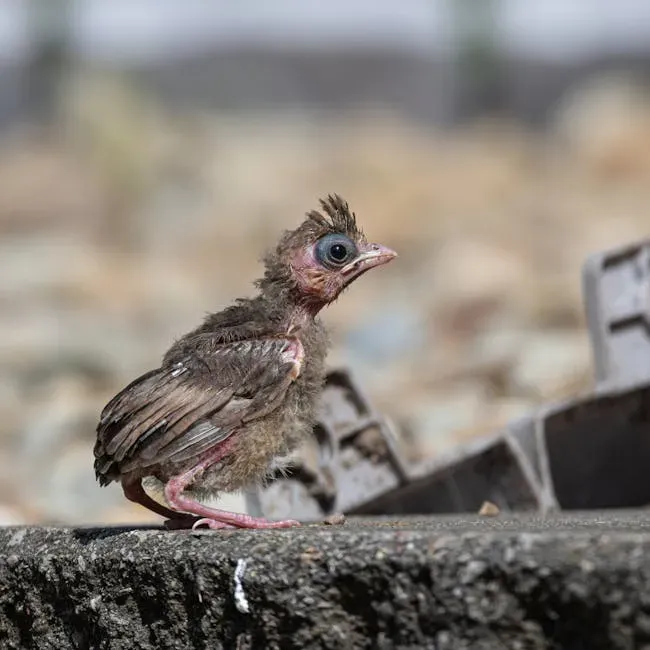
The crested honeycreeper, more locally known as akohekohe, is the largest bird of its kind. These native Hawaiian birds have primarily dark black plumage, and their orange and silver accents make them truly striking. They are hard to spot and harder still to count.
These large birds make their home on the summit of Haleakalā on Maui. Hawaiians call the crested honeycreeper akohekohe. The Endangered Species Act now protects the bird. Their numbers have dropped drastically in the last few decades, leaving only an estimated 3,800 birds.
Avian malaria, spread by non-native mosquitoes, is one of the biggest ongoing threats to this species. As climate change allows mosquitoes to survive at higher elevations, the high-altitude refuges that have sheltered the akohekohe are beginning to shrink.
7. Hawaiian Hoary Bat (‘Ōpe’ape’a)
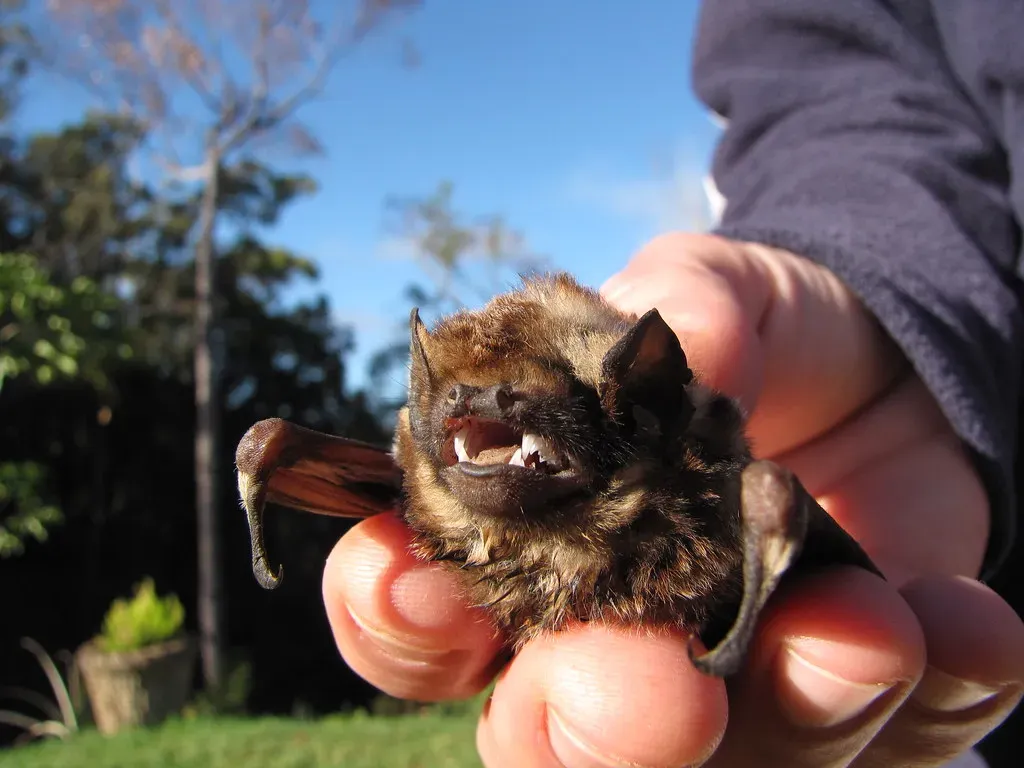
The Hawaiian hoary bat, or ‘Ōpe’ape’a, is the only existing land mammal native to the Hawaiian archipelago. That distinction makes it extraordinary, and also especially vulnerable. There is simply no backup population elsewhere on the planet.
The species descended from a pair of bats that migrated thousands of miles from the Americas. They typically are 10 to 13 inches in size. Although they once inhabited all islands, they no longer exist on Oahu at all, due to habitat loss and pesticides.
The Hawaiian Hoary Bat is considered endangered due to apparent population declines. Another factor compounding the situation is the lack of knowledge concerning their distribution, abundance, and habitat needs. Studying a small, nocturnal, forest-dwelling bat is no easy task, which makes targeted conservation especially difficult.
8. Hawksbill Green Sea Turtle (Honu)
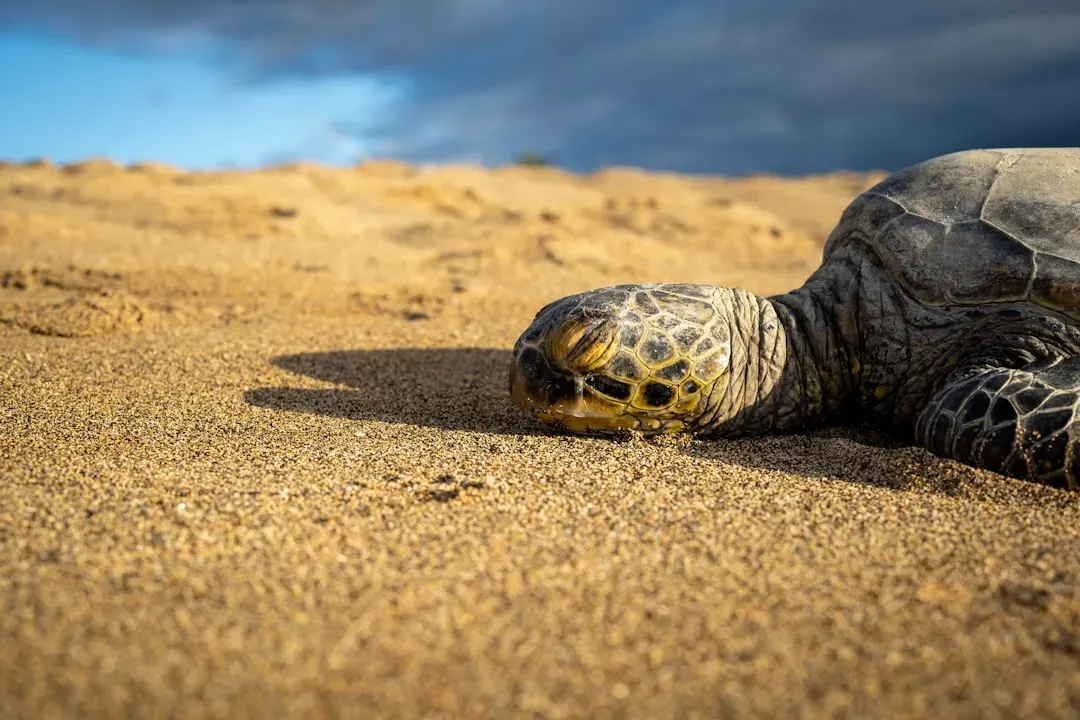
, green sea turtles are also called Honu, and they symbolize good luck, protection, endurance, and long life. However, this majestic creature is already considered endangered. Their cultural weight is enormous, which makes their precarious status feel all the more urgent.
Green sea turtles are threatened by overharvesting of their eggs, hunting, being caught in fishing gear, and losing nesting beach sites. In addition, they are also susceptible to diseases and stress coming from human interactions.
The honu has recovered from the brink of extinction, prompting some to ask if it’s time to give Native Hawaiians the right to resume traditional harvesting. The recovery story offers cautious hope, though the threats from coastal development, plastic pollution, and warming oceans have not disappeared.
9. Koloa Maoli (Hawaiian Duck)
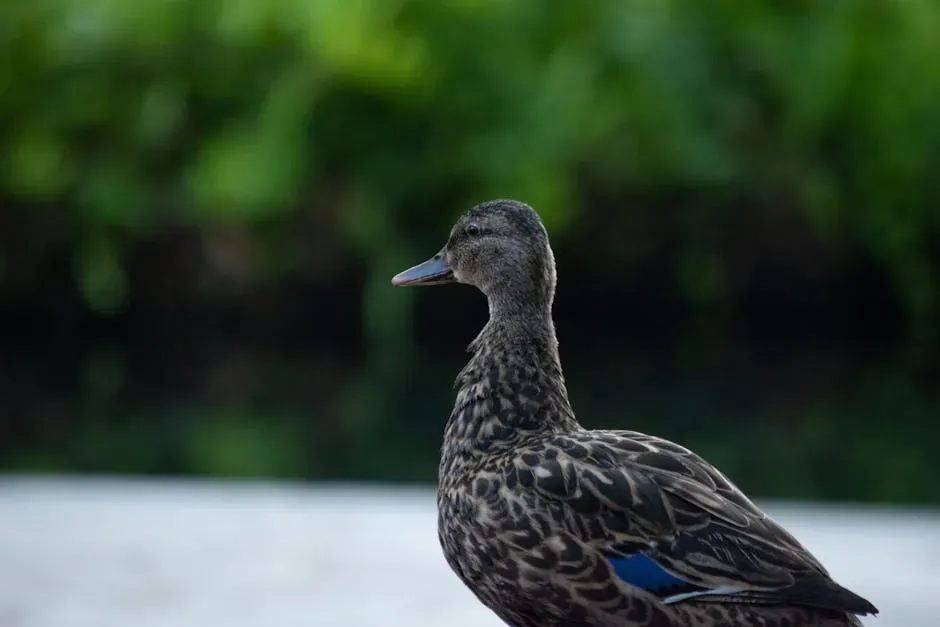
Only about 700 koloa maoli remain in the wild and are centered on Kauaʻi. A team of researchers is trying to reestablish the population across the Hawaiian Islands. The road to recovery is long, and the koloa faces a challenge that most endangered birds don’t: hybridization with feral mallards threatens its genetic distinctiveness.
The koloa maoli is a small, mottled brown duck that evolved in near-total isolation, developing characteristics that set it apart from any other duck on Earth. Wetland loss, predation, and the genetic dilution caused by introduced mallards have pushed it to the edge of viability.
Conservation efforts currently focus on Kauai, where the purest remaining populations are found. Removing feral mallards and protecting freshwater wetland habitats are considered the most critical actions for giving this bird any realistic chance of long-term survival.
10. ‘Alalā-Related Forest Birds: The Palila
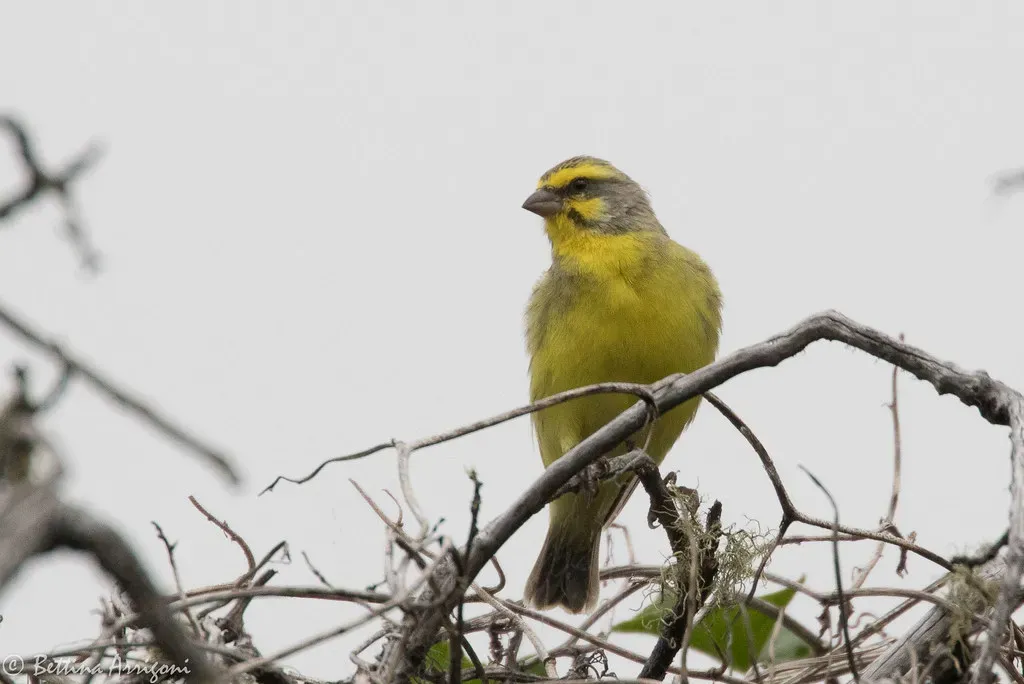
The palila is a chunky, seed-eating honeycreeper found only on the upper slopes of Mauna Kea on the Big Island. It depends almost entirely on the māmane tree for food and nesting, which means its survival is tied directly to the health of one specific high-elevation forest type.
Hawaii has been dubbed the “endangered species capital of the world,” largely because the introduction of alien species and diseases has devastated native animals and many plants they depend on. The Pacific Islands Fish and Wildlife Office lists more than 400 threatened and endangered species across the state. The palila reflects that broader pattern perfectly.
Feral sheep and goats have historically stripped māmane forests bare, removing the palila’s food source and nesting habitat at the same time. Sustained predator control and decades of legal battles over ungulate removal have helped stabilize parts of Mauna Kea, but the palila’s population remains critically low, with the species still firmly on the federal endangered list.
Why Hawaii Carries Such a Heavy Burden
Hawaii is home to an amazing diversity of fish and wildlife, many of which can be found nowhere else. Unfortunately, Hawaii has also been dubbed the “endangered species capital of the world,” with the introduction of alien species and diseases devastating native animals and many plants they depend on.
Hawaii has more threatened and endangered species than any other state in the country. Of the approximately 1,670 endangered plants and animals listed by the U.S. Fish and Wildlife Service, almost a third are found . The math alone is staggering for a place that covers so little land.
At least 32 bird species have gone extinct since 1778. Each one represents an evolutionary dead end, a unique solution to life on an island that simply no longer exists. The species on this list are the ones still holding on, which means there’s still time to act, though not unlimited time.
Conclusion: What These Animals Tell Us
Hawaii’s endangered wildlife isn’t just a conservation statistic. It’s a window into what happens when an extraordinarily isolated ecosystem collides with centuries of human activity, invasive species, disease, and habitat destruction. The losses already recorded are sobering, and the species still fighting for survival represent something irreplaceable.
The hopeful note in all of this is that targeted, sustained conservation has shown it can work. The nēnē pulled back from near-extinction. The hawksbill is slowly being studied and protected. The ‘alalā is being carefully reintroduced into forests managed with that goal in mind. None of these recoveries are guaranteed, but none of them happened without deliberate effort.
The animals on this list don’t just need protection in law. They need the ecosystems they evolved within to remain intact and functional. In a place as ecologically fragile and biologically irreplaceable as Hawaii, that distinction matters more than almost anywhere else on Earth.
