
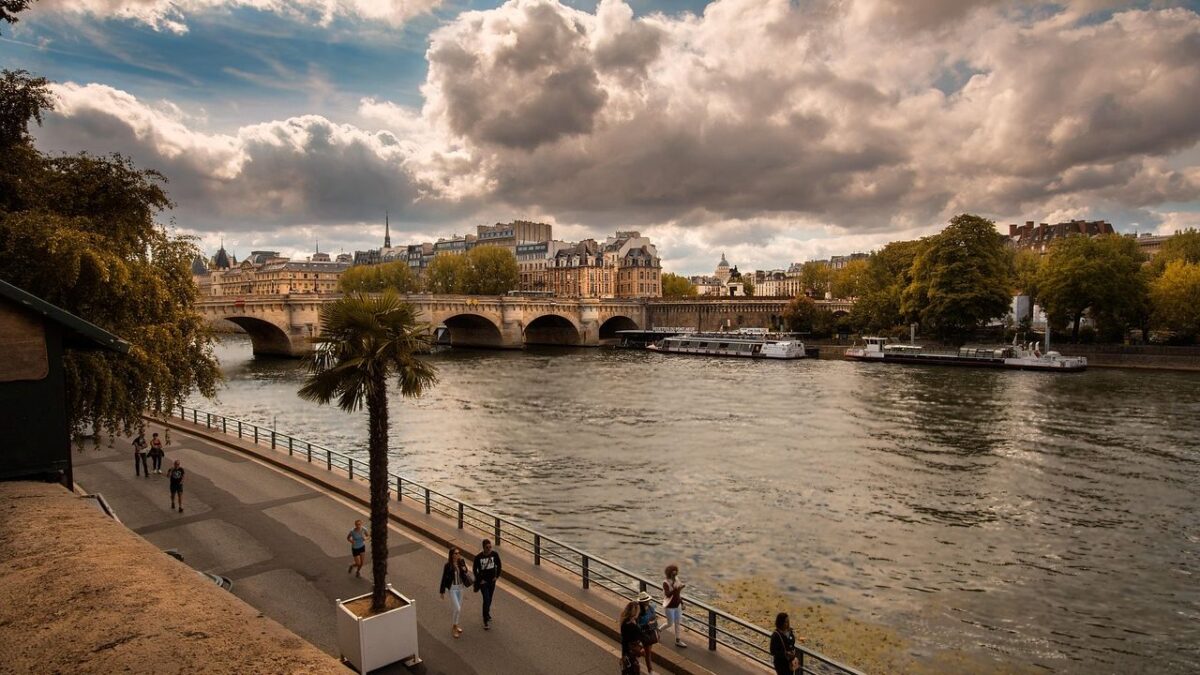
Walking through a city tells you more about its soul than any guidebook ever could. The rhythm of footsteps on cobblestones, unexpected encounters in narrow alleys, the scent of fresh bread wafting from a bakery you’d never have spotted from a car window. These moments define memorable travel, yet not all cities are built to offer them. Some places practically beg you to lace up your shoes and wander, while others trap you in traffic and sprawl.
The best walkable cities share something intangible beyond just good sidewalks. They combine history, thoughtful design, and a culture that values human connection over speed. From ancient European capitals to surprising contenders in Asia and beyond, certain destinations have mastered the art of pedestrian life. Let’s explore which cities truly deserve your steps.
Florence, Italy
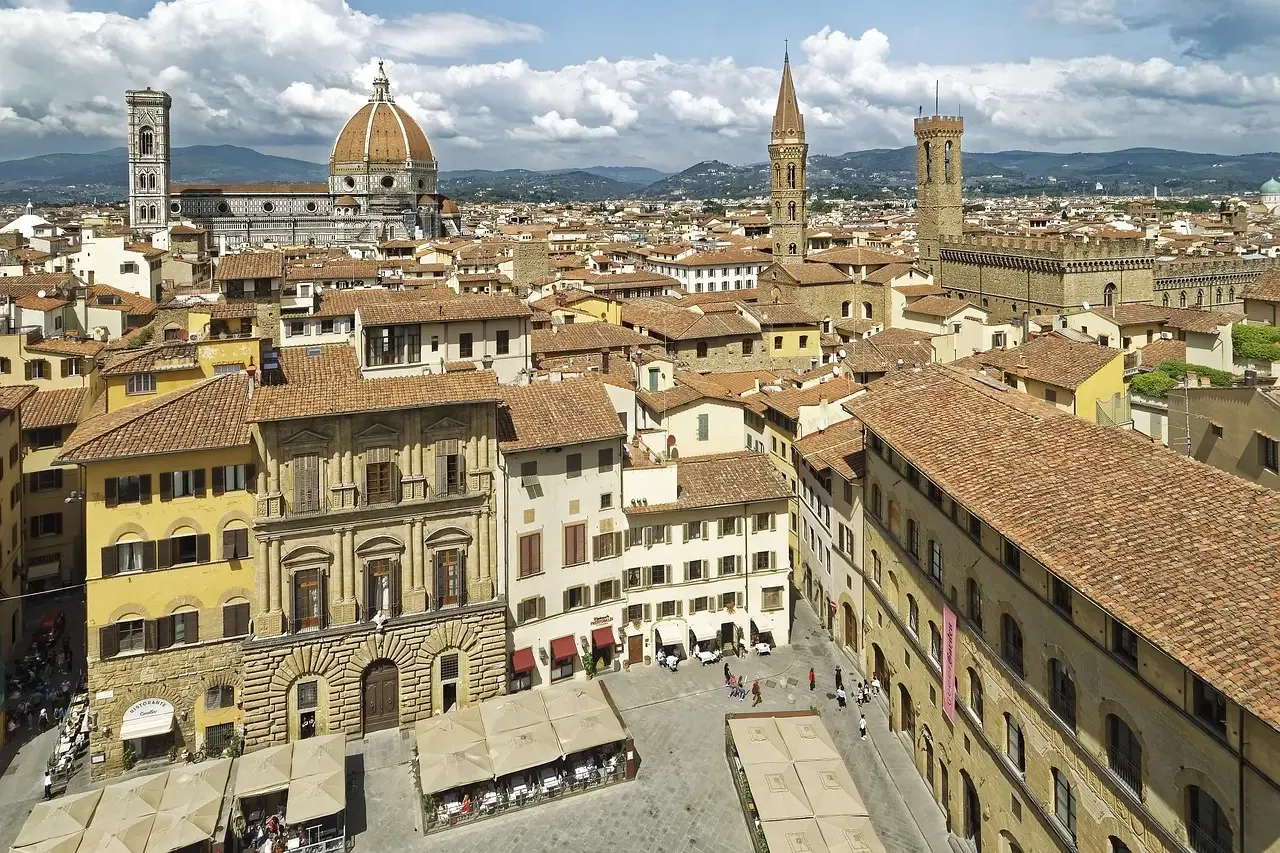
Florence claims the crown as the world’s most walkable city, where visitors can admire the unique Ponte Vecchio bridge and the iconic Cathedral of Santa Maria within just 10 minutes. The city’s entire historic center feels like a living museum, with Renaissance treasures tucked around every corner. You could spend days simply meandering from one piazza to another without ever feeling the need for wheels.
The city center is a UNESCO World Heritage site featuring a fully pedestrianized historic core with remarkably short distances between landmarks, and the top five attractions are all within a half-mile radius. Traffic restrictions keep much of the old town blissfully car-free, making it easy to lose yourself in the magic without dodging vehicles. Honestly, Florence makes walking feel less like exercise and more like floating through an open-air art gallery.
Copenhagen, Denmark
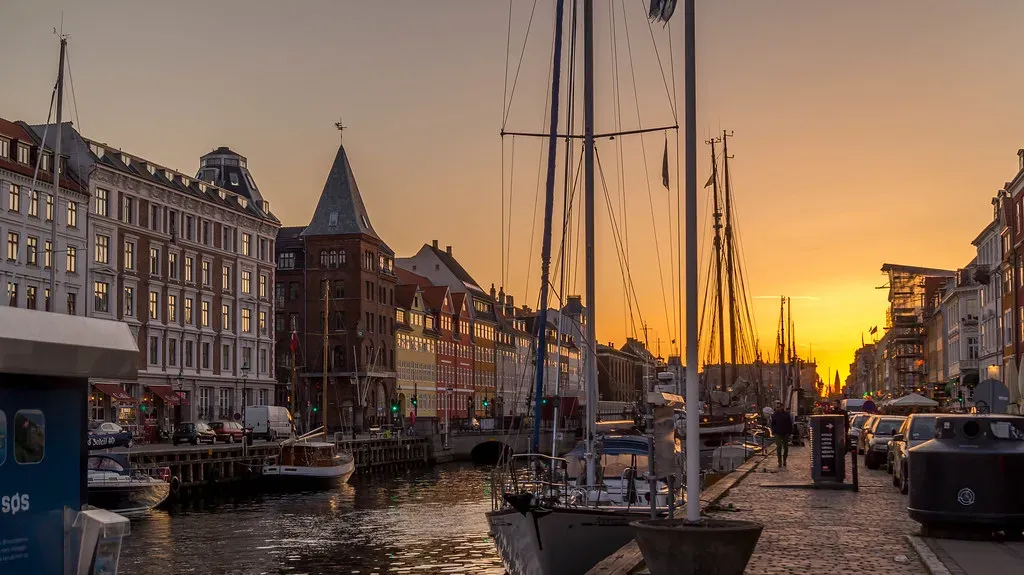
Copenhagen boasts more than 95% coverage as a 15-minute city and features Strøget, one of Europe’s longest pedestrian streets, along with harbor-front paths and pioneering cycle-friendly design that complements walking. The Danish capital understands that walkability isn’t just about infrastructure. It’s about creating spaces where people actually want to be outside, rain or shine.
The city’s waterfront trails and abundance of parks transform routine errands into scenic experiences. Stockholm turns its island setting into a gift for pedestrians, with clean air and abundant parks making simple errands feel scenic, yet Copenhagen arguably does it better with its flat terrain and integrated design philosophy. Here’s the thing: when a city values walking, residents develop a different relationship with their surroundings, noticing details that drivers miss entirely.
Paris, France
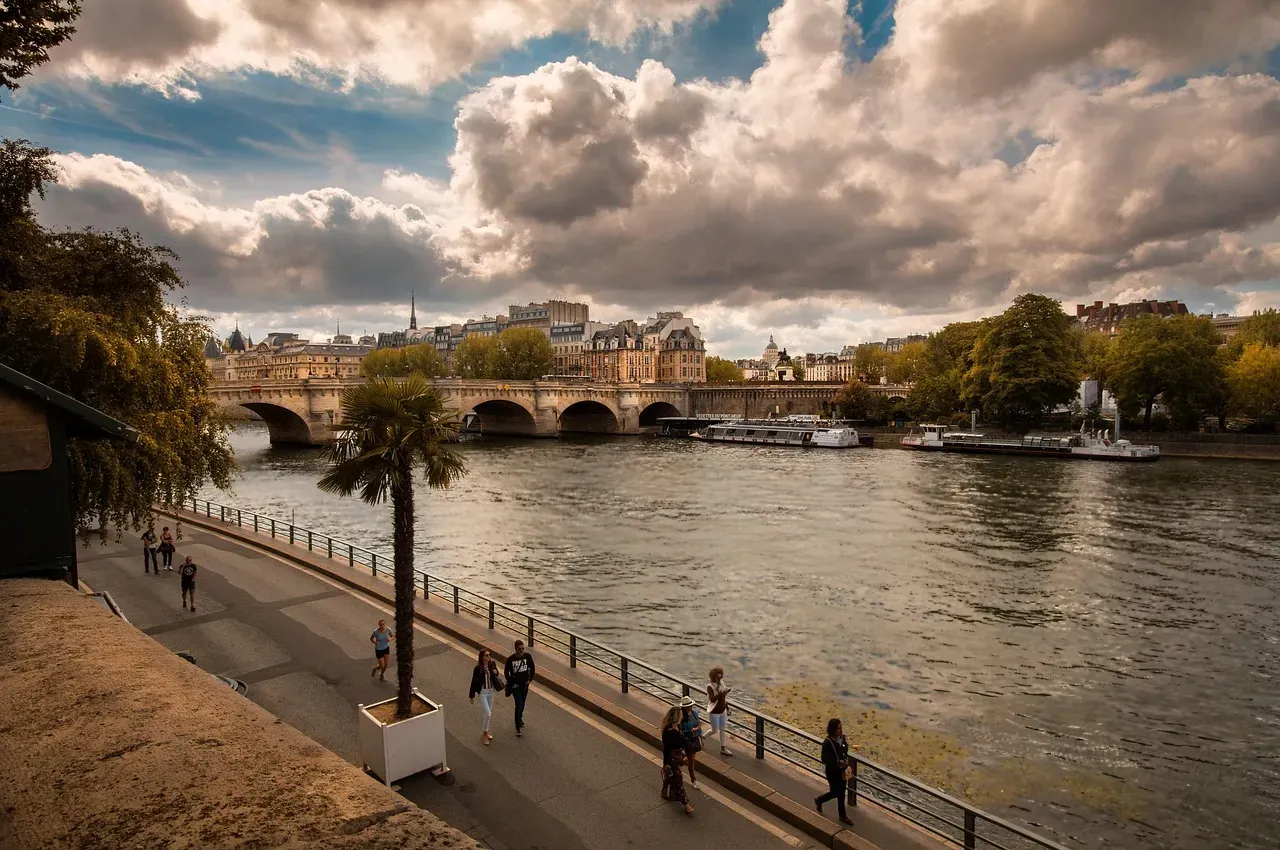
In Paris, it takes just 8 minutes on foot to reach essential services on average, and the city pioneered the 15-minute city concept, combining new Seine riverbanks where car traffic is banned with dense, vibrant neighborhoods that encourage walking. The French capital has systematically reclaimed space from automobiles, transforming highways into pedestrian promenades. This isn’t just urban planning; it’s a cultural statement about how cities should prioritize people.
Wandering through neighborhoods like Le Marais or along the Seine reveals why Paris remains eternally seductive to visitors. Each arrondissement offers its own character, yet everything feels accessible without exhausting distances. The city proves that historic charm and modern walkability can coexist beautifully when there’s political will behind the transformation.
Barcelona, Spain
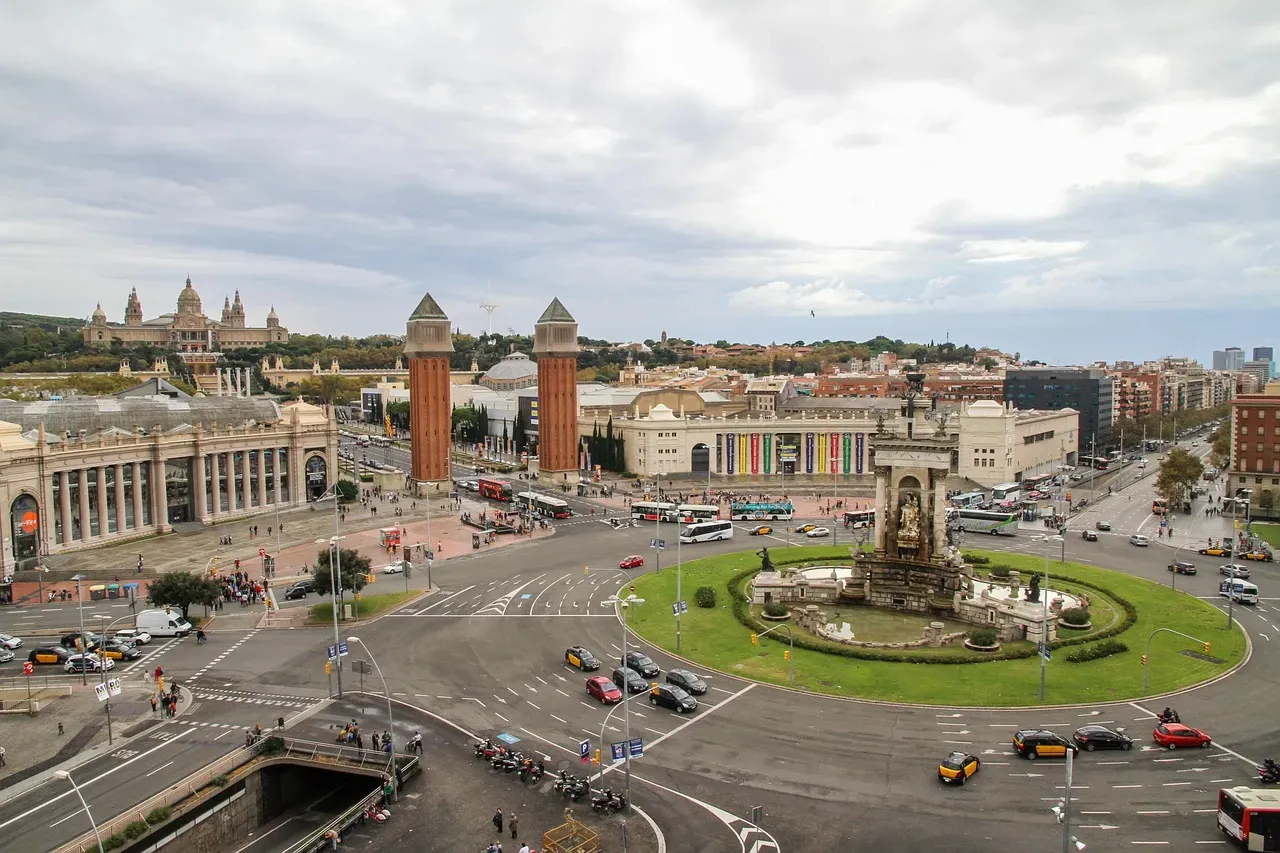
Barcelona leads the Microscale Walkability Index with its innovative superblock model, while pedestrian zones in the Gothic Quarter and Las Ramblas create an experience few cities can match. The Spanish city has become a global case study in pedestrian-first urban design. Its superblocks reduce car traffic in residential areas, returning streets to neighbors and children.
Walking from the beachfront through Gaudí’s architectural wonderland to bustling markets takes you through distinct worlds without ever feeling disconnected. The city is designed with wide boulevards, grand plazas, and pedestrian-friendly zones, with Antoni Gaudí’s iconic works like Casa Batlló and La Sagrada Família all within walking distance from the city’s heart. Barcelona understands that great walkable cities need variety: quiet residential streets, lively commercial zones, and peaceful green spaces all within easy reach.
Milan, Italy
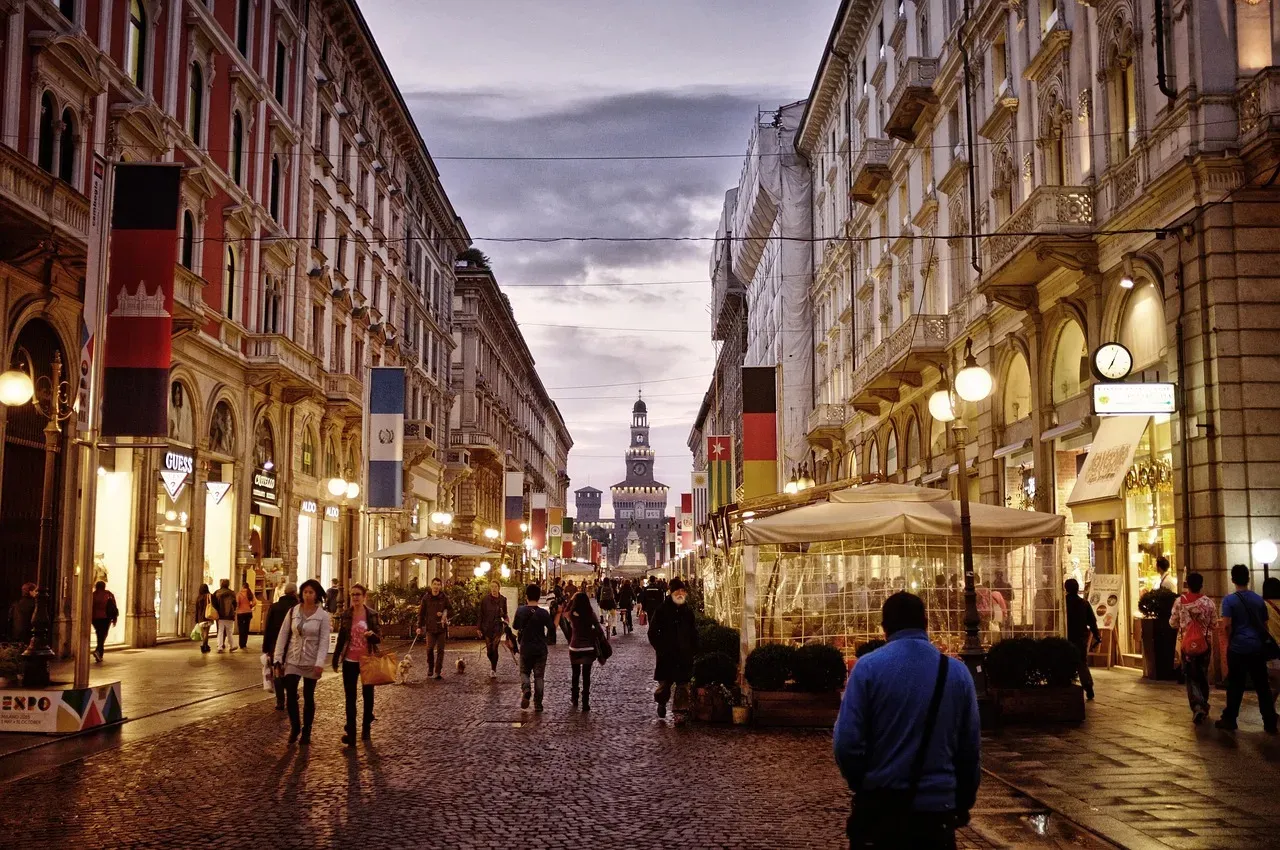
Milan ranks as the world’s most walkable city in 2025, where residents can reach key amenities like schools, hospitals, restaurants, and shops in just 6 minutes and 24 seconds on average. The Italian fashion capital combines business efficiency with Italian charm, creating a surprisingly pedestrian-friendly environment despite its modern economic focus. This challenges the assumption that contemporary commerce requires car dependency.
Milan scores 95% for 15-minute city coverage, with accessibility to the fashion district, the extensive pedestrianized city center, and charming walks along the Navigli canals providing an excellent urban mobility experience. The city’s covered shopping arcades offer weather-protected walking routes, while its dense mixed-use neighborhoods eliminate the need for long journeys. Milan proves that efficiency and walkability are partners, not opposites.
Dublin, Ireland
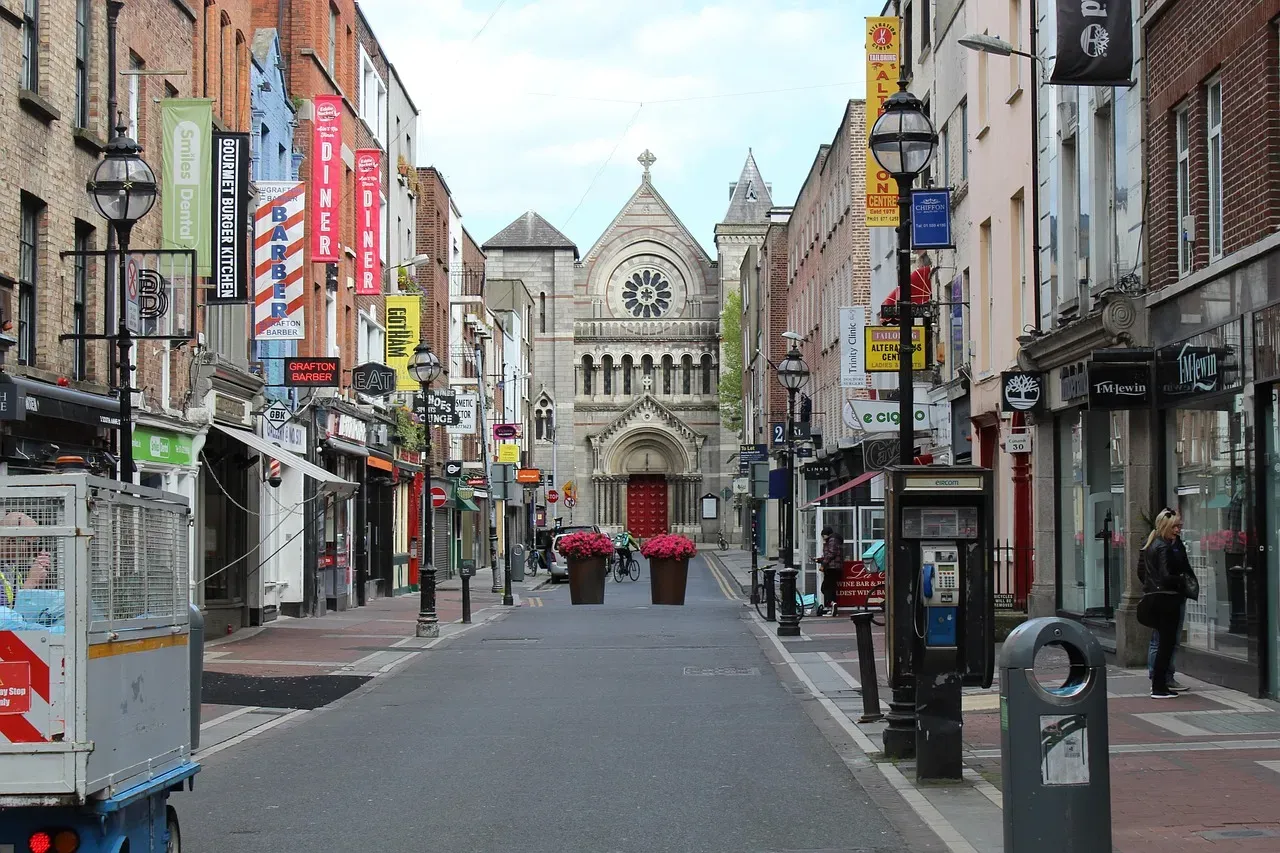
Dublin’s compact center, pedestrian shopping district of Grafton Street, and picturesque walkways along the Grand Canal offer excellent walkability, scoring 95% for 15-minute city coverage. The Irish capital maintains a human scale despite its recent tech boom and population growth. You can walk from literary landmarks to lively pubs without ever feeling overwhelmed by distance or traffic.
What makes Dublin particularly charming is how it balances historic character with contemporary vitality. Georgian architecture lines streets that feel intimate rather than imposing. The city’s relatively compact footprint means you’re never far from green space, water, or a good conversation. It’s the kind of place where walking becomes social, not just functional.
Venice, Italy
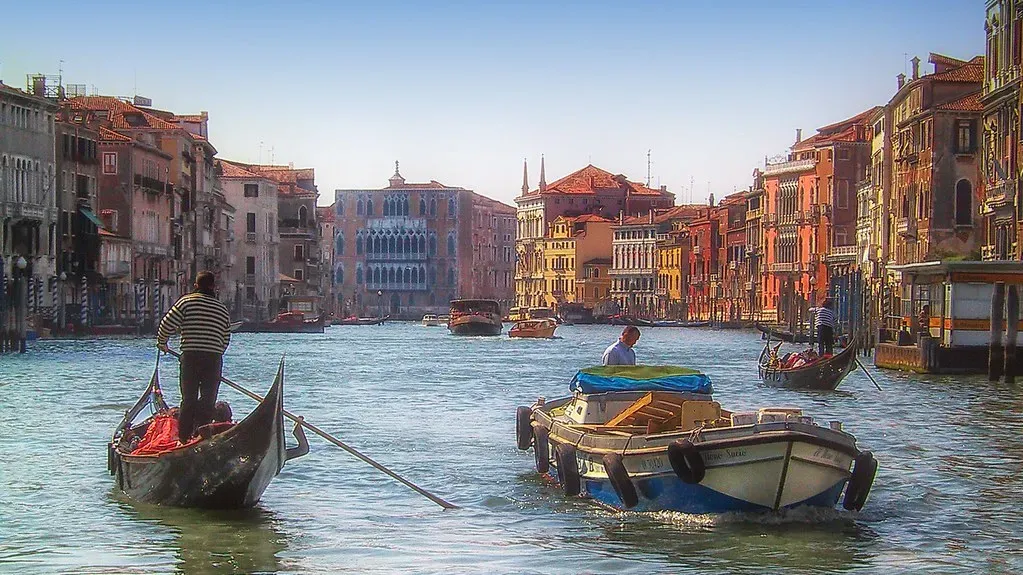
Venice takes second place globally with its car-free canals, scenic bridges, and compact layout that invites travelers to explore entirely on foot. The Italian city offers perhaps the purest pedestrian experience on Earth, since cars are literally impossible. Every journey becomes a walk, every route a discovery. This forces a slower pace that most visitors initially resist, then eventually embrace.
Getting lost in Venice’s labyrinth isn’t frustrating; it’s the entire point. The city rewards wandering in ways that planned routes never could. You stumble upon hidden squares, neighborhood bakeries, and quiet canals that tour groups miss completely. Venice demonstrates that when you remove cars entirely, cities transform into something fundamentally different, more intimate and mysteriously connected.
Kyoto, Japan

Kyoto stands as the most walkable non-European city, ranked 28th worldwide, with strength coming from its history as Japan’s imperial capital, designed centuries before cars shaped urban planning, featuring narrow lanes, tightly packed wooden townhouses, and temples interspersed within neighborhoods. The ancient capital proves that Asian cities can rival European walkability when historical urban fabric remains intact. Its grid layout provides orientation while side streets reveal endless discoveries.
Walking through bamboo groves, discovering hidden temples, or strolling the Philosopher’s Path during cherry blossom season creates experiences no other transportation method could replicate. Kyoto’s temples, gardens, and geisha districts are all best seen on foot, with the city having a peaceful rhythm that rewards walking. The measured pace feels almost meditative, offering a welcome contrast to Tokyo’s frenetic energy just hours away by train.
Abu Dhabi, United Arab Emirates
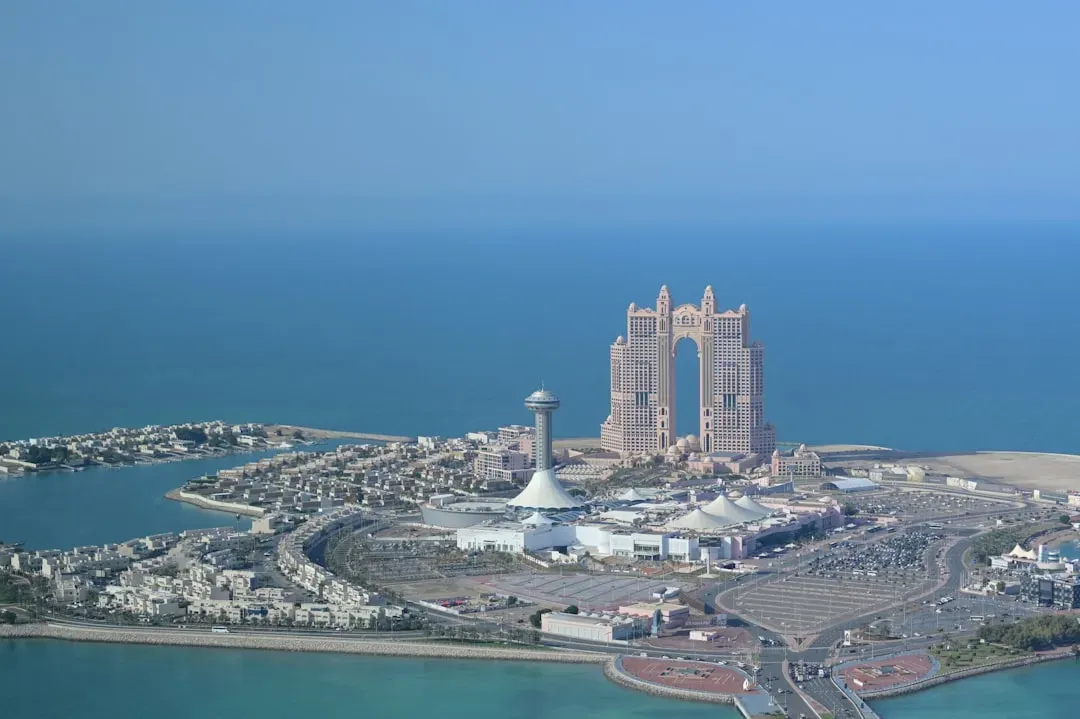
A large majority of Abu Dhabi residents, 91%, rate walkability as “good” or “incredible,” with the spectacular 8km Corniche waterfront promenade, well-maintained shaded walkways, and pedestrian-friendly seaside developments providing thermal comfort despite the desert heat. The Emirati capital surprises skeptics who assume Gulf cities are exclusively car-dependent. Thoughtful design addresses climate challenges through shade structures and cooling technologies.
Abu Dhabi demonstrates that walkability isn’t limited to temperate climates or ancient cities. Modern planning can create pedestrian-friendly environments anywhere when there’s commitment and investment. The waterfront developments feel almost futuristic in their pedestrian focus, with wide promenades, public art, and strategic landscaping that makes walking genuinely pleasant even in summer.
Hong Kong, China
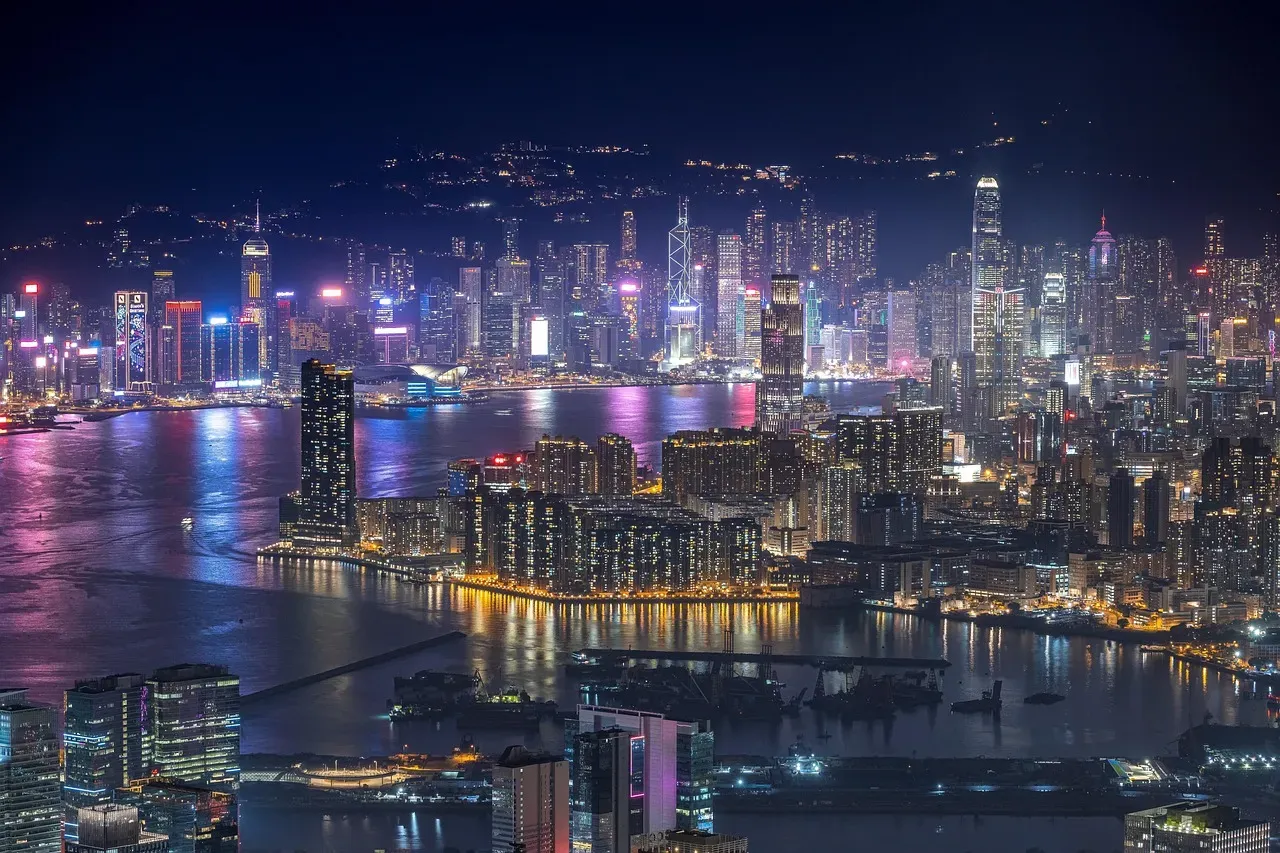
Hong Kong is rated 82% for walkability by its residents, with its innovative network of elevated walkways, high density, and connectivity between mountains and the harbor, despite challenging topography, making it a pedestrian’s paradise. The Chinese city overcomes dramatic terrain through creative engineering that connects neighborhoods across multiple levels. You can walk for miles without ever touching ground level, weaving through buildings and over streets.
This vertical walkability creates a unique urban experience where shopping, dining, and transit merge into a seamless pedestrian network. The density that might feel claustrophobic elsewhere instead generates energy and convenience. Everything you need sits within walking distance, though that walk might include escalators, skywalks, and unexpected vertical journeys. Hong Kong proves that challenging geography isn’t a barrier to walkability when cities embrace creative solutions.
Conclusion
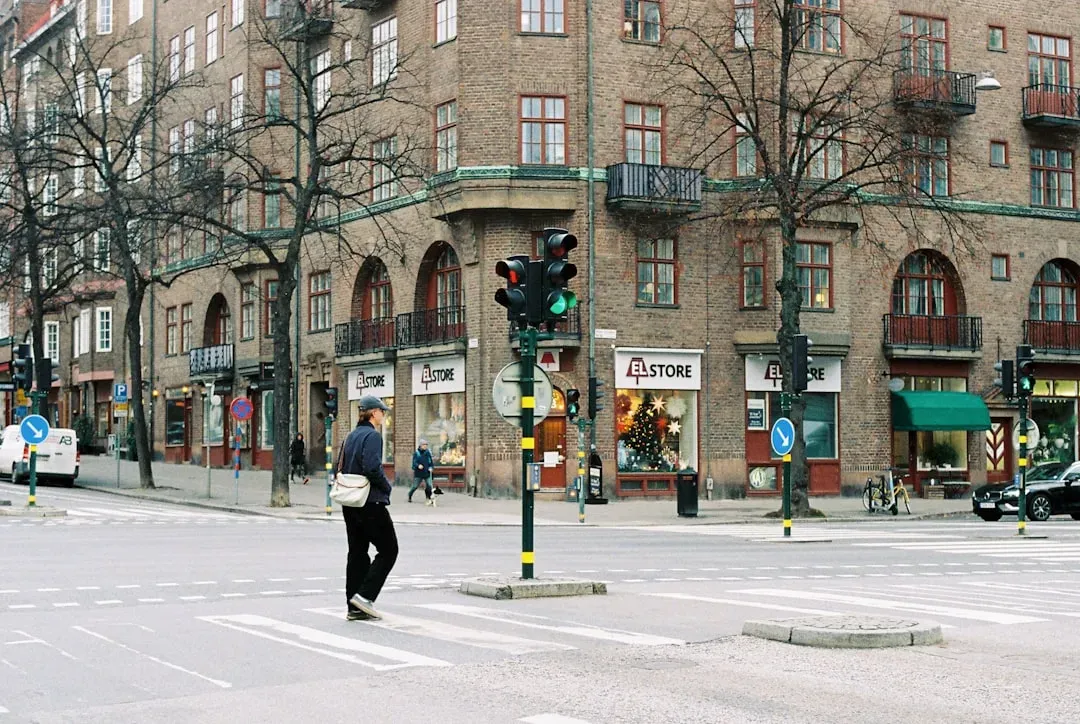
The world’s most walkable cities share more than just good sidewalks and proximity. They reveal a fundamental truth about urban life: when cities prioritize people over vehicles, everything changes. Streets become gathering places, errands become adventures, and neighborhoods transform into communities. European cities are indisputably the most walking-friendly places , with 45 out of the top 50 most walkable cities located in Europe, yet inspiring examples exist on every continent.
Whether you’re strolling through Florence’s Renaissance treasures or exploring Kyoto’s temple districts, walkable cities offer something technology can’t replicate: the serendipity of human-scale discovery. They remind us that the best way to truly know a place is by moving through it at the speed your feet allow. What’s your favorite city to explore on foot? Share your walking adventures in the comments below.
