
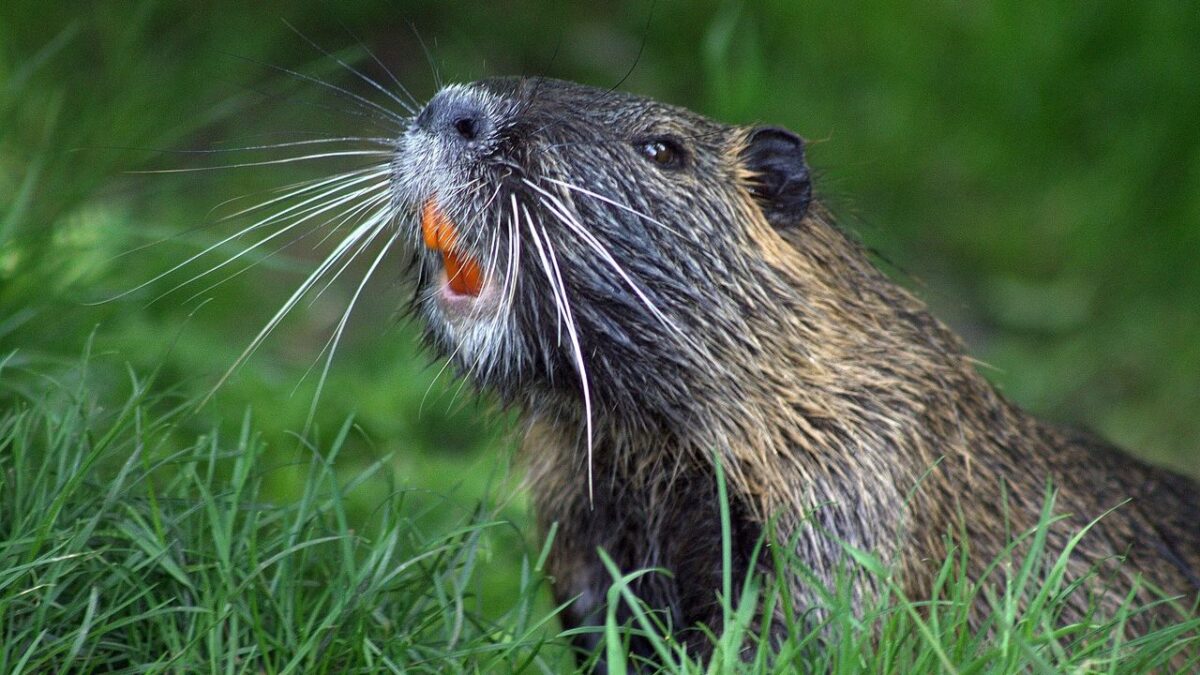
Most animals adapt to their environment. Beavers rebuild it from scratch. This stocky, flat-tailed rodent has been doing something extraordinary for millions of years, quietly rerouting streams, flooding valleys, and conjuring wetlands out of dry riverbeds, all without a permit or a blueprint. You might walk past a beaver pond on a hiking trail and see nothing more than a pile of sticks. What’s actually happening beneath the surface, upstream, and downstream is far more complex and consequential than it looks.
Beavers – Castor canadensis in North America and Castor fiber in Eurasia – are widely referred to as nature’s engineers due to their ability to rapidly transform diverse landscapes into dynamic wetland ecosystems. They’re not just building homes. They’re rewriting geography. Here are eleven facts that reveal just how profound that work really is.
#1: They Are the Only Animal That Actively Manufactures Its Own Habitat
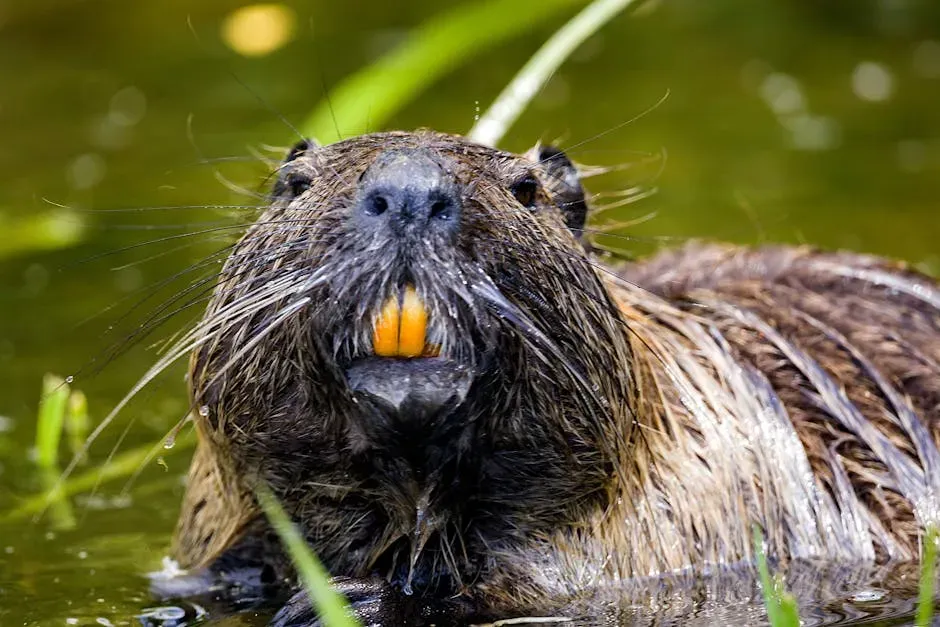
Beavers are well known for their ability to build dams, and they are one of the few animals that can actively change an ecosystem by blocking rivers and streams with trees and mud, creating new lakes, ponds, and floodplains. That distinction matters more than it might seem. While birds build nests and bears dig dens, those structures don’t alter the surrounding landscape for hundreds of other species.
Beavers have the ability to modify ecosystems profoundly to meet their ecological needs, with significant associated hydrological, geomorphological, ecological, and societal impacts. The difference between a beaver and most other builders is scale. Their work ripples outward for kilometers, touching groundwater levels, plant communities, and even the local climate.
#2: Their Iron-Reinforced Teeth Are Essentially Self-Sharpening Tools
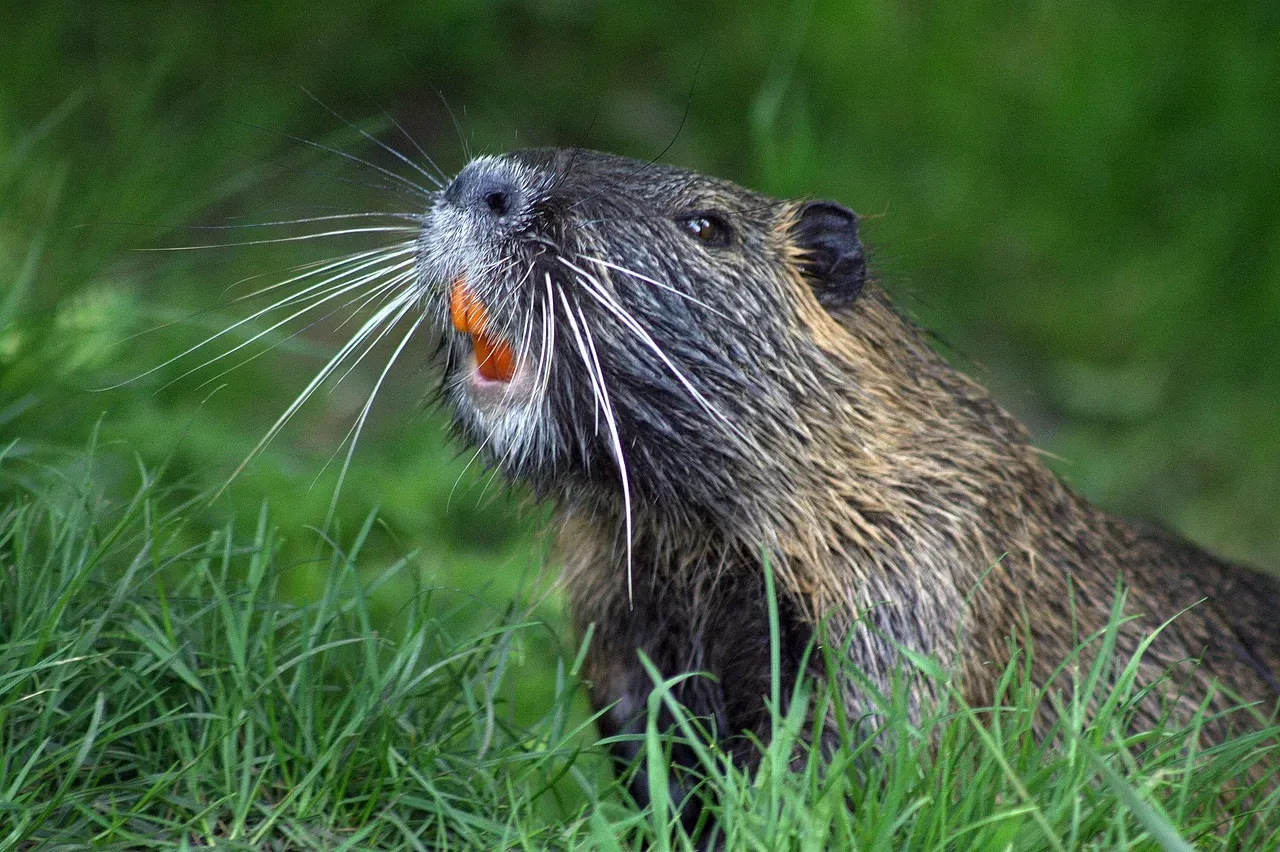
Beavers have long incisors that get their orange color from an iron-rich protective coating of enamel, and their teeth grow continuously throughout their life, but daily use helps trim them down. That vivid orange color isn’t a sign of poor dental health. It’s actually the opposite – a biological advantage most mammals don’t have.
The rear of these incisors is made from dentin, which, although tough, isn’t as tough as the front of their teeth. The front of their incisors is made from really tough enamel which contains iron compounds, which is the reason they are rust-colored orange. These iron compounds make their teeth super strong, durable, and less likely to suffer any cracks or chips. The uneven wear between soft dentin at the back and hard iron-enamel at the front creates a permanently sharp, chisel-like edge – no maintenance required.
#3: A Single Beaver Dam Can Raise an Entire Water Table
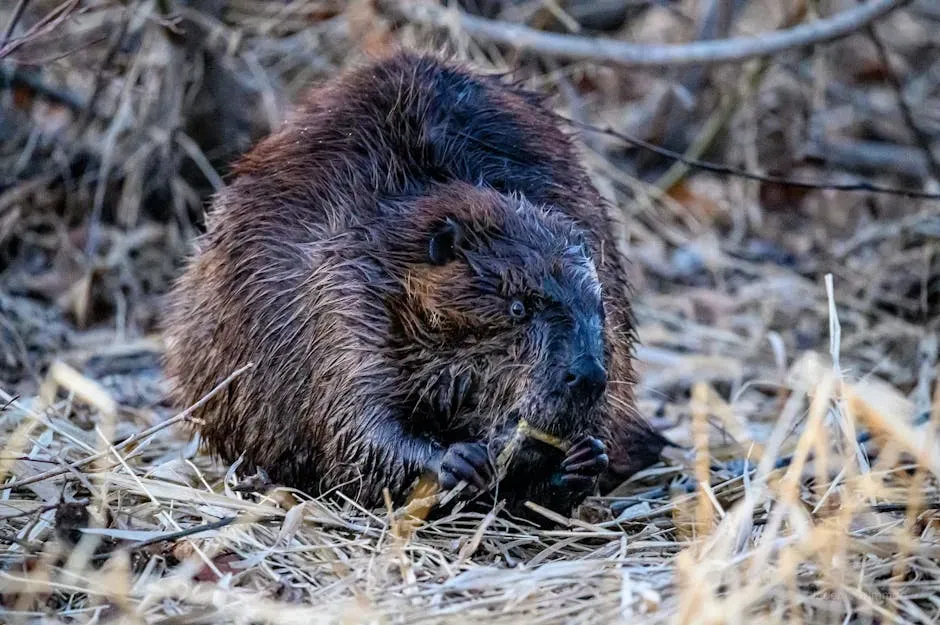
Researchers have found that ponds created by beaver dams raised downstream groundwater levels in the Colorado River valley, keeping soil water levels high and providing moisture to plants in the otherwise dry valley bottom. Water diverted by beaver dams is forced out of the natural stream channel and spreads across and down the valley for hundreds of meters. That’s not a small effect. In arid landscapes, it’s the difference between a living riparian corridor and a dry, eroded gully.
The structures they build slow stream flow and create pools, allowing water to permeate the soil and replenish underground water levels, providing vital moisture for vegetation and wildlife during dry periods. Think of it as a passive irrigation system installed by a rodent, operating year-round without any human intervention.
#4: Their Dams Act as Natural Flood Buffers
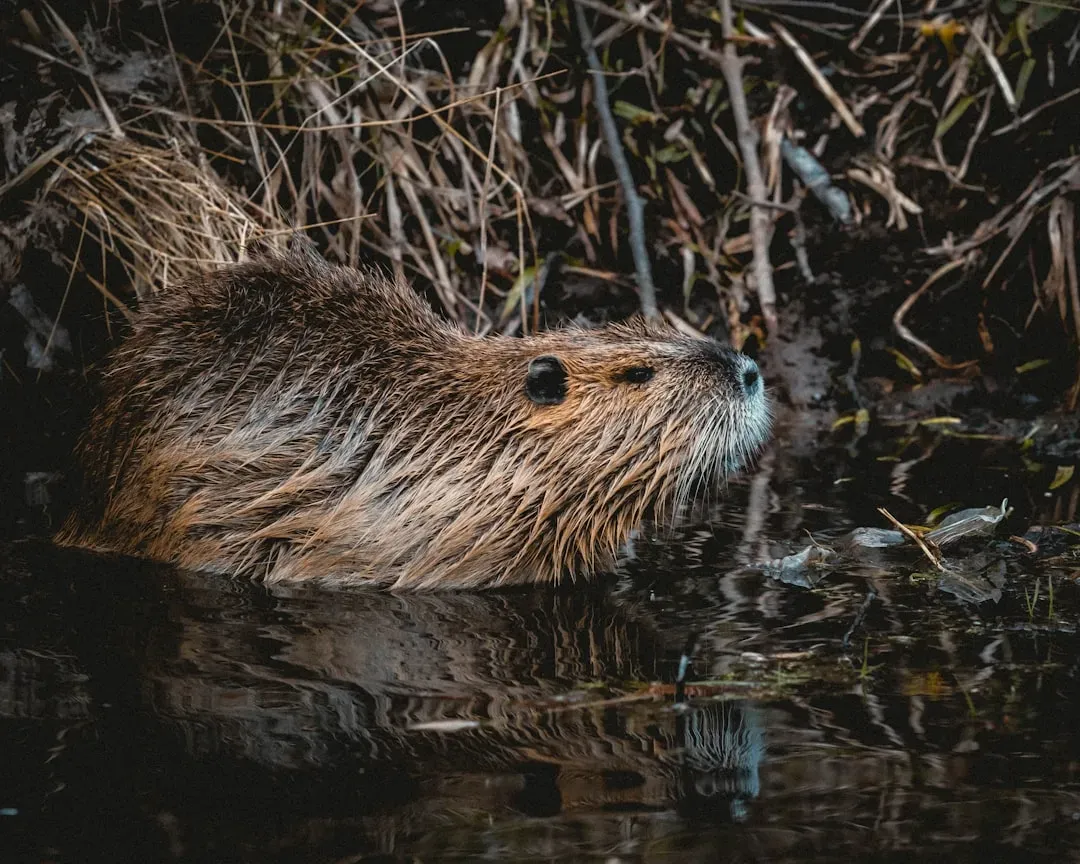
During a heavy rainstorm, some streams and rivers overflow their banks, but a beaver-engineered stream system handles floodwaters with ease. Their dams work like aquatic speed bumps, creating winding paths that slow rushing water, which prevents soil from washing away and allows rich nutrients to settle to the bottom. That sediment retention is valuable. Nutrient-rich soil accumulating at the base of ponds builds fertile ground for future meadows.
The effect of beavers in reducing peak flows persists for the largest storms monitored, showing that even in wet conditions, beaver dams can attenuate average flood flows by up to approximately sixty percent. This research indicates that beavers could play a role in delivering natural flood management. In regions spending billions on engineered flood defenses, that figure deserves serious attention.
#5: They Function as Living Water Treatment Plants
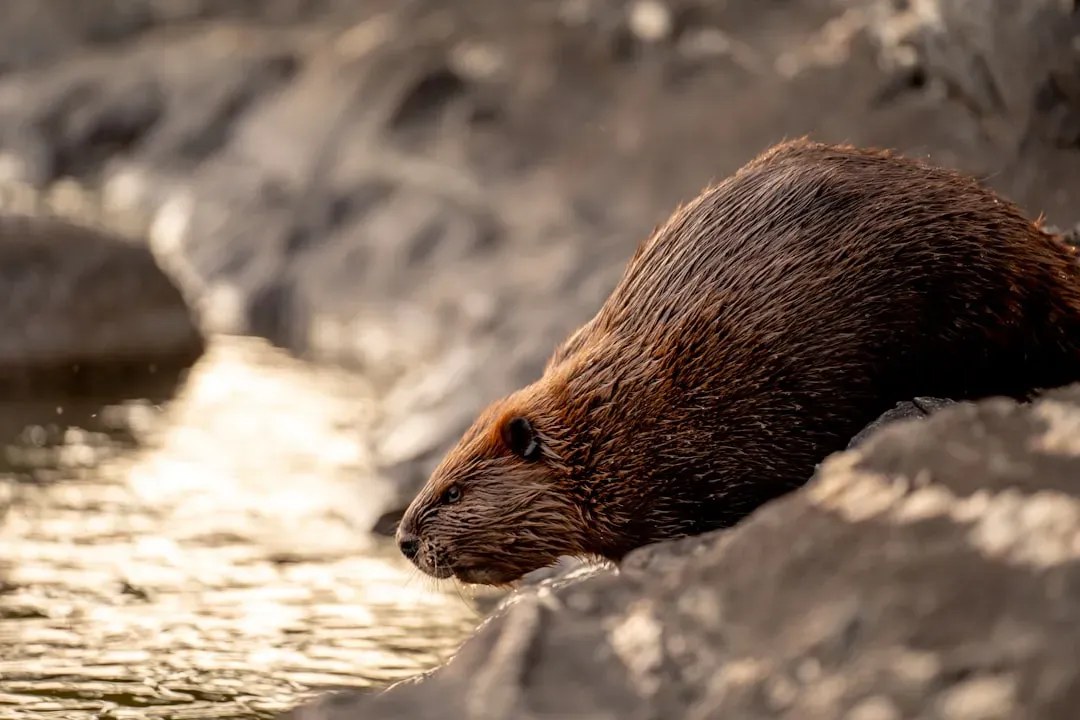
Perhaps most impressively, these structures function like a free water treatment plant, cleaning water by trapping dirt and filtering out pollutants like nitrogen and phosphorus. Agricultural runoff carrying these nutrients is one of the most persistent freshwater pollution problems worldwide, and beaver wetlands intercept it passively.
Beaver wetlands remove nitrogen and phosphorus through a combination of physical, chemical, and biological processes, which naturally adsorb, absorb, transform, sequester, and remove the nutrients and other chemicals as water slowly flows through the wetland. Beaver activity can also cool water temperatures, sometimes by as much as four and a half degrees Fahrenheit, which helps support sensitive aquatic species. Cooler, cleaner water in the same system – that’s an environmental double benefit.
#6: Beaver Wetlands Support an Extraordinary Range of Wildlife

Wetlands created by beaver activity attract extraordinary biodiversity. Bird species multiply in these habitats. Waterfowl use beaver ponds for nesting and feeding, while wading birds patrol the shallows for fish and amphibians. The pond itself is only part of the story. The surrounding meadow, softened soil, and varied vegetation edges create dozens of distinct micro-habitats within a compact area.
Almost half of endangered and threatened species in North America rely upon wetlands. These wetlands provide habitats that support insects, birds, amphibians, and mammals. Ponds and “beaver meadows” create a variety of niches, offering shade, clean water, and food-web support for many species. When you protect a beaver, you’re effectively protecting an entire community of creatures that depend on what it builds.
#7: They Are Remarkable Carbon Trappers
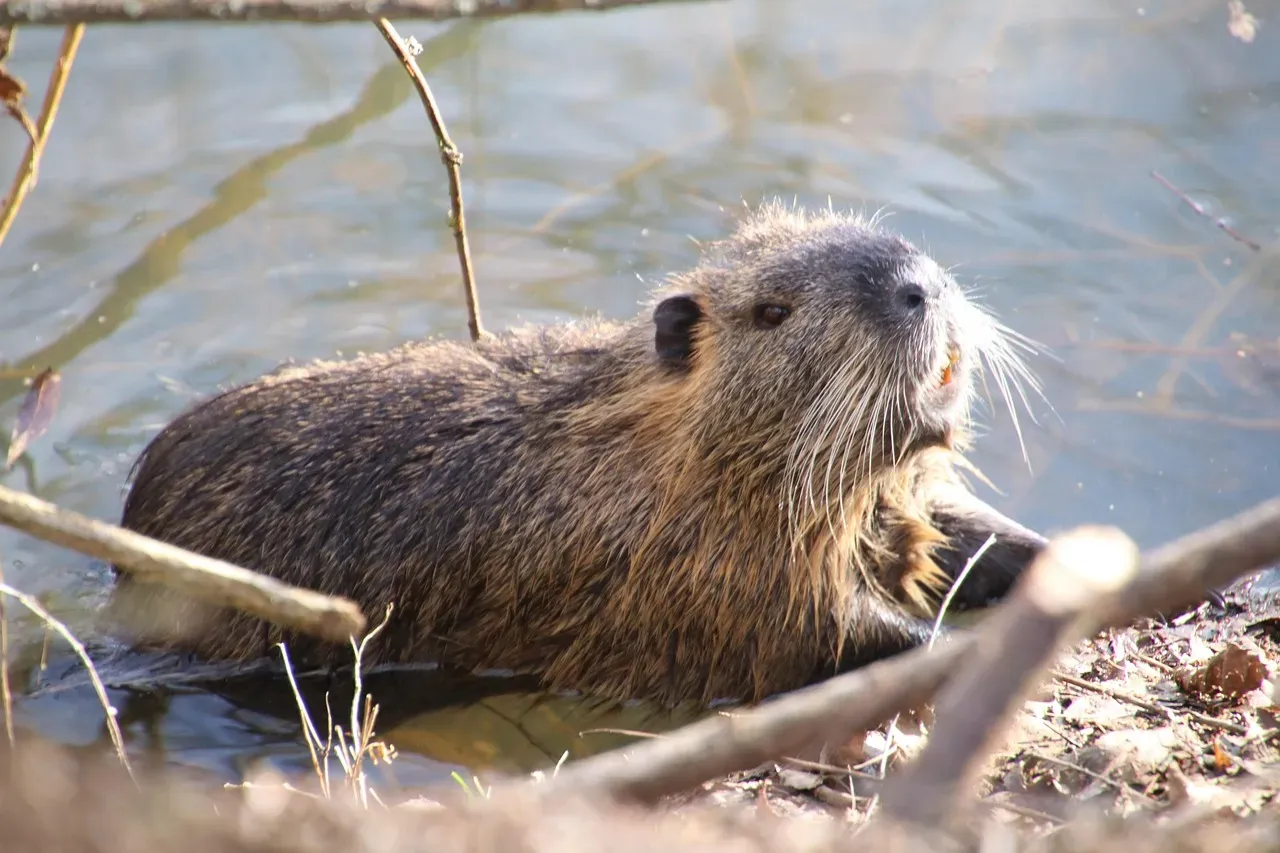
Studies suggest that many aspects of beaver landscapes help sequester carbon for long periods of time. The sediments in beaver ponds and the vegetation in beaver meadows both help pull and store carbon from the atmosphere. This is not a minor side effect of beaver activity – it’s a substantial, measurable climate benefit that occurs wherever beavers are present in healthy numbers.
Beavers store carbon as organic sediment, which settles down to the bottom of their ponds. Before the decimation of the beaver population in Rocky Mountain National Park, they stored around 2.7 million tons of carbon. One study estimates that beavers save the US around $133 million in habitat and biodiversity protection and approximately $75 million in greenhouse gas sequestration. That’s a compelling economic case for a species that works entirely for free.
#8: Their Presence Makes Landscapes Dramatically More Resistant to Wildfire
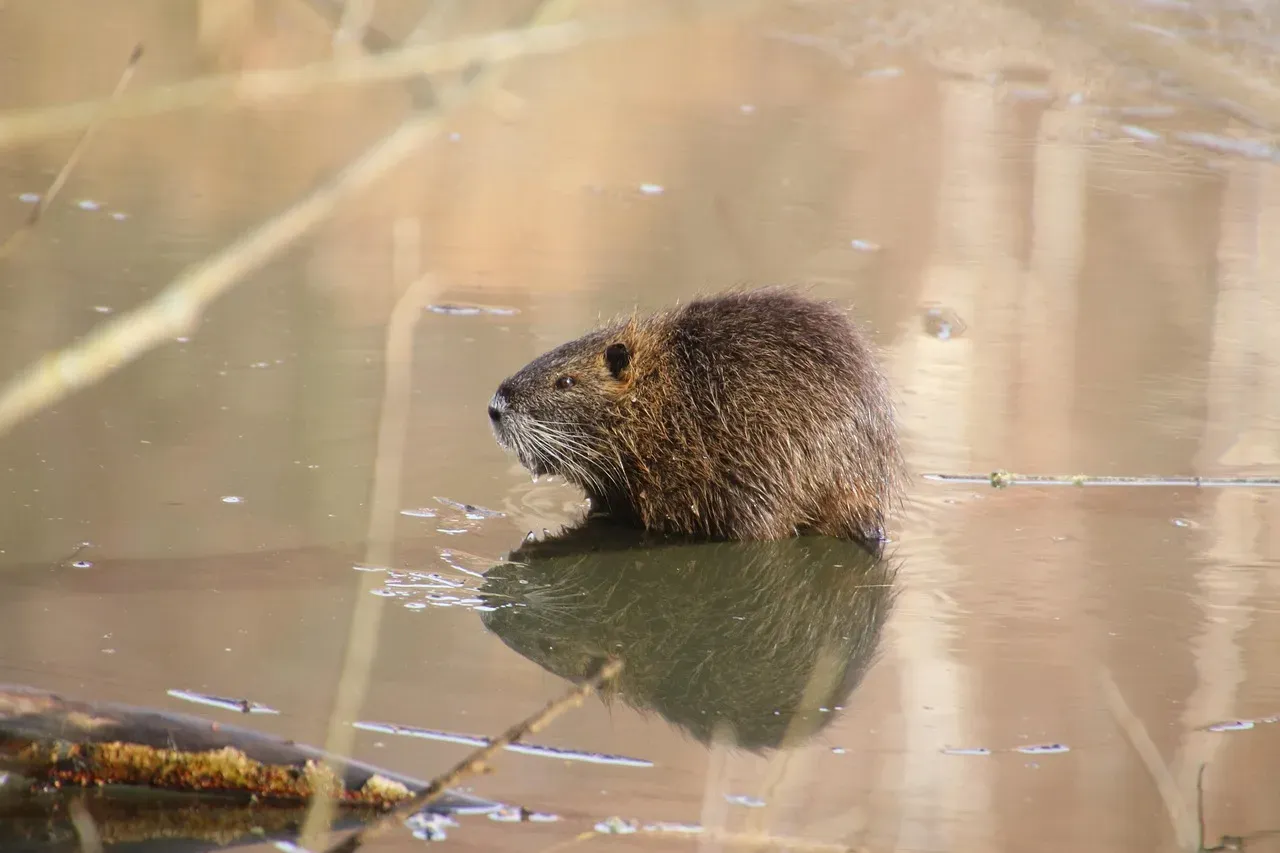
Beaver-engineered landscapes create oases or retreats during wildfires. Recent research demonstrates that freshwater ecosystems with beaver activity are significantly more fire-tolerant – in fact, these zones suffer only one-third of the fire damage compared to similar areas without beaver presence. In fire-prone regions, that’s not just ecologically significant. It’s potentially life-saving for communities near wildland areas.
Beaver-engineered landscapes create oases during wildfires, and recent research demonstrates that freshwater ecosystems with beaver activity are significantly more fire-tolerant. With megafires becoming more frequent across the western United States and other regions, this function is becoming one of the most practically urgent conservation considerations. The moisture retained in beaver ponds and the lush surrounding vegetation stays green long after surrounding areas have dried to a tinder-like state.
#9: They Nearly Vanished – and Their Absence Left a Measurable Scar on the Land
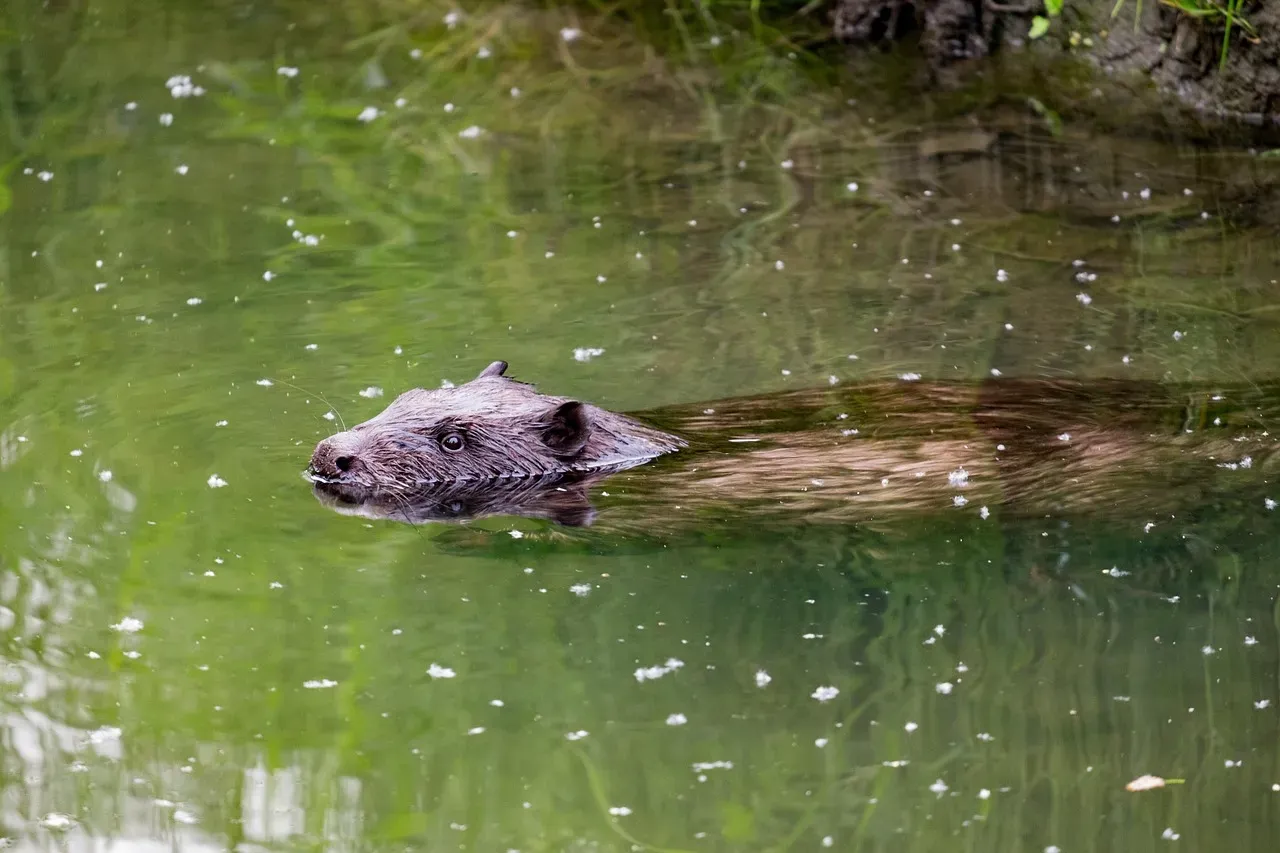
From the 17th to 19th centuries, beavers were heavily trapped for their fur, leading to their near-extinction in many regions. In North America alone, populations plummeted from an estimated 200 to 400 million to fewer than 100,000. The collapse of that population wasn’t just a wildlife tragedy. It fundamentally degraded the waterways and wetlands those hundreds of millions of beavers had spent millennia building.
Rivers flowed faster and straighter, increasing erosion and soil degradation. Wetlands disappeared, as beaver dams were no longer there to retain water. Droughts became more severe, with less groundwater recharge. Biodiversity declined, as many species – such as fish, amphibians, and birds – lost critical wetland habitats. The land essentially lost its plumbing system. What took millennia to build unraveled in a matter of decades.
#10: They Support Salmon Recovery in Ways That Surprise Scientists
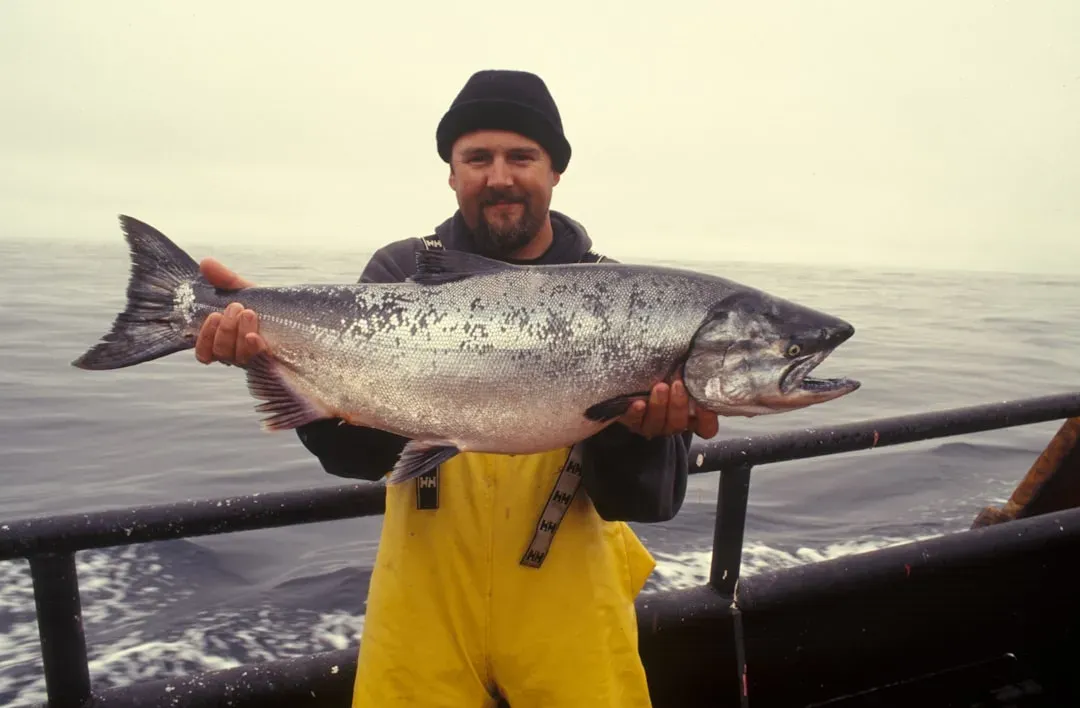
Salmon are important to the economies and cultures of many northern countries. Beavers create cool pools and side slow-water channels where fry can feed, rest, and obtain shelter from predators. Salmon recovery projects have traditionally focused on removing barriers and restoring gravel beds. The beaver connection is newer, and growing more compelling with each study.
Beavers are especially important for endangered species like Pacific salmon and steelhead, offering stable, high-quality habitat. Salmon recovery and beaver reintroduction are now increasingly linked in conservation planning, and by slowing waters down, beavers create fantastic salmon habitat, which is particularly important for Native American tribes in the Pacific Northwest. It turns out that restoring a rodent can help restore a fish run that feeds entire communities.
#11: Abandoned Beaver Ponds Eventually Become Fertile Meadows
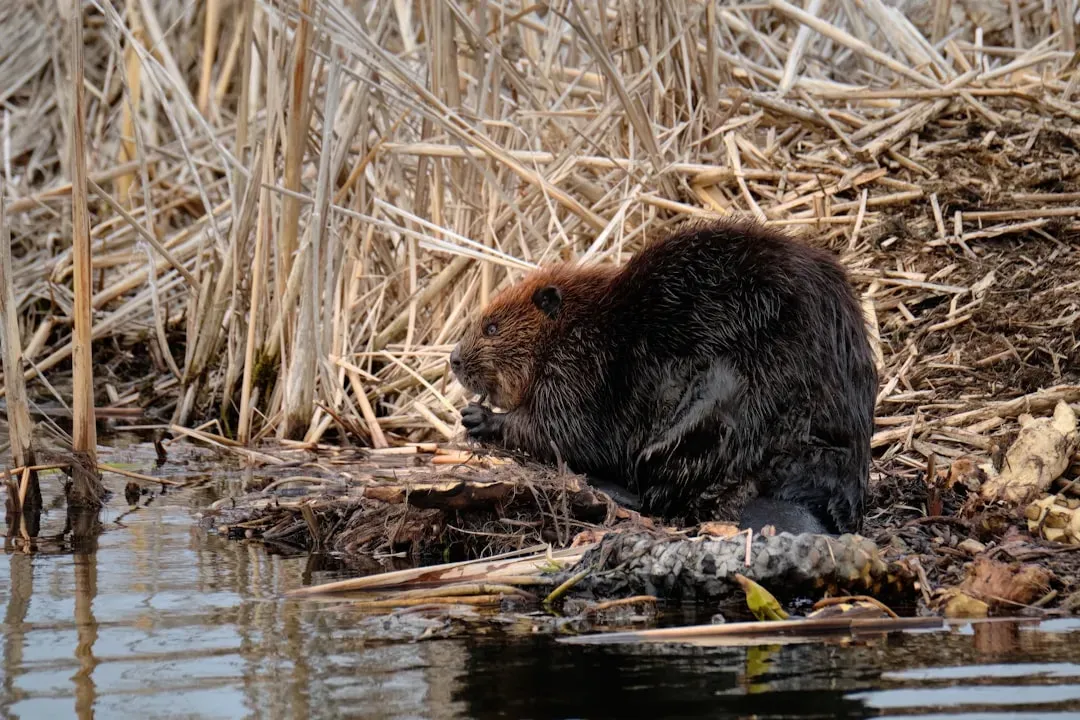
If a beaver pond becomes too shallow due to sediment accumulation, or the tree supply is depleted, beavers will abandon the site, leaving a wetland behind. Eventually the dam will be breached and the water will drain out. The rich thick layer of silt, branches, and dead leaves behind the old dam is an ideal habitat for some wetland species. As the wetland fills up with plant debris and dries out, pasture species colonize it, and the wetland may eventually become a meadow suitable for grazing in a previously forested area.
This slow transformation – from running stream to pond, from pond to marsh, from marsh to meadow – is one of the most dramatic ecological sequences in the temperate world. Once beavers return, they restore wetlands without human intervention. They leave fertile soil, stored organic matter, and rebuilt groundwater behind them like a geological gift to whatever comes next. The meadow you’re standing in today may have been a beaver pond a century ago, and you’d never know.
The Quiet Engineers We Keep Underestimating
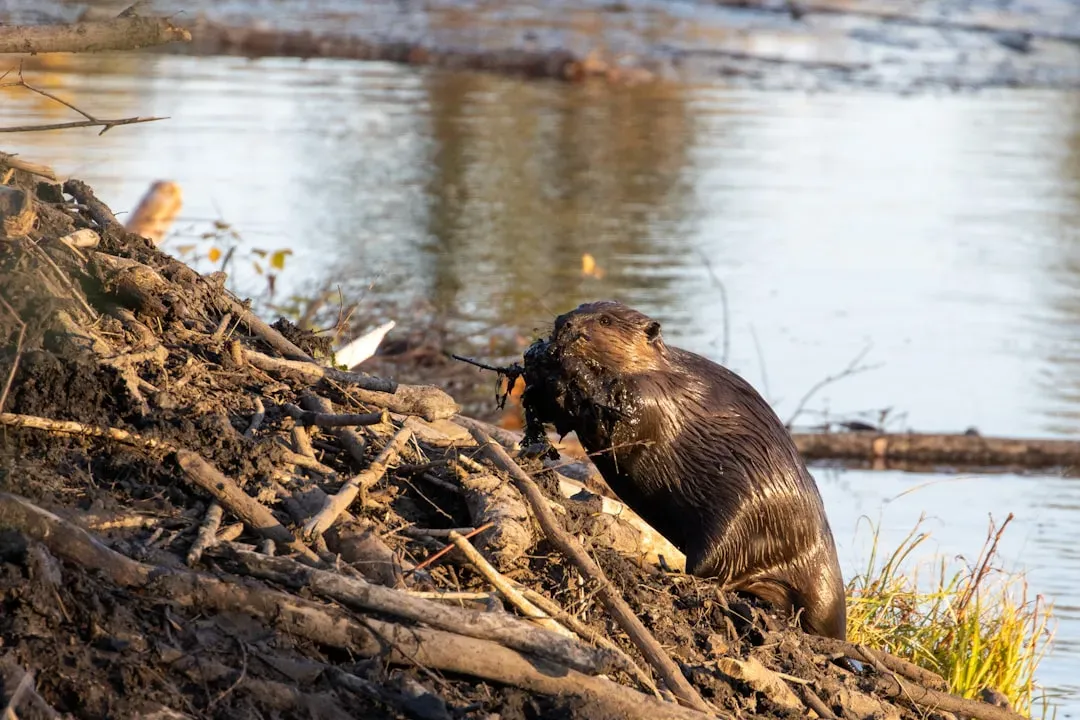
Beavers don’t make headlines. They work at night, in remote valleys, along creeks that most people never visit. Yet the scale of what they accomplish – filtering water, storing carbon, buffering floods, rebuilding habitat, cooling streams, and fireproofing landscapes – is something no human infrastructure project has matched for cost-effectiveness. Beavers are regarded widely as ecosystem engineers with the ability to drastically alter the hydrology of rivers, and they are increasingly being included in green infrastructure practices to combat the effects of climate change and enhance ecosystem resilience.
There’s something quietly humbling about the fact that a 30-kilogram rodent, gnawing branches in the dark, is doing environmental work that entire agencies and billions in funding struggle to replicate. The most powerful conservation tool available may not be a policy or a piece of technology. It may simply be getting out of the way and letting beavers do what they’ve always done.
