
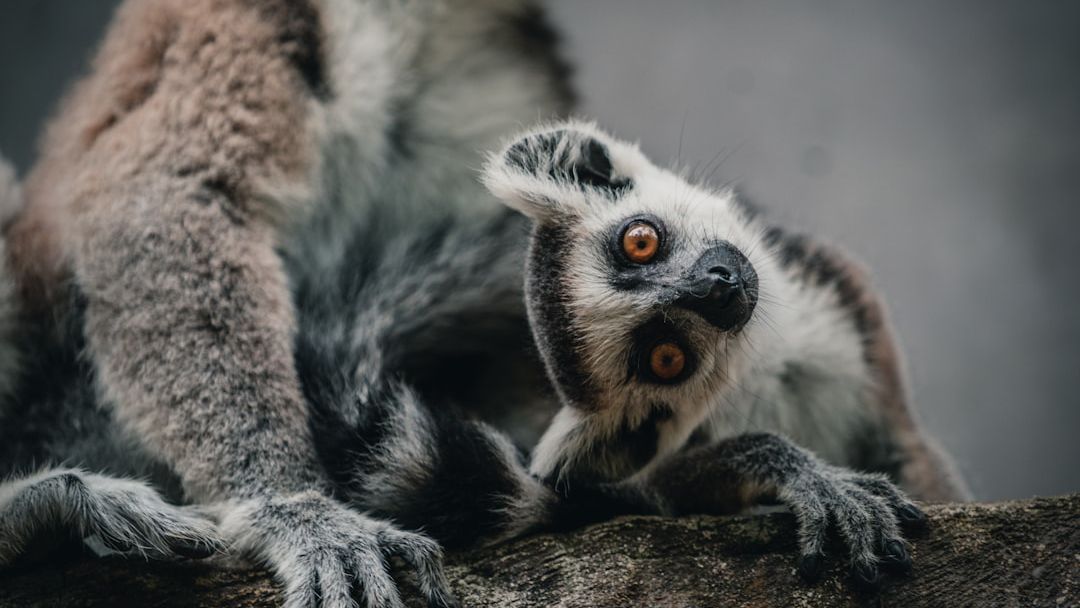
Picture this. You’re walking along a beach when you stumble upon a pod of whales stranded in the sand. Maybe you’re watching birds fly thousands of miles without a map. Or you’re observing octopuses arranging shells around their dens for no apparent reason.
The natural world is full of phenomena that leave even the brightest minds scratching their heads. Despite centuries of observation and decades of advanced technology, there are still animal behaviors that defy explanation. These mysteries remind us that nature holds secrets we’re only beginning to unlock. Let’s dive into ten of the most puzzling behaviors in the animal kingdom that continue to baffle researchers.
1. Mass Whale Strandings That Repeat Despite Rescue
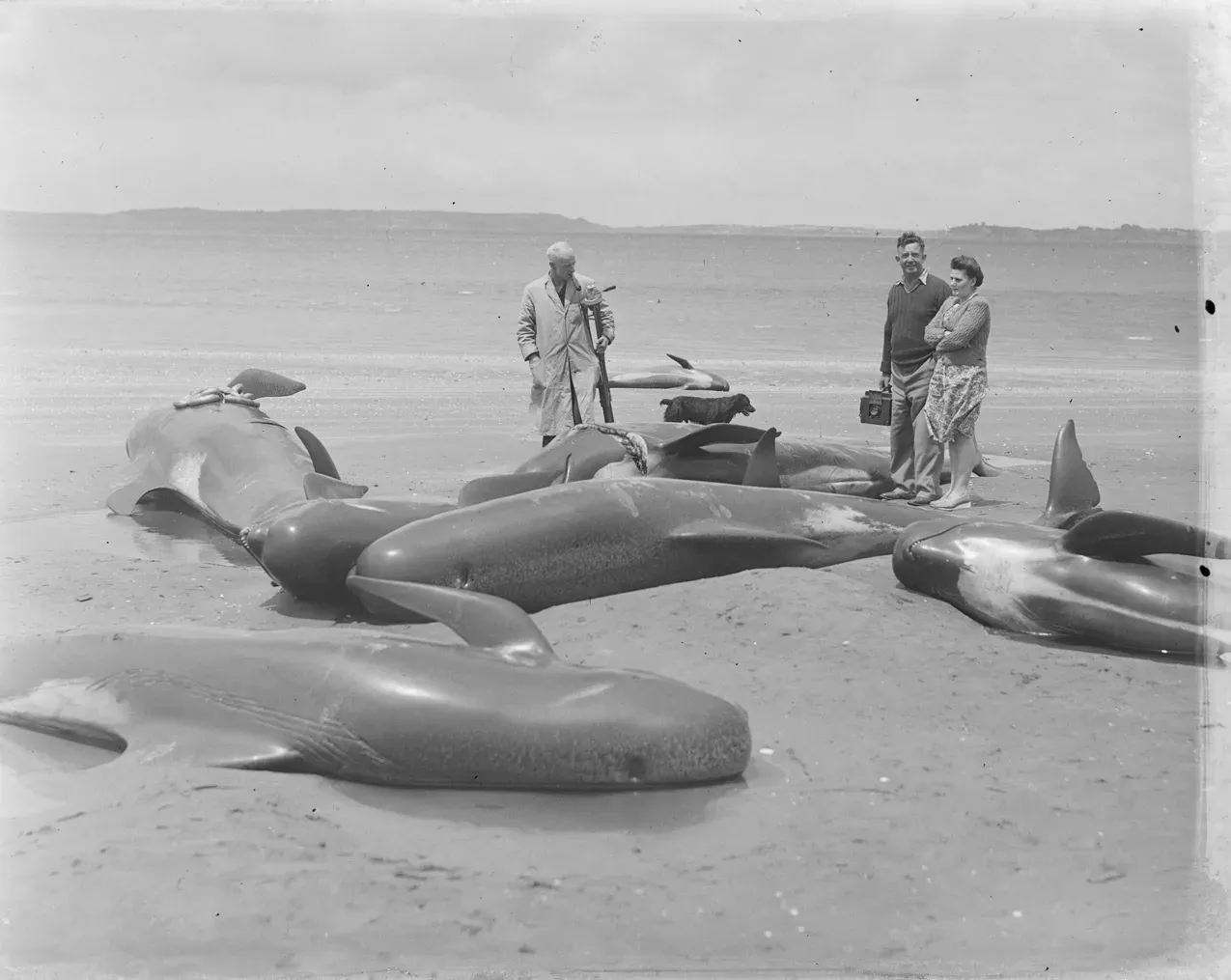
When groups of whales and dolphins beach themselves simultaneously across miles of coastline, marine biologists remain baffled, even though some cases can be attributed to disease or naval sonar disorientation. What really gets under scientists’ skin is the pattern.
Particularly mysterious are cases where apparently healthy animals repeatedly attempt to return to shore even after being rescued and guided back to deeper water. It’s like they have a death wish, which makes absolutely no sense from a survival perspective. Scientists have proposed theories including disturbances to Earth’s geomagnetic field, parasitic infections affecting brain function, or strong social bonds causing healthy animals to follow sick group members.
Healthy pilot whales do not form huddles, and when pods were observed forming very tight balls in shallow coastal water before stranding, something seemed very wrong. Why pilot whales become stranded remains a long-standing mystery in marine mammal science.
2. Long-Distance Animal Navigation Without Training
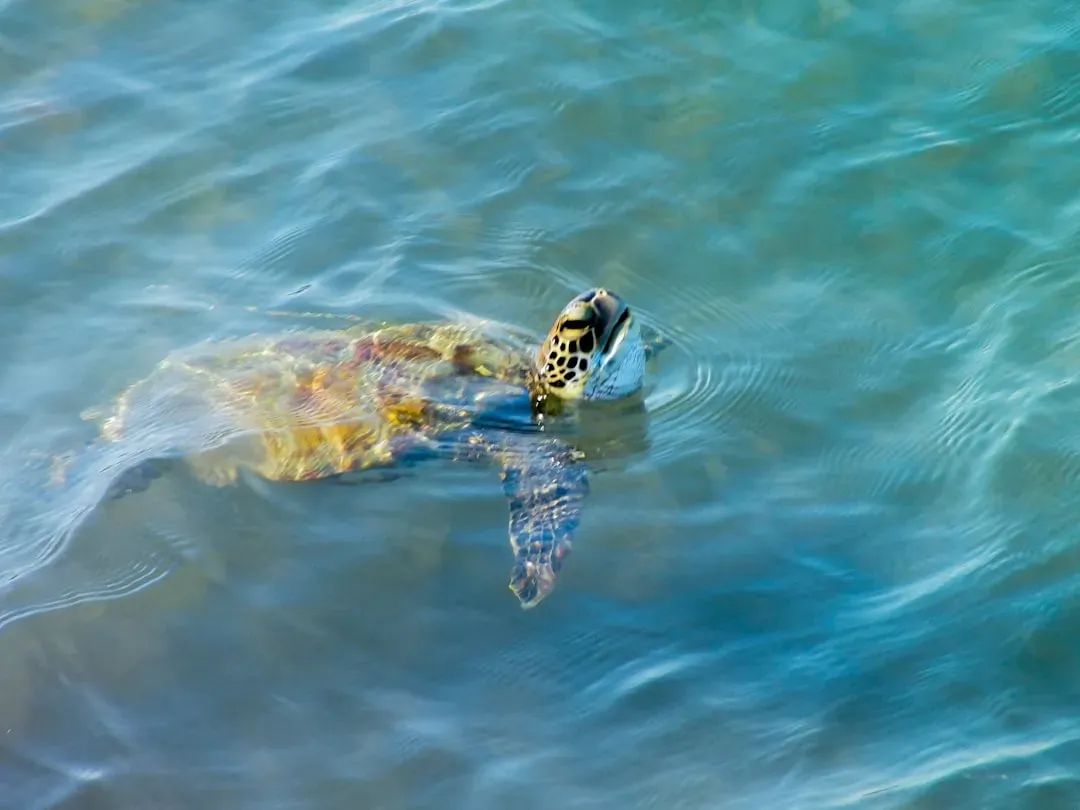
Here’s the thing. Baby sea turtles hatch on a beach they’ve never seen before, then somehow find their way across hundreds of miles of featureless ocean to feeding grounds. Years later, they return to that exact beach to lay eggs.
Baby green turtles that hatched on Ascension Island in the middle of the Atlantic find their way to ancestral feeding grounds off Brazil, and years later make their way back to the six-mile-wide island over 1,400 miles away with no land in between. Their ability to navigate is one of the great unsolved mysteries of biology.
Long-distance animal navigation has yet to be satisfactorily explained because of conflicting evidence, including unsolved problems about the nature of genetic spatial control and relationships between celestial and magnetic compass mechanisms. Scientists suspect magnetic fields, star positions, and even smell play roles, yet the full picture remains frustratingly out of reach.
3. The Mysterious Purpose of Animal Play
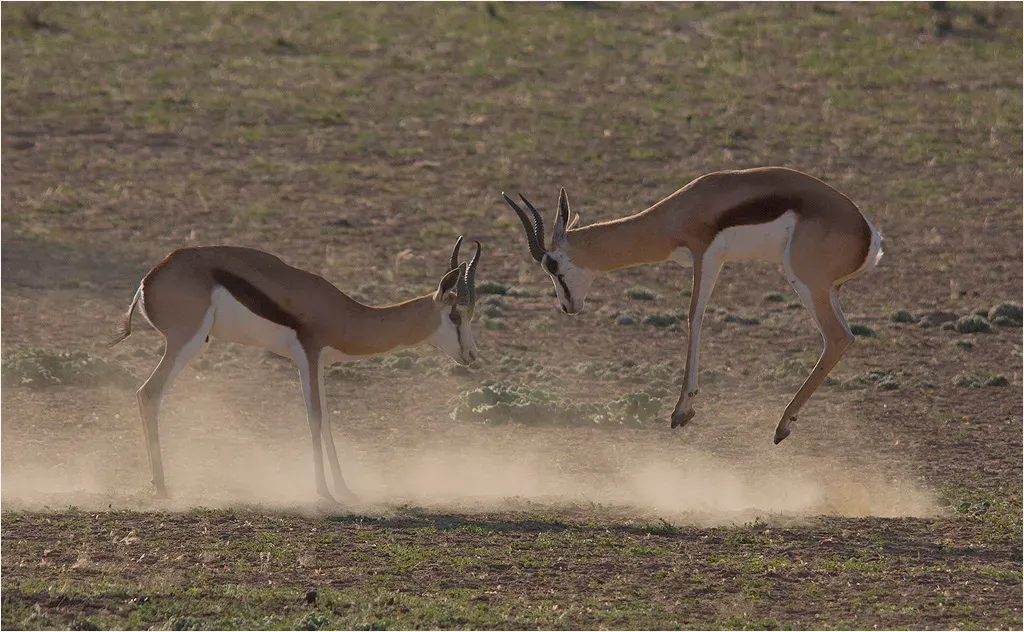
Let’s be real. We’ve all watched puppies tumble over each other or dolphins toss seaweed around for what looks like pure fun. Seems harmless, right? Turns out, scientists can’t actually figure out why animals play at all.
One hypothesis is that play helps animals learn important skills, but experiments haven’t borne this out; a 2020 study found otters that juggled rocks weren’t any better at solving food puzzles than non-jugglers. Even weirder, studies of human children show no definitive long-term emotional or developmental benefits from pretend play, with no evidence that kids who play more are smarter.
Another explanation suggests play might be an evolutionary byproduct since animals with brain power and extra resources can tip into playful behavior beyond immediate survival needs. Still, after decades of study, the evolutionary benefit of play remains hotly debated.
4. Crow Funerals and Death Rituals
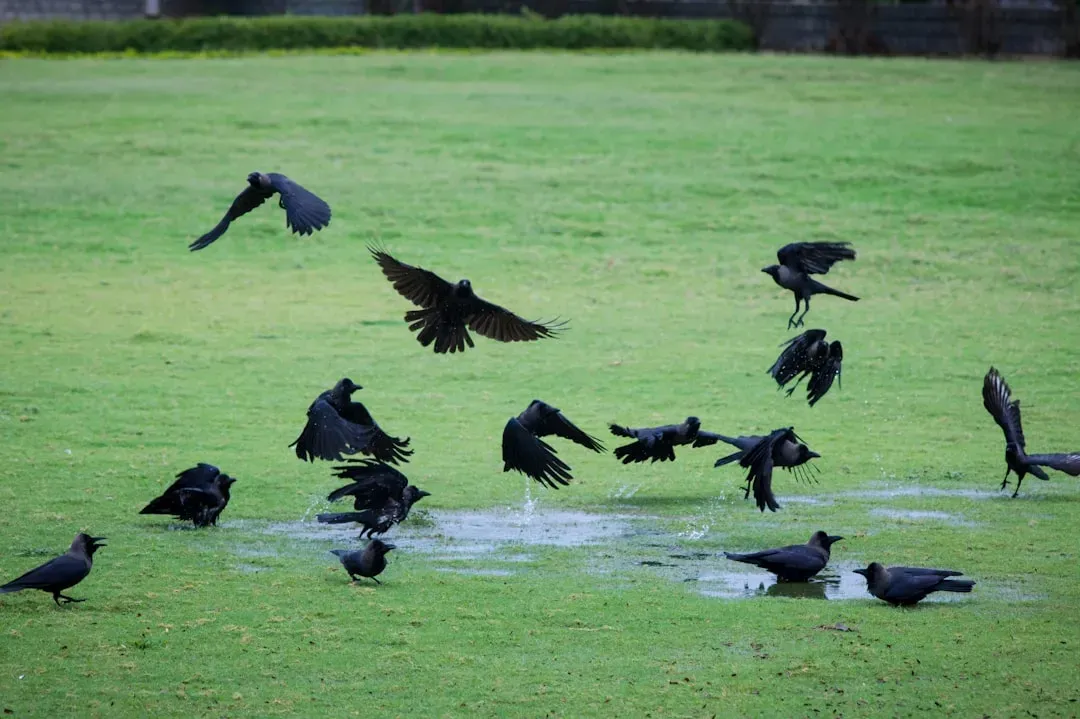
This one gives me chills. When a crow discovers a dead member of its species, something extraordinary happens.
These remarkably intelligent birds call out to summon others, sometimes forming groups of up to 40 individuals around the corpse, investigating and occasionally pecking at it while maintaining unusual silence. Researchers at the University of Washington have documented these behaviors extensively yet remain uncertain about their true purpose, with theories ranging from threat assessment to social functions within crow communities.
What makes this particularly mysterious is that similar rituals have been observed across different crow species worldwide, suggesting a deep evolutionary purpose that transcends simple curiosity. Whether it’s mourning, learning about danger, or something else entirely, we honestly don’t know.
5. Unihemispheric Sleep in Dolphins
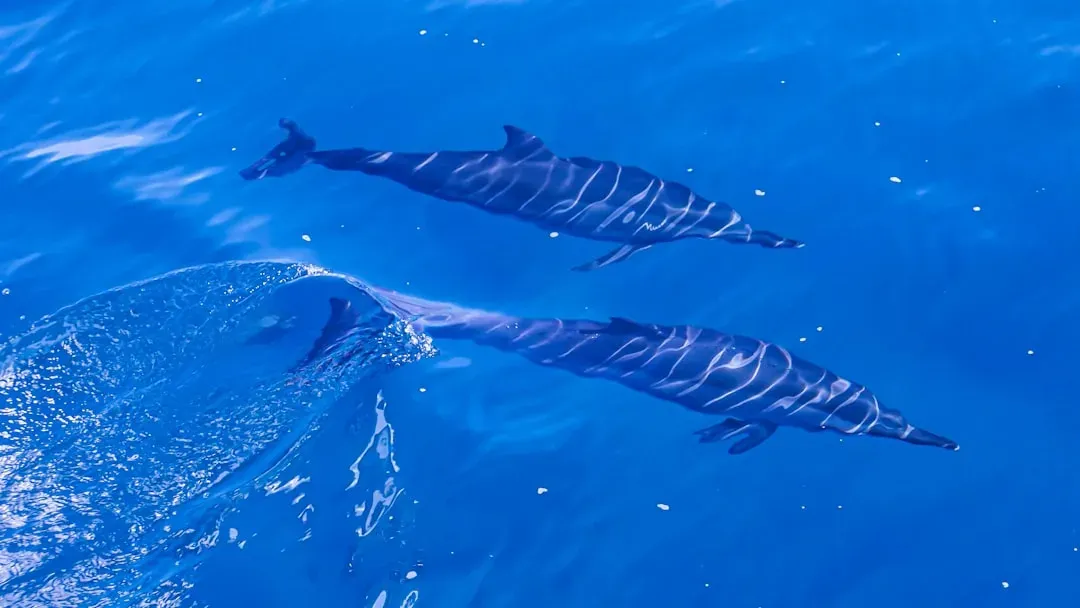
Imagine only half your brain going to sleep while the other half stays awake. Sounds like science fiction, right? For dolphins, it’s just Tuesday.
Dolphins don’t sleep with both hemispheres of their brain at once; instead they let one half rest while the other stays alert in what’s called unihemispheric slow-wave sleep. The likely reason is it allows them to keep swimming and breathing while resting, but the bigger question is how they manage to survive like this for years without fully resting both sides of their brains.
This half-awake, half-asleep state defies everything we understand about the restorative nature of sleep. How do they avoid mental exhaustion? The mechanisms remain unclear, leaving scientists to wonder what other secrets dolphin brains might hold.
6. Octopus Den Decoration and Object Collection
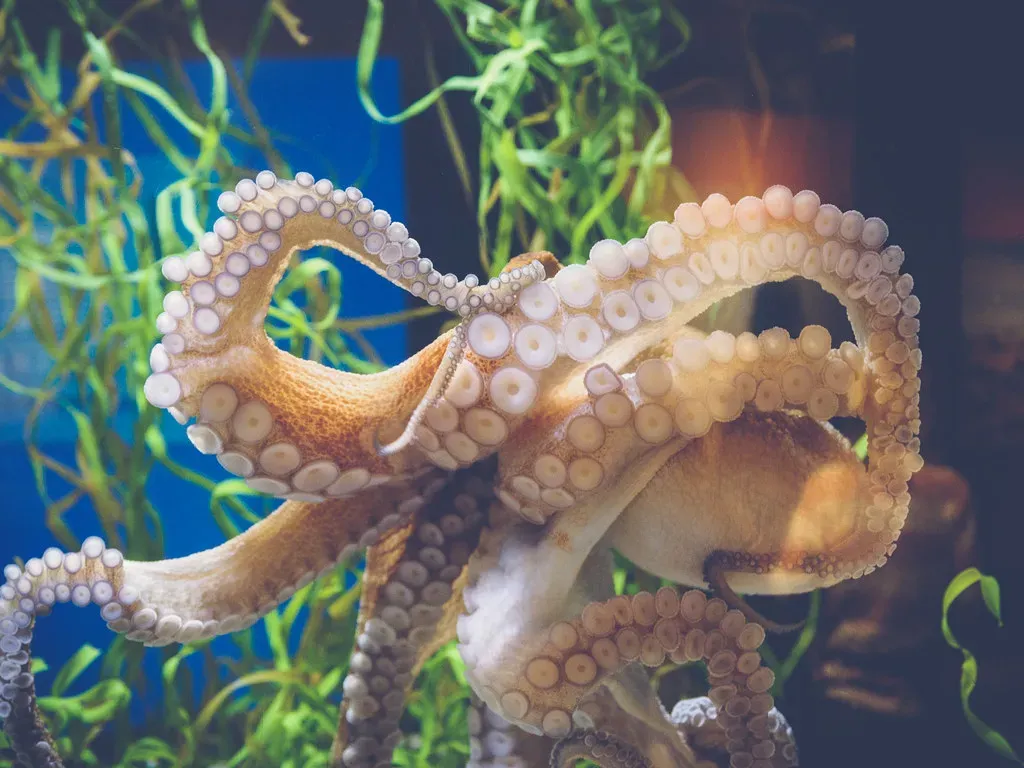
Octopuses change color and texture at night to blend with their environment like they’re putting on a disguise, and also decorate their dens with shells, rocks, and other objects. We don’t know exactly why they do this, whether it’s just for camouflage or if they’re trying to send a message, or why they take time to collect objects to decorate their homes.
Scientists are still unsure if these behaviors are instinctual, learned, or perhaps a mix of both. Honestly, given how intelligent octopuses are, the idea that they might just enjoy interior decorating isn’t as far-fetched as it sounds. Maybe they simply appreciate aesthetics.
7. Lemming Population Cycles and Mass Migrations
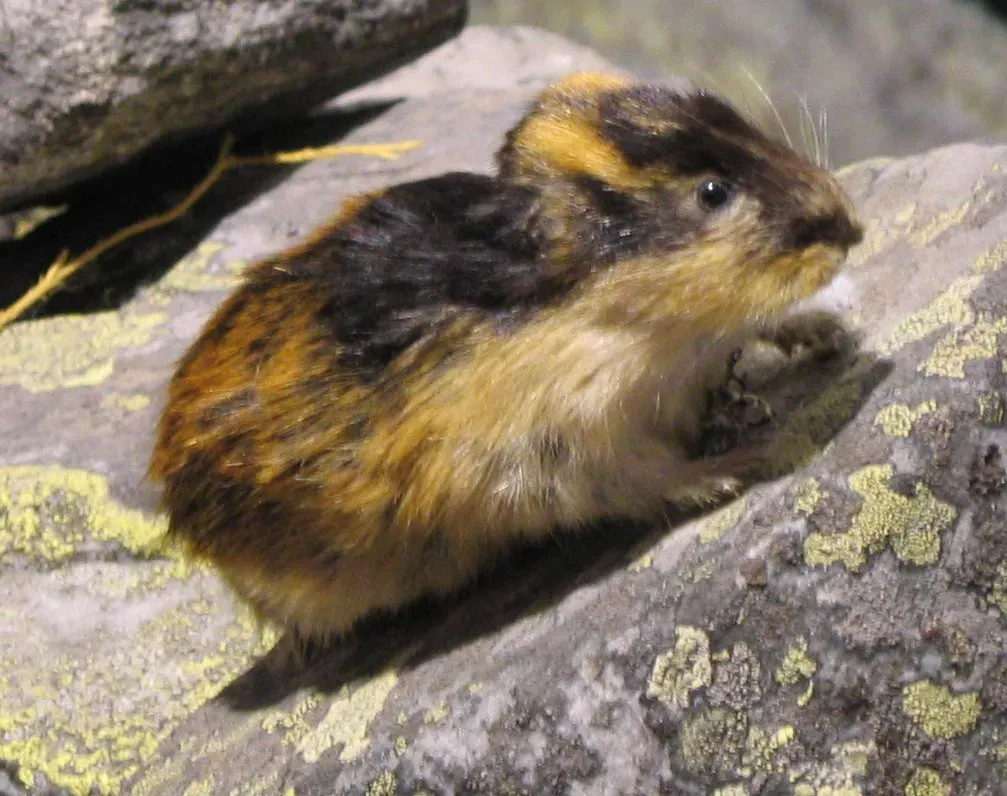
The old myth about lemmings committing mass suicide by jumping off cliffs was fabricated for a Disney documentary. Yet the truth is almost as bizarre.
While this specific behavior was staged, lemmings do exhibit strange population behaviors scientists don’t completely understand, with Norwegian lemmings undergoing mass migrations where thousands travel together and many drown or die from exhaustion. Researchers understand population cycles are linked to food availability and predator abundance, but the precise triggers for these coordinated movements and their dramatic self-destructive consequences remain incompletely explained.
It’s hard to say for sure, but something drives these small rodents to embark on journeys that frequently end in death. The evolutionary logic behind behavior that seems so counterproductive continues to puzzle scientists.
8. Christmas Island Red Crab Synchronized Migration
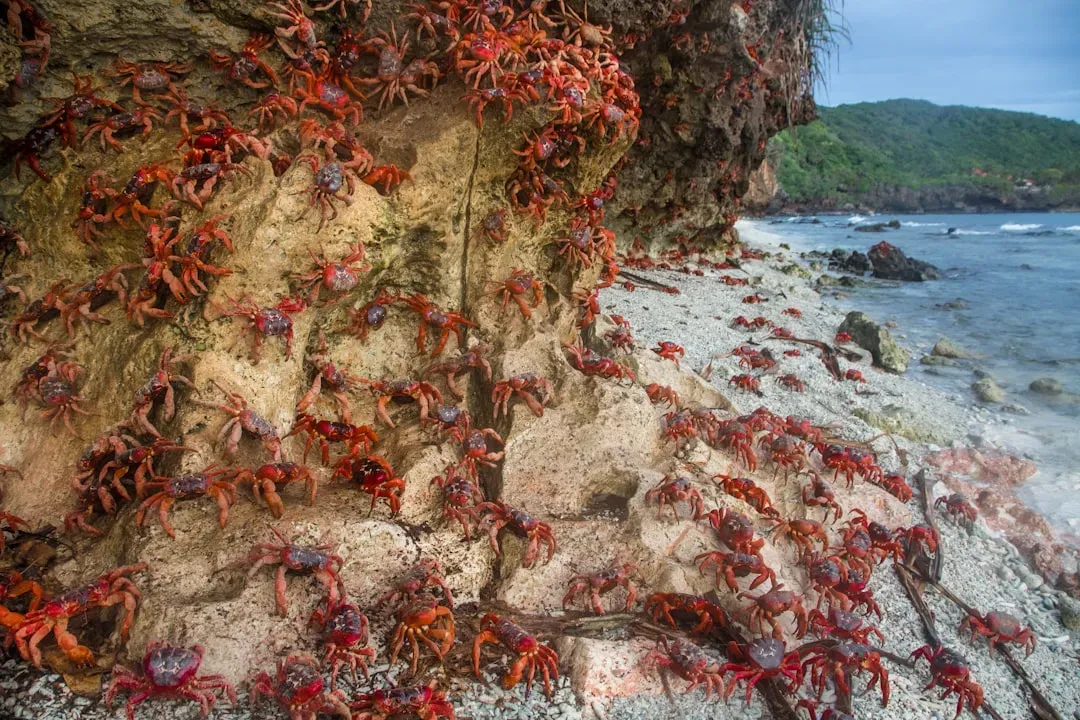
Every year, millions of red crabs on Christmas Island emerge from the forest simultaneously and march to the ocean. The spectacle is breathtaking, yet the coordination baffles researchers.
What baffles scientists is the precise timing of this mass movement, with the migration always occurring during the October-December wet season, yet the exact day when millions emerge seems determined by factors beyond simple rainfall patterns, with crabs sometimes beginning before the first rains arrive. Even more mysterious is how juvenile crabs, after spending weeks developing in ocean waters, find their way back to the exact inland forest locations their parents came from despite never having been there.
The triggers that initiate this synchronized land migration remain poorly understood, leaving scientists to wonder what invisible cues these crustaceans are detecting.
9. Bamboo Lemur Starvation During Mass Bamboo Die-Offs
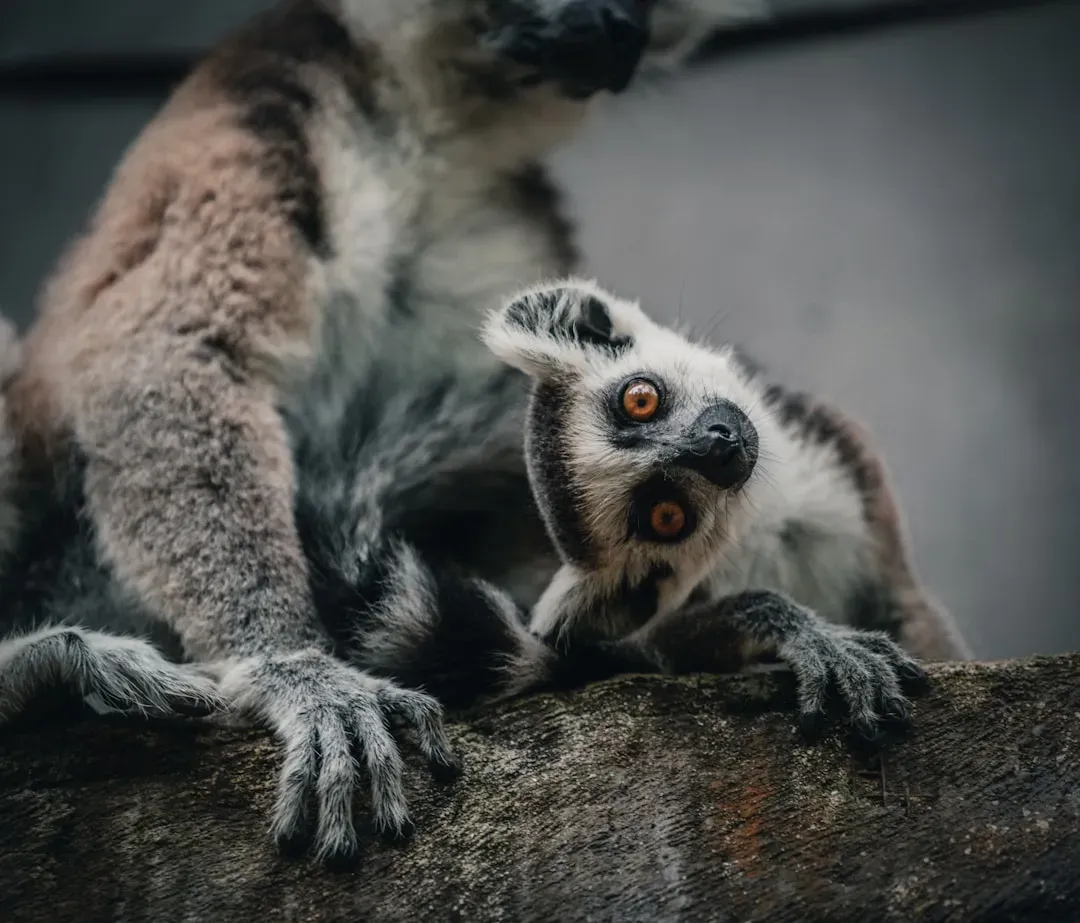
This behavior is genuinely tragic. When bamboo undergoes mass flowering and die-off across large regions, bamboo lemurs face catastrophic food shortages.
What perplexes scientists is that these lemurs show little adaptive behavior when faced with this predictable ecological crisis, failing to migrate to areas with alternative bamboo species despite the urgency of starvation, with many continuing to search for their preferred bamboo until dangerously weakened. This mysterious lack of behavioral plasticity contradicts the typical adaptive intelligence observed in other primates and raises questions about cognitive constraints preventing these endangered animals from responding effectively.
Why would natural selection favor such rigid behavior? The answer remains unclear, making this one of the more troubling mysteries in primate behavior.
10. Orca Boat Ramming Behavior
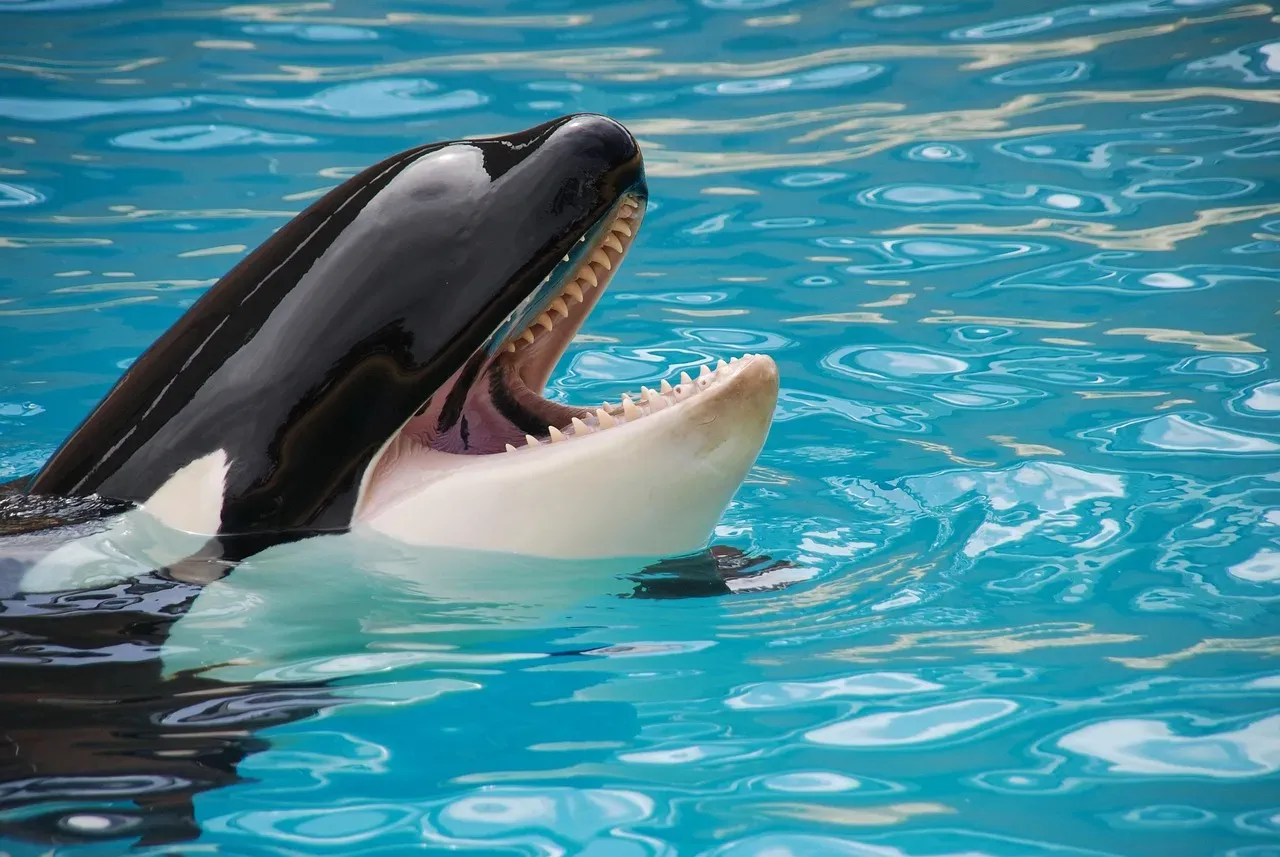
For the past five years orcas have been spotted ramming boats in the Mediterranean, with the trend continuing in 2025, including footage showing orcas ramming a sailing boat off Portugal that eventually sank. Scientists think orcas’ boat ramming habit might simply be a form of play.
Yet play doesn’t fully explain the behavior’s persistence and apparent spread among pods. Some researchers speculate the whales are teaching this behavior to younger members, while others wonder if an initial negative interaction with a boat sparked this ongoing trend. Some of these animals displayed behaviors scientists had yet to document, adding another layer to the puzzle.
Conclusion
The natural world refuses to give up all its secrets easily. From whales that seem determined to beach themselves to octopuses that redecorate their homes, these ten behaviors remind us how much we still have to learn about our fellow creatures.
What strikes me most about these mysteries is how they challenge our assumptions. We often think we understand the animal kingdom, but these behaviors reveal gaps in our knowledge that decades of research haven’t filled. Each mystery represents not just a puzzle to solve but an invitation to look deeper, question more, and remain humble about the limits of human understanding.
What do you think drives these mysterious behaviors? Could there be explanations we haven’t even considered yet? Let us know your thoughts.

- 10 Ways to Create a Wildlife-Friendly Backyard Habitat - July 16, 2026
- Which Zodiac Signs Feel the Deepest Connection to Big Cats - July 16, 2026
- 10 Most Dangerous Hikes in The US - July 16, 2026