

Every year, billions of animals vanish from familiar habitats only to pop up thousands of miles away. No maps. No GPS. Just pure instinct in a world we’ve mapped to death.
Scientists in 2026 wield cutting-edge trackers and genetic tools, yet these journeys keep secrets locked tight. What drives them? How do they navigate? Let’s uncover ten that leave experts baffled.
Monarch Butterflies’ Generational Relay
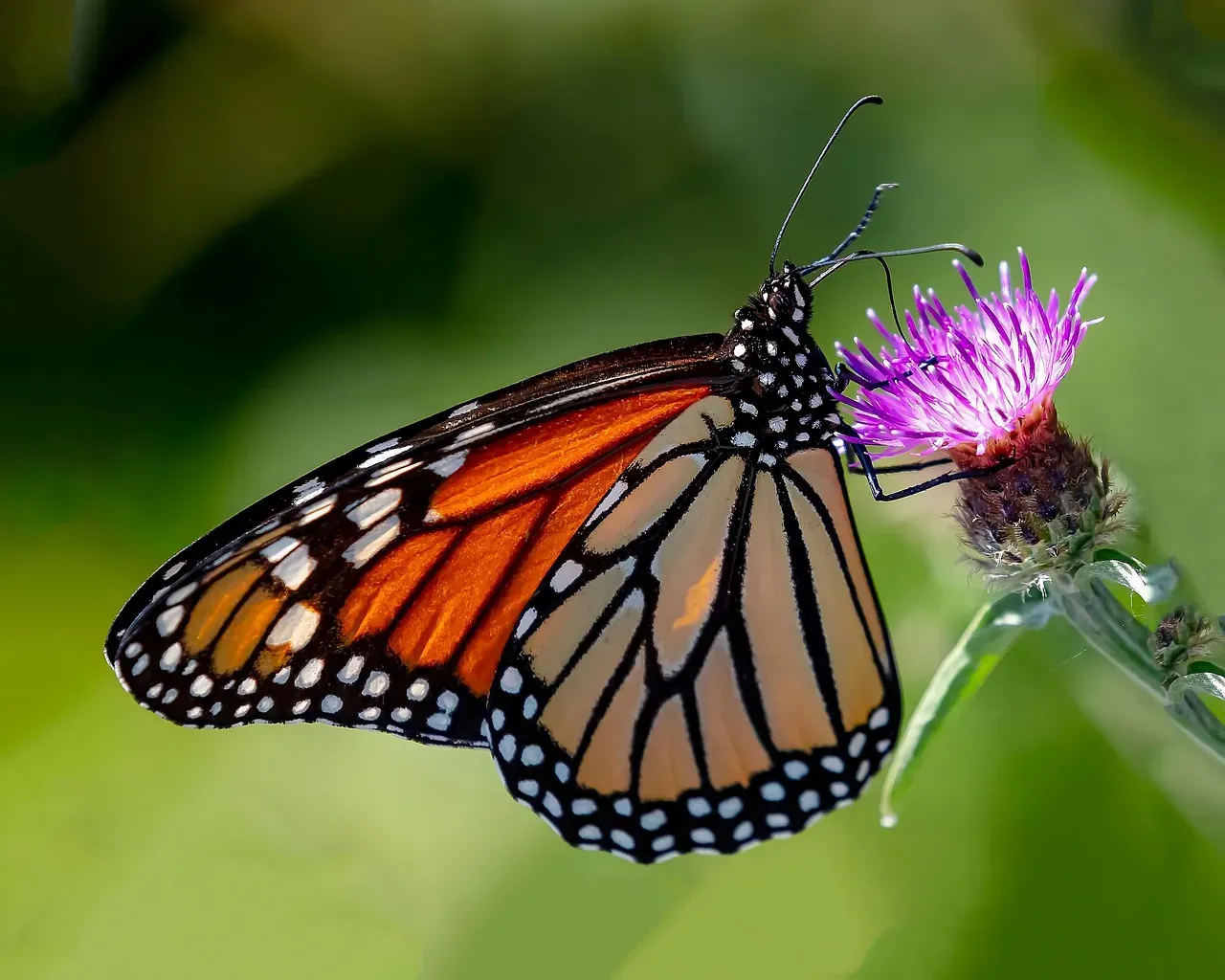
Picture fragile wings carrying a message across generations. Monarchs from eastern North America trek up to 3,000 miles to Mexico’s oyamel forests, but no butterfly lives to see the return.[1][2]
Each leg falls to a new brood, somehow programmed for the exact path. Sun compasses in their antennae help, yet cloudy days throw a wrench in theories. Over 500 genes play a role, but the full code stays elusive. Honestly, it’s like nature’s own relay race with invisible batons.
Arctic Terns’ Endless Pursuit of Sunlight
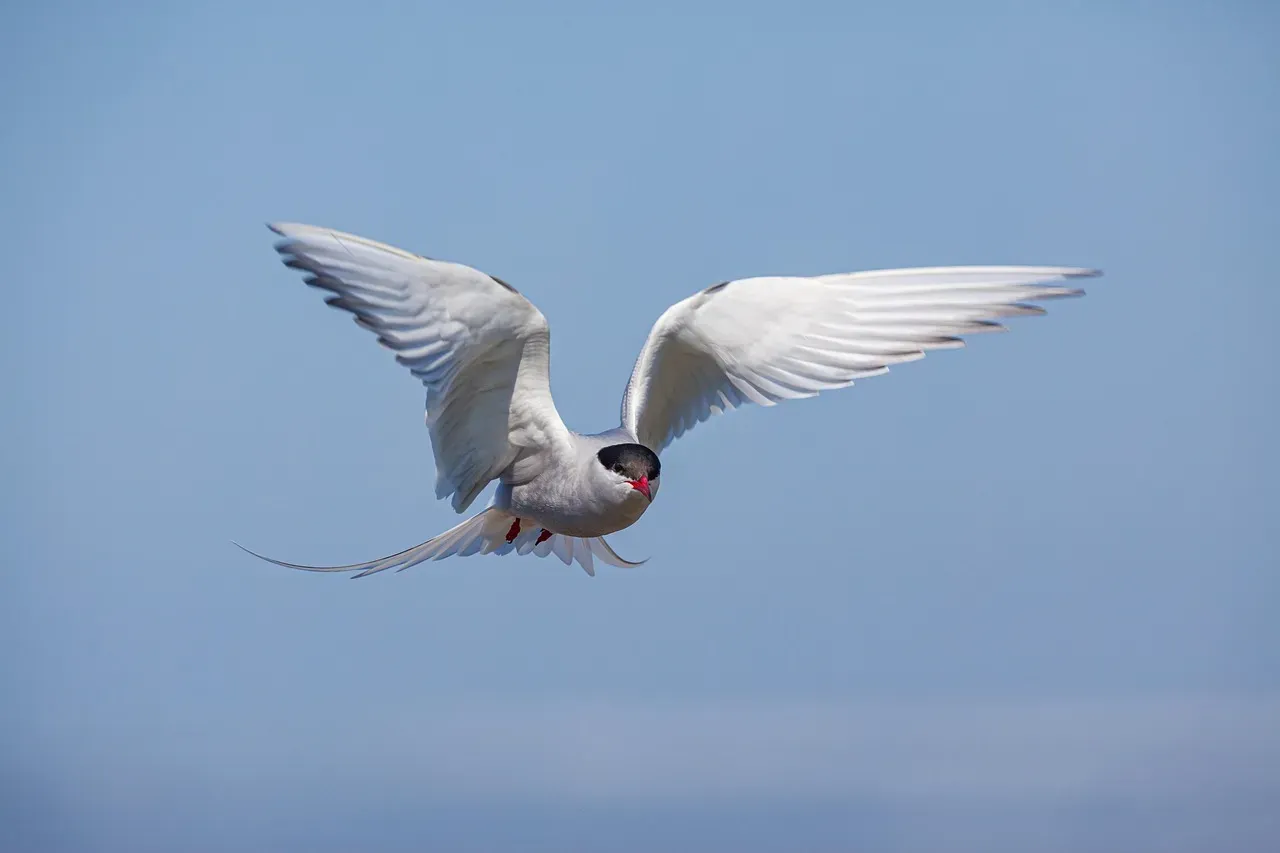
These featherweights, barely heavier than a tennis ball, chase endless summer for 44,000 miles yearly from pole to pole. Greenland breeders hit Antarctica and back, racking up moon-distance flights over decades.[1][2]
Wind patterns guide them differently outbound and inbound. Precision defies their size. Scientists puzzle over mid-flight adjustments through clouds. One tern might log a million miles lifetime. Mind-boggling endurance.
Cloud cover shouldn’t derail them, right?
Humpback Whales’ Unexpected Detours
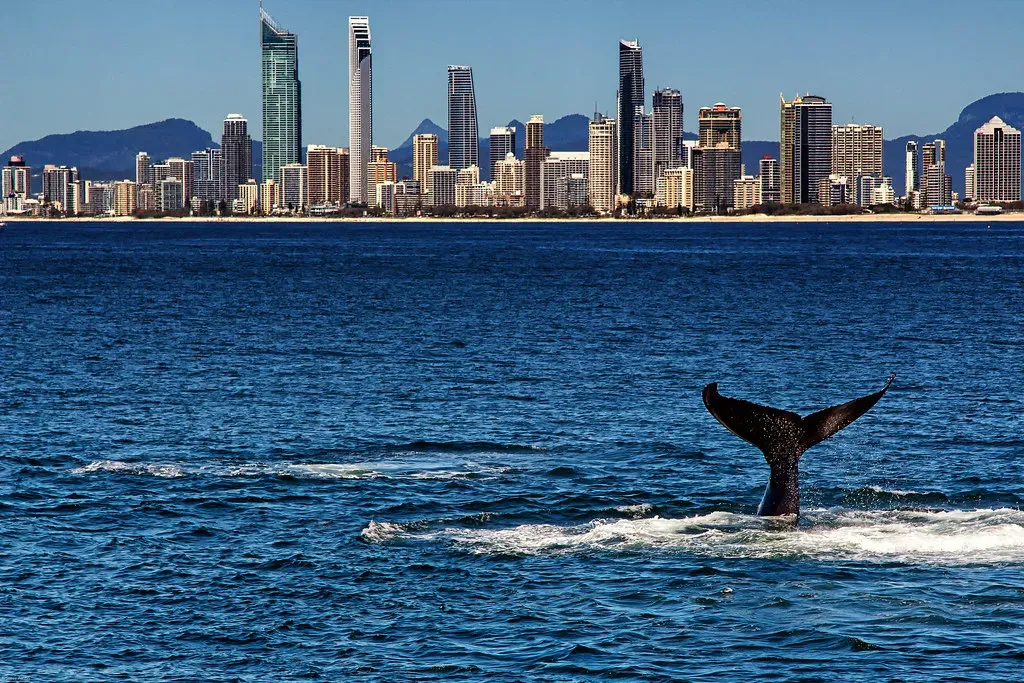
A male humpback shattered records in 2024, swimming 13,046 kilometers from South America to Africa across oceans. Typical routes stick to breeding grounds, yet this rogue crossed Pacific to Indian waters.[1]
Female odysseys hint at more mysteries. Fat-fueled fasts sustain them. Songs might signal, but why stray? Trackers reveal patterns we can’t predict. Here’s the thing: oceans hide more wanderers.
European Eels’ Vanishing Act
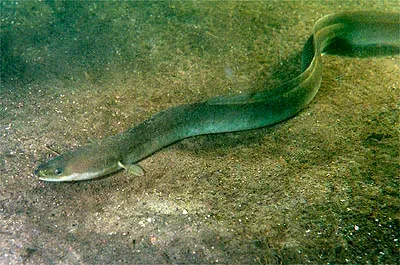
Born in the Sargasso Sea, they drift thousands of miles to European rivers. Decades later, adults vanish back across the Atlantic to spawn and die. No one’s witnessed the act.[1][2]
What cue calls them home after 10 to 20 years? Larvae ride currents blindly. Instincts encode the route. Spawning grounds stay ghostly quiet. Pure enigma.
Wildebeest’s Leaderless March
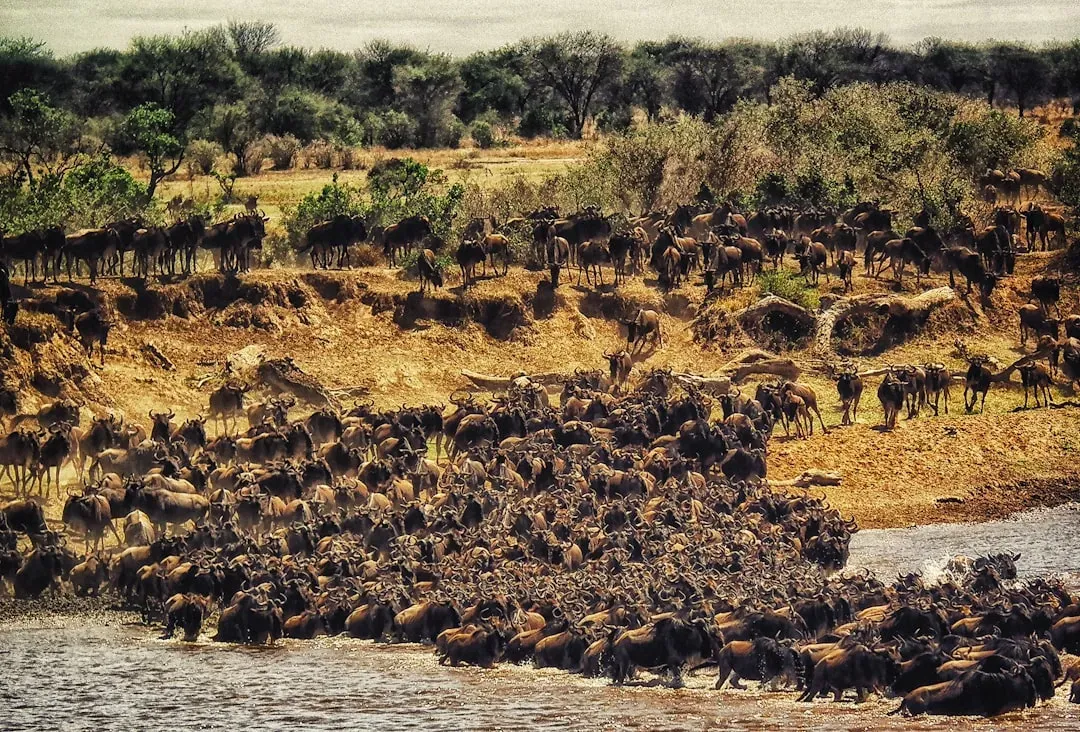
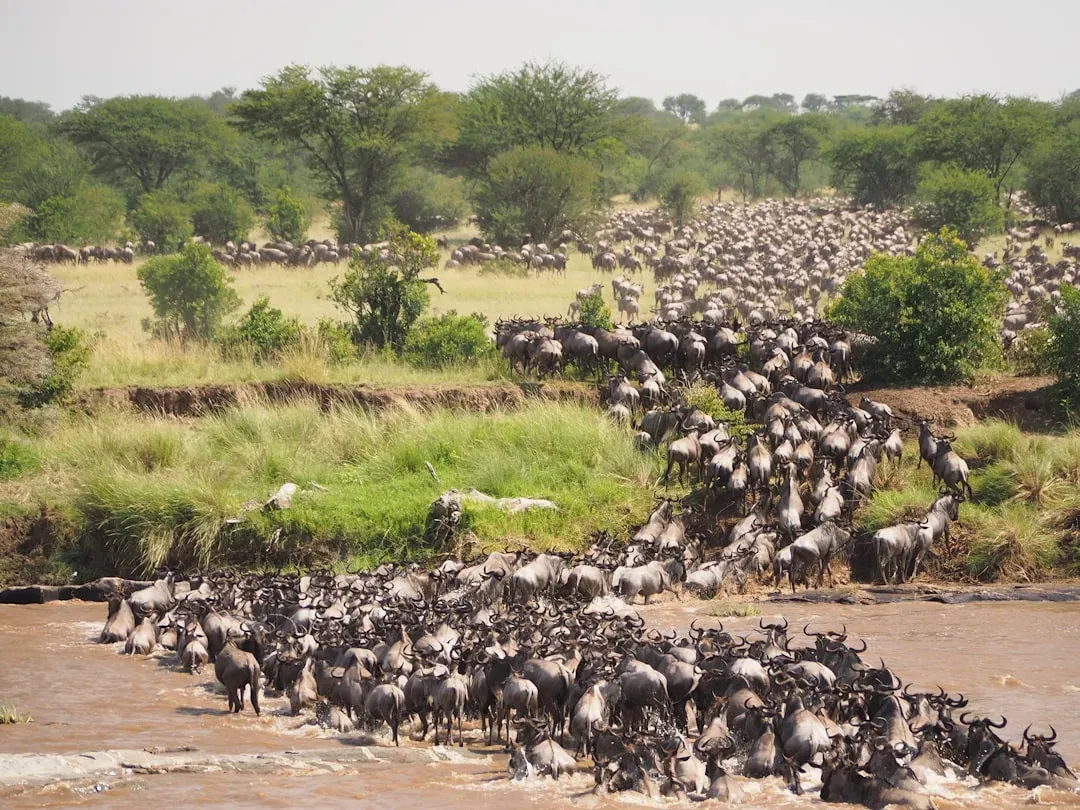
Over a million wildebeest and zebras circle the Serengeti-Mara, chasing rain-fed grass. Paths shift yearly with no boss in charge. River crossings tempt crocs amid chaos.[1]
Lightning from 50 kilometers away might spark moves. Or thunder sense. Herds react as one. No rehearsals. Scientists chase weather links without proof. Collective smarts stun.
Like a living river of hooves.
Green Sea Turtles’ Beach Imprint
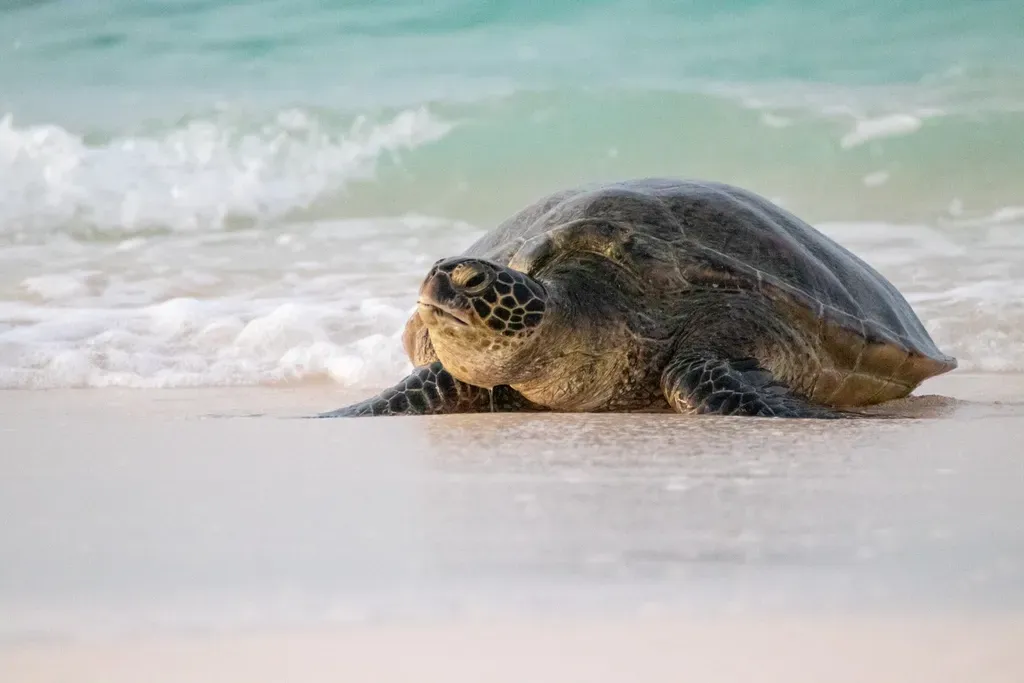
Females return to their exact birth beach after decades roaming oceans. Magnetic fields likely tag the spot at hatching. Yet recall after years baffles.[1]
Leatherback cousins log thousands of miles too. Bycatch and warming sands threaten. How do they store that natal code? Navigation mixes currents and cues. Untangled puzzle.
Bar-Tailed Godwits’ Nonstop Marathon
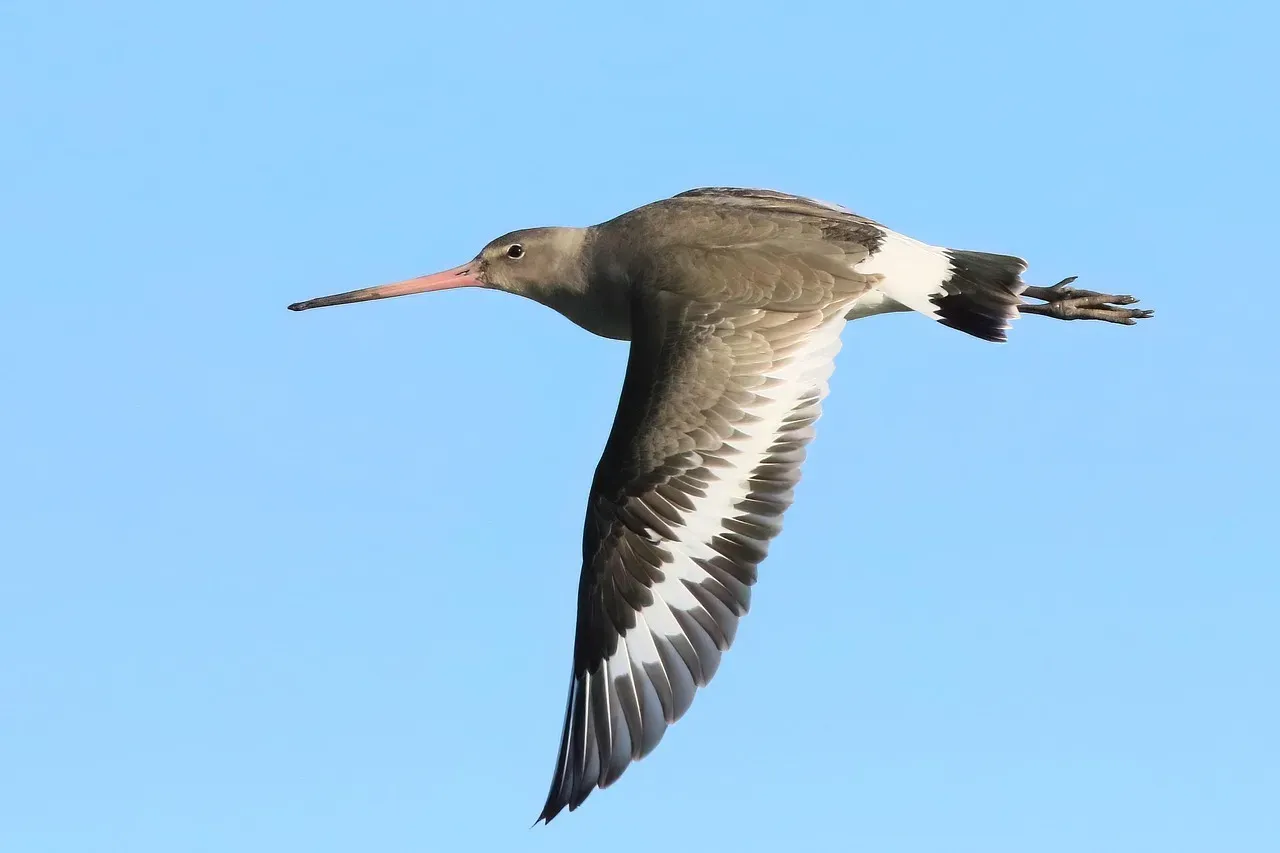
These shorebirds blast 7,500 to 8,000 miles from Alaska to New Zealand without a pit stop. Eight days over blank ocean. Fat stores fuel the feat.[1]
First-timers nail it blind. Landmarks absent. Yearly returns precise. Sleep mid-air? Scientists probe inner compasses. Epic stamina.
Humans gasp at marathons; these redefine limits.
Caribou’s Arctic Odyssey
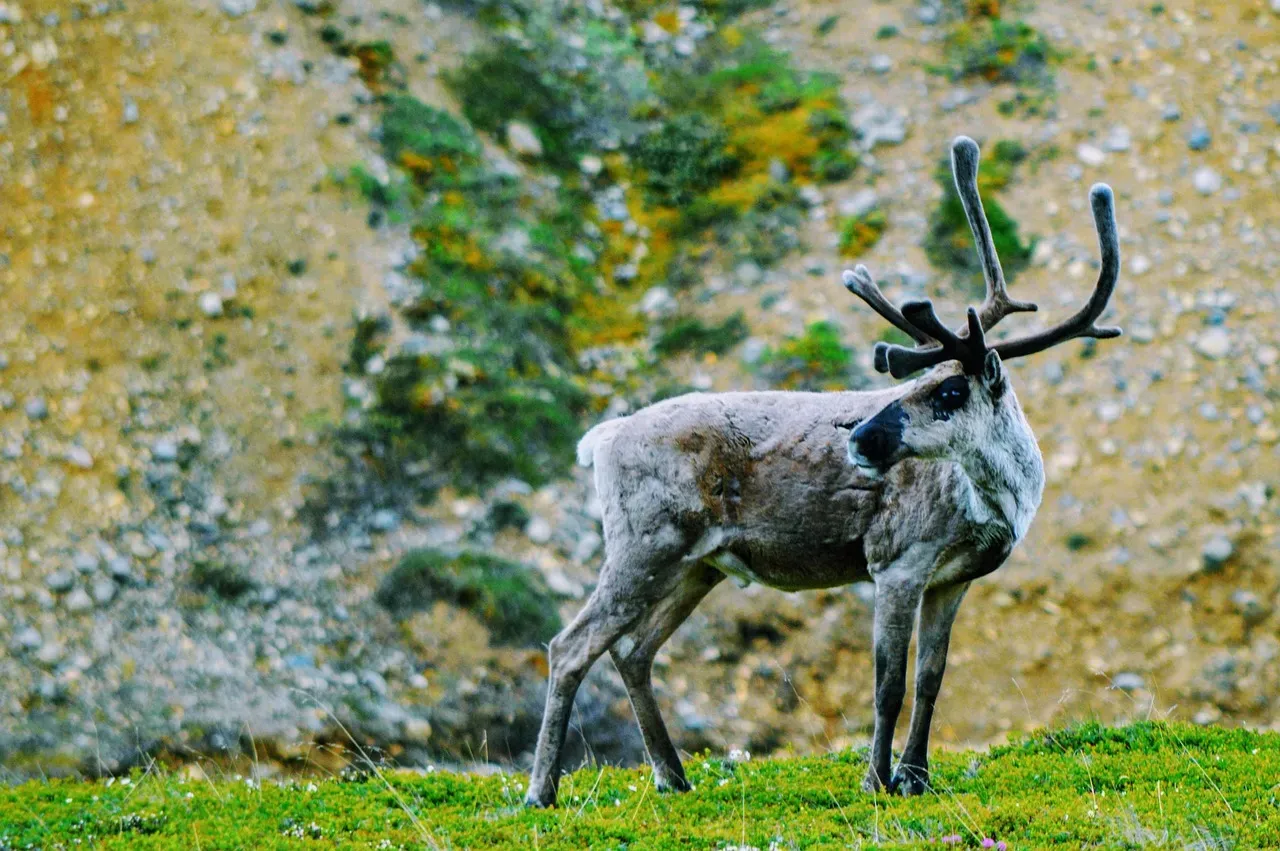
North America’s longest land trek clocks 3,000 miles across tundra. Herds of hundreds of thousands sync perfectly. Calves join days old through storms.[1]
Mountains and rivers map routes in minds. Or something more? Wolves lurk. Seasonal food pulls them. Coordination defies chaos. Ancient paths endure.
Painted Lady Butterflies’ Desert Crossings

Six generations relay 7,500 miles from Africa to Europe over deserts and seas. Newbies know the way innately. Mediterranean leaps thrill.[1]
Precision spans broods. Winds aid, instincts rule. Mountains no barrier. Like monarch kin, but wilder routes. Generational GPS astounds.
Bar-Headed Geese Over the Himalayas
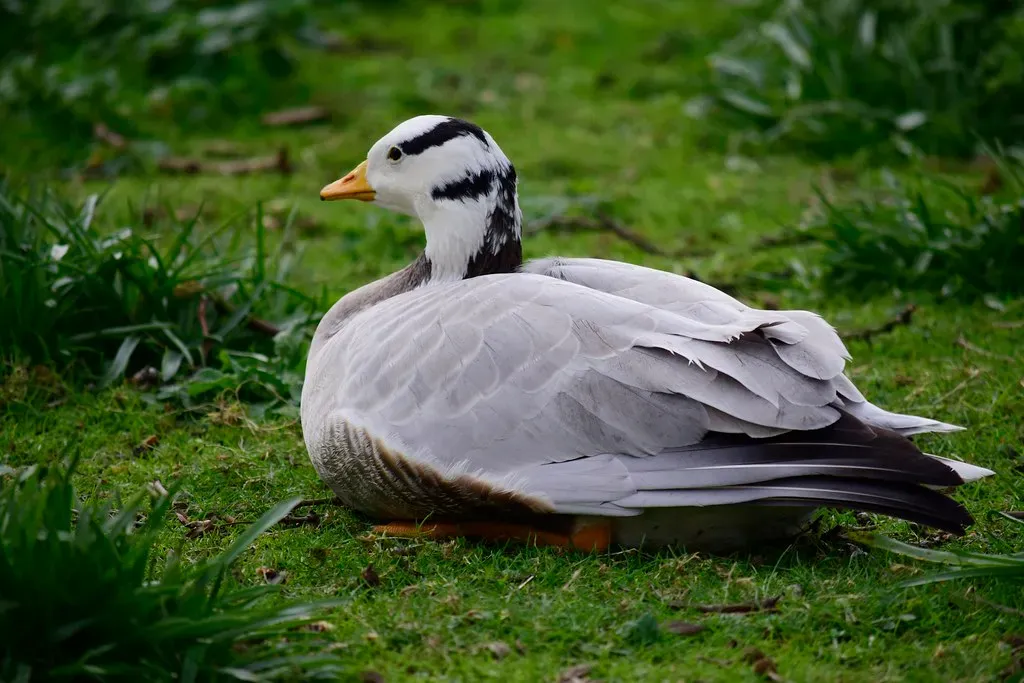
Twice yearly, they summit the world’s highest peaks where air thins fatally for us. Special hemoglobin grabs scarce oxygen. Sun shifts demand tweaks.[1]
Routes optimize survival. Heart efficiency key. Yet full altitude tricks elude. Humans need tanks; they don’t. Peak performers.
I know it sounds impossible.
Unraveling Nature’s Greatest Secrets
These ten migrations whisper that Earth’s creatures hold wisdom beyond our grasp. Tech peels layers, but cores stay hidden. From tiny flutterers to massive herds, resilience shines.
What if we learned their navigation hacks? Climate threats loom larger now. Which journey grips you most? Share below.
