


Animated films have become powerful cultural forces that significantly influence children’s perceptions of the natural world. From talking lions and singing crabs to dancing penguins and martial arts-practicing pandas, these anthropomorphized characters create lasting impressions that shape how young viewers understand animal behavior, habitats, and conservation issues. While these films often spark children’s interest in wildlife, they simultaneously present scientifically inaccurate portrayals that can lead to misconceptions. As children absorb these messages during their formative years, the impact extends beyond entertainment, affecting their attitudes toward animals, conservation efforts, and even career choices later in life. This fascinating intersection of entertainment, education, and environmental awareness deserves closer examination to understand how the animated animal kingdom influences the real-world perspectives of its young audiences.
The Powerful Influence of Anthropomorphism

Anthropomorphism—attributing human characteristics to non-human entities—serves as the cornerstone of most animated animal films. Characters like Simba in “The Lion King,” Dory in “Finding Nemo,” and Po in “Kung Fu Panda” display human emotions, speak in human languages, and navigate human-like social structures. This storytelling technique creates immediate emotional connections between young viewers and animal characters, making complex narratives accessible and engaging for children.
Research from the University of California has shown that anthropomorphized animals in media significantly impact how children conceptualize real animals. When animals are presented with human traits, children are more likely to attribute emotions, intentions, and moral reasoning to actual wildlife. While this can foster empathy toward animals, it also blurs the line between fantasy and reality, potentially leading children to misunderstand fundamental aspects of animal biology and behavior. The more anthropomorphized the portrayal, the more likely children are to overestimate animals’ cognitive and emotional capabilities, sometimes expecting real animals to behave like their animated counterparts.
Ecological Misrepresentations in Popular Films

While animated films excel at creating memorable characters, they often take significant liberties with ecological facts. “Madagascar” features a zebra, lion, hippopotamus, and giraffe as best friends—a highly implausible relationship in nature where predator-prey dynamics would make such friendships impossible. “Finding Nemo” depicts clownfish living in anemones with surprising accuracy but then has Dory and Marlin traveling impossible distances across ocean currents. “The Lion King” portrays lions ruling over a harmonious kingdom of herbivores, contradicting the reality of predator-prey relationships.
These ecological inaccuracies can establish misconceptions that persist into adulthood. A 2017 study published in the Journal of Environmental Education found that college students who reported high exposure to animated animal films as children were more likely to hold incorrect beliefs about animal habitats and behaviors. For instance, many believed that penguins and polar bears coexist in the wild—a misconception popularized by animated films that compress diverse ecosystems into single settings for narrative convenience. These misrepresentations, while seemingly harmless, can contribute to broader ecological illiteracy at a time when accurate environmental understanding is increasingly crucial.
Creating Unrealistic Expectations of Animal Behavior

Animated films frequently present dramatically altered versions of animal behavior to serve narrative purposes. Films like “Ratatouille” show rats displaying extraordinary intelligence and culinary skills, while “Zootopia” depicts predators and prey living in peaceful coexistence. While these portrayals create compelling stories, they can establish unrealistic expectations about how animals behave in the wild or as pets. Children may expect real animals to display the same level of understanding, emotional intelligence, and communication abilities as their animated counterparts.
This disconnect becomes particularly problematic when children encounter real animals. Research from the Association of Zoos and Aquariums indicates that young visitors often express disappointment when animals don’t behave like characters they’ve seen in movies. This can lead to diminished interest in actual wildlife conservation or, conversely, inappropriate interactions with animals based on fictional expectations. Wildlife educators report regularly having to correct misconceptions derived from animated films, particularly regarding animal intelligence, communication abilities, and social structures. The challenge lies in preserving children’s enthusiasm for animals while gently correcting the fictional elements that may have sparked their interest initially.
Impact on Conservation Attitudes and the “Nemo Effect”

Animated films wield considerable influence over children’s conservation attitudes, sometimes with unexpected consequences. The phenomenon known as the “Nemo Effect” emerged after the release of “Finding Nemo,” when demand for clownfish as pets surged dramatically. Research published in Conservation Biology documented a 30-40% increase in clownfish sales following the film’s release, placing additional pressure on wild populations. Similarly, “Rio” highlighted the endangered status of Spix’s macaws, yet ironically may have increased demand for exotic birds as pets among viewers unfamiliar with conservation issues.
However, these films can also positively impact conservation awareness when handled thoughtfully. “Happy Feet” raised awareness about the effects of ocean pollution on penguin populations, while “WALL-E” presented a stark warning about environmental neglect. A 2019 study in the Journal of Environmental Psychology found that children who viewed conservation-themed animated films showed increased concern for endangered species and environmental issues compared to control groups. The key difference appears to be whether films explicitly address conservation messages or merely feature charismatic animals without ecological context. When conservation messages are integrated into storytelling, animated films can become powerful tools for fostering environmental consciousness in young audiences.
The “Disney Animal” Phenomenon and Species Bias

The portrayal of animals in animated films has created what researchers call the “Disney animal” phenomenon—a preference for certain species based on their charismatic representation in media. Large-eyed, furry mammals with expressive faces typically receive heroic portrayals, while reptiles, insects, and predators are often cast as villains. This bias extends beyond the screen and affects conservation priorities, research funding, and even zoo attendance patterns. Studies have shown that children are more likely to express interest in protecting mammals featured positively in animated films than equally endangered reptiles or amphibians with less media representation.
The implications of this species bias are significant for conservation efforts. The International Union for Conservation of Nature (IUCN) reports that conservation initiatives for charismatic “Disney-like” animals receive disproportionately more funding than equally threatened species without popular media representation. This creates an unbalanced approach to conservation where ecological importance becomes secondary to public appeal. Some conservation organizations have begun leveraging this effect by using charismatic animals as “flagship species” to protect entire ecosystems, demonstrating how understanding media influence can be channeled toward positive environmental outcomes.
Gender Stereotyping of Animals in Animation

Animated animal films frequently reinforce gender stereotypes through character design and behavior, influencing how children perceive gender roles in the animal kingdom and potentially among humans. Male animal characters often dominate protagonist roles and display traits associated with traditional masculinity—strength, leadership, and adventure-seeking. Female characters, when present, frequently exhibit stereotypically feminine characteristics including nurturing behavior, appearance-consciousness, and supportive rather than leading roles. Analysis of top-grossing animated animal films revealed that male animal characters had approximately 60% more dialogue than female characters, despite no such disparity existing in nature.
These gendered portrayals create misconceptions about animal biology while simultaneously reinforcing social stereotypes. For instance, many animated films depict male lions as the sole protectors of their pride, whereas in nature, female lions do most of the hunting and territorial defense. A study published in Gender & Society found that children who watched gender-stereotyped animal characters were more likely to apply those same stereotypes to unfamiliar animals and even to human social situations. More recent films like “Zootopia” and “Encanto” have begun challenging these patterns by featuring female animal protagonists with complex characterizations, potentially shifting how the next generation perceives gender through animated animals.
Educational Opportunities Through Animated Films

Despite their scientific inaccuracies, animated animal films provide valuable educational opportunities when supplemented with factual information. Educators and parents can use children’s enthusiasm for animated characters as gateways to learning about actual animal biology, behavior, and conservation. For example, “Finding Nemo” can spark discussions about coral reef ecosystems, while “The Lion King” offers entry points for learning about African savanna food webs. These conversations help children distinguish between fictional elements and scientific reality without diminishing their enjoyment of the stories.
Several educational initiatives have successfully leveraged animated films as teaching tools. The Disney Conservation Fund partners with schools to create curriculum materials that connect popular animal characters to real-world conservation efforts. The San Diego Zoo’s educational program uses references to animated films to engage children before introducing accurate scientific information. Research from the Journal of Science Education and Technology indicates that children who explored factual information about animals featured in their favorite animated films showed greater retention of scientific concepts than those who studied the same animals without the film connection. This suggests that animated films, despite their inaccuracies, can serve as motivational bridges to authentic science learning when used thoughtfully.
The Evolution of Accuracy in Animal Animation
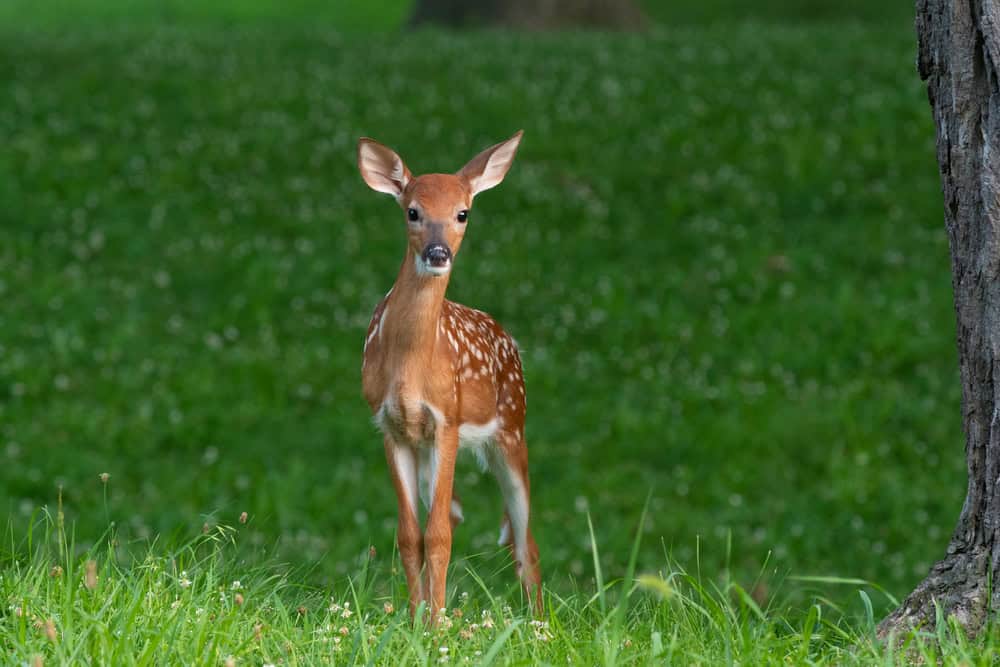
The portrayal of animals in animated films has evolved significantly over decades, with recent productions showing greater commitment to biological accuracy while maintaining entertainment value. Early Disney films like “Bambi” (1942) included groundbreaking animal animation but prioritized storytelling over accuracy. Modern productions like “Finding Dory” (2016) and “The Good Dinosaur” (2015) increasingly employ scientific consultants during production. Pixar’s “Finding Nemo” team famously attended marine biology classes and conducted extensive research to accurately capture underwater movements and environments, even while taking creative liberties with character personalities.
This evolution reflects changing audience expectations and greater public awareness of environmental issues. Production companies now recognize that accuracy can enhance rather than detract from storytelling. Films like “Zootopia” incorporated research on animal locomotion and scale to create a world where differently sized animals could plausibly coexist. DreamWorks’ “How to Train Your Dragon” series, while featuring fictional dragons, based their flight mechanics on detailed studies of bat and bird aerodynamics. This trend toward greater accuracy, even within fantasy narratives, suggests that future animated films may strike a more balanced approach between entertainment and education, potentially reducing the misconceptions that earlier films inadvertently promoted.
Parental Mediation and Critical Viewing

Parents and caregivers play a crucial role in shaping how children interpret animated animal portrayals through a process called mediation. Active mediation—discussing content with children while viewing—helps young audiences develop critical thinking skills about media representations of animals. Research published in the Journal of Children and Media found that children whose parents regularly discussed the differences between animated animals and real wildlife demonstrated more accurate knowledge about animal biology and behavior compared to peers who watched the same content without parental guidance.
Effective mediation doesn’t require extensive scientific knowledge. Simple questions like “Do you think real lions talk to each other like in the movie?” or “What do real penguins eat instead of ice cream?” can prompt children to think critically about media representations. Many educational resources support this process, including companion books that compare animated characters to their real-world counterparts. Organizations like Common Sense Media provide age-appropriate discussion guides for popular animated films, helping parents highlight educational opportunities within entertainment content. This balanced approach allows children to enjoy animated worlds while developing the media literacy skills needed to distinguish fantasy from reality.
Cultural Variations in Animal Representation
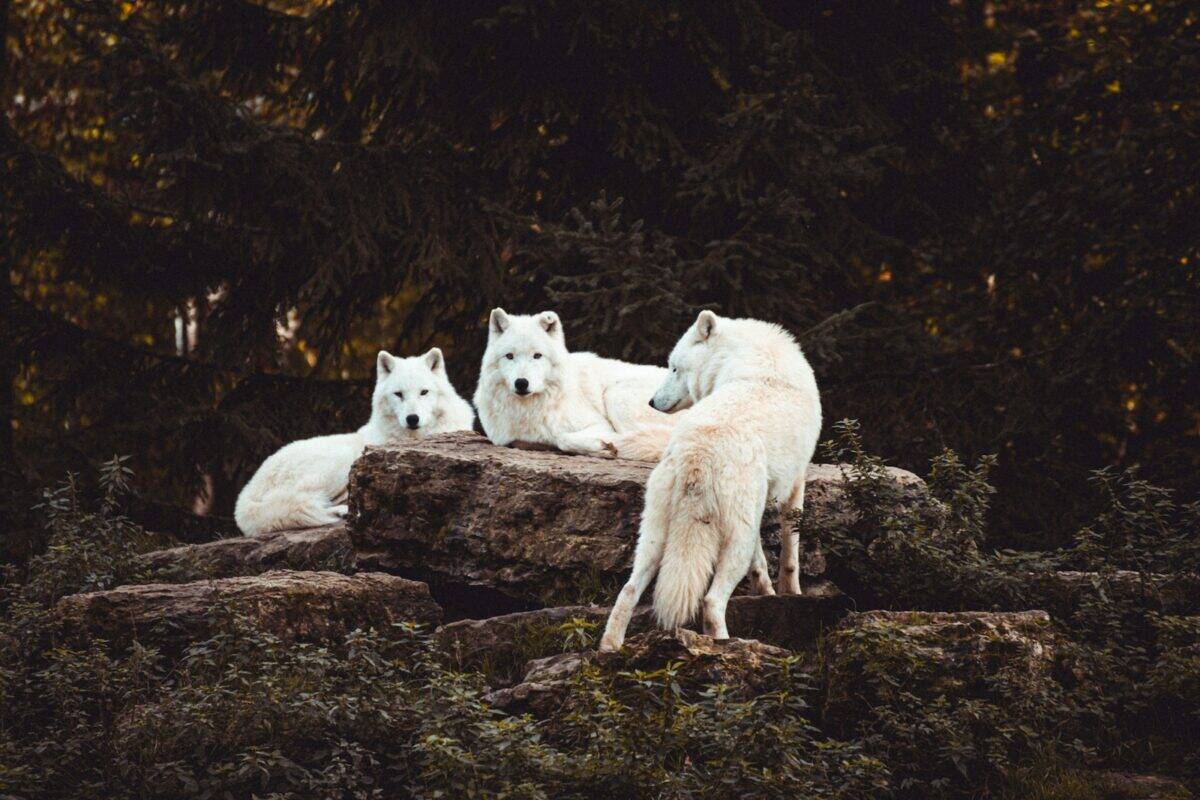
Animal representation in animated films varies significantly across cultures, reflecting different relationships with wildlife and storytelling traditions. Japanese anime often portrays animals with greater ecological accuracy and spiritual significance compared to Western animations. Studio Ghibli films like “Princess Mononoke” and “Pom Poko” present complex ecological messages and portray animals as spiritual beings rather than simply anthropomorphized characters. These cultural differences influence the messages children absorb about human-animal relationships and environmental responsibility.
Indigenous storytelling traditions incorporated into films like “Brother Bear” and “Moana” present animals as spiritual guides and equals rather than subordinates to humans, contrasting with the human-centered hierarchies in many Western animations. Research comparing children’s wildlife perceptions across cultures found that those exposed to diverse cultural representations of animals developed more nuanced understanding of human-wildlife relationships. As global streaming platforms make cross-cultural animated content more accessible, children increasingly encounter varied portrayals of animals, potentially broadening their perspectives beyond any single cultural tradition. This diversity of representation may help counterbalance the misconceptions that might arise from exposure to only one cultural approach to animal storytelling.
The Lasting Impact on Career Choices and Values
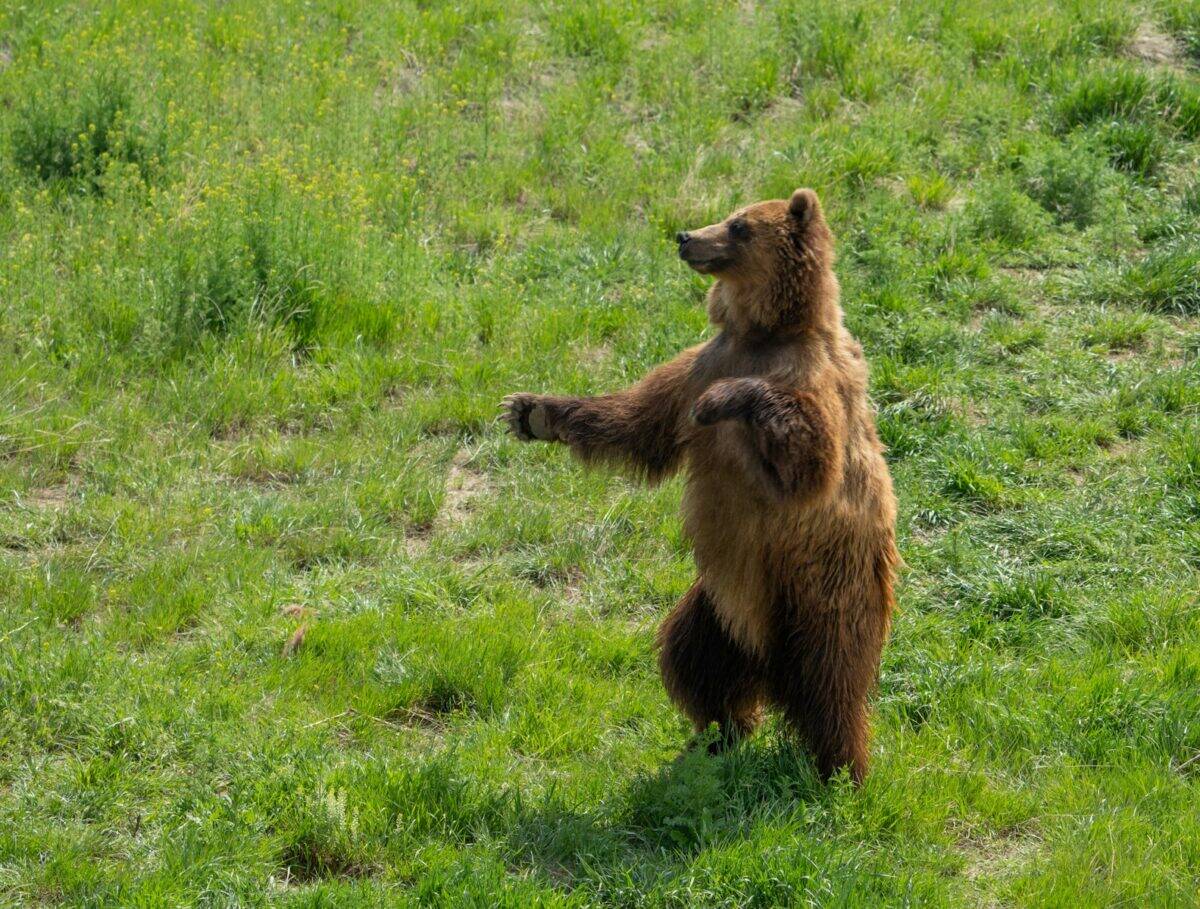
The influence of animated animal films extends far beyond childhood, potentially shaping career aspirations and values into adulthood. Multiple studies have documented the “biophilia pipeline”—the pathway from childhood media exposure to adult environmental careers. Surveys of marine biologists, wildlife conservationists, and veterinarians consistently reveal that animated films featuring animals were significant early influences on their career choices. A 2018 study from the Journal of Environmental Education found that 67% of early-career conservation scientists cited animated animal films as formative influences during childhood.
Beyond specific careers, these films shape broader values regarding animal welfare and environmental stewardship. Research tracking children into young adulthood found that those with higher exposure to pro-conservation animated films showed greater pro-environmental attitudes and behaviors as adults. While scientific inaccuracies in these films may create initial misconceptions, their emotional impact often establishes lasting connections to wildlife that motivate further learning. This suggests that animated films, despite their scientific shortcomings, play valuable roles in cultivating environmental consciousness that can develop into more sophisticated understanding over time. The emotional foundations laid by talking animals in childhood may ultimately support more scientifically grounded environmental commitments in adulthood.
Conclusion: Balancing Entertainment with Accuracy

Animated animal films occupy a unique position at the intersection of entertainment, education, and environmental consciousness. Their profound influence on children’s perceptions of wildlife creates both challenges and opportunities for parents, educators, and filmmakers committed to nurturing accurate understanding of the natural world. While these films inevitably simplify and anthropomorphize animal behavior to tell compelling stories, they simultaneously spark curiosity and emotional connection that can form the foundation for lifelong interest in wildlife conservation.
The ideal approach appears to be one of balance—embracing the wonder and engagement that animated animals inspire while providing context that helps children distinguish between fictional portrayals and biological reality. As animation technology advances and environmental awareness grows, filmmakers have increasing opportunities to create entertaining stories that incorporate greater scientific accuracy without sacrificing narrative appeal. Meanwhile, parents and educators can leverage children’s enthusiasm for animated characters as gateways to deeper learning about actual wildlife.
Perhaps the most valuable outcome isn’t perfect scientific understanding in childhood but rather the development of an emotional connection to animals that motivates ongoing learning throughout life. In this light, animated animals serve as introductory ambassadors to the natural world—simplified and humanized, but nonetheless opening doors to greater understanding of our living planet. When complemented by thoughtful guidance and accurate information, these beloved characters can inspire generations of children to care about and ultimately protect the real animals that share our world.
As we continue to examine how media shapes children’s understanding of nature, the goal should not be to criticize the inevitable simplifications of entertainment but to harness the enthusiasm these films generate toward fostering scientifically accurate, emotionally connected, and environmentally responsible perspectives on the animal kingdom.

From exploring the marine wonders in the Azores and witnessing the vast savannas of Kenya, to delving deep into the rich biodiversity of South Africa and traversing iconic landscapes in Australia and the US like Yellowstone, Chris's experiences are vast.
With a penchant for diving alongside sharks, the ocean holds a special place in his heart.
Through his academic insights, he champions wildlife conservation, striving with 'Animals Around The Globe' to cultivate a profound connection between humans and animals, enhancing our mutual appreciation.
Connect with him at Feedback@animalsaroundtheglobe.com.
- The Largest Clam Ever Dredged Up From U.S. Waters - July 22, 2026
- How Animated Films Shape What Kids Believe About Animals - July 22, 2026
- The Most Iconic Animals Saved from Extinction in the U.S. - July 22, 2026
Leave a comment
You must be logged in to post a comment.