
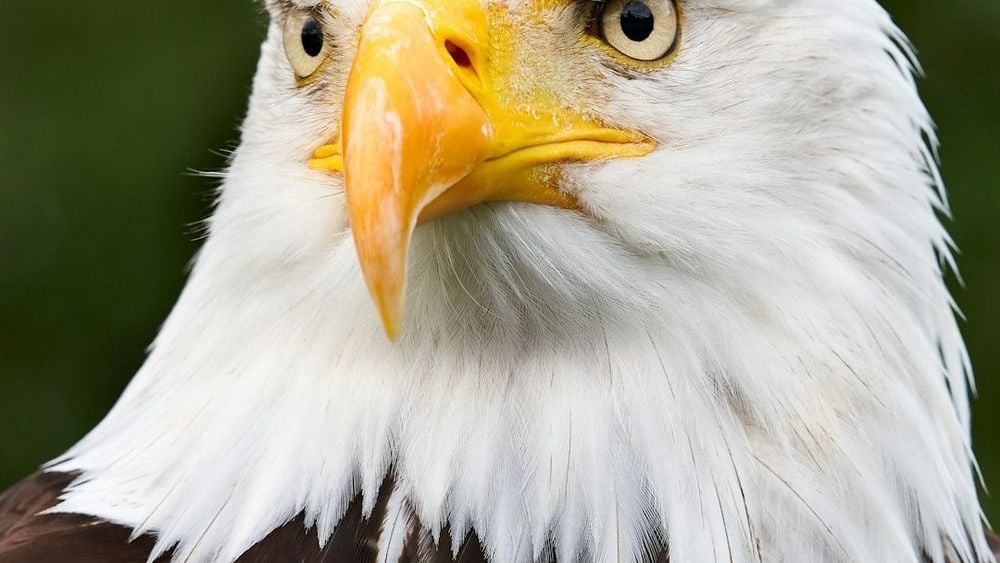
The spiritual world of Native American tribes pulses with an energy that modern society struggles to comprehend. Imagine walking through a forest where every rustling leaf carries a message, where eagles soar as divine messengers between realms, and where the buffalo thundering across plains represents not just sustenance but sacred abundance itself.
For centuries, indigenous peoples across North America have maintained profound connections with animal spirits, viewing them not as mere creatures but as sacred guides, teachers, and protectors. A totem is a spirit being, sacred object, or symbol of a tribe, clan, family, or individual. Some Native American tribes’ tradition provides that each person is connected with nine different animals that will accompany them through life, acting as guides.
These relationships run deeper than folklore or superstition. They form the very foundation of tribal identity, social structure, and spiritual practice. From the wolf clans of the Cherokee to the sacred buffalo of the Lakota, these totem animals embody the values, wisdom, and survival knowledge that sustained entire civilizations through countless generations. Let’s explore ten remarkable tribes and their most sacred animal totems.
Cherokee Nation and the Wolf Spirit
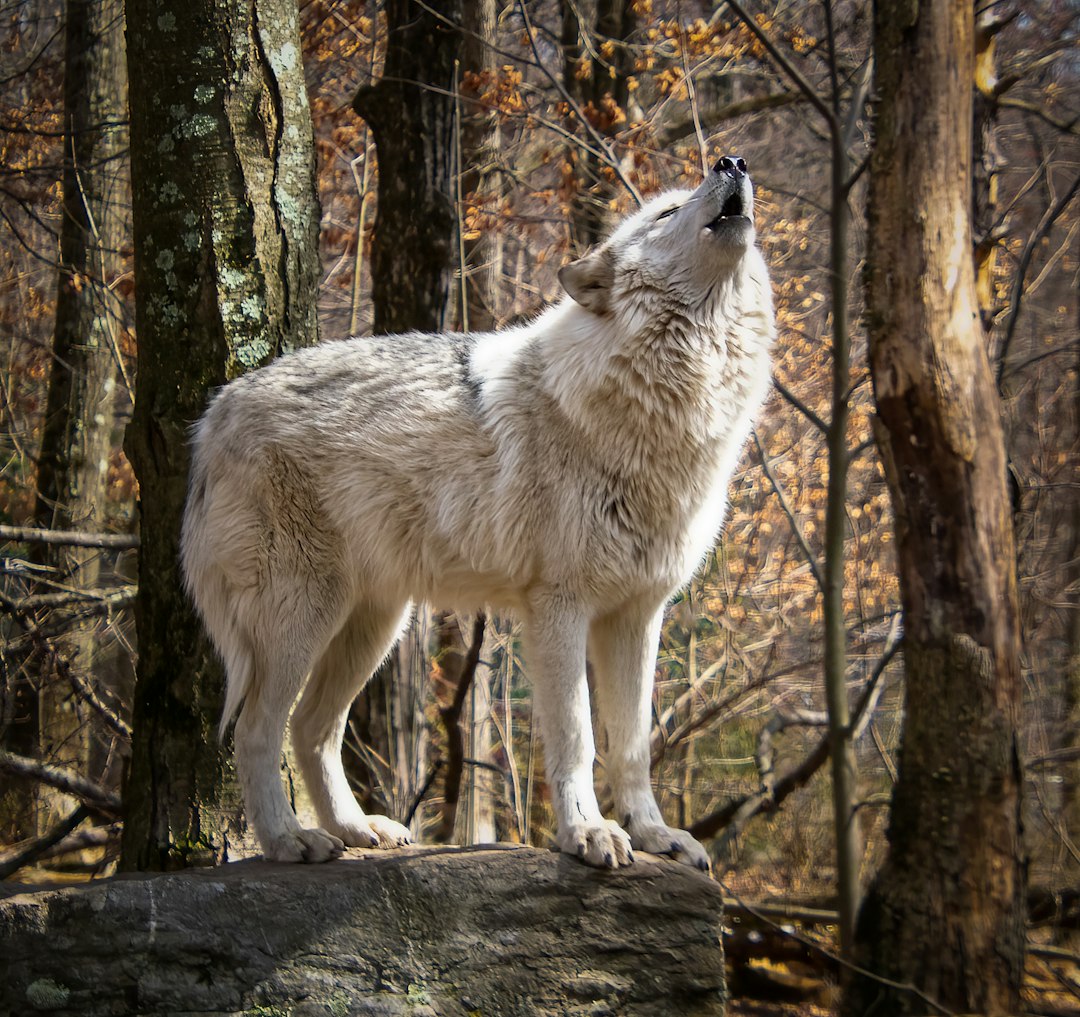
The Cherokee people’s relationship with the wolf transcends mere admiration, creating one of the most profound spiritual bonds in Native American culture. Cherokee Wolf Clan (Aniwaya) – largest clan, provided war chiefs, and regarded wolves as protectors. Only Wolf Clan members could kill a wolf, that too with proper ceremony and “wolf medicine,” showing reverence.
Wolf spirits guided Cherokee warriors in battle and whispered wisdom to clan leaders during council meetings. The wolf often embodies the very virtues a community prizes: for the Cherokee it was protection and leadership. The wolf often embodies the very virtues a community prizes: for the Lakota it was spiritual power and fortitude; for the Cherokee it was protection and leadership; for countless others it is wisdom, courage, and familial love. The Cherokee understood that wolves never abandoned their pack members, making them perfect symbols of loyalty and communal strength.
Lakota Tribe and the Sacred Buffalo
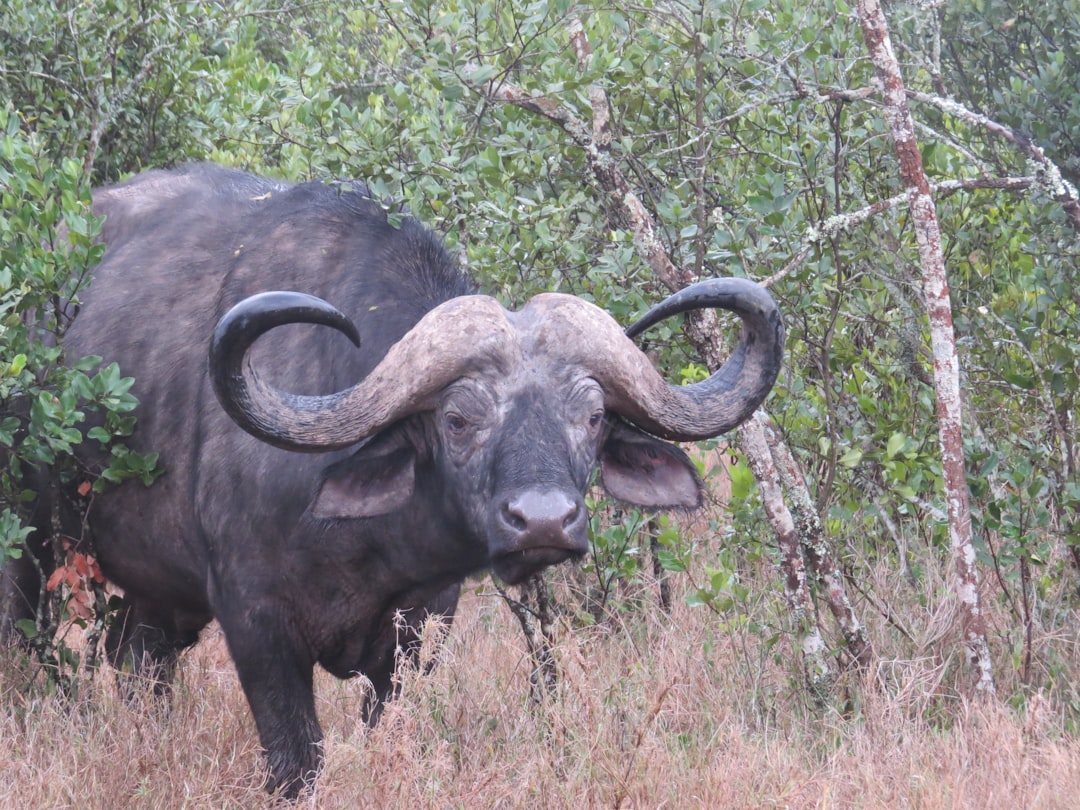
Among all sacred animals, perhaps none holds greater spiritual significance than the buffalo in Lakota culture. Being closely tied to nature and all living things, the Lakota believed strongly in animal powers and the supernatural, with observance of animal behavior incorporated into everyday life, creating a belief system that protected all who sought their animal powers. The buffalo represented far more than physical sustenance.
According to tribal tradition, the White Buffalo Calf Woman taught the people many survival skills, educated them about civilization and spiritual rituals and ceremonies, most importantly, she bestowed the “sacred peace pipe” to the Lakota people. The buffalo represents the very essence of abundance and spiritual strength that sustained the Plains tribes through generations. Even today, spotting a rare white buffalo is considered one of the most sacred omens possible.
Ojibwe Nation and the Wise Turtle

The term totem was introduced to the English language in the 1700s and means “his sibling kin, his group or family” in Ojibwe. This tribe of Indigenous people likely used the word ototeman to describe a carved animal or object that represented a family or clan. The Ojibwe people chose the turtle as one of their most significant clan animals for deeply meaningful reasons.
Many Native American creation stories feature the turtle as the foundation of the world. The belief is that we are riding on the back of a turtle. Representing patience, perseverance, and stability, the turtle is seen as a protector of the land and a symbol of longevity. The Native American creation story of North America (Turtle Island) describes how the Great Spirit created the East Coast tribes’ homeland on the back of a giant turtle, with the shape of North America believed to resemble the shell and legs of a turtle.
Iroquois Confederation and the Mighty Bear
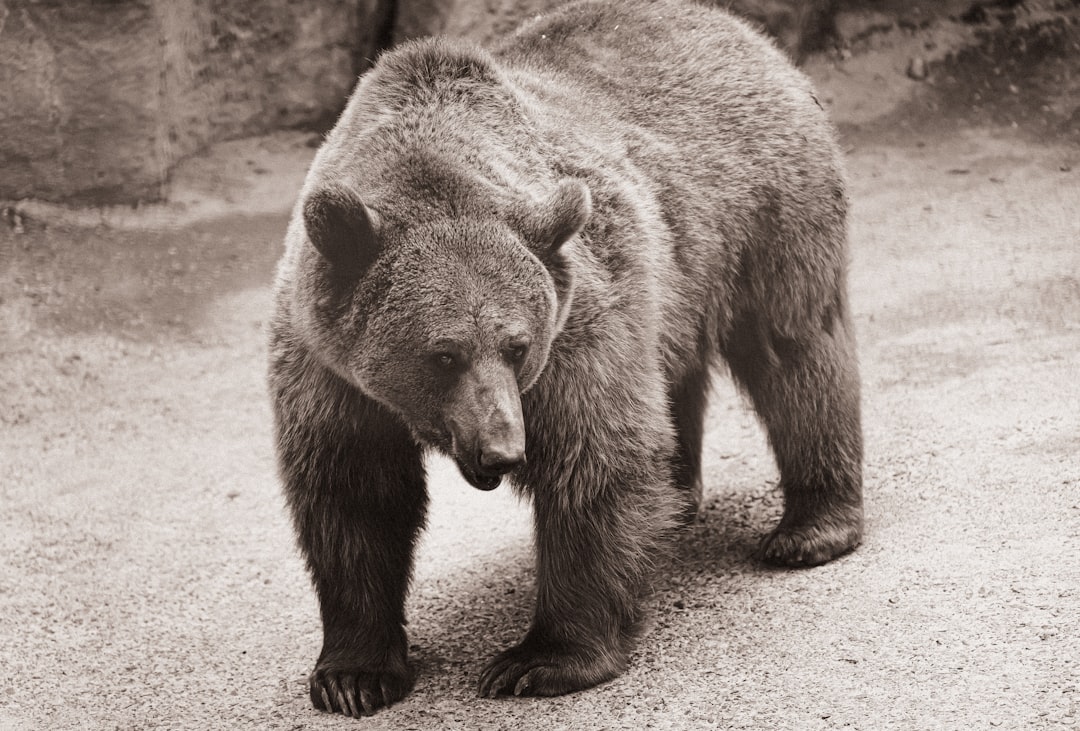
The bear holds tremendous spiritual importance within the Iroquois Confederacy, representing healing power and maternal protection. For tribes like the Iroquois and Ojibwe, clan totems – such as the Bear, Wolf, Turtle, or Crane – formed the bedrock of their social, political, and spiritual organization. The Bear Clan, for instance, might be associated with healing and protection, while the Wolf Clan might be responsible for hunting and warfare, and the Turtle Clan for wisdom and long-term planning.
The bear is revered as a powerful guardian and healer. Often associated with courage and endurance, bear is believed to provide protection and spiritual guidance. Many tribes view the bear as a medicine animal, symbolizing the power of introspection and healing. Iroquois shamans often called upon bear spirits during healing ceremonies, believing the bear’s strength could drive away illness and negative energy.
Apache Warriors and the Sacred Eagle
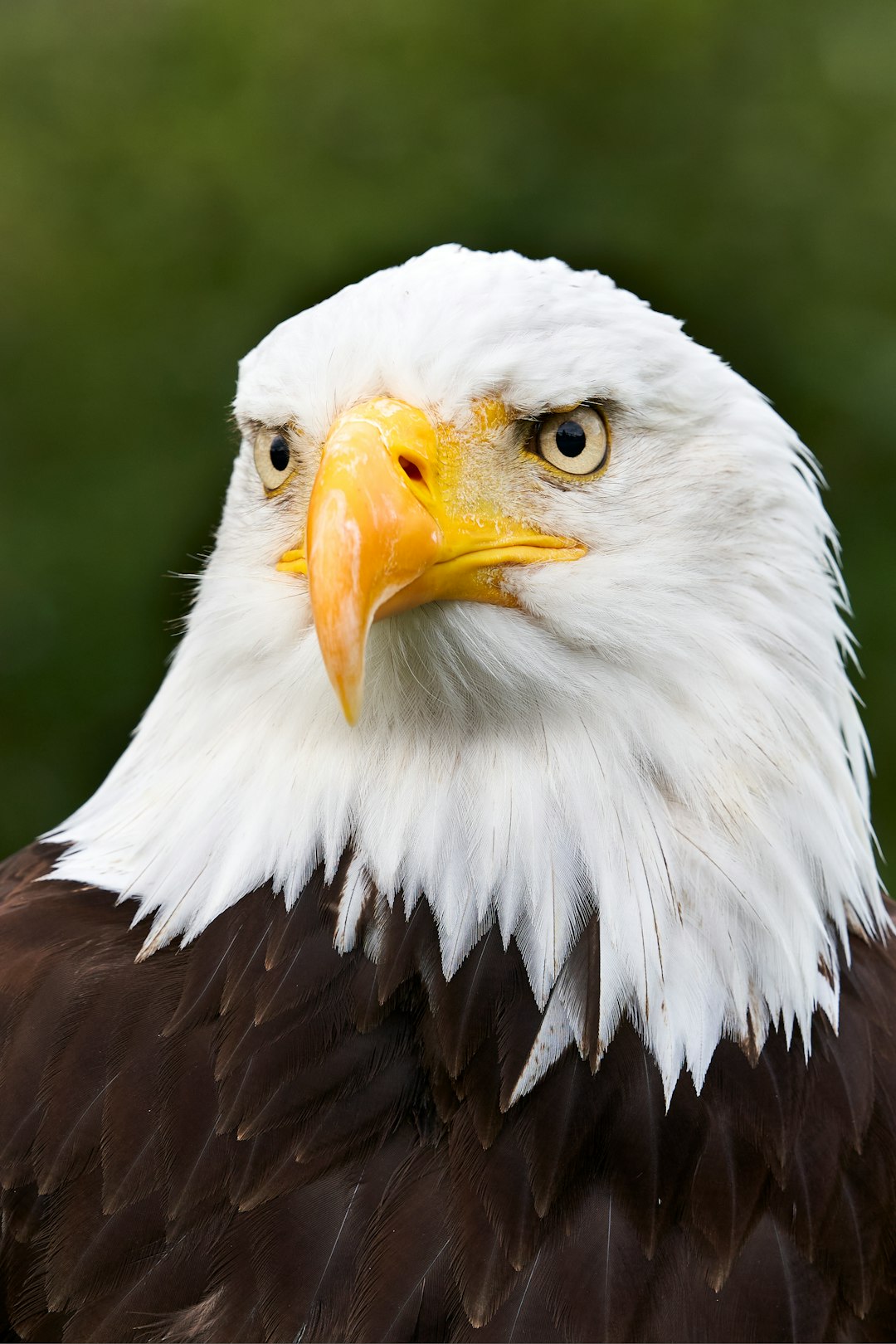
Soaring high above desert mesas and mountain peaks, the eagle serves as the Apache people’s most sacred messenger to the Great Spirit. The eagle is one of the most sacred animals in Native American culture, symbolizing a connection to the Great Spirit. Eagles fly high above the earth, acting as messengers between the physical and spiritual worlds. Their feathers are used in ceremonies as symbols of honor and divine wisdom.
Apache warriors treasured eagle feathers above all other possessions, earning them through acts of extraordinary bravery or spiritual devotion. Each feather told a story of courage, and wearing them connected the warrior directly to the eagle’s fearless spirit. The Apache believed that eagles could carry their prayers to the highest heavens, making them indispensable spiritual allies.
Navajo People and the Protective Coyote
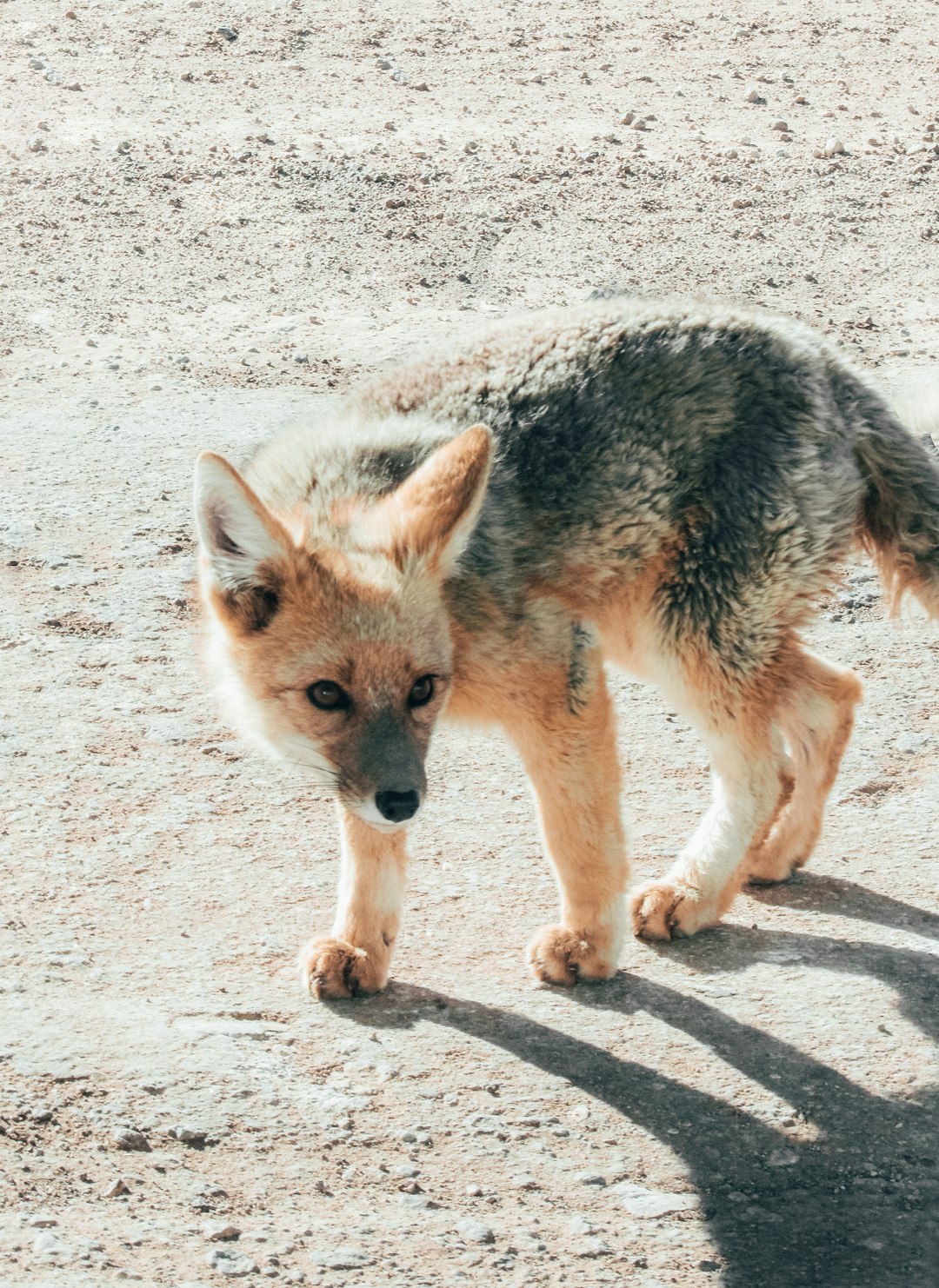
Within Navajo tradition, the coyote occupies a unique position as both trickster and protector. In many tribal myths, the coyote is a trickster figure who teaches through mischief and humor. Though unpredictable, the coyote’s lessons remind us to remain adaptable and find wisdom in unexpected places. This complex relationship reflects the Navajo understanding that wisdom often comes through challenging experiences.
Coyote stories fill Navajo oral tradition, teaching important lessons about resourcefulness, cunning, and survival in harsh desert environments. The coyote’s ability to thrive anywhere made it a perfect guide for a nomadic people who needed adaptability above all else. Even when coyote’s tricks backfire in stories, the lessons learned prove invaluable for human survival.
Hopi Tribe and the Sacred Snake

The Hopi people of the Southwest maintain one of the most fascinating relationships with snakes in all of Native American culture. The Hopi people particularly revered the snake’s connection to water and rain ceremonies. In Native American astrology, people born during the sign of the snake often become tribal shamans, with the snake representing both the mundane and spiritual aspects of life – a bridge that the Shaman must walk between to serve the tribe.
The snake is associated with transformation and healing, and as it sheds its skin, it symbolizes renewal and personal growth, with some tribes seeing the snake as a guardian of sacred knowledge and medicine. Some tribes see the snake as a guardian of sacred knowledge and medicine. The famous Hopi Snake Dance ceremony honors these serpentine spirits, calling upon them to bring life-giving rains to their desert homeland.
Chippewa Nation and the Industrious Beaver
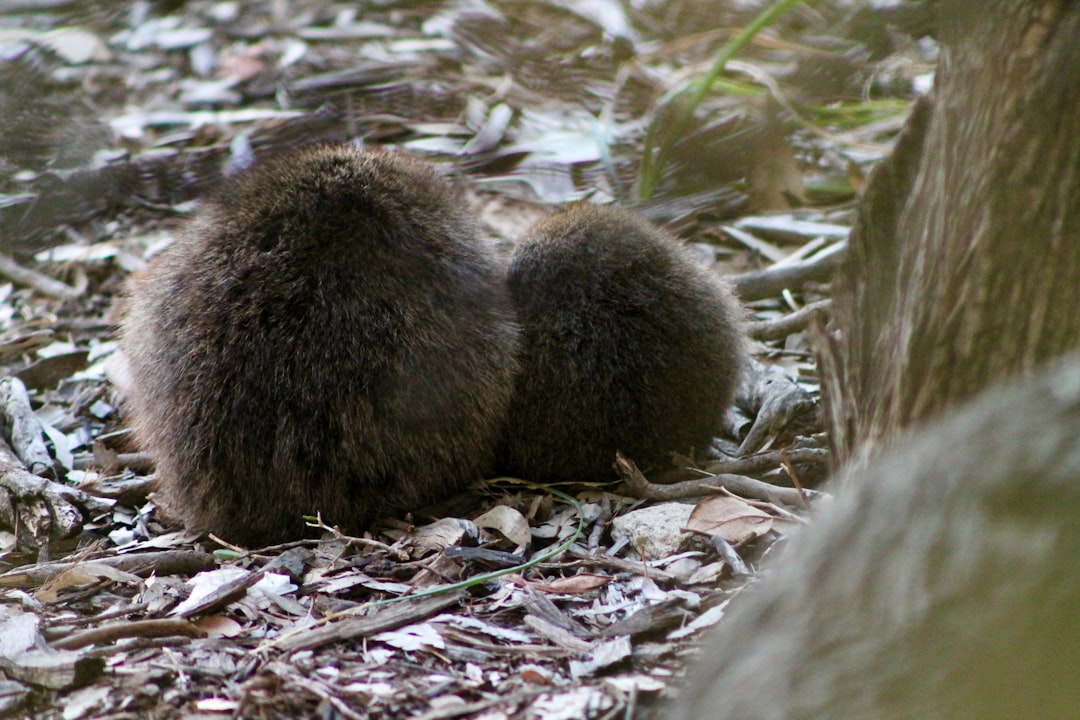
Various tribes have Beaver as a totem including the Muskogee, Chippewa and Iroquois. Various tribes have Beaver as a totem including the Muskogee, Chippewa and Iroquois. The Chippewa people especially valued the beaver’s incredible engineering abilities and strong family bonds. As an animal spirit Native American lore reveals the beaver as a mover and shaker. This creature represents sagacity and success in the hunt.
Beaver clans within Chippewa society often took responsibility for construction projects and community planning. The lesson you can learn from the beaver is not to be prideful, but to strive to build things in life that will make it a better world. If beaver comes into your life, the message is one of cooperation. The beaver’s dam-building skills taught valuable lessons about working together for the common good.
Menominee Nation and the Ancient Sturgeon

Certain Native American tribes like the Menominee have spring rituals honoring this fish, and the Ojibwe tribe has a sturgeon clan, with both these settings having the sturgeon represent vitality and long life even in the face of hardship. The Menominee developed elaborate ceremonies honoring the sturgeon’s return each spring to their rivers. These ancient fish, some living for over a century, became symbols of ancestral memory and the continuity of tribal knowledge.
The sturgeon’s bottom-feeding habits taught lessons about humility and finding nourishment even in difficult circumstances, values that sustained the Menominee through challenging historical periods. The sight of massive sturgeon returning to spawn each spring reminded the Menominee that persistence and patience ultimately triumph over hardship.
Pueblo Clans and the Desert Creatures
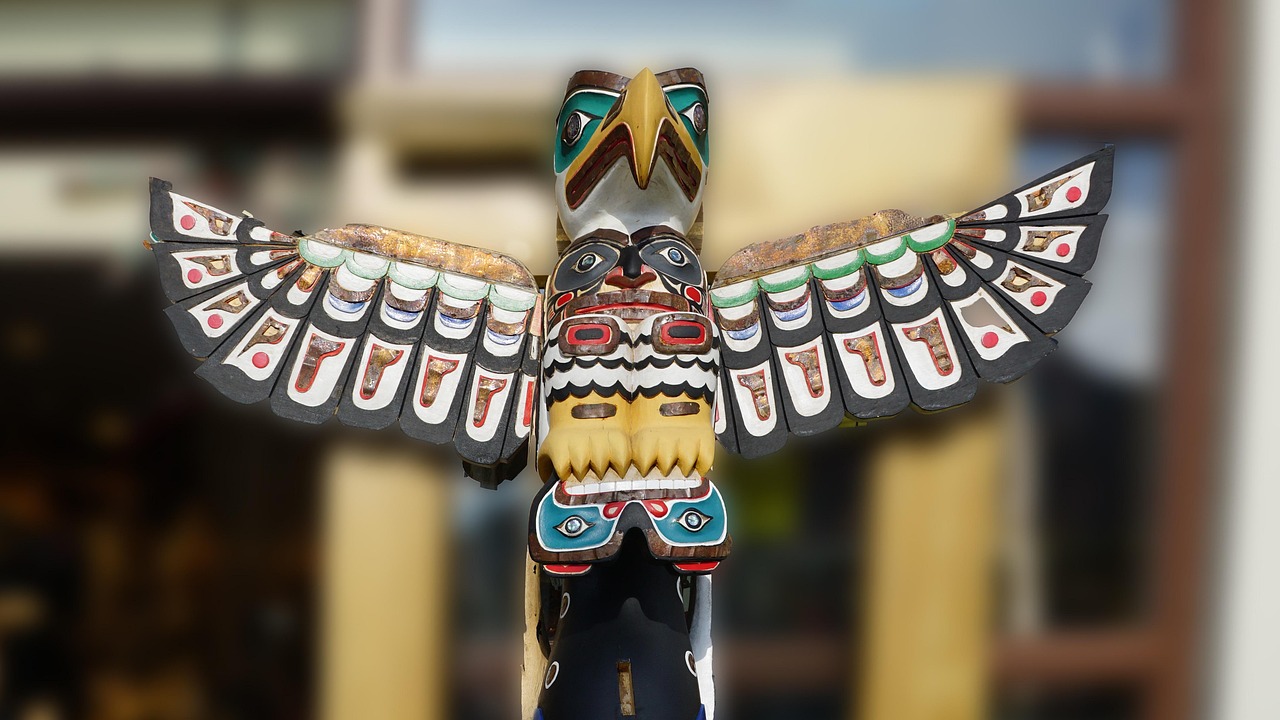
The Pueblo peoples of the Southwest also utilize animal totems in their complex societal structures, with clans like the Sun, Water, Corn, and various animal clans (e.g., Bear, Badger, Coyote, Eagle) dictating roles in ceremonial life and daily governance. Each Pueblo village contains multiple clans, with animal totems playing crucial roles in maintaining social harmony and spiritual balance.
Desert animals like the badger teach persistence in digging for scarce resources, while the roadrunner demonstrates speed and cleverness in avoiding predators. Many tribes, including the Hopi Zuni, and Navajo create pottery adorned with animal motifs. Animals like the turtle, lizard, and hummingbird are often painted onto ceramics, representing spiritual protection and nature’s cycles. These totems helped Pueblo communities thrive in one of North America’s harshest environments.
Conclusion
The sacred bond between Native American tribes and their animal totems reveals a profound wisdom that transcends simple belief systems. At the heart of animal totem beliefs lies a profound reverence for the natural world. Native American philosophies often emphasize the interconnectedness of all life, viewing humans not as superior to other creatures, but as part of a grander web. Animals are not merely resources but teachers, relatives, and fellow inhabitants of a sacred Earth.
These relationships shaped not only spiritual practices but entire social structures, governing everything from marriage alliances to leadership roles. The Native American perspective, which sees animals as spiritual guides and integral parts of a sacred ecosystem, offers a powerful message about stewardship, respect, and the vital importance of living in balance with the Earth.
In our modern world, where disconnection from nature grows ever deeper, these ancient teachings offer invaluable guidance. Perhaps it’s time we remembered that we too are part of this grand web of life, with much to learn from our animal relatives. What do you think about these profound connections between humans and animals? Tell us in the comments.

- What Guardian Dog Breed Are You According to Your Zodiac Sign - August 9, 2026
- Animal Science Says Chimpanzee Grooming Builds Alliances as Much as It Removes Dirt - August 9, 2026
- The Real Animals That Inspired Disney Sidekicks - August 9, 2026