
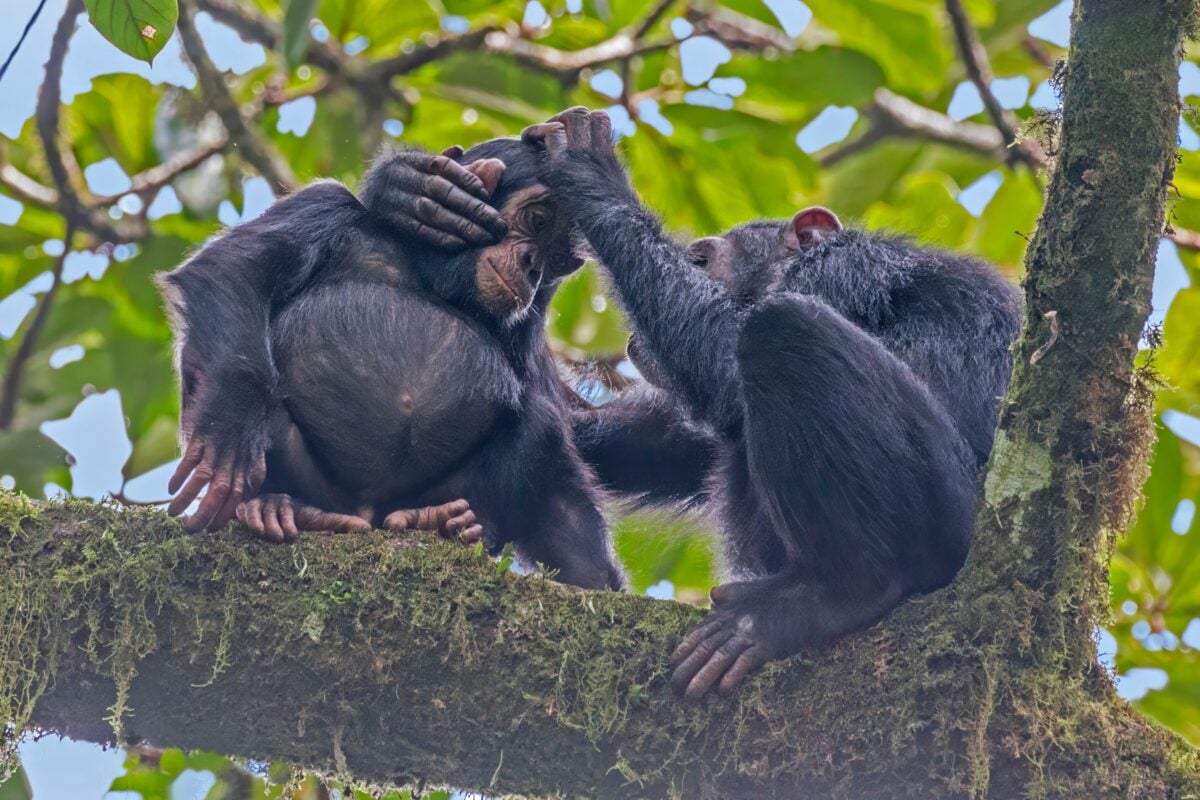
Walk past a chimpanzee troop on a quiet afternoon and you will likely see pairs sitting close together, one running careful fingers through the other’s fur while both look almost half asleep. It looks like basic upkeep, the kind of thing any animal does to stay clean. Yet researchers who have spent decades watching these sessions unfold in places like Uganda’s Budongo Forest and Tanzania’s Gombe National Park keep landing on a different conclusion: the fur is almost beside the point.
What actually happens during those long, patient sessions turns out to be closer to relationship maintenance than personal hygiene. Hormones shift, alliances form, and social debts get paid off, all while a chimp appears to be doing nothing more than picking through a friend’s shoulder fur. The science behind this quiet ritual is more layered than most people would guess.
#1 Grooming Eats Up an Enormous Share of the Chimpanzee Day
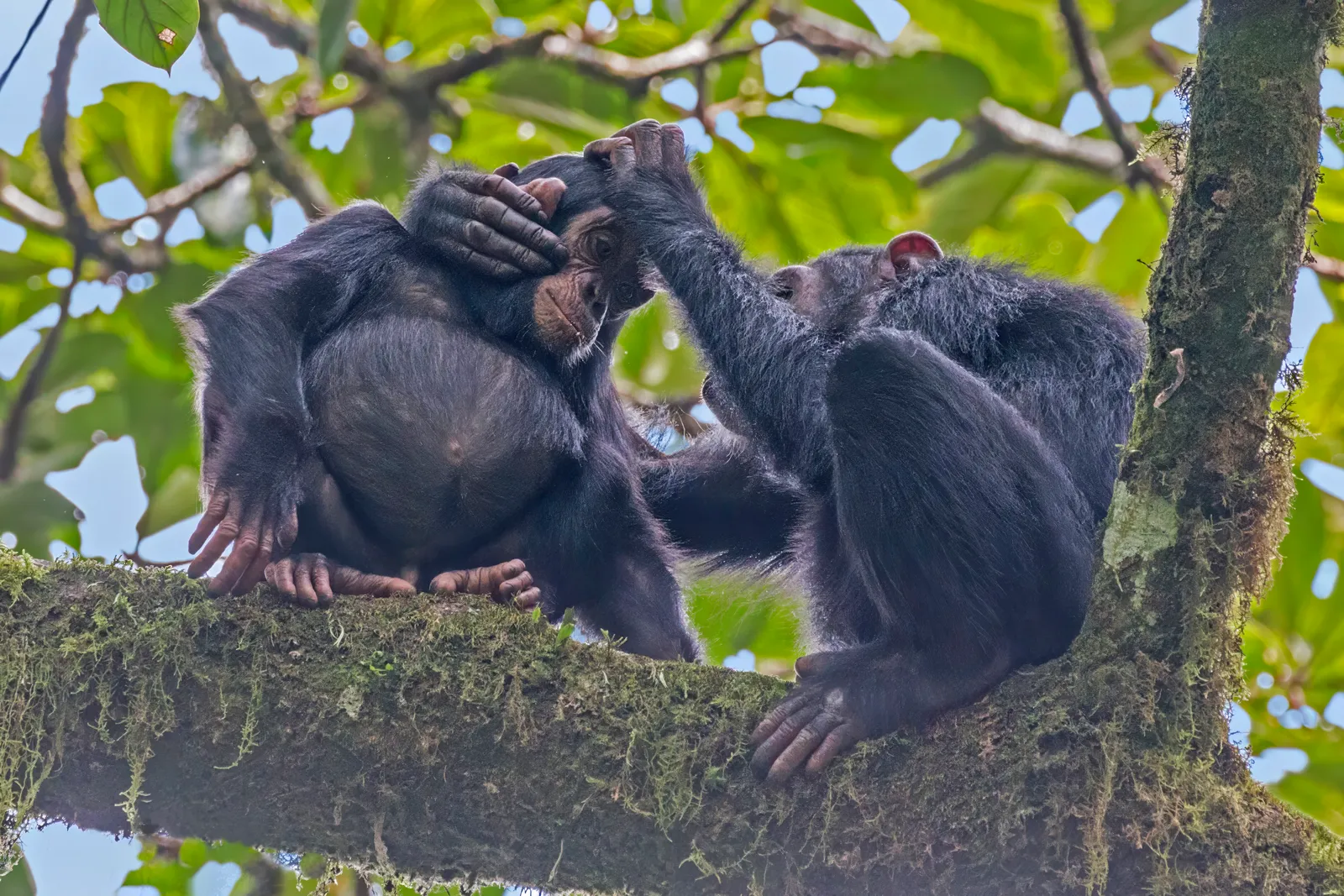
Chimpanzees do not groom occasionally. It is one of the defining activities of their waking hours, and researchers studying primate social networks have found that grooming is one of the primary mechanisms that primates use for creating and maintaining social bonds, which can account for up to 20% of their total daytime activity budget. That is a striking commitment of time for any animal, especially one that also needs to eat, travel, and rest.
The pattern gets even more telling when you compare groups of different sizes. The amount of time primates spend grooming is positively related to group size, suggesting that when groups are large, primates have to spend more time maintaining their social relationships than in small groups. If grooming were purely about cleanliness, group size should not matter much. The fact that it does points toward something social happening underneath all that fur handling.
#2 The Hygiene Function Is Real, Just Not the Whole Story
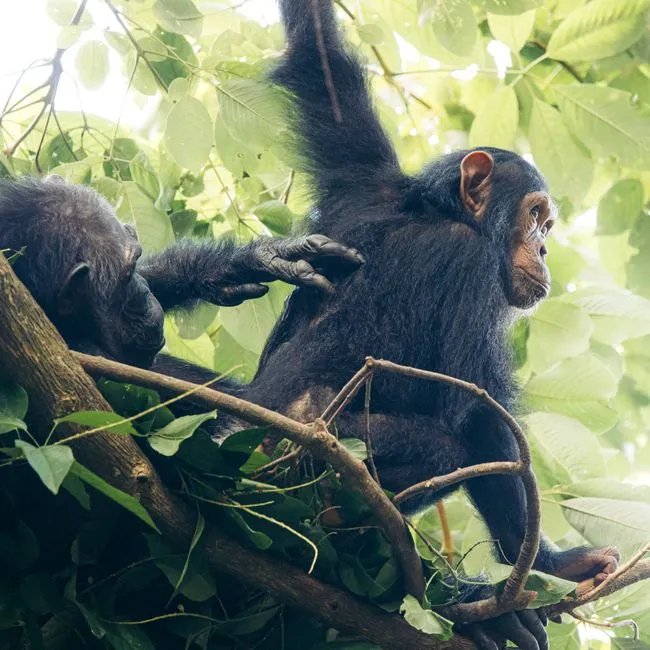
None of this means grooming has nothing to do with cleanliness. Researchers studying wild male chimpanzees note that grooming provides the recipient with a variety of benefits including hygiene, stress reduction, and thermoregulation, while the groomer endures possible energetic and opportunity costs. Removing ticks, dirt, and dead skin genuinely matters for an animal living outdoors in dense forest.
There is even evidence that grooming helps with injuries. Studies on wild primates have found that individuals receiving higher levels of grooming exhibit fewer infected wounds, as the behavior removes dirt, debris, and potential pathogens from open lesions. So the cleaning function is not a myth. It is simply not the reason grooming has become such an elaborate, time consuming, socially loaded behavior among chimpanzees.
#3 Oxytocin Turns a Simple Touch Into a Trust Signal
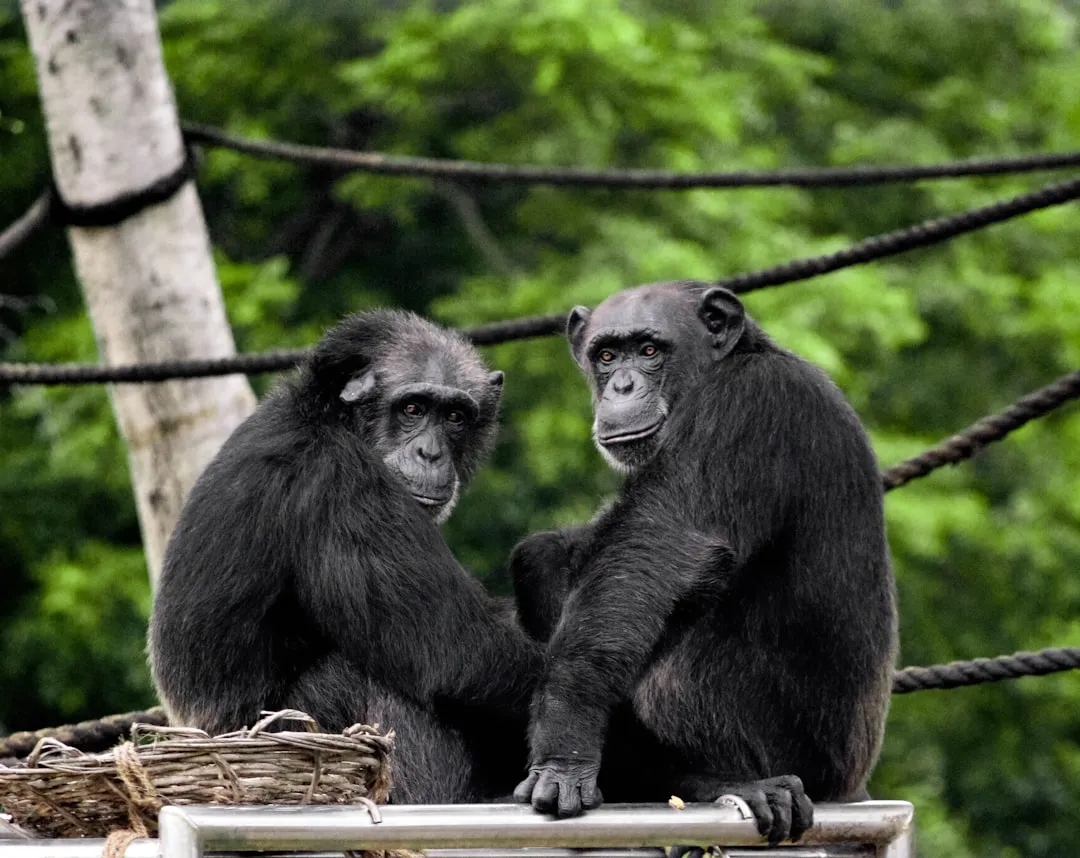
The clearest evidence that grooming is doing something beyond hygiene comes from hormone data. Researchers at the Max Planck Institute for Evolutionary Anthropology collected urine samples from wild chimpanzees in Budongo Forest and found that oxytocin levels rose noticeably after grooming, but only under specific conditions. Oxytocin levels were higher after grooming with cooperation partners compared with non-cooperation partners or after no grooming, regardless of genetic relatedness or sexual interest.
What makes this finding stand out is what did not matter. The researchers found that the animal’s sex or age, grooming duration and other factors did not have a significant influence on urinary oxytocin levels. The one thing that consistently predicted a hormone spike was whether the groomed partner was a genuine bond partner, kin or not. That is a strong hint that the brain is tracking relationships, not just skin condition.
#4 Grooming Lowers Stress Hormones and Buffers Everyday Life
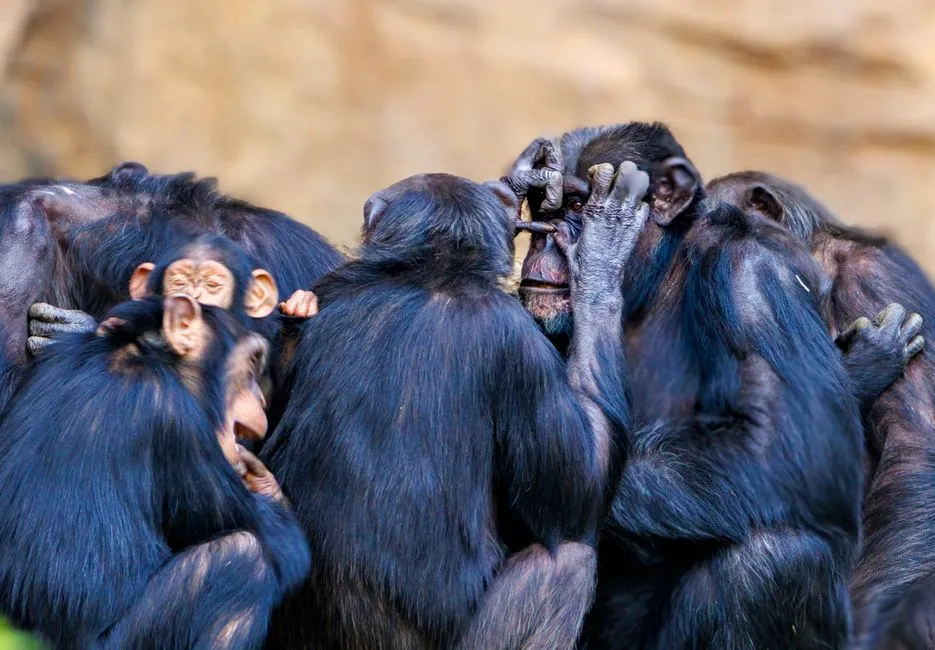
Beyond the pleasant hormone boost, grooming appears to have a calming, almost medicinal effect on stress physiology. A later study from the same research group tracked glucocorticoid levels, the body’s stress hormone signature, and found that grooming with a bond partner was associated with higher urinary oxytocin levels compared with grooming with a non-bond partner or periods of resting, independent of whether subjects were giving or receiving grooming.
The broader takeaway from that research was that social partners help chimpanzees cope with daily life, not just crisis moments. The stress reducing effects of social bonds accrue across daily affiliations, and the presence of social partners reduces levels of stress hormones in wild chimpanzees beyond stressful contexts. In other words, having a grooming partner to lean on seems to function a bit like having a steady friendship does for people, lowering baseline tension rather than only rescuing you during a crisis.
#5 Rank Shapes Who Grooms Whom, and Why
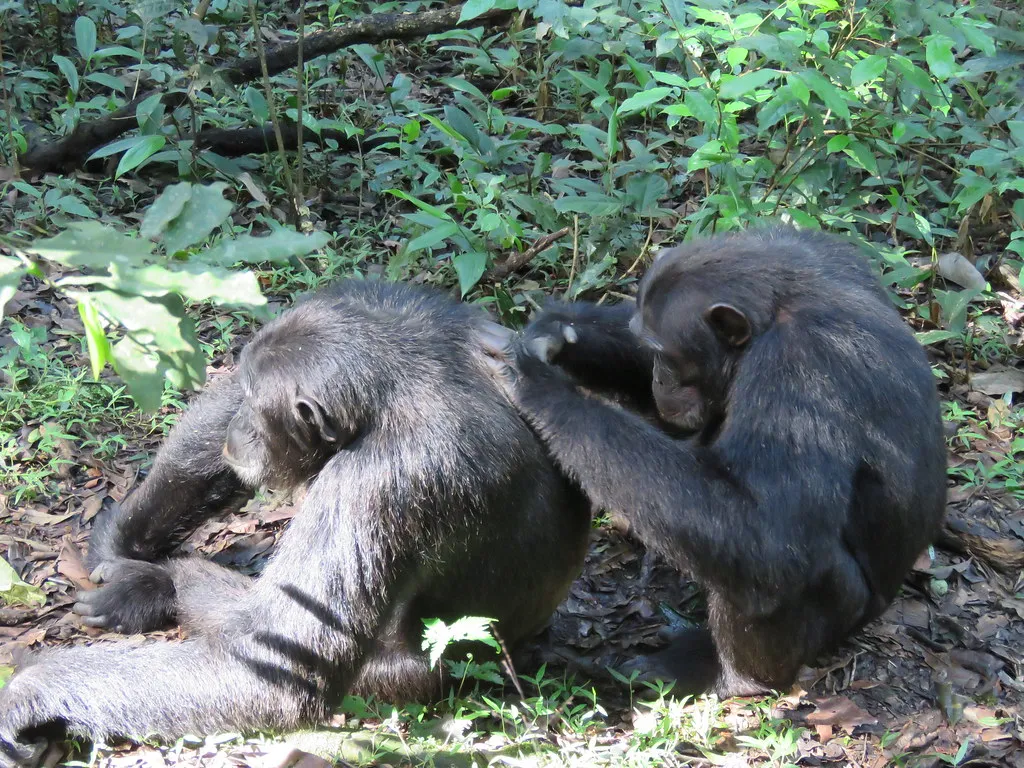
Chimpanzee society runs on hierarchy, and grooming reflects that structure closely. Fieldwork from Budongo Forest found that grooming plays a key role in chimp interactions as it helps reduce stress and remove parasites, and within chimp groups lower ranking members often groom higher ranking members in the hope of receiving benefits such as protection and acceptance.
High status individuals get a physical payoff from all that attention too. Research on males at Ngogo in Kibale National Park found that high ranking males received more grooming than low ranking males, and separate analysis suggests high ranking males can expect substantial anti parasite benefits by being groomed often and thoroughly, which may help offset the damaging effects of high testosterone on their immune systems. Being popular, it turns out, comes with real biological upside.
#6 Mutual Grooming Signals Serious Commitment
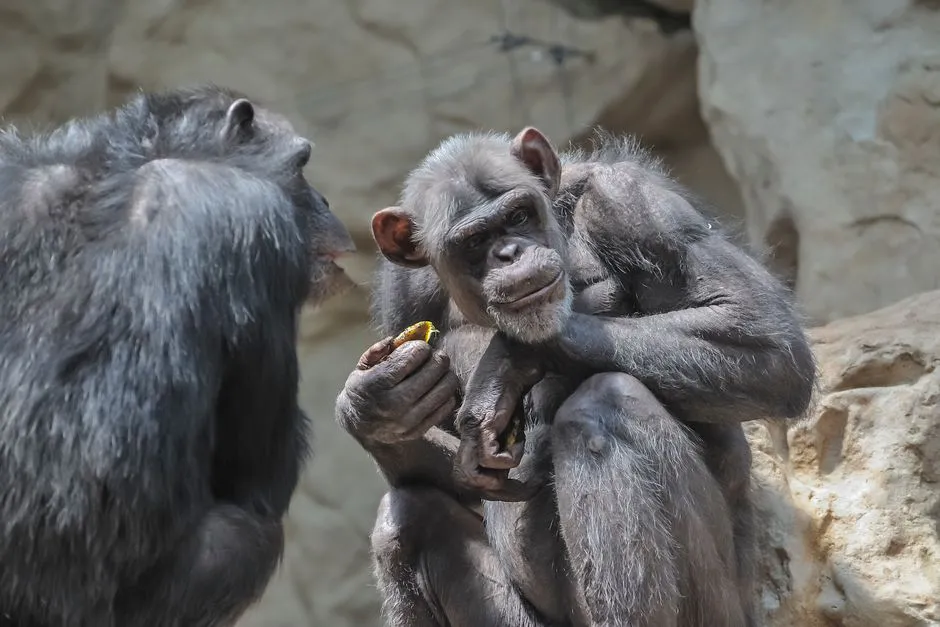
Chimpanzees have a curious habit that few other primates share: grooming each other at the same time rather than taking turns. Researchers studying this behavior describe it as unusually common in this species and suggest bi directional or simultaneous mutual grooming is unusually common among chimpanzees, though rare in other primates, and might be an especially strong indicator of social bonding.
A separate long term study of wild male chimpanzees offers a related idea, proposing that chimpanzees engage in mutual grooming to signal investment in a grooming bout, meaning it functions as a signal to indicate willingness to invest in and continue the grooming session. Either way, the pattern suggests that when two chimps groom each other simultaneously, something more deliberate is happening than routine cleaning. It reads almost like a handshake that says both parties are equally committed to the exchange.
#7 Grooming Builds the Coalitions That Help Males Rise in Rank
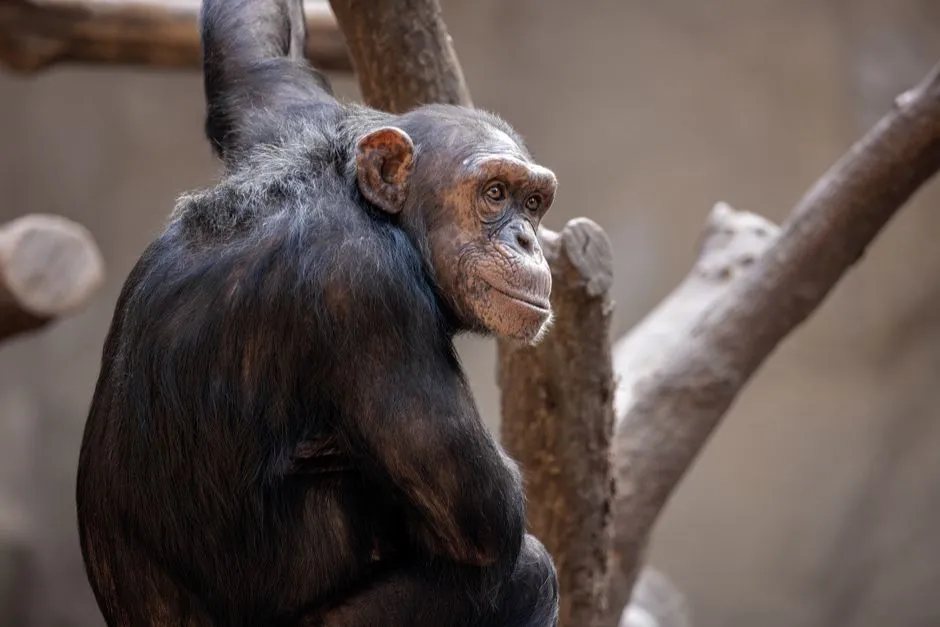
For male chimpanzees, grooming is not just pleasant, it is strategic. A long running study at Gombe National Park using both behavioral and genetic data found that social bonds increased fitness in several ways, with subordinate males that formed strong bonds with the alpha male having higher siring success, and males with larger networks of strong bonds also having higher siring success.
Those bonds do not appear out of nowhere. They get built and maintained largely through grooming, and the payoff extends into actual political maneuvering. The same research found that bonds predicted coalition formation and centrality in the coalition network, and male ties influenced fitness via improved dominance rank for males that attain alpha status. A separate captive study reinforces the point, noting that in periods with a clear alpha male position, males supported more often those they groomed more frequently, suggesting a social bond. Grooming, in this light, looks a lot like political networking with fur instead of handshakes.
#8 Friendly Behavior Spreads Through the Group Like a Social Signal
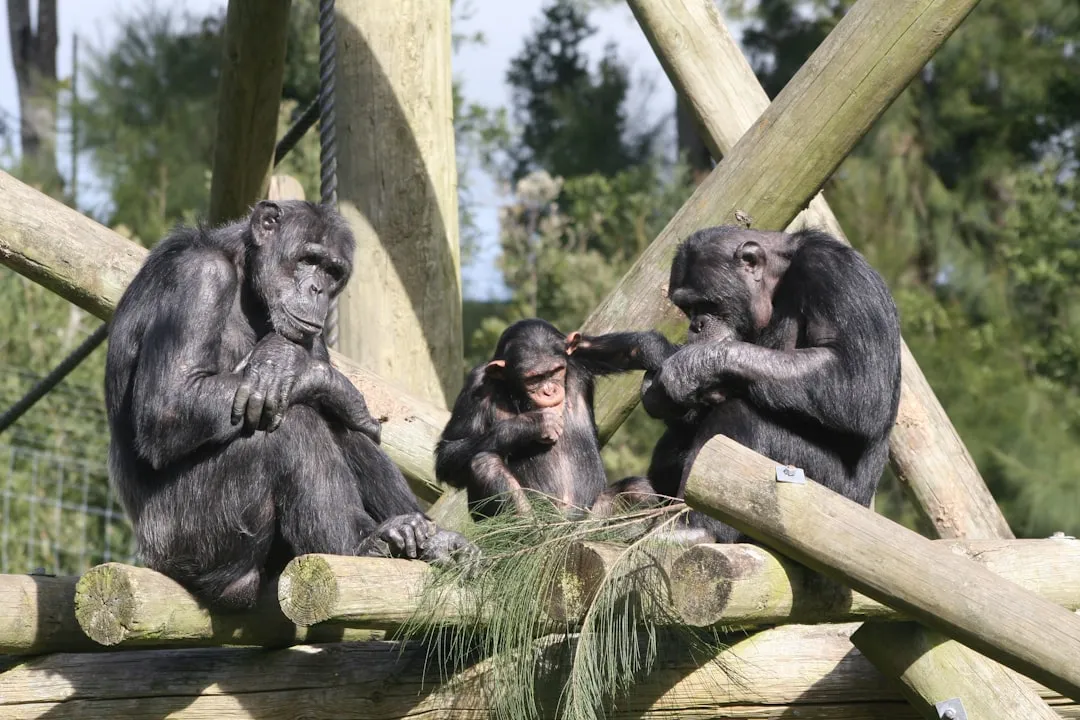
Grooming does not just strengthen the bond between two individuals. It seems to ripple outward through the group. A 2024 study on behavioral contagion found that affiliative behaviors such as grooming and play were contagious among chimpanzees, spreading within the group after observation, with grooming contagion more likely to occur between socially close individuals.
Researchers involved in that work suggested the pattern hints at something deeper about the roots of empathy. According to the university team behind the study, chimpanzees were more likely to mimic grooming behavior when they had close social bonds with the individual they observed, reinforcing friendships. Watching a friend groom someone else, apparently, can nudge a chimpanzee to go groom a friend of their own. It is a small, almost domestic detail, yet it suggests grooming operates as a kind of social contagion that keeps goodwill circulating through the group.
The Bigger Picture Behind All That Fur Picking
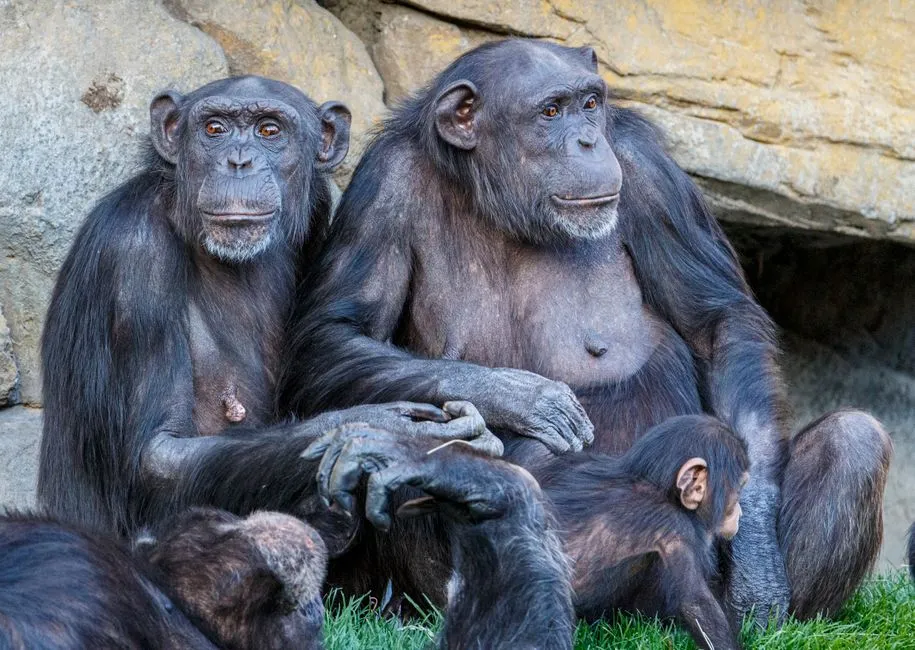
Step back far enough and grooming starts to look less like a chimpanzee quirk and more like a preview of something distinctly human. Anthropologist Robin Dunbar has long argued that among apes and monkeys, grooming is not just a matter of hygiene, but is about cementing bonds, making friends, and influencing fellow apes, and that early humans eventually swapped hours of mutual grooming for something more efficient: conversation. Gossip, by that reasoning, is simply grooming that evolved a voice.
I find that comparison genuinely persuasive, and not just as a clever metaphor. The hormone data, the coalition politics, the contagious spread of friendly behavior through a group, none of it reads like an animal fussing over dirt. It reads like a society running its social maintenance through touch because it has not yet invented small talk. Chimpanzees picking through each other’s fur are doing something we would recognize instantly if we saw it happen over coffee instead of canopy branches: checking in, staying close, and quietly deciding who they can count on.

- What Guardian Dog Breed Are You According to Your Zodiac Sign - August 9, 2026
- Animal Science Says Chimpanzee Grooming Builds Alliances as Much as It Removes Dirt - August 9, 2026
- The Real Animals That Inspired Disney Sidekicks - August 9, 2026