
Worried about unexpected vet bills?
Pet insurance can cover thousands in unexpected vet costs. Get a free quote from Lemonade in under 2 minutes.
Get My Free Quote →Sponsored · Opens Lemonade.com
Florida is not for the faint-hearted gardener. Step outside between June and September and the air hits you like a warm, wet towel. The sun blazes, the humidity hovers, and anything that does not belong tends to wilt, rot, or simply give up entirely within a few weeks. Most people fight this climate with endless watering, fertilizing, and crossing their fingers. Honestly, there is a much smarter way.
Native Florida plants have spent thousands of years adapting to the very conditions that send non-native species to an early grave. They know the sandy soil, the sudden afternoon downpours, the relentless sun. They are, in a word, prepared. Whether you are a seasoned gardener or someone who just moved to the Sunshine State and is staring at a bare, sandy yard with zero clue where to begin, this list is for you. Get ready to be surprised by what grows right here, naturally.
1. Firebush (Hamelia patens): The Hummingbird Magnet
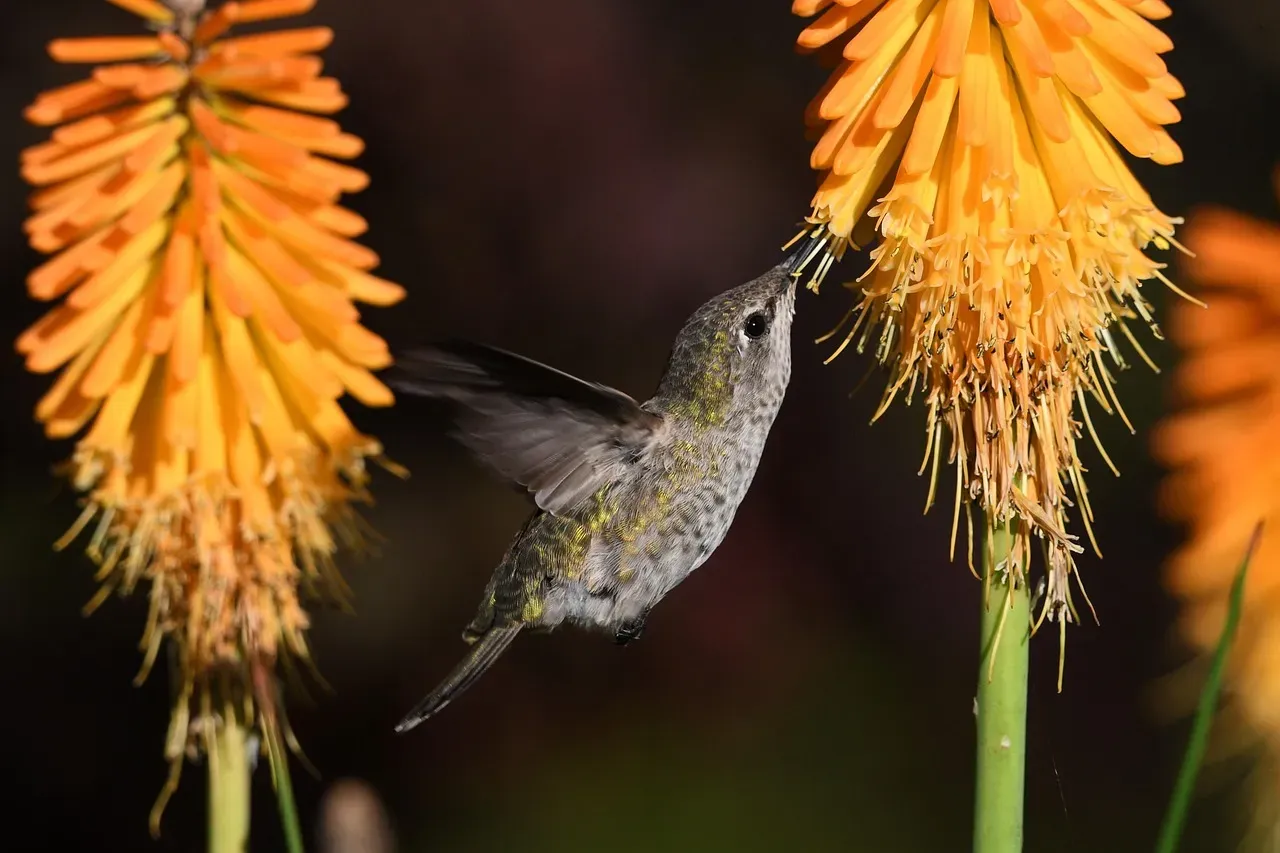
Walk past any thriving Florida yard in July and you will likely spot a shrub covered in bright orange-red tubular flowers that hummingbirds simply cannot resist. Firebush earns its reputation as one of the toughest native shrubs you can plant, handling full sun exposure without missing a beat.
Firebush is a standout performer, producing tubular red-orange blooms that attract hummingbirds and butterflies while tolerating drought and full sun without complaint. Think of it like that friend who thrives under pressure while everyone else panics. That is firebush.
This Florida native produces orange-red tubular flowers that attract pollinators, including hummingbirds and butterflies, and thrives under Florida’s harshest conditions, tolerating both drought and poor soils. I think if every Florida yard had at least one firebush, we would collectively spend far less time worrying about summer.
2. Coontie (Zamia integrifolia): The Living Fossil
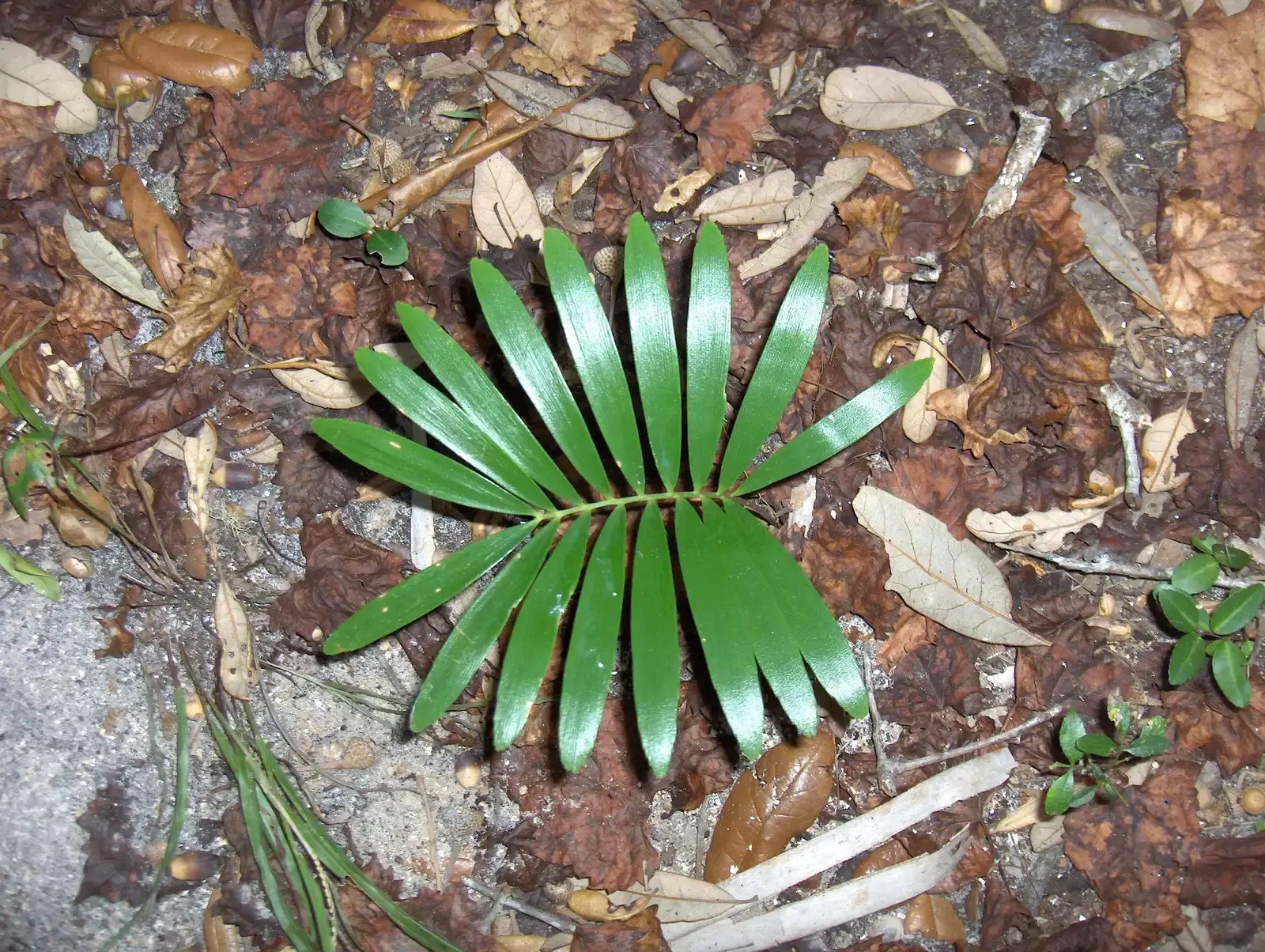
The coontie is a cycad, a group of plants that have been on Earth since the time of the dinosaurs. Coontie plants are native to South Florida and are the only native cycad in North America. Let that sink in for a moment. You could be growing something that survived the age of dinosaurs in your front yard.
Coonties have feathery leaves like palm fronds and grow low to the ground. They have a softer texture than other cycads and no sharp edges. You might use a group planting of coonties to border a garden or provide ground cover.
Coontie is a great choice for xeriscapes and is also a host plant for the endangered Atala Butterfly, making it both beautiful and ecologically beneficial. Low maintenance, ancient, and wildlife-friendly. Honestly, what more could you want?
3. Muhly Grass (Muhlenbergia capillaris): The Showstopper Grass
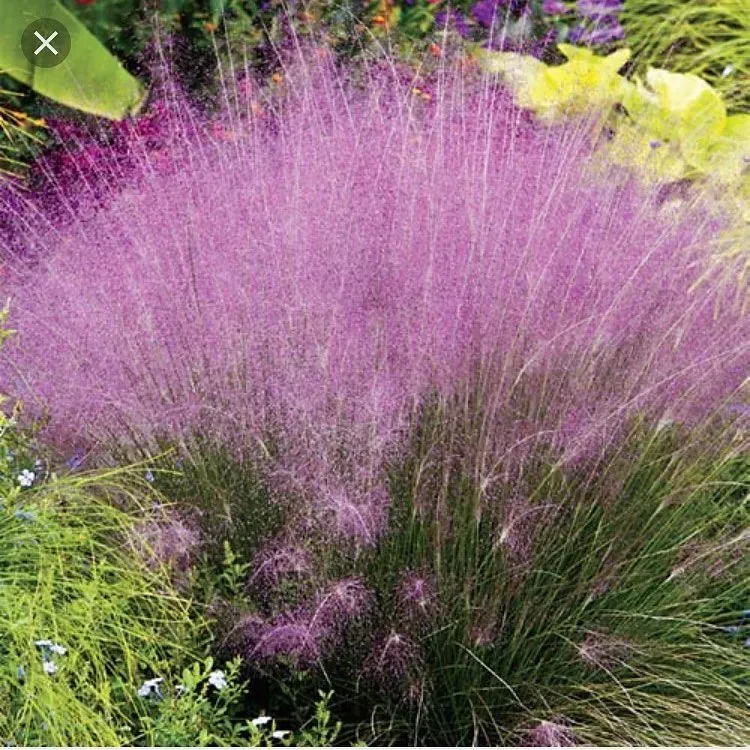
Let’s be real. Most people do not think of grass as a showstopper. Then they see muhly grass in full bloom and they change their minds immediately. Plants like coontie, muhly grass, and blanket flower thrive on natural rainfall and need far less attention than traditional ornamentals.
Native plants like coontie, muhly grass, sabal palms, and firebush require less maintenance and provide lush, tropical landscape appeal. Muhly grass explodes into a cloud of pinkish-purple plumes every fall, creating a soft, feathery visual that looks like it belongs in an art installation rather than a suburban yard.
It handles sandy soil, tolerates drought like a champion once established, and bounces back after even the most brutal Florida summers. Pair it with blanket flower or firebush for a landscape combination that will genuinely stop traffic. It is hard to say for sure which native grass is the most underrated in Florida, but muhly is a very strong candidate.
4. Blanket Flower (Gaillardia pulchella): The Heat-Proof Wildflower
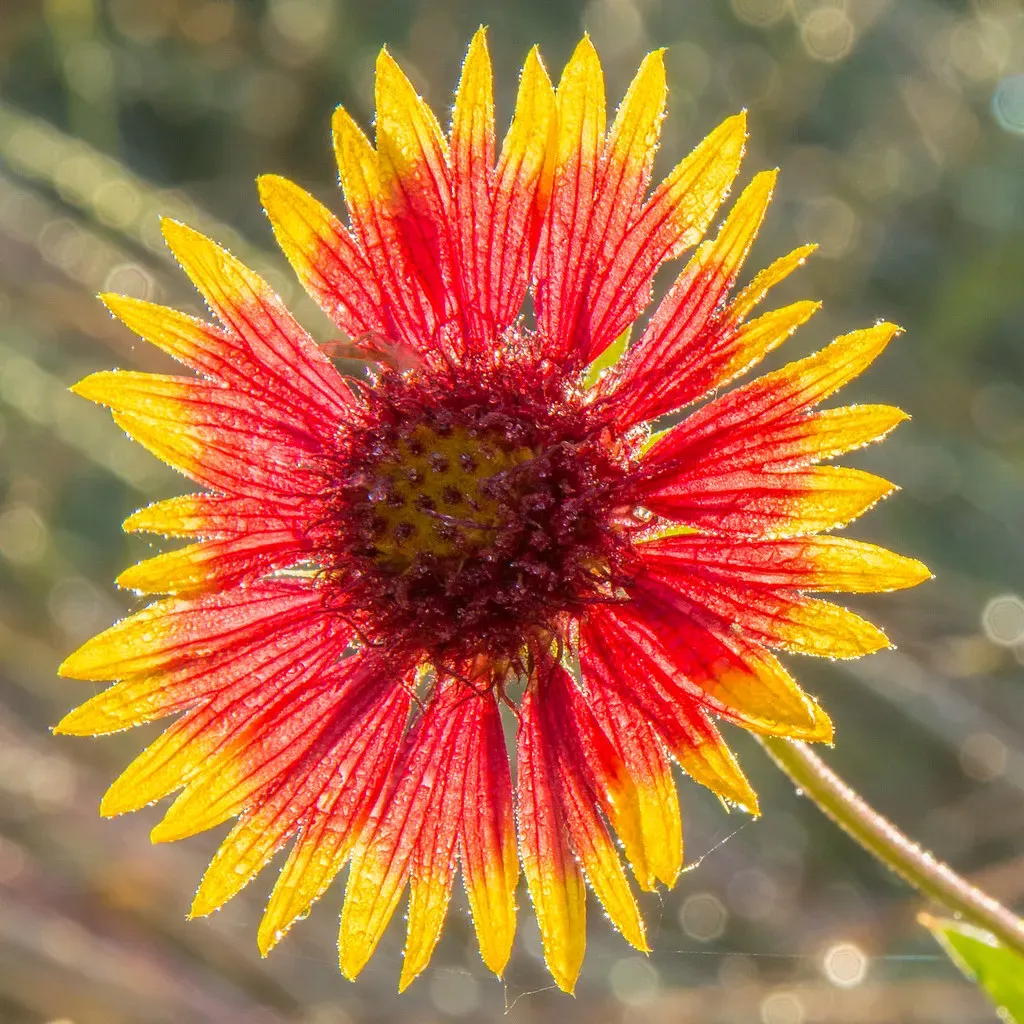
Indian Blanket, or Gaillardia pulchella, is a vibrant groundcover with red and yellow blooms. This short-lived perennial thrives in poor soil, extreme heat, and drought, making it perfect for hot Florida summers.
Blanket flowers can grow anywhere in Florida because they tolerate heat, sandy soils, and high salt levels. These flowers grow in a spreading mound that can function as ground cover, with blooms in bright summer colors like orange, yellow, red, and reddish purple.
Gaillardia and native salvias are equally tough, blooming prolifically through the hottest months with little more than occasional rain. Picture a wildflower that practically begs to be ignored and still puts on a breathtaking show. That is blanket flower in a nutshell.
5. Saw Palmetto (Serenoa repens): Florida’s Unsung Workhorse
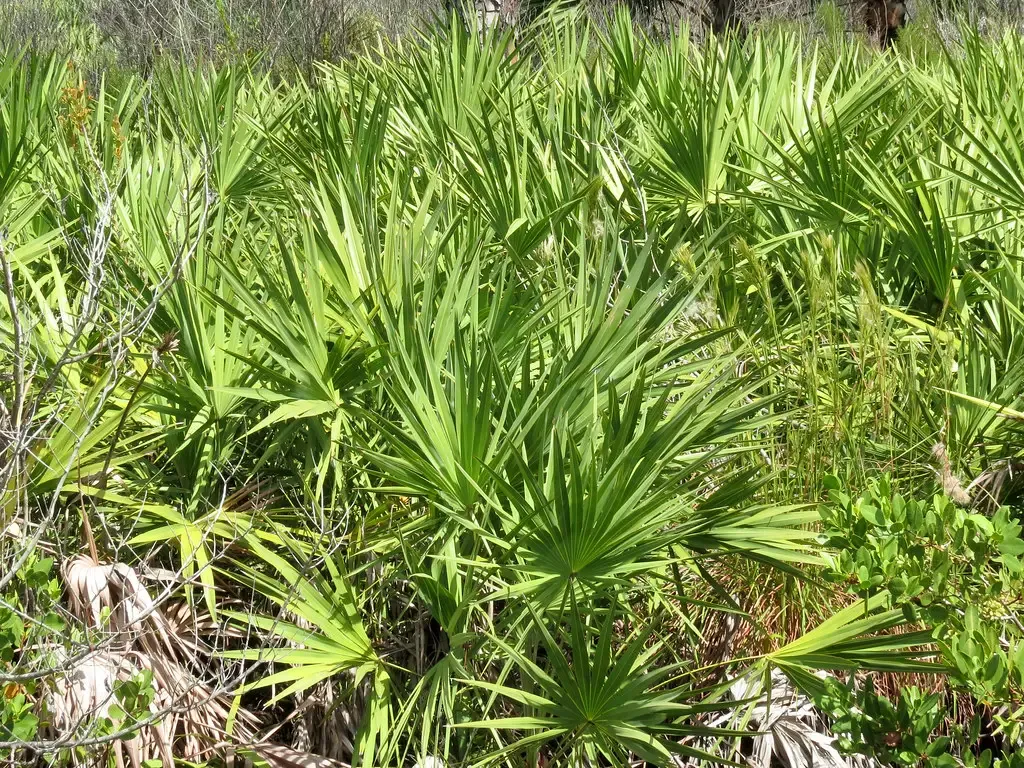
You can plant saw palmetto in full sun or partial shade, and it thrives in almost any soil type. Once established, it needs little to no supplemental watering and rarely requires fertilizer or pest control. If plants were people, the saw palmetto would be the quietly competent colleague who just gets things done with zero drama.
Birds, butterflies, and small mammals rely on saw palmetto for food and shelter, making it an important ecological choice for wildlife-friendly yards. Homeowners who want a truly low-maintenance landscape find saw palmetto hard to beat for reliability and toughness.
South Florida homeowners use saw palmetto in naturalized landscapes and coastal plantings where few other plants survive. Central and North Florida gardeners appreciate its cold hardiness and year-round evergreen foliage. That kind of statewide versatility is rare and worth celebrating.
6. Beautyberry (Callicarpa americana): The Berry Bold Shrub
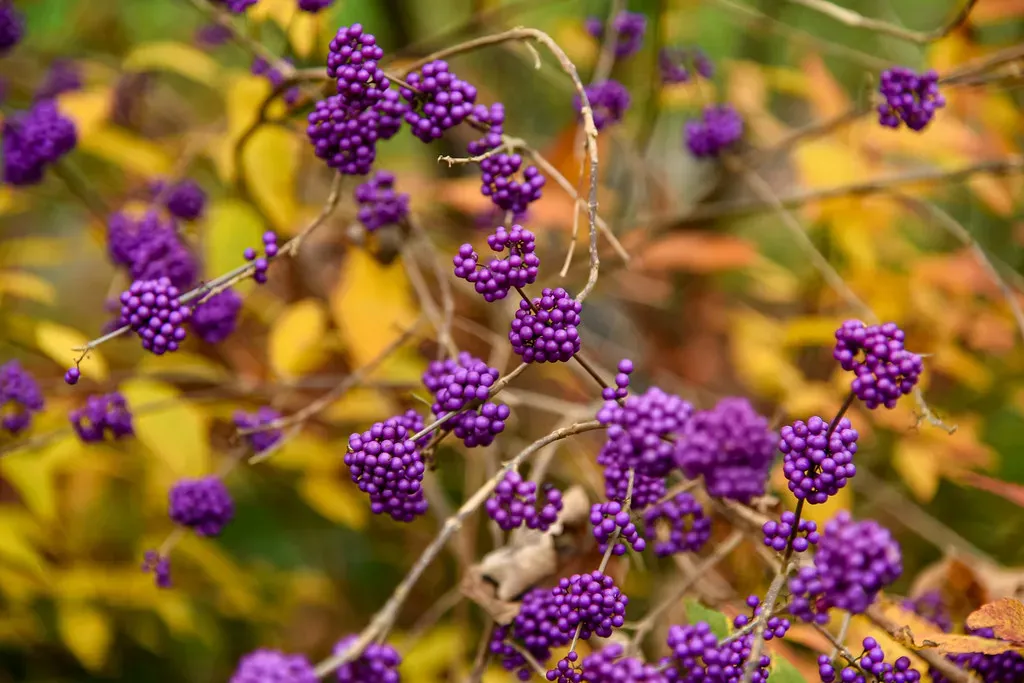
Beautyberry is one of our most beautiful native shrubs, and it is a fast-growing shrub reaching about 6 feet tall. Clusters of pink flowers encircling the stems at the leaf axils are produced in summer, followed by vibrant clusters of bright purple fruits which remain on the plant for several months.
Known for its clusters of vibrant purple berries, beautyberry attracts birds and adds a pop of color to the landscape. Honestly, those berries look almost artificial, like someone went through the plant and glued little purple jewels all over the stems. But they are completely real.
Beautyberry attracts wildlife, particularly birds, to eat the fruit, and the flowers attract bees. Plants like firebush, coontie, and beautyberry thrive in Florida’s climate and are workhorses that handle sandy soil, humidity, and seasonal weather patterns. These three together make a powerhouse trio for any native garden.
7. Black-Eyed Susan (Rudbeckia hirta): The Classic That Never Quits
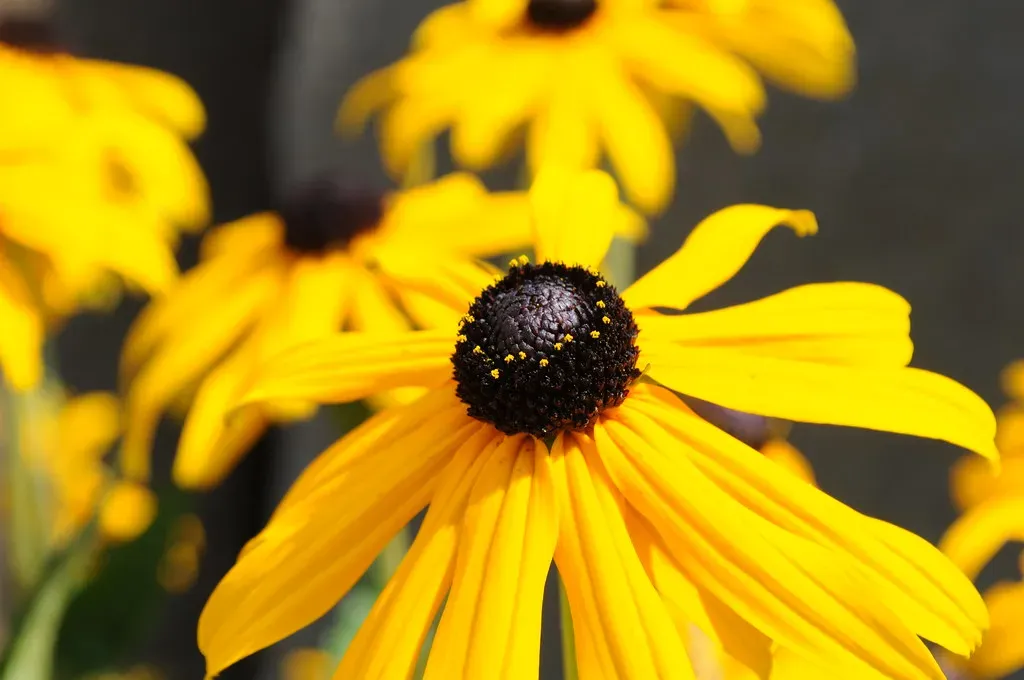
Black-eyed Susans look like little daisies with bright yellow petals and a stark black center. They are a charming and classic addition to any flower garden. Even better, they can survive most harsh conditions, including drought, heat, and high salt content in the air.
Black-eyed Susans are another salt and drought-tolerant plant that thrives in coastal landscapes. These wildflowers feature vibrant yellow, orange, or red petals that last through the sweltering heat of summer, even after most other flowers have wilted.
Think of black-eyed Susans as the dependable backbone of any Florida wildflower garden. They mix beautifully with blanket flowers and muhly grass, they reseed themselves naturally, and they keep pollinators well fed through the summer months. Simple, reliable, and endlessly cheerful.
8. Butterfly Milkweed (Asclepias tuberosa): A Monarch’s Best Friend
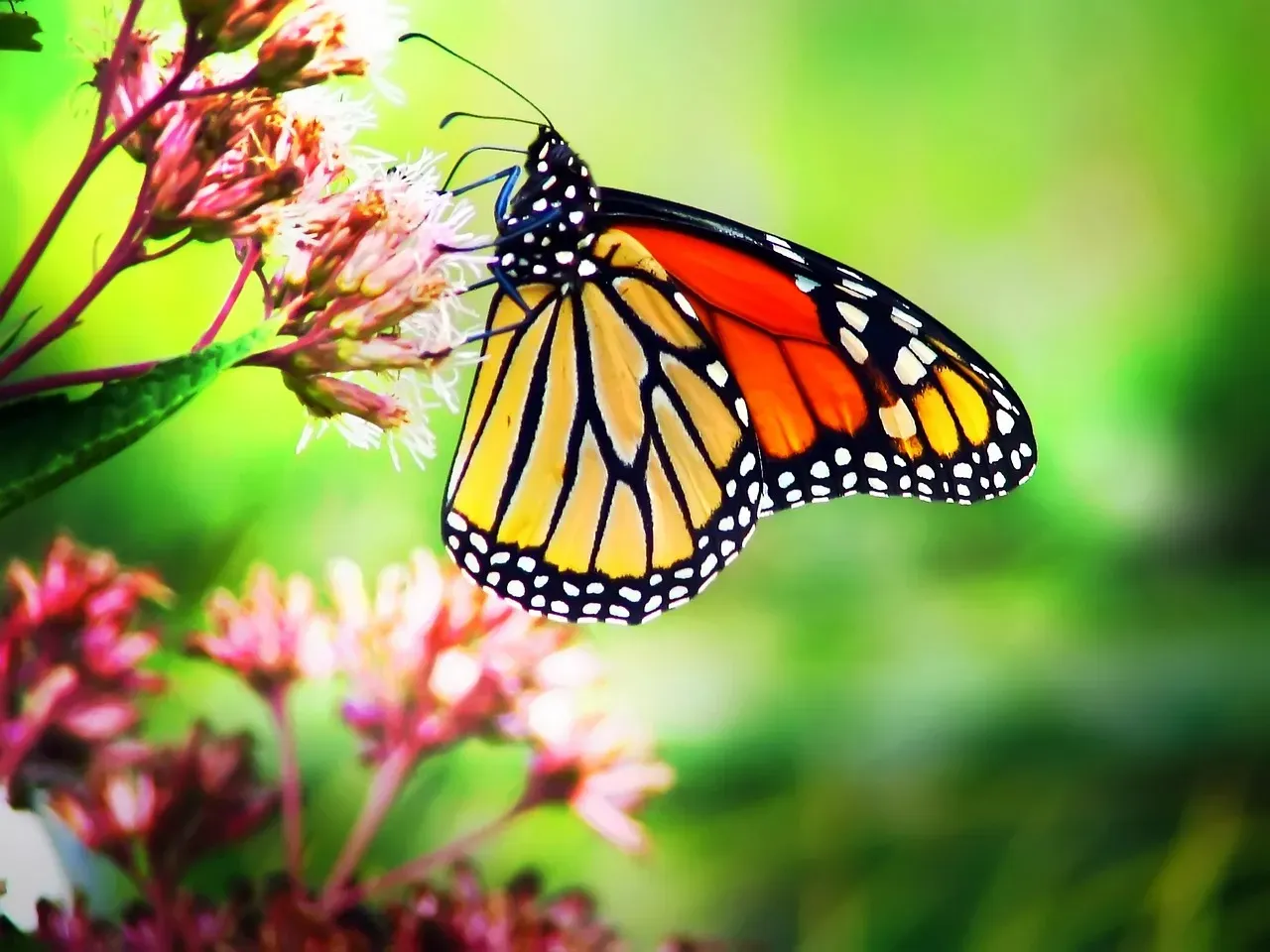
Butterfly milkweed is a perennial that produces large, showy clusters of bright orange to reddish flowers from spring through fall. It is one of those plants that earns its place in the garden twice over: once for its own beauty and again for everything it supports.
Butterfly milkweed is a top-tier host plant for monarch and queen butterflies. Its fiery orange blooms thrive in dry, sunny landscapes with sandy soil. It is excellent for meadow-style plantings, roadsides, and pollinator beds.
Milkweed is one of the best flowers for a pollinator garden. It is most famous for attracting butterflies with its nectar and serving as a host plant for caterpillars. Growing butterfly milkweed is not just gardening. It is participating in something much larger, a quiet act of conservation happening right in your backyard.
9. Wax Myrtle (Morella cerifera): The Natural Privacy Screen
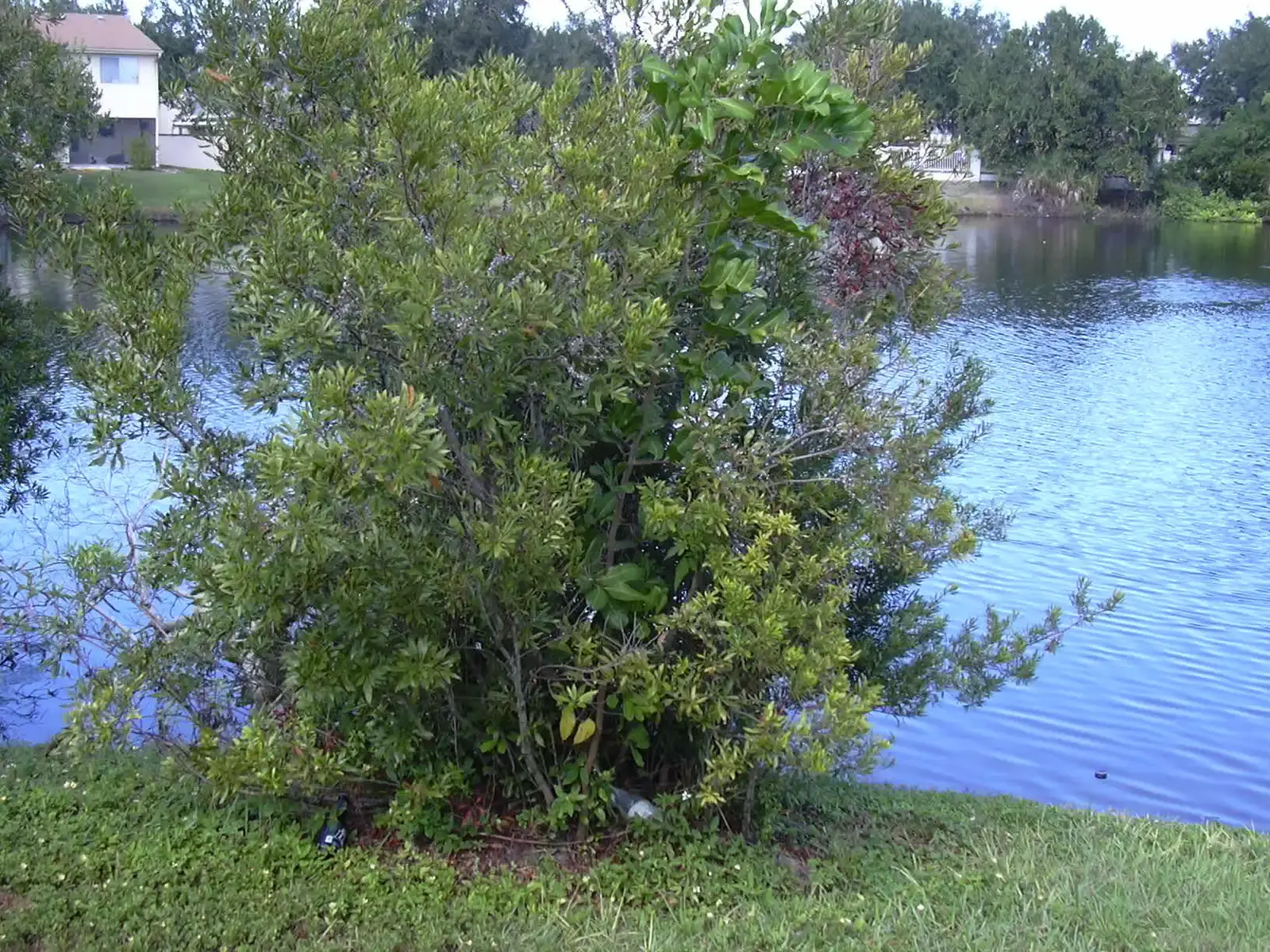
Birds love wax myrtle berries, which appear on female plants in fall and winter. South, Central, and North Florida gardeners all find this native shrub incredibly easy to grow, and it rarely needs fertilizer or pest control. Homeowners appreciate how wax myrtle provides quick privacy screening without the maintenance demands of non-native alternatives.
Here is the thing about wax myrtle: it grows fast enough to give you real privacy within a season or two, yet it never becomes the high-maintenance nightmare that many fast growers turn into. It tolerates wet soils and drought alike, a flexibility that is genuinely impressive given Florida’s feast-or-famine rainfall patterns.
Native plants like firebush, coontie, and beautyberry, along with wax myrtle, thrive in Florida’s climate and require far less water and maintenance compared to non-native species. Florida native plants, once established in the right place, do not require supplemental irrigation, fertilizer, or pesticides. That last point alone should be enough to convince anyone.
10. Blazing Star (Liatris spp.): The Purple Bottlebrush of the Native Garden
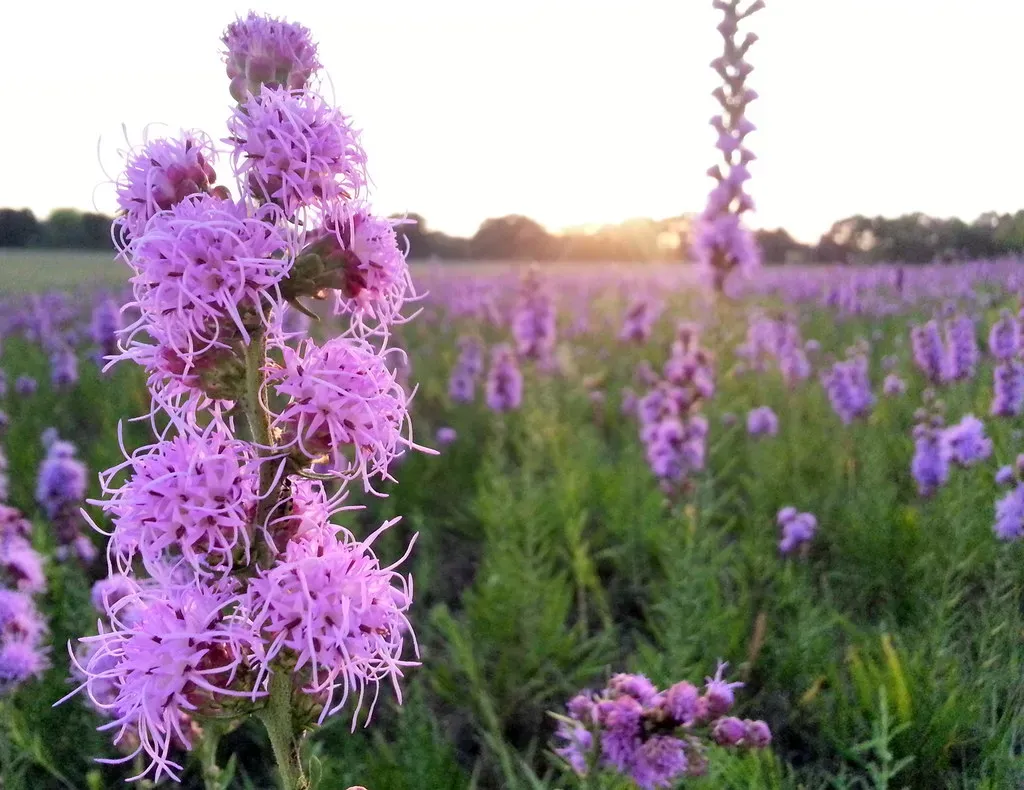
The Sunshine State has more than 13 native species of blazing star, a flower tough enough to survive even the most disaster-prone gardeners. The blazing star’s vibrant bottlebrush-shaped flowers bloom in fall and attract pollinators such as butterflies and bees.
Blazing star, also known as gayfeather or colic root, is much beloved by pollinators such as bees and butterflies. It would do well as part of a butterfly garden. Gardeners love blazing star because it is hardy and difficult to kill, and its purple bottlebrush-shaped blooms add an interesting texture to the garden.
Blazing star blooms in fall, which is actually the perfect timing in Florida. When summer-blooming plants are winding down, blazing star steps in and keeps the garden buzzing with life. Landscaping with Florida’s native wildflowers and plants provides refuge for birds, bees, and butterflies while creating habitat highways through urban settings. Blazing star is one of the best examples of that principle in action.
The Bigger Picture: Why Going Native Just Makes Sense
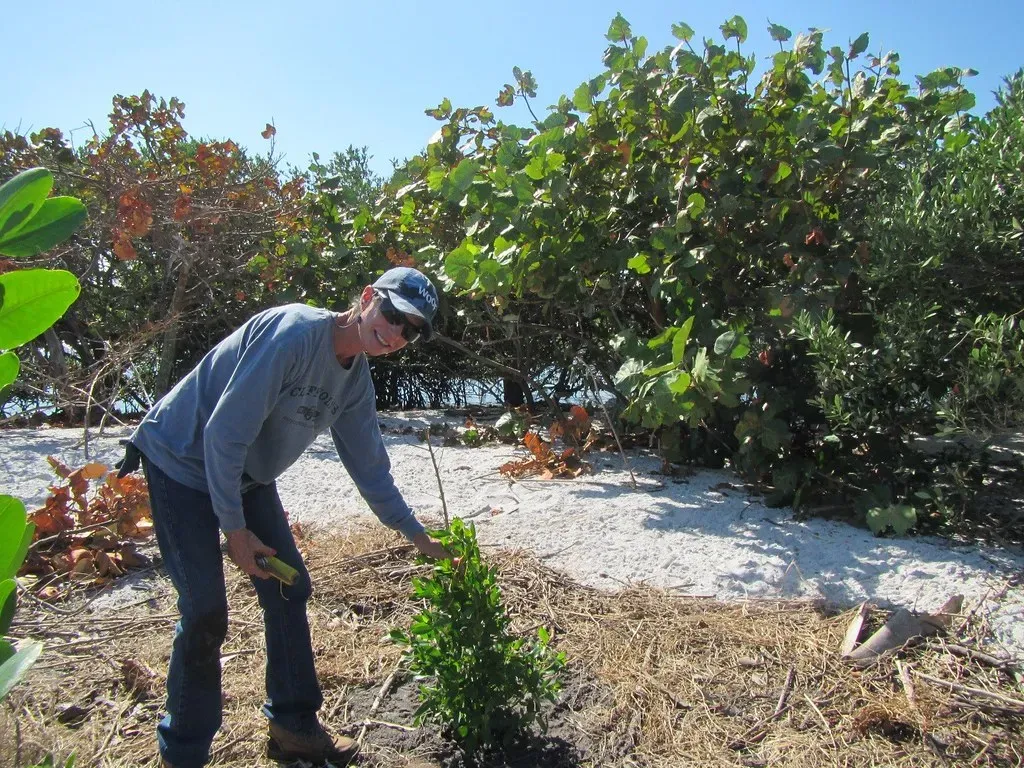
From the East Gulf Coastal Plain and South Atlantic Coastal Plain to the Florida Peninsula and the lush, tropical southern tip, native plants have spent thousands of years adapting to Florida’s shifting climate cycles, sandy soils, salt spray, wildfires, and long dry seasons. That evolutionary history is not something you can fake with a non-native substitute.
Florida’s climate is shifting, with longer dry seasons and more intense heat events becoming the norm. Gardeners who adapt now will have yards that remain vibrant and healthy without the constant struggle of irrigation schedules and wilting plants. Going native is not just an aesthetic choice. It is a practical one.
Landscaping with Florida’s native wildflowers and plants provides refuge for birds, bees, and butterflies while creating habitat highways through urban settings. Every native plant you put in the ground is a small vote for a healthier, more resilient Florida ecosystem. And the best part? Your garden will look spectacular while doing it.
Florida’s heat and humidity are relentless, but they do not have to be your enemy. The ten plants on this list prove that beauty, low maintenance, and ecological value can all coexist in one yard. So the next time you walk into a nursery, skip the plants that look glamorous in a pot but struggle the moment real Florida summer arrives. Choose natives. Work with the land, not against it. Your garden, the local wildlife, and your weekends will all thank you. What native plant would you add to this list?
Worried about unexpected vet bills?
Pet insurance can cover thousands in unexpected vet costs. Get a free quote from Lemonade in under 2 minutes.
Get My Free Quote →Sponsored · Opens Lemonade.com
