
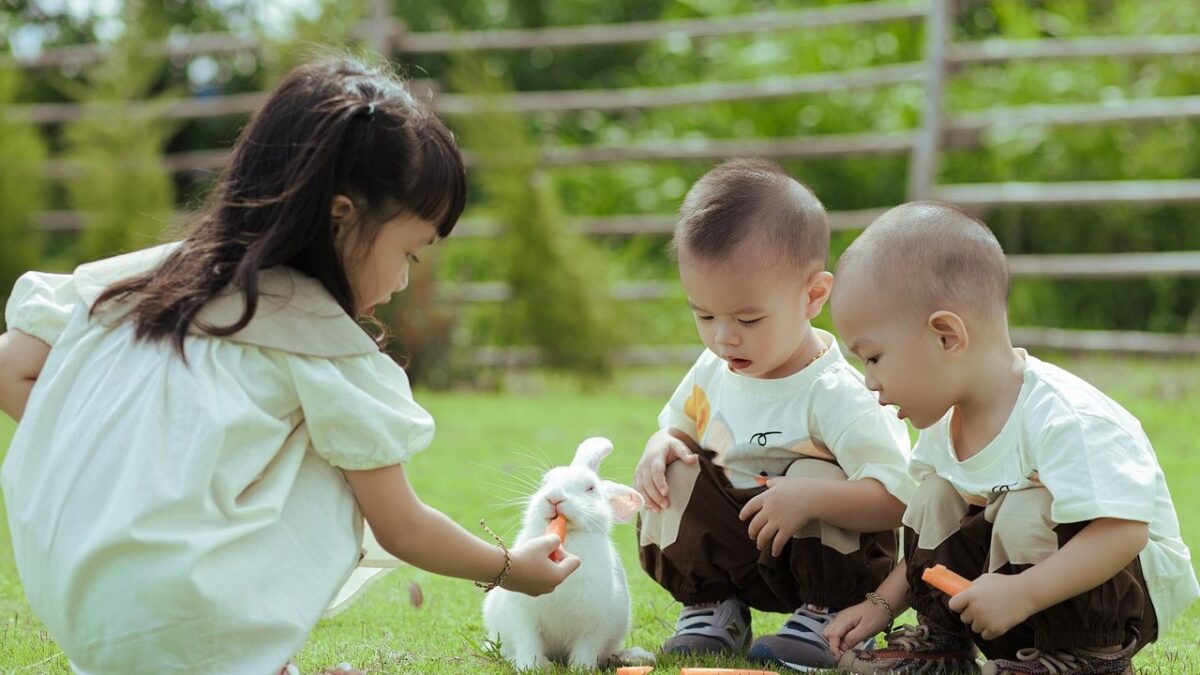
Most people assume any pet can eventually settle into a new home with enough patience and the right adopter. That belief feels reasonable – until you spend a day with the vets and shelter workers who watch it fail over and over again. Certain animals don’t just prefer their first owner. They choose them with a finality that borders on biological. And when that bond is broken, the fallout can be heartbreaking, medically serious, and sometimes fatal.
These aren’t edge cases or unlucky outliers. Avian specialists, exotic animal vets, and shelter behaviorists describe these patterns as predictable – written into the species itself. The 16 animals below represent the far end of the loyalty spectrum, where rehoming doesn’t just fail emotionally. It fails physically. If you own one of these animals, or are thinking about adopting one, what follows will genuinely change how you see the commitment you’re making.
#16 – The African Grey Parrot’s One-Person Loyalty
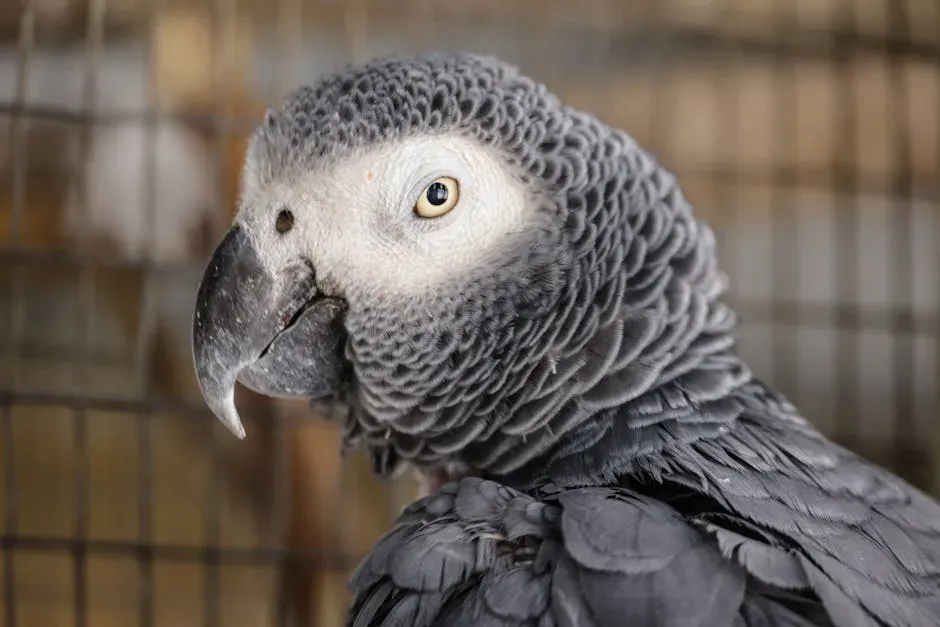
Vets consistently rank African Greys among the most heartbreaking rehoming cases in all of exotic animal medicine. These parrots don’t simply prefer their person – they designate one human as their lifelong flock mate and treat everyone else as a potential threat. They are cognitively comparable to a five-year-old child, which means the loss of their person isn’t a minor disruption. It registers more like abandonment.
Shelters report that even after months of careful, patient introductions, many Greys refuse food, pluck their own feathers raw, or become dangerously aggressive toward new caregivers. Avian clinics have documented mortality rates spiking sharply in the first year after rehoming – not from disease, but from grief-driven decline. Some birds that spent thirty years with one owner have deteriorated so rapidly after separation that no intervention could stabilize them.
Fast Facts: African Grey Parrots
- Can live up to 60 years in captivity with proper care – meaning one failed bond can haunt decades of life
- Cognitive ability is widely compared to that of a toddler, including the capacity to recognize, categorize, and respond to over 80 distinct objects
- In rescue settings, many Greys showing behavioral challenges are responding directly to the trauma of being rehomed multiple times
- An African Grey was once prescribed animal-safe antidepressants after the death of its owner – a documented case that says everything
- Classified as Endangered by the IUCN since 2016, adding conservation weight to every ownership decision
#15 – Sulphur-Crested Cockatoos and Their Devastating Attachments
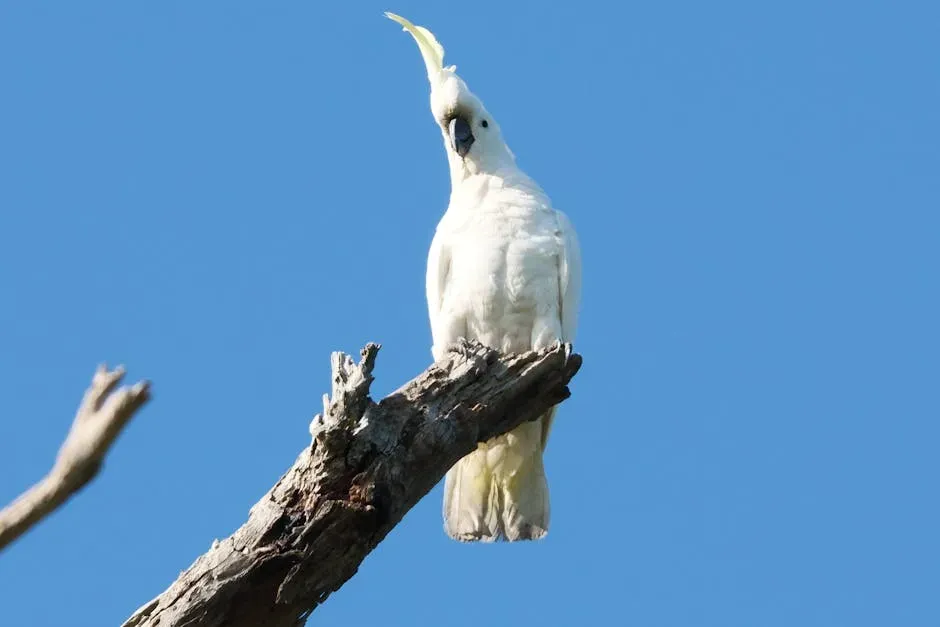
Cockatoos take bonding to a level that genuinely shocks people who haven’t seen it up close. Their need for constant physical contact, vocal back-and-forth, and emotional attunement means they don’t just miss their person – they unravel without them. Screaming that lasts for hours, feather destruction, and full-body trembling in new environments are not dramatic quirks. They are clinical symptoms of a species whose attachment system has been fundamentally disrupted.
What makes cockatoos especially difficult to place is their lifespan. These birds can live 70 years or more as pets, which means a single failed bond can echo across decades. Rescue workers describe birds that cycle through three, four, even five failed placements, each one leaving the bird more damaged and more distrustful than before. Estimates suggest that 75 to 80 percent of cockatoos are rehomed at least once, with many cycling through multiple homes during their long lives. Many end up in permanent sanctuary care – not because no one wanted them, but because wanting them wasn’t close to enough.
#14 – Blue-and-Gold Macaws Demand Total Devotion
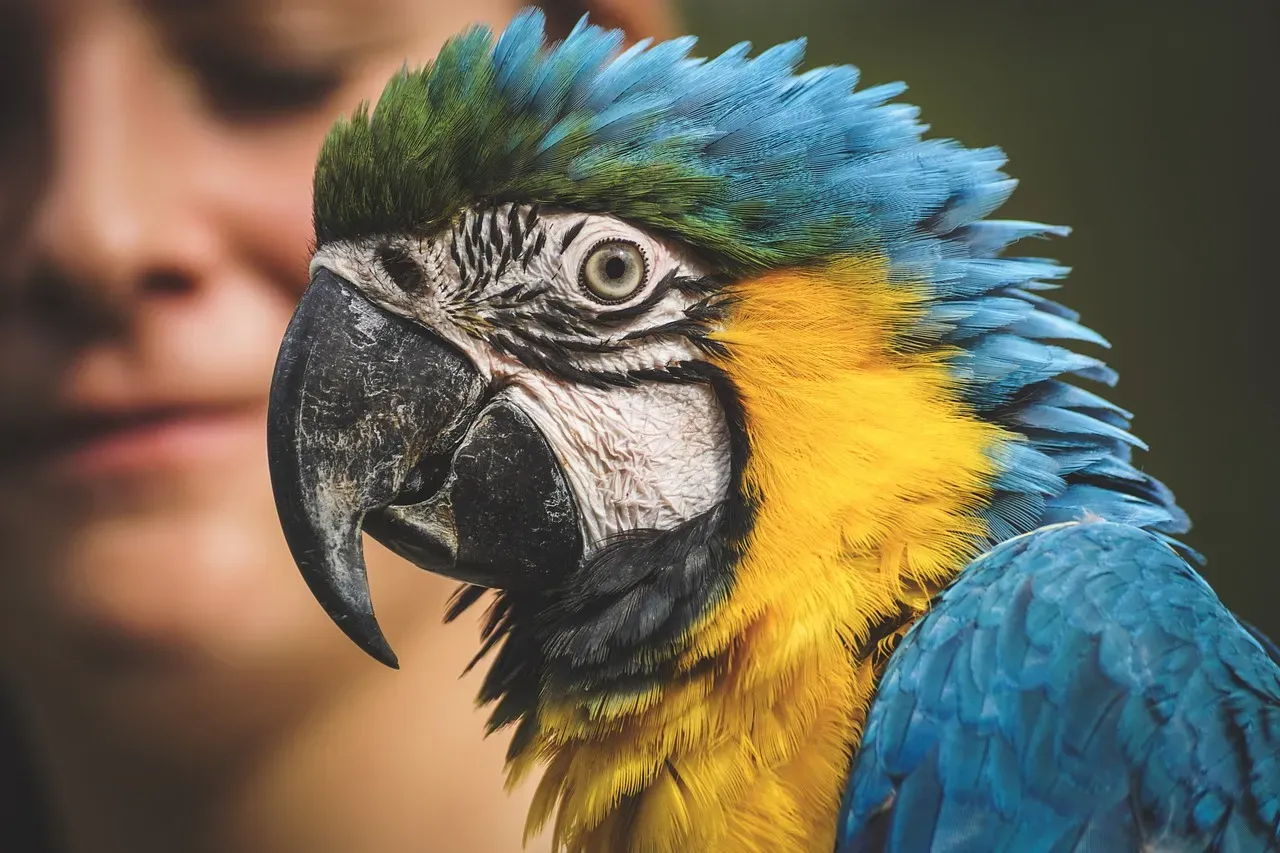
Blue-and-gold macaws form bonds so exclusive that rescue groups have learned to brace for returns. These large, visually stunning birds require hours of daily interaction with their chosen person – and they notice immediately when that person has been replaced. New owners often describe the experience as trying to earn trust from someone who has already decided the answer is no.
The health consequences arrive fast. Refusal to eat, refusal to leave the cage, and targeted aggression toward anyone who approaches are the standard early warning signs. Some macaws have been documented attacking new family members years after the original owner departed – not out of confusion, but out of a loyalty so hardwired it reads as hostility toward anyone who isn’t the right person. Rescue organizations now list blue-and-gold macaws as among their most difficult long-term placements.
#13 – Green-Winged Macaws Rarely Accept Replacements
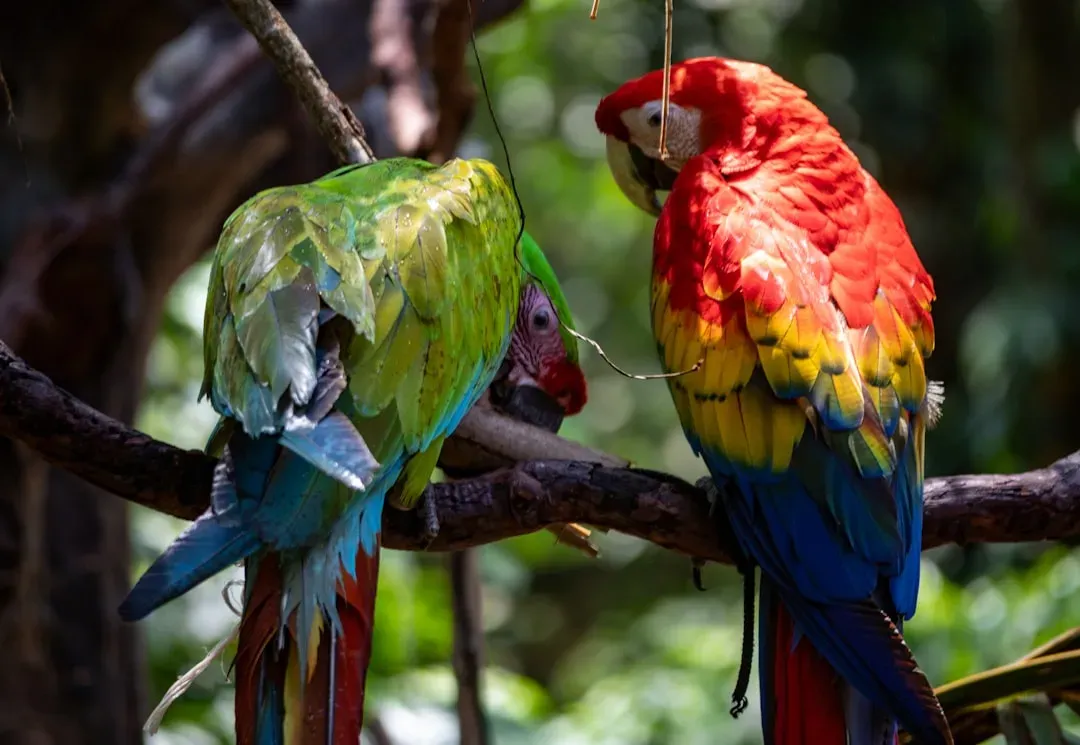
Green-winged macaws share the loyalty intensity of their blue-and-gold cousins but add a layer of territorial aggression that makes new households genuinely dangerous for unprepared families. Vets describe cases where these birds pine visibly and literally – losing weight and feathers, sitting motionless for hours, refusing enrichment activities they once loved. The behavior isn’t stubbornness. It’s mourning.
What makes this species especially striking is that bonded pairs can reject an entire new household together, even when the original owner has passed away. They seem to reinforce each other’s grief rather than provide comfort, creating a closed system that outside humans simply cannot enter. Placement specialists describe these cases as among the most emotionally difficult in exotic rescue – because the birds’ devotion to something lost is impossible not to admire, even as it destroys their chances at a stable future.
At a Glance: The Macaw Rehoming Problem
- Blue-and-gold and green-winged macaws both rank among rescue organizations’ hardest long-term placement cases
- Common post-rehoming signs: weight loss, feather loss, cage refusal, and targeted aggression toward new caregivers
- Bonded pairs frequently reinforce each other’s grief – making joint rehoming even harder than placing a single bird
- New owners often describe the experience as trying to earn trust from someone who has already decided the answer is no
#12 – Yellow-Naped Amazons Hold Grudges for Years
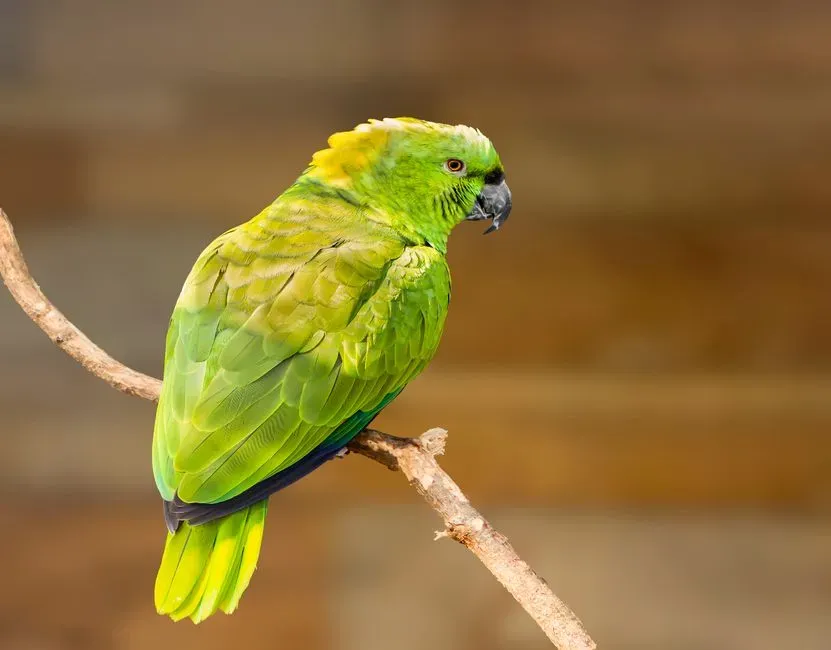
Yellow-naped Amazons are brilliantly vocal, sharply intelligent, and fully capable of making a new owner’s life miserable if they’ve decided that person isn’t the right one. These birds use their language skills not just for companionship but for social warfare – screaming at newcomers with apparent intent while remaining gentle and affectionate in memories of their original person. Shelter workers describe it as watching a bird conduct a one-sided argument it has no interest in resolving.
The stubbornness runs deep enough to become a medical problem. Some Amazons have refused food for weeks after a change in ownership despite round-the-clock expert intervention – not because they couldn’t eat, but because eating felt like accepting a reality they rejected. Extended hunger strikes in birds this size carry serious organ consequences, and vets operating in avian rescue are frank about how few of these cases end well without the original owner re-entering the picture.
#11 – Sun Conures Bond So Tightly They Waste Away
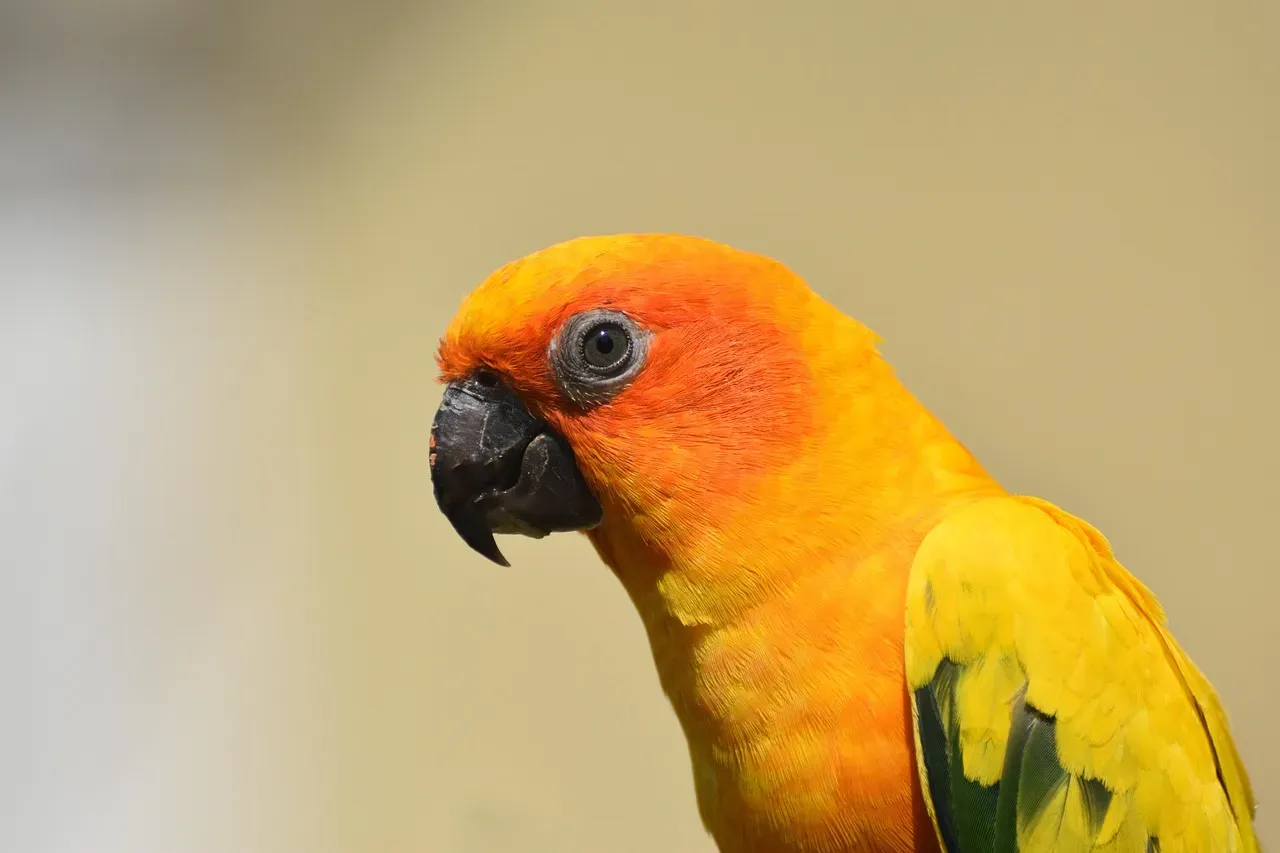
Sun conures look like small birds with manageable needs. That impression evaporates quickly when one has bonded deeply to a person and that person disappears. Vets see these colorful, loud birds develop severe separation anxiety that isn’t metaphorical – it’s physical. Feather plucking, lethargy, refusal to vocalize, and dramatic weight loss within days of rehoming are documented consistently across avian clinics that specialize in surrenders.
The cruelest part is that sun conures are often given up precisely because their noise and neediness overwhelmed the first owner – which means the very depth of attachment that caused the surrender is also what makes placement nearly impossible. Many potential adopters witness the bird’s distress during introduction visits and walk away. The ones who don’t walk away often return the bird within weeks. Sanctuaries working with sun conures describe the cycle as one of the most preventable tragedies in small bird rescue.
#10 – Indian Ringnecks Rarely Transfer Their Affection
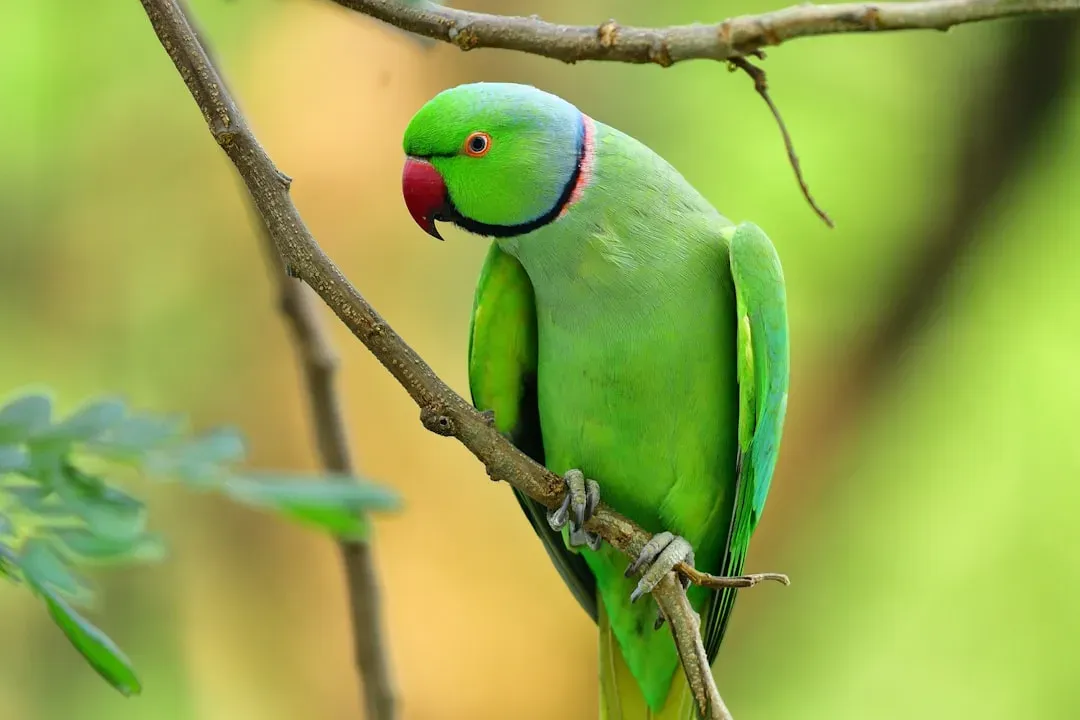
Indian ringnecks have a reputation for being aloof and independent – a reputation that collapses the moment one has truly bonded with a single person. In that state, they aren’t aloof. They are laser-focused on one human and actively, deliberately cold toward everyone else. Rescue organizations describe the experience of working with a rehomed ringneck as earning fractional progress over months, only to lose it entirely the moment the routine changes.
Failed placements are common enough that some facilities have shifted their approach entirely, moving certain ringnecks into permanent single-staff relationships rather than attempting traditional adoption. Some birds have lived in sanctuaries for over a decade without meaningfully bonding to anyone – not because they lack the capacity, but because that capacity was spent entirely on someone who is no longer there. It is one of the quieter tragedies in exotic bird rescue, and one of the least discussed.
#9 – Lovebirds Can Pine Themselves to Illness
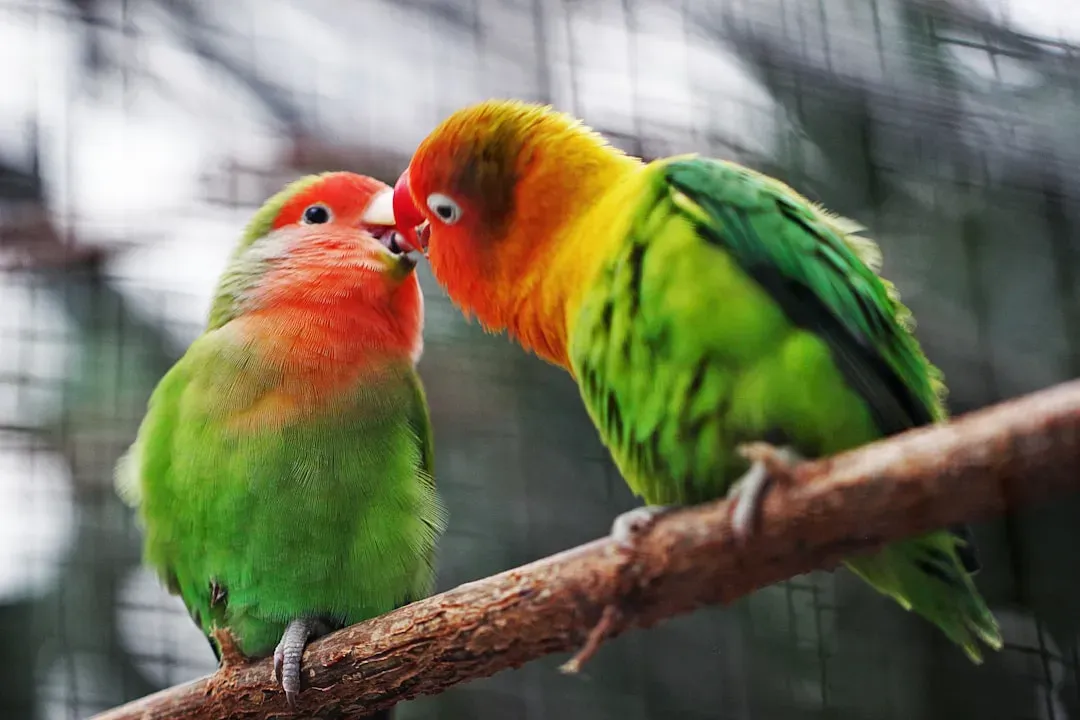
The name feels like a marketing tagline until you watch one fall apart. Lovebirds that have bonded deeply to a person respond to separation with a grief that is physically measurable – they stop preening, stop eating, stop moving with purpose. What looks like sulking is actually the early stage of a health decline that can escalate surprisingly fast in a bird this small.
Vets note a particularly strange wrinkle: paired lovebirds sometimes reject each other after one has bonded exclusively to a human. The bird-to-bird relationship – which most owners assume provides a safety net – becomes secondary to the human bond, which means rehoming can disrupt even the bird’s avian relationships simultaneously. Some pairs that seemed bonded to each other have been found to be separately fixated on one person, leaving both birds adrift when that person disappears from their lives.
#8 – Budgerigars Surprise Everyone With Their Selective Bonds
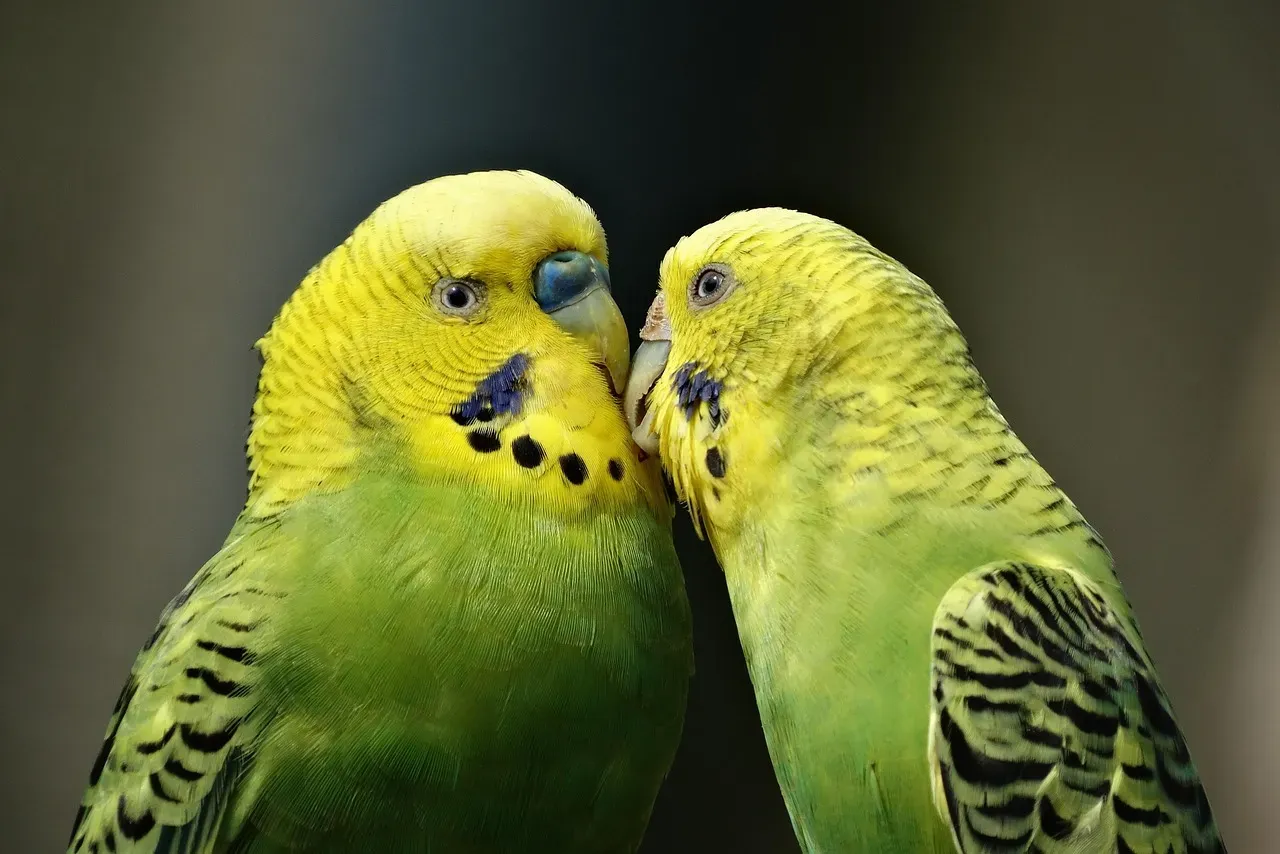
Budgies get underestimated constantly. They’re small, they’re common, they’re the starter bird in a thousand households. Most do rehome reasonably well. But the ones that have truly imprinted on a single person are a different animal entirely – and shelters encounter them more often than the public realizes. These birds show stress behaviors that experienced staff recognize immediately: repetitive movements, refusal to interact, aggressive responses to hands that aren’t familiar.
The most unsettling cases involve budgies that have lived solitary existences in rescues simply because no new owner could replicate whatever the original bond provided. Shelters that track outcomes honestly will tell you the euthanasia rate for these cases is higher than it should be – not from illness, but from the practical impossibility of placing a bird whose entire behavioral profile is oriented around one person who isn’t coming back. For such an ordinary-seeming pet, the depth of the problem is genuinely surprising.
Worth Knowing: Signs a Bird Has Bonded Too Deeply to Rehome Easily
- Refuses food for days after arrival in a new home – not from illness, but from grief
- Feather plucking or self-directed aggression that begins within the first week of transition
- Vocal silence in a species known for chatter – one of the earliest warning signs vets flag
- Targeted hostility toward all new caregivers while remaining calm in the presence of familiar objects from the original home
- Repetitive, compulsive movement (pacing, head-bobbing, bar-biting) that doesn’t resolve with enrichment or routine changes
#7 – Ferrets Form Pack-Like Devotion to One Owner
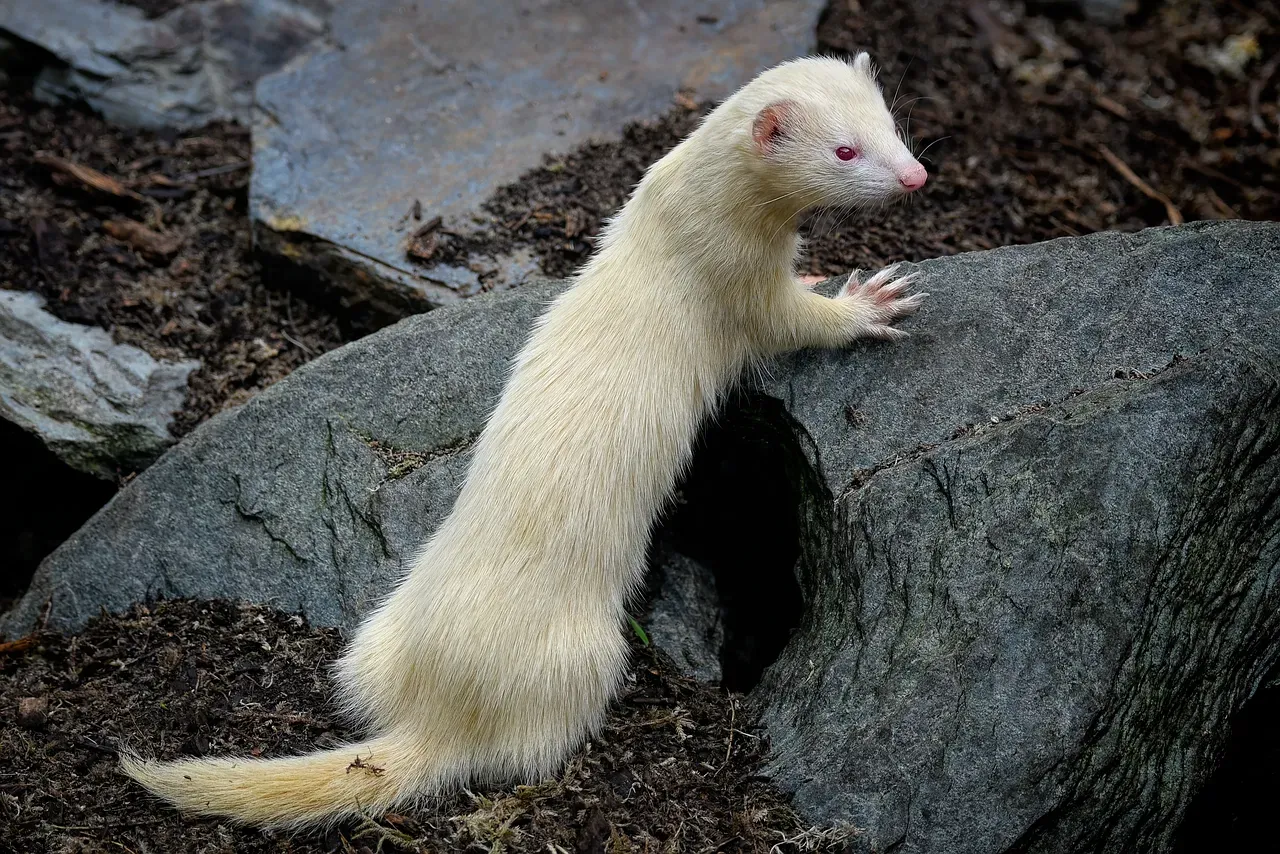
Ferrets are social, mischievous, and wired to operate within a clear social hierarchy. When they’ve claimed a person as the center of that hierarchy, rehoming doesn’t just disorient them – it destabilizes everything they understand about their world. Vets report that rehomed ferrets frequently exhibit a cluster of symptoms that new families mistake for personality: depression, litter box regression, biting that escalates rather than fades over time.
What gets overlooked is how quickly these stress responses become medical problems. Some ferrets have required prescription anti-anxiety medication simply to tolerate transport and new-home introduction – and even then, the success rate is not high. Ferret rescues describe these placements as requiring a level of commitment and expertise that most adopters, even loving ones, simply don’t have. The animal isn’t being difficult. It’s being a ferret that lost its person.
#6 – Domestic Rabbits Rarely Bond Twice
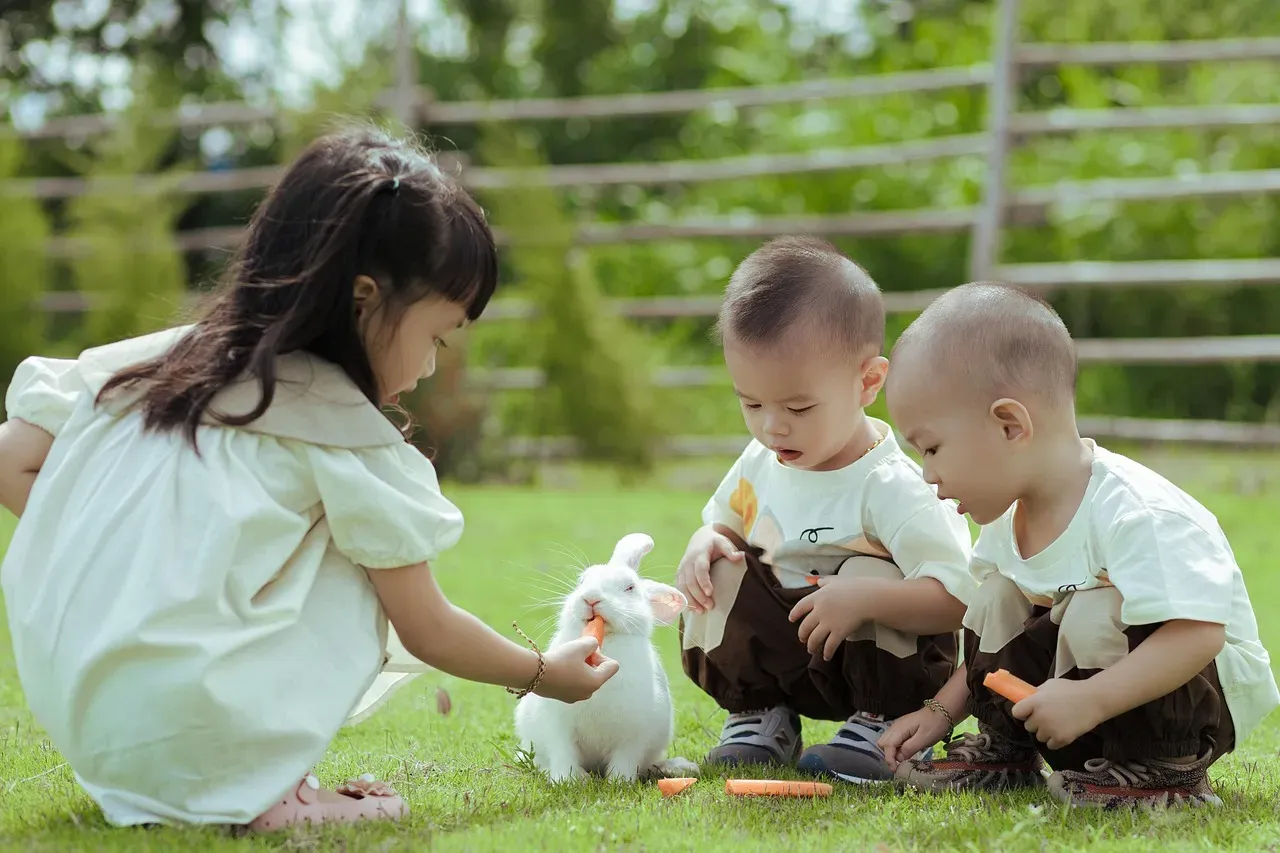
Rabbits have a quiet intensity to their attachments that catches new owners off guard. A rabbit that has chosen one person as its safe zone doesn’t view a new home as an adventure – it views it as a continuous emergency. Hiding for weeks, freezing at the approach of unfamiliar hands, and flinching from spaces that should feel neutral are all normal presentations for a recently rehomed, deeply bonded rabbit.
The health risk that veterinarians emphasize most is GI stasis – a potentially fatal condition triggered by stress, where the digestive system simply slows or stops. Rabbits are prey animals, which means they suppress distress signals until a problem is critical. By the time a new owner notices something is wrong, the situation can already be dangerous. Rescues that have learned this the hard way now screen adopters of bonded rabbits more intensively than almost any other species – and still see failure rates that are hard to discuss publicly.
#5 – Guinea Pigs Become Withdrawn After Separation
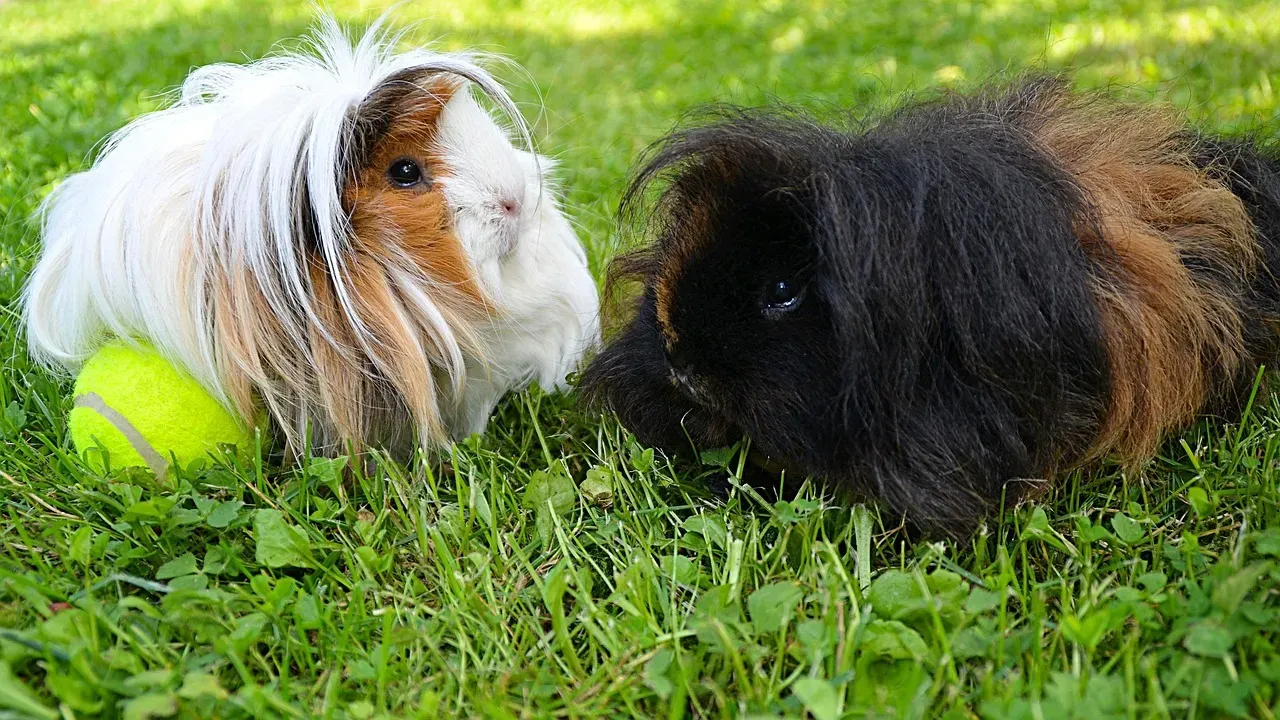
Guinea pigs make noise – chattering, wheeking, rumbling – when they feel safe and connected. The ones that have bonded deeply to a first owner and then lost them go quiet in a way that experienced vets find immediately concerning. That silence isn’t shyness in a new environment. It’s the beginning of a withdrawal that tracks directly into reduced eating, reduced movement, and compromised immune function.
Some guinea pigs have required weeks of patient hand-feeding before accepting a new caregiver – not because they were physically incapable of eating from a bowl, but because eating felt conditional on the presence of the right person. Vets who work frequently with small mammal surrenders are clear that these cases require far more structured intervention than most adopters are prepared for, and that success depends heavily on catching the decline early before it becomes a medical emergency rather than a behavioral one.
#4 – Chinchillas Hold Onto Their First Bond Fiercely
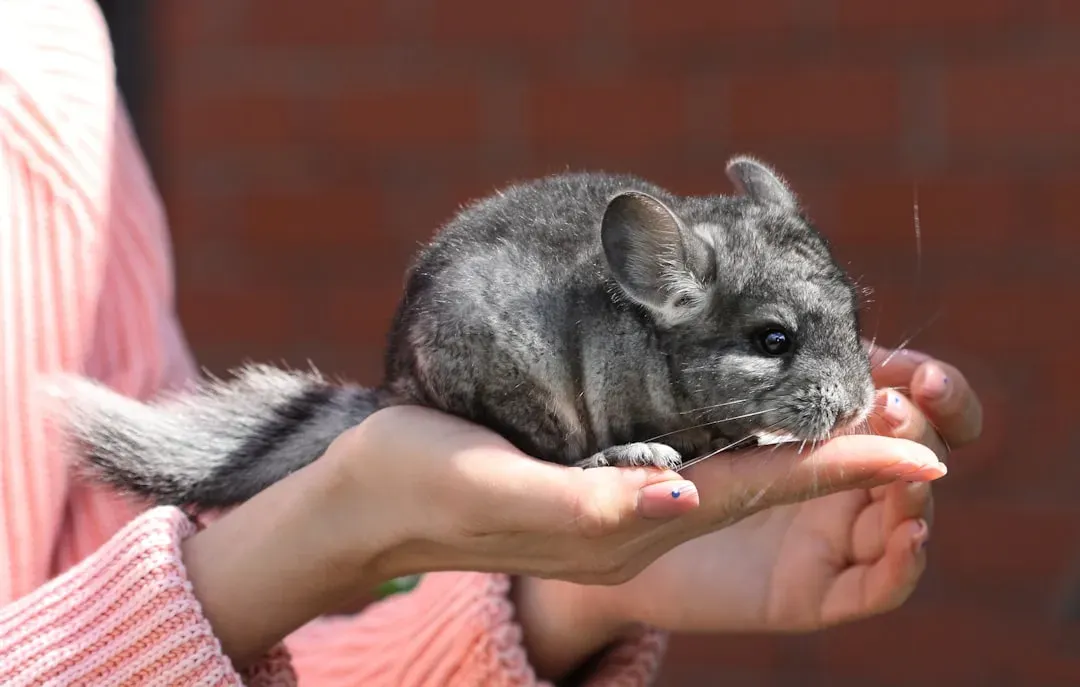
Chinchillas are quiet, nocturnal, and not the species most people picture when they think about deep emotional attachment. That assumption is exactly why failed rehomings catch owners off guard. A chinchilla that has bonded to one person and lost them doesn’t act out dramatically – it simply withdraws. New owners describe months of an animal that exists in the same space but refuses to acknowledge them, hiding during handling attempts and freezing rather than exploring.
The danger in that passivity is that stress-related health decline in chinchillas can be subtle until it’s serious. Fur-chewing, weight loss, and digestive issues accumulate quietly. Some chinchillas have lived in sanctuaries for years without ever voluntarily approaching a staff member – not aggressive, not visibly distressed, just permanently unavailable. Vets who work with exotic small mammals describe bonded chinchilla rehomings as among the lowest-success placements in their caseload, precisely because the problem is so easy to miss until it’s already entrenched.
Quick Compare: Small Mammals and How Stress Shows Up After Rehoming
| Animal | Primary Stress Signal | Key Medical Risk |
|---|---|---|
| Rabbit | Hiding, freezing, refusal to eat | GI stasis (potentially fatal) |
| Guinea Pig | Goes silent, stops moving purposefully | Immune suppression, rapid weight loss |
| Chinchilla | Total withdrawal, refuses contact | Fur-chewing, digestive decline |
| Sugar Glider | Self-mutilation, hunger strike | Infection, organ stress, death |
| Ferret | Litter regression, escalating biting | Anxiety-driven health collapse |
#3 – Sugar Gliders Rarely Accept New Colonies
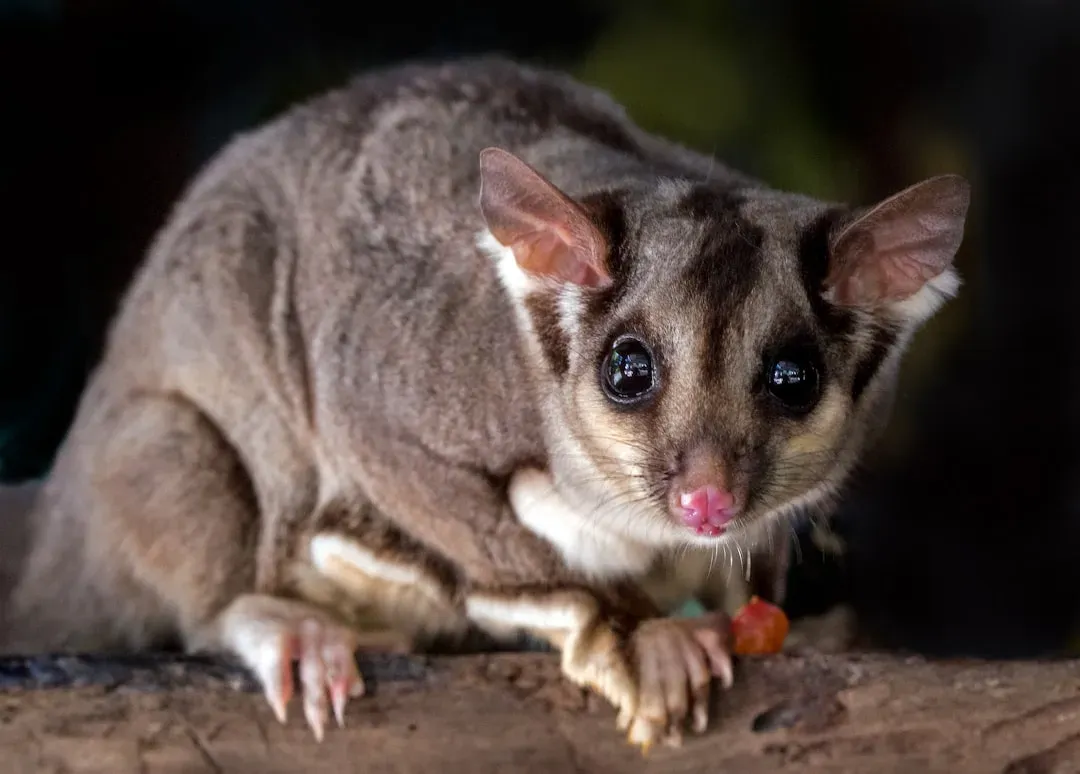
Sugar gliders are colony animals, and in captivity, their owner becomes the colony. That’s not a metaphor – their social wiring is oriented around a tight, familiar group, and a new household full of strangers registers as a total social collapse. Vets who specialize in exotic small mammals see self-mutilation and hunger strikes in rehomed gliders with a frequency that disturbs even experienced practitioners. Stress in sugar gliders can result in self-mutilation of the tail, limbs, and other areas – and if left untreated, the consequences can be fatal.
The mortality risk is real and documented. Researchers have actually used isolated sugar gliders as models of serotonin-deficiency depression – because housing them alone is reliably enough to clinically depress them. Some gliders have died from stress-related complications within months of placement – not from disease, not from neglect, but from the physiological consequences of sustained social dislocation in an animal that was never built to navigate it alone. Sugar glider rescues are among the most vocal advocates for pre-adoption education precisely because the consequences of a poor placement aren’t just behavioral. They are fatal with a regularity that the general public rarely hears about.
The problem isn’t that people don’t love these animals enough. The problem is that love without species-specific knowledge can cause exactly the harm it’s trying to prevent.
Common refrain among exotic animal veterinarians
#2 – Pet Rats Form Surprisingly Deep One-Person Bonds
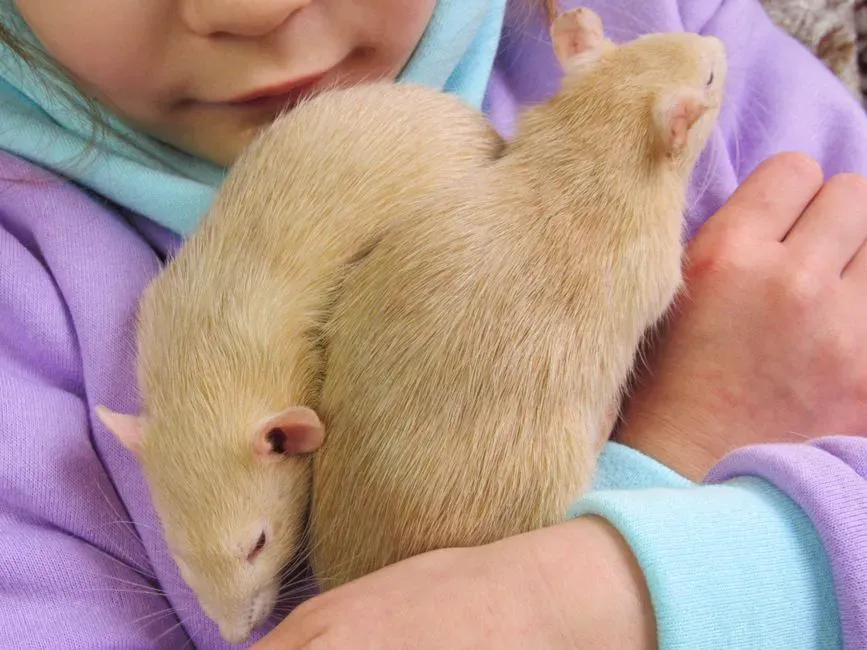
Rats are among the most intelligent small animals kept as pets, and that intelligence cuts both ways. It means they form genuine, nuanced attachments – recognizing their person’s scent, voice, and patterns with impressive precision. It also means they notice, with equal precision, when that person is gone and a stranger has taken their place. Rescue groups describe rehomed bonded rats as often becoming unrecognizable – the gentle, curious animals their first owners described replaced by something fearful, aggressive, or profoundly withdrawn.
The cruelty of this situation is compounded by the rat’s lifespan. These animals live two to four years, which means a failed rehoming doesn’t just cost them an adjustment period – it can consume a meaningful fraction of their entire life. Some rats have lived out their remaining months in single-person foster arrangements because no communal placement was workable, cared for well but never again reaching the ease and trust of the relationship they lost. For an animal that is so often underestimated, the depth of what they lose is profound.
#1 – Pot-Bellied Pigs Remember Their First Family Forever
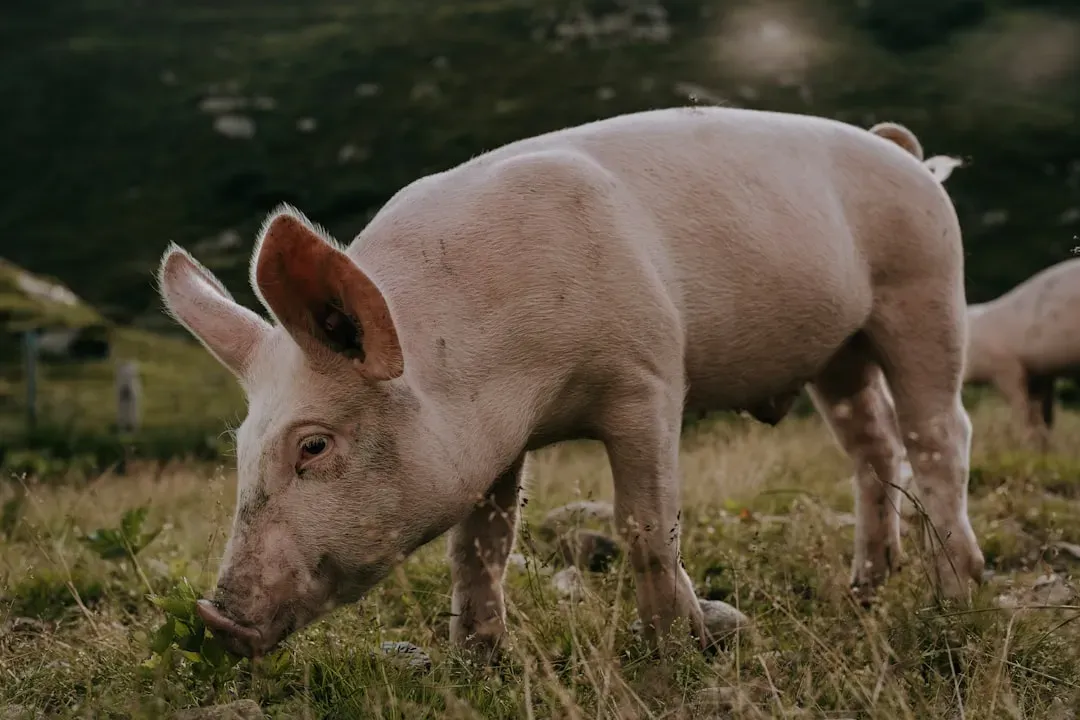
Pot-bellied pigs top this list because they combine the worst possible combination of traits for rehoming: formidable memory, high emotional intelligence, and a stubbornness that vets describe as absolute once it’s engaged. Pigs are ranked among the most intelligent animals on earth – studies show they can use theory of mind skills, understand symbolic language, and even practice tactical deception. They remember their first family not in a vague, instinctive way – they remember specific people, specific routines, and specific environments with a clarity that makes any substitute feel like an insult. Refusal to eat, refusal to move, and refusal to acknowledge new owners for months on end are standard presentations in surrender cases.
Some pigs have been returned to shelters three and four times – not because each successive owner was cruel or neglectful, but because the pig simply would not adapt. Vets have documented cases requiring sedation just for routine transport because the stress response was so severe. These animals were never meant to be a revolving-door pet, and the consequences of treating them as one are written clearly across every failed placement. A pot-bellied pig that has loved someone will carry that loyalty for the rest of its life – which, at 12 to 18 years on average (with some living to 20), is a very long time to grieve.
Fast Facts: Pot-Bellied Pigs
- Ranked among the top 5 most intelligent animals on earth, behind only humans, apes, whales, and dolphins
- Capable of spatial memory, time perception, tactical deception, and understanding symbolic language – skills that make rehoming trauma stick deeply
- Average lifespan: 12–18 years, with some living to 20 – a long time to carry grief
- Like dogs, pigs actively seek comfort from their owners when stressed – and notice precisely when that person is no longer there
- Pigs are social animals by nature; in the wild they live in structured groups, making the loss of a bonded human hierarchy especially destabilizing
Why This Matters More Than Most Pet Advice You’ll Read
Every vet, shelter behaviorist, and exotic animal specialist who contributed to our understanding of these cases said some version of the same thing: the problem isn’t bad owners or unlucky placements. The problem is a fundamental mismatch between how humans think about pet attachment and how certain species actually experience it. We assume animals are resilient and adaptable because most of the animals we’ve historically kept as pets are. These sixteen are not. Their bonding systems are rigid, deep, and in many cases, physiologically tied to their health in ways that make separation genuinely dangerous.
The takeaway isn’t guilt – it’s clarity. If you own one of these animals, the decision to rehome is not one to make lightly or quickly. If you’re considering adopting one, know that you may be the last person this animal ever truly trusts. That’s not a burden – it’s one of the most meaningful things a relationship with an animal can be. These species don’t bond halfway. They don’t give you part of themselves while holding the rest in reserve. When they choose you, they mean it completely – and that deserves to be honored with the same seriousness they bring to it.
