
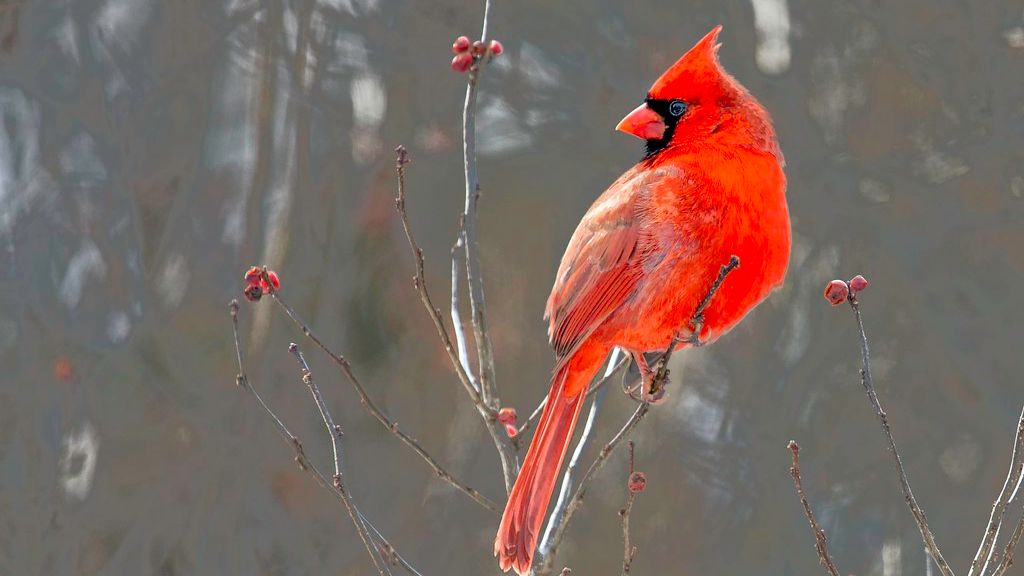
1. Serviceberry (Amelanchier spp.) – The Early Bird Special
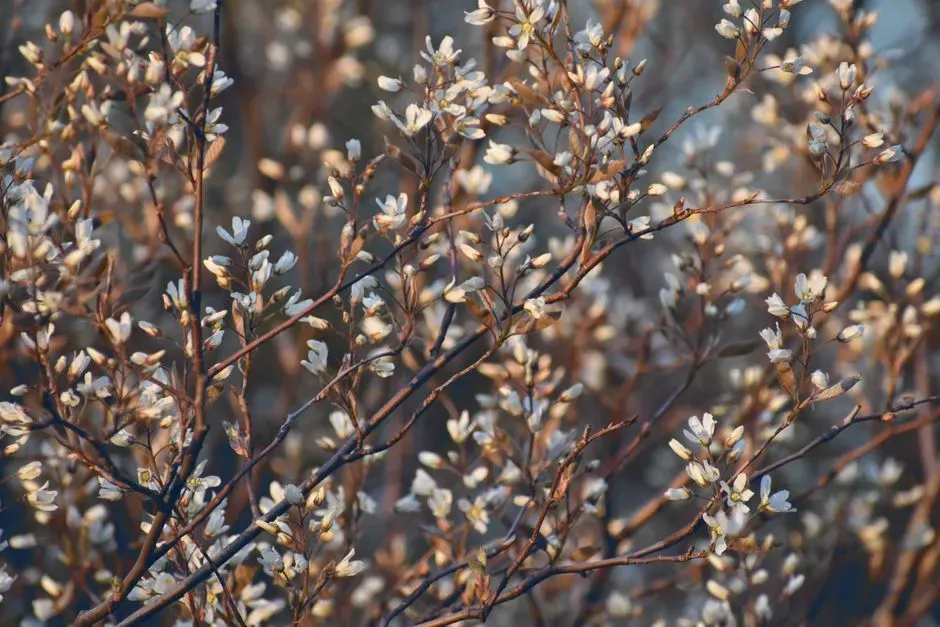
From flowers to fruits to nesting cover, the Amelanchier family offers small trees and shrubs that are among the most popular with wildlife habitat enthusiasts. They’re one of the first shrubs to fruit in the season, making them particularly valuable when migrating birds arrive hungry in spring.
Their nutrient density fuels migrating thrushes, waxwings, and bluebirds during peak travel season. Saskatoon serviceberry and other serviceberry species provide shelter and fruits at different times of year to attract birds like American Robin and Western Tanager. Many different native species of serviceberry are gorgeous for landscaping and wildlife viewing, and serviceberry fruit is edible to humans, too – that is, if you can get to the berries before the birds do.
2. Elderberry (Sambucus canadensis) – A Wildlife Powerhouse
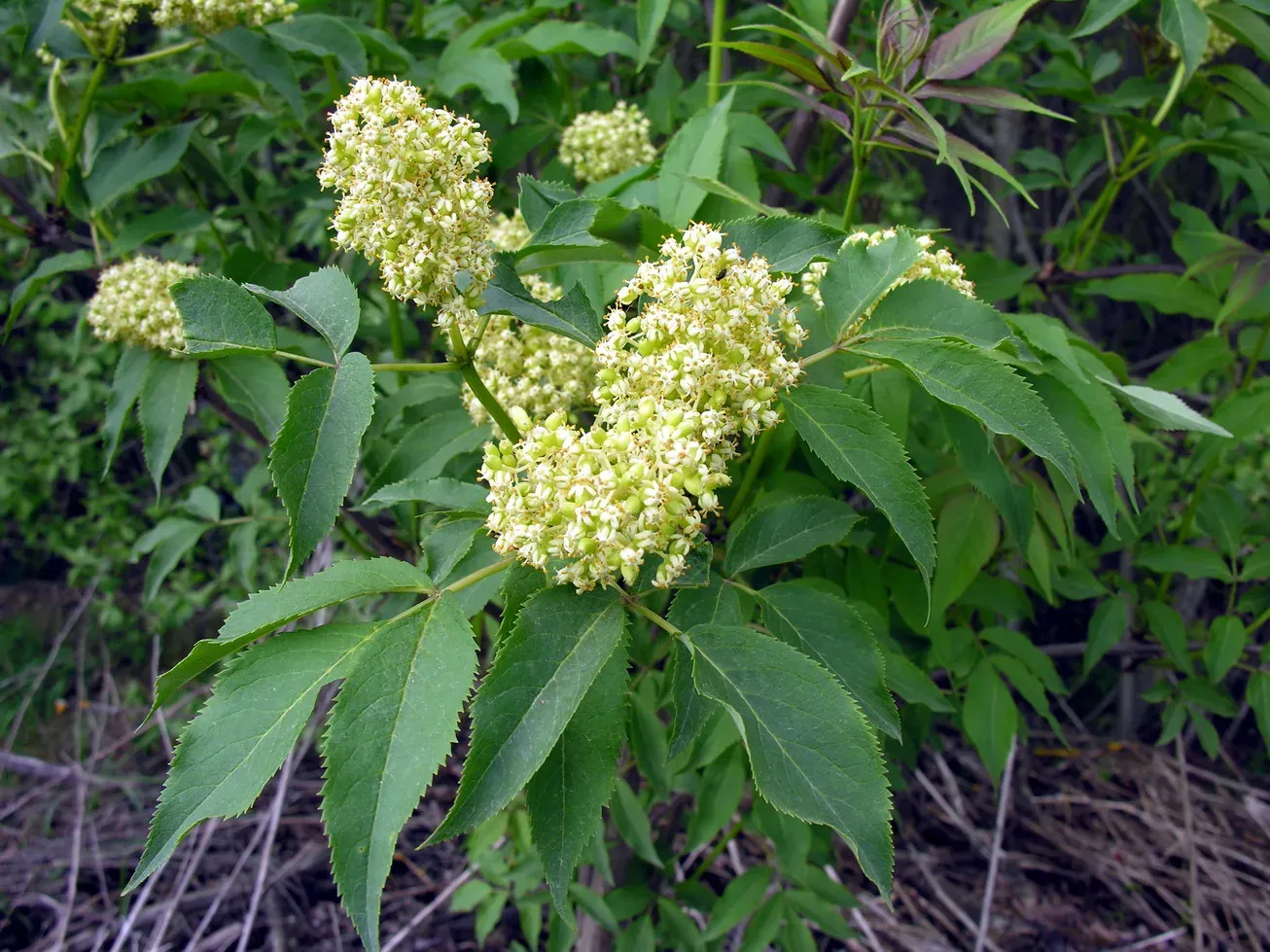
Elderberry is a versatile plant that has been used to make dye and medicine, and its bright dark blue fruits provide food for many birds within its range, including the Brown Thrasher and Red-eyed Vireo, and dozens of others. It’s one of those shrubs that does almost everything right.
A luxurious shrub with long, drooping branches, elderberry produces flat white clusters of flowers that turn into purple berries in late summer. The fruit is relished by gray catbirds, robins, bluebirds and many other backyard songbirds. Their black berries are present in late summer and fall, so they provide birds with a great head start heading into winter.
3. Arrowwood Viburnum (Viburnum dentatum) – The Understory Gem
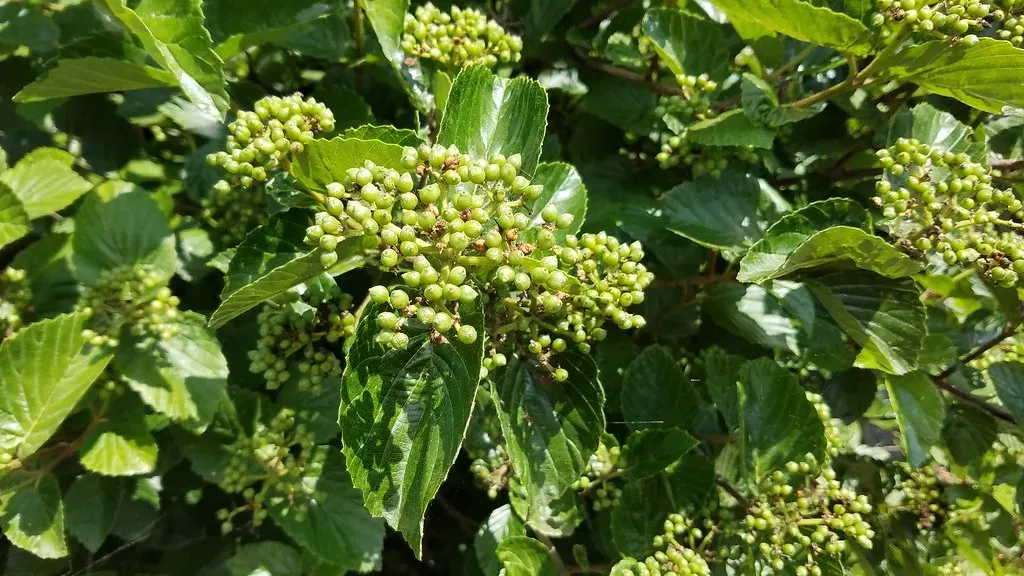
Viburnums grow in the forest understory, attract myriad invertebrates to their flowers and leaves, and produce berries and nesting areas for a wide variety of songbirds. Arrowwood viburnum in particular earns consistent high marks from wildlife gardeners and ornithologists alike.
For fall berries, viburnums are an excellent choice, especially arrowwood viburnum. Not only are its fruits high in fats and carbohydrates, which allow migrants to rapidly refuel, but the berries also contain large amounts of antioxidants. These chemicals help alleviate the physical stress birds suffer when they burn fat during their long, strenuous flights. Native to much of the eastern United States, arrowwood shrubs support wildlife throughout the year. In the spring and early summer, small white flowers attract bees and butterflies. The blue-black berries that follow often persist through the winter, when birds need them most.
4. Winterberry Holly (Ilex verticillata) – Color in the Cold
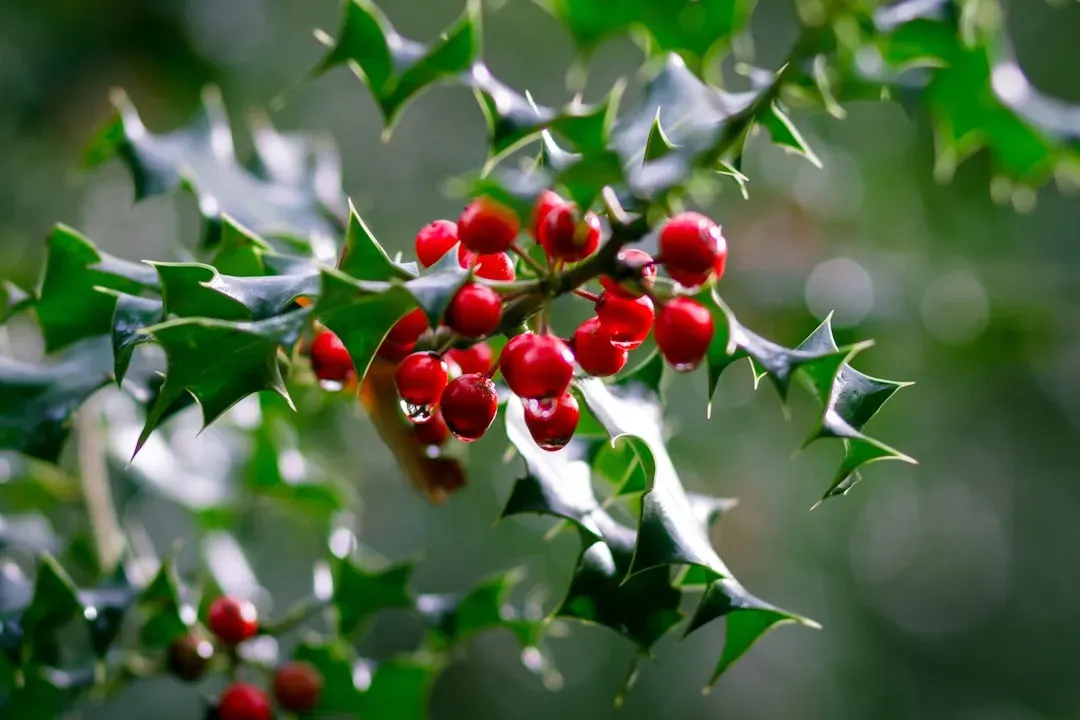
Winterberry is a small shrub whose red berries are consumed by a number of bird species. It’s aptly named, in that the berries persist in the winter, so long as birds haven’t eaten them all. Its bare winter branches loaded with red fruit make it one of the most visually striking shrubs in the dormant landscape.
As many as 48 different species of birds consume winterberry fruit in the winter months. Because this native shrub loses its leaves in the winter, its berry-laden limbs put on a real show. Winterberry is a native holly that usually holds its red fruit well into the cold months, providing a critical food source precisely when little else is available. Just note that you’ll need both a male and female plant for fruit production.
5. Northern Spicebush (Lindera benzoin) – A Migration Magnet
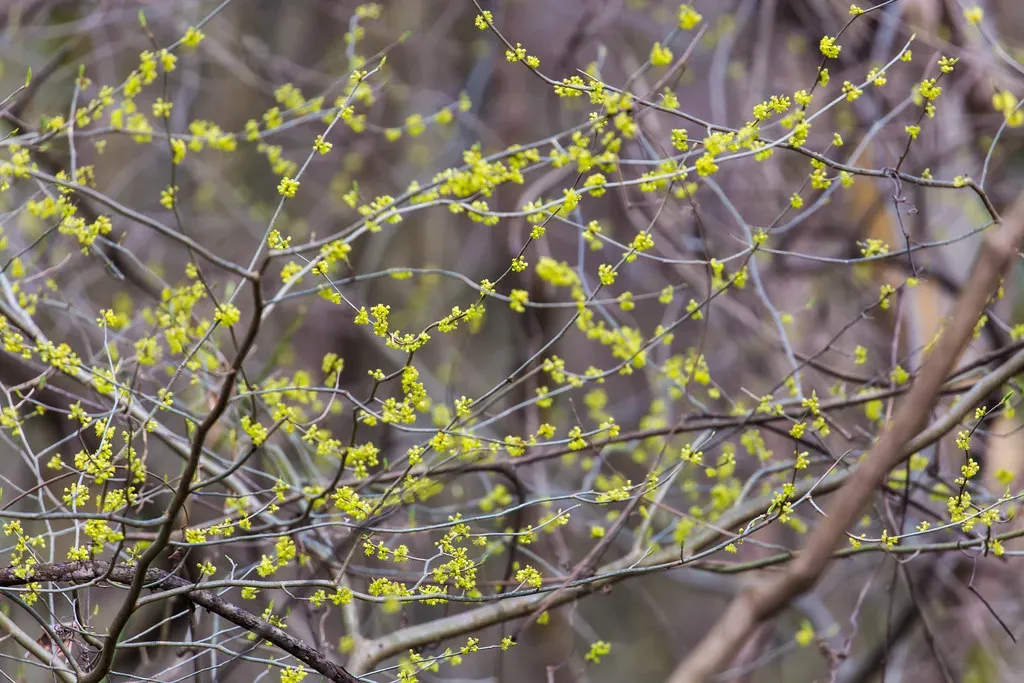
Northern Spicebush has many benefits, among which is its use by some species of birds as nesting sites and as a source of high-quality food. In North Carolina, it is considered one of the best shrubs for creating bird habitat. It’s one of those plants that rewards you quietly, season after season.
By early fall, the female Spicebush is covered in glossy red berries that have huge wildlife appeal. Over twenty different kinds of songbirds enjoy their fruits, from the great crested flycatcher and eastern kingbird to the catbird, robin, and white-throated sparrow. The timing of the fruit is especially important since it coincides with fall bird migration. Research at a Southern Appalachian stopover site found that 24 species of birds were detected feeding on spicebush, with Swainson’s Thrush being the most frequent visitor, followed by Brown Thrasher, American Robin, and Northern Cardinal.
6. American Beautyberry (Callicarpa americana) – The Showstopper
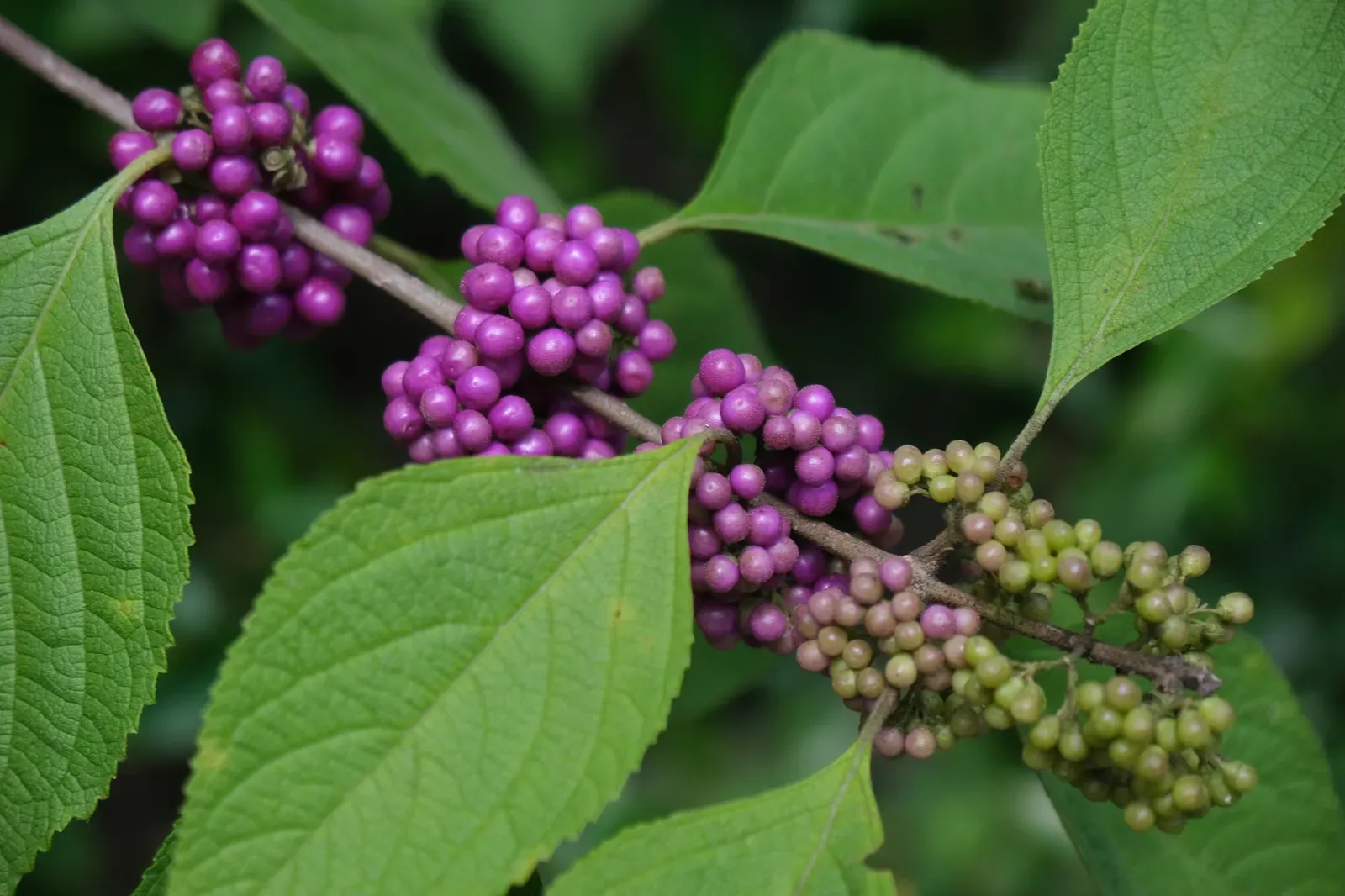
American Beautyberry is one of the most visually striking native shrubs of the Eastern and South-Central United States. Its fame rests almost entirely on its extraordinary fruit – dense, tightly-packed clusters of brilliantly iridescent purple-violet berries that encircle the arching stems in late summer and fall. There’s genuinely nothing else in the American landscape that looks quite like it.
Beyond its ornamental value, American Beautyberry is an ecological workhorse. The berries are consumed by over 40 species of birds, including mockingbirds, catbirds, robins, towhees, and brown thrashers. The shrub’s dense growth also provides excellent nesting habitat and protective cover. In fall, migrating birds may strip the berries within days, so if you want to observe feeding activity, check the plant frequently in September and October.
7. Red Twig Dogwood (Cornus sericea) – Year-Round Value
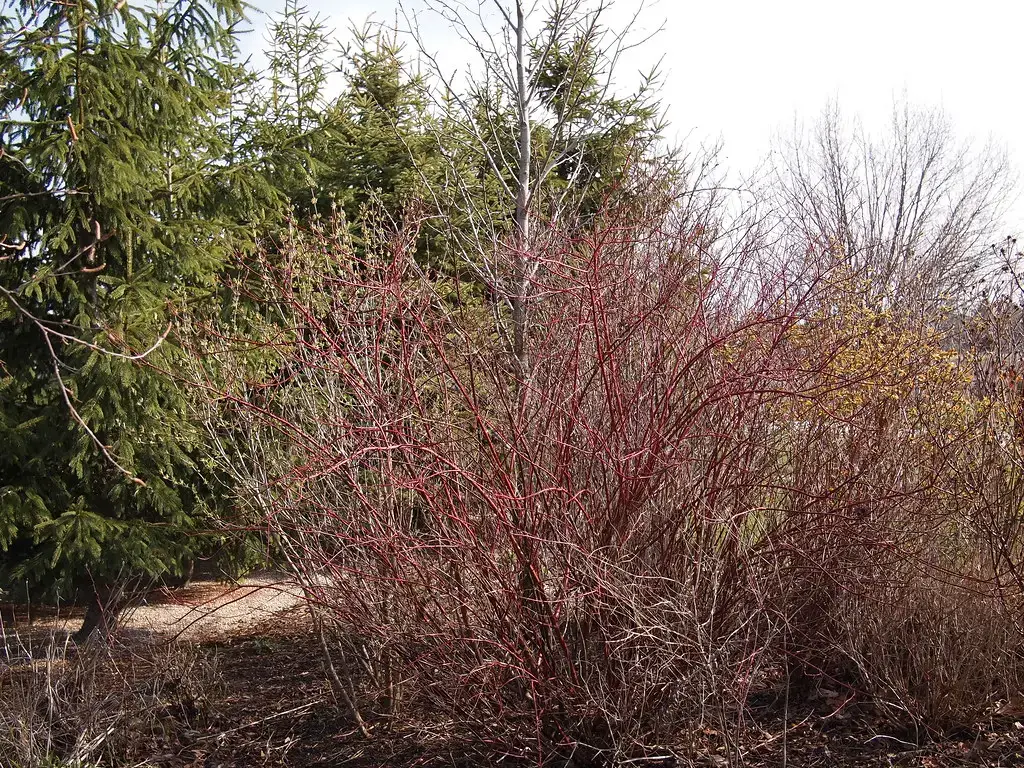
Of around 50 dogwood species worldwide, 16 are native to the United States, in both shrub and tree varieties. Red twig dogwood is particularly welcome in wintertime, when its stems turn a striking red. The shrub’s bluish-white berries appear in late summer or early fall and often hang on through the colder months, providing food for many species of birds.
The bright stems on the younger growth of this multi-stemmed shrub provide striking winter color while the berries provide nutrition for birds. It attracts cardinals, cedar waxwings, American robins, nuthatches, tufted titmice, dark-eyed juncos, sparrows, bluebirds, warblers, and woodpeckers. Few native shrubs manage to be both this beautiful and this ecologically productive at the same time.
8. Highbush Blueberry (Vaccinium corymbosum) – Dual Purpose Delight
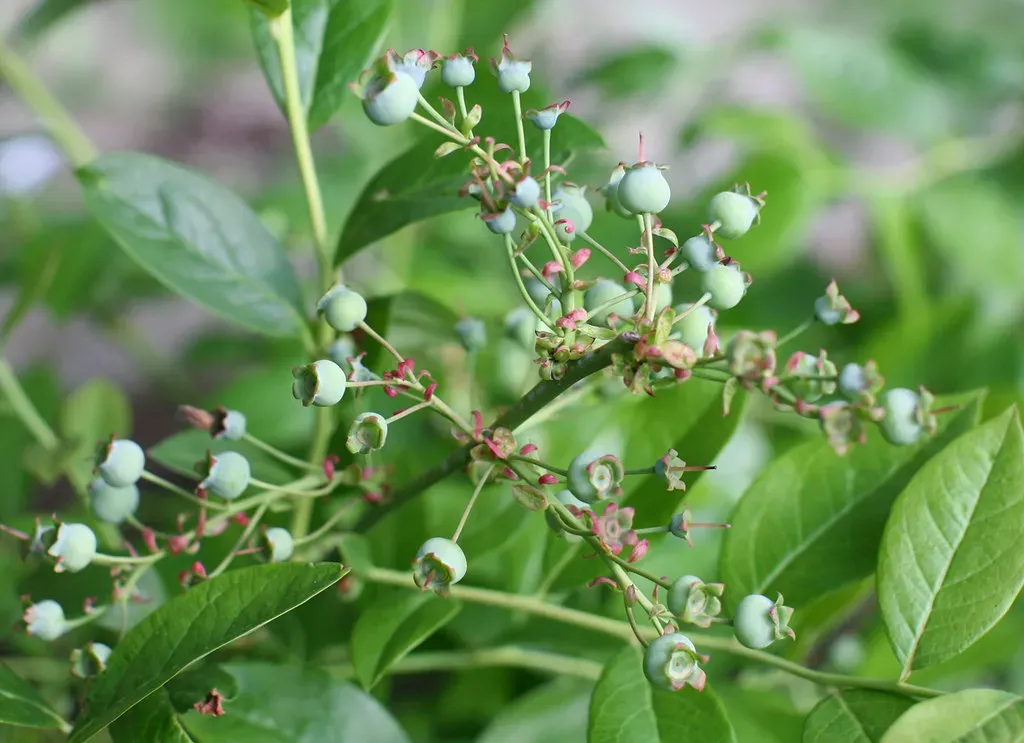
Shrubs such as highbush blueberry draw in Gray Catbirds and Eastern Towhees through midsummer. The connection between this plant and birds is intuitive – we plant it for the same reason songbirds seek it out: the fruit is rich, abundant, and delicious.
Plant a few highbush blueberries to enjoy wildlife and a beautiful, fiery foliage show in the fall. The shrub also supports native insects through its early spring bloom, which comes before most ornamental plants have even leafed out. Some of the most popular native shrubs for attracting birds combine both dense vegetation and delicious berries, as the berries are especially important during migration periods and the dense vegetation helps shield smaller birds from predators while creating good habitat for roosting and nesting.
9. Native Blackberry and Raspberry (Rubus spp.) – The Bramble Birds Love
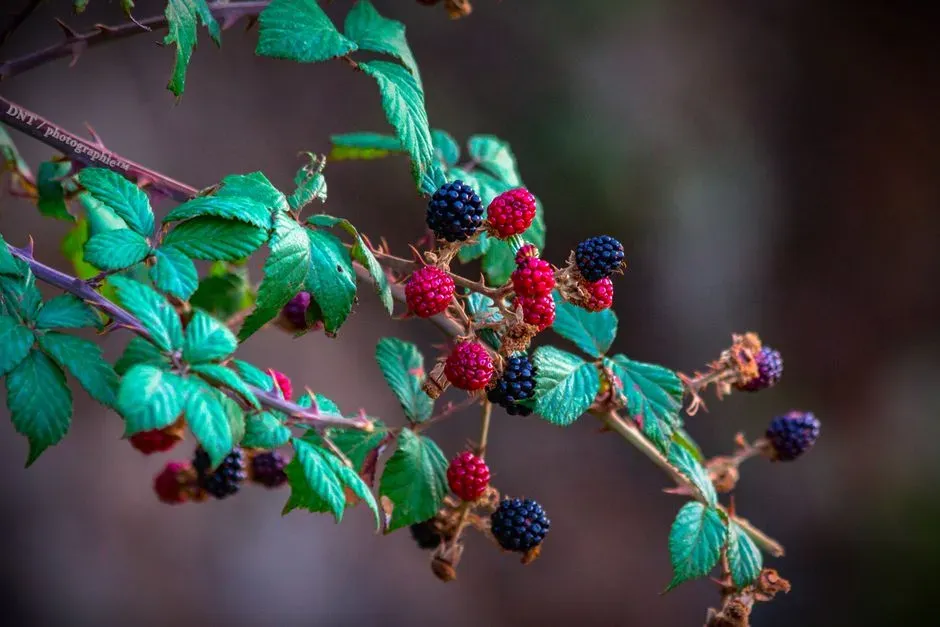
Attractive to many insects, these thorny plants also create brambles that provide cover and nesting places, while producing berries in summer. A well-established bramble patch might look a little wild, but to birds it looks like home and a full pantry rolled into one.
Sparrows love thickets, so patches of blackberry thicket and wild grasses are ideal for attracting them. Blackberries and wild grasses offer fruits and seeds as food, and they also provide nesting habitat, shelter from harsh weather, and foraging grounds where sparrows, along with other birds like warblers and chickadees, can hunt for insects. Just be careful with identification. It’s important not to confuse native blackberries with the similar but red-stemmed invasive exotic called wineberry.
10. Native Sumac (Rhus spp.) – The Winter Lifeline
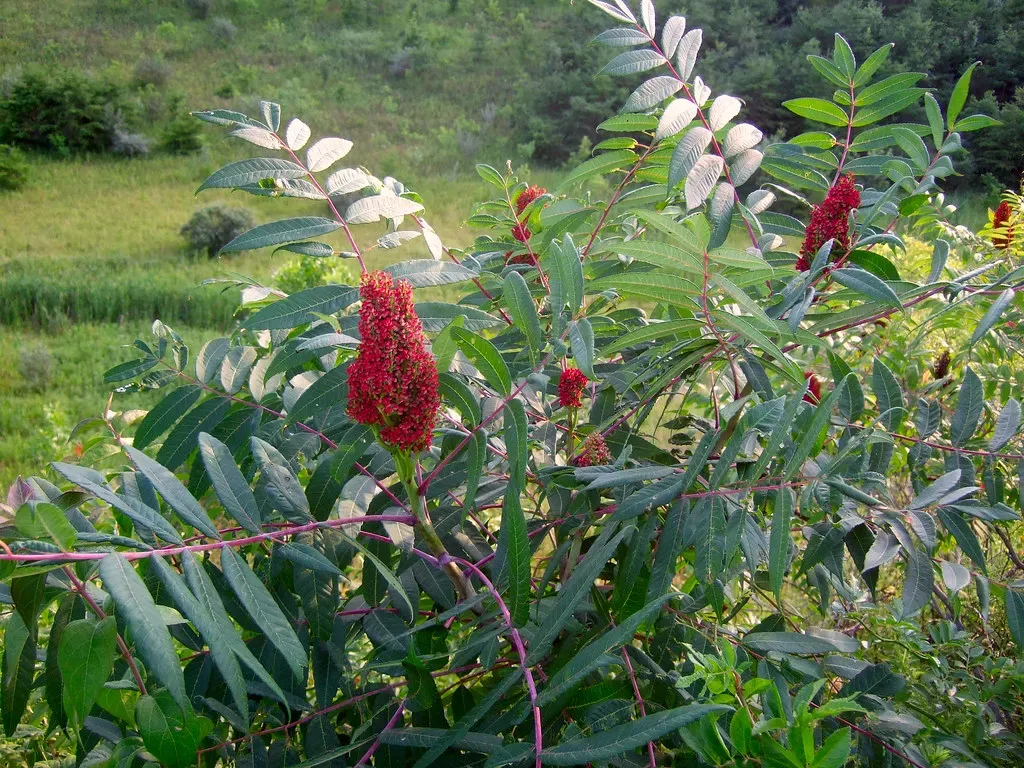
Sumac grows quickly and thrives in recently disturbed areas. Its red winter berries are especially beautiful when held in the beaks of chickadees, titmice, and other birds that need this source of scarce winter food to survive. It’s a shrub that earns its place in the landscape precisely when most others have gone quiet.
Relatives of mango, cashew, and pistachio plants, North American sumacs grow as both shrubs and trees and thrive in a wide variety of environments. As insects become scarcer in the winter, songbirds often rely on other sources of energy like berries and seeds. Some berries are better than others in terms of nutritional value, with important factors including antioxidants, energy, fat, and protein. Plants rich in antioxidants may even help birds lessen the oxidative stresses sustained during migration. Sumac fits firmly into that high-value category, especially for overwintering species.
A Final Thought on Putting It All Together
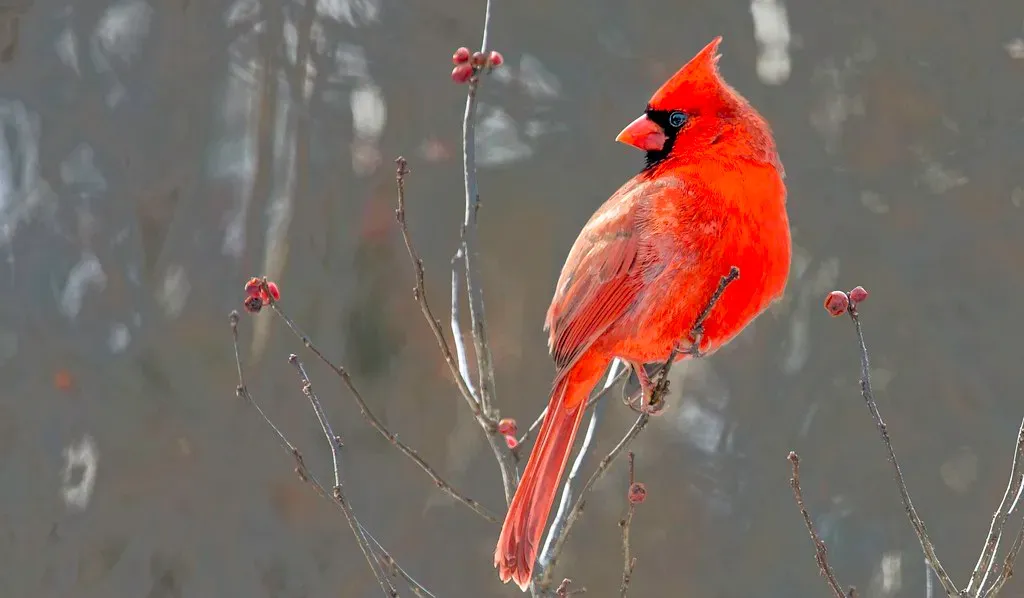
The shrubs on this list aren’t just individually useful; they work best when planted together. Layering tall, mid-height, and low shrubs while staggering their fruit seasons keeps birds fed continuously from early summer through the coldest winter months. That’s the difference between a yard that gets the occasional visit and one that becomes a genuine destination along the migratory corridor.
Native birds are bound to a food web that is facilitated by native plants. Over evolutionary time, each bird species became associated with particular native plants and their ability to provide food in the form of fruit and insects. That ancient relationship didn’t disappear when suburbs replaced forests. It just got interrupted. Planting even a handful of the shrubs on this list is a genuine act of ecological restoration, not just gardening.
There’s something worth sitting with here: the loudest, most colorful morning in your backyard might not come from a feeder you fill. It might come from a winterberry you planted two years ago, now absolutely covered in birds on a cold November morning. That’s the kind of gardening that actually sticks with you.

- What Happens to Your Brain in the Final 60 Seconds Before Death – Neuroscientists Just Mapped It - August 13, 2026
- The Most Dangerous Myths About Tornadoes at Night - August 13, 2026
- How To Ride A Horse Safely - August 13, 2026