
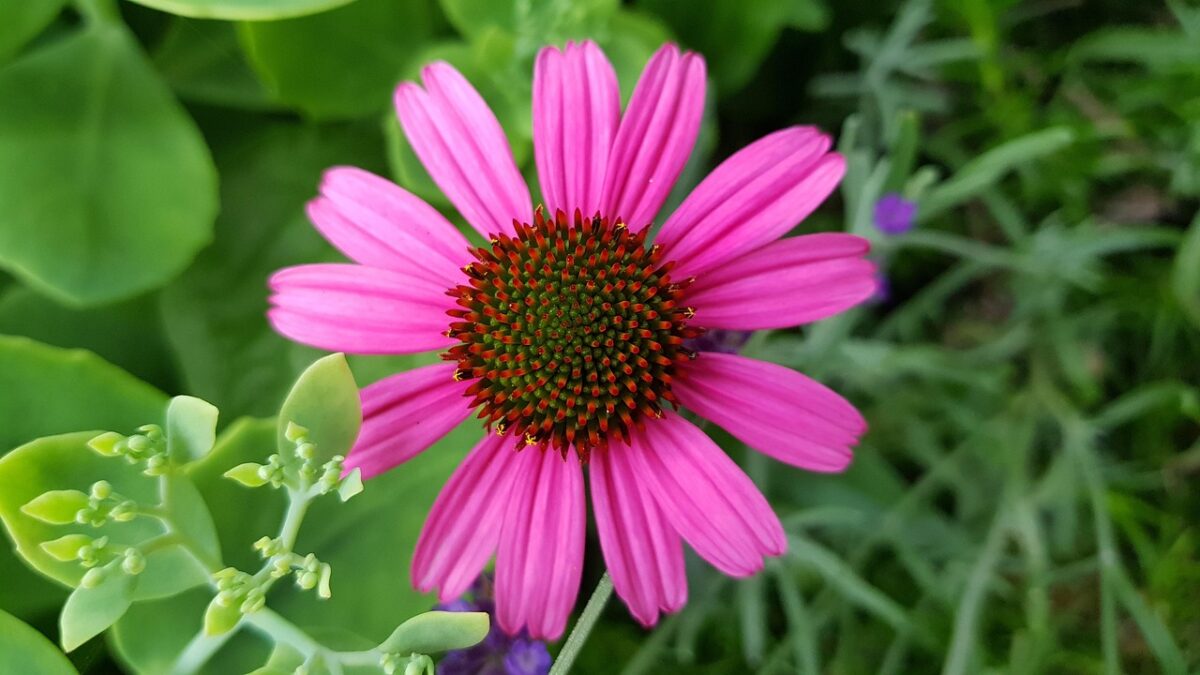
Imagine strolling through your garden and noticing heads turning from across the street. Your neighbors slow down during their evening walks, eyes fixed on the vibrant bursts of color cascading across your yard. The secret isn’t some exotic import that requires endless maintenance. It’s something far more powerful, perfectly adapted to thrive right where you are.
Native plants are essential to support local wildlife like butterflies, bees, birds, and more. They’re hardwired for your climate, designed by nature itself over thousands of years to flourish in your soil. You’re not just planting flowers – you’re creating an ecosystem that practically takes care of itself while looking absolutely stunning.
Black-Eyed Susan: The Cheerful Classic That Never Disappoints
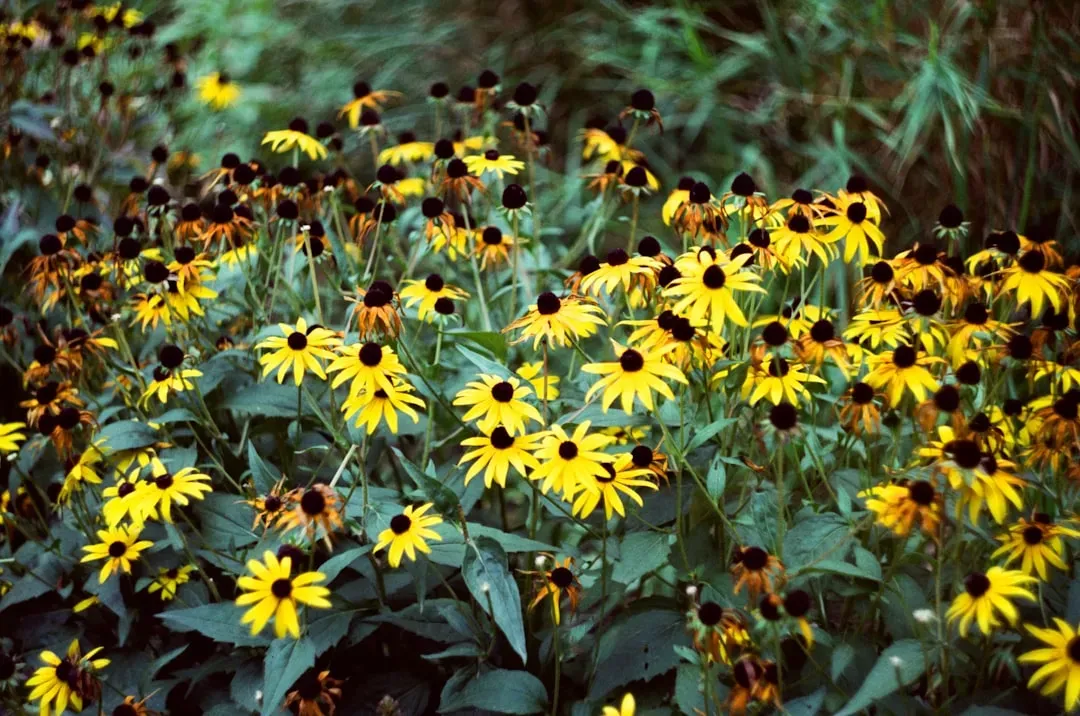
Black-eyed Susans make a cheery appearance in the garden with their large, daisy-like yellow flowers with brown centers. These beauties practically define summer in American gardens, and honestly, there’s a reason they’re so beloved. They’re tough as nails and will keep blooming from summer straight through to the first frost.
Black-eyed Susan looks great in a flower bed or border, and is particularly showy when used in mass plantings. New England aster, butterflyweed, and purple coneflower all make excellent companions. The drought tolerance is impressive, too. Once established, these plants laugh in the face of dry spells while continuing to produce those iconic golden blooms that catch sunlight like nature’s own spotlights.
Butterfly Milkweed: The Monarch Magnet
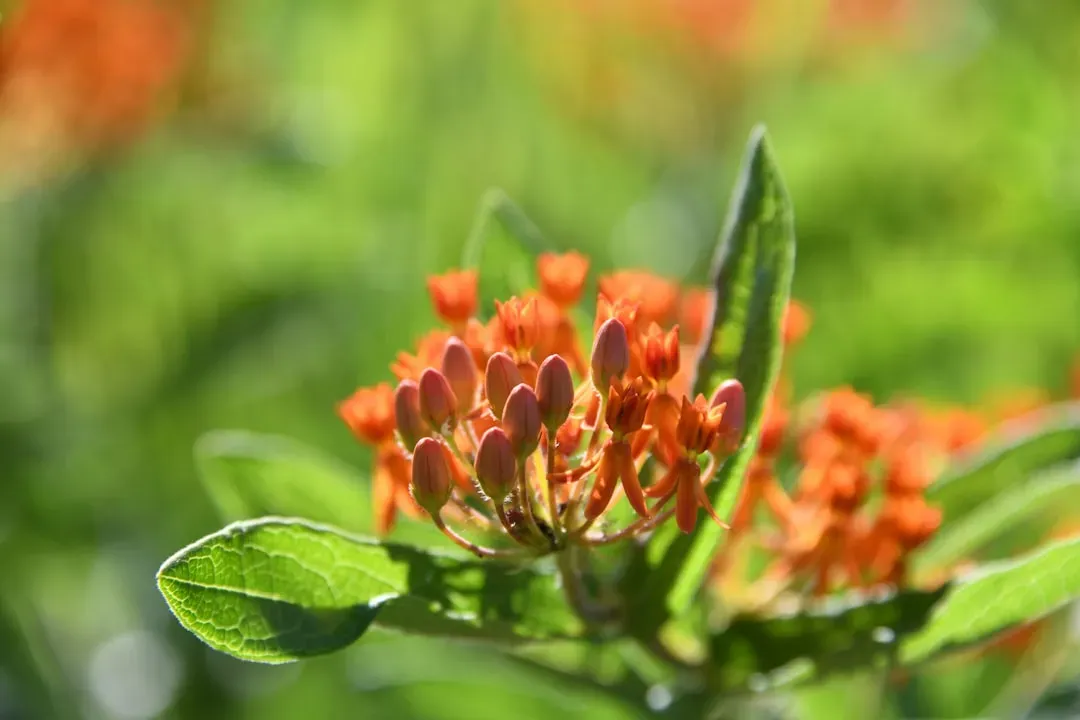
Milkweed is an amazing choice for your garden because it is the only host plant for monarch caterpillars. With recent numbers showing that monarch butterflies are continuing to decline, planting milkweed is more important than ever! This isn’t just about aesthetics. You’re literally providing life support for one of nature’s most remarkable migration stories.
The vibrant orange blooms create an eye-catching display that’s hard to ignore. Butterfly milkweed is full of toxins, which monarch larvae ingest and absorb in order to become poisonous themselves. The milkweed doesn’t want to be eaten so it secretes a thick latex that gums up the mouthparts of the larvae. Not to be outdone, the larvae cut notches in the leaves to slow the flow of latex while they eat. Talk about nature’s drama playing out right in your backyard!
Purple Coneflower: Low Maintenance, High Impact
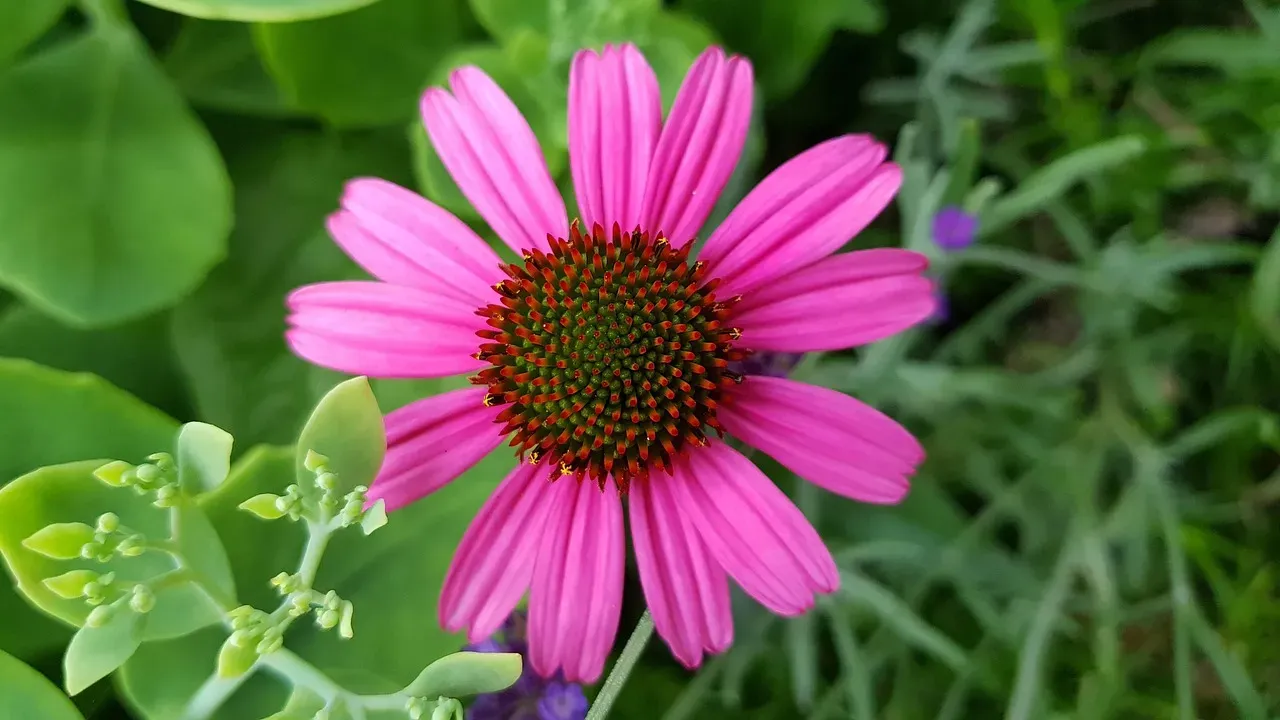
This wildflower requires little supplemental water and care; leave the dried seed heads up throughout the winter to feed various birds in your area. Echinacea is a spectacular cut flower and even a single stem creates an elegant statement in a vase. Let’s be real, who doesn’t want a plant that looks gorgeous and practically takes care of itself?
Echinacea purpurea is currently a darling in the flower farming world because of all the new and fun hybrids that have come to the market in recent years. The classic purple variety remains timeless, but you can now find them in shades of white, orange, and even green. Their sturdy stems and bold blooms create architectural interest that elevates any garden design from ordinary to extraordinary.
Cardinal Flower: A Hummingbird’s Dream Come True
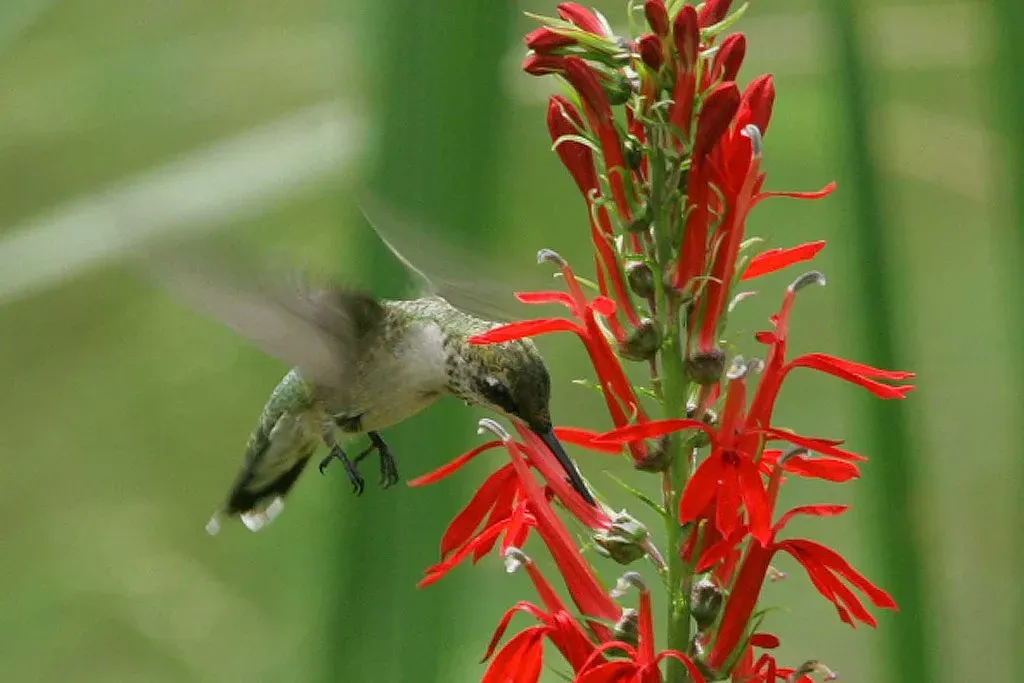
The American naturalist John Burroughs once said of cardinal flower, “It is not so much something colored as it is color itself.” This might sound dramatic, yet the moment you see those intensely red blooms lighting up a shady spot, you’ll understand exactly what he meant. The color is almost otherworldly.
A mid-summer showstopper with intensely red blooms, cardinal flower’s nectar is a favorite of hummingbirds who pollinate the flowers while probing for food. Position these strategically near a window, and you’ll have front-row seats to one of nature’s most mesmerizing shows. Watching hummingbirds dart and hover around these scarlet spires never gets old, I promise you that.
Blazing Star: The Vertical Wonder
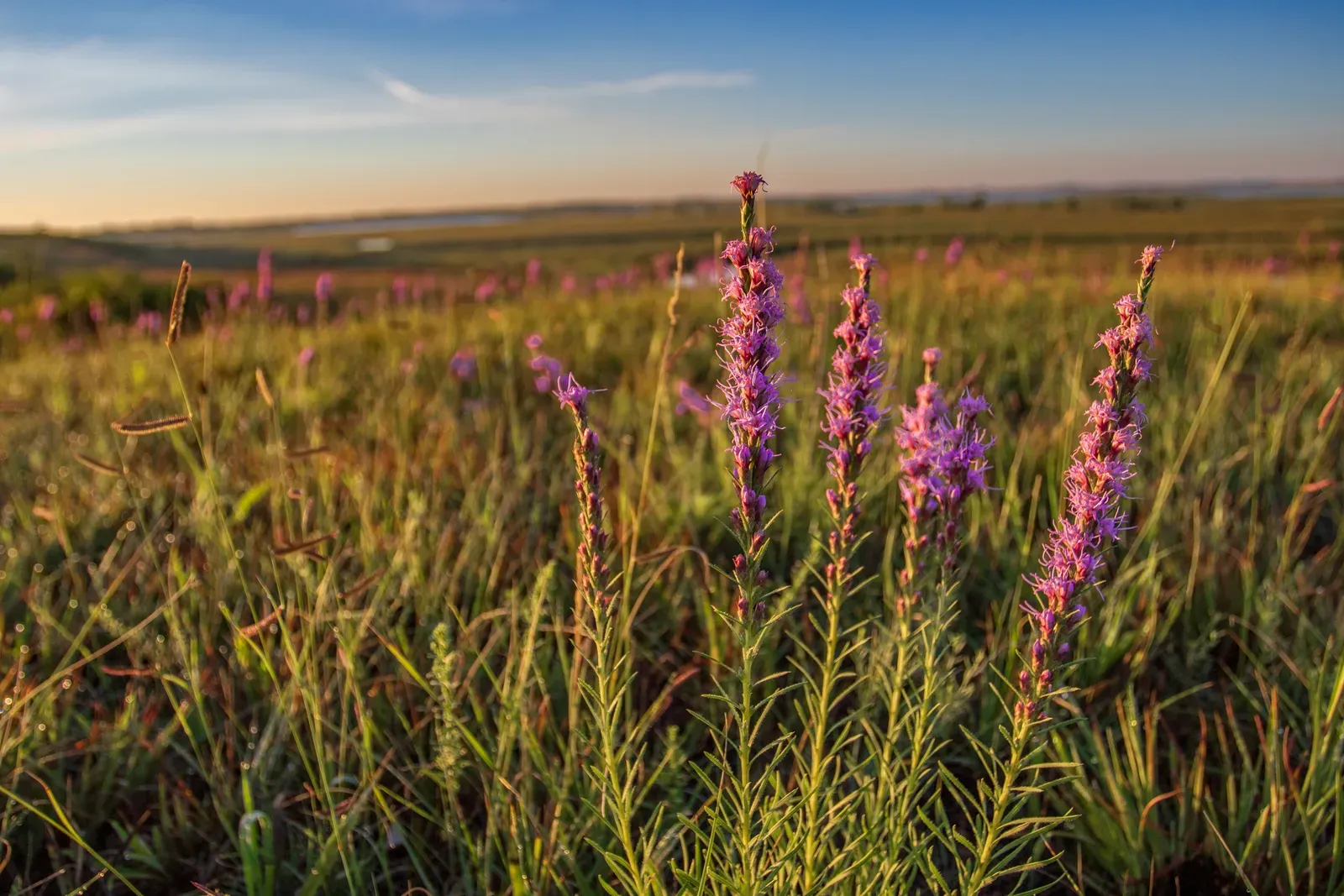
The dense blazing star’s unique flowers and sturdy stalks create a feathery appearance that has given rise to its alternate name, “the prairie gay feather.” These durable plants are drought and heat-resistant and easy to grow and propagate. Blazing star’s purple and white blooms create a special appeal to avian pollinators, including hummingbirds and certain songbirds!
Rough blazing star, with its tall, upright, progressively blooming flowers, is an important nectar source for migrating monarch butterflies in the fall. The way these flowers bloom from top to bottom is fascinating to watch unfold over several weeks. Your garden becomes a living calendar, marking the progression of the season in purple spires that reach skyward like natural exclamation points.
New England Aster: The Fall Finale Star
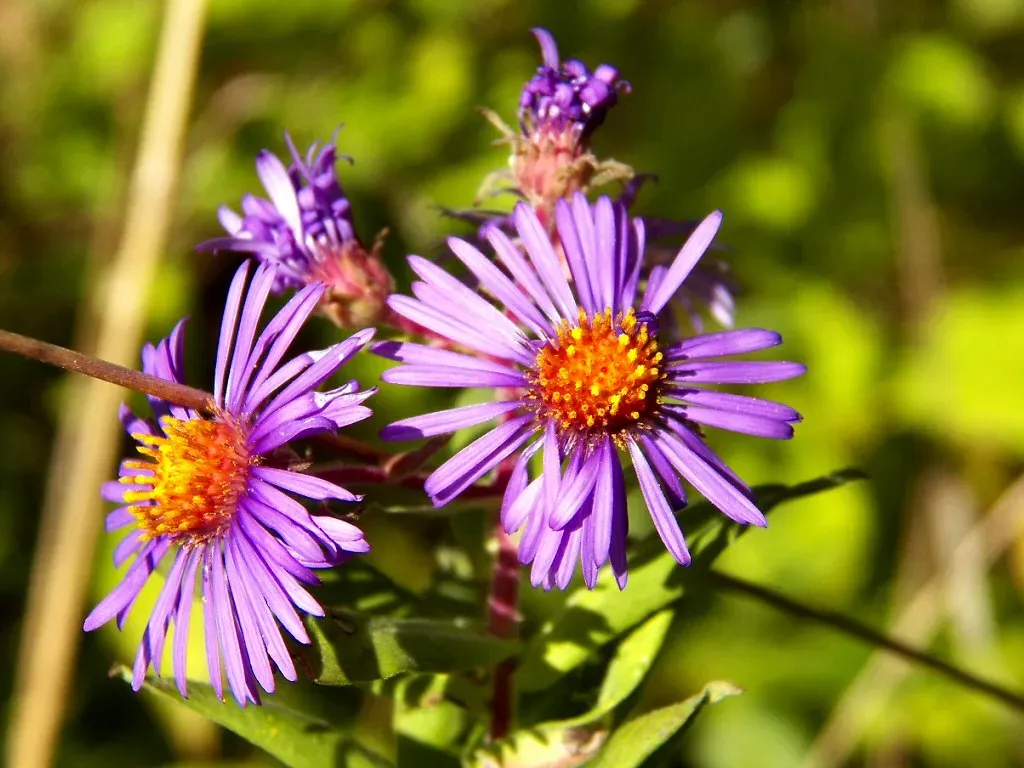
Asters are the stars of the autumn wildflower landscape – and their name actually comes from the Greek word for “star.” Ancients thought they were enchanted flowers, sacred to the gods, and used them in various ways to ward off evil. Best these days to use them to attract pollinators, as they’re hands-down favorites of bees and butterflies.
When most gardens are winding down for the season, New England asters burst into bloom with clouds of purple, pink, or white flowers. New England aster makes an excellent addition to the cut flower garden. Good companions include black-eyed Susans, Jerusalem artichokes, and fall sneezeweed. They provide crucial late-season nectar when pollinators are desperately preparing for winter, making your garden an essential pit stop.
Wild Columbine: The Delicate Showstopper
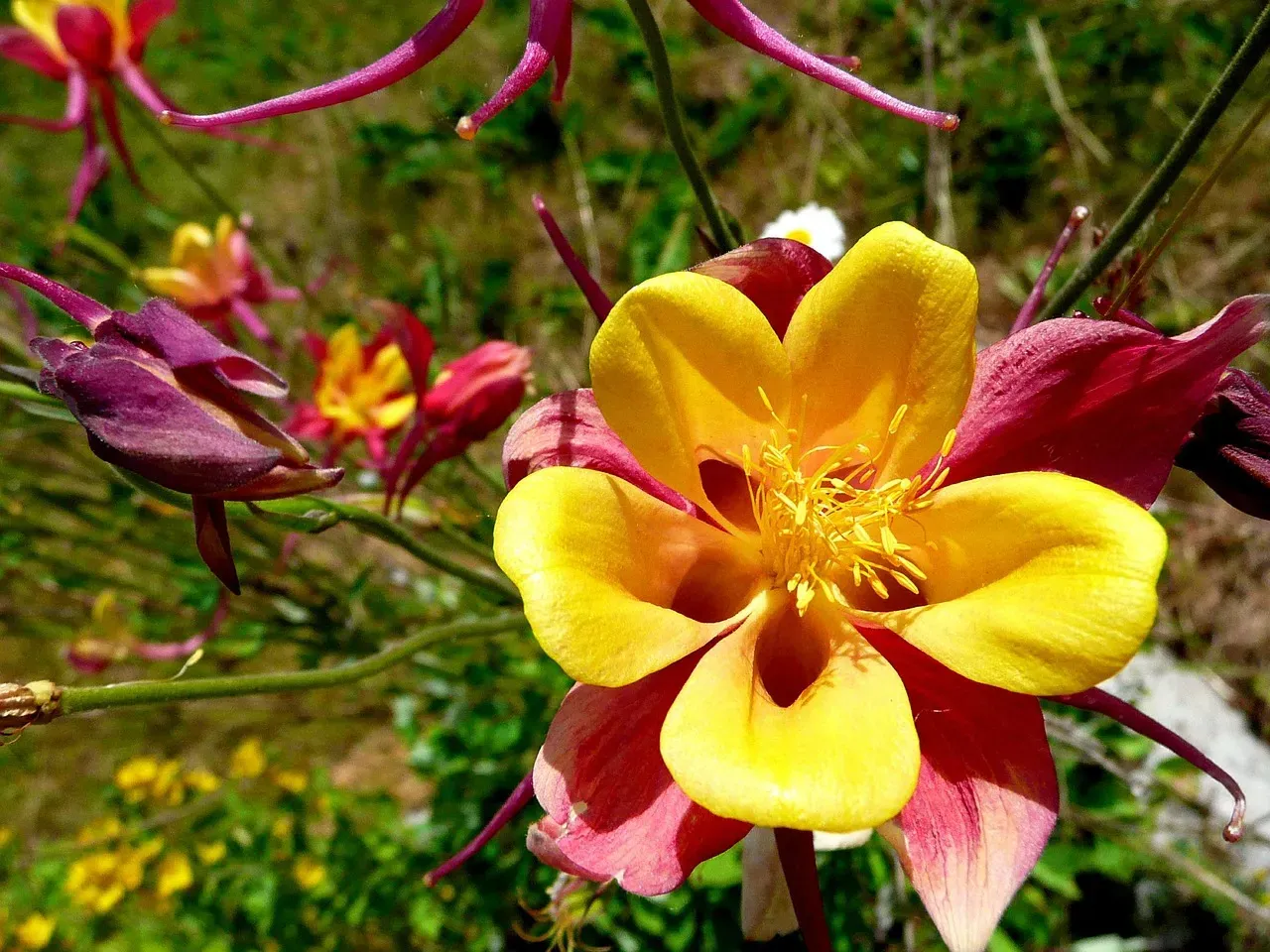
Columbine and Solomon’s seal both feature interesting foliage, and bloom in late spring. The nodding, bell-shaped flowers dangle like tiny lanterns in shades of red and yellow, creating an almost whimsical effect. They’re particularly stunning when planted in drifts under deciduous trees where dappled sunlight can play across their distinctive blooms.
These early bloomers are absolute lifesavers for spring pollinators emerging from winter dormancy. The unique flower shape with its backward-pointing spurs is specifically designed for long-tongued pollinators like hummingbirds and certain bees. It’s fascinating how evolution crafted such an intricate relationship between flower and pollinator, all playing out in your own garden.
Joe Pye Weed: The Towering Garden Giant
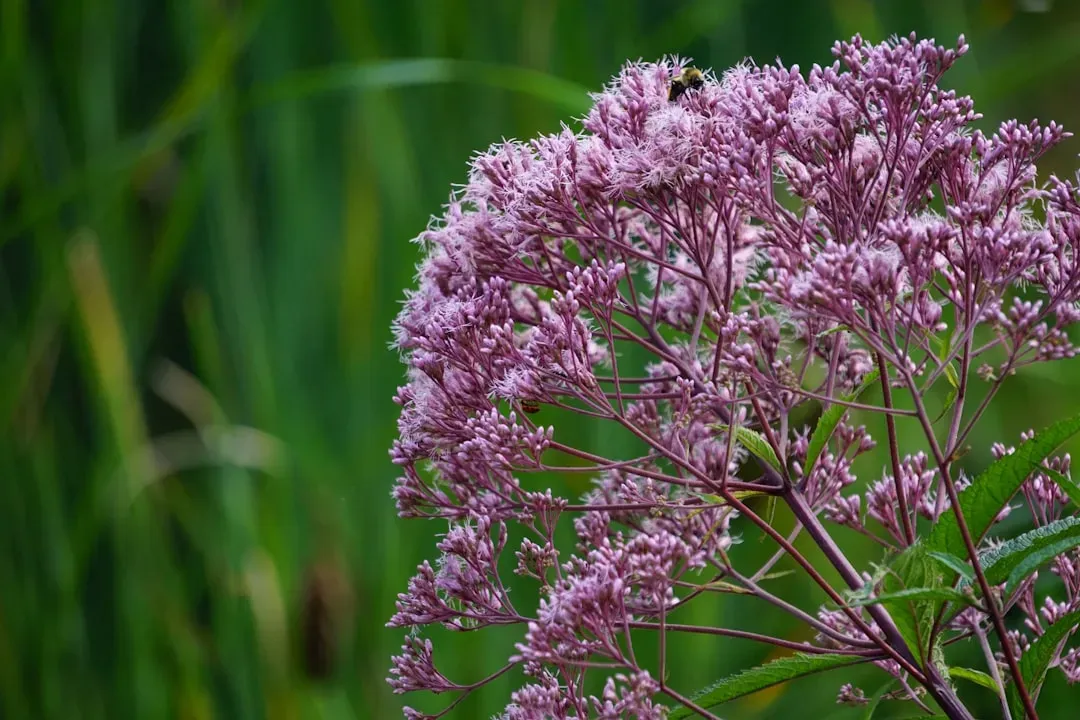
Joe-pye weed has a bright pink, fuzzy blossom. It’s a flower that has become popular in gardens across the United States. It grows natively in most states except the Deep South and dry Southwest. This architectural plant adds serious height and presence to any planting scheme, often reaching heights that rival small shrubs.
The plant is quite hardy, blooming when many other plants are finished and vibrantly lasting until the first hard frost of the season. The massive flower heads act like landing pads for butterflies, sometimes hosting dozens of them simultaneously. Watching a Joe Pye in full bloom covered with feeding butterflies is like witnessing a tiny, beautiful airport in constant motion.
Blanket Flower: The Drought-Defying Dynamo
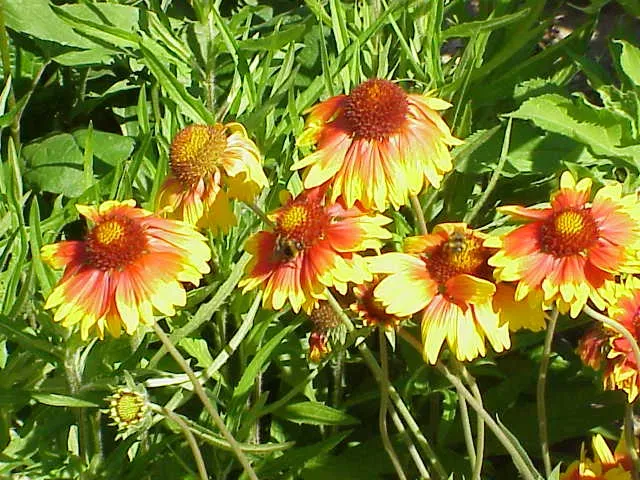
Blanket Flower’s bold, fiery blooms add drama to the summer garden. This native gaillardia is one of the easiest wildflowers to grow and is native to the Plains and Western United States, meaning it’s used to getting by with very little water. The red and yellow bicolor petals radiate from dark centers like miniature sunbursts.
If you struggle with deer and rabbits in your garden, this is the perfect perennial for you – they tend to stay away from it. Blanket Flower spreads each year and this bi-colored beauty looks fantastic in a vase. Here’s the thing: this plant is perfect for those hot, sunny spots where other flowers simply give up. It thrives on neglect, which makes it ideal for busy gardeners who want maximum impact with minimal fussing.
Swamp Milkweed: The Moisture-Loving Marvel
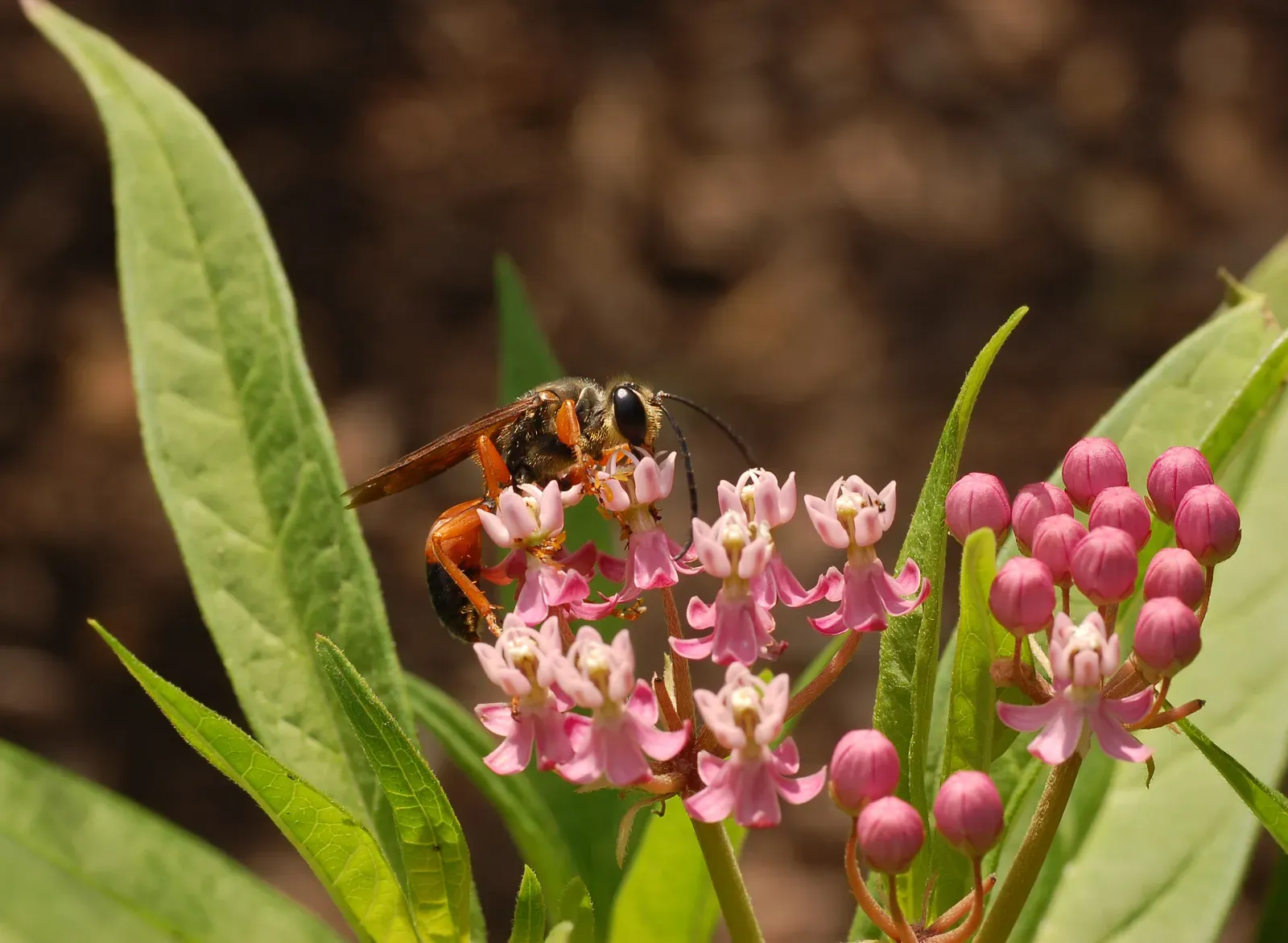
Swamp Milkweed is a perennial wildflower that grows 24-72 inches tall and thrives in USDA Zones 3-11. Blooming from summer to fall, it prefers full sun to partial shade and is commonly found in wet meadows and along lakeshores in the U.S. Identified by its clusters of deep pink flowers, Swamp Milkweed is ideal for attracting a variety of pollinators, including hummingbirds, bees, and butterflies.
Swamp milkweed is a taller growing milkweed, and the sweetly scented flowers attract many adult butterflies as well as caterpillars of the monarch butterfly, which feed on the foliage. If you have a low-lying area that stays consistently moist, this is your dream plant. It turns problem spots into pollinator paradise, transforming boggy areas that frustrate most gardeners into vertical displays of delicate pink blooms.
Conclusion: Your Garden, Nature’s Masterpiece
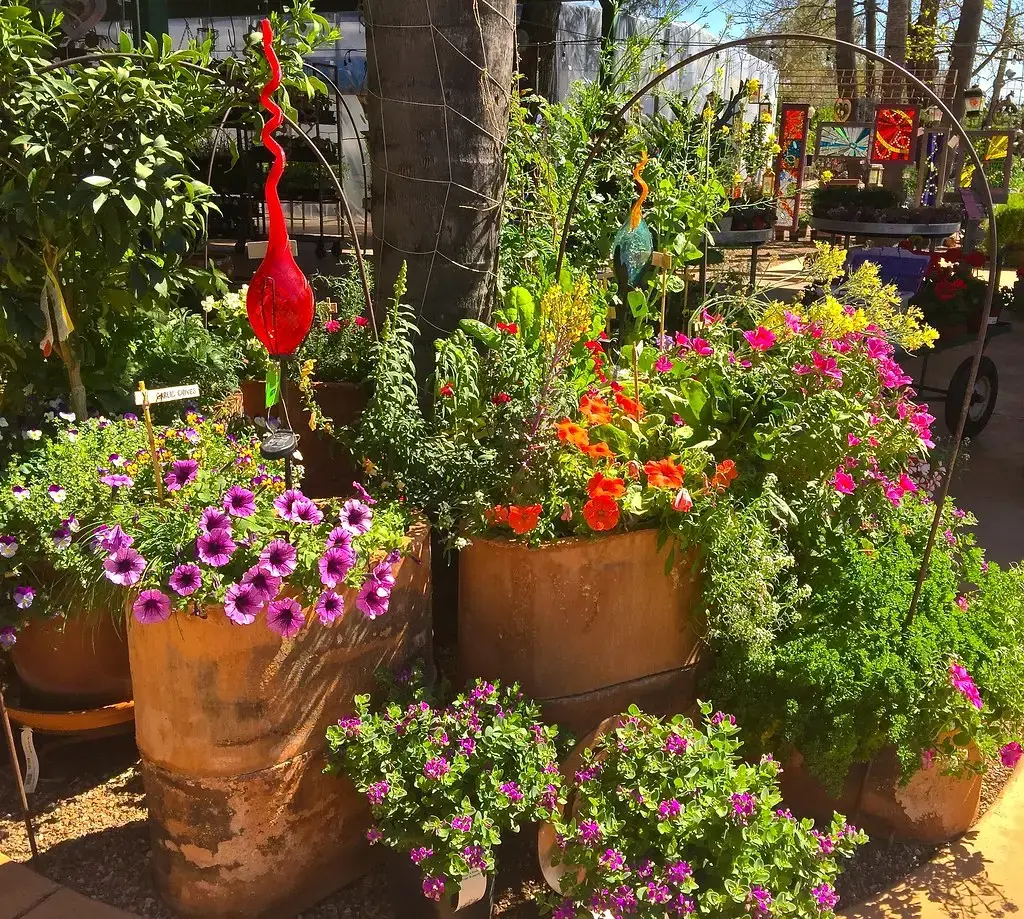
Planting native flowers transforms your garden from a pretty picture into a living, breathing ecosystem. These ten beauties offer everything you could want: stunning visual appeal, minimal maintenance requirements, and the satisfaction of knowing you’re supporting local wildlife. Adding even just one or two of these native species into your garden could go far in supporting wildlife!
The neighbors will definitely be asking about your garden secrets. Your answer? You simply worked with nature instead of against it. Which of these native stunners are you most excited to add to your landscape?

- 6 Exotic Bird Species You Can Spot in U.S. National Parks - July 19, 2026
- 11 Iconic American Birds Facing New Challenges and How You Can Help - July 19, 2026
- 10 Friendliest Animals in the World - July 19, 2026