
Worried about unexpected vet bills?
Pet insurance can cover thousands in unexpected vet costs. Get a free quote from Lemonade in under 2 minutes.
Get My Free Quote →Sponsored · Opens Lemonade.com
Most birds come and go with the seasons, living out their brief lives in a blur of migration, nesting, and song. A sparrow might last four or five years. A robin, maybe a few more. So when you learn that certain birds routinely outlive human grandparents, the scale of it takes a moment to settle in.
Avian longevity varies dramatically, from just a few years to nearly a century, shaped by factors such as size, lifestyle, and environment. The species on this list sit at the far end of that spectrum, and their stories say something genuinely fascinating about the biology of endurance.
Longer-lived birds often have fewer young each breeding season and take longer to reach adulthood. This means that their ability to successfully produce young can be dependent on each individual being able to live a long time. These ten species have mastered that strategy better than almost anyone else on Earth.
1. Laysan Albatross – Over 75 Years
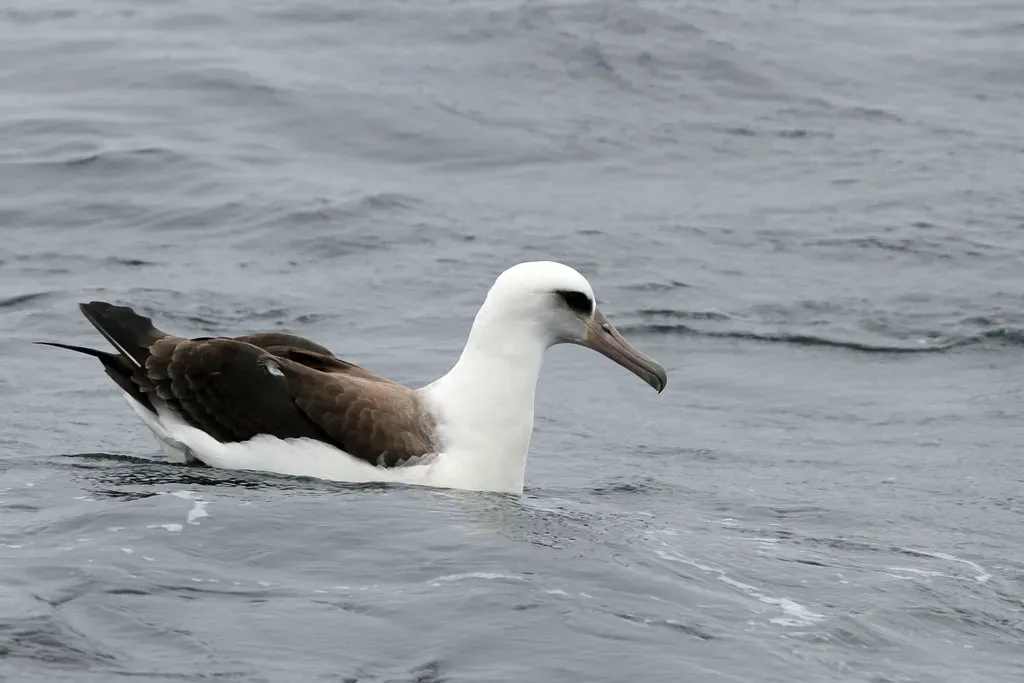
No wild bird on record has lived longer than Wisdom, the Laysan Albatross who became a global symbol of avian longevity. Officially designated #Z333, Wisdom is a wild female Laysan albatross, the oldest confirmed wild bird in the world and the oldest banded bird in the world. First tagged in 1956 at Midway Atoll by the United States Geological Survey, she was still incubating eggs as late as 2025.
Wisdom has laid an estimated 50 to 60 eggs throughout her life and successfully fledged at least 30 chicks. Remarkably, she was observed incubating an egg with a new mate in November 2024, which hatched in January 2025, making her the oldest known bird to breed.
Given her age, it is estimated that Wisdom has flown over 3 million miles in her lifetime, roughly equivalent to traveling to the moon and back six times. That’s a number that puts even the most seasoned long-haul traveler to shame.
2. Kakapo – Up to 90 to 100 Years
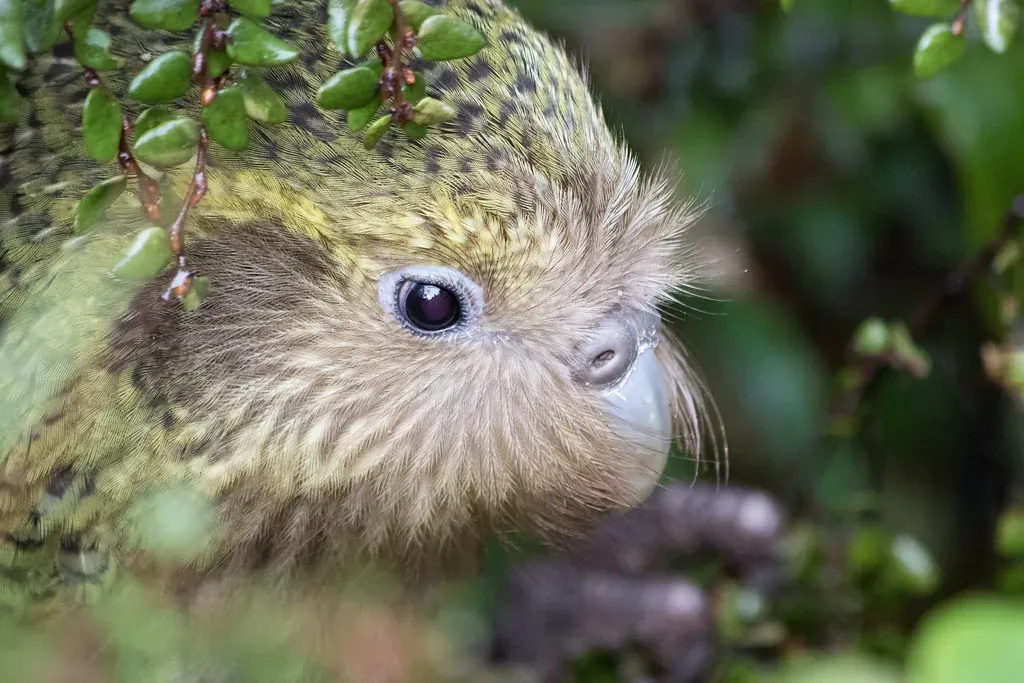
The kakapo is the world’s longest-living bird, with individuals reaching an age of 90 to 100 under favorable conditions. It is also one of the strangest birds alive, a flightless nocturnal parrot native to New Zealand that resembles a large, mossy owl.
This is a large, flightless bird that can reach up to 64 centimeters long. The kakapo is considered to be the world’s longest-living bird, reaching an average of 60 years but sometimes reaching up to 100 years of age.
These ground-dwelling birds have faced serious adversaries and are also considered one of the most endangered of New Zealand’s indigenous species. Conservation efforts have revived its numbers and the kakapo population is now soaring. The slow reproduction of this species makes every long-lived individual precious to the overall gene pool.
3. Sulphur-Crested Cockatoo – Up to 70 to 100+ Years (Reported)
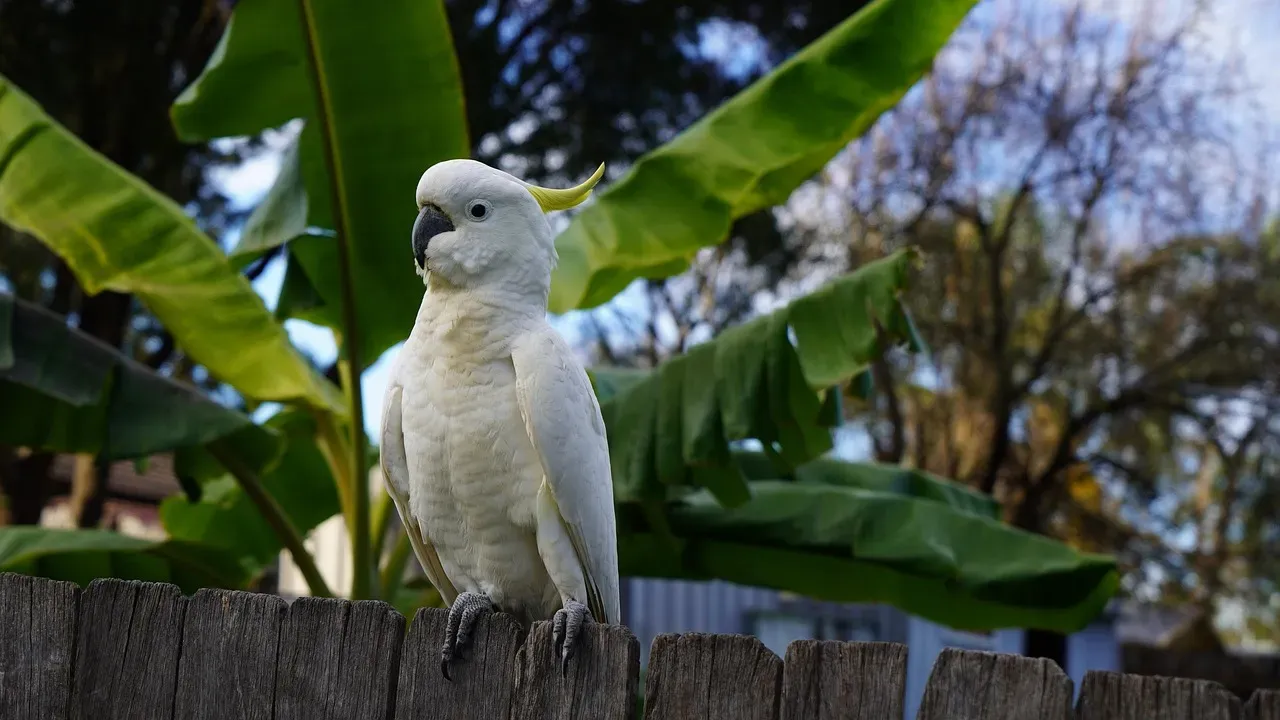
Sulphur-crested cockatoos usually live around 70 years in captivity. With a reported lifespan of 120 years, Cocky Bennett was the oldest bird of all time. Though the historical records around Cocky Bennett are difficult to verify with precision, his story became deeply embedded in Australian bird lore.
Cocky Bennett originally belonged to Captain Ellis and spent the first 78 years of his life traveling around the world on Ellis’ ship. After Ellis died at the age of 87, Cocky went to live with Ellis’ nephew Joseph Bowden and his wife Sarah. Joseph died in 1889 and Sarah kept Cocky and took him with her when she married Charles Bennett.
More recently, a sulphur-crested cockatoo named Fred, based in Australian wildlife sanctuaries, was believed to be around 110 years old at the time of his passing in early 2025. Though no official hatch records were made public, both institutions consistently reported his age, and Fred’s story gained widespread recognition. Having lived through a period of poor care before being rehabilitated, Fred’s later years were marked by attentive management and public affection.
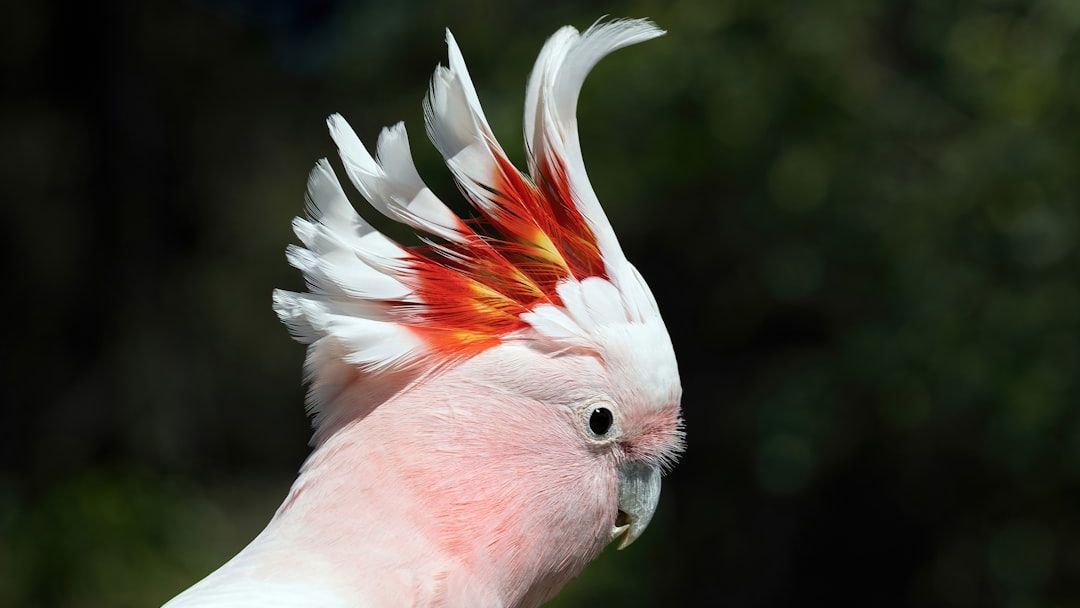
4. Major Mitchell’s Cockatoo (Pink Cockatoo) – Up to 83 Years
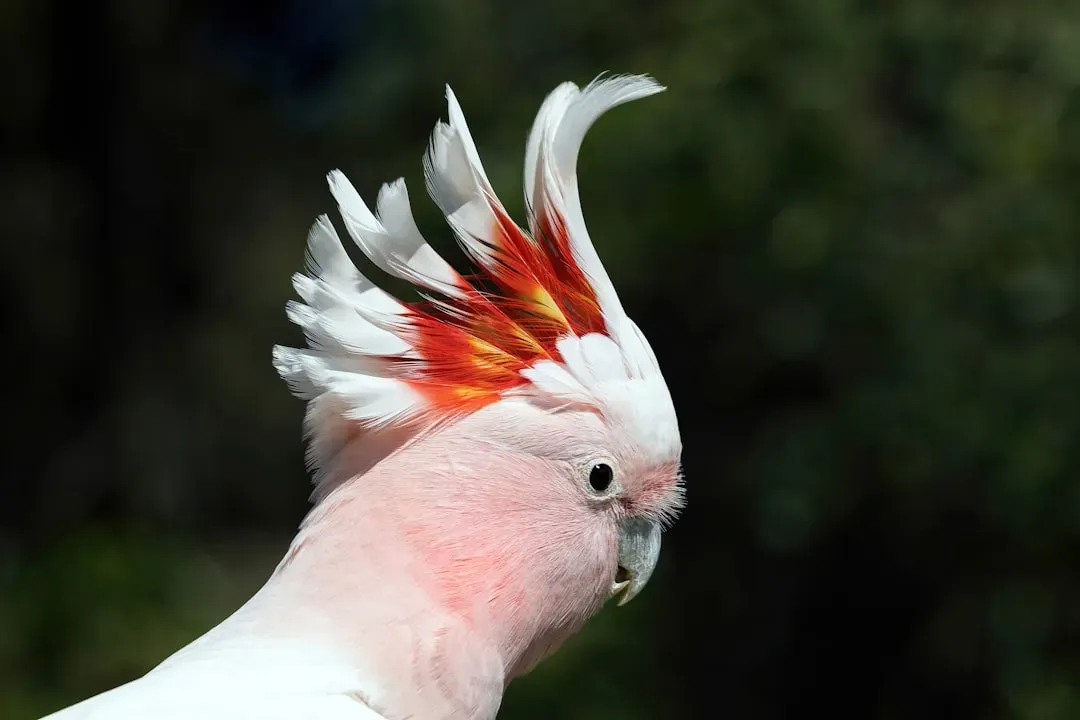
The pink cockatoo, also known as Major Mitchell’s cockatoo, is among the longest-living parrots ever recorded. While typical individuals live around five to six decades, a remarkable male named Cookie reached the age of 83 while residing at Brookfield Zoo in Illinois.
According to Guinness World Records, the oldest confirmed bird is “Cookie,” a Pink, or Major Mitchell’s Cockatoo that lived to the age of 83 at the Brookfield Zoo near Chicago. Cookie’s age was unusually well-documented, making him the gold standard for verified bird longevity records.
Before his death in 2016, Cookie was the zoo’s oldest animal resident and the last surviving member of the Brookfield Zoo’s original collection of animals. During Cookie’s time at Brookfield Zoo, he became so popular and famous that people from around the world sent Cookie letters, cards, gifts, and even made trips to see him at the zoo.
5. African Grey Parrot – Up to 60 to 80 Years
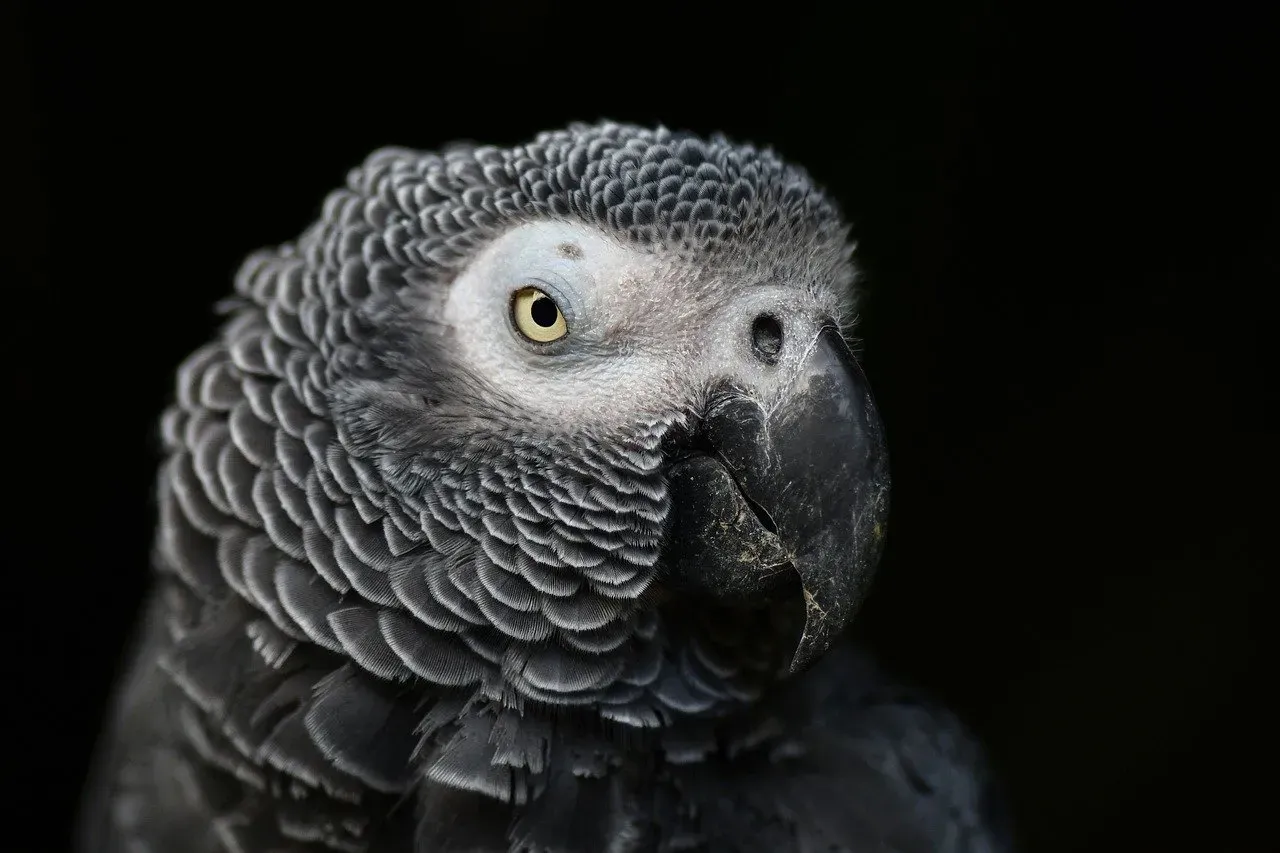
The African Grey Parrot carries a well-earned reputation as one of the most intelligent birds alive, and its longevity is equally remarkable. African grey parrots have an extremely long lifespan, living an average of 60 years, with some birds reaching 80 years old. Because they have such long lives, they often outlive their human owners, meaning that they may have to go through traumatic rehoming several times in their life.
Grey parrots may live for 40 to 60 years in captivity, although their mean lifespan in the wild appears to be shorter, at approximately 23 years. They start breeding at an age of 3 to 5 years and lay 3 to 5 eggs per brood.
The wild population of African grey parrots is currently listed as “Endangered” by the IUCN, underscoring the urgent need for conservation efforts. Their long captive lifespan also creates real-world challenges, as these birds may outlive several generations of owners over their decades-long lives.
6. Greater Flamingo – Up to 83 Years
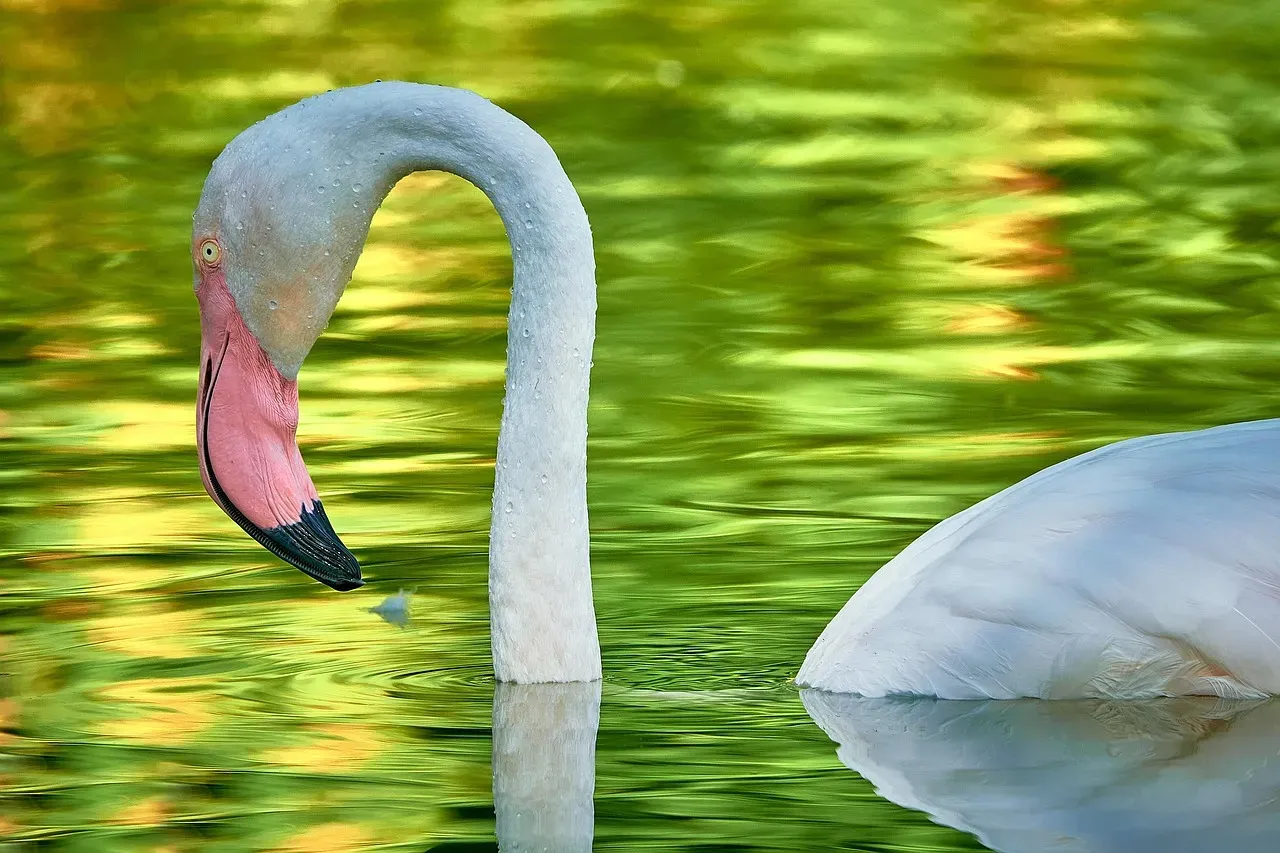
Flamingos project an image of elegant fragility, all pink feathers and improbable one-legged poses. Their actual longevity tells a very different story. Greater, who was a greater flamingo at the Adelaide Zoo in Australia, was at least 83 years old when it died in 2014. The exact origins of Greater are unknown, but it is believed that the bird had arrived at the Adelaide Zoo in 1933 as a fully grown adult.
Greater flamingos are the most common flamingo species. In the wild, they typically live for several decades, but individuals in protective zoological environments can push well past the 50-year mark. Greater’s story stands as a benchmark for how long these birds can endure under the right conditions.
The social nature of flamingos appears to support their wellbeing over time. They are sociable birds and will gather in numbers from a few to tens of thousands when they nest and feed. That communal life likely plays a role in their overall resilience and long-term health.
7. Andean Condor – Up to 75 Years in Captivity
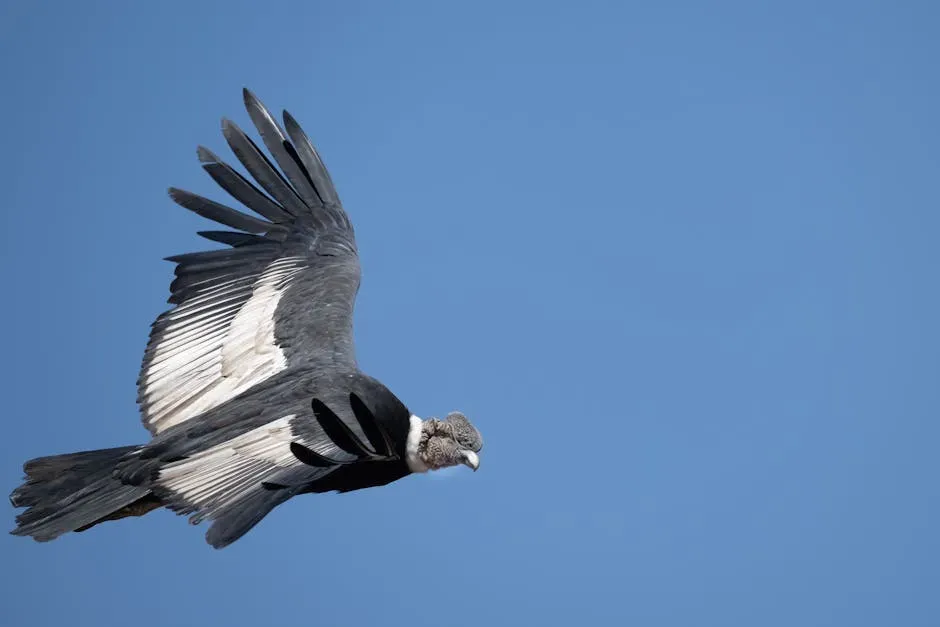
The Andean Condor is the largest flying bird on Earth by combined weight and wingspan, and it carries an equally imposing life expectancy. These long-lived birds have survived over 75 years in captivity, but they reproduce slowly. A mating pair produces only a single offspring every other year, and both parents must care for their young for a full year.
Multiple studies suggest the approximate lifespan of an Andean condor in the wild is 30 to 50 years. In protected settings, however, some individuals have pushed considerably beyond that threshold. The Andean condor takes about 8 years to reach sexual maturity and attain the adult’s typical black and white plumage. Some birds may breed before they attain the definitive adult plumage.
Their slow maturation and modest reproductive output mean that long-lived individuals are critical anchors for population stability. The Andean Condor is known for its ability to soar for long periods of time without flapping its wings, using air currents to stay aloft. That energy-efficient lifestyle almost certainly contributes to its unusual endurance.
8. California Condor – Up to 60 Years
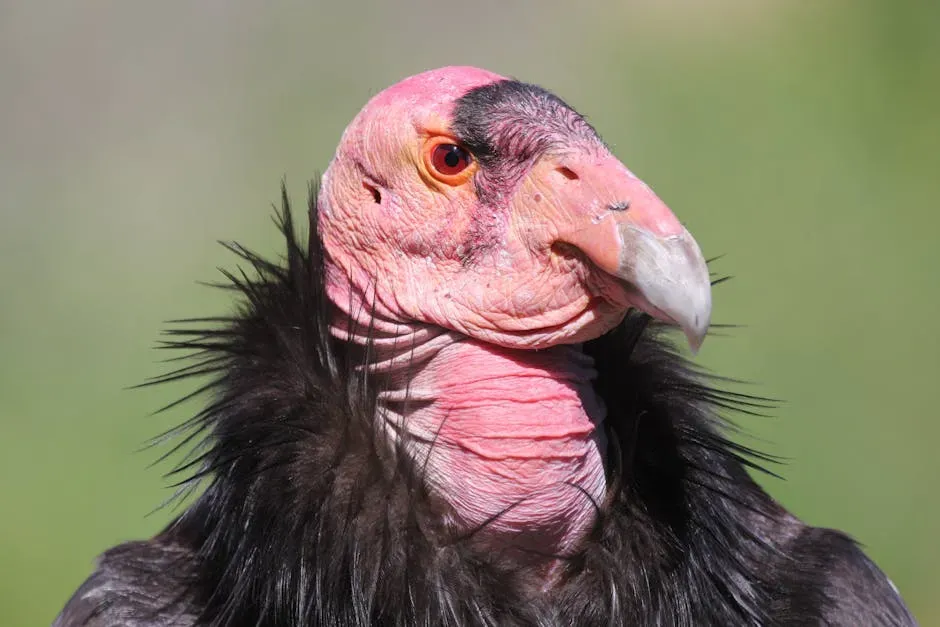
North America’s largest land bird is also one of its most tenacious survivors, both in terms of individual lifespan and species-level comeback. It is one of the world’s longest-living birds, with a lifespan of up to 60 years. Condor numbers dramatically declined in the 20th century due to agricultural chemicals, poaching, lead poisoning, and habitat destruction.
Declared extinct in the wild by 1987, the California condor has since made a fragile comeback through one of the most intensive recovery efforts in avian history. As of 2025, the global population has risen to 566 birds, with 369 flying free across parts of the western United States and Baja California.
Due to condors’ long lifespan of over 50 years and relatively late age of sexual maturity at approximately 6 years, and small clutch size in the wild of one egg every year or two, the population is very poorly suited to withstand the neurotoxic effects of lead exposure. Their biology, built for endurance, makes each individual loss disproportionately costly for the species.
9. Macaw – Up to 50 to 60 Years (Wild), Longer in Captivity
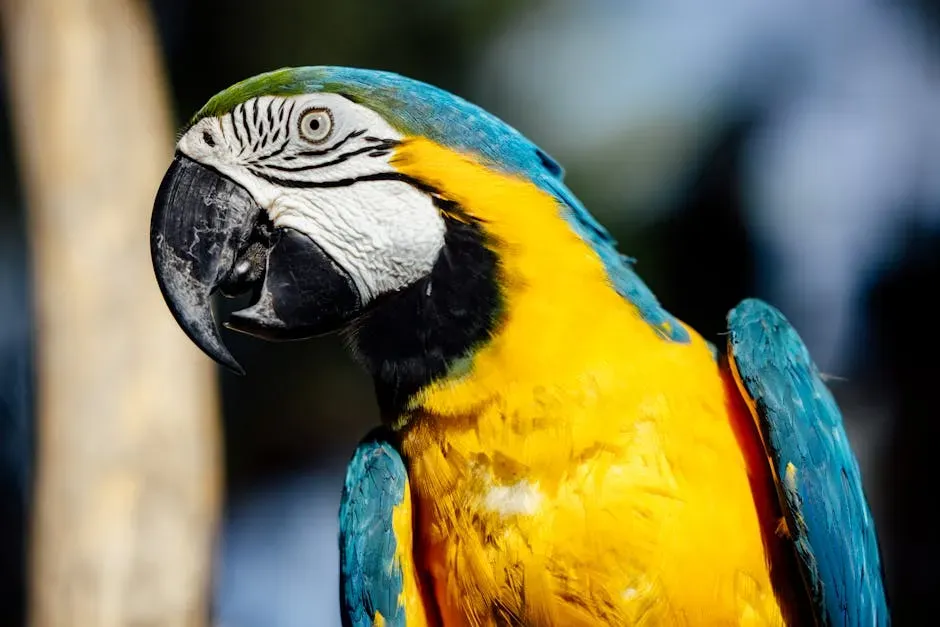
Macaws are among the most visually striking birds on the planet, and their longevity matches their presence. These colorful birds are famed and loved for their bright, bold feathers in reds, blues, and yellows, as well as for their vibrant and playful personalities and intelligence. There are many different types of macaws, such as the Scarlet Macaw and the Greenwing Macaw.
The domesticated macaw has a longer lifespan than one in the wild due to the fact that these pets have access to vet care and are protected from natural predators and diseases. In well-maintained environments, some individuals have reportedly approached and possibly exceeded 80 years of age, though verified records at that range remain limited.
These birds are highly intelligent and social, often forming lifelong monogamous pairs and traveling in vocal flocks through the canopy. Their long lifespan, vivid plumage, and strong pair fidelity have made them cultural icons, but also targets for exploitation. Conservation efforts now focus on habitat preservation and curbing the illegal trade that threatens their survival in the wild.
10. Sandhill Crane – Over 35 Years
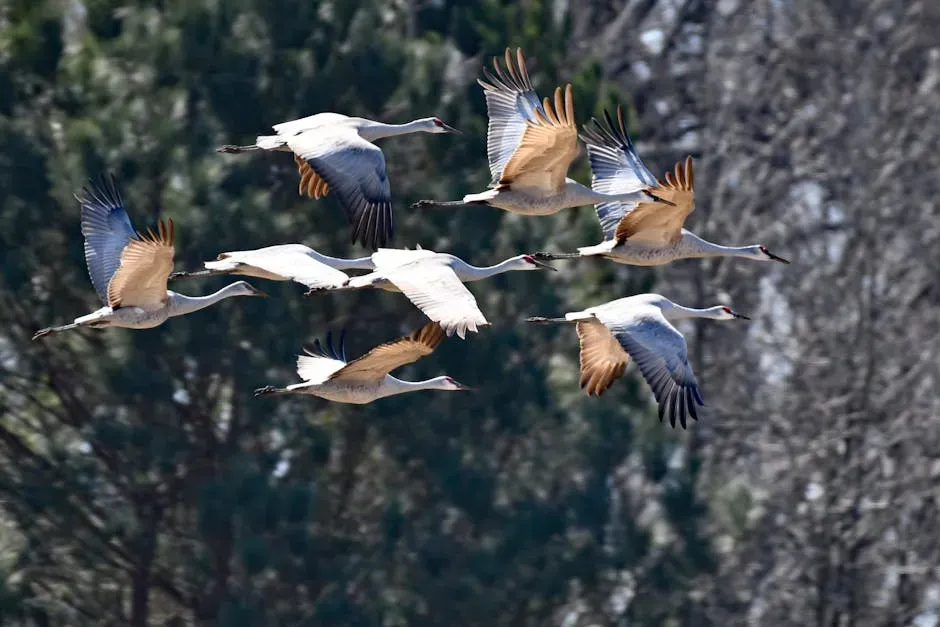
The Sandhill Crane occupies a quietly remarkable place in avian history, both in terms of individual lifespan and evolutionary heritage. The oldest sandhill crane fossil is more than 2 million years old, making these cranes one of the oldest living bird species in the world. A crane fossil found in Nebraska is estimated to be over 10 million years old. Experts believe that this fossil is closely related to the sandhill crane.
Sandhill cranes and bald eagles can live more than 35 years. Their impressive wingspan, which can span from five to nearly eight feet, supports long migration journeys that some individuals carry out for decades without interruption. Thanks to this large wingspan, the sandhill crane can soar for hours, only occasionally flapping their wings to stay in flight.
In the wild, sandhill cranes are threatened by habitat loss, and a lack of resources has shortened the lifespan of many birds. Still, the ones that make it through their early years prove remarkably durable, with banding records confirming individuals that have lived well past three decades.
What Keeps These Birds Living So Long
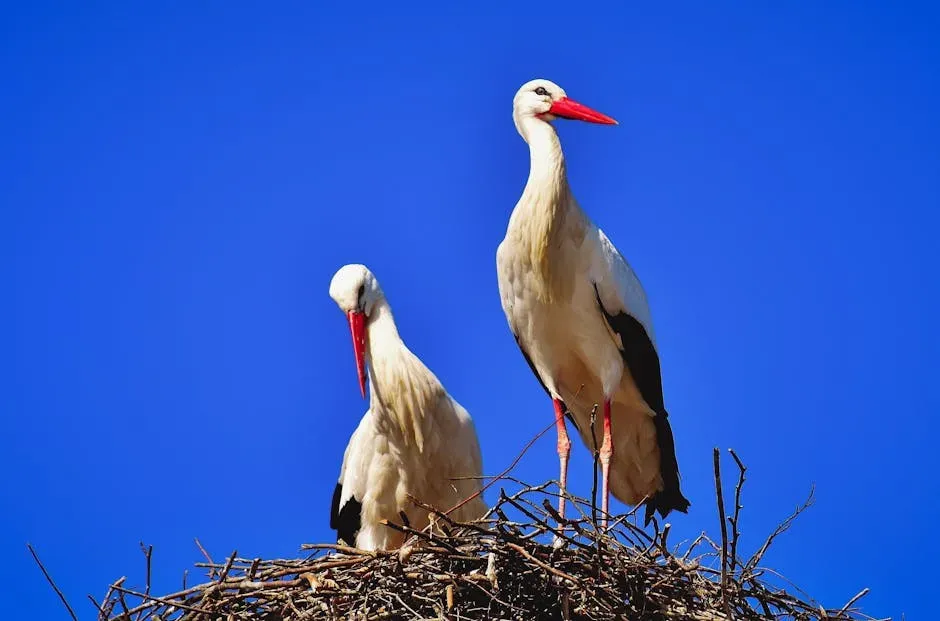
There are common threads running through each of these species. Longer lifespan is often associated with features of a bird’s biology and natural history. Here are a few basic characteristics that can help us make an educated guess about which species are likely to be longer-lived: on average, larger species tend to live longer than smaller species.
Long-lived birds often reproduce very slowly. A pair of albatrosses or condors will raise no more than one chick every one or two years, so the adults have to live a long time to leave enough offspring to maintain their populations. It’s a biological trade-off that appears across all of the species on this list.
Birds don’t get gray; they don’t become arthritic; they don’t get bigger with each passing year; they don’t leave growth rings for us to count. In fact, once most birds develop their adult plumage, they essentially become impossible to age. That hidden nature of avian aging is part of why researchers rely so heavily on banding data, and why genuine longevity records, when they do emerge, carry such weight.
Conclusion
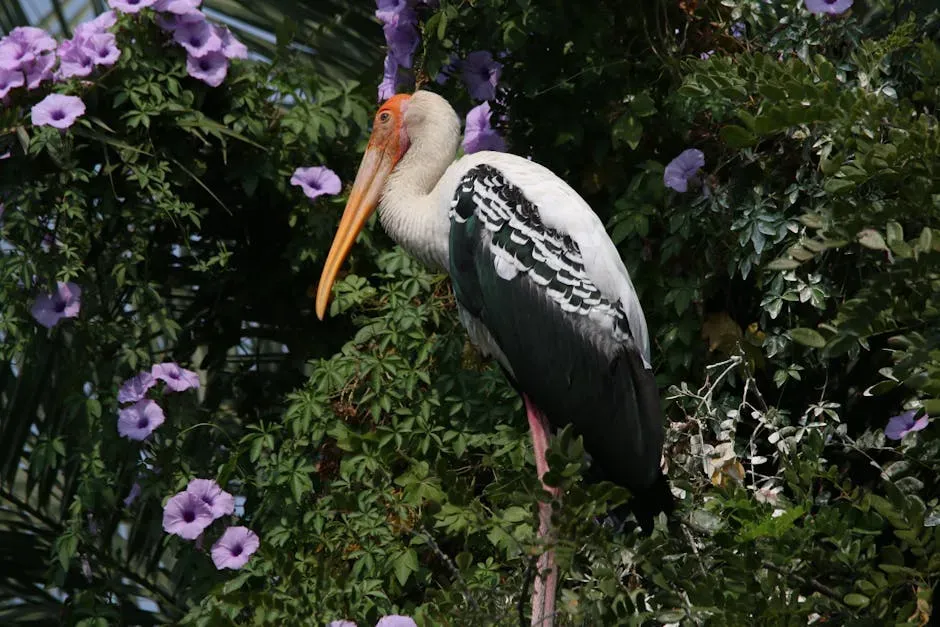
There is something quietly humbling about learning that a bird circling over a Pacific atoll has been doing so since the mid-twentieth century. These long-lived species challenge common assumptions about where birds fit in the hierarchy of animal endurance.
Their longevity isn’t accidental. It emerges from a particular set of strategies: slow reproduction, large bodies, low predation risk, and, in some cases, the shelter of a protected environment. Each species found its own path to persistence over millions of years of evolutionary refinement.
What’s worth holding onto is the fact that there is still much to learn about how long many bird species can live. The longest-living birds we know of today may not represent the true ceiling. Some record is probably already out there, sailing quietly over the ocean or roosting undisturbed in a forest, entirely indifferent to the fact that scientists are still trying to catch up.
Worried about unexpected vet bills?
Pet insurance can cover thousands in unexpected vet costs. Get a free quote from Lemonade in under 2 minutes.
Get My Free Quote →Sponsored · Opens Lemonade.com
