
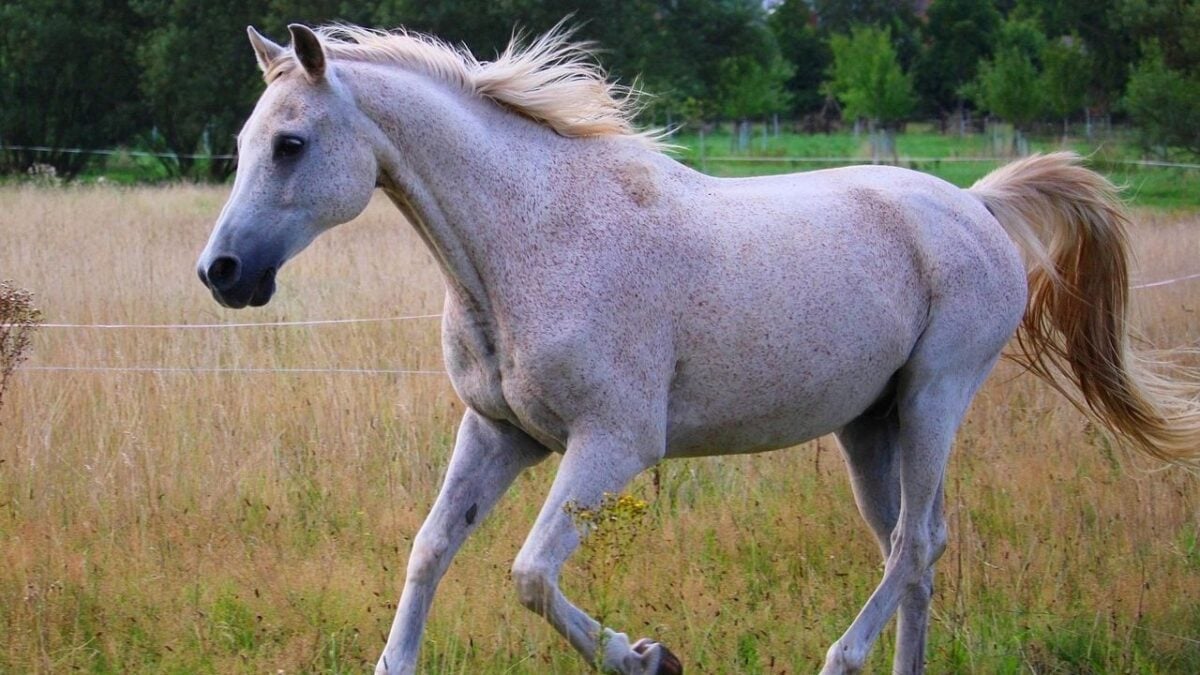
There’s a moment every first-time horse owner dreads – standing in a stall, heart pounding, holding a lead rope attached to an animal that clearly has no interest in cooperating. It happens more than people admit, and in many cases, it was preventable. Not because the owner lacked heart or dedication, but because someone sold them the wrong horse.
Experienced vets and trainers have been quietly steering beginners away from certain breeds for years – not out of snobbery, but because they’ve watched the same mismatches play out over and over: vet bills that spiral, horses that end up in rescue, and riders who lose their confidence entirely. The 14 breeds on this list aren’t bad horses. They’re just quietly wrong for beginners, and the reasons why are more specific – and more surprising – than most people expect.
#1 – Thoroughbred
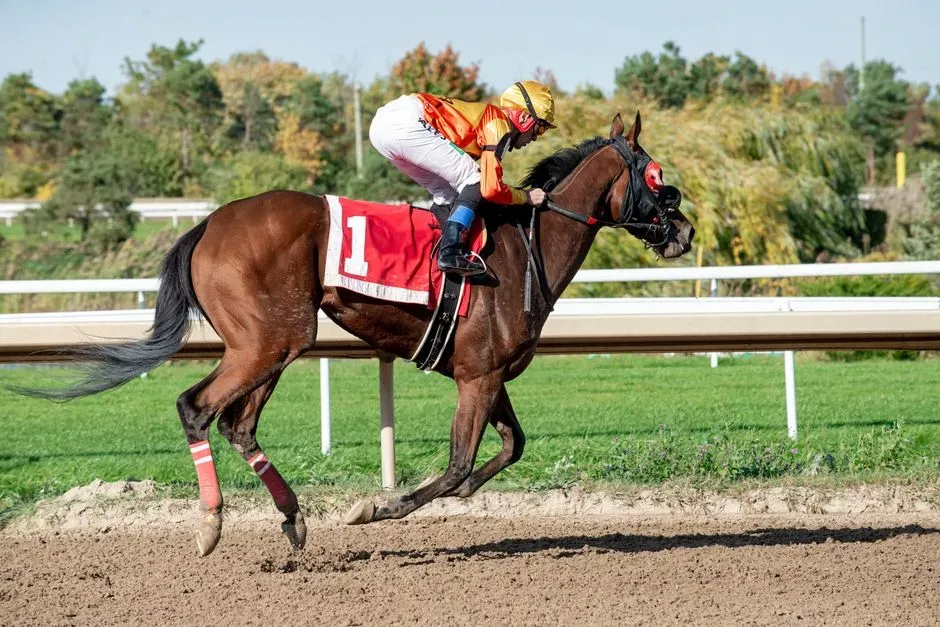
Off-the-track Thoroughbreds look like a dream opportunity on paper – athletic, beautiful, often available at low cost from racing programs. What most beginners don’t see until it’s too late is the baggage that comes with that background: high-strung temperaments, deeply ingrained stress responses, and bodies that have been pushed hard from a young age. The retraining alone can take years, and it requires a level of timing and feel that most novices simply haven’t developed yet.
Vets consistently flag Thoroughbreds for their lean builds and elevated injury risk, especially when an inexperienced rider can’t recognize the early signs of strain. Hidden soundness issues from racing careers surface regularly, and their lightning-fast reactions can turn a small mistake into a dangerous situation in seconds. Many trainers who love the breed deeply will still tell a first-time owner the same thing: start somewhere else, come back when you’re ready.
Fast Facts
- Retraining an off-track Thoroughbred is not recommended for riders below a USPC C-3 certification level, according to equestrian coaches.
- Racehorses rarely stand still with a rider on their back – even basic mounting block training can take weeks to establish.
- OTTBs are extremely sensitive to leg pressure; even a slight squeeze can trigger an outsized forward response in green horses.
- Tools as routine as cross-tying and mounting blocks may be completely unfamiliar to a fresh off-track horse.
- Expert consensus: a beginner paired with an OTTB without trainer guidance risks both injury and long-term behavioral problems in the horse.
#2 – Arabian
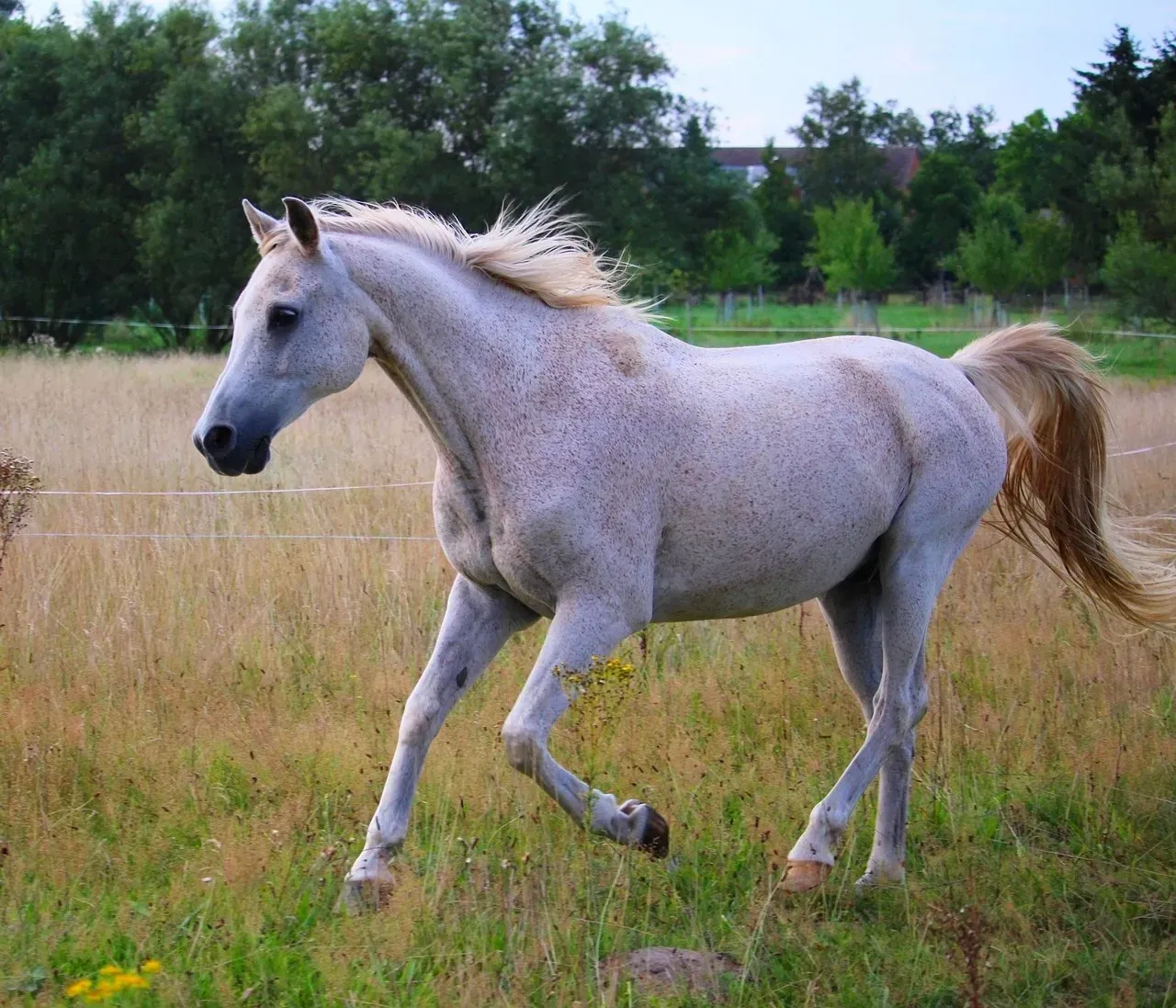
Arabians are one of the most misunderstood breeds in the beginner market. Their intelligence gets romanticized, their sensitivity gets underestimated, and too many first-time owners end up with a horse that’s three steps ahead of them at all times. Arabians don’t just spook – they process the world differently than calmer breeds, picking up on the slightest shift in a rider’s posture, mood, or aids. That responsiveness is extraordinary in the right hands. In the wrong hands, it snowballs fast.
Trainers report that Arabians remember mishandling with almost uncomfortable clarity, turning early mistakes into long-term behavioral patterns that are hard to unwind. Their high alertness means they pick up on every signal, so clear and consistent communication is non-negotiable. Leave an Arabian under-exercised and under-stimulated with an inexperienced handler, and frustration builds on both ends of the lead rope. The breed’s intelligence, which makes it so rewarding in the right partnership, is the very thing that amplifies every beginner mistake.
#3 – Hanoverian
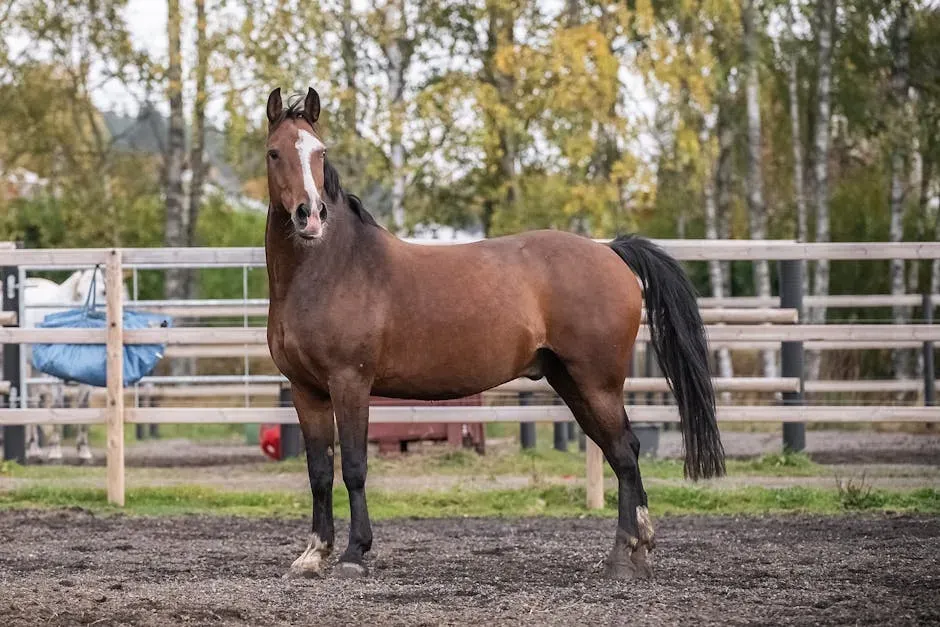
Hanoverians are the kind of horses you see in Olympic dressage arenas and think – that’s it, that’s the dream. And for advanced riders, they can be exactly that. For beginners, they’re a different story entirely. Their warmblood sensitivity means they respond to every inconsistency in the rider’s aids, which is a nightmare when you’re still figuring out how to sit correctly at the trot. The forward energy that makes them exceptional in competition translates directly into tension and resistance under uncertain hands.
Trainers are blunt about this: Hanoverians thrive only with consistent, technically precise riding, and most novices simply aren’t there yet – which isn’t a criticism, it’s just physics. Elite dressage riders spend significant time developing the core muscles required to ride big-moving warmbloods, and a novice rarely has the fitness, muscle control, or balance to follow that movement confidently. Vets also flag a predisposition to orthopedic issues that benefit from proactive, knowledgeable monitoring. The result is a breed that gets bought by ambitious beginners and then quietly causes problems that take years to untangle.
#4 – Friesian
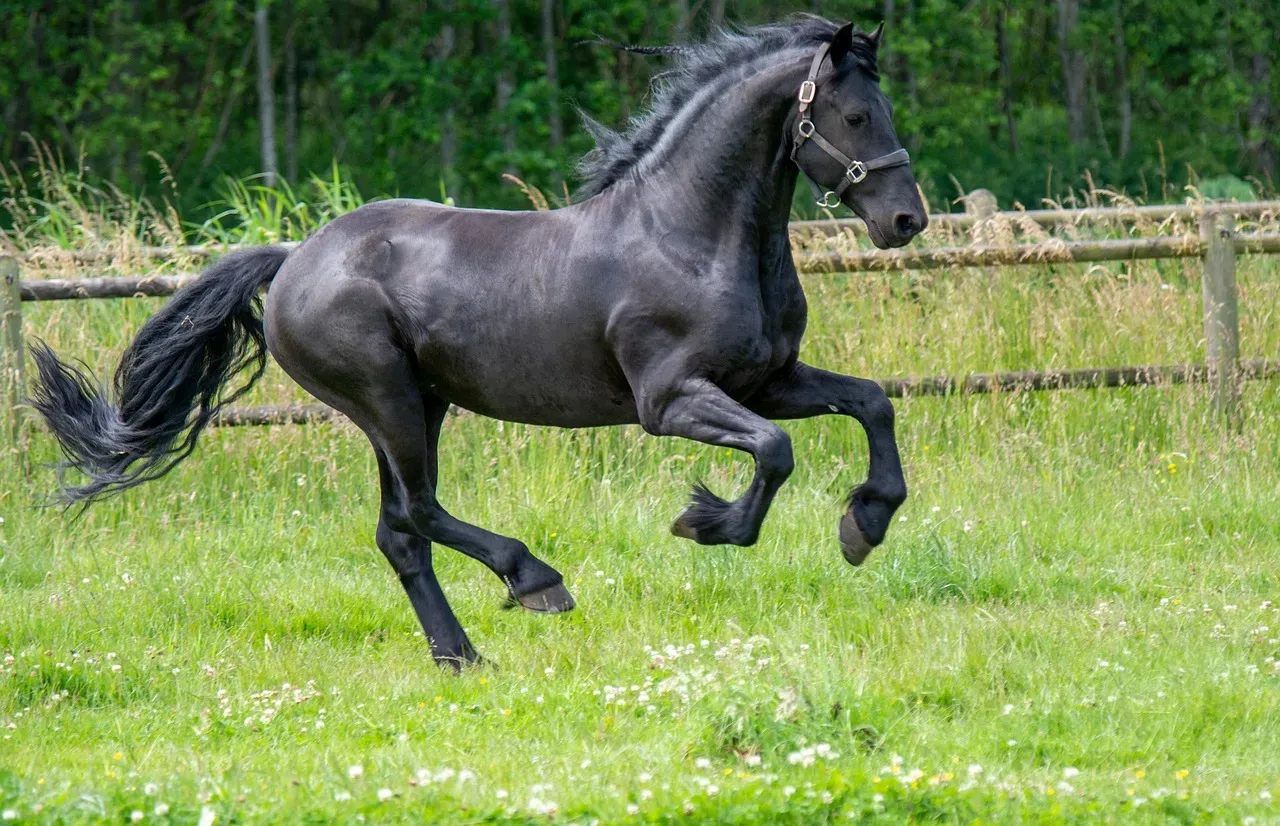
Few breeds generate more love-at-first-sight purchases than the Friesian. The black coat, the feathered legs, the floating trot – they look like something out of a fairy tale. That visual appeal is exactly why so many beginners end up with one before they’re ready. Underneath the dramatic exterior is a horse with strong opinions, a deeply sensitive personality, and maintenance demands that catch new owners completely off guard.
The feathering alone requires serious, consistent care to prevent pastern dermatitis – a condition that sets in fast, especially in wet climates – hiding beneath all that hair. Beyond grooming, Friesians carry a significant genetic health burden that beginners rarely research before purchase. Their personalities test leadership in subtle ways, and beginners who haven’t yet developed that quiet authority often find the horse has taken the lead without anyone noticing until a problem surfaces.
Worth Knowing
- Of 45 megaesophagus cases at one veterinary clinic, 41 were Friesians – strongly suggesting a hereditary link in the breed.
- Retained placenta occurs in more than half of Friesian broodmares, compared to just 2-10% in the general equine population.
- Friesians are predisposed to dwarfism, hydrocephalus, aortic rupture, and metabolic syndrome due to a small founding gene pool and historical inbreeding.
- Insect bite hypersensitivity affects Friesians at roughly twice the rate seen in other breeds, and can make horses unusable for weeks during summer.
- Friesians may gain weight easily, putting them at higher risk for laminitis when diet is not carefully managed.
#5 – Mustang
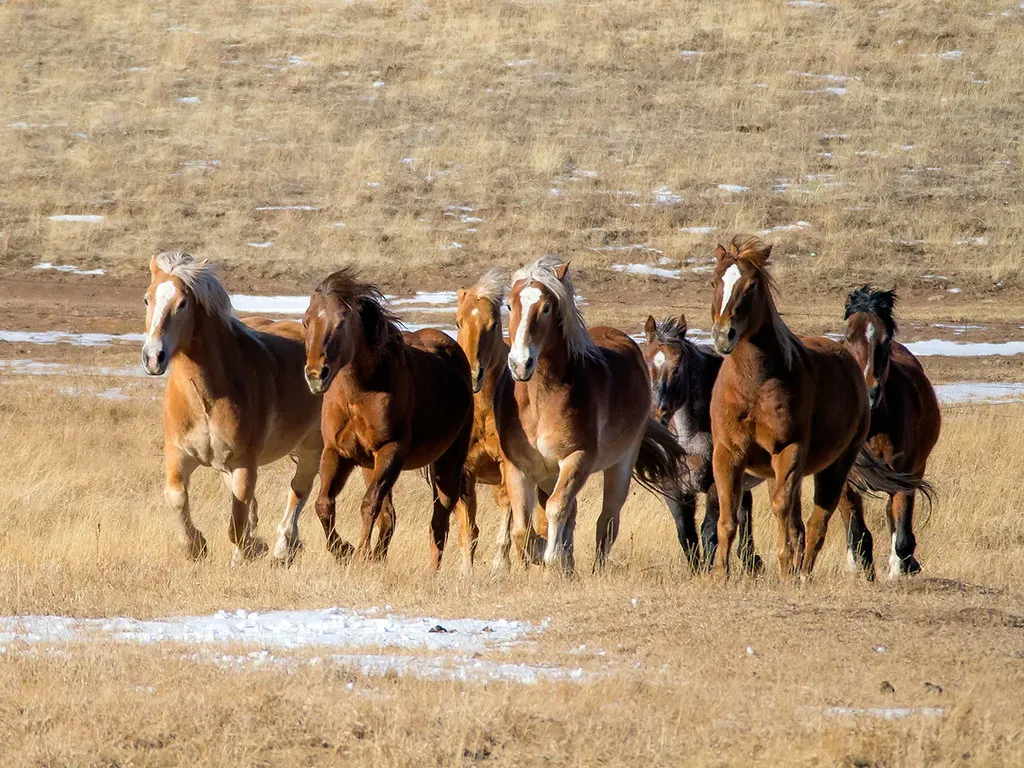
The Mustang’s story is one of the most compelling in the horse world – wild, free, resilient, deeply American. That story is also part of the problem. Beginners fall in love with the idea of the Mustang before they understand what gentling a semi-wild horse actually demands. Even well-gentled Mustangs often carry strong flight instincts that never fully disappear, and they test boundaries with the kind of persistence that only makes sense when you remember they survived by reading threats faster than anything around them.
The practical challenges stack up quickly. Most Mustangs gathered from federal roundups arrive with unknown medical histories – no vaccination records, no dental history, nothing. Mustangs are fast learners in the best sense, but that cuts both ways: a hesitant handler can inadvertently teach a Mustang that boundaries are negotiable, producing a horse that’s more difficult than when the adoption began. The Bureau of Land Management explicitly prioritizes applicants with prior horse experience for its adoption programs – and that policy exists for very good reason.
#6 – Shire
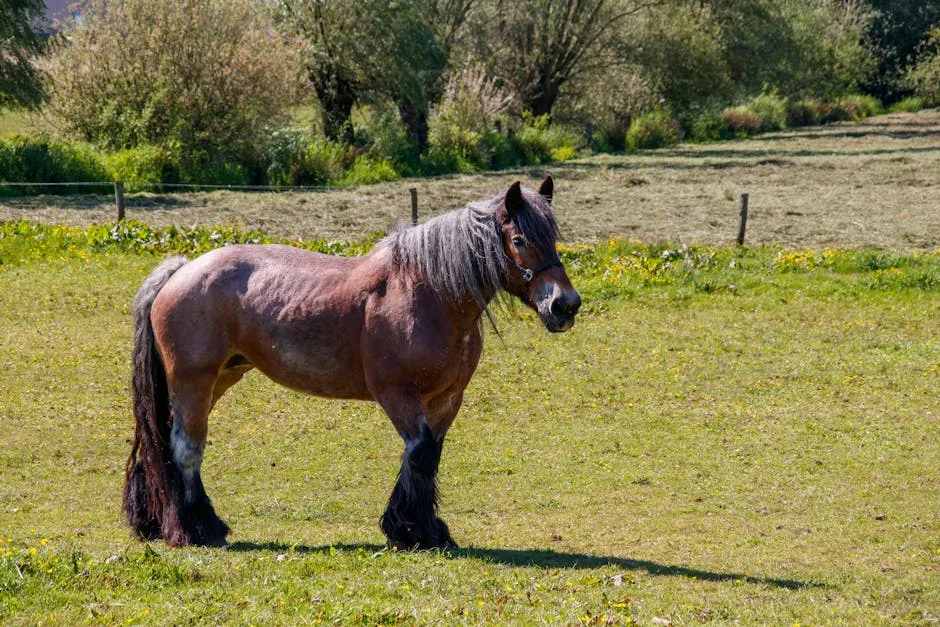
Shires have a reputation that almost works against them with beginners: they’re called gentle giants, and that gentleness lowers people’s guard about the sheer scale of what they’re taking on. A Shire in full draft mode weighs somewhere between 1,800 and 2,200 pounds. When that much horse decides to move in a direction you didn’t plan, no amount of good intentions stops it. Ground work with a Shire demands physical confidence and clear communication that takes time to build – neither of which most beginners have on day one.
Vets point to practical costs that accumulate fast: farrier bills for those massive hooves, specialized equipment, higher feed requirements, and joint health that demands careful management. Their calm reputation is real, but it’s conditional – it holds when daily care is consistent and handled by someone who understands what the horse needs. When that falls short, the gentleness fades. Many first-time owners are genuinely shocked by how quickly that shift happens.
#7 – Andalusian
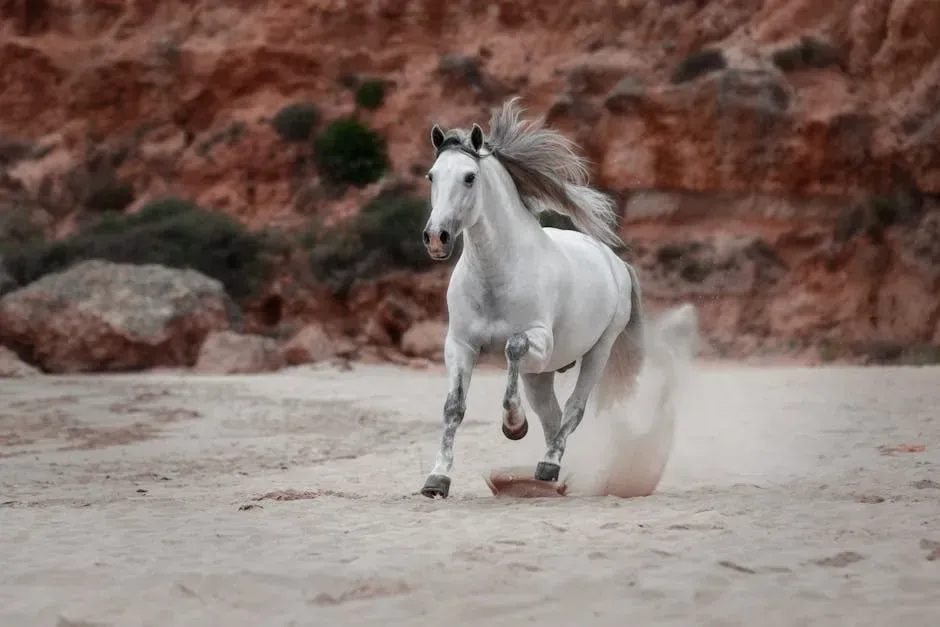
Andalusians carry themselves like they know their own history – centuries of nobility, battle horses, the breed that defined classical horsemanship across Europe. That pride and presence are intoxicating to watch. They’re also exactly what makes them difficult for beginners. Andalusians read leadership with precision, and they don’t hesitate to fill a vacuum when they sense one. Without firm, calm, consistent boundaries from day one, they shift from noble partner to dominant manager faster than most novices expect.
Trainers consistently note that the breed’s intelligence, which is real and impressive, expresses itself as testing behavior when paired with an uncertain handler. They’ll probe for inconsistencies the way a smart child looks for loopholes, and they’ll find them. Vets flag a higher risk of certain back and leg strain issues under improper riding – the kind of riding that’s almost inevitable when a beginner is still learning their own basics on a horse that demands precision.
At a Glance: Why These 7 Breeds Challenge Beginners
- Thoroughbred: Racing background, extreme sensitivity, hidden soundness issues
- Arabian: Hyper-responsive to aids, picks up bad habits as quickly as good ones
- Hanoverian: Demands technically correct riding; punishes inconsistency
- Friesian: Heavy genetic health burden + grooming intensity most beginners underestimate
- Mustang: Unknown history, strong flight instinct, tests inexperienced handlers relentlessly
- Shire: 1,800-2,200 lbs of conditional calm – costs and physical demands stack fast
- Andalusian: Leadership-testing intelligence; fills any authority vacuum immediately
#8 – Saddlebred
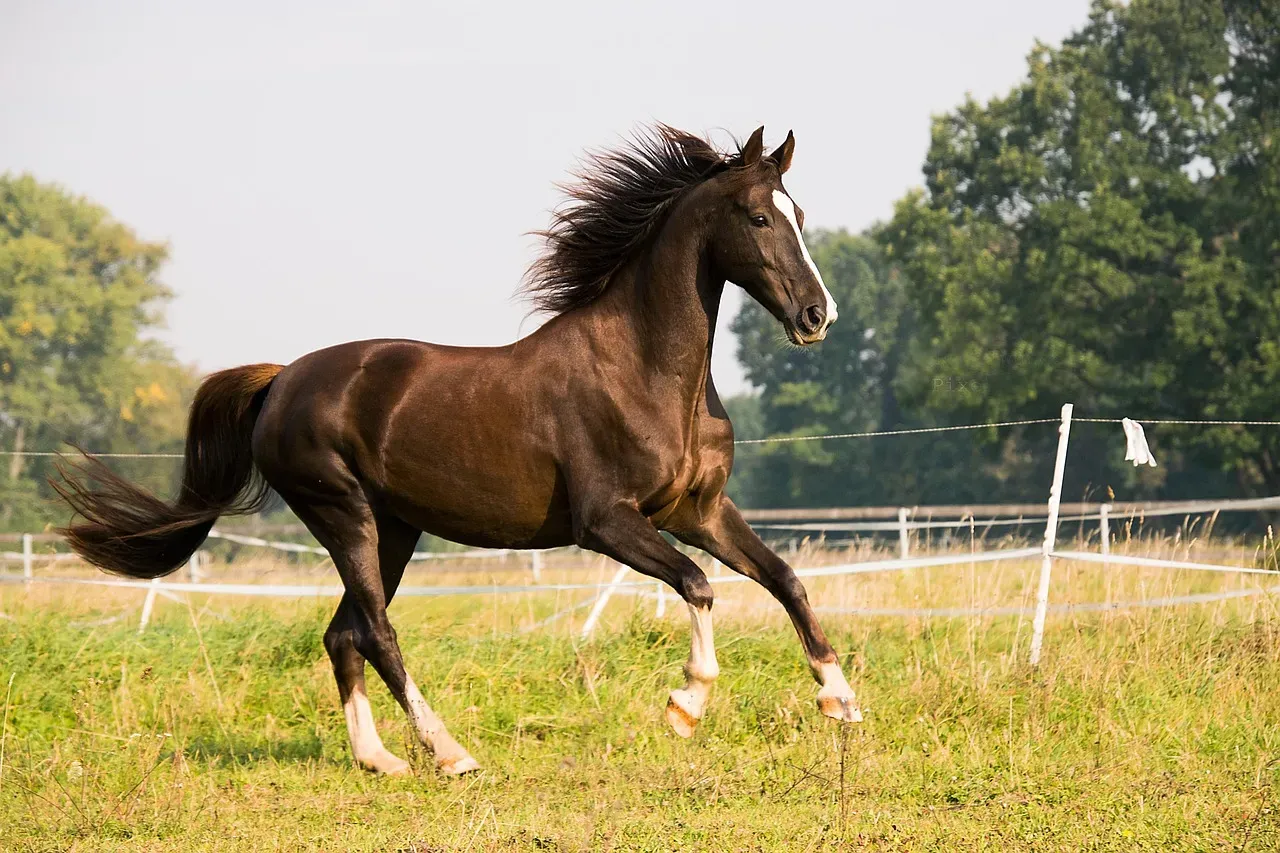
American Saddlebreds are built for show – animated, electric, visually stunning in the ring. That energy is the whole point of the breed, and it’s also what makes them genuinely difficult for beginners to manage. The same drive that produces those exaggerated, spectacular gaits doesn’t switch off when the show clothes come off. Beginners often underestimate what it takes to channel that forward energy into something safe and productive, especially without an experienced trainer guiding every step.
Vets note real sensitivity around tack fit – a slightly off saddle or poorly fitted bridle can trigger stress responses that escalate quickly. Trainers emphasize that without experienced oversight, Saddlebreds are prone to developing vices that become deeply ingrained habits: weaving, pawing, tension under saddle. The breed’s athleticism masks the problem initially, which is part of why many owners don’t recognize what’s happening until it’s already a pattern.
#9 – Akhal-Teke
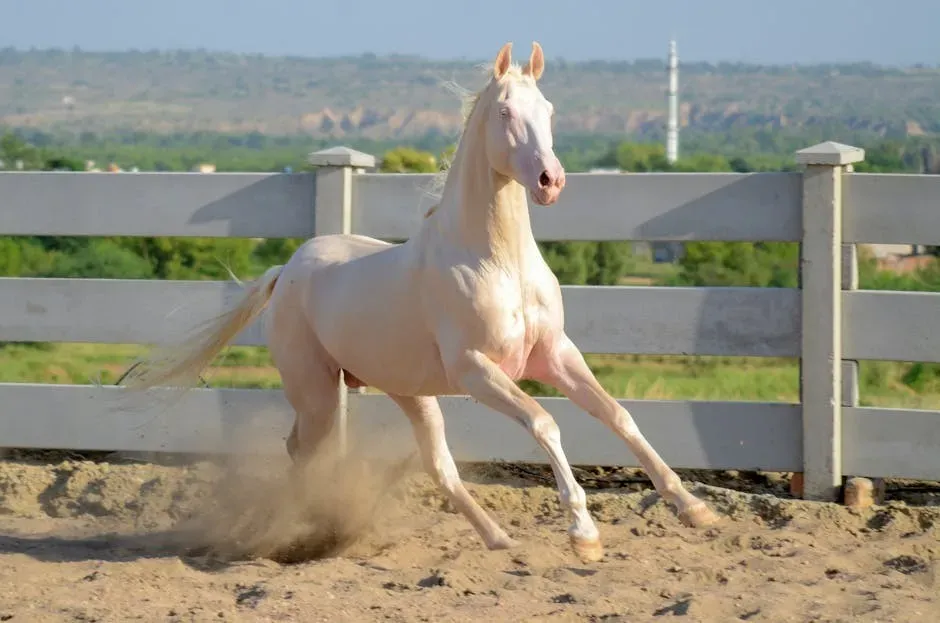
The Akhal-Teke is one of the oldest horse breeds on earth, and they carry that ancientness in their bones. Their metallic coats and lean, almost otherworldly builds attract serious attention from horse enthusiasts – and serious mismatches with beginner owners. These horses bond selectively and with intensity, which sounds appealing until you realize it means they can become genuinely defensive and difficult with handlers they don’t respect or trust. Building that trust requires sophisticated communication most beginners haven’t learned yet.
Their desert origins create specific needs that don’t translate well to standard care routines. Vets highlight unique nutritional requirements – Akhal-Tekes historically thrived on less food than most breeds, but they need precise dietary management rather than standard hay-and-grain programs. Their hooves need attentive monitoring, and their thin skin requires careful management under saddle. Combined with an athletic drive that easily exceeds what casual riding can satisfy, they quietly disappear from most beginner recommendation lists for very good reasons.
#10 – Lipizzaner
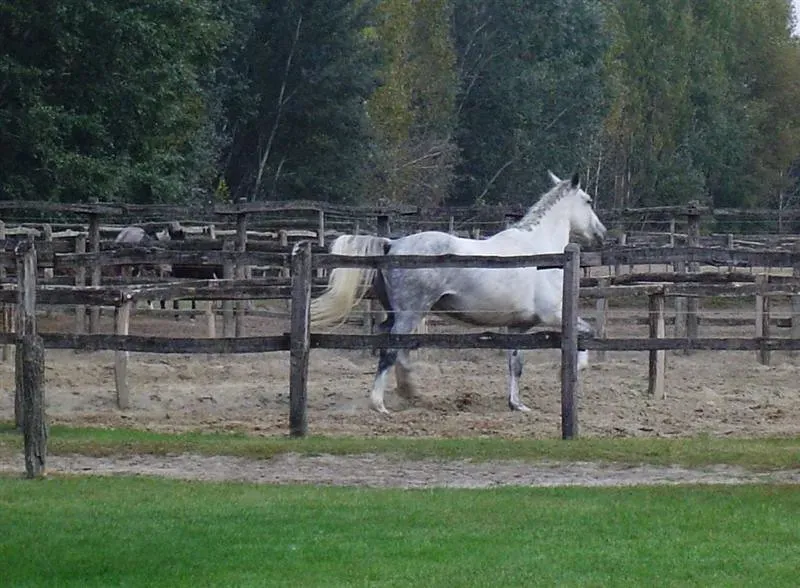
Lipizzaners are living history – the breed of the Spanish Riding School in Vienna, horses trained in classical High School movements that take decades to perfect. That pedigree is part of what makes them so appealing to horse lovers who want something special. It’s also exactly why pairing them with beginners tends to go sideways. Lipizzaners are bred and selected for advanced work, and they come with opinions about how that work should go. Inexperienced handlers during groundwork find themselves outwitted with a consistency that stops being funny quickly.
Vets frequently cite precise conditioning needs – the kind of developmental attention that prevents issues but requires knowing what you’re looking for. Their dramatic, elevated gaits can overwhelm a rider who is still sorting out their own balance at a basic trot, creating tension in the horse that compounds over time. What looks like a manageable personality from the outside reveals layers of intelligence and expectation that most beginners are genuinely unprepared to meet.
Quick Compare: What Beginners Need vs. What These Breeds Offer
| What Beginners Need | What Advanced Breeds Offer Instead |
|---|---|
| Patient, forgiving temperament | Leadership-testing intelligence |
| Predictable, consistent reactions | Sensitivity to every aid inconsistency |
| Low-maintenance health needs | Breed-specific conditions requiring expert oversight |
| Steady forward movement | Explosive forward energy or elevated collection work |
| Straightforward ground manners | Deep-seated opinions about handler authority |
#11 – Paso Fino
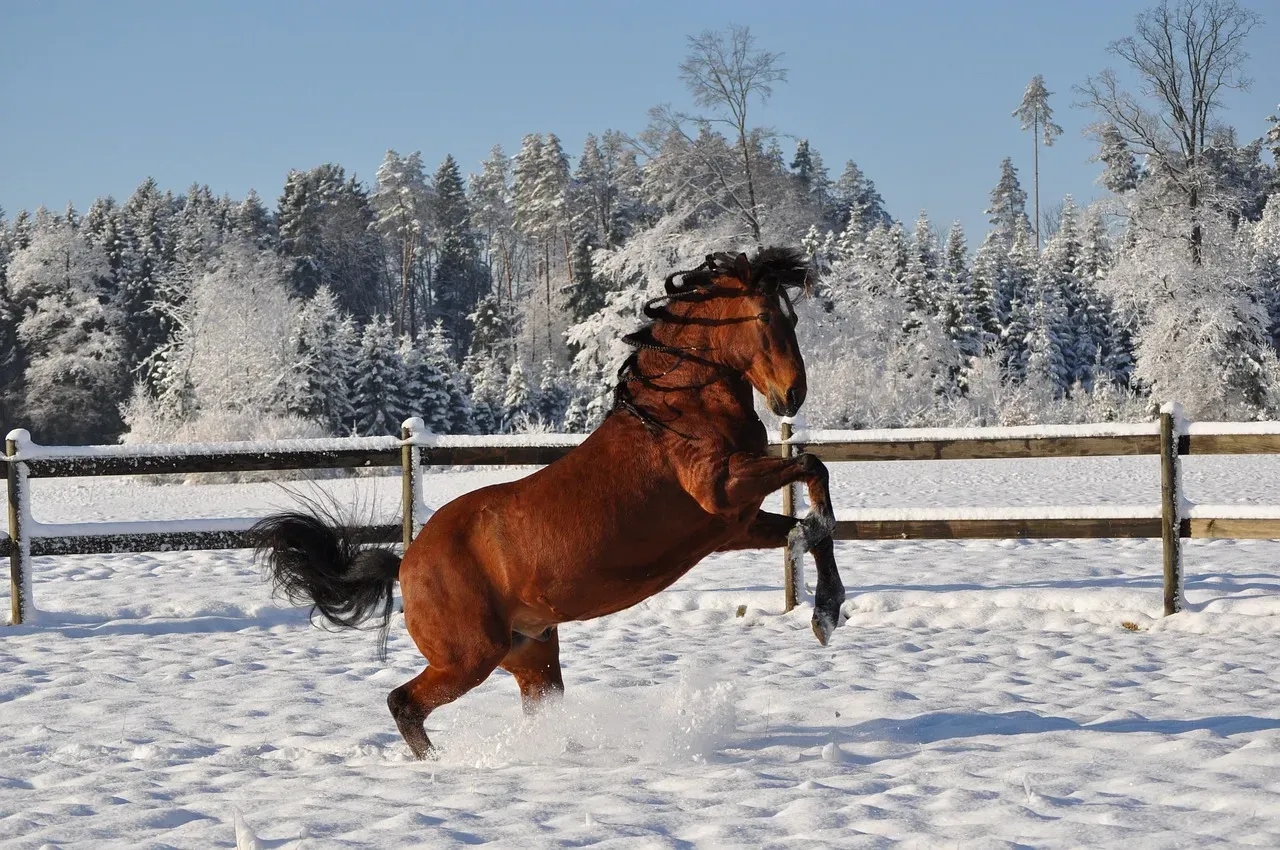
The Paso Fino’s signature smooth gait is genuinely remarkable – almost no bounce, a rhythmic four-beat motion that feels effortless to sit. That comfort is what draws people in, especially riders who’ve struggled with jarring trots on other horses. What gets glossed over is how much feel and precision a rider needs to communicate correctly with a Paso Fino’s sensitive mouth and quick lateral movement. The very responsiveness that makes the gait so smooth makes miscommunication immediate and consequential.
Trainers note that Paso Finos bond deeply and can develop real anxiety with inconsistent handling – missed rides, erratic schedules, unclear signals. When that anxiety builds, they shut down or become reactive in ways that puzzle owners who were expecting a smooth, easy experience. Vets point to specific hoof and dental maintenance needs that require more precision than the average beginner brings to routine care. The appeal is real; the match with novice owners often isn’t.
#12 – Exmoor Pony
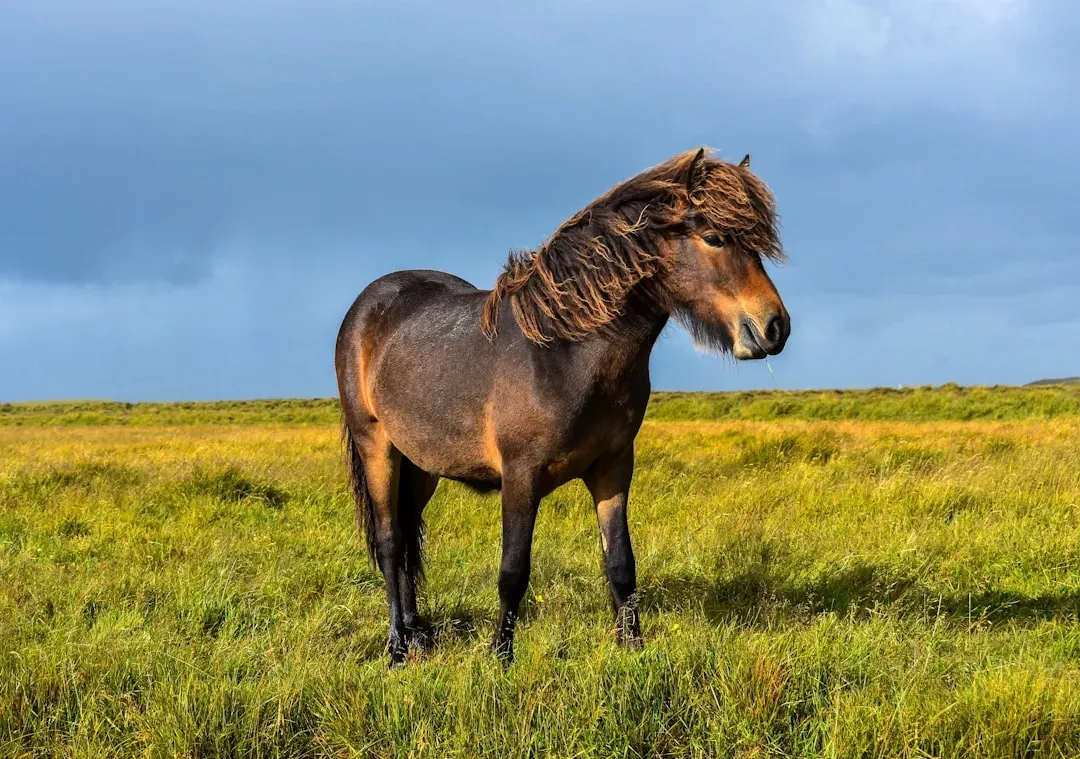
Small horses fool people. The Exmoor Pony stands under 13 hands in most cases, which makes beginners and parents assume they’re dealing with something manageable, gentle, and forgiving. The Exmoor’s personality disagrees with that assessment firmly. These ponies have survived on the moors of southwest England for thousands of years with minimal human management, and that history produces an animal with strong opinions, a powerful herd instinct, and zero interest in pretending otherwise with a handler who hasn’t earned their respect.
Trainers report that Exmoors test limits with a patience and creativity that outlasts most novices. They’re not mean horses – they’re honest horses, and what they reveal honestly is that their handler needs more experience. Vets note that their dense, double-layered coats and tough hooves require specific care routines that differ from lighter breeds. Size does not equal simplicity, and the Exmoor is one of the clearest examples in the horse world of why that assumption costs people.
#13 – Barb
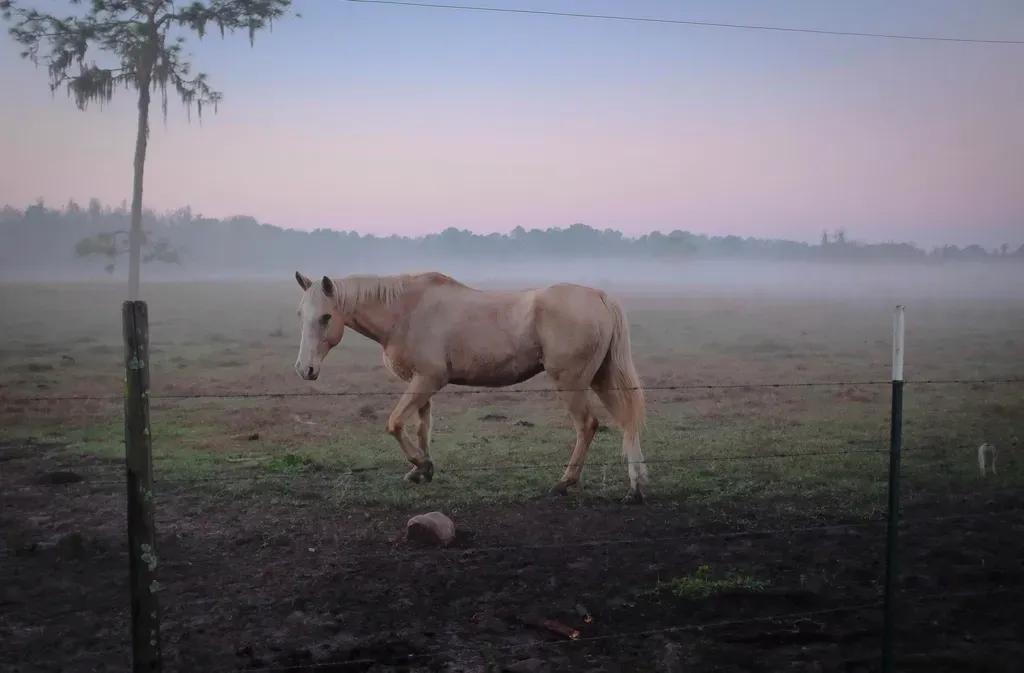
The Barb is one of history’s most influential horse breeds – a foundation for Thoroughbreds, Arabians, and dozens of other lines across centuries of breeding. That heritage shows in their toughness, their endurance, and their intensely independent character. For an experienced trainer, that independence reads as capability and intelligence. For a beginner still learning to set boundaries clearly, it reads as stubbornness, evasiveness, and a horse that seems personally committed to not cooperating.
Experts observe that Barbs need skilled, timely correction to stay on track – let a training gap slide too long and it calcifies into a habit that takes real expertise to address. Vets highlight occasional resistance to standard handling routines, the kind of low-grade pushback that wears down inexperienced owners over months. The toughness that makes the Barb extraordinary in the right hands is the same quality that makes mismatches with beginners so quietly exhausting for everyone involved.
[article_quiz]#14 – Certain Warmblood Crosses
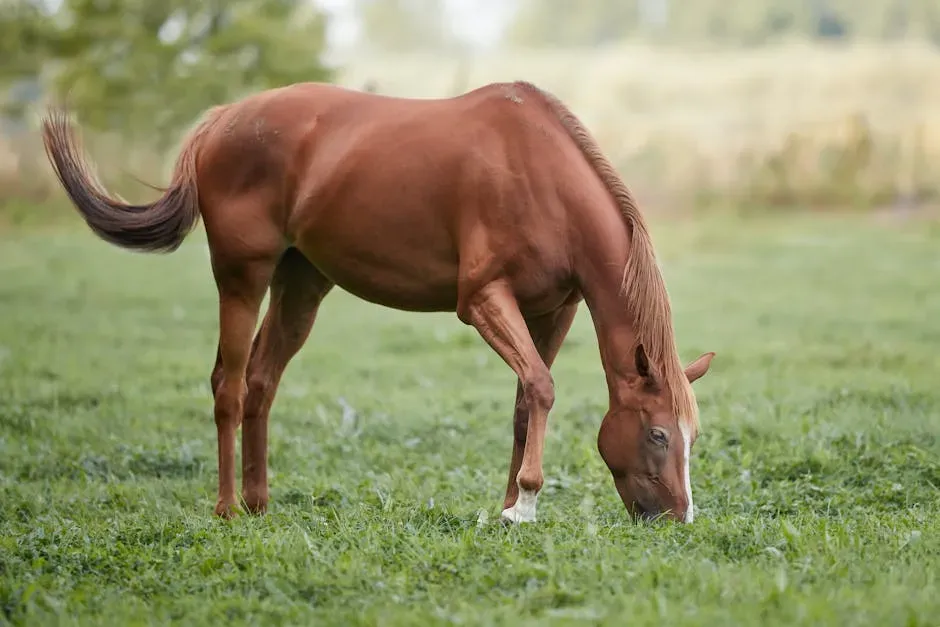
This one tends to surprise people, because warmblood crosses don’t have the obvious warning signs of a Mustang or a Thoroughbred. They often present as calm, well-bred, and beautifully trained. What they’re actually built for is performance – and their entire breeding history prioritizes athleticism, forward movement, and responsiveness to precise aids over the kind of patient, forgiving temperament beginners genuinely need. That forward-thinking breeding works brilliantly at the upper levels. It creates friction at the beginner level that shows up slowly and then all at once.
Vets and trainers consistently report higher rates of training setbacks and physical issues when warmblood crosses are paired with inexperienced owners who can’t yet provide the consistent, technically correct riding the horse needs to stay balanced and sound. Individual horses vary – there are genuinely beginner-friendly warmblood crosses out there. But the pattern repeats often enough that experienced professionals dropped them from starter suggestions years ago, and the reasons are grounded in real outcomes rather than breed snobbery.
Why It Stands Out: The Real Cost of the Wrong First Horse
- Mismatched beginner-horse pairings can leave horses labeled “unrideable” – even when the horse itself is not the problem.
- Feed, farrier visits, vet care, and tack costs add up fast; advanced-breed horses often multiply those costs through specialist needs.
- Beginners who lose confidence after a bad match often leave the horse world entirely – a loss for both rider and animal.
- The right first horse teaches you to ride; the wrong one teaches you to survive – and those are very different educations.
- Professionals consistently recommend looking for horses aged 10-15 with calm, consistent temperaments over visually impressive breeds.
The honest takeaway from this list isn’t that these breeds are dangerous or unworthy – most of them are extraordinary horses in the right partnership. It’s that the horse world has a long, expensive tradition of selling beginners animals that require advanced skills, and the professionals quietly cleaning up those mismatches have been trying to redirect that conversation for years. If you’re starting out, the breed matters less than the individual horse’s temperament, but certain breeds put the odds against you before you’ve even learned the basics. Find the horse that teaches you to ride. Save the dream breed for when you’re ready to meet it halfway.
